Running Shoes
Puma Fast R Nitro Elite: A 100-Mile Review of Puma's Split-Midsole Marathon Racer
After 100 miles, Puma's carbon-plated marathon racer holds up well, with a unique split midsole that rewards forefoot strikers and strong runners.
Introduction
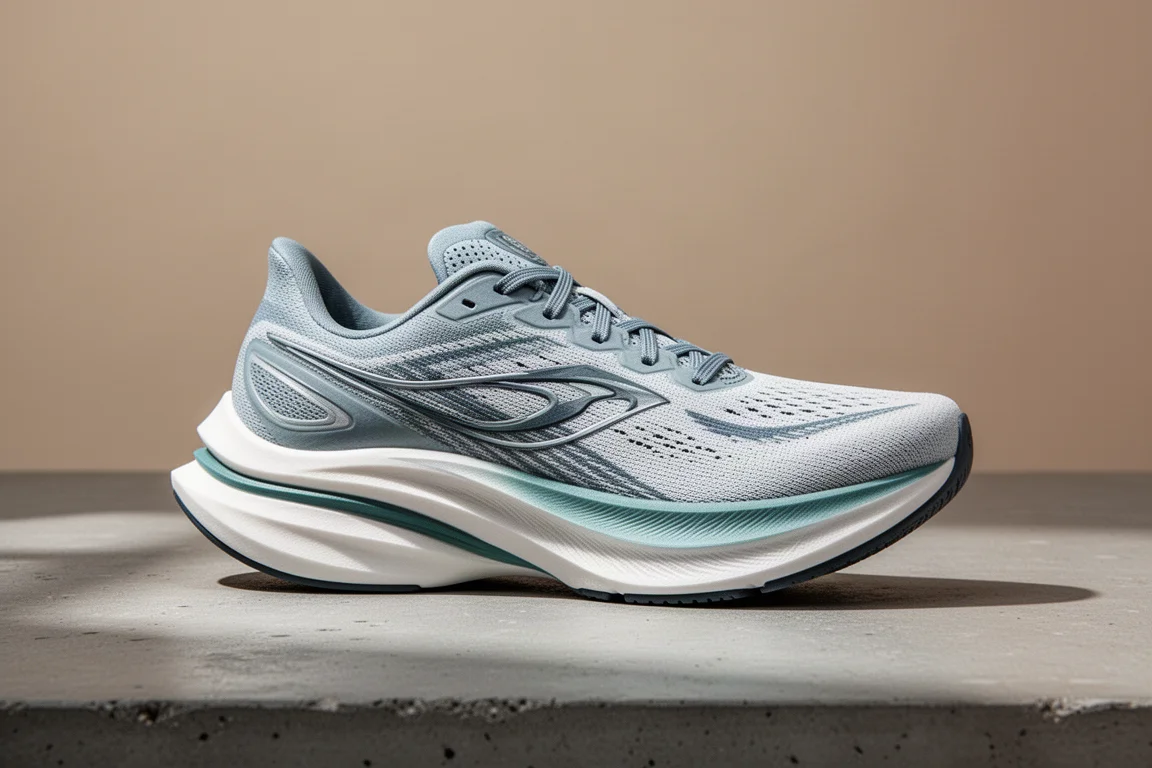
Some racing shoes follow the established template. The Puma Fast R Nitro Elite does not. As Puma’s longer-distance marathon racing shoe, it pairs a carbon fiber plate with a split midsole design: a firmer EVA rearfoot and a nitrogen-infused, bio-based PWRBACKS-style super foam in the forefoot. That split is the heart of the shoe, and after 100 miles of testing it has held up far better than most experimental designs do.
Availability has been part of the story too. This shoe has been hard to find, only gradually becoming more available in Europe and rolling out more widely from 2023 onward. So for many runners, this is the first real chance to consider it. Here is how it has worn, ridden, and held its shape over a full 100-mile block.
What Makes This Shoe Different
The defining feature is the gap between the two midsole foams. The rearfoot EVA is noticeably firm and acts like a piston, pitching you forward with each landing. The forefoot foam is one of the better-feeling racing foams around: soft, bouncy, and energetic, and honestly, a full-length version of it would be something to see.
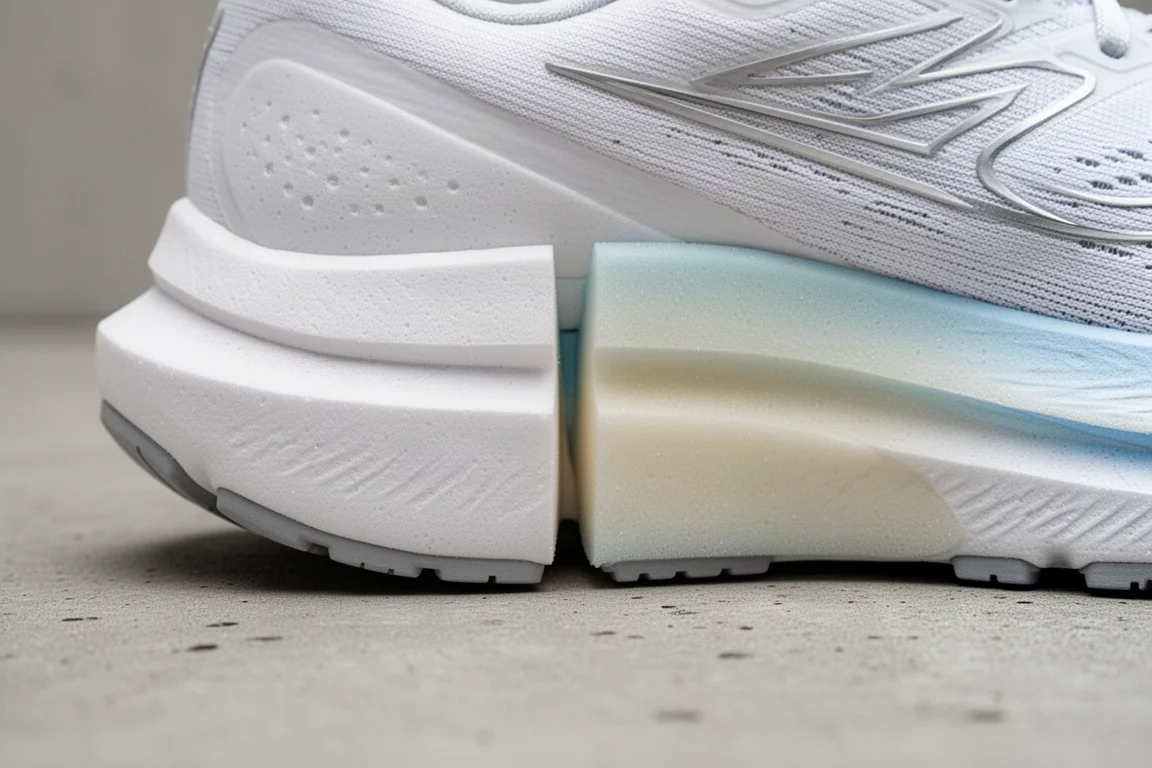
The trade-off is a visible midfoot gap where there is no ground contact at all. There is still some torsional structure because the plate holds the two halves together, and the concept is not entirely new, but that full gap is unusual. The shoe weighs a reasonable 7.5 ounces in a men’s size 9 (around 6.1 ounces in a women’s size 8) with an 8 millimeter drop from a 35mm heel to a 27mm forefoot.
Who This Ride Suits Best
This is not a shoe for everyone, and knowing whether you fit the profile matters more than usual. The ride works best for runners with strong quads and good knee control, because the firm heel pitches you forward aggressively. If you land farther forward and want a highly cushioned forefoot for longer efforts, this shoe genuinely shines.
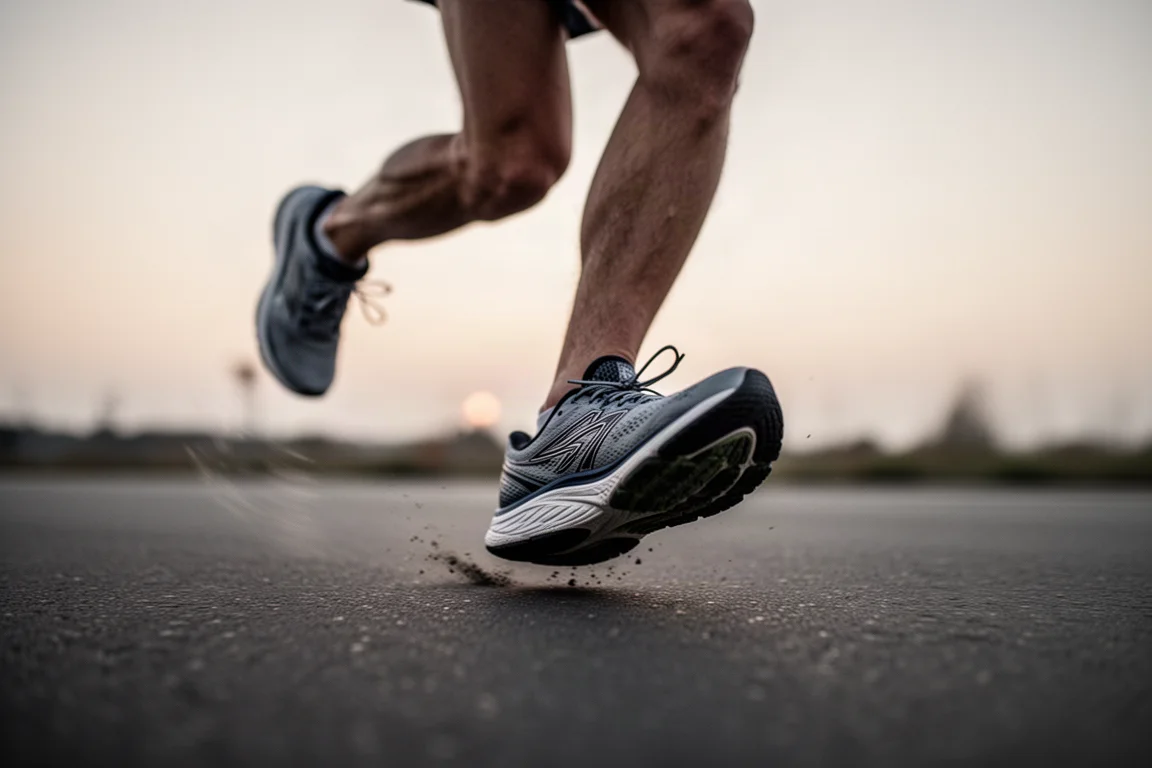
For heavier heel strikers like me, the picture is more nuanced. At moderate paces it feels fine, and for shorter intervals and faster tempo runs where you are naturally up on your toes, it feels excellent. But over longer tempo efforts I found myself wanting more heel cushioning, and as form breaks down late in a run, that midfoot gap becomes noticeable. The mild guidance from the rocker geometry helps keep things rolling, but it is something to be aware of.
Durability After 100 Miles
The headline here is positive: the shoe has maintained itself well. My outsole wear pattern is aggressive at the posterolateral heel, and even after grinding that area down, the ride has not changed much. The forefoot outsole in particular has been incredibly durable, and grip has held up throughout, still performing confidently in wet conditions.
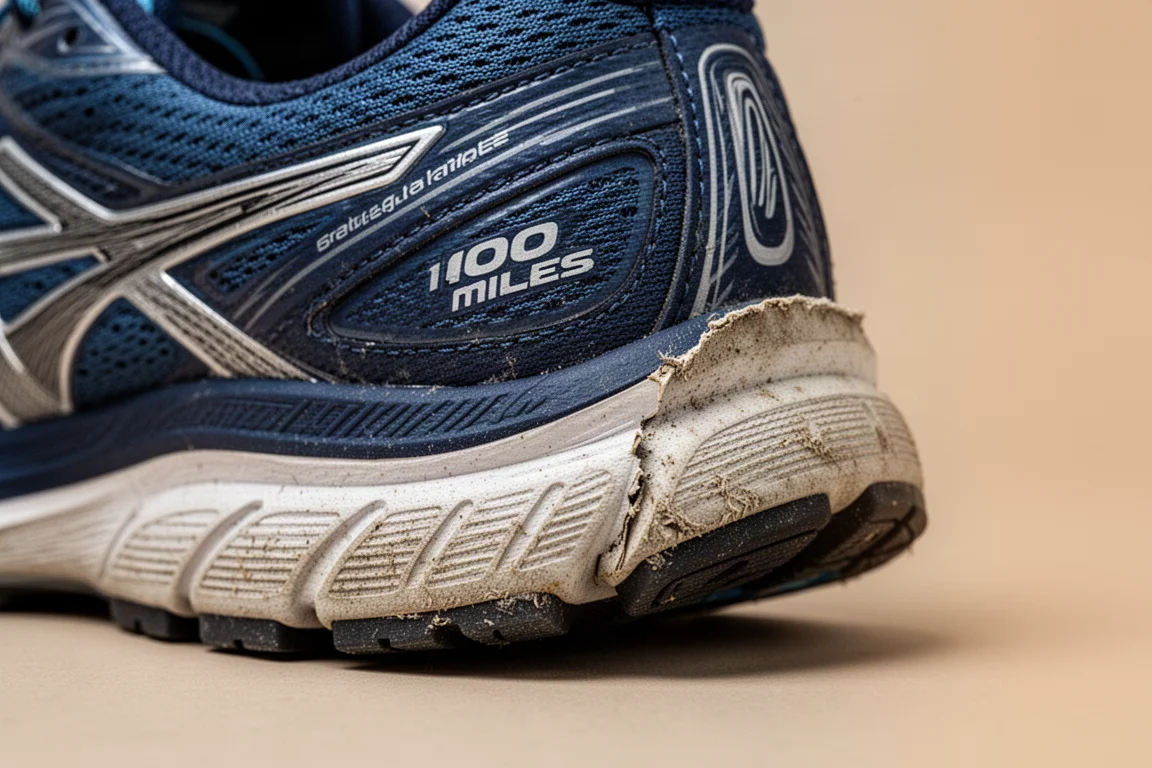
One caveat: the outsole on the retail version may differ slightly from the early pair I have been running in. The upper has also aged well, and the flexible heel spoiler, which briefly put pressure on my Achilles insertion at first, has been completely fine long term.
Things to Consider Before Buying
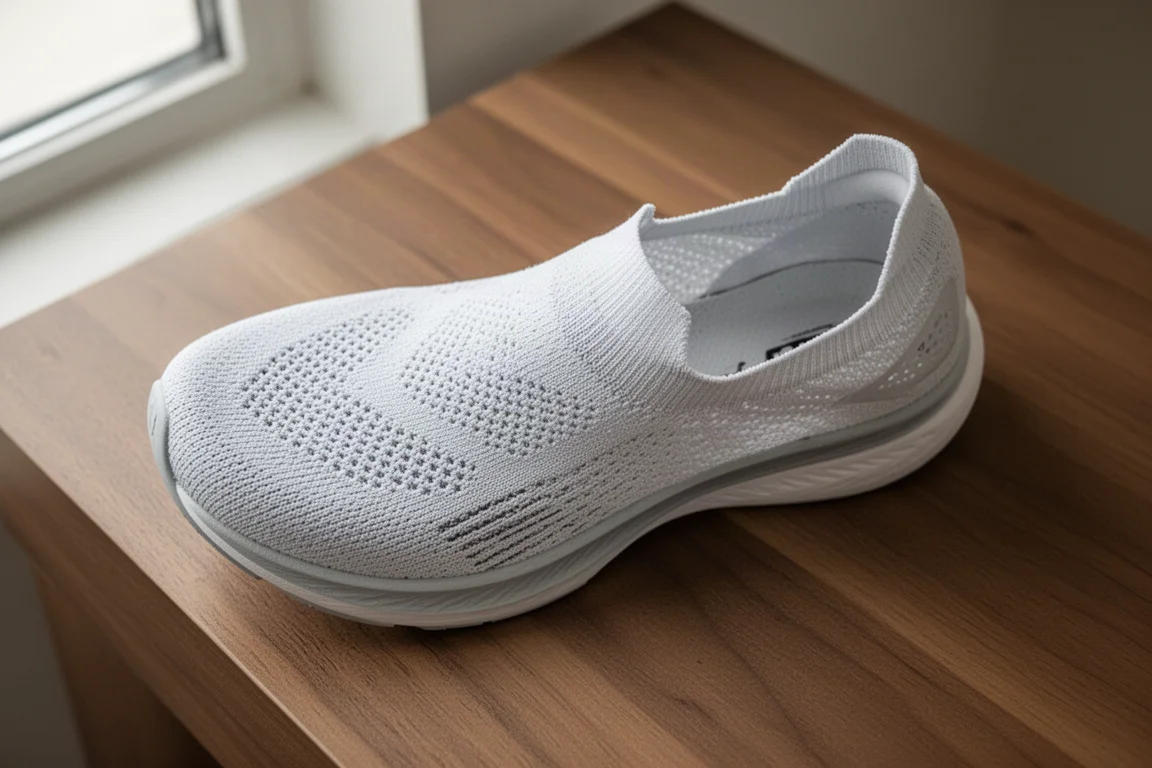
The upper is more secure than it first appears. It has a sock-like, bootie-style construction that locks the foot in surprisingly well, with more room than expected. My early instinct was to crank the laces down hard, but once I loosened them and trusted the upper, it hugged my foot without issue. The tongue and laces are very thin and can dig in if overtightened, so go easy.
The bigger consideration is knee stress. Because the firm heel pitches you forward, your tibia gets driven forward quickly on landing, which sends the knee forward fast. If you have adequate strength and movement control, that is likely fine. If you have any sensitivity around the patellar tendon or knee discomfort when your knee travels too far forward, this may not be the best option. The heat retention in the upper during hot summer months is a smaller but real complaint.
Buying Advice
If you are a forefoot or midfoot striker who wants a highly cushioned, mechanically efficient shoe that rocks you forward, this is an easy recommendation for everything from shorter fast efforts up to the marathon. If you are a rearfoot striker who can transition well onto the forefoot, you will probably be fine too. If you want plush heel cushioning, or you have knee sensitivities, look elsewhere.
If the chance comes up, try it on. It is one of the more interesting rides in the super shoe category, and the geometry-driven approach to guidance is genuinely promising. A version two with slightly more midfoot ground contact would be my wishlist item, but as it stands, this is a solid, distinctive shoe.
Conclusion
After 100 miles, the Puma Fast R Nitro Elite has earned its place as one of the more thoughtful super shoes on the market. The split midsole is unconventional, but it delivers exactly what it promises: a firm, forward-pitching heel and a superbly cushioned, bouncy forefoot. Durability has been strong, the upper has proven secure and comfortable, and the ride rewards runners whose mechanics match its design. It will not suit everyone, but for the right runner, it is a genuinely great racing shoe.
Product link
View more details for Puma Fast-R Nitro Elite
This product is mentioned in the review. Check the specifications, options, and compatibility before buying.
View more details for Puma Fast-R Nitro EliteFurther reading
Related Reviews

Running Shoes
Best Road-to-Trail Running Shoes: Three Versatile Options for Mixed Terrain
A practical guide to three road-to-trail running shoes that handle both pavement and mild trails, with clear strengths and trade-offs for different runner types.

Running Shoes
Best Running Shoes for Achilles Tendonitis: Three Options Explained
Three running shoes with different heel drops and support features designed to help reduce Achilles tendon pain during walking and running.

Running Shoes
Best Running Shoes for Women: Five Top Choices Ranked
A ranked guide to five women's running shoes, from versatile daily trainers to high-performance racing options, with real strengths and trade-offs for each.