Running Shoes
Puma Fast-R Nitro Elite 3 vs Hoka Cielo X1 3.0: Two Top-Tier Carbon Race Shoes Compared
Two of the fastest carbon-plated racing shoes go head to head on weight, ride feel, fit and race-day performance.
Introduction
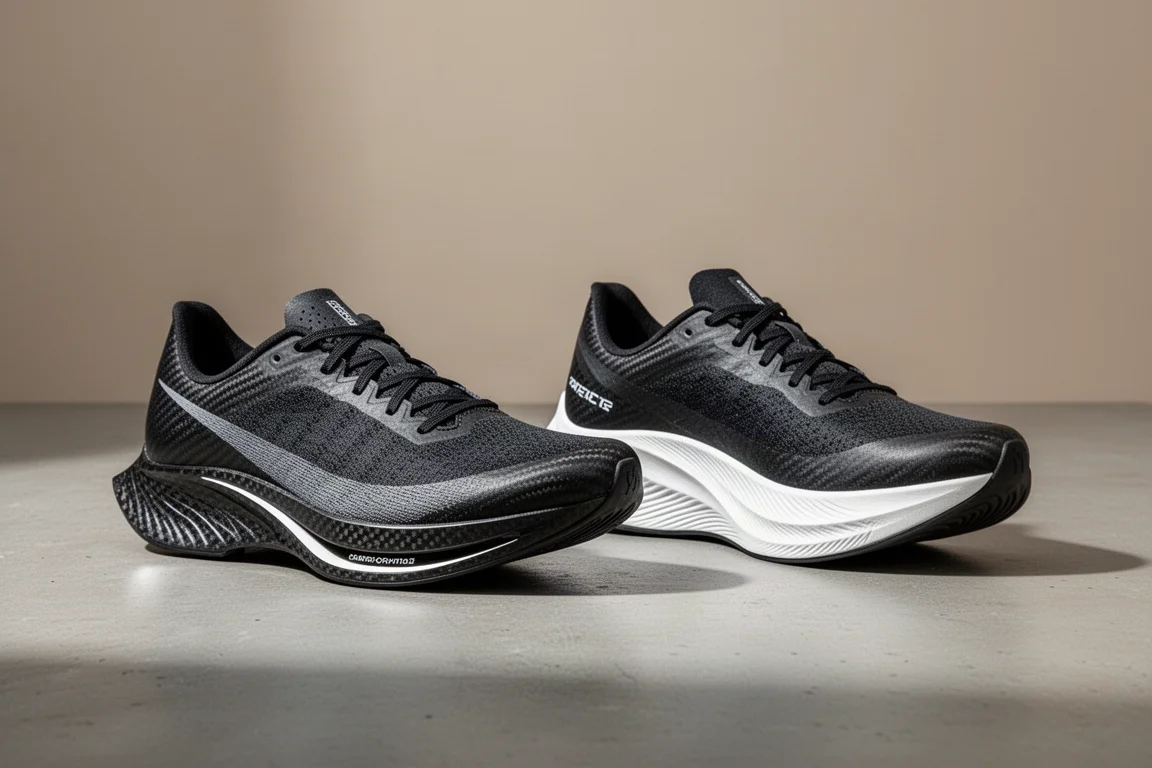
When you are hunting for a personal best, the right racing shoe can make a genuine difference. Two shoes sit very close to the top of the carbon racing shoe pile right now: the Puma Fast-R Nitro Elite 3 and the Hoka Cielo X1 3.0. Both are aggressive, rocket-like race shoes with flowing rockers, but they deliver their speed in noticeably different ways. After extensive testing across hard training sessions and real races, including marathons, half marathons, 5Ks and 10Ks, the verdict is that both are outstanding, but they suit different runners and different ride preferences.
Puma Fast-R Nitro Elite 3: Specifications and Design
The Puma Fast-R Nitro Elite 3 costs £260 or $300 and weighs 170g (6 oz) for men in a size 8, with an 8mm drop. It is a big overhaul of the previous version of the shoe. The incredibly lightweight design uses an upgraded Nitro Elite midsole to provide a high level of energy return, which combines with an extended carbon fiber power plate for a propulsive toe-off.
On the outsole sits a layer of Puma’s popular Pumagrip rubber for good traction, while a paper-thin Ultraweave upper using four-way stretch material is built to reduce weight and friction while still providing a supportive and comfortable fit.
Hoka Cielo X1 3.0: Specifications and Design
The Hoka Cielo X1 3.0 costs £250 or $275 and weighs 189g (6.7 oz) for men in a size 8, with a 7mm drop. It is a race day super shoe focused on speed and efficiency, and it is the lightest version yet with a 15g weight reduction compared to the previous model. Built for fast efforts, it features a propulsive carbon fiber plate paired with responsive PEBA superfoam delivering high energy return and a snappy ride.
The meta-rocker geometry is fine-tuned to optimize turnover, helping maintain a smooth continuous motion through each stride. Updates include a refined heel geometry for added stability and an engineered Leno weave textile that improves breathability while keeping weight to a minimum. The shoe also introduces asymmetrical lacing for a more secure fit alongside grippy outsole rubber for reliable traction.
Fit and Sizing
Sizing is worth thinking about carefully with both shoes. The Puma tends to come up a bit long, so going half a size down, especially if you are between two sizes, is a sensible move to get the best fit. The narrow uppers work well despite looking slim, and the heel hold and midfoot security are spot-on with no troublesome slipping or rubbing. The thin tongue on the Fast-R 3 raised some initial concerns but caused no issues, and one tester came out of a full marathon with feet completely intact.
The Hoka, on the other hand, fits true to size but is very snug. Everything feels closely held and very secure with little clearance at the end of the toes, which is a potential worry for longer races. It is a narrow shoe, and if you have wider feet you are likely to struggle. There is slightly more space in the midfoot of the Fast-R 3, but by no means is it a relaxed fitting shoe either. For a marathon in the Cielo, trying half a size up just for a little more room may be worth considering.
Ride and Performance
The Puma Fast-R 3 is a firmer and less springy shoe than the Cielo X1. You do not get that big sinking squish when you land; instead you get a very noticeable and purposeful rocker that pushes you onto your forefoot and along the extended plate. It is quite dictatorial: the shoe dictates how it wants you to move and how to get the best out of yourself when running hard. You have to run your way into it and learn to hit the sweet spot, but once you find it, the ride is light, snappy, highly energetic, with good ground feel and a firm, responsive, efficient character.
Real-world results back this up. The Fast-R 3 has delivered at the London Marathon, keeping turnover at a reasonably fast pace even through a difficult second half, and it has produced strong results at 5K, 10-mile and marathon distances, including efficiency lab testing with positive results. The trade-off is that it beats your legs up a bit more, with less protection under the forefoot, and it may not leave you feeling as fresh the day after a hard race.
The Cielo X1 3.0 is a whole lot of fun. It is punchy, propulsive, energetic, light and compact, with a very soft and highly compressive midsole you notice the minute you step out the front door. There is an untamed rawness to the ride that makes you want to go full tilt, although some of the wildness of the second-generation shoe has been reined in, which is a positive. All that bounce gives a whole load of extra oomph when you are running hard, and it feels bouncier and lighter on the foot than its predecessor, with improved stability too. The downside is a bit more wobble than the Puma, since the platform is set up to be softer and squishier. It performed strongly at the Paris Half Marathon, staying strong until the final kilometre.
Outsole and Traction
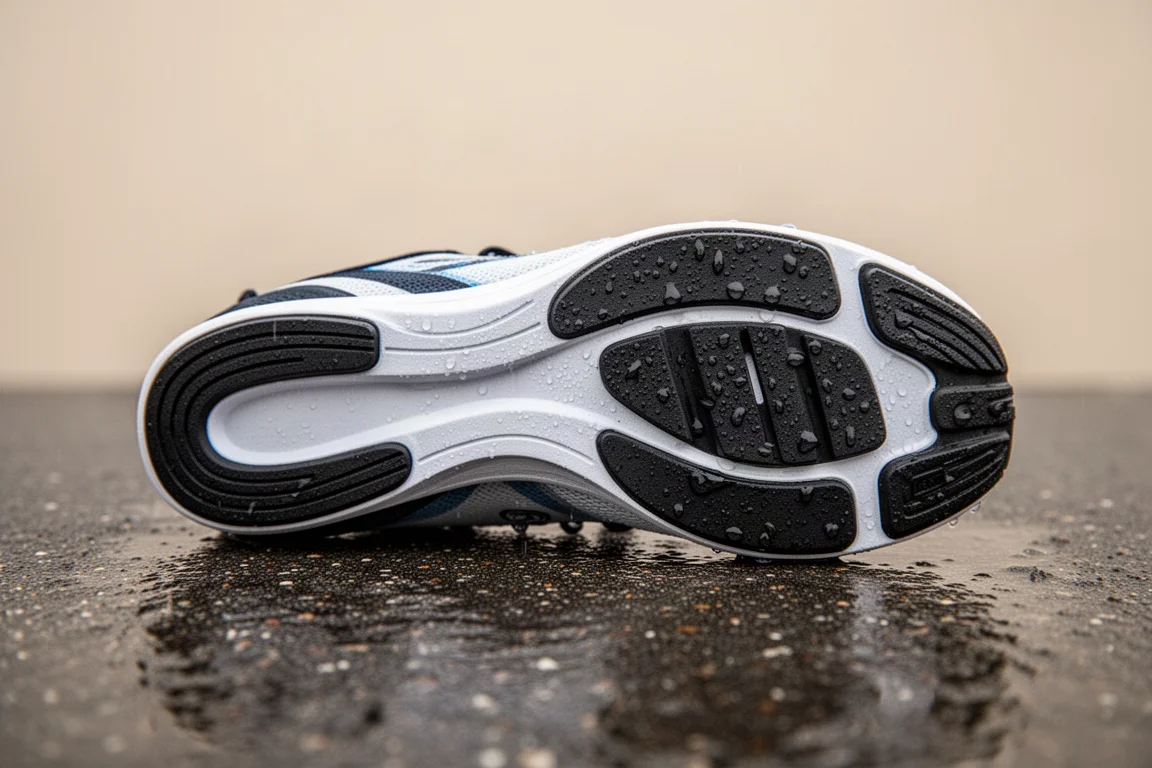
Both shoes have solid outsoles that have survived testing without the rubber ripping off, which is impressive for super shoes. The Fast-R 3 has a lot of rubber covering on the front and a couple of sections at the back. It is not the grippiest outsole, but the coverage is good.
The Cielo X1 3.0 has an updated outsole that feels grippier, and it performed well in wet conditions. This is a meaningful improvement given the previous version’s rubber came off within about a kilometre of use.
Which Shoe Should You Choose?
Both of these are fantastic shoes, and if you are chasing a PB, both should be very close to the top of your list. They are best suited to shorter distances, particularly 5K and 10K racing, where they feel light on the feet, bouncy and fast. They are also both fine for a half marathon, though neither is quite cushioned or supportive enough for a full marathon effort, and both demand decent running form: they do not cater well to ragged form when hips are tight and everything is uncontrolled.
If you want the bouncy, aggressive, hyper-propulsive ride, go for the Cielo X1 3.0. The softness also makes it kinder to tired feet in terms of road protection. If you want a shoe that is still big on efficiency, snappy, fast and energetic, but a bit firmer with more ground feel in the forefoot and a more responsive character, the Fast-R 3 is the way to go. The Fast-R 3 relies more on the plate and feels a bit stiffer, while the Cielo X1 gets more of its energy from the foam.
If forced to pick one, it comes down to ride feel preference. For one tester who prizes bounce above all else in a race, the Hoka Cielo X1 3.0 takes it, having delivered a half marathon PB and a bit more energy return. For another who loves that snappy, firmer turnover for absolute speed, the Puma Fast-R Nitro Elite 3 wins out as one of the top race shoes of all time.

Conclusion
These are two top-tier, excellent carbon race shoes with quite distinct rides. There is not much between them in outright performance, so the choice really comes down to whether you prefer bouncy and soft or firm and snappy. Whichever way you lean, you are not going to go wrong with either of these shoes on race day.
Product link
View more details for Puma Fast-R Nitro Elite 3
This product is mentioned in the review. Check the specifications, options, and compatibility before buying.
View more details for Puma Fast-R Nitro Elite 3Further reading
Related Reviews

Running Shoes
Best Road-to-Trail Running Shoes: Three Versatile Options for Mixed Terrain
A practical guide to three road-to-trail running shoes that handle both pavement and mild trails, with clear strengths and trade-offs for different runner types.

Running Shoes
Best Running Shoes for Achilles Tendonitis: Three Options Explained
Three running shoes with different heel drops and support features designed to help reduce Achilles tendon pain during walking and running.

Running Shoes
Best Running Shoes for Women: Five Top Choices Ranked
A ranked guide to five women's running shoes, from versatile daily trainers to high-performance racing options, with real strengths and trade-offs for each.