Running Shoes
Puma Fast-R Nitro Elite 3 vs Deviate Nitro Elite 4: Two Fast Carbon Racers, Two Very Different Rides
Puma's top two carbon plate racing shoes share similar weight and stack, but deliver noticeably different ride experiences. Here is how they compare for racing and training.
Introduction
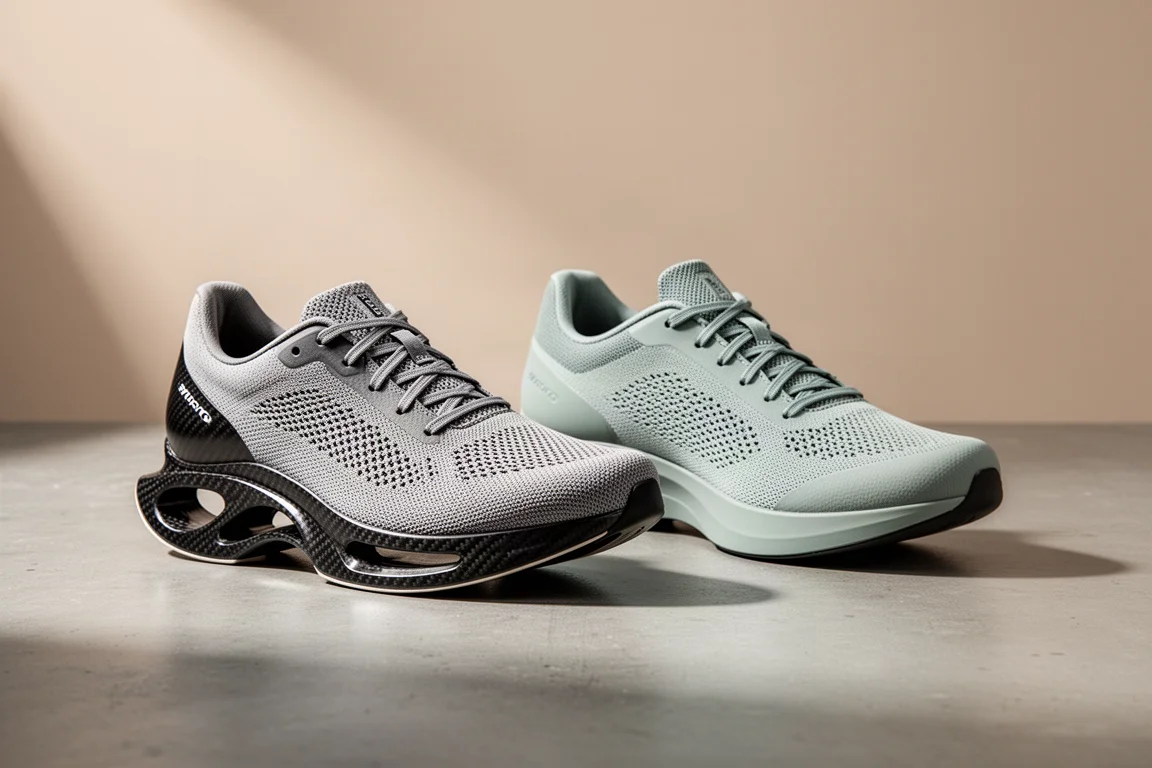
Puma currently sits at the top of the carbon racing shoe conversation with two very different models: the Fast-R Nitro Elite 3 and the Deviate Nitro Elite 4. The Fast-R 3 is the pinnacle racing shoe in the range, launched first, while the Deviate Nitro Elite 4 arrived at the start of the following year as a slightly cheaper and more approachable option.
Both are lightweight, fast and built for personal bests, but they are deliberately set apart in price and philosophy. After extensive testing in both, this comparison breaks down where each shoe excels and which type of runner each one suits best.
Quick Comparison: Specs and Design
On paper, these shoes are remarkably close. Both have an 8 mm drop, a 40 mm heel stack and a 32 mm forefoot stack. Both use the same Nitro Elite midsole, a supercritical aliphatic TPU foam, with a full-length carbon plate that Puma calls the power plate. Both also use a lightweight, breathable Ultraweave upper.
The Fast-R 3 weighs 187 g (6.6 oz) in a UK 9, and the Deviate Nitro Elite 4 comes in at 177 g (6.2 oz) in a UK 8.5, so both are extremely light even within the carbon plate category.
What they do with that shared stack is very different. The Fast-R 3 has dramatic cutouts in the midsole, with the heel and forefoot decoupled, a much more aggressive rocker shape, and a plate that extends beyond the front of the shoe for extra leverage. Outsole coverage is also stronger on the Fast-R 3, with the whole forefoot covered plus two strips of rubber at the heel. The Deviate Nitro Elite 4 keeps things more traditional, with Puma Grip rubber on the forefoot and the outside of the heel, but exposed foam on the inner heel.
Fit and Sizing
Both uppers run on the narrow side, and both shoes were comfortable enough in regular sizing for the testers, who have relatively wide feet. In the Fast-R 3, the race-hugging snug fit still has enough flexibility to move with the foot, with good length in the toe box that helps avoid black toenails. Heel hold and midfoot security were spot on, with no slipping or rubbing, and one marathon was completed with feet fully intact.
The Deviate Nitro Elite 4 feels a bit more natural on the foot and slightly more accommodating, with just enough length and good security across the midfoot. Some attention to lacing was needed to prevent movement into the heels.
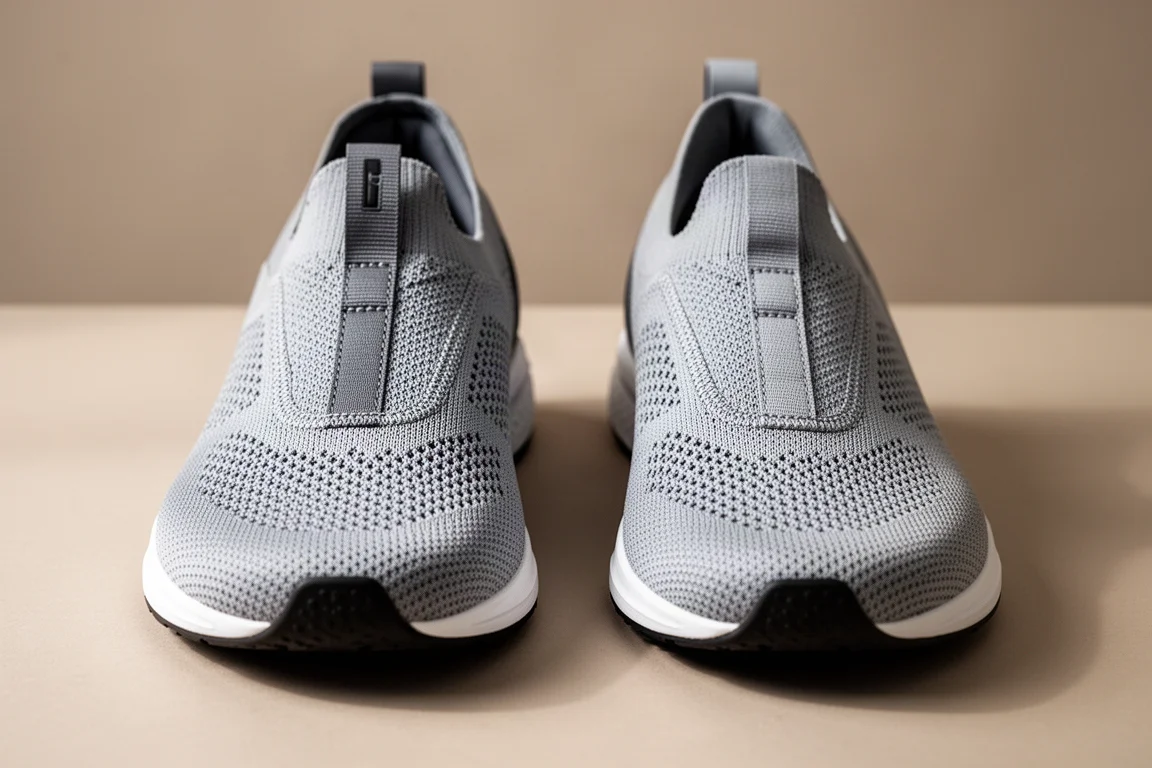
One tester between two sizes preferred going half a size down in the Deviate Nitro Elite 4, noting that Puma shoes can run a little long. Overall advice: stick to your regular size in both, and if you are between sizes, consider the smaller one. If you have wider feet, the Deviate Nitro Elite 4 is the more forgiving of the two, while the Fast-R 3 is narrower and a bit trickier to get a clean lockdown fit, partly due to a very thin tongue that can be hard to position.
Ride Feel: How They Differ on the Run
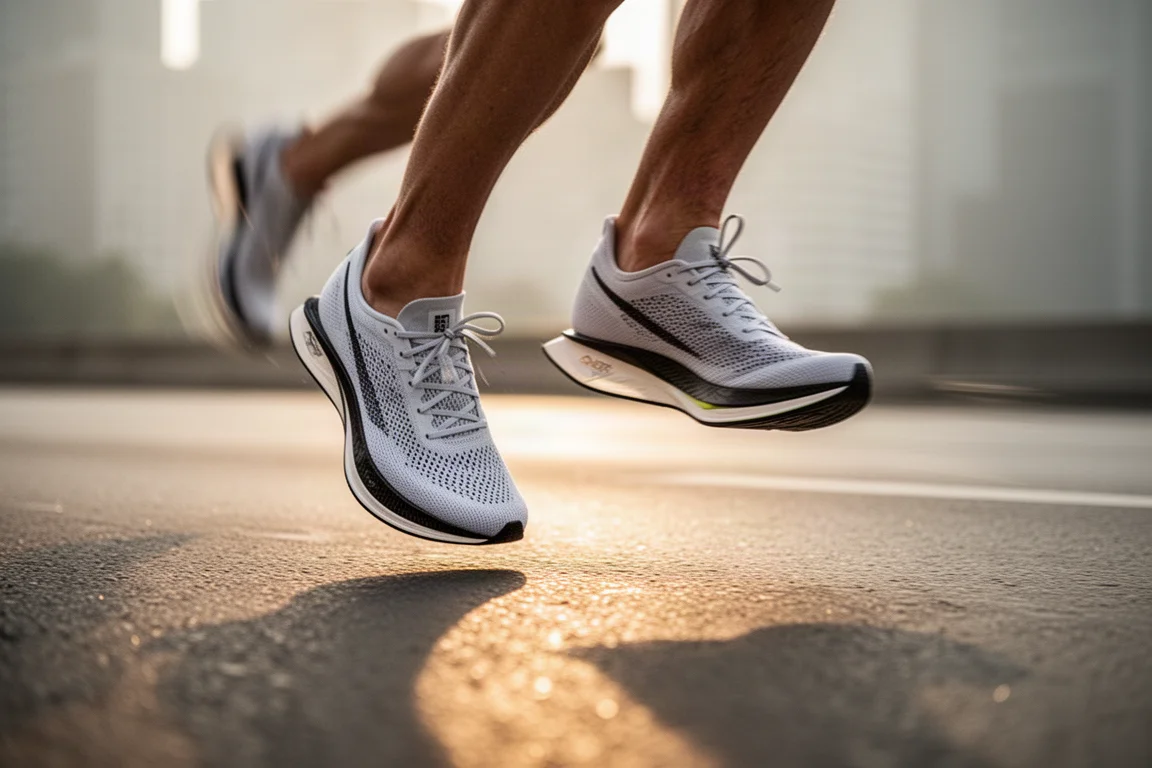
This is where the two shoes really part ways. The Fast-R 3 is heavily rockered and actively pushes you into a specific running position. It rolls you through the gait in a particular way to extract the benefit of that extended plate and aggressive shaping, creating a very efficient ride. It also feels firmer underfoot, with a bit more road feel coming through, though there is just enough protection under the midfoot and forefoot to keep the battering manageable.
The payoff is real. Over a marathon, even when legs were tiring in the second half, the shoe helped keep turnover going, and it delivers at 5K and 10K pace as well as anything tested. The trade-off is that the ride can feel slightly mechanical, and for all-out sprint reps on the track it does not always feel natural.

The Deviate Nitro Elite 4 has a much more traditional feel. There is some toe spring, but heel-to-toe transitions happen in a more standard way. It feels softer at the heel with more to land on for heel strikers, yet still delivers a very responsive, poppy push off the toes from the same foam. It feels light and fast on the foot, more natural for shorter, sharper efforts, and still facilitates fast running over long distances without dictating your foot strike.
Durability and Outsole
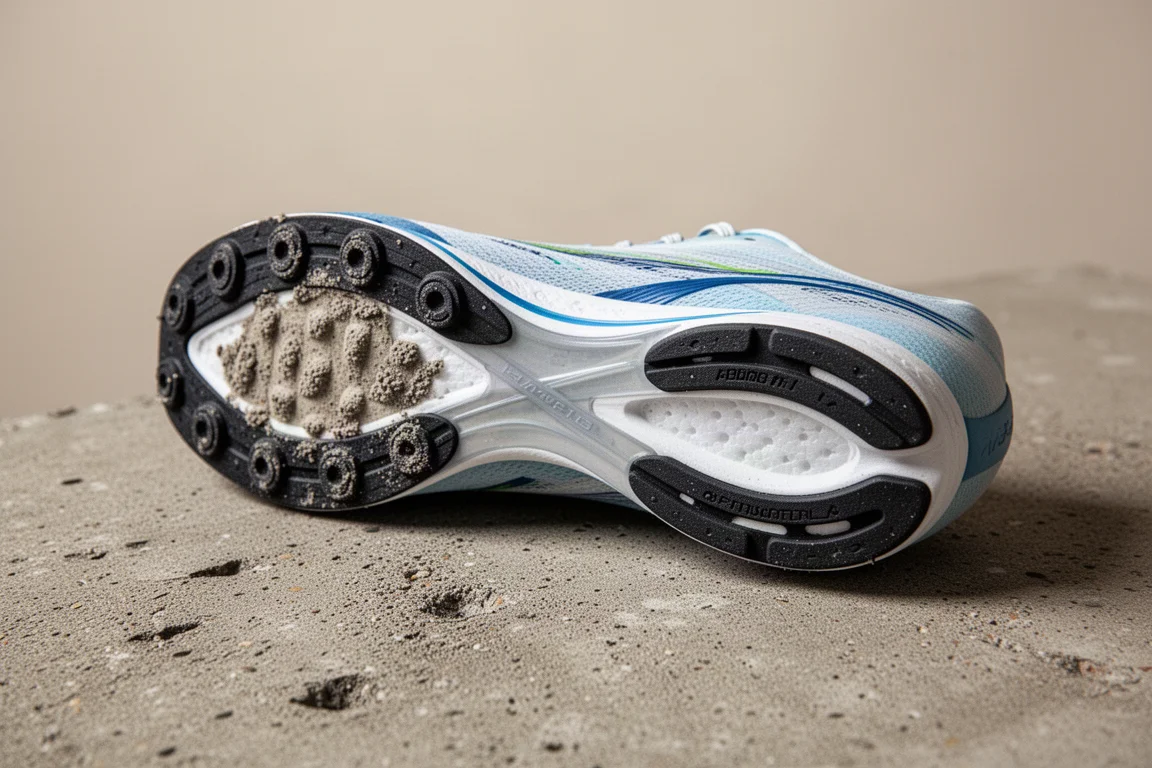
The Fast-R 3 outsole has better rubber coverage overall, with the full forefoot covered and two strips at the rear. After heavy use, the rubber shows indentation and wear in the forefoot, and Puma suggests a lifespan of around 200 miles, roughly 300 km.
The Deviate Nitro Elite 4 is expected to last longer. Even with exposed foam on the inner heel, that area showed almost no deterioration in testing, though one tester did rip off a piece of outsole rubber within 2K and had to reattach it, which seems to be an isolated case. In general, the Deviate Nitro Elite 4 handles mixed training better and is the more durable option of the two.
Which Shoe Should You Choose?
Ask yourself a simple question before your next race: can you hold your form in a more aggressive carbon racing shoe for the whole distance, and do you mind a bit more ground coming up through the shoe?
If yes, the Fast-R 3 is the pick. It brings efficiency on a level that holds up even on tired legs, with an all-out snap that delivers, and it is one of the strongest racing shoes available right now. It shines at 5K and 10K and rewards runners with good form who like a mechanical, rockered ride.
If you want something a bit more natural and accommodating, the Deviate Nitro Elite 4 is the smarter choice. It still packs real energy and speed at top paces, but feels more stable, has more protection in the heel, and handles tired legs better, which can be crucial over a marathon. It is also the more versatile shoe, better suited to fast training sessions, mixed roads and general running, and it was preferred for longer races where a smoother landing matters.
For half marathons, both shoes work well. For the marathon, the Deviate Nitro Elite 4 has the edge. If you could only own one, the Deviate Nitro Elite 4 is arguably the more sensible all-rounder, but if your goal is purely chasing the fastest times you can, the Fast-R 3 is the superior speed shoe.
Conclusion
These are two excellent carbon racing shoes with similar weight, stack and drop, but very different personalities. The Fast-R Nitro Elite 3 is the more aggressive, more efficient and slightly more expensive option, best for runners who can handle its rockered, firmer ride over shorter races up to the marathon. The Deviate Nitro Elite 4 is the more accessible, more protective and more versatile shoe, equally happy in fast training and long racing. Neither is slow, and the right choice comes down to the ride feel you want and how your legs will feel at the end of the race, not just the start.
Product link
View more details for Puma Fast-R Nitro Elite 3
This product is mentioned in the review. Check the specifications, options, and compatibility before buying.
View more details for Puma Fast-R Nitro Elite 3Further reading
Related Reviews

Running Shoes
Best Road-to-Trail Running Shoes: Three Versatile Options for Mixed Terrain
A practical guide to three road-to-trail running shoes that handle both pavement and mild trails, with clear strengths and trade-offs for different runner types.

Running Shoes
Best Running Shoes for Achilles Tendonitis: Three Options Explained
Three running shoes with different heel drops and support features designed to help reduce Achilles tendon pain during walking and running.

Running Shoes
Best Running Shoes for Women: Five Top Choices Ranked
A ranked guide to five women's running shoes, from versatile daily trainers to high-performance racing options, with real strengths and trade-offs for each.