Running Shoes
Puma Fast-R 3 vs Deviate Nitro Elite 3: Which Carbon Racer Should You Buy?
Two of Puma's top carbon plate racing shoes take very different approaches to speed, price, and durability. Here's how to pick the right one.
Introduction
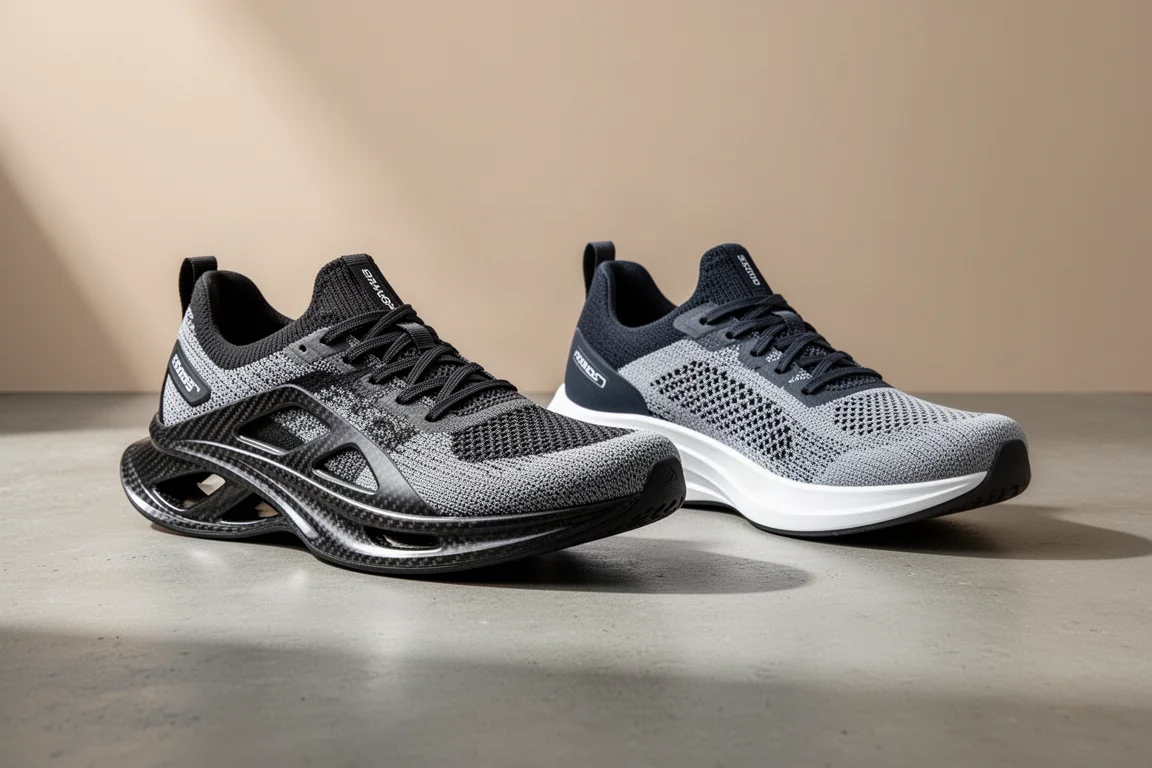
Puma’s carbon plate range has quietly become one of the most interesting in running right now. At the top sit two shoes with very different personalities: the Fast-R 3 and the Deviate Nitro Elite 3. Both are excellent, and both rank among the strongest carbon racers on the market, but they split on price, weight, ride feel, and durability in ways that will genuinely change which one suits you.
The Fast-R 3 is the more expensive of the pair at £260 or $300, while the Deviate Nitro Elite 3 comes in at £195 or $230, undercutting most of its carbon-shoe competition. That pricing difference alone makes this comparison worth your attention.
Two Carbon Racers, Two Philosophies
On paper, the specs are closer than the pricing suggests. Both shoes share an 8 mm drop and identical stack heights of 40 mm at the heel and 32 mm at the forefoot. They also use the same core materials throughout, including an UltraWeave upper and Puma’s Nitro Elite foam, a nitrogen-infused aliphatic TPU.
The differences show up in weight and application. The Fast-R 3 is exceptionally light at 187 g (6.6 oz) in a UK 9, while the Deviate Nitro Elite 3 sits at 215 g (7.5 oz), which is more mid-pack for a carbon plate shoe. The lighter shoe trades durability and stability for outright speed; the heavier one buys you a more natural, forgiving ride.
Design and Materials
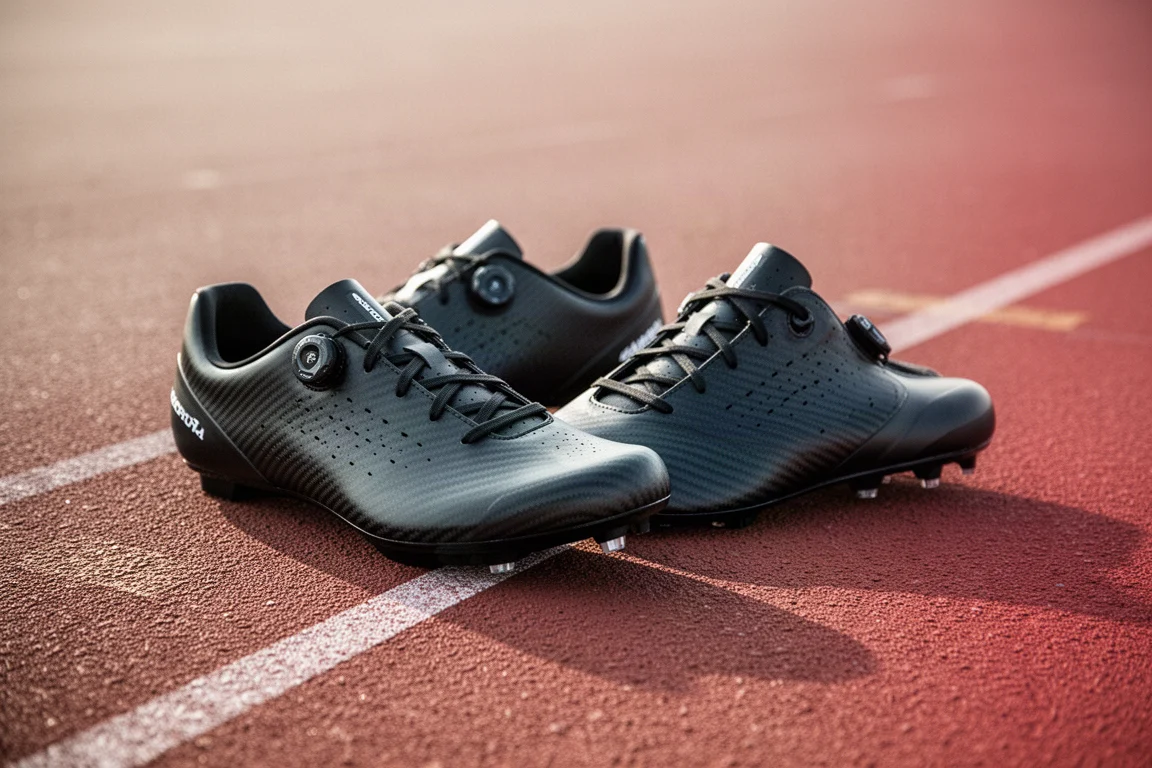
The Fast-R 3 goes all-in on weight saving. Its UltraWeave upper is thin and minimal with almost no padding on the tongue, just a little cushioning around the heel, plus an internal heel counter to add structure at the back given its aggressive design. The midsole is no longer fully decoupled like earlier Fast-R versions, but substantial cutouts around the midfoot remain, leaving two big chunks of foam connected by a thinner middle section. A carbon power plate runs through the shoe and extends beyond the front of the forefoot, which Puma says adds leverage at toe-off for better efficiency. The Puma Grip outsole is a very thin layer at the forefoot with two rubber strips at the heel, all in the name of minimalism.
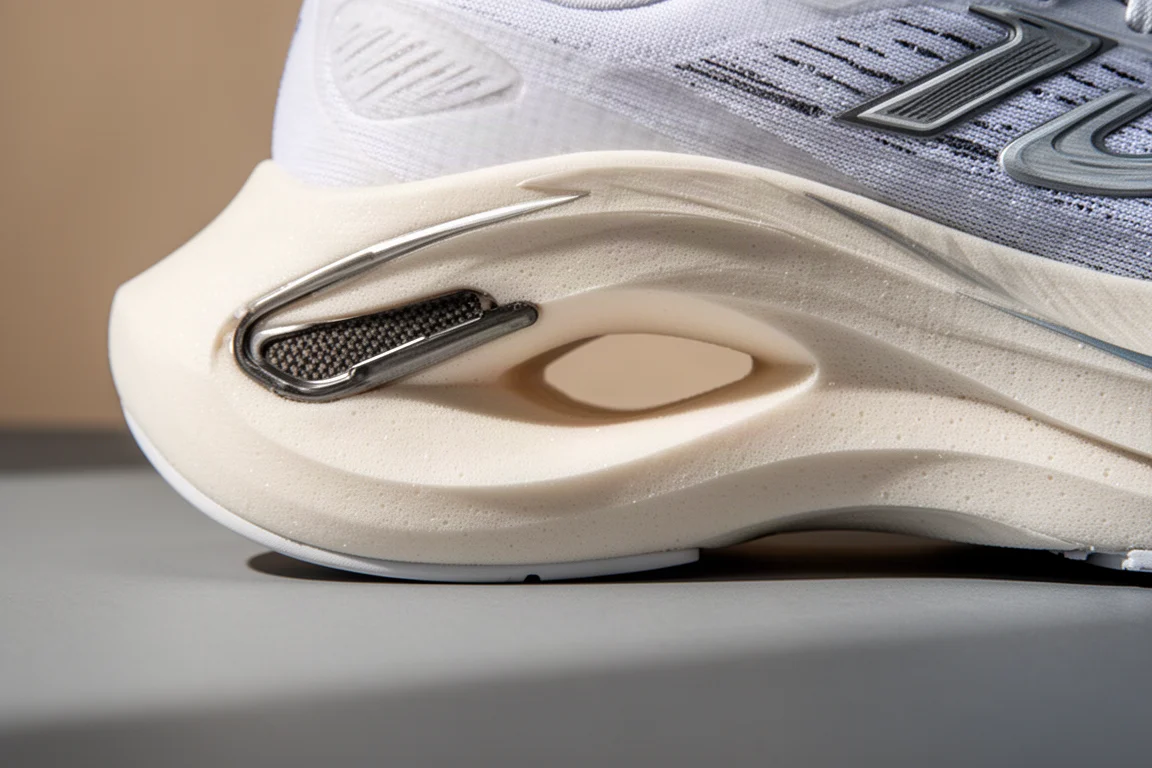
The Deviate Nitro Elite 3 uses the same UltraWeave upper but with noticeably more padding on the tongue and a generally more supportive feel, though there is little in the way of an internal heel counter. Its midsole has a much more traditional geometry, full and consistent rather than heavily cut out, with just a small cutout on the underside to trim weight. The full-length carbon power plate does not extend past the forefoot. The Puma Grip outsole is thicker with more coverage, helping durability and possibly even grip, though both shoes inspire confidence here. Grip is an area where Puma consistently excels.
Fit and Sizing
Both shoes ran slightly long in a normal UK 9, with a bit too much room around the toes for a racing shoe. If you are between sizes, going half a size down is a sensible move, especially if you like a dialed-in fit at the front of the shoe.
The Fast-R 3 is the narrower of the two and hugs the foot closely. Runners with wide feet may find themselves sitting over the side of the shoe, particularly on the medial side. Both uppers hold the foot securely with no heel slippage or rubbing, and both feel lightweight without giving up security on the run.
Puma Deviate Nitro Elite 3: The Value All-Rounder
The Deviate Nitro Elite 3 is a simpler racing shoe: lightweight, fast, with genuinely good foam that provides pop and response, and a design that handles plenty of training as well as racing. It was impressive in summer testing, but it truly earned its place over a winter of marathon training in icy UK conditions, where most carbon plate shoes would have been a liability.
That comes down largely to the Puma Grip outsole. In one track session where the surface was covered in a thin layer of ice, the shoe handled the reps without grip worries. A hard 30k progression run on icy roads, finishing around marathon pace, reinforced the same point. But this is not just a grippy shoe; it delivers a responsive, leg-protecting carbon plate ride that handled a 20-plus mile long run comfortably.

With around 160 km of use including a lot of rough winter running, it has shown very little wear and sits at the durable end of the carbon shoe spectrum. Add the natural, stable ride and the lower price, and it is easy to recommend as a first carbon shoe or for anyone who dislikes heavily rockered designs. It will work for a very wide range of runners.
Puma Fast-R 3: The Race Day Specialist
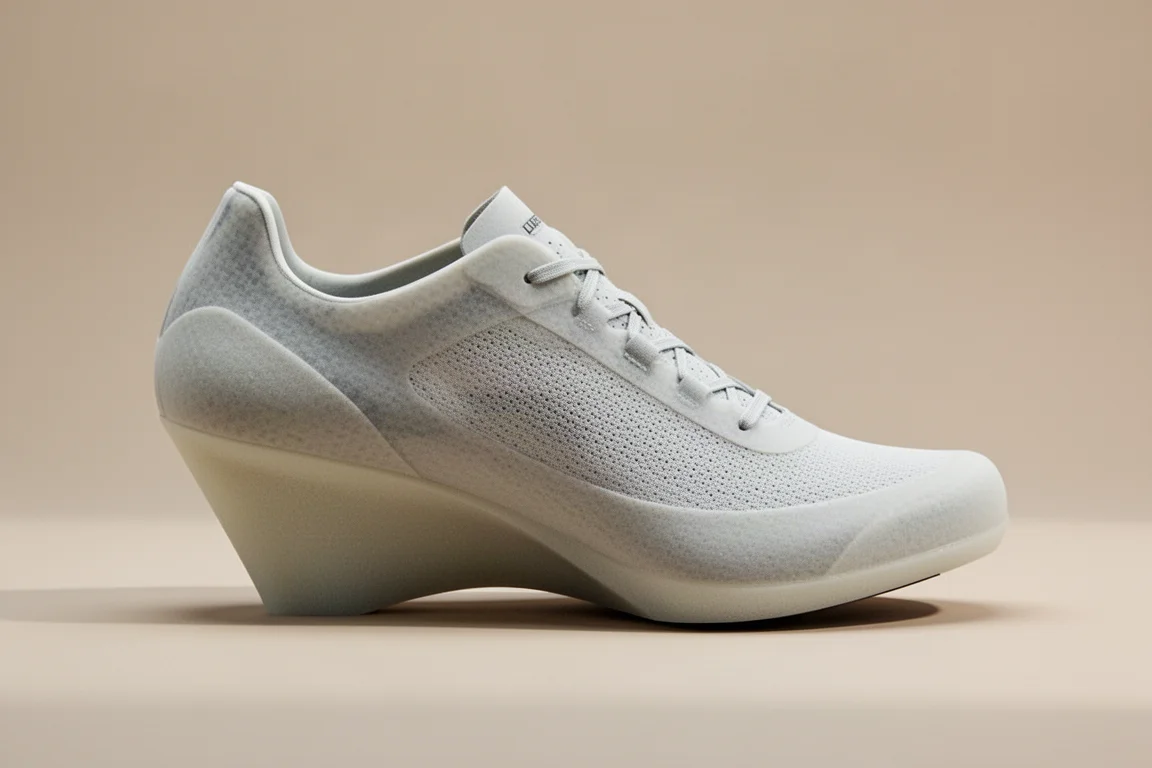
The Fast-R 3 is a step up in pure performance within the Puma range. This is not a shoe for high-volume training; it is built for race day with an incredibly lightweight design, less durability, and a less natural ride, all in exchange for speed. The aggressive rocker and extended carbon plate create a strong rolling sensation, and the minimal foam around the heel keeps weight low. The same Nitro Elite foam delivers that poppy, responsive feel, but the rocker geometry rolls you up and off the plate into a smooth, powerful toe-off. Compared to its predecessor, this version keeps the propulsive feel in a far lighter package, which makes faster running easier because picking your feet up is simply less work.
In real-world use, it has consistently delivered pace outputs that felt faster than the effort invested, including in a marathon where the shoe kept rolling efficiently through the final 10k when fatigue set in. That efficiency is the genuine upgrade over the Deviate Nitro Elite 3.
The trade-offs are real. Stability drops noticeably with the rocker design, though even as a heel striker it never felt destabilizing in marathon use. Durability is the bigger concern: a dent line on the outsole has appeared, a pattern others have reported too, and Puma rates the shoe for around 200 miles or 300 km. It will cover plenty of races if you treat it that way, but it is at the less durable end of carbon shoes. The ride is also more intrusive, and some runners will prefer the more natural feel of the Deviate Nitro Elite 3.
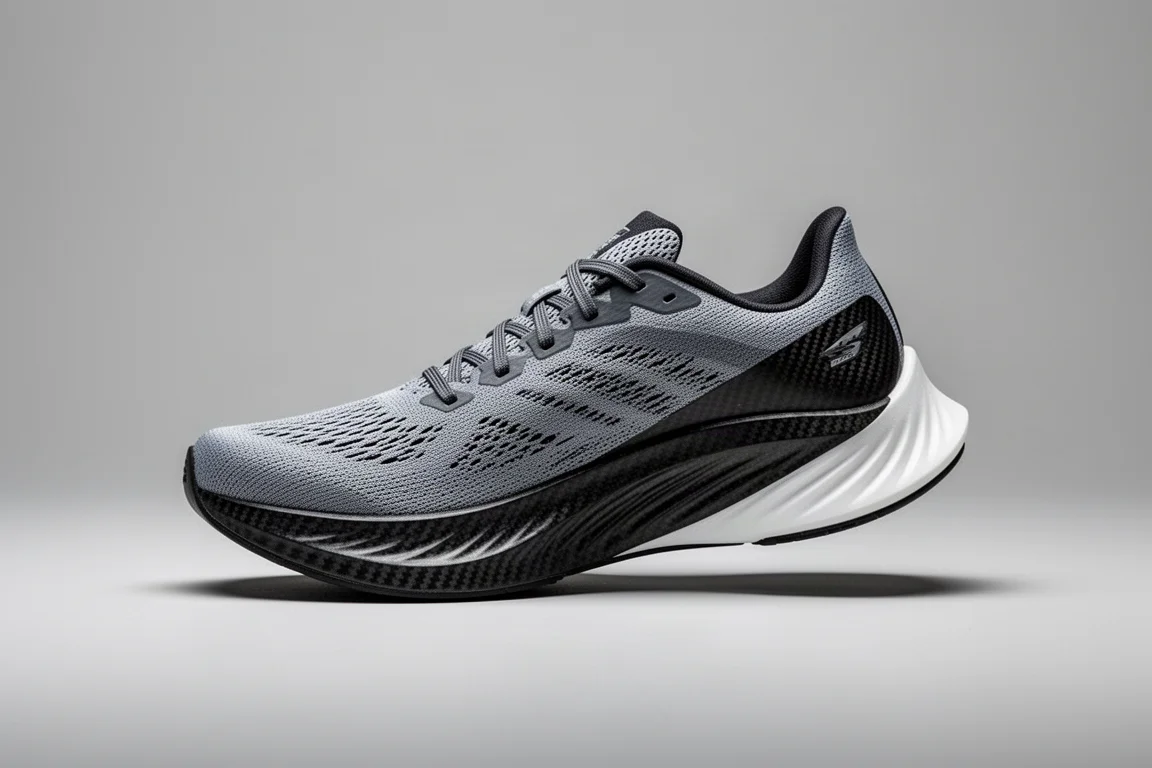
Buying Advice: Which One Fits Your Racing?
If you are training heavily for one big target race and want the shoe that helps you shine most on that single day, the Fast-R 3 is the pick despite the higher price. It is the faster shoe of the two and sits comfortably in the very top tier of carbon plate racers for any distance. Note that it has been somewhat hard to find in stock, though availability should improve over time.
If you race often, mix in varied terrain, or simply want to run fast without a heavily rockered, intrusive ride, the Deviate Nitro Elite 3 is the smarter buy. It is excellent value for a carbon plate shoe, grips better than most of the competition, holds up well over miles, and can even act as an aggressive super trainer for hard sessions, parkruns, and club races where you still want your best performance.
Owning both is a legitimate strategy: use the Deviate Nitro Elite 3 for the bulk of hard training and secondary races, and save the Fast-R 3 for key sessions and your main goal race.
Conclusion
The Fast-R 3 is the faster shoe, full stop, and one of the best racing options available right now for goal races at any distance. The Deviate Nitro Elite 3 offers a more natural ride, better durability, better value, and grip that outclasses most carbon plate shoes, making it the better pick for a lot of runners. Match the shoe to your racing pattern and you cannot really go wrong with either.
Further reading
Related Reviews

Running Shoes
Best Road-to-Trail Running Shoes: Three Versatile Options for Mixed Terrain
A practical guide to three road-to-trail running shoes that handle both pavement and mild trails, with clear strengths and trade-offs for different runner types.

Running Shoes
Best Running Shoes for Achilles Tendonitis: Three Options Explained
Three running shoes with different heel drops and support features designed to help reduce Achilles tendon pain during walking and running.

Running Shoes
Best Running Shoes for Women: Five Top Choices Ranked
A ranked guide to five women's running shoes, from versatile daily trainers to high-performance racing options, with real strengths and trade-offs for each.