Running Shoes
Puma Fast-R 3 Review: Lighter, Leaner, Built for Forefoot Strikers
Puma stripped over 2 oz out of the Fast-R 2 to create a 170g super shoe with a thinner carbon plate, a minimal upper, and serious race-day appeal.
Introduction
The Fast-R 2 was one of the standout racing shoes of 2024, and it had one glaring flaw: it was heavy. For the Fast-R 3, Puma went the other direction and stripped the shoe down considerably, dropping from close to 9 oz all the way to 170 g, or about 5.9 oz. That is a remarkable amount of weight removed from a super shoe, and it raises an obvious question: did they cut too much? After running the Fast-R 3 across a range of paces and conditions, the short answer is no. This is a focused, exhilarating racing shoe, but it is also a very specific tool.
Specs and Construction
The headline numbers first. The Fast-R 3 comes in at 170 g (5.9 oz), down dramatically from the previous version, while keeping 40 mm of stack height in the heel with an 8 mm drop, meaning 32 mm in the forefoot. The midsole uses the same aliphatic TPU Nitro Elite foam formula as the Fast-R 2, and there is a carbon fiber plate visible on the bottom of the shoe.
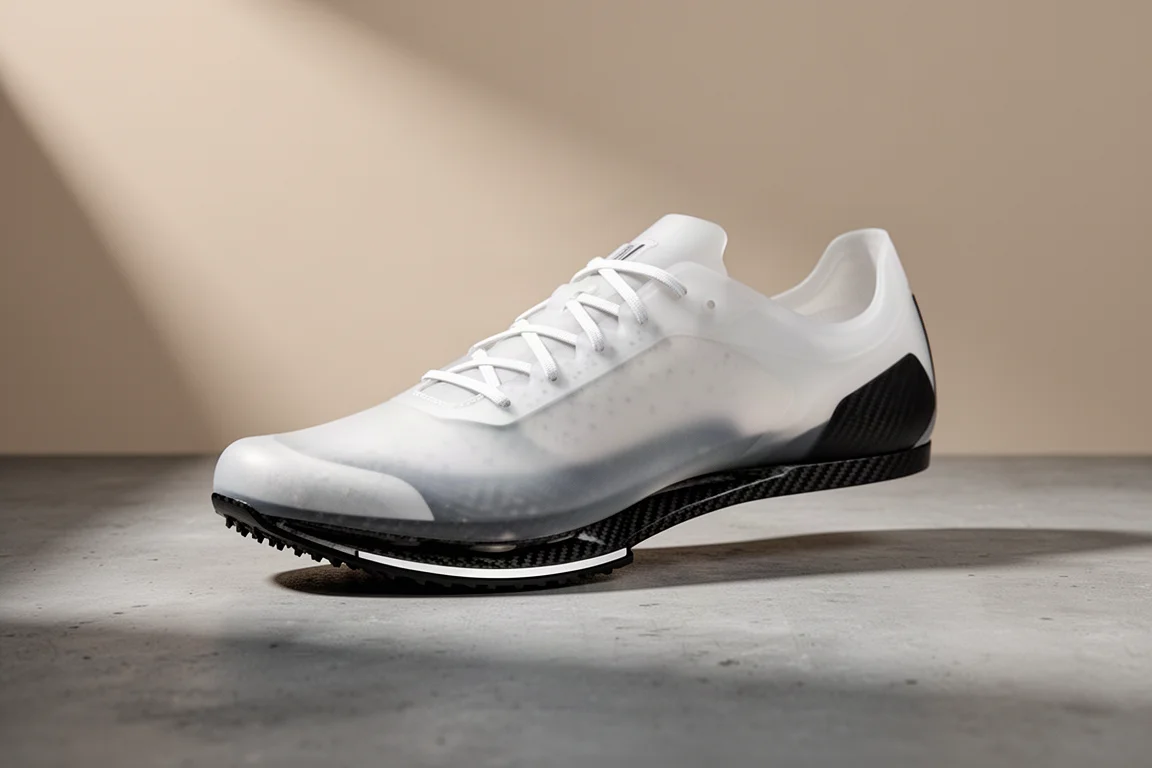
The plate design has evolved. Last year’s plate was free-floating, suspended between the disarticulated heel and forefoot. In the Fast-R 3, the two parts are technically connected with foam on top of the plate. From an engineering standpoint, this means the plate no longer has to carry all the forces between forefoot and heel or resist accidental impacts the same way, so Puma can use a thinner, lighter piece of carbon fiber. The shoe retains the Fast-R 2’s underbite, that little lip of carbon fiber peeking out under the front of the shoe. It reads partly as a design flourish, but there may be something functional there too: when getting up on the toes, it feels like there is slightly more lever to push off from.
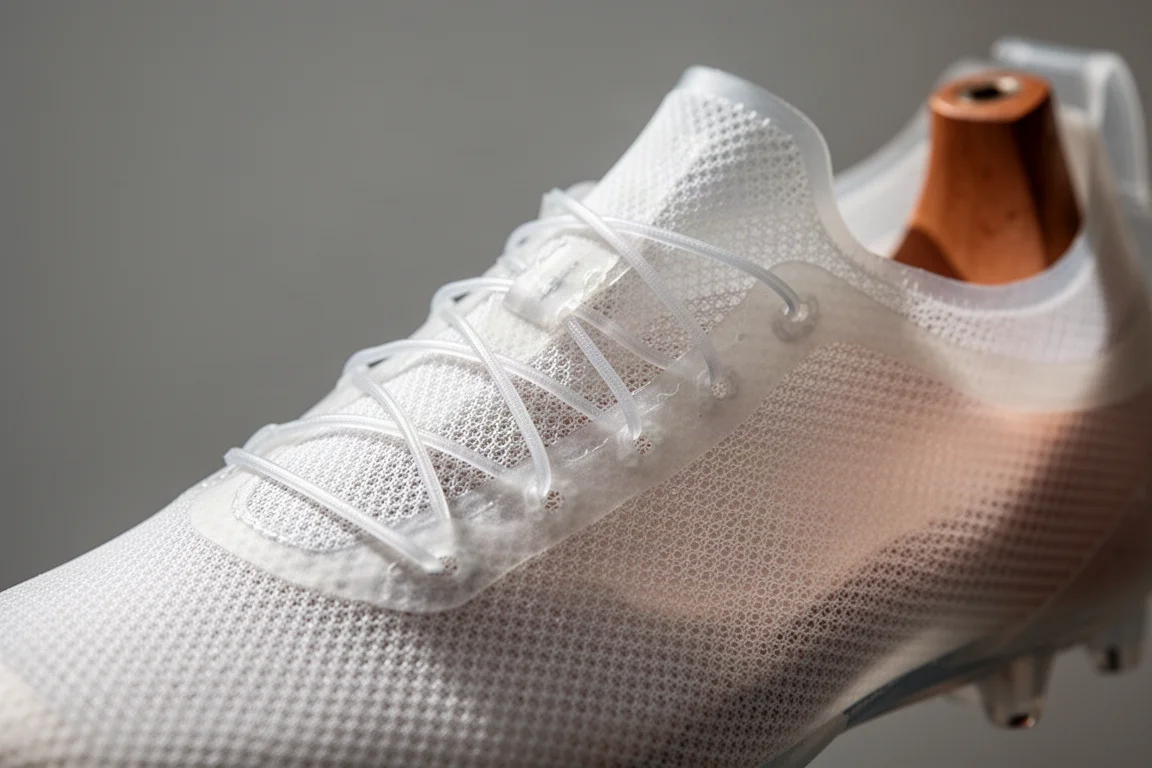
The outsole changed substantially. The thick, nearly daily-trainer-level rubber and deep treads of last year are gone, replaced by something closer to a racing slick with a few cutouts and etchings for bite and traction. The upper saw the biggest trim: the tailfin is gone, the knit is gone, and even the previous race-specific materials have been replaced with a nearly transparent layer of very thin but very strong material. It is a masterclass in subtraction, and Puma pulled it off.
Who This Shoe Is For
The Fast-R 3 is unambiguously a forefoot striker’s shoe. It rewards runners who stomp on the forefoot and leap forward with a big, looping stride, delivering a powerful platform for exactly that mechanics profile. When the foot strike is clean and the carbon is being loaded as intended, the foam and plate pop off together, and the shoe feels like it is singing.

At moderate paces and up to as fast as you are willing to go, the shoe stays fun, largely because it remains genuinely light. If there is ever a moment when you want to move, the Fast-R 3 is ready to go with you.
Main Strengths
The Nitro Elite aliphatic TPU foam remains a genuine highlight. It has a lovely compression and decompression pattern at faster speeds, up to marathon effort and beyond. It is soft without being mushy and responsive without being firm, a kind of Goldilocks foam that also holds up over mileage. There is no noticeable foam fade deep into a long run, either within a single session or across the shoe’s life.
The carbon plate deserves its own credit. Rather than merely stabilizing a super foam, it actively contributes springiness when loaded and pops with each step, producing a real super shoe feel. The wet-weather grip also impressed: in steady rain, with a minimal tread pattern, turns on wet pavement and even painted road markings felt secure. Puma is doing a lot with very little rubber here.
The fit runs true to size in a regular running shoe size. It is racer snug but not crushing, and once the wafer-thin, almost rice-paper-like tongue is fidgeted into place, it stays down and stays out of the way.
Things to Consider Before Buying
There is an awkward transition zone in this shoe. When running faster than easy pace but not quite at marathon effort, such as during a progression run with a mixed midfoot and forefoot strike, the shoe does not load the carbon as cleanly and feels somewhat uncomfortable. It is not working at its best in that band.

The tongue also takes some fiddling to sit correctly without folding over itself and creating potential chafing points. And at $300, this is a lot of money even for pinnacle race product. Shoppers past the $250 to $275 mark are deep into premium territory regardless, but the price is worth acknowledging.
How It Fits the Puma Lineup
Within the Puma rotation, the Velocity Nitro 3 serves as the daily trainer, pairing regular supercritical Nitro foam with an EVA base layer, plenty of tread, and a durable upper. The Deviate 3 sits between daily and race day as the tempo option, with upgraded more race-oriented foam, a plate, and a training-style upper that works for both workouts and easy runs. For recovery days, the Magnamax offers a tall, squishy but peppy stack of Nitro foam in a very plush package, though its weight rules it out as a speed shoe.
Two alternatives are worth knowing. The Forever Run 2 is a light stability option with comfortable, slightly peppy foams and more cushion than the Velocity, which can feel a touch firm for some runners. The Nitro Elite 3, a previous racing shoe of the year pick, shares the Fast-R 3’s aliphatic TPU Nitro Elite foam and carbon plate but with a geometry aimed at a different runner: heel strikers and fast-turnover runners rather than forefoot stompers. If you land predominantly on the forefoot, the Fast-R 3 is the first shoe to look at in the race spot.
Buying Advice
The most obvious comparison is the Nike Alphafly 3, a shoe with an extraordinary resume including marathon records for men and women. The Air Zoom and ZoomX combination is effective and fast, but the compression and decompression can feel slightly mechanical and disjointed, a sensation a bit like running across a boxing ring of suspended plywood. The Air Zoom pockets have also shifted back toward the arch, so some foot strikes land on the front edge of the pods rather than on top of them. The Alphafly 3 costs $285 and weighs 218 g (7.7 oz), so it is $15 cheaper but notably heavier than the Puma.
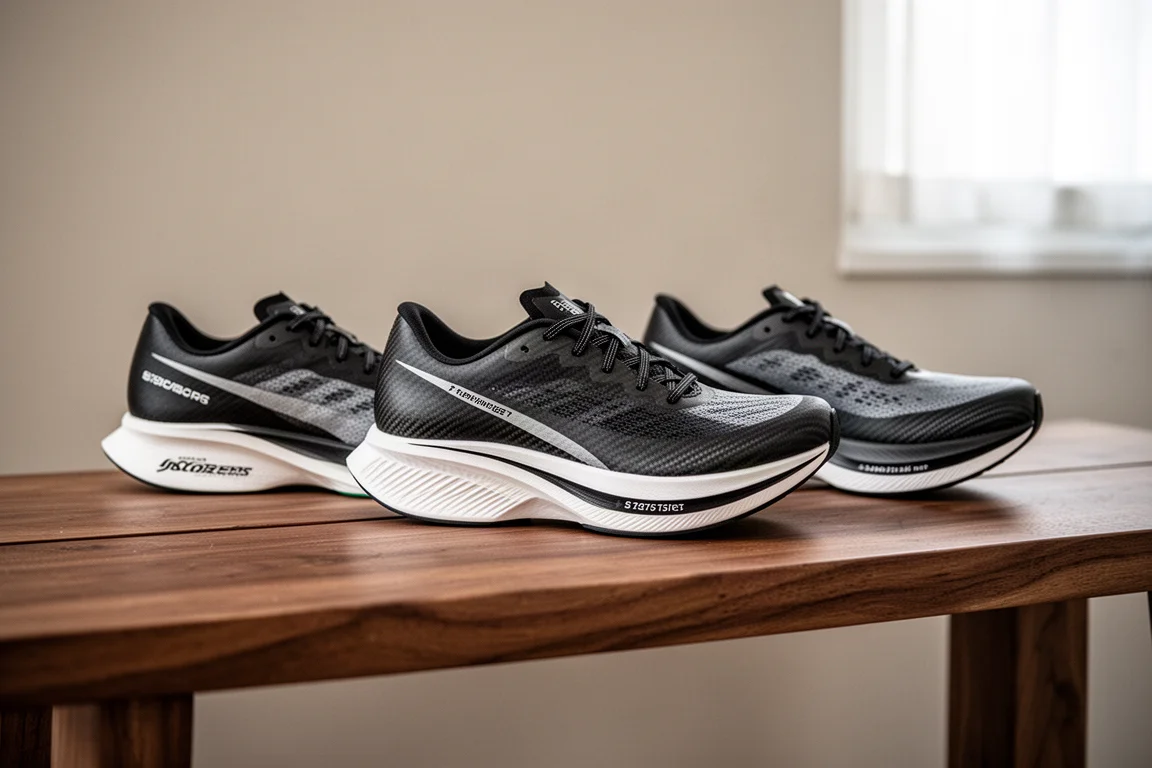
The Asics Metaspeed Sky Paris lines up toe to toe, especially on weight. It suits forefoot stompers with a large FF Turbo Plus foam landing pad and launch pad working with a carbon plate. The trade-off is that this foam version adds softness at the expense of some explosiveness, which is nicer for long training runs than for all-out racing. It comes in at $250 and 185 g (6.5 oz), splitting the difference between the Fast-R 3 and the Alphafly 3 on both counts.
Conclusion
The Puma Fast-R 3 takes everything that made the Fast-R 2 great and removes every possible distraction, resulting in a racing shoe that is both technologically impressive and genuinely exhilarating to run. At 170 g with 40 mm of heel stack, a thinner carbon plate that actively pops, and Nitro Elite foam that resists fade, it is a leading contender among 2025’s best racing shoes. If you are a forefoot striker with $300 to spend on race day, this shoe deserves a spot at the top of your list.
Product link
View more details for Puma Fast-R 3
This product is mentioned in the review. Check the specifications, options, and compatibility before buying.
View more details for Puma Fast-R 3Further reading
Related Reviews

Running Shoes
Best Road-to-Trail Running Shoes: Three Versatile Options for Mixed Terrain
A practical guide to three road-to-trail running shoes that handle both pavement and mild trails, with clear strengths and trade-offs for different runner types.

Running Shoes
Best Running Shoes for Achilles Tendonitis: Three Options Explained
Three running shoes with different heel drops and support features designed to help reduce Achilles tendon pain during walking and running.

Running Shoes
Best Running Shoes for Women: Five Top Choices Ranked
A ranked guide to five women's running shoes, from versatile daily trainers to high-performance racing options, with real strengths and trade-offs for each.