Running Shoes
Puma Fast-R 2 After 100 Miles: A Carbon Racer That Refuses to Quit
The Puma Fast-R 2 pairs springy carbon with a durable aliphatic TPU foam, and we look at how it holds up, plus the ASICS Metaspeed Sky Paris and Hoka Cielo X1 as alternatives.
Introduction
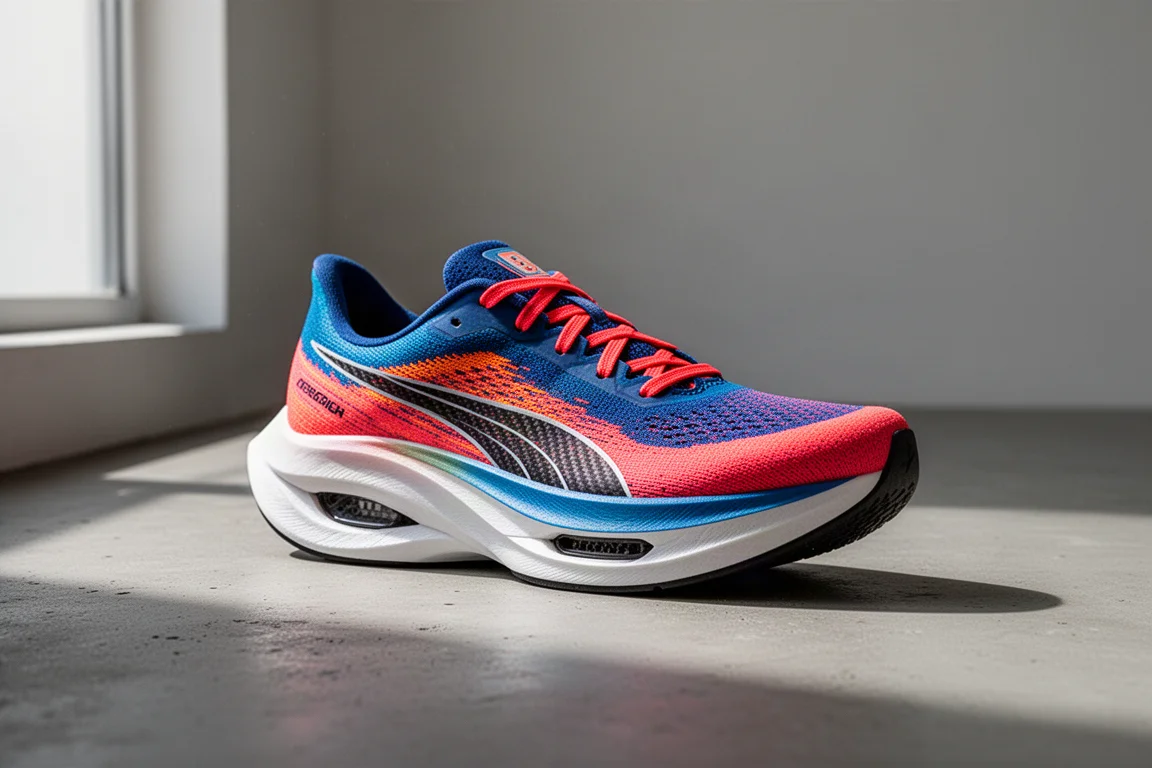
Some carbon-plated racers feel brilliant for a month and then quietly fall apart. The Puma Fast-R 2 was pitched as the opposite: Puma describes its new aliphatic TPU super foam as not only the lightest and springiest material it has ever used, but also the most durable super foam the brand has produced, with a claimed useful life of up to 400 km or around 250 miles. That is far beyond what most premium race day products can realistically offer, so after extensive use the question is simple: does it hold up?
Puma Fast-R 2 After 100 Miles
This is a shoe built for race-type situations: the toughest workouts and the most rigorous long runs with plenty of marathon effort work baked in. It is especially at home in threshold mile repeats and similar sessions, where each step delivers a strong sense of carbon spring and power. At the same time, there is plenty of cushion on board, so you get real impact absorption without losing that fast, bounding character.
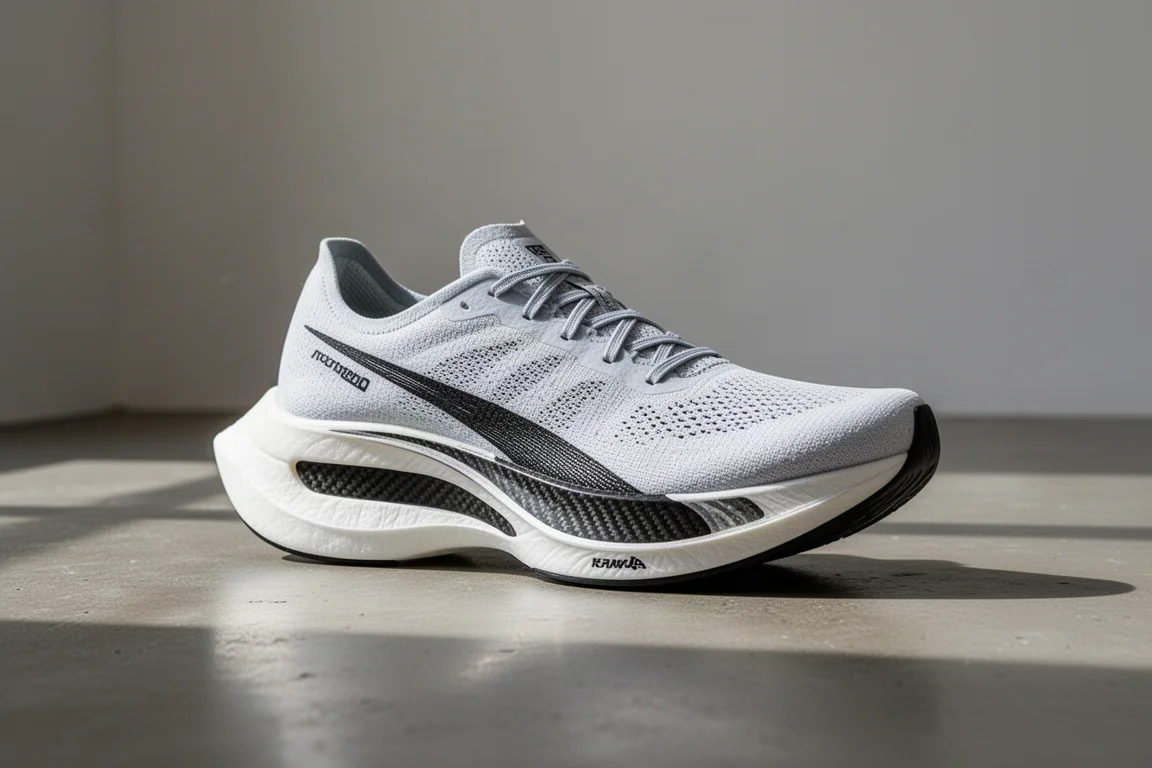
The fit is comfortable and slightly snug without cramping the toes, and the semi-transparent ultra weave upper breathes well. One warning: a seam at the back of the heel cup can be abrasive if your socks do not come up over the top of the shoe. The stated weight is 240 g, just under 8.5 oz, which sits the Fast-R 2 in the middle of the daily trainer weight range and makes it one of the heavier carbon-plated shoes you can buy.
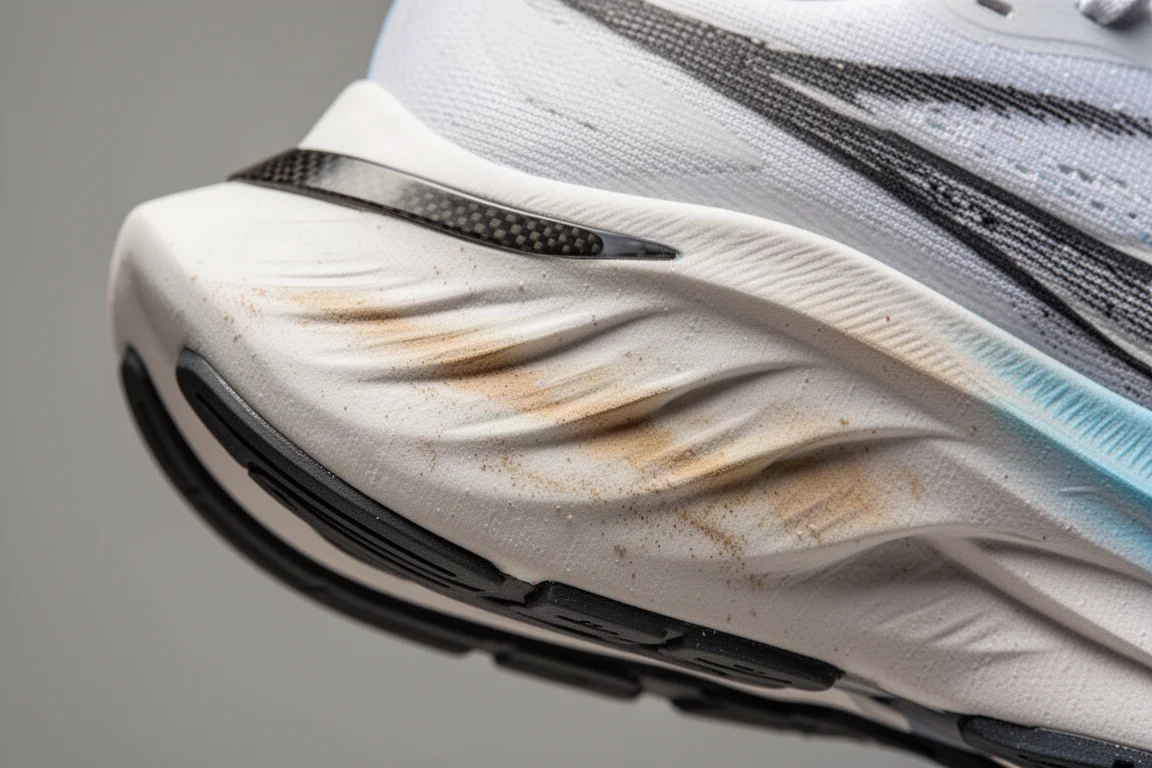
After extensive use, the midsole system, with its springy carbon fiber plate working alongside the foam, is still delivering strong impact absorption and a satisfying push-off pop. There is little visible creasing in the foam, and the only real degradation is cosmetic, with some of the paint layer coming off because modern super foams do not take color the way EVA can.
How the Shoe Has Held Up
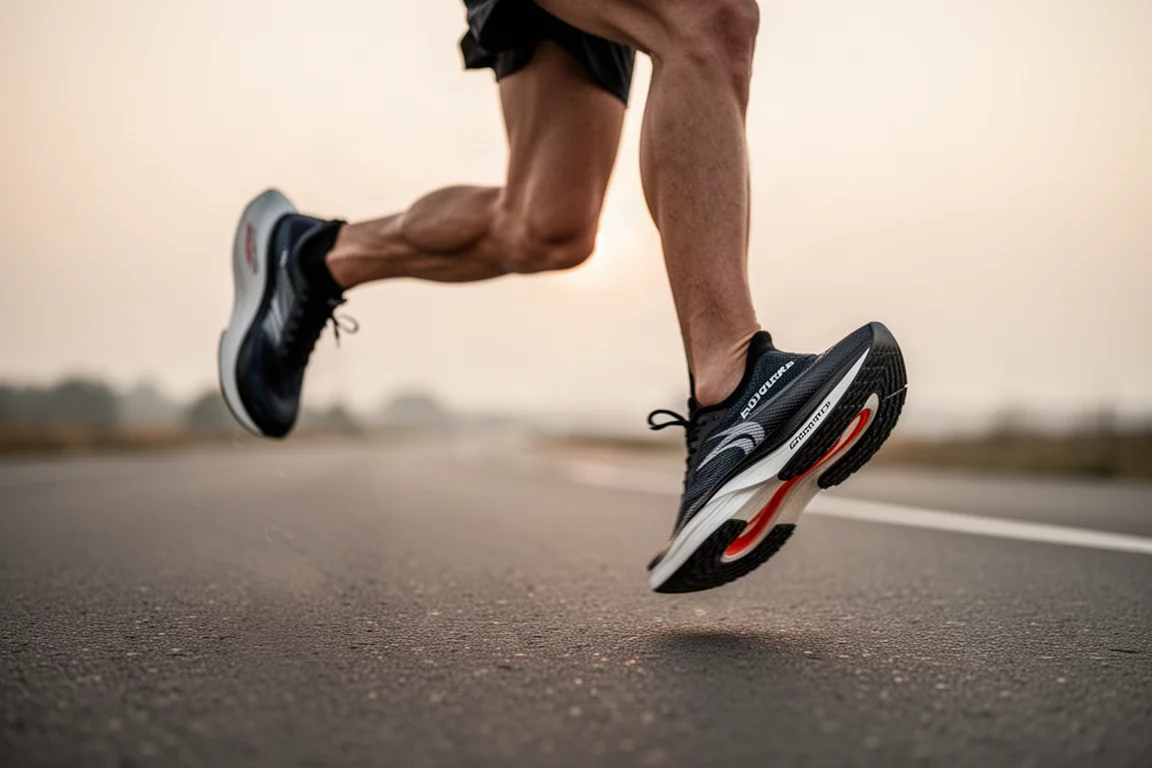
Durability is where the Fast-R 2 genuinely separates itself from most race day shoes. Over roughly a year of use, including early runs on rough dirt and gravel roads with uneven rock surfaces, it has held up better than most premium race products typically do. Puma itself welcomed the rough-surface testing, which says something about how little the shoe needs to be babied.
The PUMAGRIP outsole remains robust and does a great job protecting the foam underneath, and while this is clearly not a trail racing shoe, it is not fragile either. The upper has molded comfortably to the foot, and although the rear heel seam has started to fray slightly from sock friction, nothing is coming undone. There still seems to be plenty of life left in the shoe, making it one of the more durable premier race products on the market.
Where the Fast-R 2 Fits in the Puma Lineup
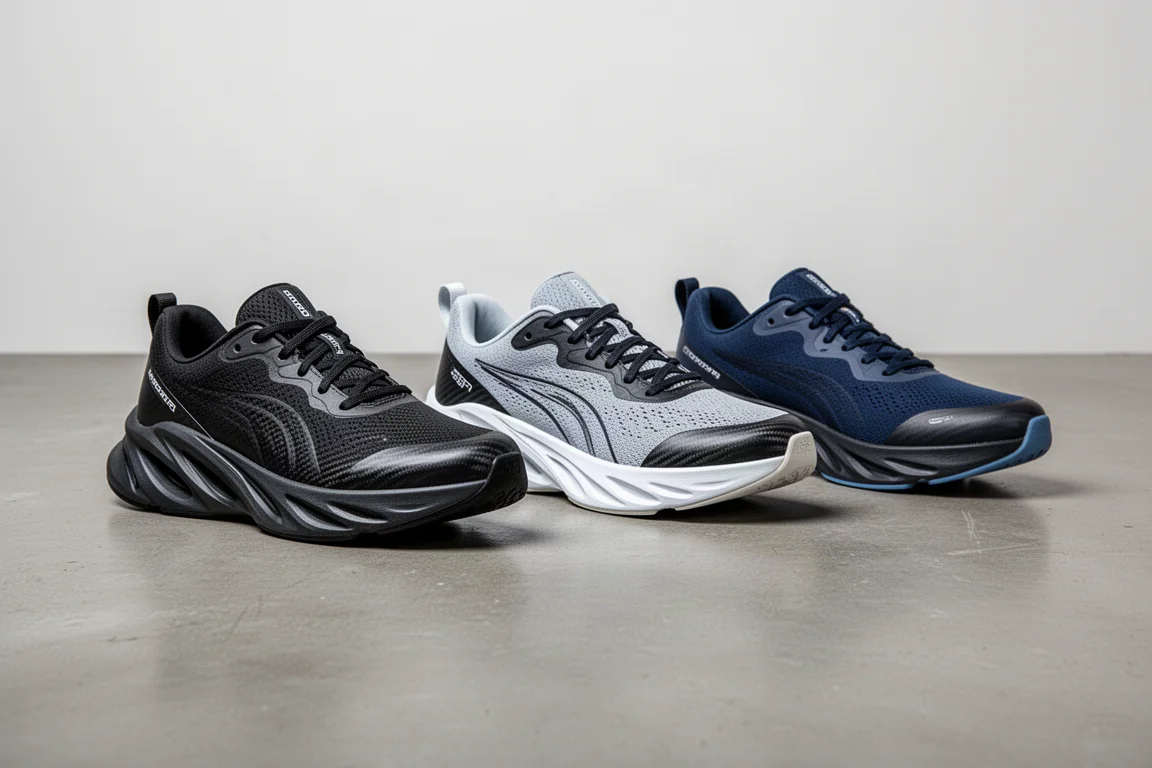
Within Puma’s running lineup, the Fast-R 2 sits at the far end of the speed spectrum, saved for races and the hardest workouts. The Velocity Nitro 3 handles daily training with its snappy nitrogen-infused supercritical foam, the Deviate Nitro 3 bridges the gap as a session shoe, and the Magnify Max covers easy and recovery days with tall, squishy cushioning.
Against Puma’s other carbon racer, the Deviate Nitro Elite 3, the Fast-R 2 offers a more powerful push-off sensation, while the Elite 3 leans toward fast turnover and a strong clawback feel. Despite the Elite being much lighter, the Fast-R 2 edges it out as the more appealing of the two. Thanks to the durability of that aliphatic TPU foam, a two-shoe rotation is genuinely viable: easy and daily miles in the Magnify Max, and everything fast in the Fast-R 2.

ASICS Metaspeed Sky Paris
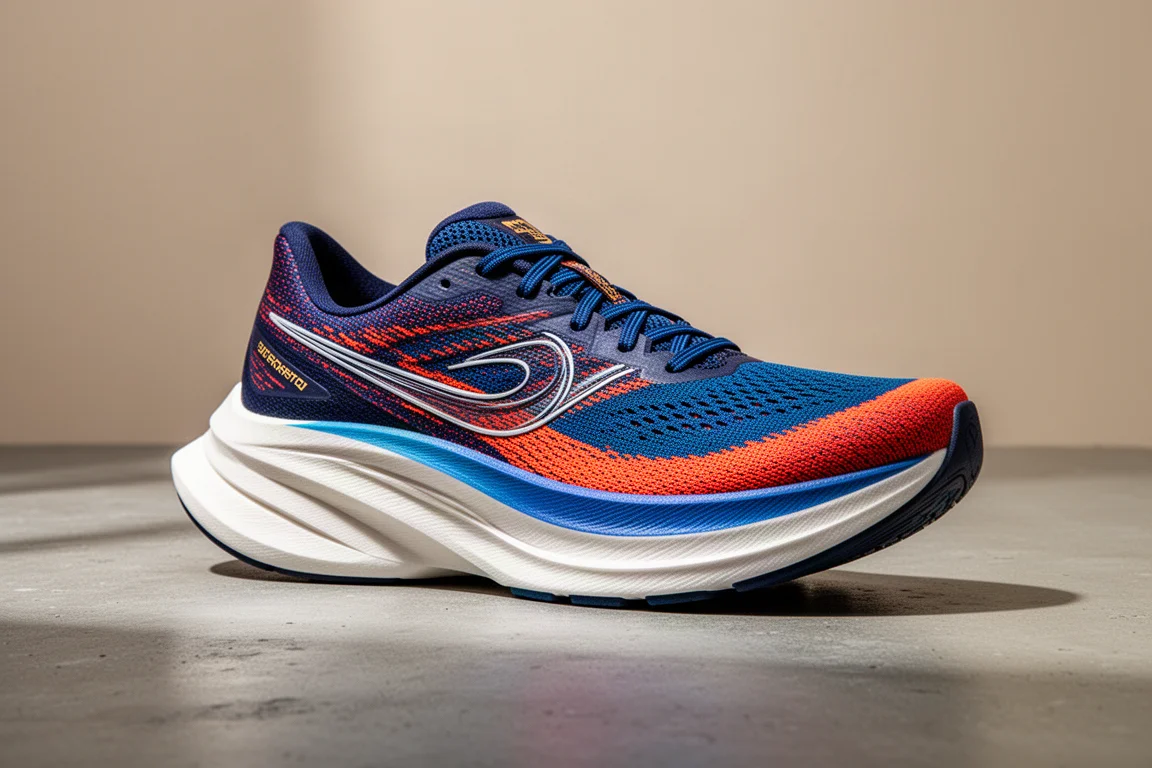
The ASICS Metaspeed Sky Paris does not feel similar to the Fast-R 2, but it targets the same type of runner: someone who wants a strong sense of push-off from the forefoot in a marathon shoe. It sits at the opposite end of the weight spectrum, as one of the lightest carbon-plated shoes available, and it comes in at $250, a price point that fits premium race product well. If you are drawn to the philosophy of the Fast-R 2, this is worth a close look even though the ride sensation is very different.
Hoka Cielo X1
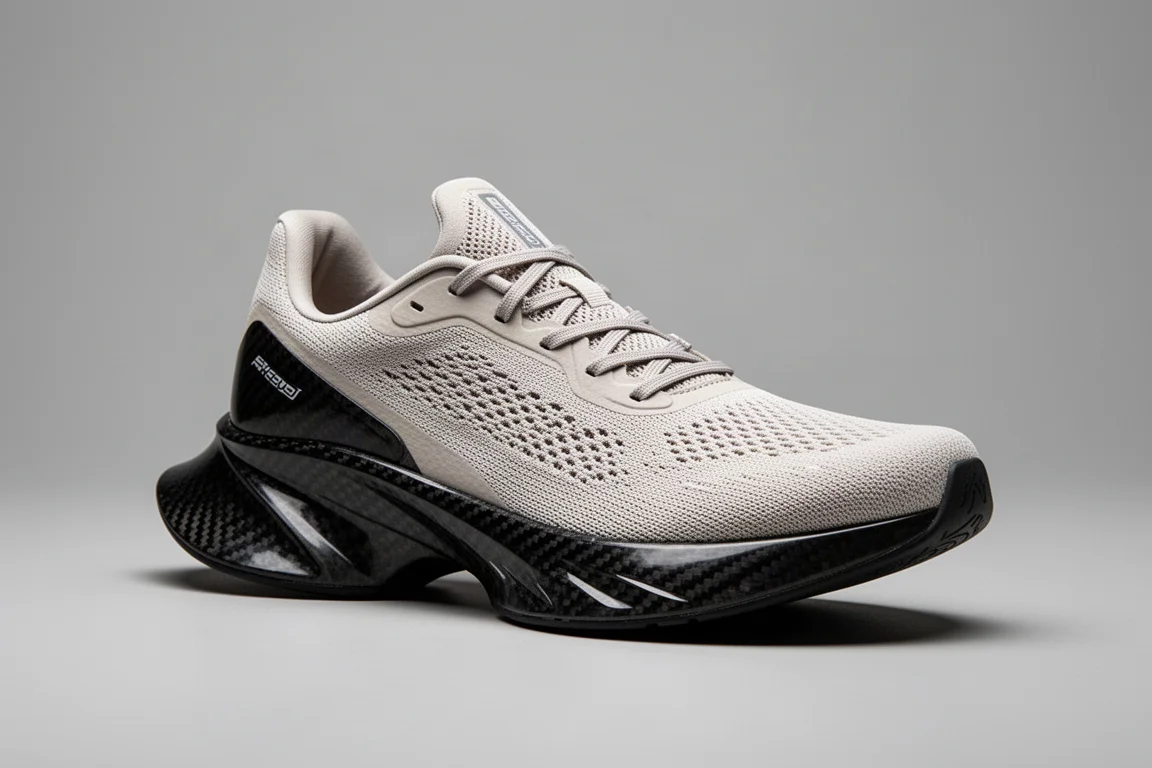
The Hoka Cielo X1 is the closer alternative in feel, sharing similar geometry and the same goal of a powerful stride and push-off. It offers even more cushion and impact absorption, though the push-off sensation is slightly muted compared to the Fast-R 2. The trade-offs mirror the Puma’s weaknesses: it is even heavier at almost 9 oz, and at $275 it costs $25 more than it arguably should. It remains a viable and interesting option for runners chasing that same powerful ride.
Buying Advice and Alternatives
The Fast-R 2 suits runners who love a powerful push-off from quickly decompressing foam paired with a springy carbon fiber plate. At $260, it is a touch expensive given the weight you carry, and the price could reasonably come down by at least $10. Note that the original Fast-R is a substantially different shoe and not a viable alternative. If the Fast-R 2 does not fit your budget or taste, the Metaspeed Sky Paris covers the lighter-footed path and the Cielo X1 covers the max-cushion powerful-stride path.
Conclusion
The Puma Fast-R 2 is one of the more appealing carbon-plated racers available, mainly because it backs up its performance with unusual durability for the category. If you want a race shoe that can double as a workout shoe without losing its pop, it earns a place on a shortlist, with the ASICS Metaspeed Sky Paris and Hoka Cielo X1 as the strongest alternatives depending on whether you prioritize weight or cushion.
Further reading
Related Reviews

Running Shoes
Best Road-to-Trail Running Shoes: Three Versatile Options for Mixed Terrain
A practical guide to three road-to-trail running shoes that handle both pavement and mild trails, with clear strengths and trade-offs for different runner types.

Running Shoes
Best Running Shoes for Achilles Tendonitis: Three Options Explained
Three running shoes with different heel drops and support features designed to help reduce Achilles tendon pain during walking and running.

Running Shoes
Best Running Shoes for Women: Five Top Choices Ranked
A ranked guide to five women's running shoes, from versatile daily trainers to high-performance racing options, with real strengths and trade-offs for each.