Running Shoes
Puma DV8 Nitro Version 4 Review: A Carbon-Plated Daily Trainer With Old-School Charm
Puma's new plated daily shoe promises big rewards at a competitive price. Here's how it stacks up against the Nike Zoomfly 6, Adidas Boston 13, and Asics Sonic Blast.
Introduction
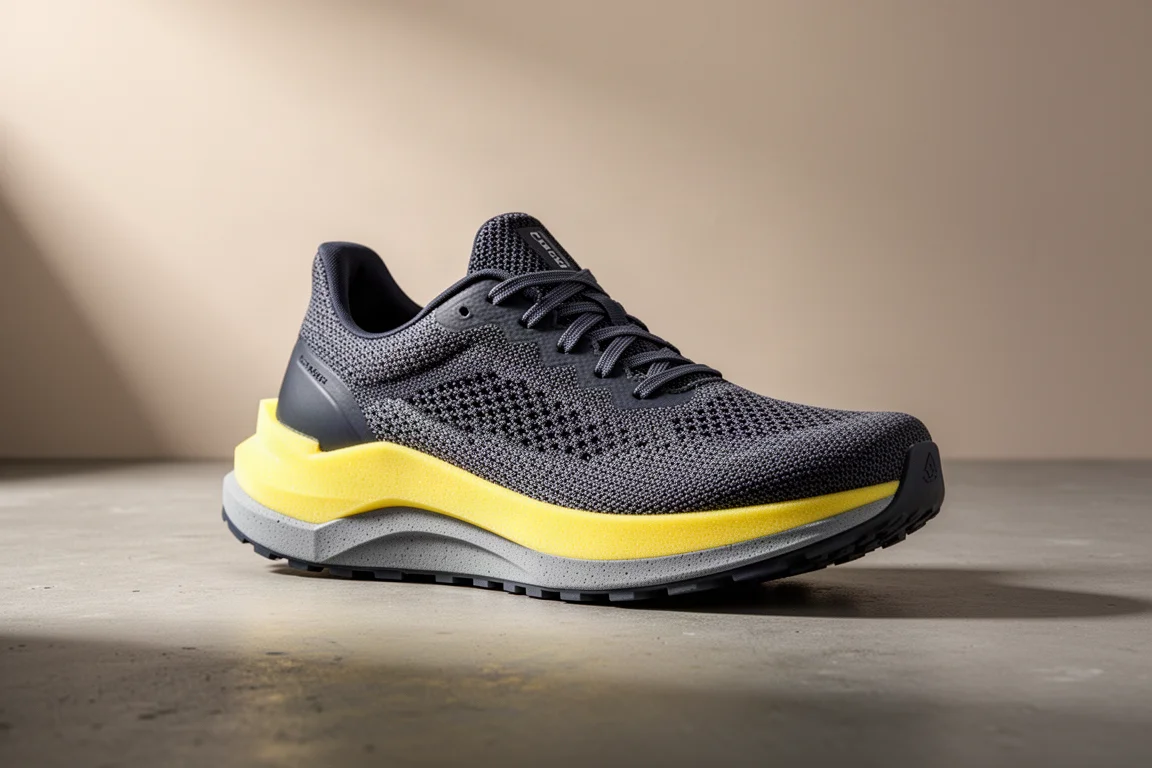
Puma’s plated daily trainer has returned, and the DV8 Nitro Version 4 arrives with a promise: big rewards at a very competitive price point. At £150, it sits directly against some serious hitters in this category, namely the Nike Zoomfly 6, the Adidas Boston 13, and the Asics Sonic Blast. The question is whether it can hold its own, and whether it deserves your money.
The short answer: it is a genuinely solid shoe. It suits runners who want a bit of an old-school feel backed by modern technology, especially in a market that keeps chasing taller stacks and softer, less stable foams.
What’s New in Version 4
Compared with the outgoing Version 3, the updates are meaningful rather than dramatic. The new model is roughly 8% lighter, dropping from 334g to 308g. That is not featherweight, but it is not heavy either; it lands right in the middle, and the shoe feels just right for the category.

The drop has been reduced from 10mm to 8mm, while the stack height stays the same. The biggest change is in the foam: the soft yellow top layer is now 100% PEBA, with a firmer PEBA blend below it that adds stability. Together with a wider toe box, the result is a slightly softer but more responsive ride, all at an unchanged price.
The Facts and Figures
This is a plated daily shoe that specializes at uptempo speeds, which also makes it a credible budget race day option. Direct competitors include the Nike Zoomfly 6, the Adidas Boston 13, the Asics Sonic Blast, and the Saucony Endorphin Speed.
Key specs at a glance:
- Price: £150
- Stack: 38mm at the heel, fairly low by 2026 standards, so there is a good amount of ground contact feel
- Drop: 8mm
- Weight: 308g in a UK size 12
- Upper: Jacquard mesh
- Midsole: Dual-layer Puma Nitro foam with a carbon composite power plate
- Outsole: Puma Grip
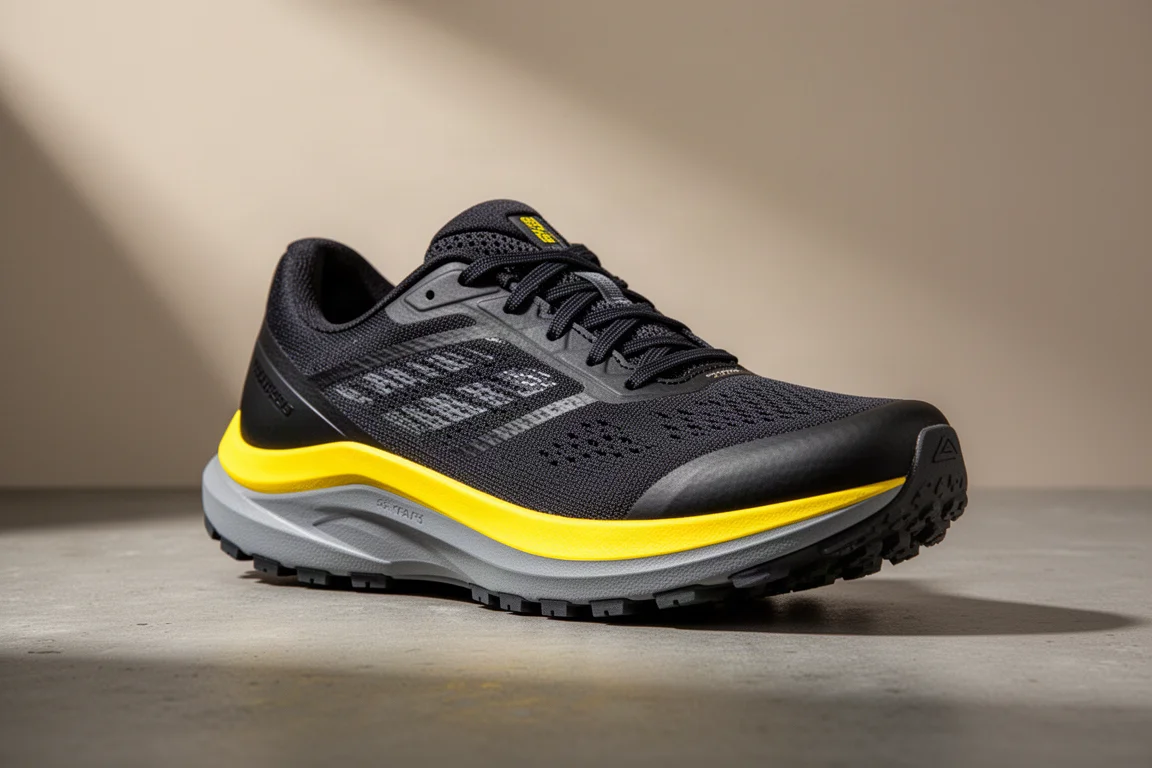
There is a Hyrox colorway as well, and the Puma Grip outsole should work fantastically for Hyrox training. Four other colorways launched: black, white, grey, and the yellow version seen here.
On sizing, the tester’s regular Puma size was okay, but with a little extra length at the front of the shoe. Going half a size down would be the recommendation on a repeat purchase.
Strengths
The first and biggest strength is versatility. For a plated shoe to feel this nice at easy jog pace is rare, yet it stretches all the way up to 5K pace when you want to open your stride. The carbon composite plate is flexible and user-friendly rather than aggressively stiff, so the ride stays smooth and it pushes you along just enough. It is a great option for anyone dipping a toe into plated shoes; you do not need to be a fast runner to benefit.
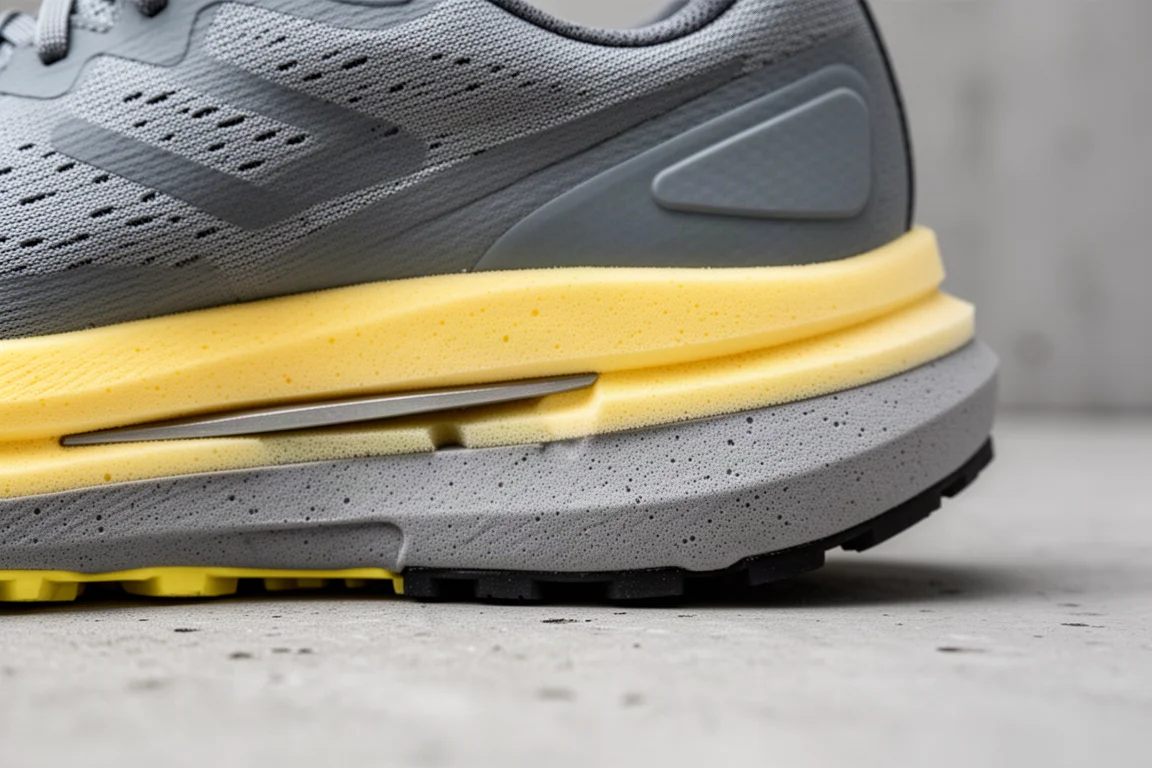
Second, it is light and nimble for this sector. The shoe supports the foot well across heel, midfoot, and forefoot strikers, and it handles direction changes well, which park runners will appreciate on twisty courses.
Third, it is surprisingly comfortable. The extra width through the toe box gives a good amount of footplay and should accommodate far more runners than previous narrow Puma fits. The upper holds the foot down reasonably well, and breathability should be fine, though it was hard to judge during testing in 3°C conditions.
Fourth, the Puma Grip outsole remains best in class, especially in cold and wintry conditions. It inspires a lot of confidence and should cope fine on light trails, fire roads, wet roads, and dry roads alike.
Observations to Weigh Up
These are not negatives, just things worth knowing before you buy. At 38mm, the ride is definitely not bouncy. It is responsive and peppy, but runners who love that bouncy sensation should look elsewhere.
At £150 it is not cheap, but it is not expensive either. It offers solid value rather than being an absolute bargain everyone must rush out and buy.

Finally, this is not a long-distance shoe for most people. Anything over roughly 90 minutes to two hours calls for more stack and cushioning, which you would find in something like the Nike Zoomfly.
There are two genuine dislikes: the laces feel a little cheap, and while the toe box is now wider, the midfoot is still on the snug side.
How It Compares With the Rivals
Nike Zoomfly 6
The Zoomfly 6 is this shoe’s main rival, but it is now £15 more expensive. It carries 4mm more stack and is 14g heavier. Both shoes use a dual foam system with a plate through the center. The Zoomfly feels a little smoother thanks to a much bigger rocker at the front, and it is softer and bouncier where the Puma runs firmer. Nike is also wider through the midfoot and toe box, making it better for wider-footed or heavier runners, and it feels slightly faster. If forced to pick, the Nike just edges it for fit, but the Puma is the value play.
Adidas Boston 13
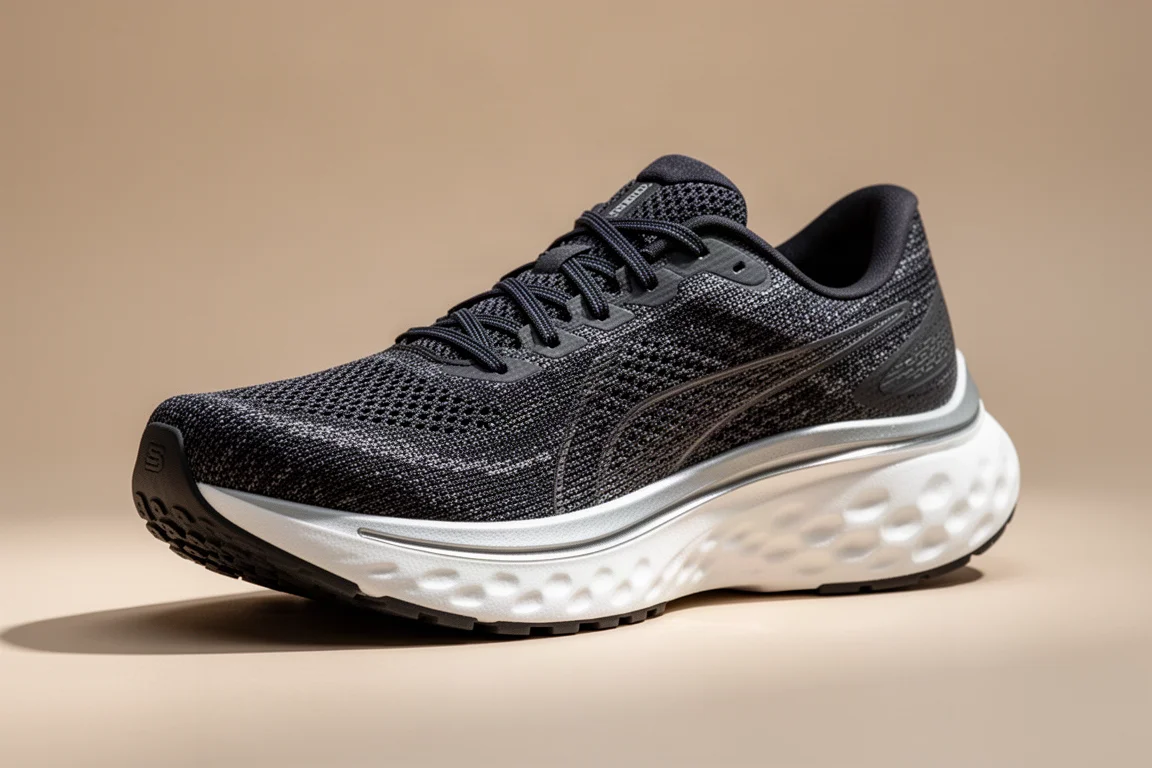
The Boston 13 is £10 cheaper and one of the best value shoes out there right now. It has 2mm less stack, is 15g lighter, and uses rods rather than a plate. It also has a dual-layer midsole, and technically a slightly higher-end foam for the most part. Fit and breathability were a touch better in the Boston. The Puma is a little softer and more responsive, while the Adidas felt firmer. The two are very hard to separate, and with the Boston likely discounted due to being on the market longer, it just gets the nod on price.
Asics Sonic Blast
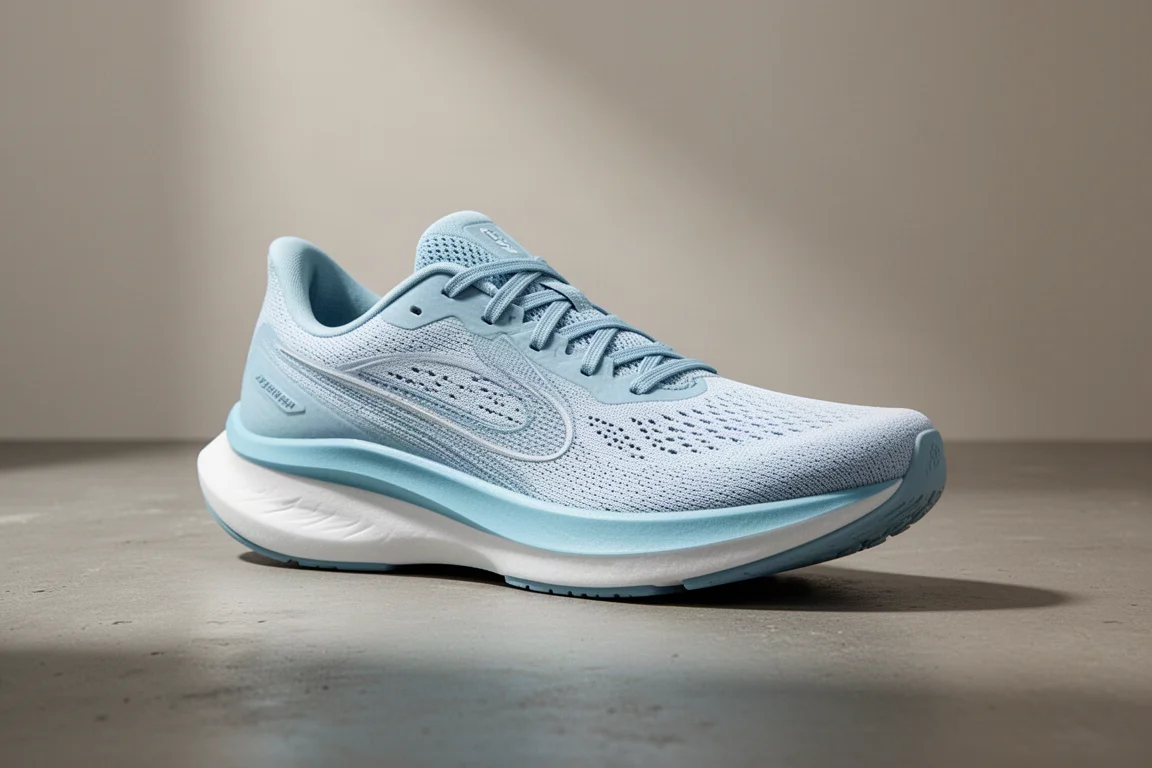
The Asics Sonic Blast is £20 more expensive and brings 8mm more stack, a huge amount of extra foam. It feels a lot softer and more cushioned, better for slightly longer runs, with a bouncier ride. Out of the two, the Puma offers better value for the same essential job.
Verdict and Buying Advice
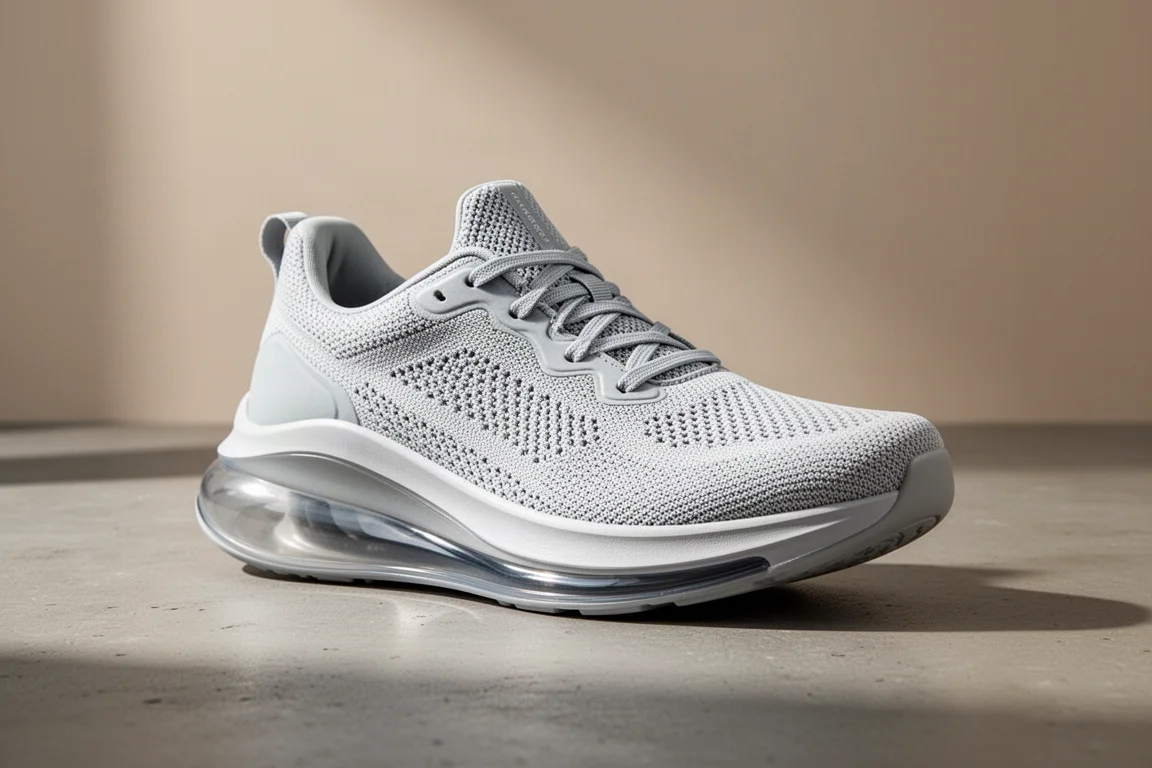
Overall, this is a really solid shoe from Puma and a welcome return to form. It is recommended for runners who want an old-fashioned feel with modern tech laid through it, especially anyone happy training in a plate for their daily shoe. It works well as a one-shoe rotation for someone targeting a 4-hour-plus marathon or a 1:45-plus half marathon, or simply for a runner who wants a comfortable, supportive shoe with a little plate assistance at a reasonable price.
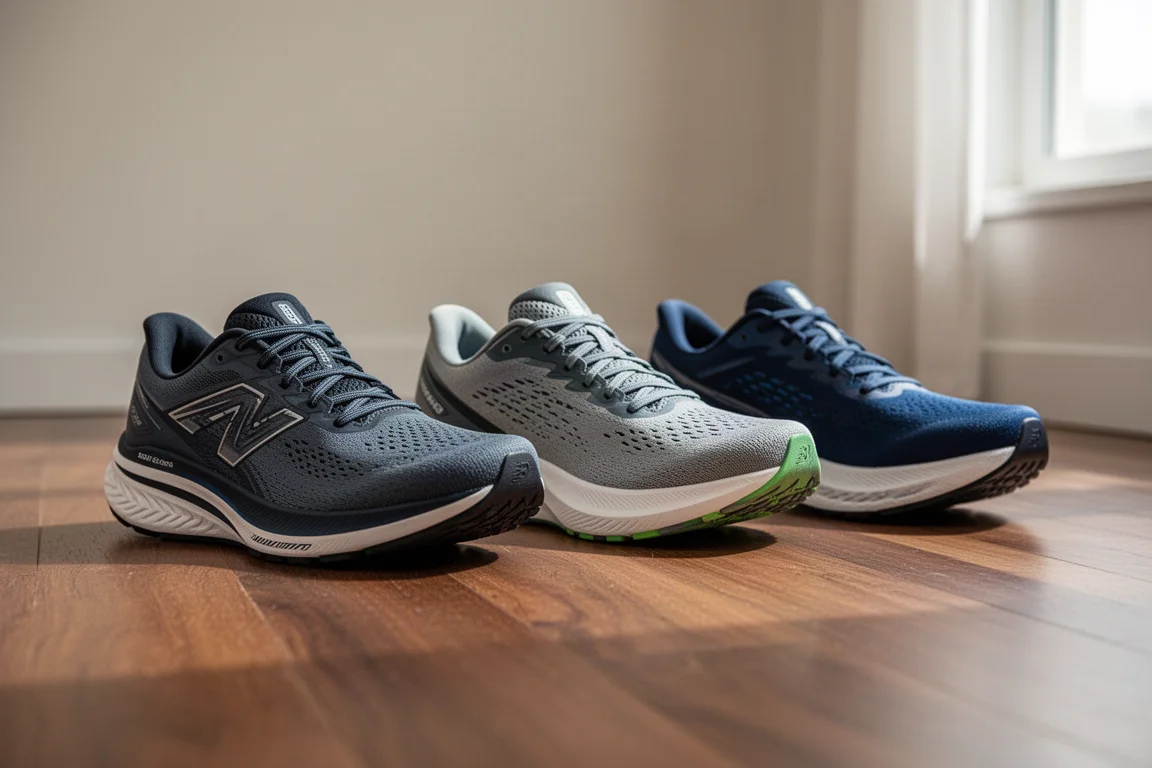
Against the field, the choice comes down to priorities: the Zoomfly 6 for a smoother, bouncier and slightly faster feel, the Boston 13 for the best value, the Sonic Blast for maximum cushioning on longer runs, and the DV8 Nitro Version 4 for the best balance of nimble handling, grip, and price.
Conclusion
The Puma DV8 Nitro Version 4 proves you do not need a towering stack to enjoy a plated trainer. It is light, nimble, comfortable, and backed by arguably the best grip in the class, all at a fair £150. If your running lives mostly under 90 minutes at a mix of paces, it deserves a serious look.
Further reading
Related Reviews

Running Shoes
Best Road-to-Trail Running Shoes: Three Versatile Options for Mixed Terrain
A practical guide to three road-to-trail running shoes that handle both pavement and mild trails, with clear strengths and trade-offs for different runner types.

Running Shoes
Best Running Shoes for Achilles Tendonitis: Three Options Explained
Three running shoes with different heel drops and support features designed to help reduce Achilles tendon pain during walking and running.

Running Shoes
Best Running Shoes for Women: Five Top Choices Ranked
A ranked guide to five women's running shoes, from versatile daily trainers to high-performance racing options, with real strengths and trade-offs for each.