Running Shoes
Puma DV8 Nitro Elite v4 Review: The Lightest Supershoe in Its Class
A 12% lighter race-day super shoe from Puma that undercuts its big-name rivals on price while keeping a natural, stable ride. We also compare it against the New Balance SC Elite v5, Hoka Rocket X v3 and Asics Meta Speed Tokyo Edge.
Introduction
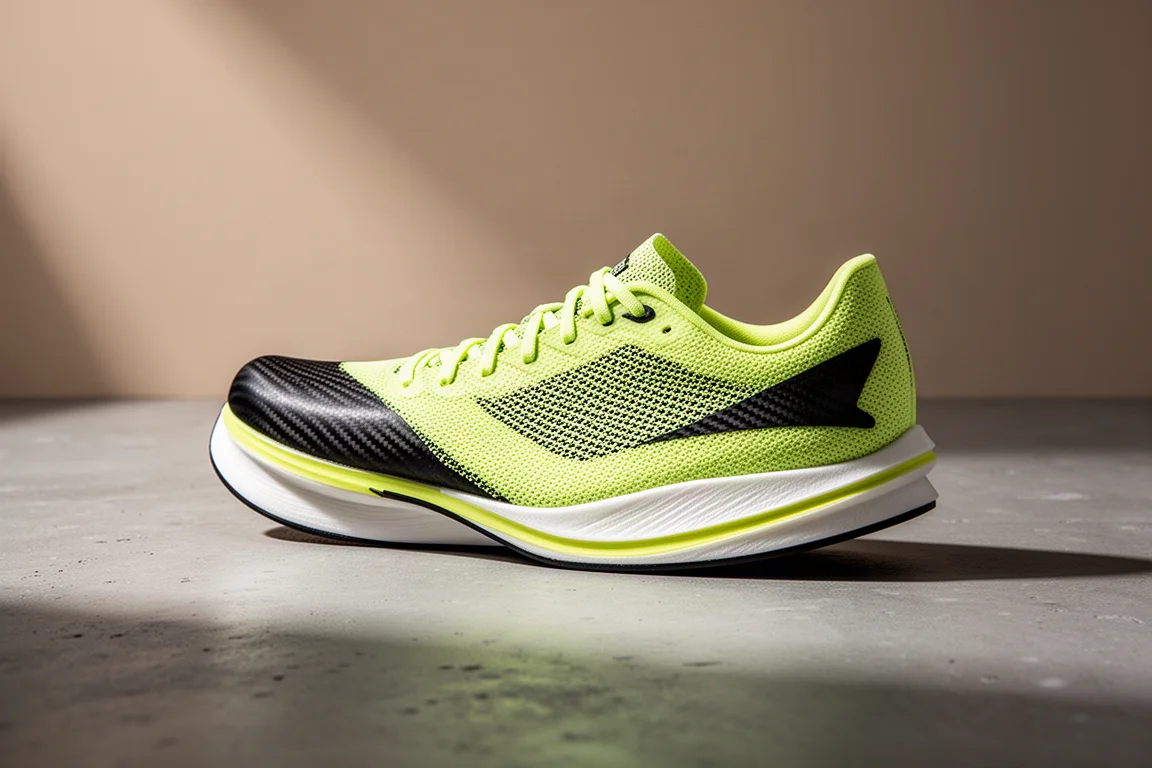
Few race-day shoes arrive with this much anticipation. The Puma DV8 Nitro Elite version 4 sold out in minutes on release day, and after putting it through its paces, it is easy to see why. Puma has made it 12% lighter than the outgoing version 3, upgraded the foam to a dual-layer ATPU construction, and kept the stack and drop exactly the same. It is faster, lighter, and a little pricier than before, but early signs suggest Puma has another winner on its hands.
The headline number is the weight: 190 g in the tested size, which makes it the lightest shoe tested in this category. It is designed purely for race day, covering everything from 5K and 10K up to the half marathon and marathon. Retailing at £210 in the UK, it is also currently the cheapest shoe in this segment when comparing retail prices against the big-name competition.
Key Specs and Fit
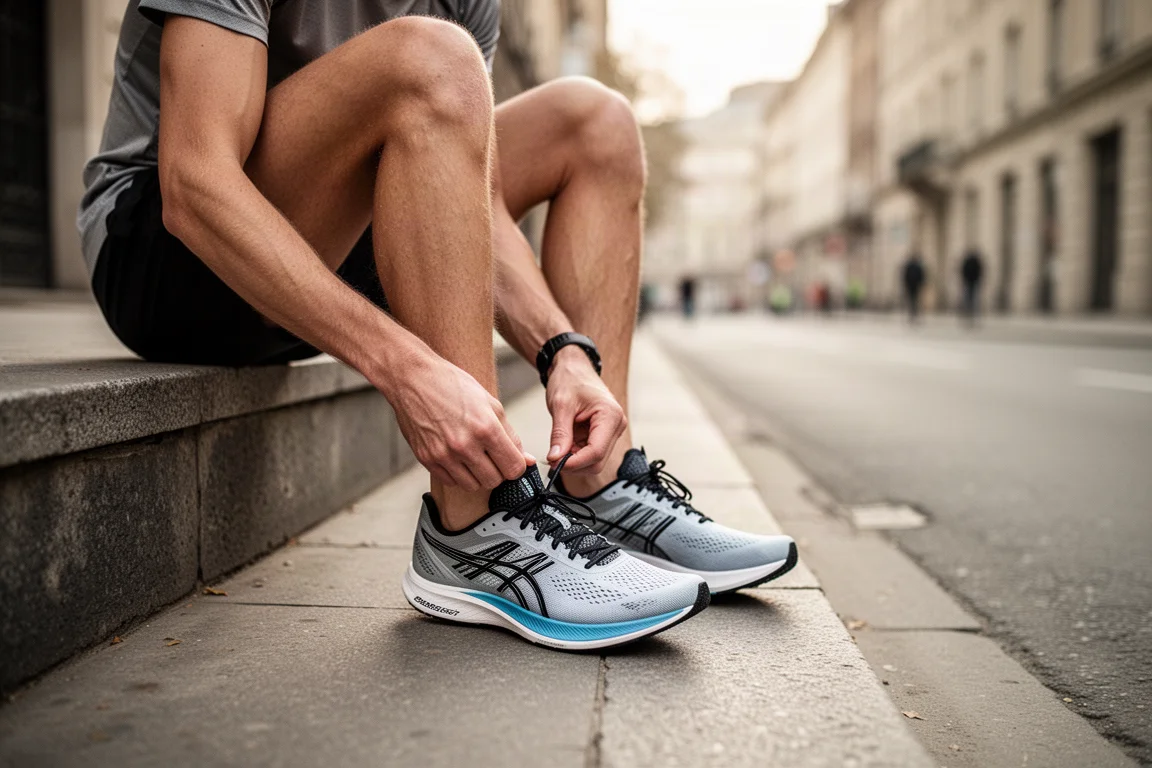
The DV8 Nitro Elite v4 packs a 40 mm stack at the heel with an 8 mm drop. The midsole combines Puma’s Nitro Elite ATPU foam with a carbon fiber power plate, now arranged in two layers: a firmer, denser foam below the plate for stability, and a softer, more responsive layer on top for speed. Underfoot sits a thin Puma Grip outsole, which delivered excellent traction in testing despite its reduced coverage.
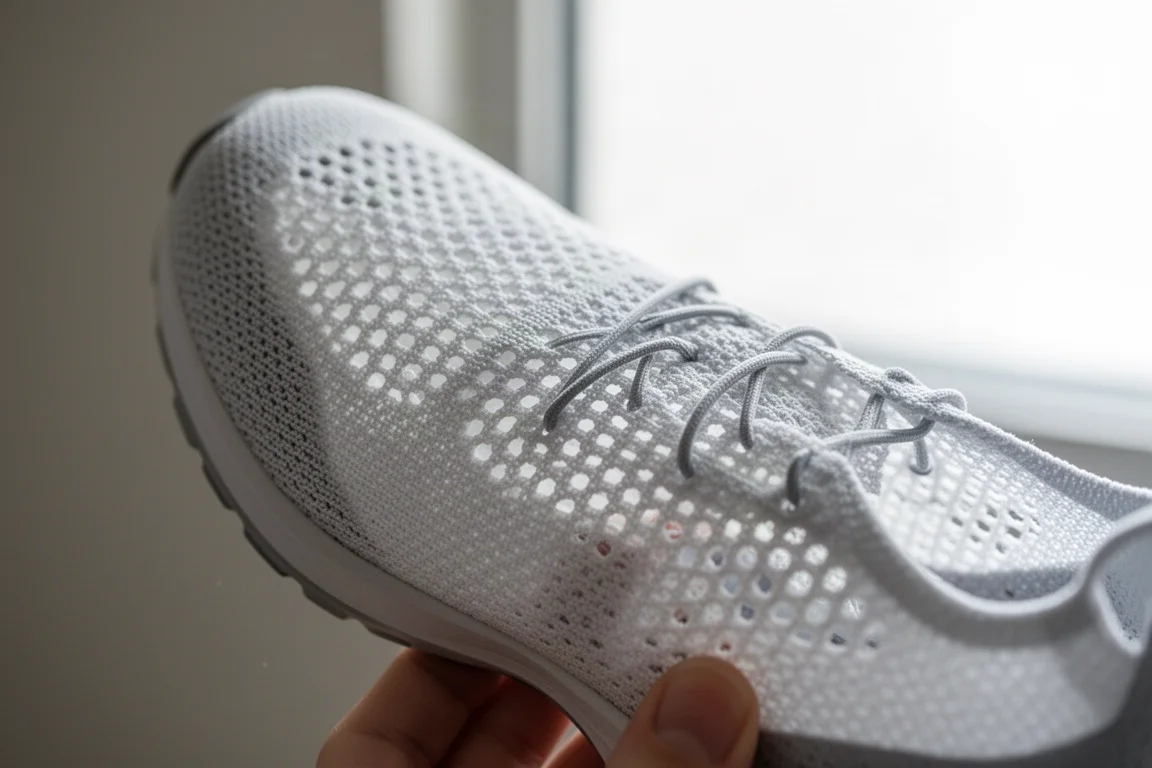
The upper is Puma’s Ultra Weave, a stripped-back, very breathable material that suits warm race conditions. Sizing runs true to size; a regular UK 12 worked well, though runners who prefer a snug racing fit should go half a size down. Puma shoes are known for running a little narrow, but the fit here is fairly standard for a race shoe, similar to the Nike Vaporfly or Asics Meta Speed. Lockdown at the rear is spot-on, the sawtooth laces stay put without a gusseted tongue, and ventilation is strong even in cool conditions.
Main Strengths
The sheer lightness is the first thing that strikes you. It is genuinely hard to process how little shoe this is, and the higher cadence it encourages creates an almost odd sensation of zero resistance. Only the Nike Streakfly 2, a very different shoe built for much shorter racing, beat it for weight in this category.
Comfort and fit follow closely. The rear of the shoe is minimal but locks the heel in without issues, and the tongue stays in place beautifully. The Ultra Weave upper breathes so well that overheating seems unlikely even in summer conditions.
Stability is the third standout. For a shoe this light, the rearfoot platform feels remarkably surefooted, which makes heel strikers especially well served. Cornering is a genuine joy, helped by strong Puma Grip traction and a firmer ride character.
The fourth strength is simplicity. The foam is bouncy and responsive, and the plate lets you run in a completely natural way without forcing your form. That makes it far more forgiving than more aggressive super shoes when fatigue sets in late in a marathon. For mid-pack runners, this is arguably far more usable than the fastest shoes on the market, because if your form deteriorates near the end, the shoe simply keeps you going.
Things to Consider Before Buying
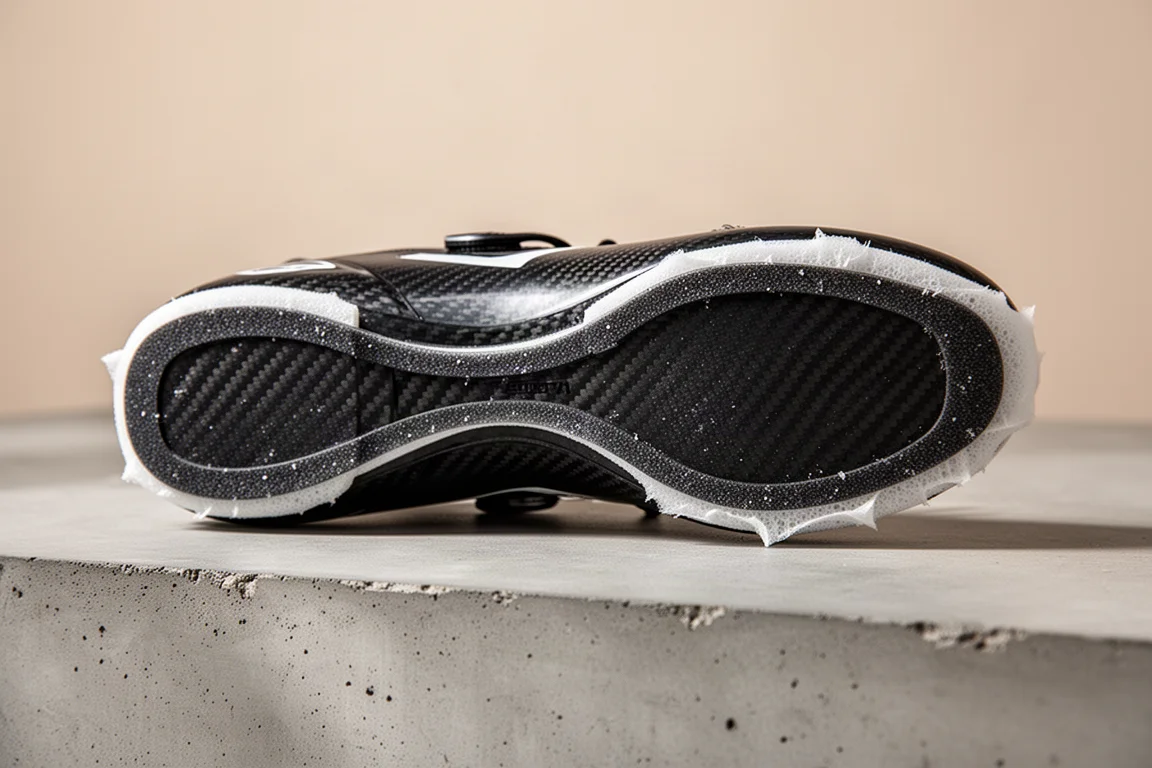
To achieve that class-leading weight, the outsole has been thinned down considerably. Grip is still very good, but heel strikers will notice there is simply not a lot of rubber at the back of the shoe, which raises some long-term durability questions.
Second, the geometry favors a midfoot or heel strike. The plate runs quite flat through the shoe, so you never really get up onto your toes. That means truly all-out 3K and 5K pace is harder to unlock, but for most runners this flat, natural setup is a benefit rather than a limitation.
Worth noting too: the version 4 carries a £15 price increase over its predecessor, and outsole coverage has decreased slightly. Even so, at £210 retail it undercuts every direct rival here.
Alternative: New Balance SC Elite v5
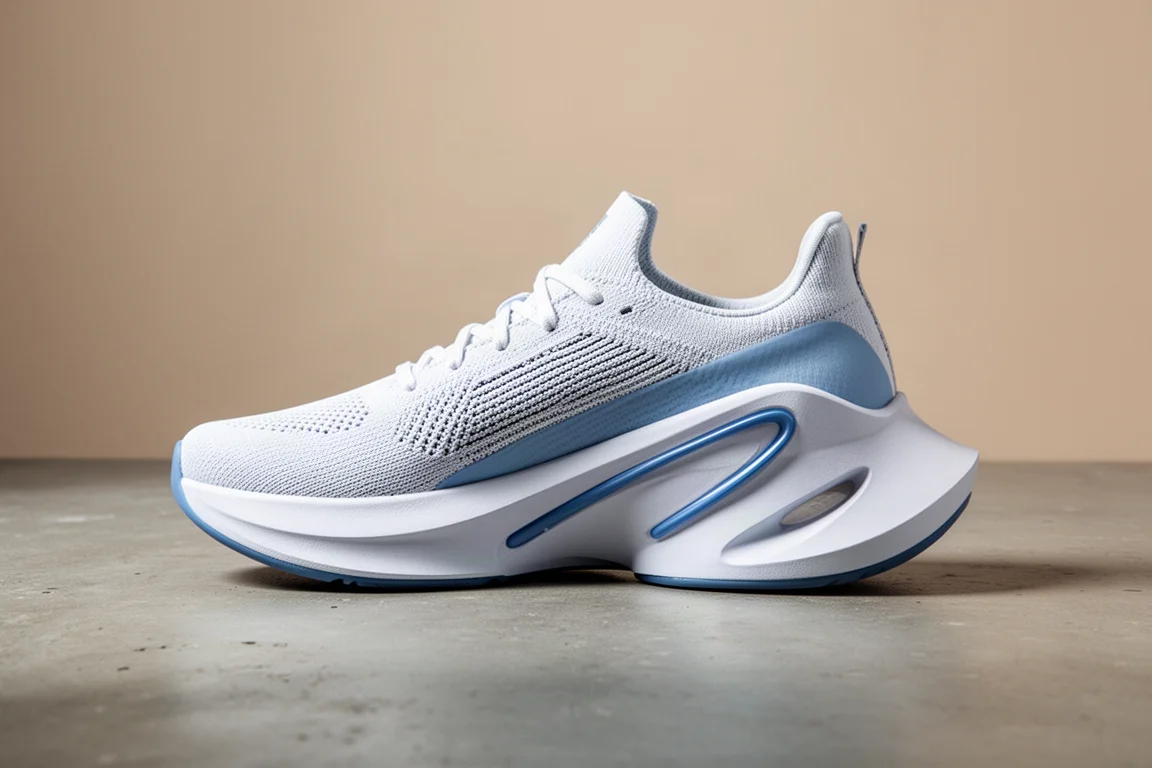
The New Balance SC Elite version 5 sits roughly £50 above the Puma at retail and is a little heavier as well. It is a very similar race option if your priority is all-day comfort and a stable ride that lets you run naturally. Its PEBA midsole rides slightly softer than the firmer ATPU foam in the Puma, and while marathon pace feels quite comparable between the two, the lighter Puma offers a noticeably better leg turnover, which may suit slightly shorter distances better.
Alternative: Hoka Rocket X v3
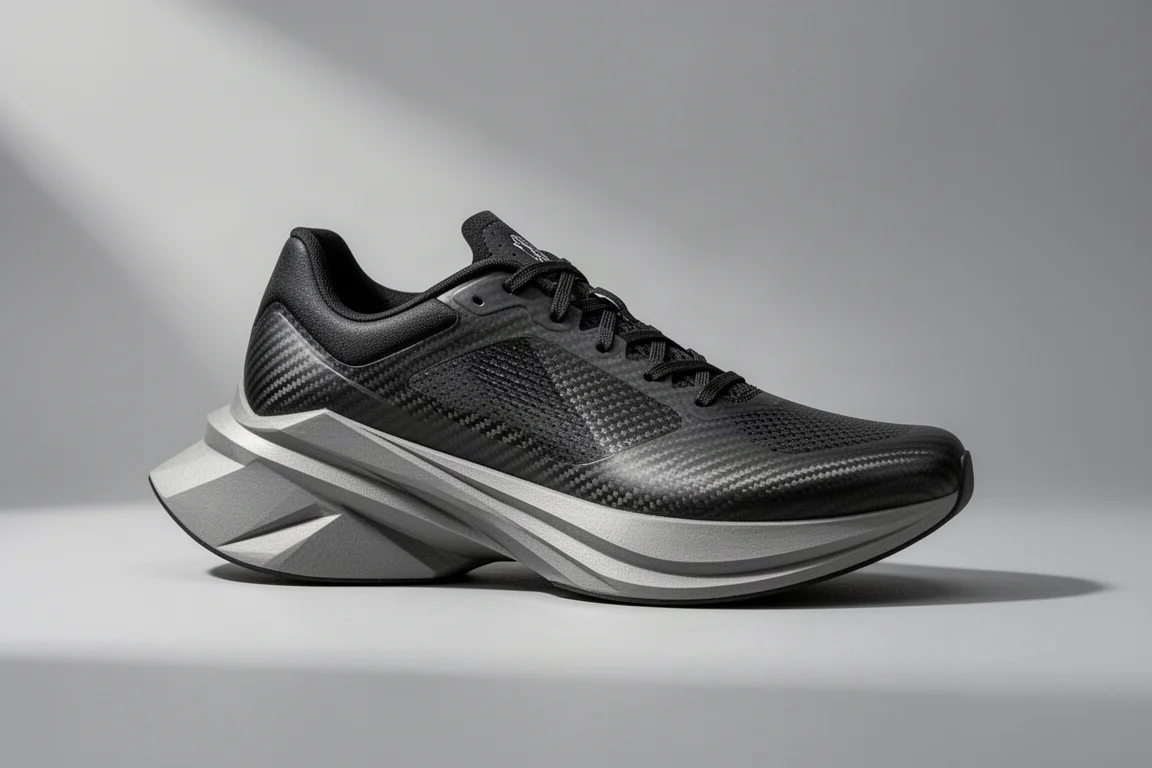
The Hoka Rocket X version 3 runs about £10 more expensive with a very similar stack and drop, though it weighs a hefty 49 g more. It uses PEBA foam rather than the much lighter ATPU foam in the Puma. In testing, the Puma felt slightly softer, a touch more responsive, and simply had the edge on speed thanks to that dramatic weight difference. Both are stable, comfortable options for a 3-hour-plus marathon, but the Puma holds the performance advantage.
Alternative: Asics Meta Speed Tokyo Edge
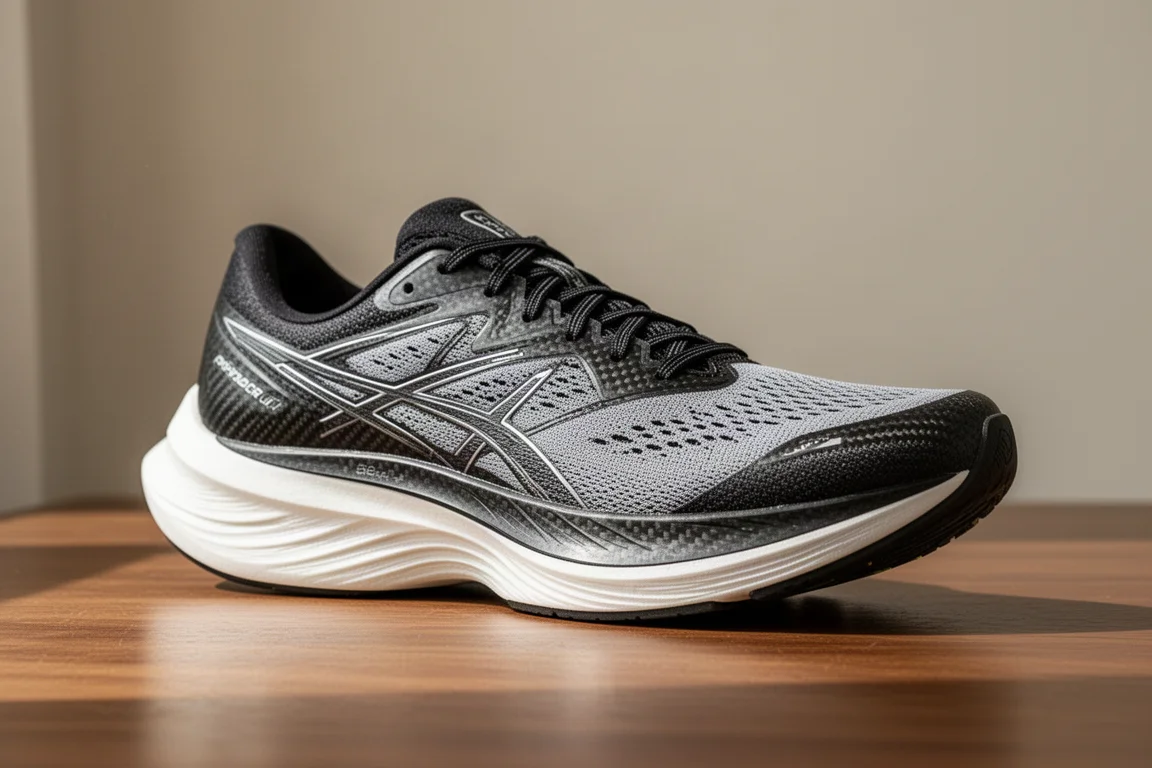
The Asics Meta Speed Tokyo Edge is the current marathon race-day pick of this comparison and costs about £30 more. It shares the same 40 mm stack, has 3 mm less drop, and weighs just 1 g more than the Puma in the tested size. It uses FF Turbo foam alongside FF Turbo Plus, and the ride is a little bouncier, a little softer, and slightly less stable than the Puma. On a good day, the Asics still wins the outright speed battle, though heel striking is a much bigger issue in the Meta Speed than in the flatter, more forgiving Puma geometry. The Asics just about keeps the top spot for pure performance, but the gap is now very small.
Buying Advice
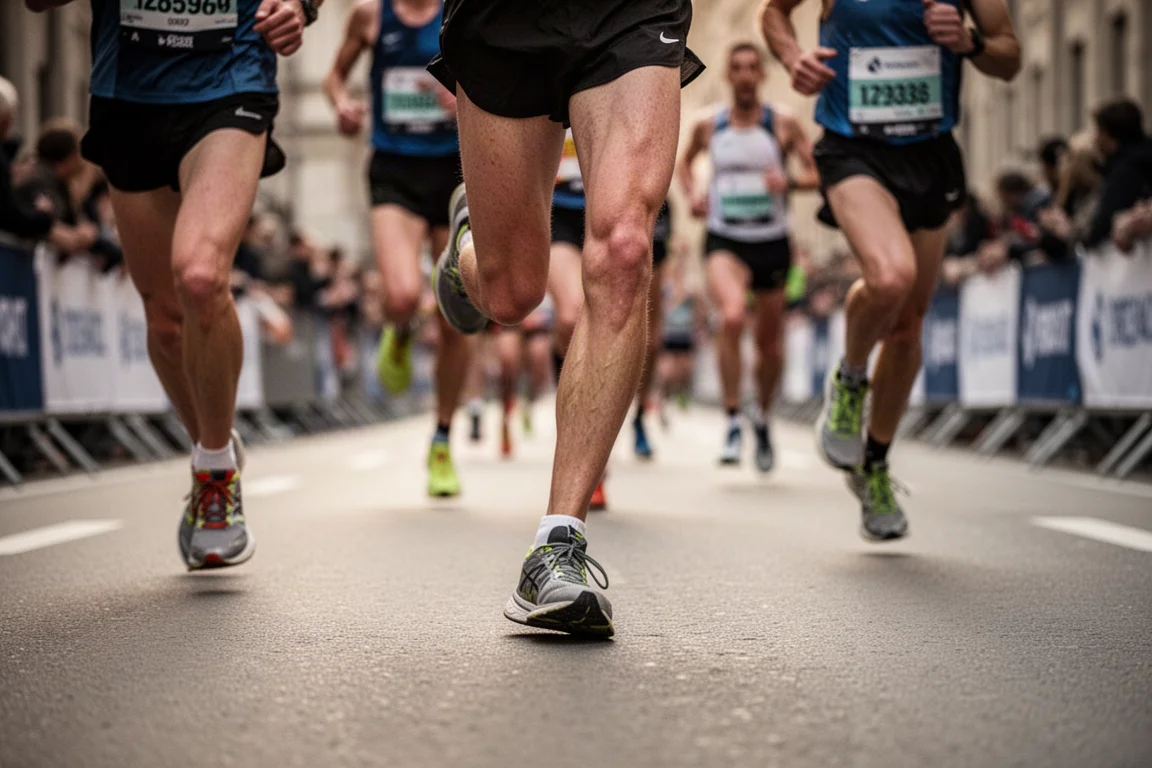
If you race anything from 5K to the marathon and want a super shoe that does not force your form, the DV8 Nitro Elite v4 is an easy recommendation. It is the cheapest shoe in this segment at retail, the lightest tested, and forgiving enough that late-race fatigue will not punish you the way more aggressive plates can. Runners who can hold good form all the way through a marathon and want maximum outright speed may still prefer the more expensive high-end options, but for the vast majority of race-day runners, this Puma carries its own against any of them.
Conclusion
The Puma DV8 Nitro Elite version 4 is a fantastic running shoe. It is slightly less aggressive than the most high-end carbon racers and not quite as fast, but it is more comfortable, more stable, and dramatically user-friendly for runners of all abilities. The natural-feeling ride, class-leading weight, and competitive price make it one of the strongest race-day choices available right now.
Further reading
Related Reviews

Running Shoes
Best Road-to-Trail Running Shoes: Three Versatile Options for Mixed Terrain
A practical guide to three road-to-trail running shoes that handle both pavement and mild trails, with clear strengths and trade-offs for different runner types.

Running Shoes
Best Running Shoes for Achilles Tendonitis: Three Options Explained
Three running shoes with different heel drops and support features designed to help reduce Achilles tendon pain during walking and running.

Running Shoes
Best Running Shoes for Women: Five Top Choices Ranked
A ranked guide to five women's running shoes, from versatile daily trainers to high-performance racing options, with real strengths and trade-offs for each.