Trail Running Shoes
Puma DV8 Nitro Elite Trail Review: A First-Try Race Day Shoe That Mostly Delivers
Puma's first carbon-plated trail racer brings big cushion, a stable ride, and serious durability, with a few fit and traction caveats to weigh before buying.
Introduction
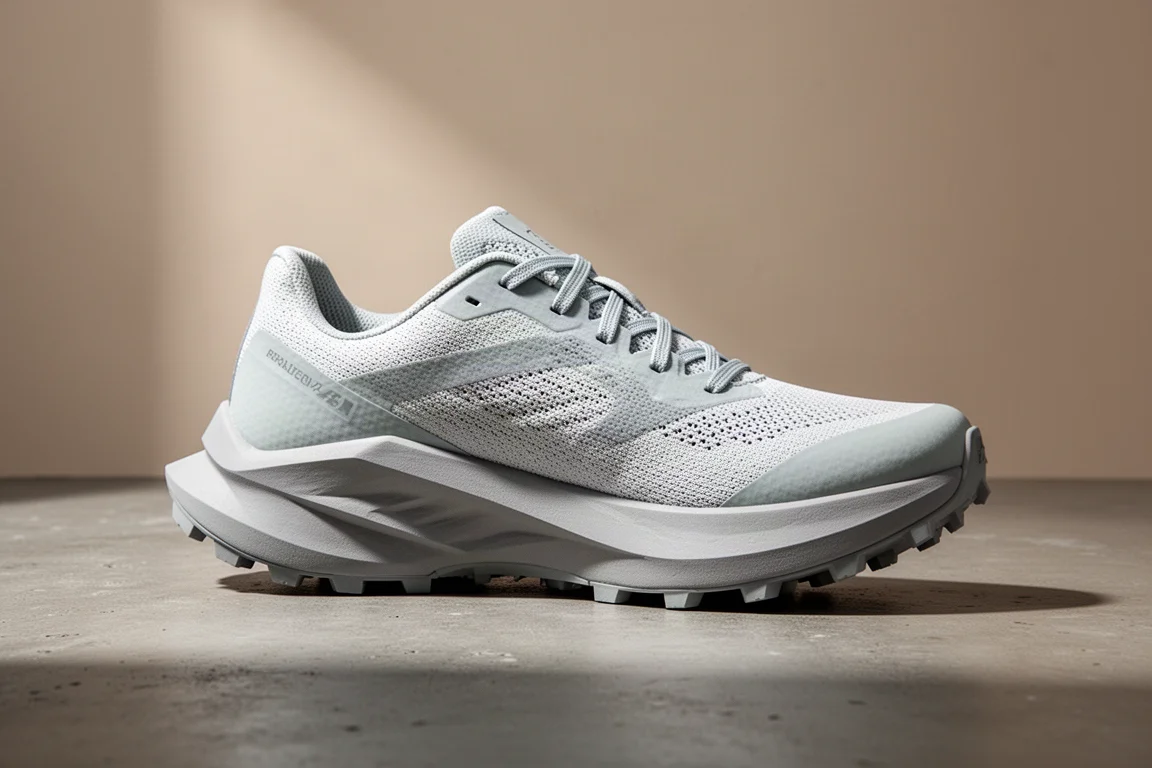
Puma’s trail running credentials have been growing quietly, and the DV8 Nitro Elite Trail is the clearest sign yet that the brand means business in this category. This is a shoe built on the same playbook other big brands have used: take a top-tier road racing platform and adapt it for dirt. That approach does not always work, but here it mostly does, and it left us more impressed than we expected to be.
At a listed price of around $230, it sits squarely in race day shoe territory, with a carbon plate, high-end foam, and a claim of 500 miles of durability that would be ambitious for any modern shoe. After spending real miles in it on smooth to moderate terrain, we think the claim is not far-fetched.
Upper and Fit
The upper uses Puma’s ultra weave, a very light, very thin woven material of the kind now appearing on many high-end shoes. It is breathable enough that wind blows straight through it, yet it feels genuinely robust, tenacious even, in a way that inspires confidence on trail.
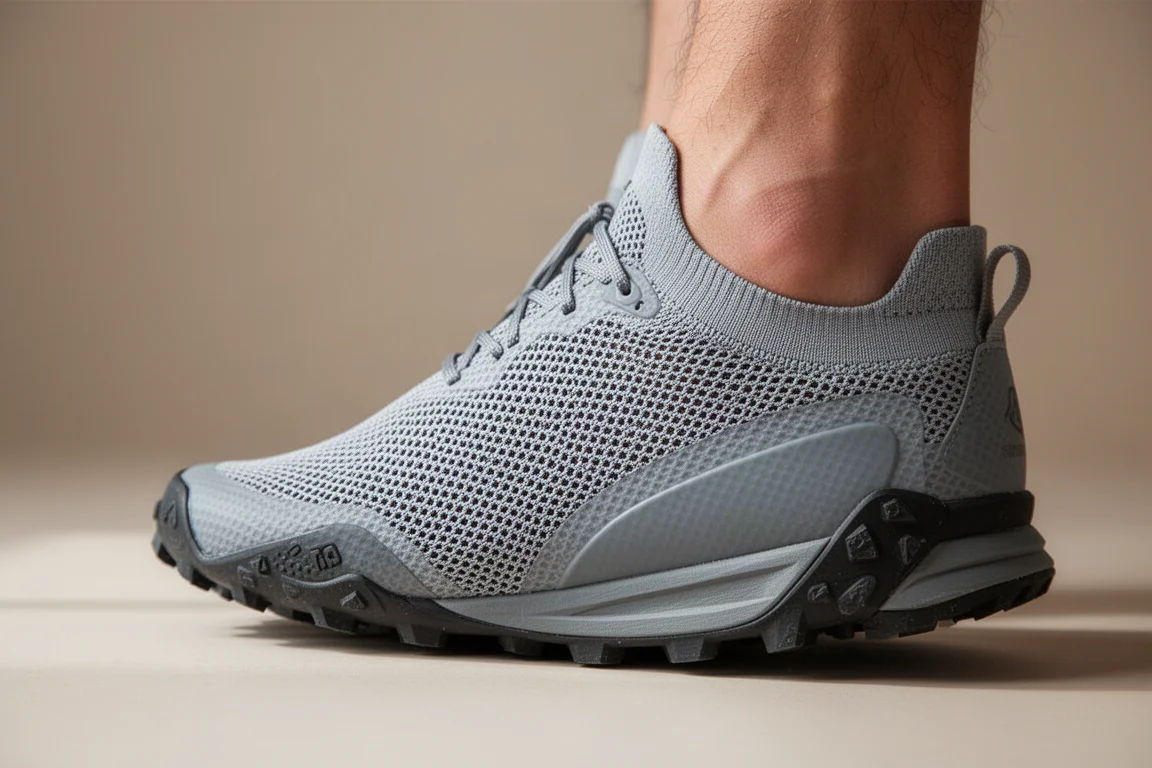
There is a small toe protect element, but unlike most shoes it sits internally rather than on the outside. That detail caused some pinky toe rubbing, nothing drastic, but enough to notice. The platform itself is wide, so most feet should feel contained without pressure points, and there is generous vertical space over the toes, which suits long distance running. For many runners the shoe runs true to size, though the overall fit leans roomy. If you prefer a snug feel or plan mostly shorter days, sizing down a half may be worth considering; for ultra distances where feet swell, the standard size makes sense.
The heel construction is firm and structured, which the shoe needs, but the collar is rough around the top edge and the tongue is thin. That combination caused rubbing at the front of the ankle and at the Achilles on longer runs, the most consistent complaint about the fit. A touch more padding or coverage at the collar would make this a much friendlier shoe.
Midsole, Foam and the PWR Plate
The stack is substantial for trail: 36mm in the heel, 30mm in the forefoot, and a 6mm drop, which is high for a fast trail shoe. The foam is noticeable the moment you put it on, with genuinely nice cushioning and energy return. It is comfortable enough that this shoe works for easy days and weekly workouts, not just race day.

Stability comes largely from the full-length carbon PWR plate, which is forked in the forefoot. The geometry is interesting: the shoe feels neutral in the forefoot but fairly stable in the heel, a combination that helps on a platform this tall. It is a carbon plate for people who do not usually like carbon plates, with no harsh or abrasive sensation underfoot in most situations.
The exception is the heel. On rockier steps or longer steep descents, the plate can be felt directly under the heel, and it is uncomfortable. A runner using a cushioned heel insert did not experience this, so extra coverage over the plate or more arch support would likely resolve it. If you need medial support or spend a lot of time on steep technical downhills, this is a real consideration.
Outsole and Traction
The outsole uses Puma Grip ATR rubber, which is durable and genuinely tacky. The problem is the lug design. The lugs are listed at 3mm but taper toward the front, and at the smallest point they are nearly flush with the midsole. On uphill pushes there is little to no purchase.
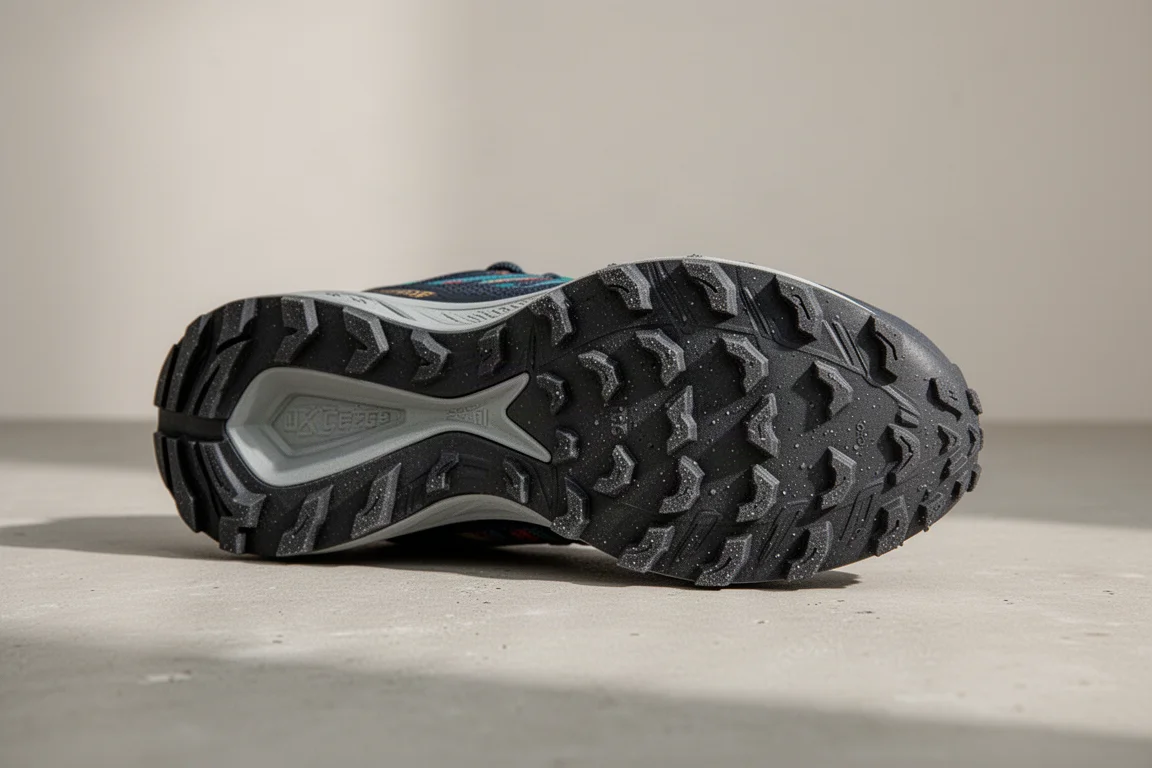
On the fine, sandy material common on Colorado trails, often called kitty litter, traction is poor, and even gravel roads produced occasional slippage. Wet terrain is not the shoe’s friend either. The rubber compound itself is excellent; the lug pattern simply limits where this shoe can be pushed hard.
Durability
Puma claims 500 miles for this shoe, which is a lot for any modern trainer or racer. In testing it showed very little wear and tear. Where degradation typically shows first is the outsole, but the foam should hold up well compared with many race day shoes that compress noticeably after 200 miles. If the claim holds even approximately, the value proposition improves considerably against similarly priced competitors.
Best Use Cases and Race Day Potential
This is a dry-weather, smooth to moderate terrain shoe. On undulating foothill trails it sings: the fit feels secure, the foam and plate work together, and you can put long miles down comfortably. Races on drier courses, think events like Javelina or Black Canyon, or even the flatter stretches of a course like JFK, are where it makes the most sense.
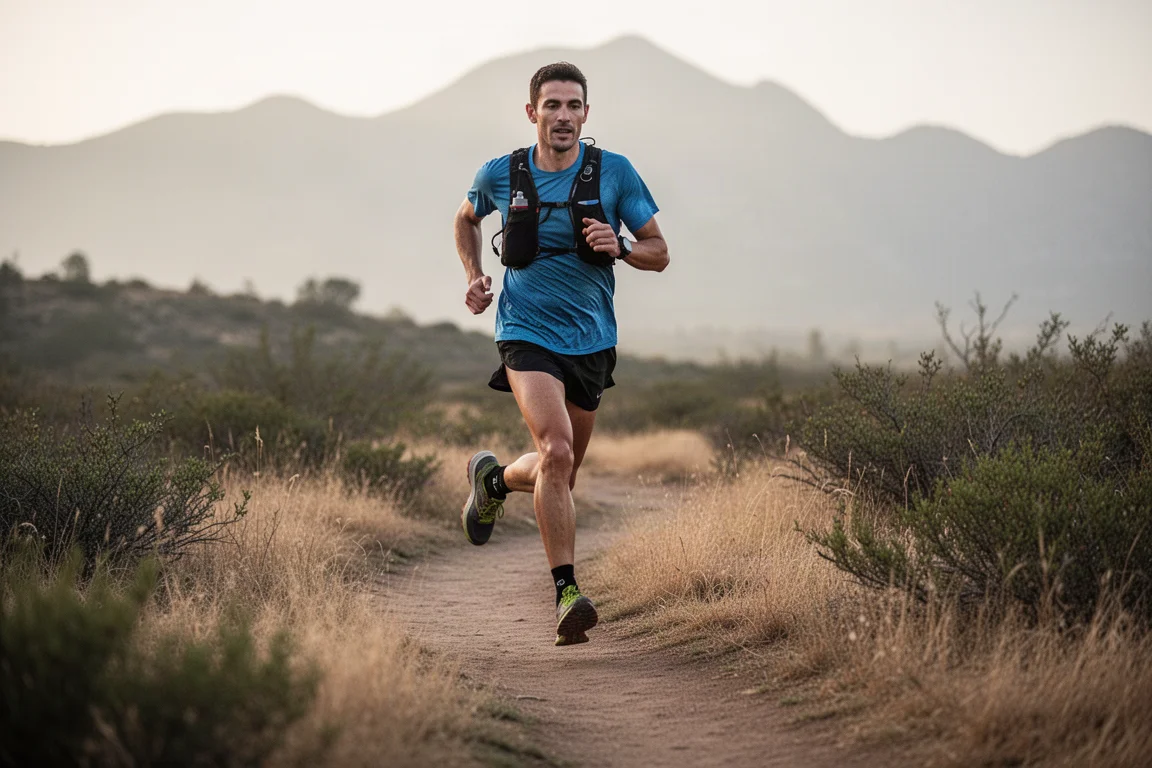
It does not love dancing on moderate to technical terrain, and moist or sandy surfaces expose the traction limits. Treat it as a race day and quality-workout tool for the right courses rather than an all-condition trail shoe, and it performs at a level that genuinely competes with established race day options.
Things to Consider Before Buying
- The heel collar is rough and caused rubbing for one tester, particularly on longer runs, though the thin tongue lays nicely.
- The internal toe guard can produce pinky toe irritation, an unusual placement for this feature.
- The fit is roomy; it suits ultra distances and wider feet, but narrower-footed runners may want to size down a half.
- The carbon plate is palpable under the heel on rocky ground and steep descents; a cushioned insert helps.
- Lugs taper to nearly nothing at the toe, limiting uphill and loose-surface traction despite excellent rubber.
Buying Advice
At around $230, this is priced like a serious race day shoe, and it delivers much of the experience: big cushioning, a well-behaved carbon plate, a stable heel, and durability that should outlast many competitors in the same price bracket. It is best suited to runners with neutral to wider feet who race on dry, smooth to moderate courses and value long-term durability over aggressive grip. If your racing involves wet rock, deep sand, or steep technical descents, look elsewhere for now.
Conclusion
For a first serious entry in the carbon trail racing category, the DV8 Nitro Elite Trail is remarkably complete. The build quality is high, the geometry is smart, and the ride is comfortable enough for far more than race day. The collar, heel plate feel, and lug taper keep it from being an easy universal recommendation, but on the right terrain it stands confidently alongside the best race day shoes available. We are genuinely curious to see how this platform trickles down through Puma’s future trail lineup.
Product link
View more details for Puma DV8 Nitro Elite Trail
This product is mentioned in the review. Check the specifications, options, and compatibility before buying.
View more details for Puma DV8 Nitro Elite TrailFurther reading
Related Reviews
Trail Running Shoes
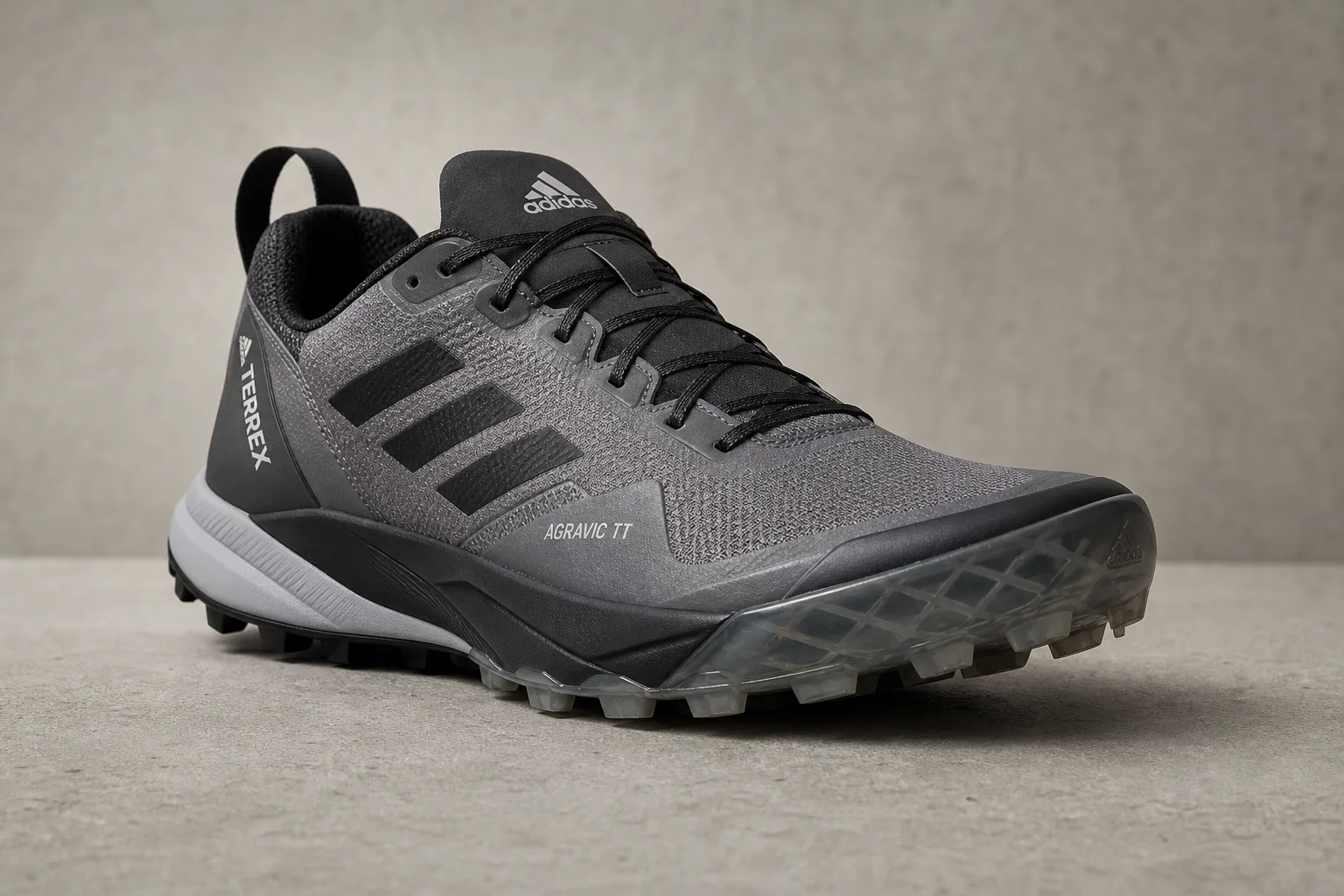
Adidas Terrex Agravic TT Review: A Technical Trail Shoe Built for Rocky Terrain
The Adidas Terrex Agravic TT combines a full-coverage rock plate with a firmer midsole to deliver protection and stability on technical, rocky trails. A capable choice for runners who prioritize underfoot defense over lightweight cushioning.
Trail Running Shoes
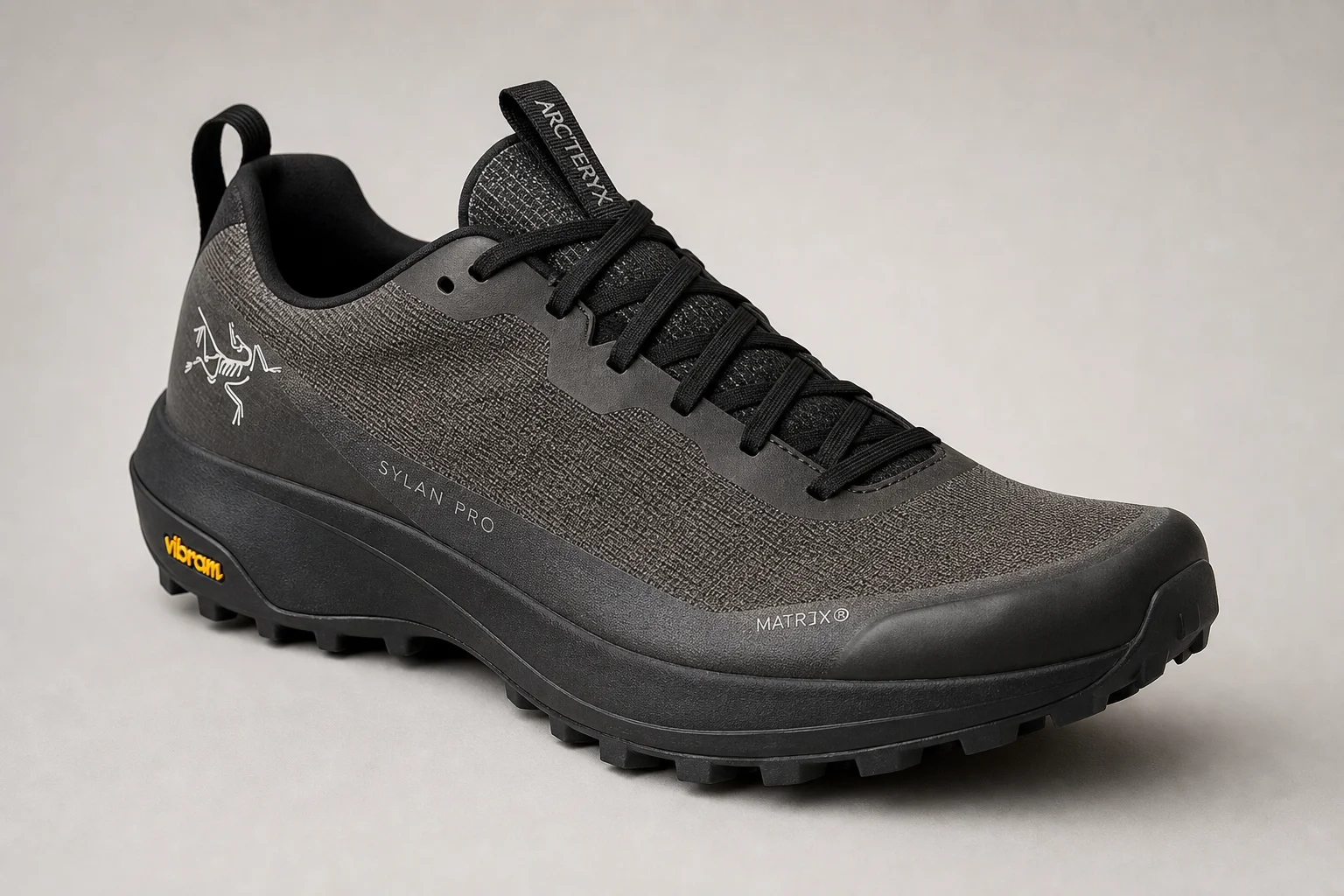
Arc'teryx Sylan Pro Review: A Rocker-Focused Mountain Running Shoe Tested on 20 Miles
The Arc'teryx Sylan Pro brings a pronounced rocker geometry and secure fit to mountain terrain. We tested it on a 20-mile Sawtooth loop to evaluate its climbing efficiency, protection, and handling of technical descents.
Trail Running Shoes
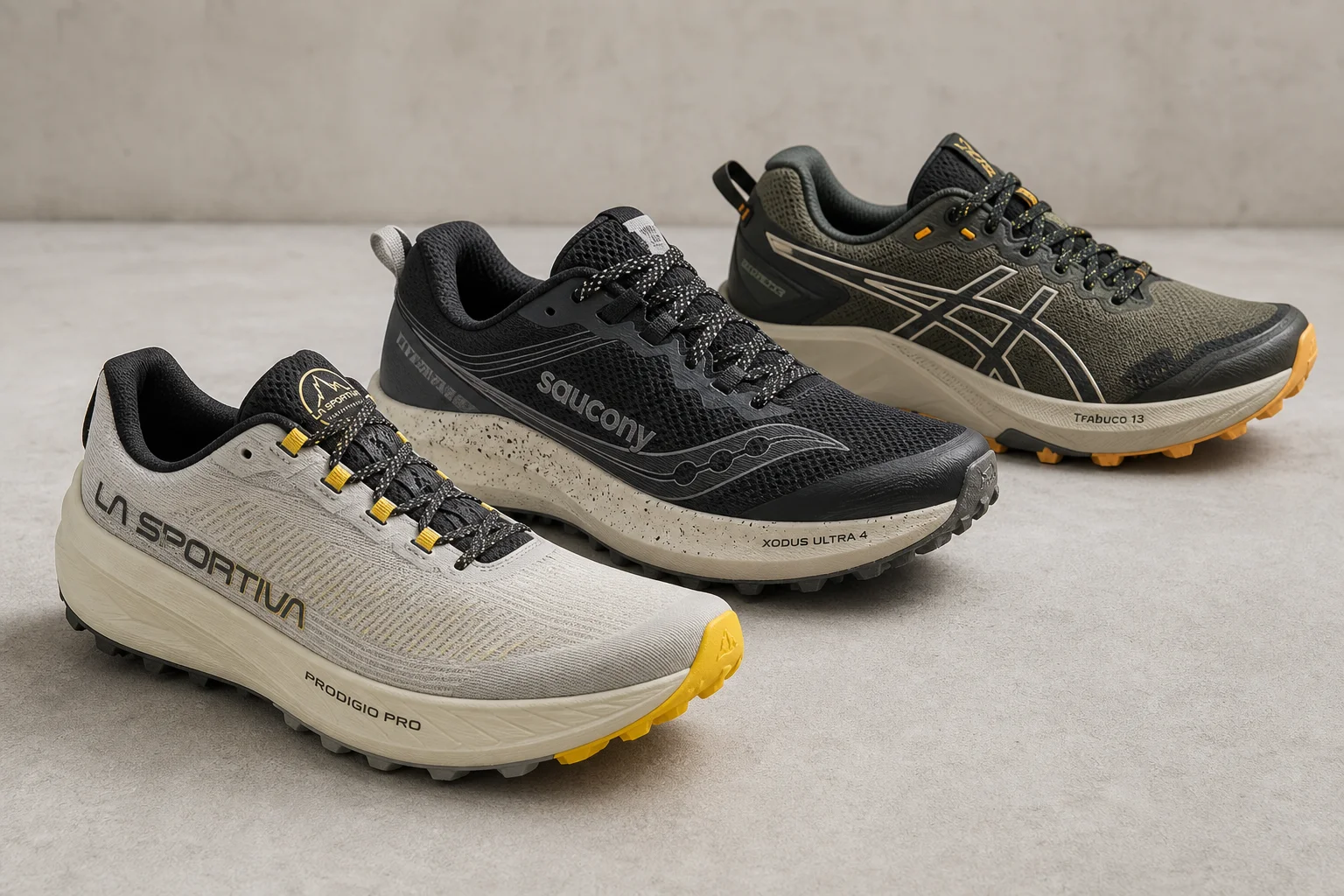
Best All-Mountain Trail Running Shoes: Three Versatile Options for Any Trail
A focused roundup of three all-mountain trail running shoes that handle technical terrain, long distances, and variable conditions with real strengths and practical trade-offs.