Running Shoes
Puma Deviate Pure vs the Competition: Endorphin Speed 5 and Adidas Evo SL Compared
Puma's plateless PEBA daily trainer takes on Saucony's tempo daily hybrid and Adidas' race-foam Evo SL. Here is how they differ.
Introduction
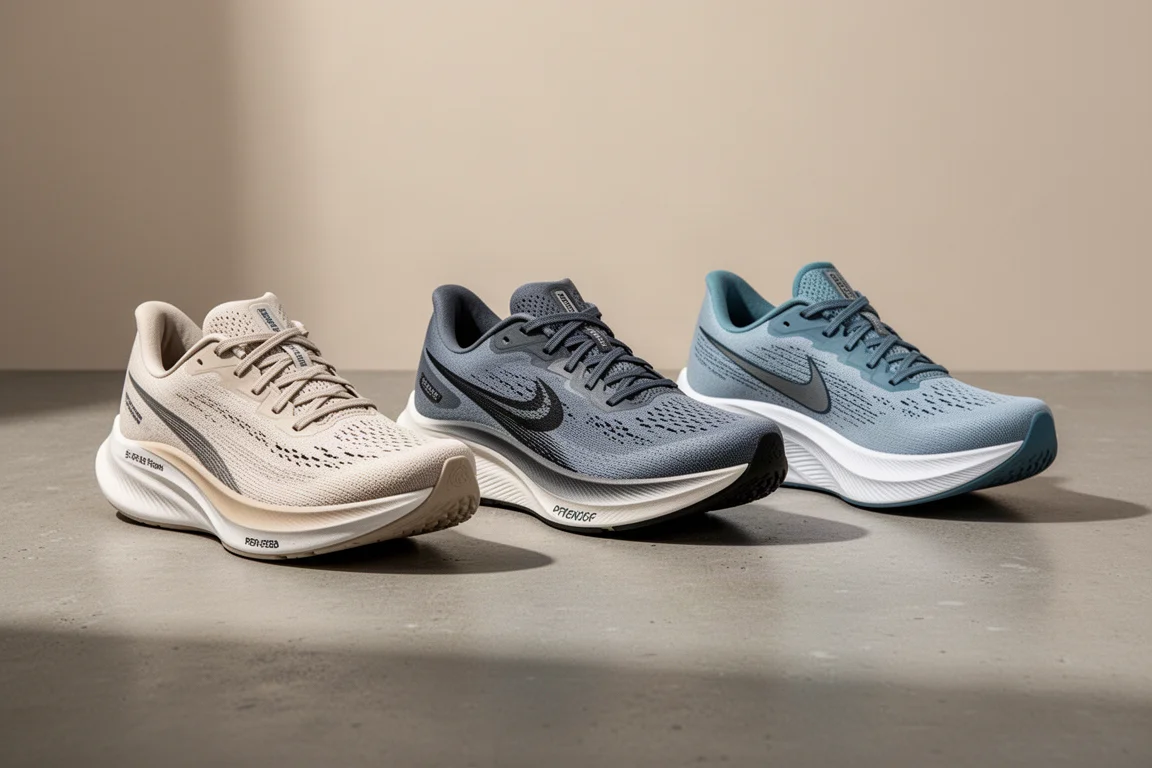
Every year, one running shoe manages to thread the needle: light enough for pace work, soft enough for daily mileage, and priced so it does not feel like a luxury purchase. The Puma Deviate Pure makes a strong case for that title, thanks to a plateless PEBA midsole and a very competitive weight. But it does not run in a vacuum. The Saucony Endorphin Speed 5 and the Adidas Evo SL both chase the same broad use case, and each takes a different route to get there.
This comparison looks at how the three shoes differ in construction, ride character, and where each one earns its place in a rotation.
Puma Deviate Pure: The Plateless Goldilocks
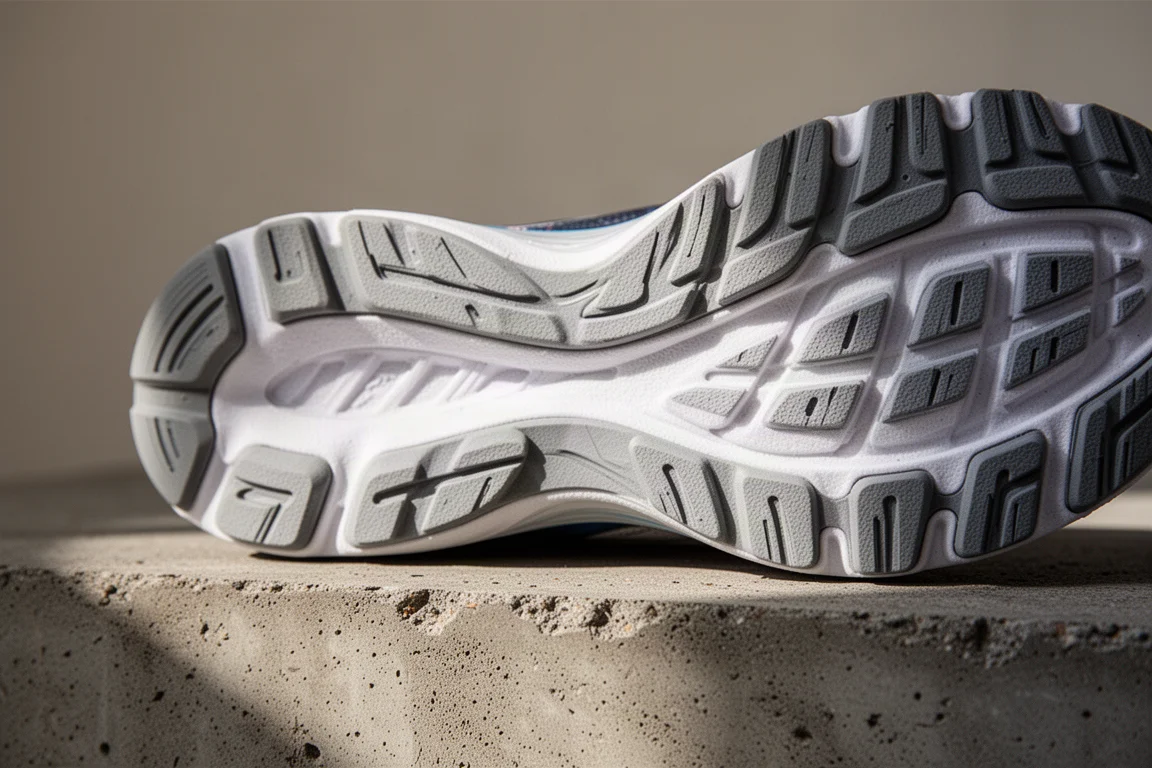
The Deviate Pure is a 38 mm stack shoe with an 8 mm drop, giving it 30 mm of foam under the forefoot. Its Nitro foam here is PEBA, and notably there is no plate at all, making it the first in the Deviate series to go plate-free. The outsole keeps the familiar Puma grip pattern with subtle revisions, including more symmetric heel skids, and the rubber is kept thin with generous surface coverage.

On the run, it is a genuinely balanced ride: soft but not mushy, responsive but not firm. The upper is lightweight, thin, and airy, and the fit just disappears on foot. At 7.4 oz (212 g) in a US men’s size 9, it is remarkably light for this category. Fit runs true, so most runners can stick with their regular running shoe size.
The trade-offs show up at the extremes. Very slow recovery runs feel slightly firm, and at threshold pace and faster you may miss the aggressiveness of a plated shoe. But across the wide middle band of paces, where most weekly mileage lives, it is an energetic and comfortable companion.
Saucony Endorphin Speed 5: Tempo First, Daily Second
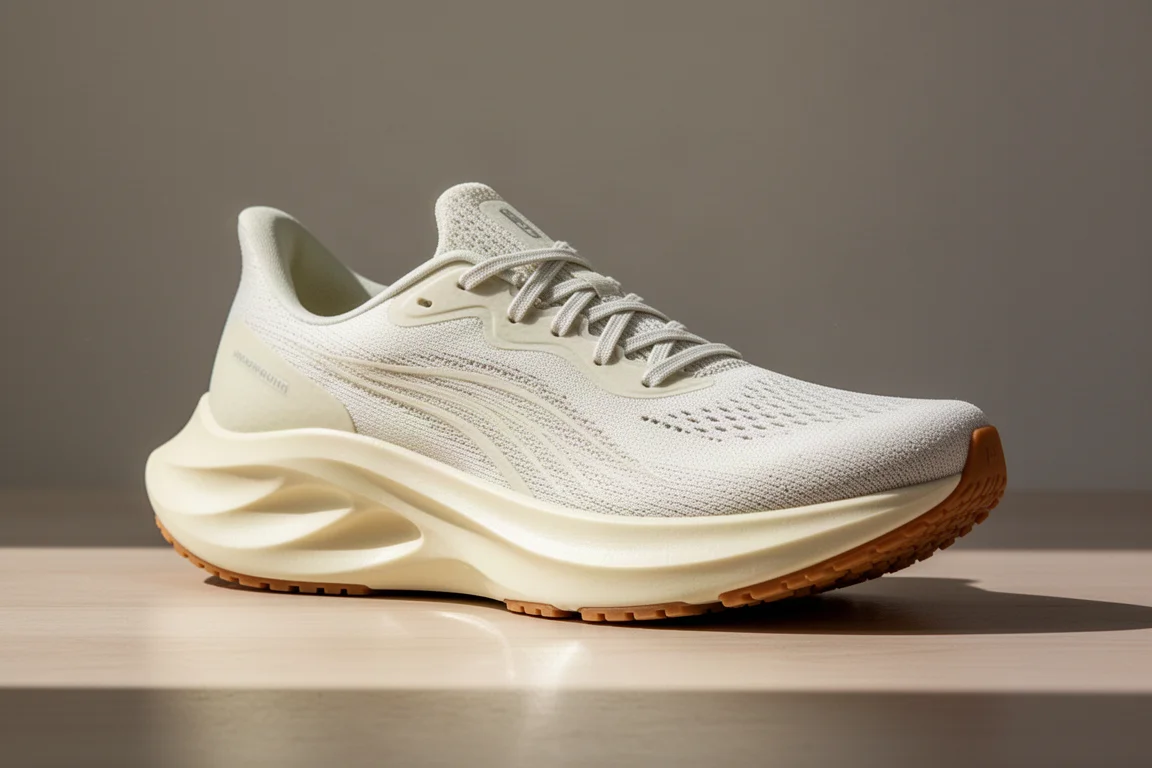
The Endorphin Speed 5 sits between a daily trainer and a workout shoe. It uses a beaded PEBA foam, built differently from the Puma’s, plus a nylon plate that adds a hint of stability and structure.

Two differences stand out against the Deviate Pure. First, that touch of Saucony stability: some runners will love it, others will feel the density in the heel during easy running. Second, the ride character. The Endorphin Speed 5 has grown softer over recent versions as more people use it for daily training, but it remains denser than the Puma and is arguably the stronger option for tough workouts.
It normally retails at $170, but because the model has been out a while, discounted pairs can be found around $130, saving you $20 versus the Deviate Pure. The simplest way to choose: if you want that hint of stability, go Saucony. Otherwise, the Puma is the more comfortable, airier pick.
Adidas Evo SL: Race Foam in a Daily Trainer
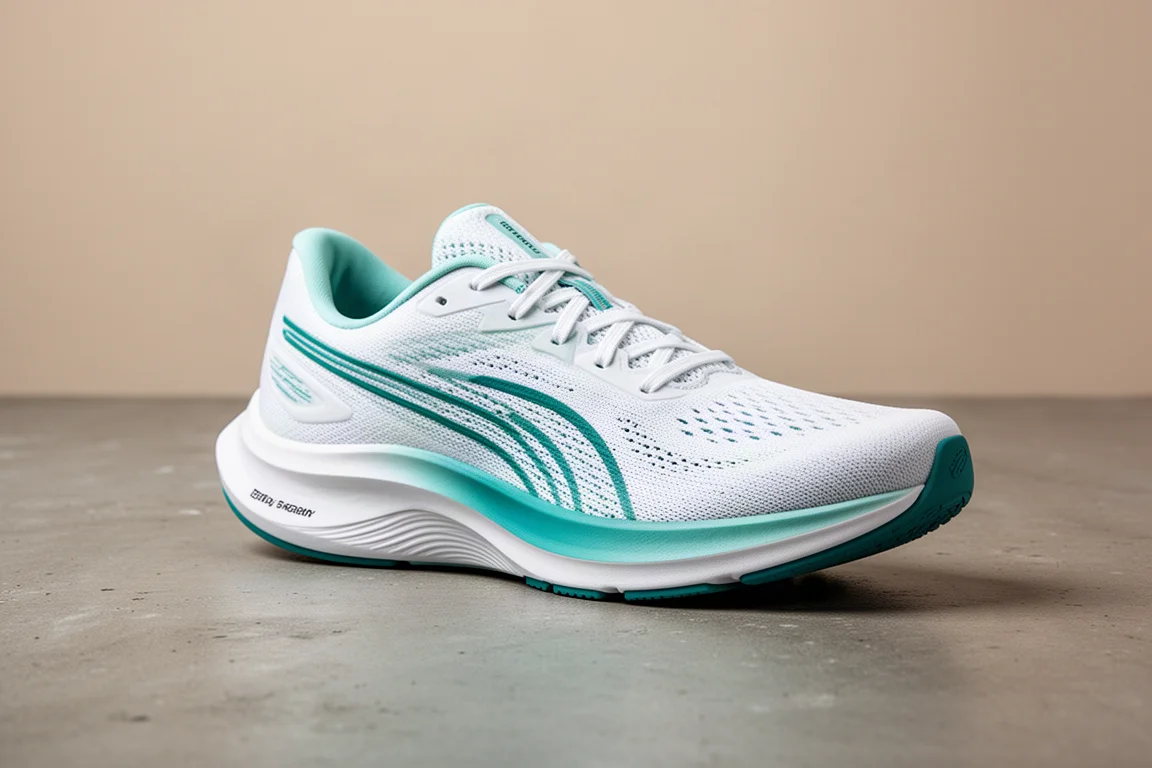
The Evo SL, and its Evo SL XO subvariant, takes a race-grade approach with Lightstrike Pro, an older version of the formula, and a small plastic shank to keep the ride from feeling squirrelly. The upper is stripped down and comfortable, and it pairs well when you pick up the pace.
The Evo SL’s rocker, modeled after the Adios Pro, is prominent at easy paces but fades into the background at everyday paces and faster. Its Lightstrike Pro foam is denser than the PEBA in the Deviate Pure at all speeds, which gives it more resistance underfoot. Bigger, taller runners may prefer that firmer feel.
Pricing is interesting here: it launched at $150, the same aggressive price point the Deviate Pure now follows, but older colorways can be found down around $105. Both shoes cover a very similar band of versatility, and neither is a wrong choice; it comes down to whether you want the denser, rockered Adidas ride or the lighter, airier Puma experience.
Which One Should You Buy?
The Deviate Pure is a lightweight, versatile, fun daily trainer at $150, and it is an easy recommendation across a wide range of runners. If you want to spend less, the Endorphin Speed 5 at a discounted $130 brings stability and better workout capability. The Evo SL, especially at $105 for discounted colorways, offers a race-foam alternative with a distinct rocker and denser feel.
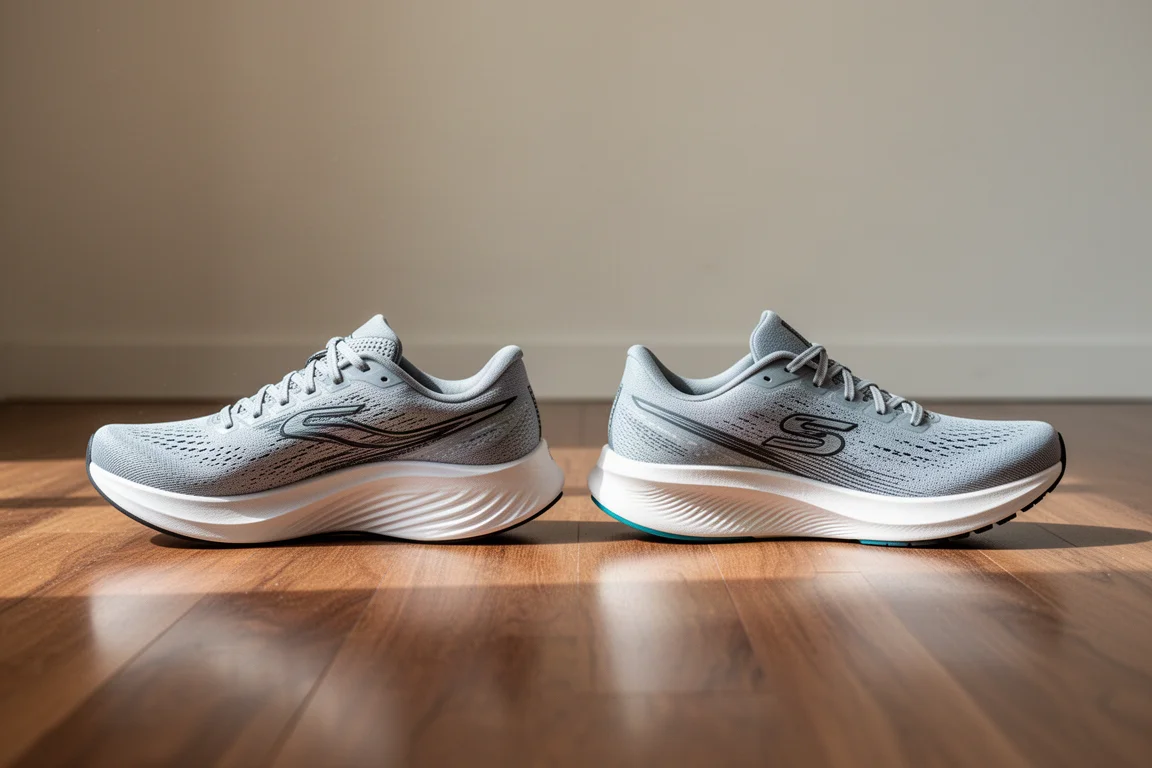
One practical play: grab a discounted pair of Evo SLs now and pick up the Deviate Pure later, giving you both experiences in one rotation. If you can only choose one, let ride preference decide: airier and lighter points to the Puma, denser and more structured points to the Saucony or Adidas.
Conclusion
All three shoes are excellent modern daily trainers, and none is a bad buy. The Puma Deviate Pure is the standout for its balance of performance, recommendability, and price, the Endorphin Speed 5 remains the tempo-leaning pick with a stability edge, and the Evo SL delivers race-grade foam at a price that keeps dropping. Pick the one whose ride character matches your stride and your week, and you will be happy either way.
Further reading
Related Reviews

Running Shoes
Best Road-to-Trail Running Shoes: Three Versatile Options for Mixed Terrain
A practical guide to three road-to-trail running shoes that handle both pavement and mild trails, with clear strengths and trade-offs for different runner types.

Running Shoes
Best Running Shoes for Achilles Tendonitis: Three Options Explained
Three running shoes with different heel drops and support features designed to help reduce Achilles tendon pain during walking and running.

Running Shoes
Best Running Shoes for Women: Five Top Choices Ranked
A ranked guide to five women's running shoes, from versatile daily trainers to high-performance racing options, with real strengths and trade-offs for each.