Running Shoes
Puma Deviate Nitro Pure vs Saucony Endorphin Azura: Non-Plated Daily Trainer Head-to-Head
Two of the strongest non-plated daily trainers go head to head. We compare stack, foam, fit, ride and value to help you pick the right one for your rotation.
Introduction
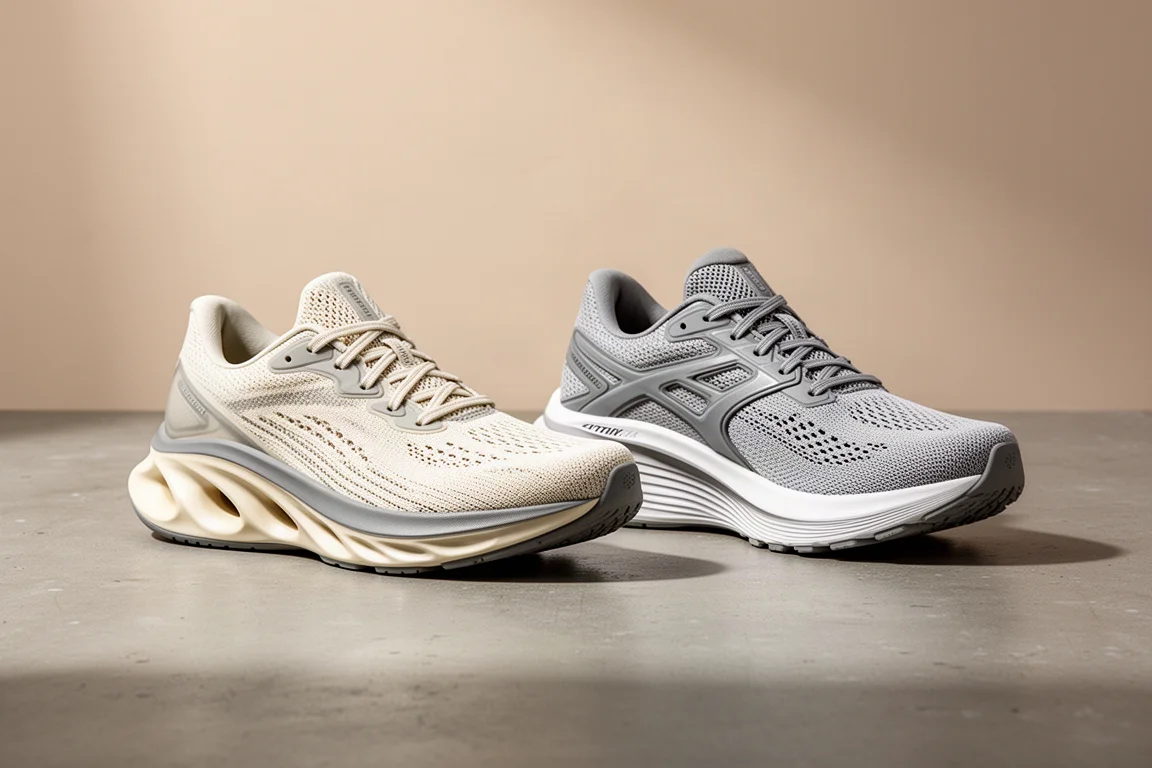
Non-plated daily trainers have quietly become the most exciting part of the running shoe market, and these two are prime examples. The Puma Deviate Nitro Pure and the Saucony Endorphin Azura both pack performance-level foam and geometry into shoes designed for everyday mileage, without the premium price of super shoes.
We have logged serious time on foot in both, across easy runs, steady runs, long runs and faster workouts. Both are versatile all-rounders with good value, but they ride very differently, and that difference should drive your decision.
Specs at a Glance
The Deviate Nitro Pure comes in with a 37mm heel and 29mm forefoot for an 8mm drop, weighing 7.7 oz (217 g). The Azura runs a bigger stack at 40mm heel and 32mm forefoot, also with an 8mm drop, but tips the scales heavier at 8.8 oz (250 g).
On price, the Pure is £130 in the UK and $150 in the US. The Azura is £140 in the UK and $150 in the US. So they are closely matched on price, with the Pure a touch cheaper in the UK.
Midsole and Foam
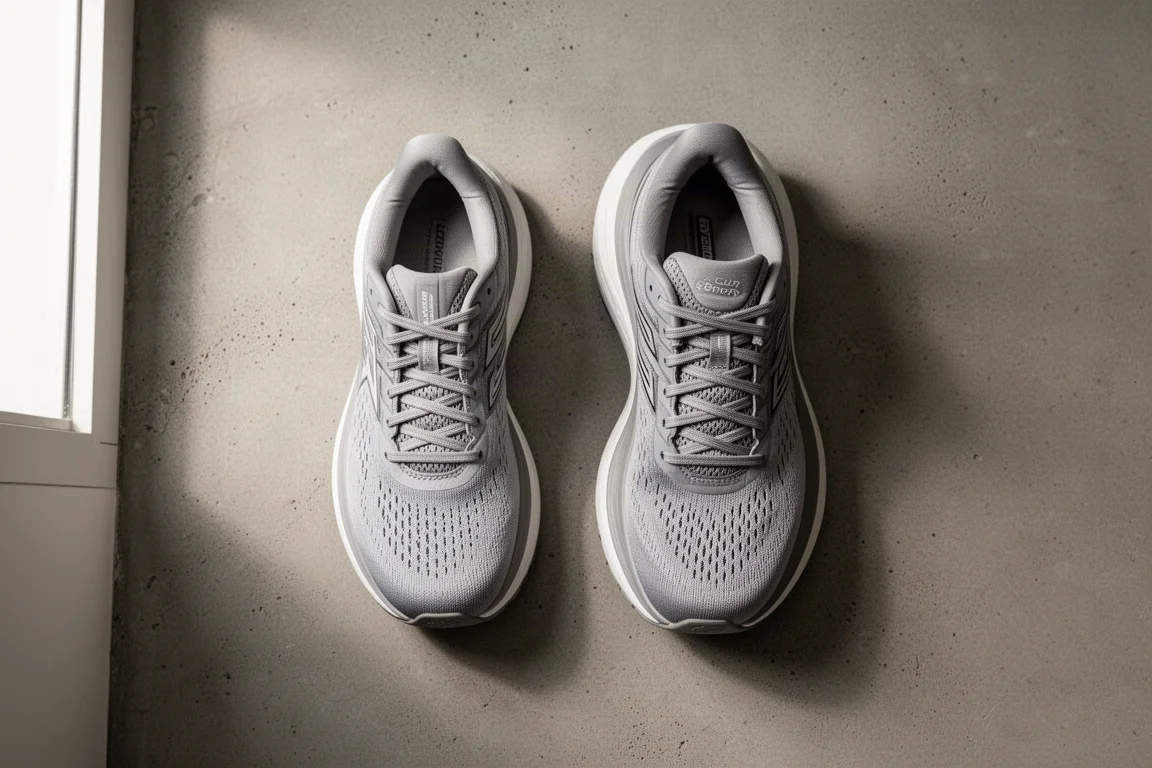
The Azura uses PWRRUN PB, the same foam you get in the Speed 5 and the Endorphin Pro 5, paired with Saucony’s familiar Speedroll geometry and a quite steep forefoot rocker. The foam is compressive but springs back fast, with a moderate stiffness through the midsole unit.
The Deviate Pure instead uses a single 100% PEBA wedge of Puma’s nitrogen-injected Nitro foam, tweaked from a race day formula to keep responsiveness while adding daily durability. It also has a forefoot rocker, though not as steep, and a slimmer platform than the Azura.
Both foams deliver, but the character is different. The Azura’s PWRRUN PB feels firmer at first, though it loosens up over time and is very durable. The Pure’s PEBA Nitro feels softer, more balanced and more energetic, with a comfortable bounce that never feels trampoline-like.
Upper, Fit and Outsole
Up top, the Azura has a breathable mesh upper with overlays adding structure and support. The Pure uses a light, flexible mesh that is breathable, soft and comfortably airy. Both shoes have medium-padded heel collars and flat, wrapping, gusseted tongues.
Underneath, the Pure wears a more generous covering of PUMAGRIP, and PUMAGRIP is consistently excellent, with a thick layer and very little exposed midsole. The Azura counters with XT-900 rubber, familiar from the Endorphin lineup, with decent forefoot coverage and two heel impact pads. There is more exposed midsole in the middle, but it held up fine in testing.
Fit and Sizing
Fit is true to size for most testers in both shoes, though with some useful nuance. In the Pure, several testers found it less narrow than typical Puma offerings, with a generous toe box and more flexibility around the toe knuckles. One tester who usually goes half a size down in Puma still recommended the smaller size here for anyone between sizes, since the shoe can run a little long.
The Azura fits like a glove for most, with slightly more structured uppers sitting a bit further off the top of the toes, good wiggle room, and excellent midfoot lockdown. If you normally find Pumas too narrow, half a size up in the Pure is worth considering, but going too long risks too much toe box length.
Ride Feel: Cushioning, Rocker and Ground Contact
The Azura’s bigger stack delivers more cushioning underfoot right across the platform, with slight sidewalls cradling the foot in that deep foam. Its Speedroll rocker gives more roll-through assistance, and the ride has more bounce and spring across the footbed. It also feels a bit more assured, rolling from the heel through the rocker point smoothly, with more long-haul protection.
The Pure feels flatter and closer to the ground. With less foam in the forefoot, it feels more direct and nimble, with a snappy, traditional ride. The cushion compresses and springs back quickly, giving just enough life without the shoe running you. It is softer under the heel, which heel strikers may notice, and it offers more agility and a more planted feel.
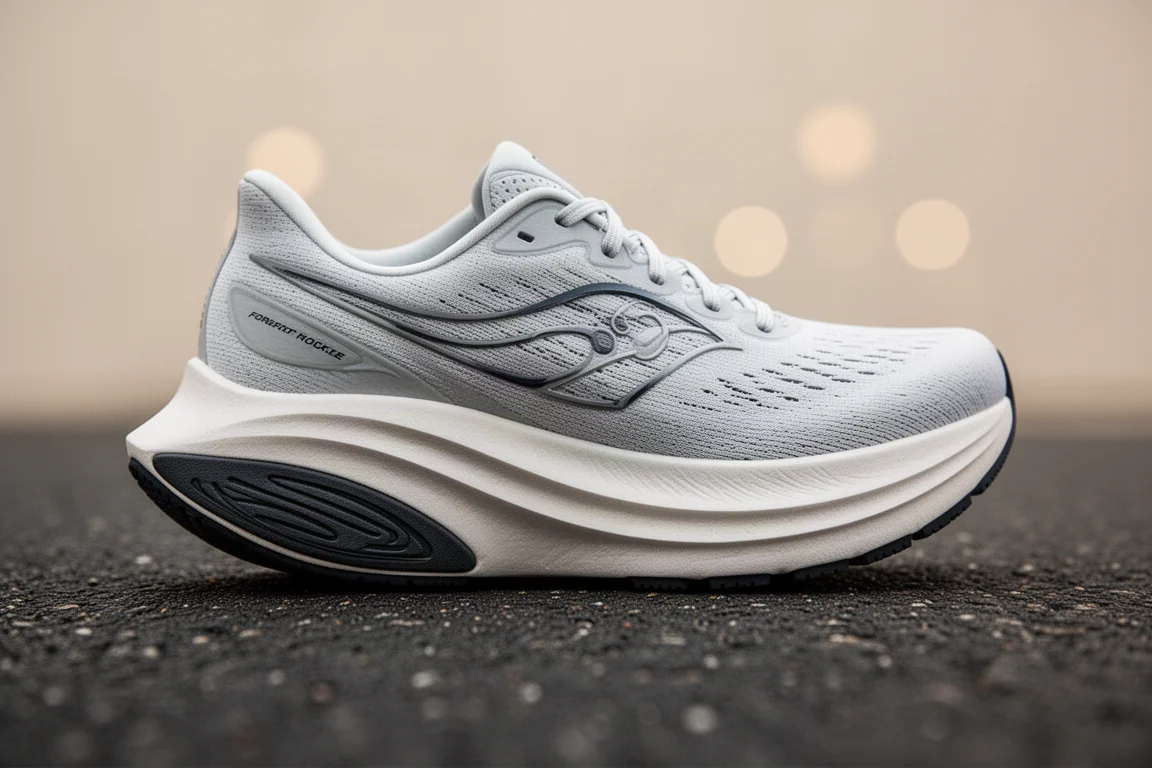
Both handle speed workouts up to a point, though neither is an out-and-out speedster. The Pure edges the fast stuff, especially short intervals, while the Azura gets a decent punch off the toes thanks to its foam and rocker. Neither is amazing at holding fast pace over longer reps, but both pair workouts with real comfort on easy days.
Verdict
These two are both great examples of the cost-effective daily shoe with performance-level tech inside, sitting in the same mold as the Adidas Evo SL or New Balance Rebel. For the price, both are good value, and both cover most of what marathon training and casual running throw at them. For the very fastest track work, a snappier shoe would still be the better reach.
If you like a bigger stack with more cushioning, a bouncier ride and a smoother, rockered, slightly more stable feel, the Azura is the one. If you want something more connected to the ground that still has spring and protection, plus a lighter, nimbler feel, the Pure fits that profile. It is a very close call, and there is even an argument for having both in a rotation to vary the stimulus and cover 95% of your training.
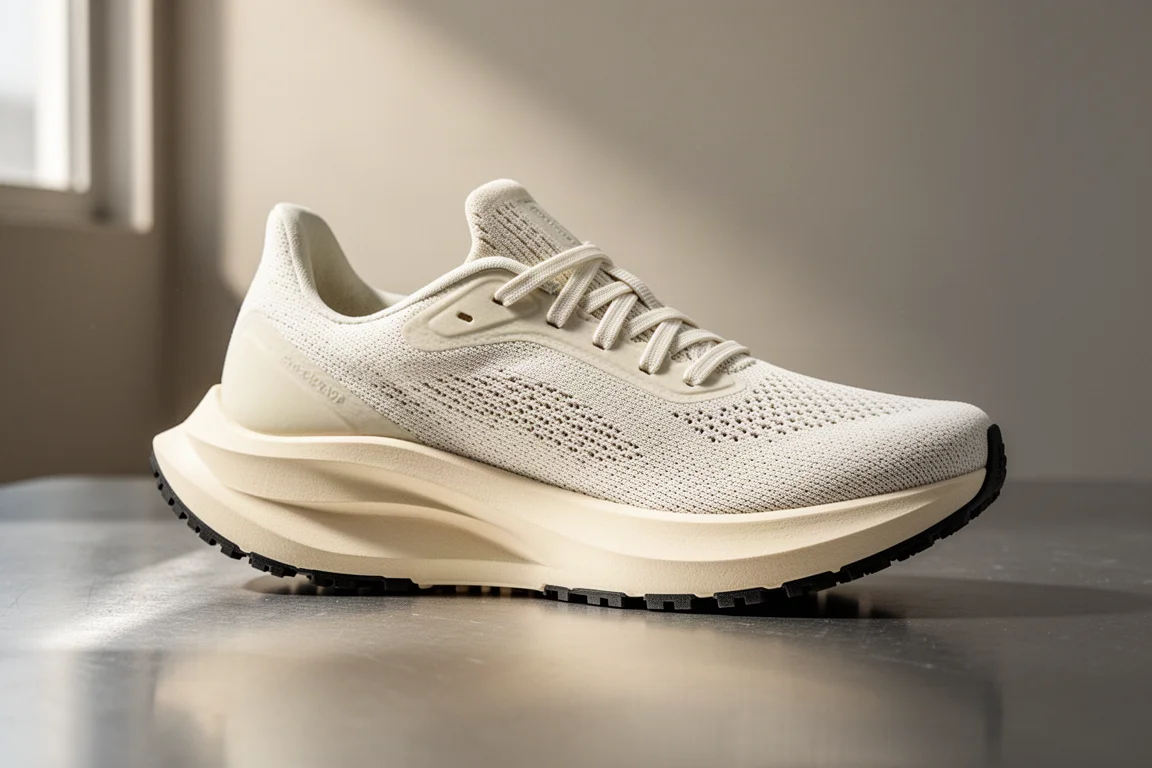
Which One Should You Buy?
The clearest way to split them: the Azura is a slightly bigger, wider, firmer, more conventional and responsive training shoe with a smoother rockered roll. The Pure is the more natural, comfortable, energetic daily shoe, and a sweet spot between easy runs and tempo efforts. If you just want one accessible shoe as a general runner, the Pure is a very strong option, though some testers found the Azura a touch faster thanks to its immediate responsiveness.
Comfort ultimately decided it for several testers, who preferred the Pure’s softer, bouncier character over the Azura’s firmer conventional feel, while others rated the Azura higher for its cushioned, rockered, long-haul ride. Both shoes stay true to size and both are easy to live with.
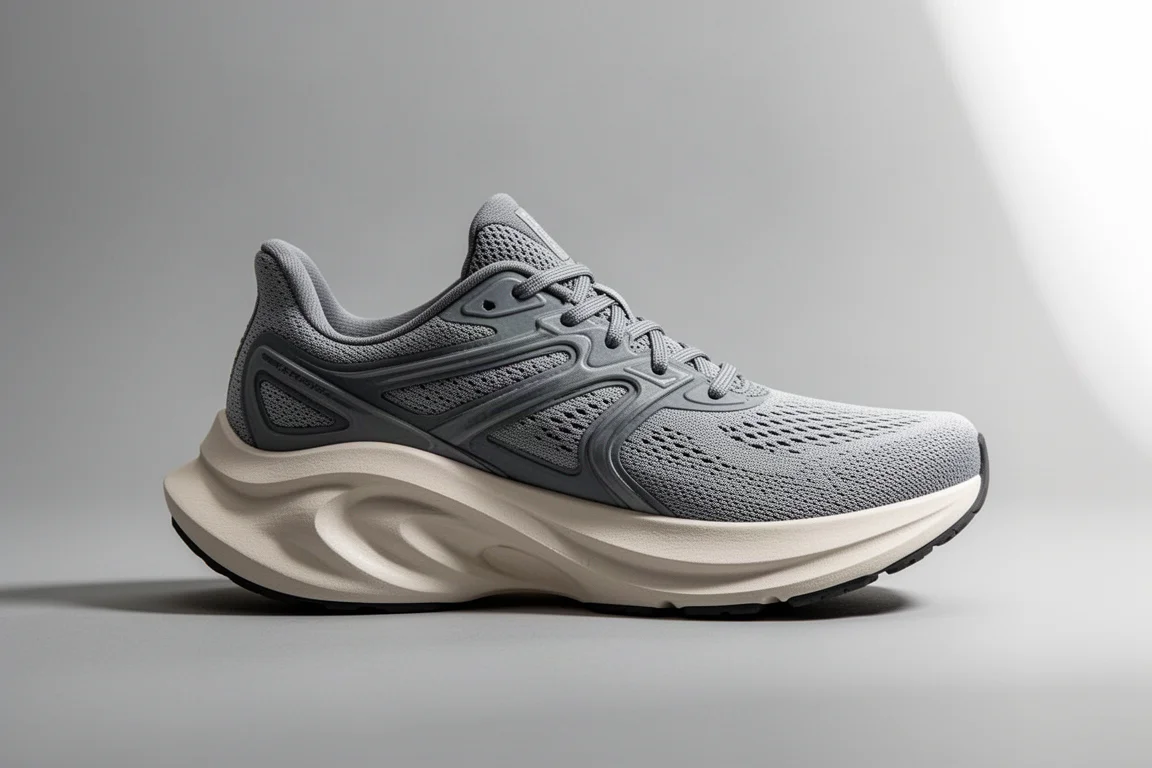

Conclusion
The Puma Deviate Nitro Pure and Saucony Endorphin Azura are two of the best non-plated daily trainers available right now, and the gap between them is marginal. Choose the Azura for a taller, bouncier, more rockered and stable ride, or the Pure for a lighter, nimbler, more natural and comfortable feel. Either will earn its place in your rotation.
Further reading
Related Reviews

Running Shoes
Best Road-to-Trail Running Shoes: Three Versatile Options for Mixed Terrain
A practical guide to three road-to-trail running shoes that handle both pavement and mild trails, with clear strengths and trade-offs for different runner types.

Running Shoes
Best Running Shoes for Achilles Tendonitis: Three Options Explained
Three running shoes with different heel drops and support features designed to help reduce Achilles tendon pain during walking and running.

Running Shoes
Best Running Shoes for Women: Five Top Choices Ranked
A ranked guide to five women's running shoes, from versatile daily trainers to high-performance racing options, with real strengths and trade-offs for each.