Running Shoes
Puma Deviate Nitro Pure Review: What 100 Miles Reveals
A long-term look at Puma's lightweight performance trainer: clunky at first, smoother and softer with every mile.
Introduction
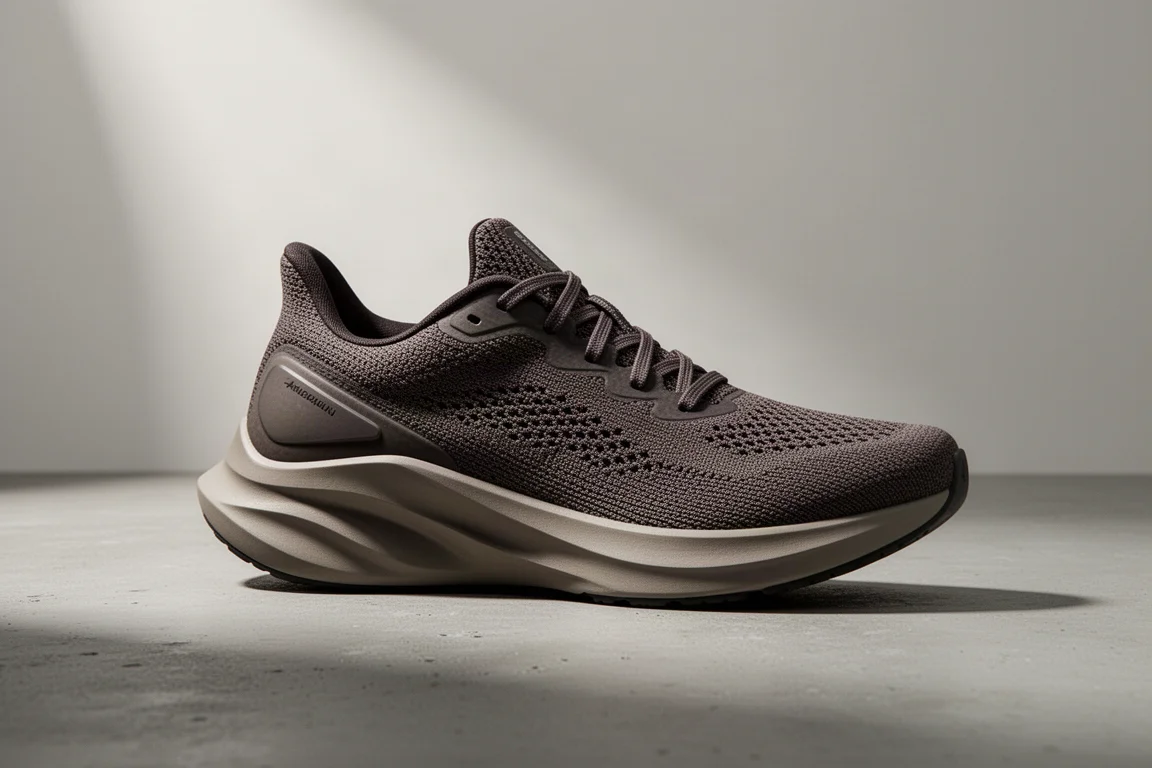
The Puma Deviate Nitro Pure is one of Puma’s newest performance trainers, and after 100 miles of real running in it, the story is clear: this shoe improves significantly with wear. On the first run it felt stiff, a little clunky, and less bouncy than expected. Over the next several weeks, it softened up, smoothed out its transition, and became one of those shoes worth reaching for repeatedly.
The design itself is deliberately simple: a full-length layer of Nitro foam with a mostly non-plated midsole, though some wearers report a small internal shank. There is no complicated rocker geometry or aggressive propulsion system here. It is a versatile do-a-little-of-everything trainer, and understanding how it breaks in matters more than how it performs on run one.
Who This Shoe Is For
This is a shoe for runners who want one well-balanced trainer that can handle easy miles, tempo work, track sessions, hill repeats, and long runs without overthinking anything. It suits neutral runners who want a touch of inherent stability, since the wider midfoot and modest sidewalls provide subtle guidance rather than formal stability features.
It is also a good alternative for runners who dislike large forefoot rockers. Compared with shoes that lean heavily on aggressive rocker geometry, the Deviate Nitro Pure keeps its rocker fairly small and lets the foam and natural gait do the work. Runners who want a simple performance trainer they can strap on and just go will feel at home here.
Specs and Midsole Design
In a men’s size 10, the shoe weighs 7.9 oz (225 g), which is genuinely light for a performance trainer. Many shoes in this category sit in the mid-8 oz range, so coming in under 8 oz is a meaningful advantage. The stack measures 37 mm in the heel and 29 mm in the forefoot for an 8 mm drop, although the drop can feel slightly higher at first.
The heel bevel deserves attention because Puma has placed it well here. A centered bevel helps heel strikers, who make up the vast majority of runners, roll forward smoothly instead of clunking through transition. A flared heel at the bottom would accelerate the downward transition and increase eccentric loading on the shin muscles, which is a common complaint in newer runners. This shoe avoids that mistake, and the bevel meets roughly where the heel actually lands.
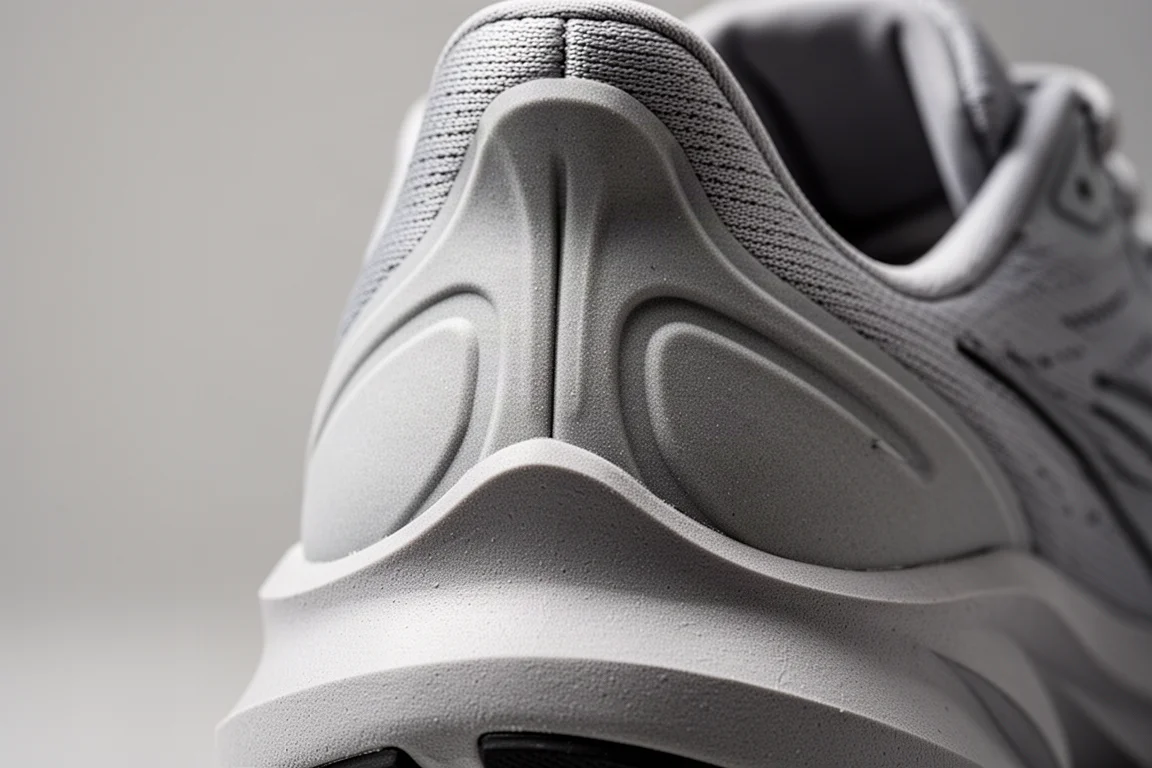
The wider midfoot adds a stable-neutral character to the ride. It is not a stability shoe by any stretch, but the extra sole flare and material give some resistance to side-to-side motion. The trade-off is stiffness, particularly in the heel and midfoot during the early miles.
How the Ride Evolves Over 100 Miles
The break-in period is the defining story of this shoe. The Nitro foam feels stiff and dense at first, and faster efforts are not its strength. It feels light enough to move, but it is not the fastest shoe in a rotation, and that is not its job. Expect roughly 50 to 60 miles before it softens and starts feeling poppy underfoot.
Around the 60-70 mile mark, the split heel design starts paying off. Because the lateral and medial portions of the heel can compress separately, the lateral side, where most runners land, breaks in naturally, and the ride gets progressively smoother. The midfoot foam softens as well, and the whole shoe rolls through the gait cycle with far less effort than it did on day one.

The sidewalls, which are most prominent in the midfoot and extend slightly into the forefoot, provide a bit of forward guidance once the shoe has loosened up. For runners with some instability around the first metatarsal, this subtle support becomes genuinely useful once the initial stiffness is gone.
If patience is not part of your shoe-buying personality, this may not be the right pick. Runners who want an immediate out-of-the-box feel should look elsewhere. Those willing to wait will find a ride that keeps improving rather than degrading.
Outsole and Durability
Durability has been a weak point for some Puma shoes in the past, but the outsole here has held up remarkably well over 100 miles. There is minor wear on the exposed midsole near the front edge, but the rubber piece extends far enough forward that even a scuffy gait does not tear through it.
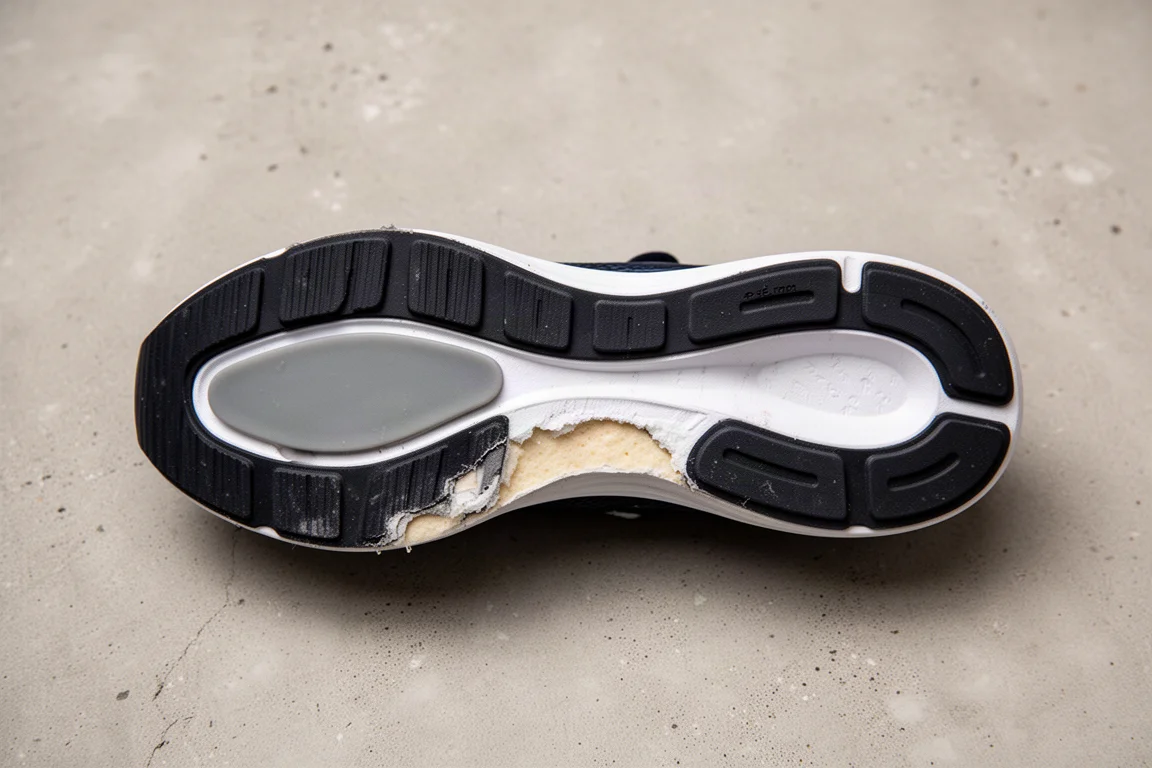
The one criticism is that the outsole coverage is not filled in completely under the midfoot, though leaving that gap likely helps keep the transition from feeling stiffer than it already is early on. Traction is solid on smooth surfaces, but the outsole is too smooth for trails, and taking it off-road would be asking for faster wear.
The midsole itself shows no signs of breakdown. Instead of losing cushioning over the miles, it has gained liveliness as the foam has relaxed.
Upper Fit and Comfort
The upper is classic Puma: snug, low volume, and close-fitting. It is a good-looking, well-made mesh with reasonable breathability, but wide-footed runners will likely struggle. People with normal-width feet who prefer a close fit will appreciate how the mesh stretches and molds over time, creating an almost sock-like feel.
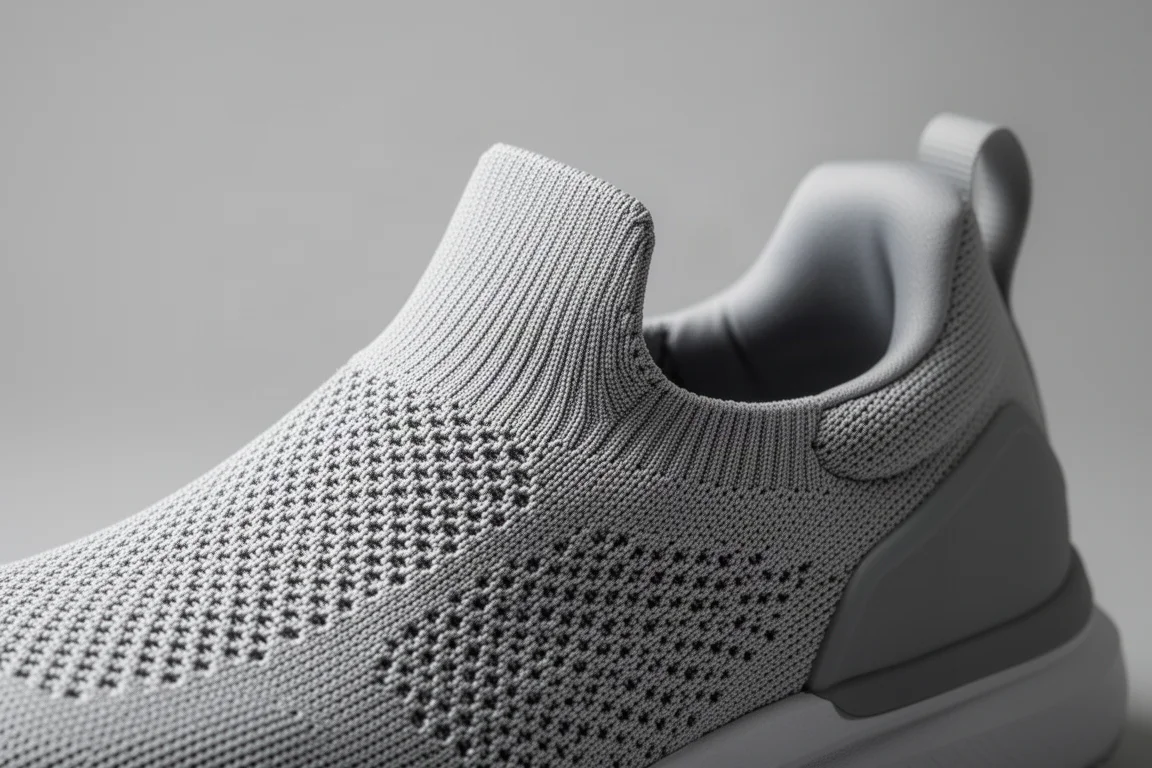
The midfoot tends to open up slightly and may need a firmer lace tie. The heel collar is the most consistent part of the shoe, with solid padding and a stiffer heel counter. Runners with sensitive Haglund’s bumps may find the counter irritating, although the padding is generous enough that it settled down comfortably here. The upper flexes nicely about two-thirds of the way up, which keeps the Achilles happy, and heel slippage has not been an issue.
Buying Advice
The Puma Deviate Nitro Pure rewards patience. Its strengths after 100 miles are clear: light weight for the category, durable outsole, a midsole that improves rather than degrades, subtle stable-neutral guidance, and a versatile ride that handles nearly every type of run. Its weaknesses are equally clear: a stiff and clunky first 50 to 60 miles, a snug low-volume fit, and a smooth outsole that rules out trails.
It is not a super shoe and not a racing-first pick, but as a simple, durable, do-everything performance trainer, it earns its place in a rotation. If you value a long break-in over instant gratification, this is a shoe worth serious consideration.
Conclusion
The Deviate Nitro Pure gets better the more you run in it, which is rarer than it should be in a market full of shoes judged on first impressions. Its centered heel bevel, durable outsole, and break-in-friendly Nitro foam make it a smart choice for runners who want one uncomplicated trainer to cover most of their weekly mileage. Give it the miles to open up, and it will repay you with a smooth, comfortable, and surprisingly versatile ride.
Product link
View more details for Puma Deviate Nitro Pure
This product is mentioned in the review. Check the specifications, options, and compatibility before buying.
View more details for Puma Deviate Nitro PureFurther reading
Related Reviews

Running Shoes
Best Road-to-Trail Running Shoes: Three Versatile Options for Mixed Terrain
A practical guide to three road-to-trail running shoes that handle both pavement and mild trails, with clear strengths and trade-offs for different runner types.

Running Shoes
Best Running Shoes for Achilles Tendonitis: Three Options Explained
Three running shoes with different heel drops and support features designed to help reduce Achilles tendon pain during walking and running.

Running Shoes
Best Running Shoes for Women: Five Top Choices Ranked
A ranked guide to five women's running shoes, from versatile daily trainers to high-performance racing options, with real strengths and trade-offs for each.