Running Shoes
Puma Deviate Nitro Elite Pure Nitro vs Adidas Adizero Evo SL: Which Versatile Trainer Should You Buy?
Two of the best value non-plated daily trainers go head to head on ride, fit, stability and speed to help you pick the right one.
Introduction
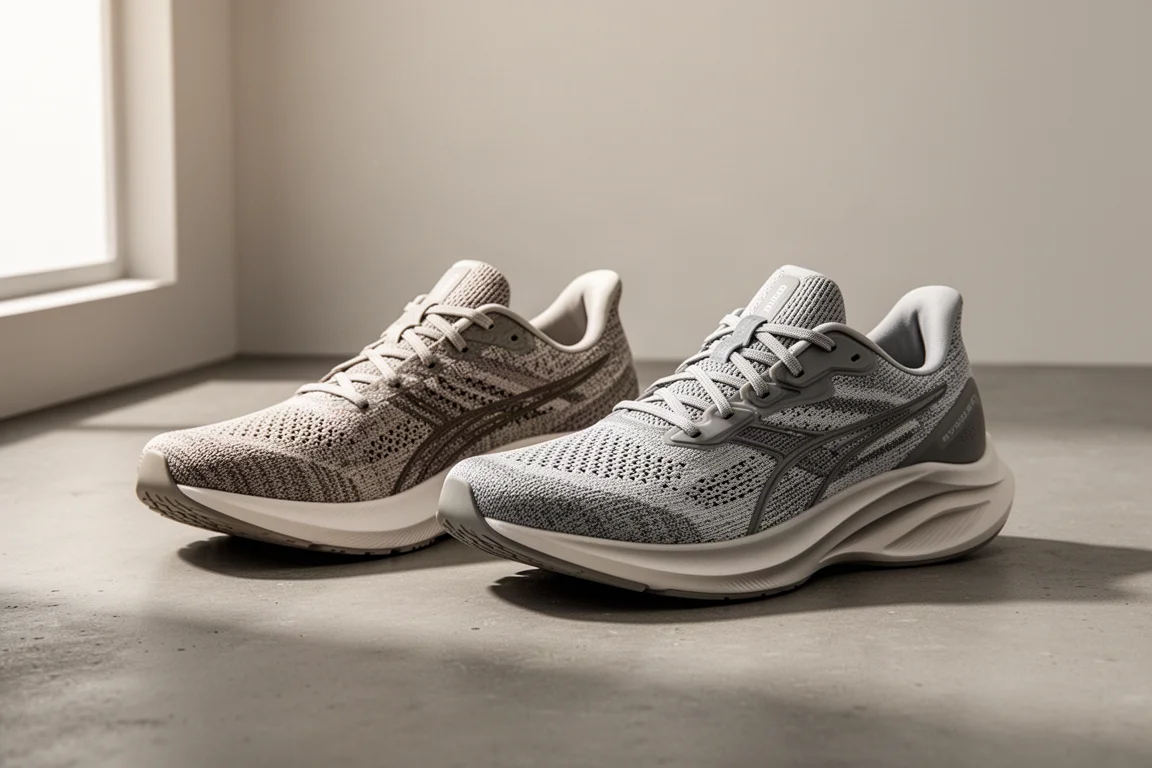
The non-plated daily trainer segment has become the most competitive corner of the running shoe market, and two models sit right at the top of it: the Puma Deviate Nitro Elite Pure Nitro and the Adidas Adizero Evo SL. Both are versatile, relatively affordable trainers that promise to cover everything from easy miles to faster sessions. After running in both across the full pace range, this comparison breaks down where each shoe excels and which one deserves a spot in your rotation.
The Contenders at a Glance
The Puma Deviate Nitro Elite Pure Nitro costs £130 or $150, weighs 212 g (7.5 oz) for men in size 8, and has an 8 mm drop. The Adidas Adizero Evo SL matches that price at £130 or $150, weighs 224 g (7.9 oz) for men in a size 8.5, and has a 6 mm drop. On paper they are near-identical in price and purpose, which is exactly what makes this matchup so close.
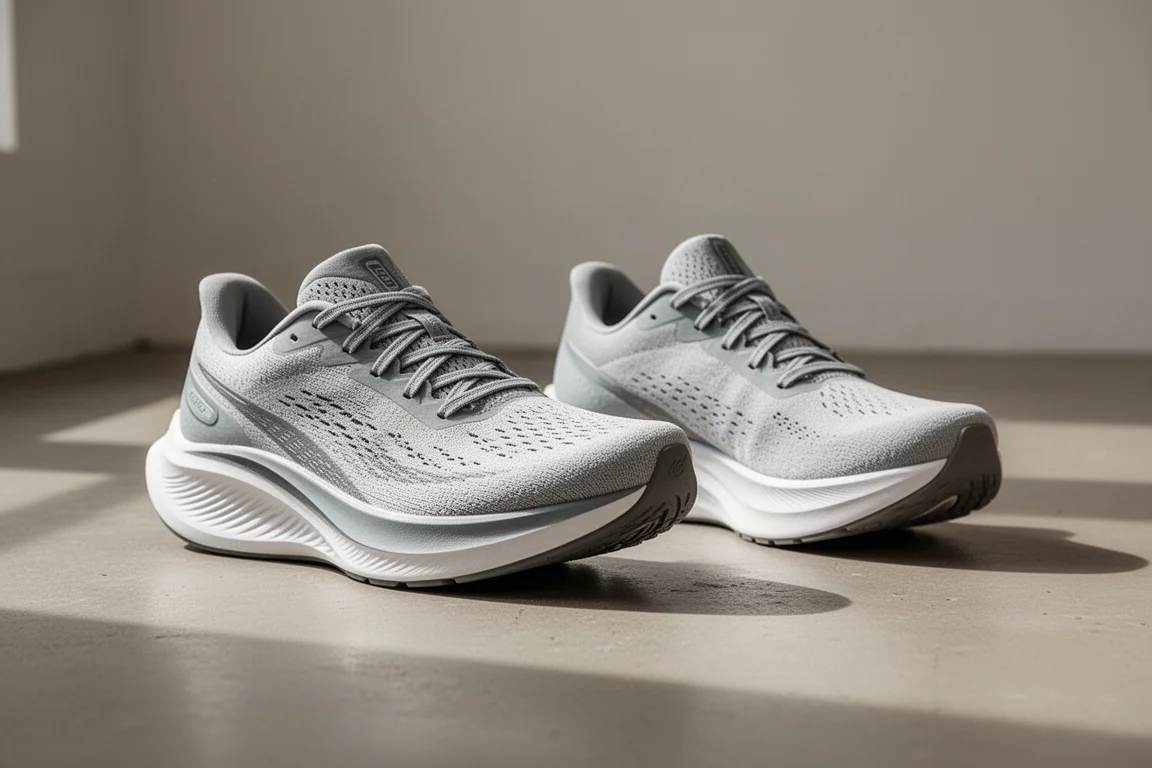
The Pure Nitro uses a full-length Nitro foam midsole with no plate, relying on foam and rocker geometry for smooth propulsion. The Evo SL takes learnings from Adidas’s top-tier race shoes, with a thick layer of Lightstrike Pro foam designed for softness and high energy return. Both feature breathable engineered mesh uppers, padded heel collars, and rocker geometries aimed at efficient transitions.
Fit and Sizing
Fit is where these two shoes diverge in an important way. The Puma runs a bit long and slightly narrow, so if you are between sizes, the smaller option is generally the better bet. The Adidas is the opposite: the toe box comes up a touch short and tight, so sizing up half a size is often the smarter move.
Across testing, both shoes held well with no heel slipping or rubbing. The Puma’s upper is a little more flexible and forgiving, while the Evo SL’s upper is slightly more structured. Both have padded tongues that reduce lace pinch and medium-padded heel collars. Some runners report discomfort with the Evo SL fit, but it worked fine in the right size, and the Pure Nitro proved more accommodating than some other Puma models across the midfoot and toe knuckles.
Ride and Performance
The midsole characters are very different. The Pure Nitro has a slightly softer ride across the whole base of the midsole, sinking a little more and creating a cradled, planted, reliable feel underfoot. It feels more traditional and natural, and it is clearly the more stable of the two. You do have to pick your feet up a bit faster to get the most out of the foam, which makes it feel like slightly more work at speed.
The Evo SL is snappier and more immediate. Its Lightstrike Pro block compresses less and responds quicker, and a more pronounced rocker tips you forward into toe-off. It feels like a shoe making you run faster, and it works best when you move with intent, particularly at tempo and faster paces. The trade-off is stability: landing further back on the shoe puts you on a ball of foam, which makes easy-paced running feel less controlled.
The difference showed up directly in a track session of 5 x 6 minutes at roughly half marathon effort. The first two reps in the Pure felt like energy going into the foam without enough coming back, while the Evo SL held pace comfortably, tipping the foot forward through its rocker. For speed work, the Evo SL is clearly the more effective shoe.
Both outsoles perform well. The Pure Nitro’s Puma Grip rubber delivers durable traction across a range of road surfaces and feels like it could cope with light trails or public footpaths. The Evo SL uses Continental rubber on the forefoot and clear rubber at the heel in a very thin layer, which grips well on road but has no protruding lugs, making it a road-only proposition.
Versatility and Daily Use
Both shoes handled easy runs, steady runs, long runs up to 90 minutes, and faster workouts, and both could realistically serve as a one-shoe rotation. Over 100 miles were logged in a first pair of Evo SLs with the shoe still in good shape, while around 60 km went into the Pure Nitro.
The Pure Nitro skews toward the comfortable, stable end of the daily trainer spectrum. It was comfortable on a 90-minute long run on tired legs and feels like the shoe that has your back on easier days. The Evo SL is the more energetic, racy option that rewards faster intent, but you sacrifice some stability and long-run comfort. Both are excellent value, though the Evo SL is now significantly cheaper than its original price in many places, while the Pure Nitro remains at its launch price as the newer shoe.
Which Shoe Should You Buy?
If you want a speedy trainer for interval sessions, tempo runs, and performance-focused days, the Evo SL is the pick. It is the better speed-focused shoe, more energetic, and arguably the more versatile shoe overall, provided you can live with its slightly less stable ride and fiddly sizing.

If you want a generalist daily trainer to comfortably bank lots of miles, especially long steady runs, the Pure Nitro is the better choice for most people. It is more stable, more comfortable, and pairs easily with a faster trainer or carbon-plated racer in a rotation.
Conclusion
These are two cracking shoes with genuine versatility, and there is no clear loser. The Evo SL is the racy, energy-focused option that shines on faster days, while the Pure Nitro is the livelier, more natural cruiser that is easier to live with at easy and steady paces. For many runners, the honest answer may be to own both and use each where it is strongest.
Product link
View more details for Puma Deviate Nitro Elite Pure Nitro
This product is mentioned in the review. Check the specifications, options, and compatibility before buying.
View more details for Puma Deviate Nitro Elite Pure NitroFurther reading
Related Reviews

Running Shoes
Best Road-to-Trail Running Shoes: Three Versatile Options for Mixed Terrain
A practical guide to three road-to-trail running shoes that handle both pavement and mild trails, with clear strengths and trade-offs for different runner types.

Running Shoes
Best Running Shoes for Achilles Tendonitis: Three Options Explained
Three running shoes with different heel drops and support features designed to help reduce Achilles tendon pain during walking and running.

Running Shoes
Best Running Shoes for Women: Five Top Choices Ranked
A ranked guide to five women's running shoes, from versatile daily trainers to high-performance racing options, with real strengths and trade-offs for each.