Running Shoes
Puma Deviate Nitro Elite 4 Review: A Beloved Race Shoe, Refined Not Rebuilt
The Deviate Nitro Elite 4 keeps the formula that made the Elite 3 a community favorite, dropping weight and widening the upper while staying fast and supportive.
Introduction
Some updates to iconic running shoes are risky overhauls. The Puma Deviate Nitro Elite 4 is not one of those. It takes the formula that made the Deviate Nitro Elite 3 one of the most trusted carbon race shoes in the community, keeps the core ride almost fully intact, and improves it in the ways that matter: lighter weight, a roomier upper, and sharper looks. Alongside it sit two stablemates that define Puma’s current race lineup, the proven Elite 3 and the blistering Fast-R 3. Together they form one of the most coherent two-race-shoe systems on the market.
Why the Puma Formula Matters
For years, the classic carbon race shoe template was borrowed from the Nike Vaporfly era: very soft foams, narrow heel platforms, and limited forefoot protection. That design rewards a light, efficient forefoot runner and punishes nearly everyone else, especially over marathon distance.
Adidas cracked a friendlier format with the Adios Pro 3, and the Deviate Nitro Elite 3 became the shoe many runners moved to next: a wide, supportive platform with real cushion and an explosive bounce that still felt stable under bigger, more powerful runners. That protective, robust, Goldilocks feel is the secret sauce Puma has now carried forward.
First Impressions and Specs
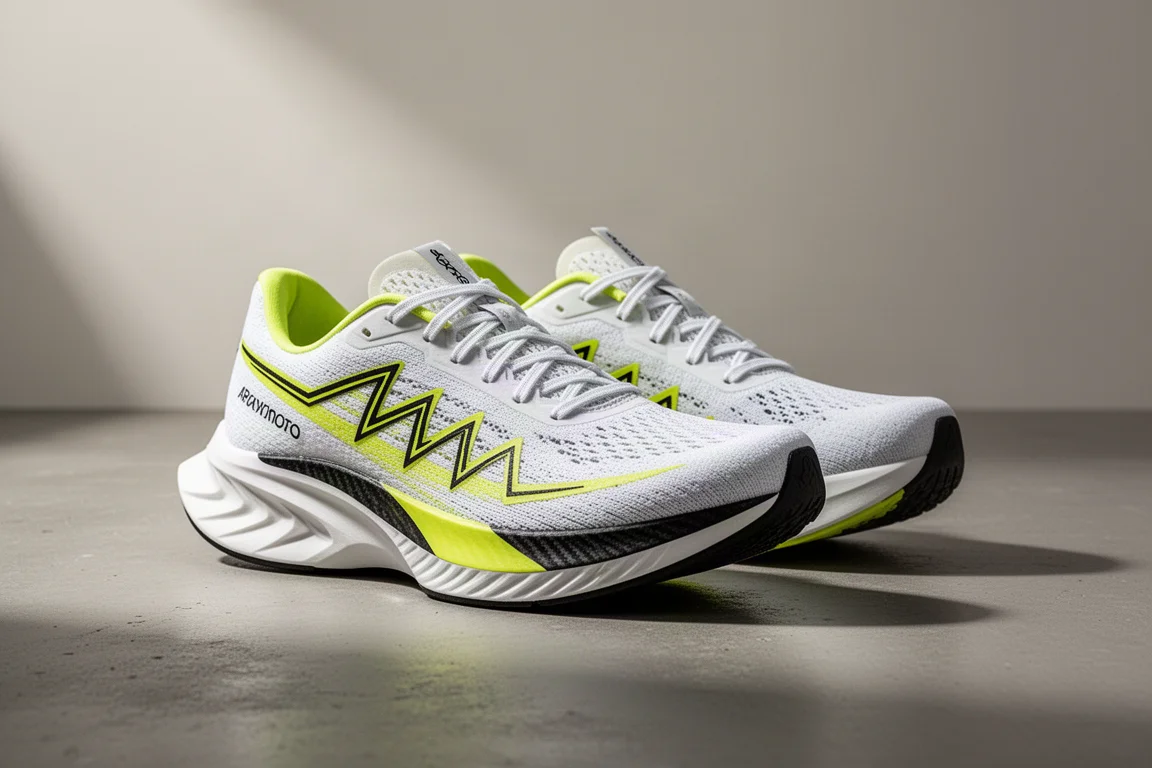
Out of the box, the Deviate Nitro Elite 4 in the white and yellow colorway is the best execution of that palette yet, with a clean white upper contrasting the yellow and green accents. Push test says the foam is not super soft, sitting very close to the last version: not a marshmallow, not a brick.
The scales tell the story. In a US 10.5, the Elite 4 comes in at about 183.5 g, lighter than the Fast-R 3 at 188 g and well under the 200 g mark that now separates true lightweight racers from heavier options. Stack height measures around 39 mm in the heel with solid quality control between left and right pairs, and weight variance between shoes was minimal.
The upper is the headline change. Puma has widened the toe box and midfoot into a genuinely voluminous, cavernous fit, addressing the brand’s old narrow reputation. The sawtooth, shark-fin zigzag motif across the upper looks sharp, and details like the sculpted medial foam and contoured heel collar carry over from the Elite 3.
Puma Deviate Nitro Elite 4: The Refined Formula
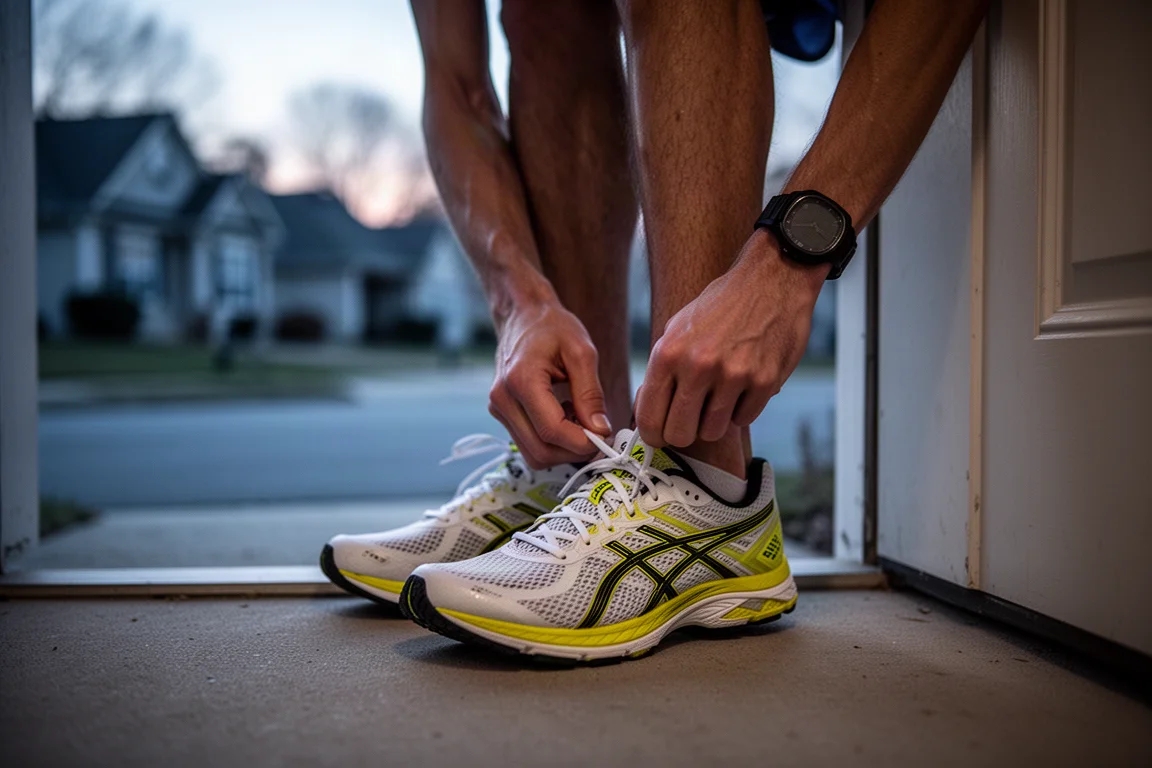
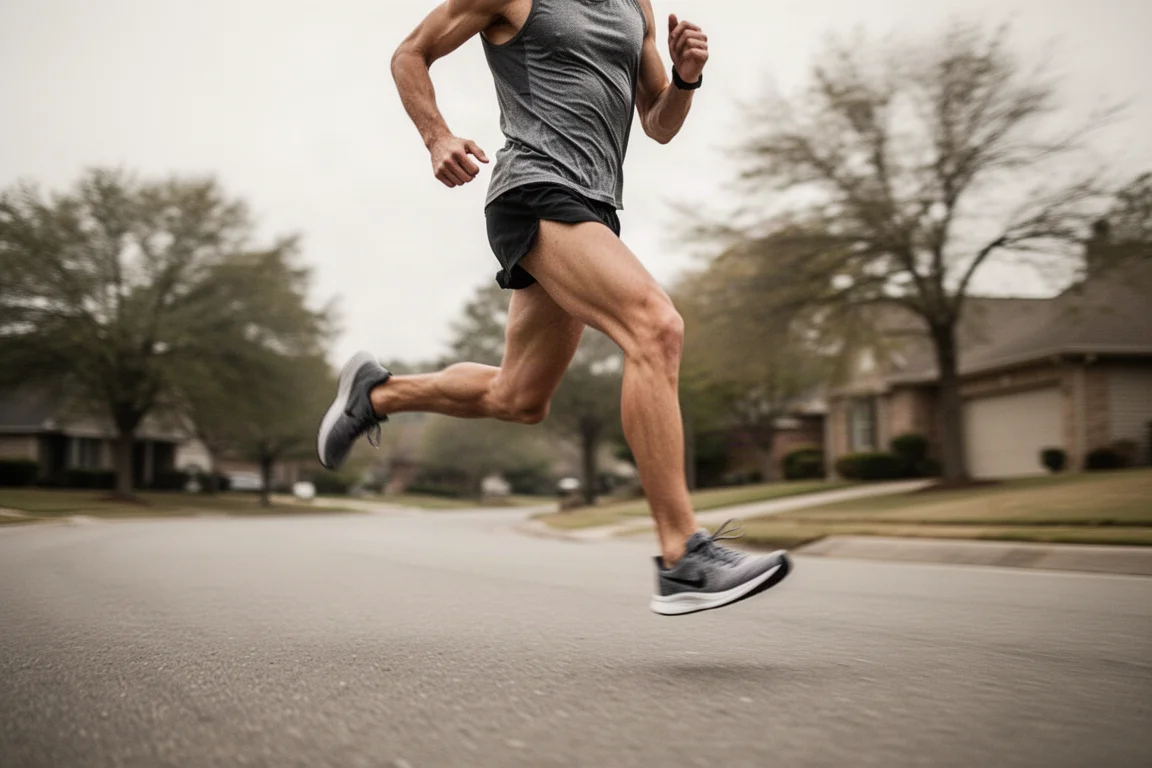
On the run, tested with a 5 x 1 mile workout in cold, transitional training conditions, the Elite 4 feels near identical to its predecessor, maybe 90-something percent the same shoe. Foam feel is extremely similar: aliphatic TPU that bounces and catapults rather than squishes, getting more explosive the harder you push through the midfoot.
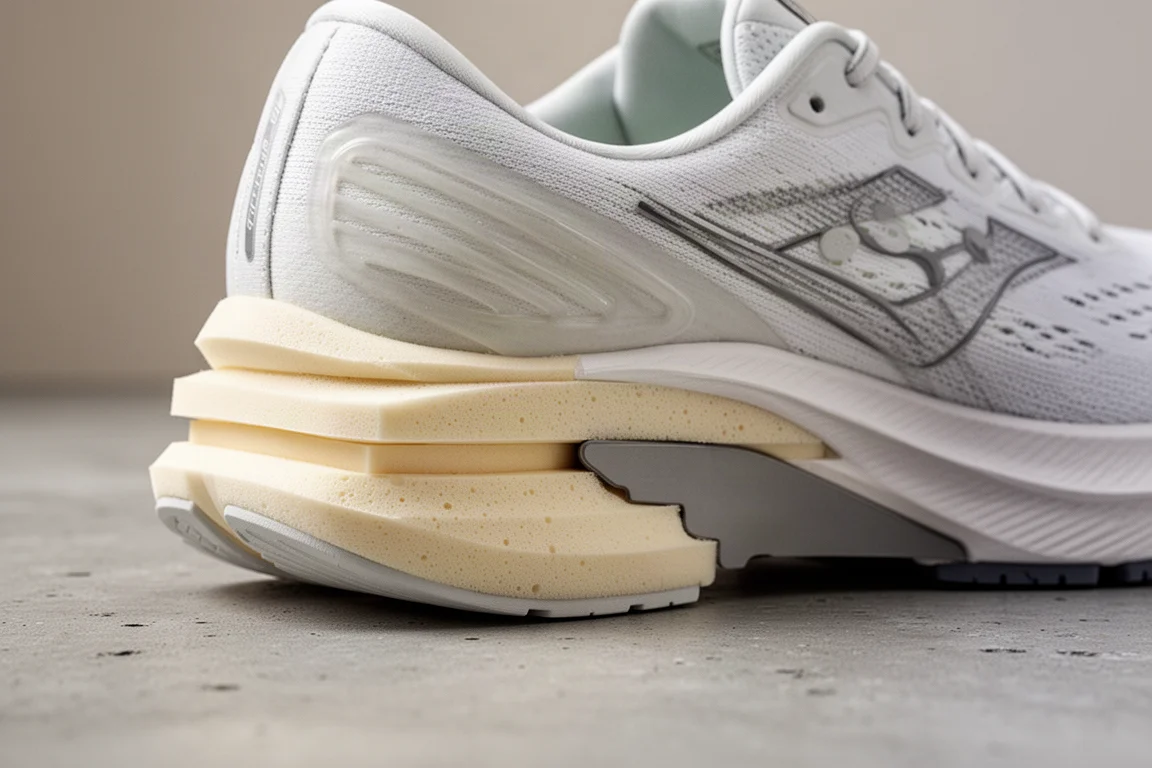
This is a heel-to-midfoot landing shoe, not a forefoot grip-and-rip machine. The geometry protects heel strikers with extended foam at the back, the plate position avoids harsh bite, and the front gives genuine speed assistance. That makes it arguably the perfect marathon shoe for the mechanics most runners actually use, especially anyone not already running sub-2:35. In a workout that ranged from a 5:52 warm-up stride to 5:19 and 5:30 mile reps, the shoe stayed comfortable, energetic, and never beat up the legs the way more aggressive racers do.
If you liked the Elite 3, you will love this. If you disliked it, this will not convert you, because the spirit has been deliberately preserved.
Puma Deviate Nitro Elite 3: The Shoe So Nice It Was Bought Twice
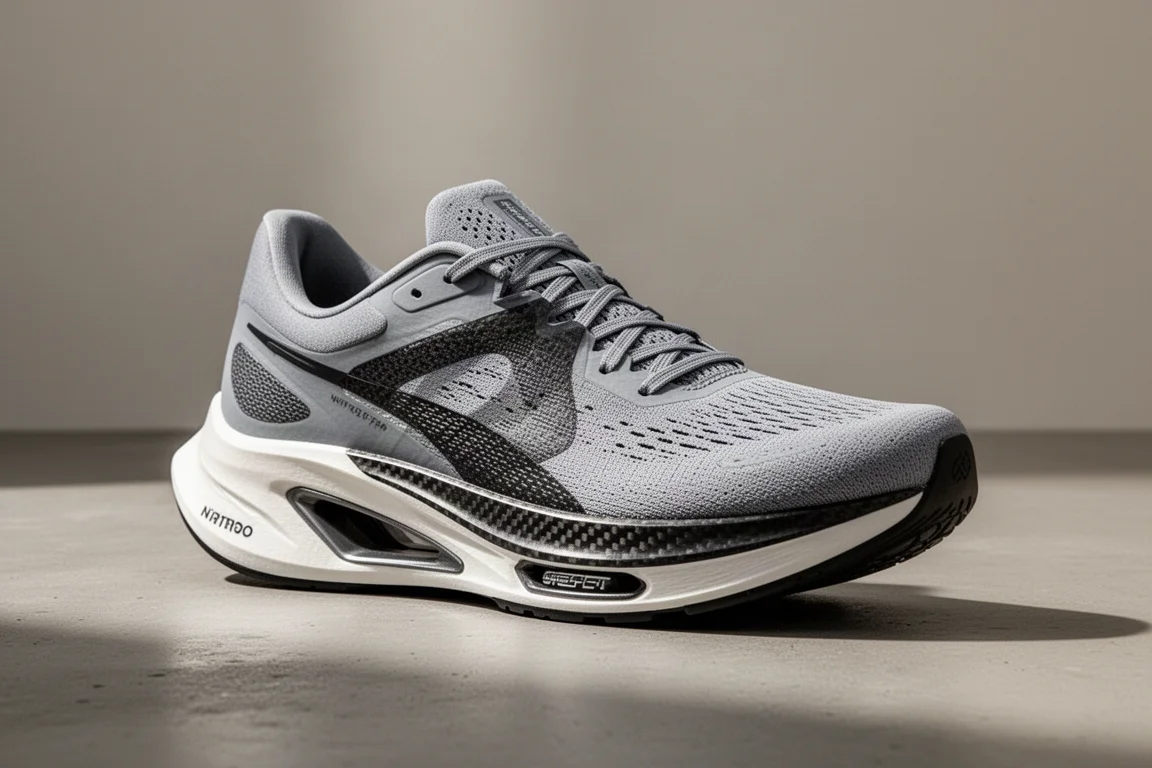
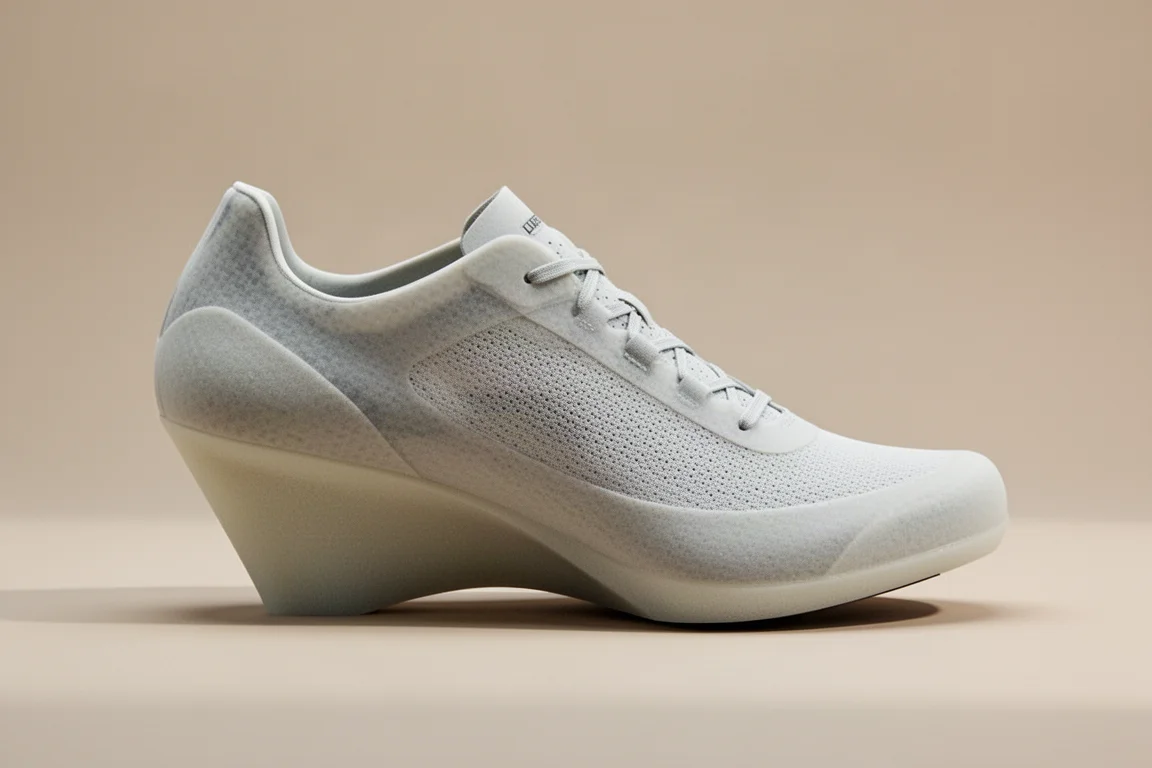
The Elite 3 earned its reputation for a reason. It replaced the Adios Pro 3 as the go-to recommendation for bigger runners and anyone wanting stability plus explosive bounce, and it did so with durability to spare: one pair held up to 100 miles and still felt great, helped by a slightly firmer foam and a normal, robust feel.
Early versions weighed 215 g before Puma quietly lowered the spec to around 201 g mid-cycle. Its one limitation was true forefoot speed at fast 5K pace, where the platform favors a strong midfoot landing. That gap is exactly what the Fast-R 3 was built to fill.
Puma Fast-R 3: The Pace-Defined Rocket
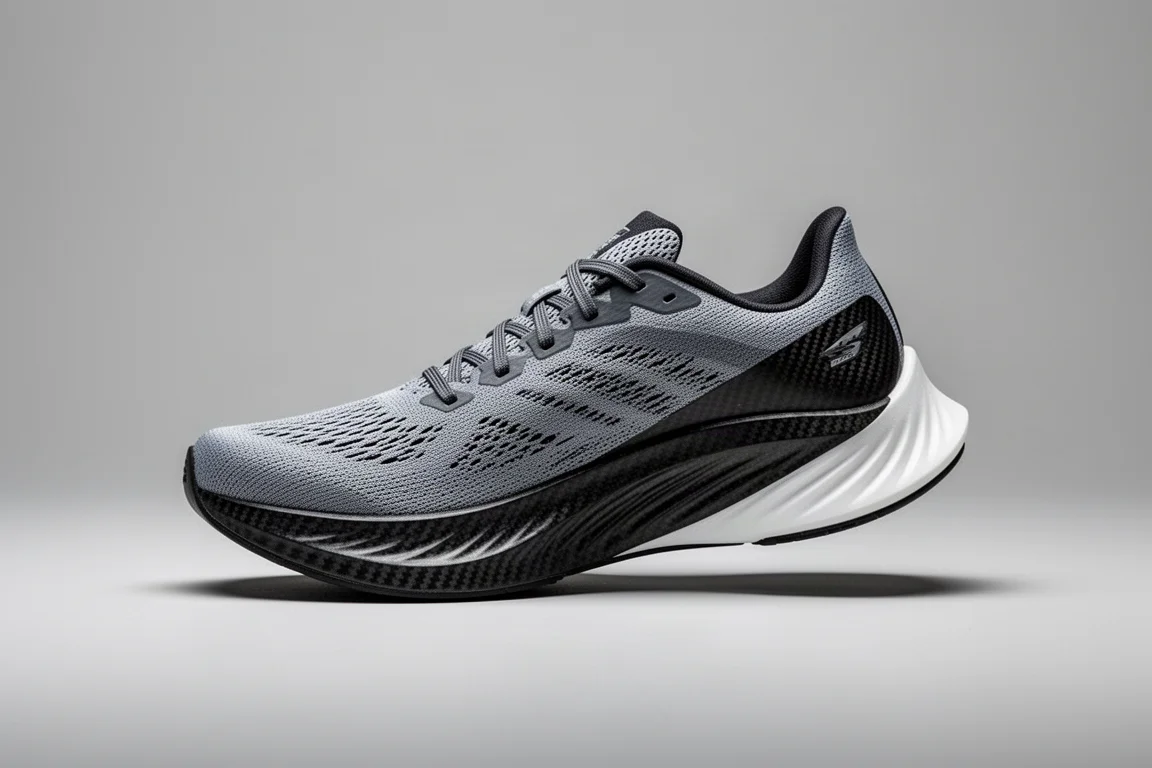
The Fast-R 3 is the aggressive bookend to the Elite line: the fastest-feeling race shoe of the pair, with a heel bevel and sculpted geometry that put almost none of the shoe flat on the ground and launch you onto the forefoot.

At 188 g with an aliphatic TPU midsole, it is the lightest of this Puma crop and is famously pace-defined: its zone of brilliance sits around 6:50 per mile and faster, ideally in the fives. Below that threshold it fights you; above it, it is a rocket. It is the shoe for demon-time 5K speed that the Elite line was never designed for, and it rewards runners who train fast and want maximum performance per mile raced.
Buying Advice
Choose based on how you actually race. If you want an all-round marathon racer that works across warm-up, threshold, and race paces, the Elite 4 is the pick, and it earns an A+ on first impressions: lightweight, fast, bouncy, protective, and with durability that should mirror the Elite 3’s proven 100-mile legs. If you already own and love the Elite 3, the Elite 4 is a clear, low-risk upgrade in looks, fit, and weight. If your focus is fast 5Ks, sub-17 racing, or you are a forefoot striker chasing maximum aggression, the Fast-R 3 is the sharper tool.
Conclusion
Puma did not reinvent a beloved shoe, and that is the point. The Deviate Nitro Elite 4 is a top-tier race shoe that keeps everything that made the Elite 3 special, trims the weight, opens the fit, and leaves the ride untouched. For most runners, it is more than enough speed for anything they will ever race, wrapped in one of the most accommodating platforms in the carbon category. Puma is on a heater, and this is another absolute banger.
Further reading
Related Reviews

Running Shoes
Best Road-to-Trail Running Shoes: Three Versatile Options for Mixed Terrain
A practical guide to three road-to-trail running shoes that handle both pavement and mild trails, with clear strengths and trade-offs for different runner types.

Running Shoes
Best Running Shoes for Achilles Tendonitis: Three Options Explained
Three running shoes with different heel drops and support features designed to help reduce Achilles tendon pain during walking and running.

Running Shoes
Best Running Shoes for Women: Five Top Choices Ranked
A ranked guide to five women's running shoes, from versatile daily trainers to high-performance racing options, with real strengths and trade-offs for each.