Running Shoes
Puma Deviate Nitro Elite 4 vs the Competition: Five Carbon Racers Compared
The Deviate Nitro Elite 4 goes head to head with the Deviate Nitro Elite 3, Fast R3, Mizuno Hyperwarp Elite, and Asics Meta Speed Sky Tokyo to find the best carbon racer for 2026.
Introduction
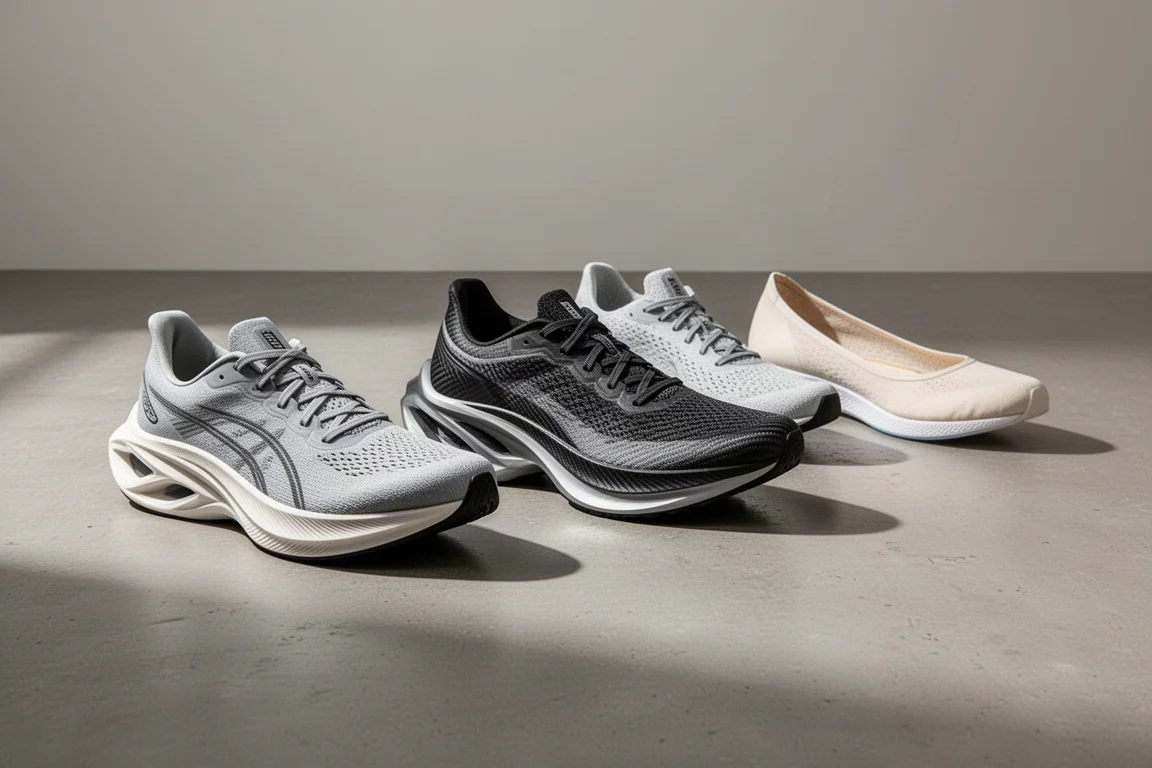
The Puma Deviate Nitro Elite 4 has quickly become the benchmark question in the carbon racer category: should you buy the new Puma, or one of the shoes it now sits alongside? This comparison puts it up against four genuinely comparable options: Puma’s own Deviate Nitro Elite 3 and Fast R3, the Mizuno Hyperwarp Elite, and the Asics Meta Speed Sky Tokyo. All five are true carbon racers with similar midsole stacks, tested in a UK 11 / US 12.
Puma Deviate Nitro Elite 4 vs Deviate Nitro Elite 3
The Deviate Nitro Elite 3 is now the last relic of the sub-£200 race shoe era, and that pricing chapter is essentially closed in 2026. The new Elite 4 is roughly 18g lighter with the same midsole stack, and the two uppers feel very different despite both using ultraweave-style material: the Elite 3 is coarser and rougher with a more plasticky feel, while the Elite 4 has a softer, more breathable, almost football-boot-like upper that feels closer to a traditional carbon racer.
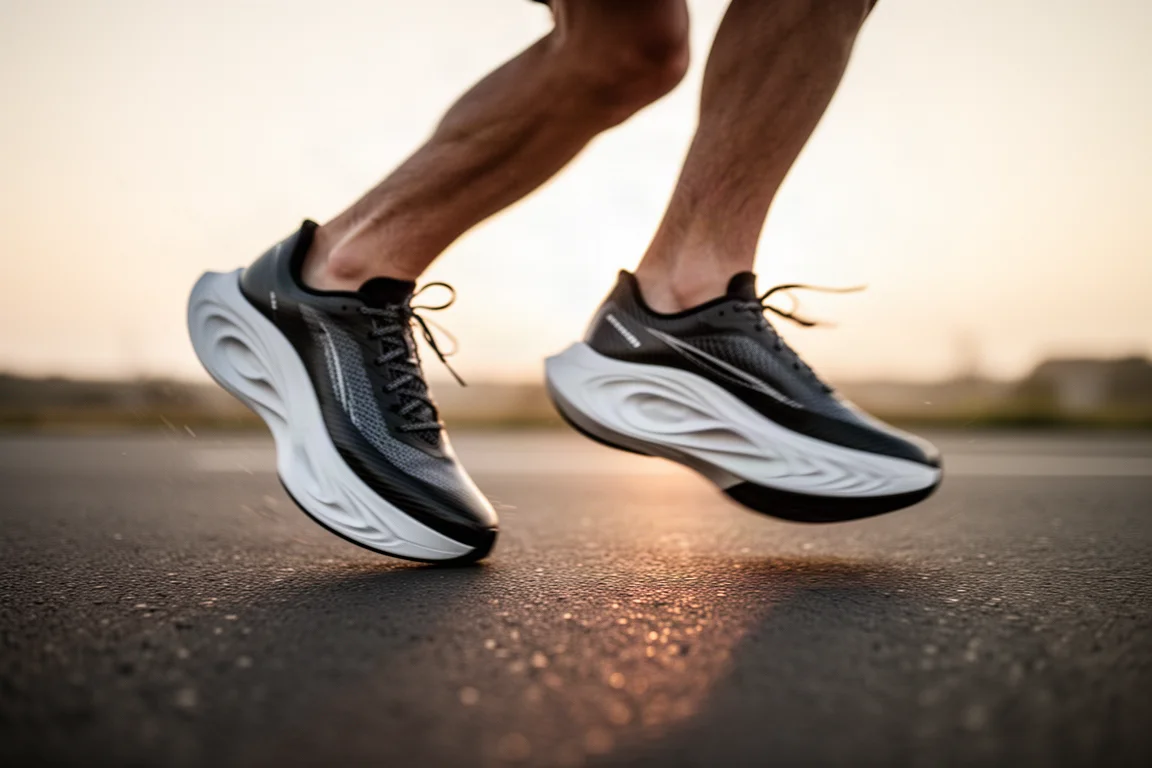
On the road, the Elite 3 is much softer out of the box and stays that way, giving it a squashy, forgiving character. The Elite 4 is noticeably more responsive and less squashy, returning to form quickly. If you are entering carbon shoes for the first time, the Elite 3 is arguably the friendlier starting point; once you have mastered them, the Elite 4 is the more aggressive step up. Fit-wise, both are narrow shoes, but the Elite 4 offers a touch more width in the forefoot toe box, making it the better pick if you are coming from a daily trainer background. Choose the Elite 3 for squash and cushion at a reduced price, or the Elite 4 for shorter-distance racing and premium fast training.
Puma Fast R3 vs Deviate Nitro Elite 4
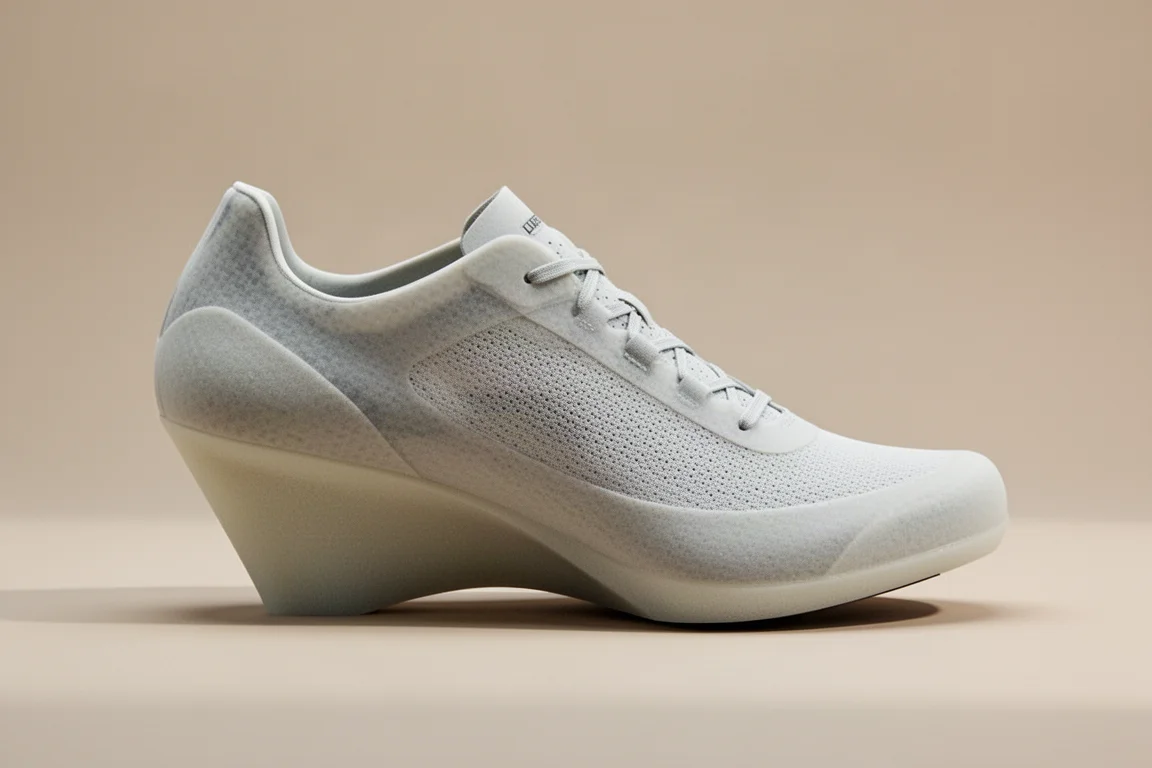
This is the most interesting matchup, because the Fast R3’s key advantage, very low weight, has largely been neutralised: the two shoes are strangely similar in weight, stack, width, and use case. The Fast R3 is built around a mid-to-forefoot landing, with foam carved away in the heel, while the Elite 4 works better if you use the whole of the midsole. The Fast R3 fits like a glove with an extremely thin upper, and although the internal width is similar, its landing platform is much wider.
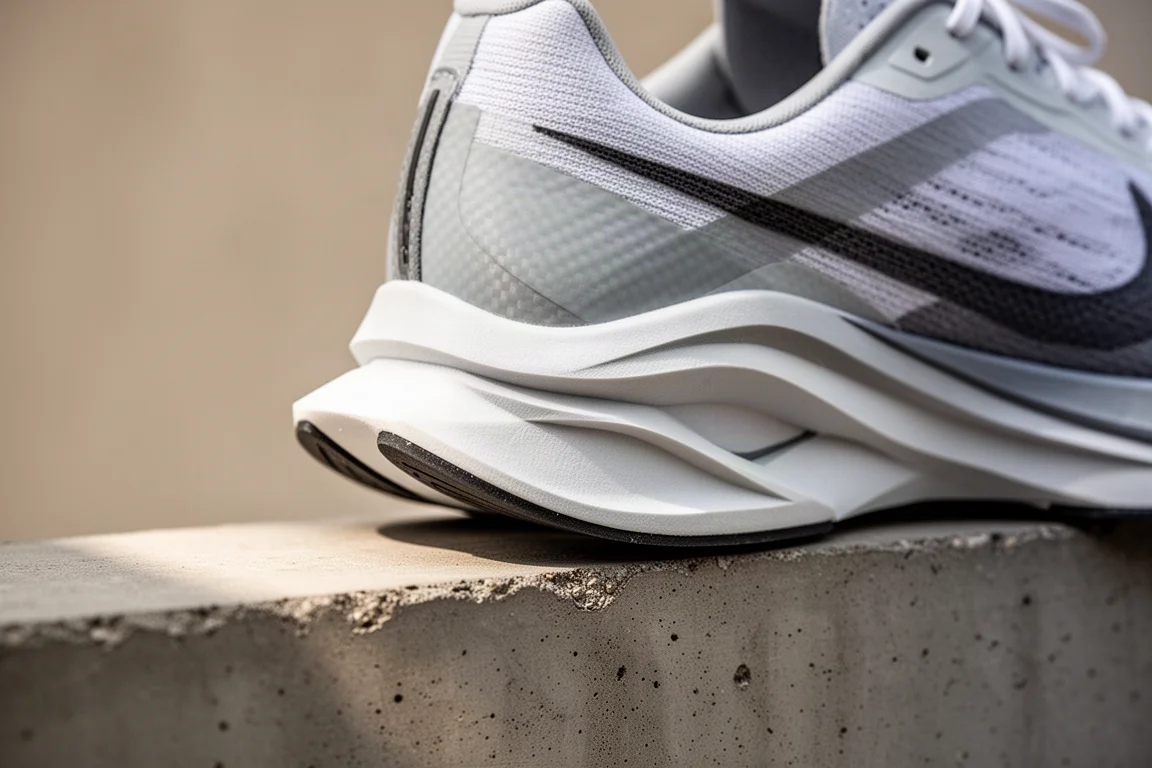
Both feel like shorter-distance models, and neither is an obvious marathon pick, though if forced to choose, the Elite 4 would be the safer marathon option. With a £55 price difference and only a small weight gap, the Fast R3 is a harder sell, and there are some early durability concerns around heel degradation. The Elite 4’s more traditional outsole and less demanding landing make it viable up to around half marathon distance.
Asics Meta Speed Sky Tokyo vs Deviate Nitro Elite 4
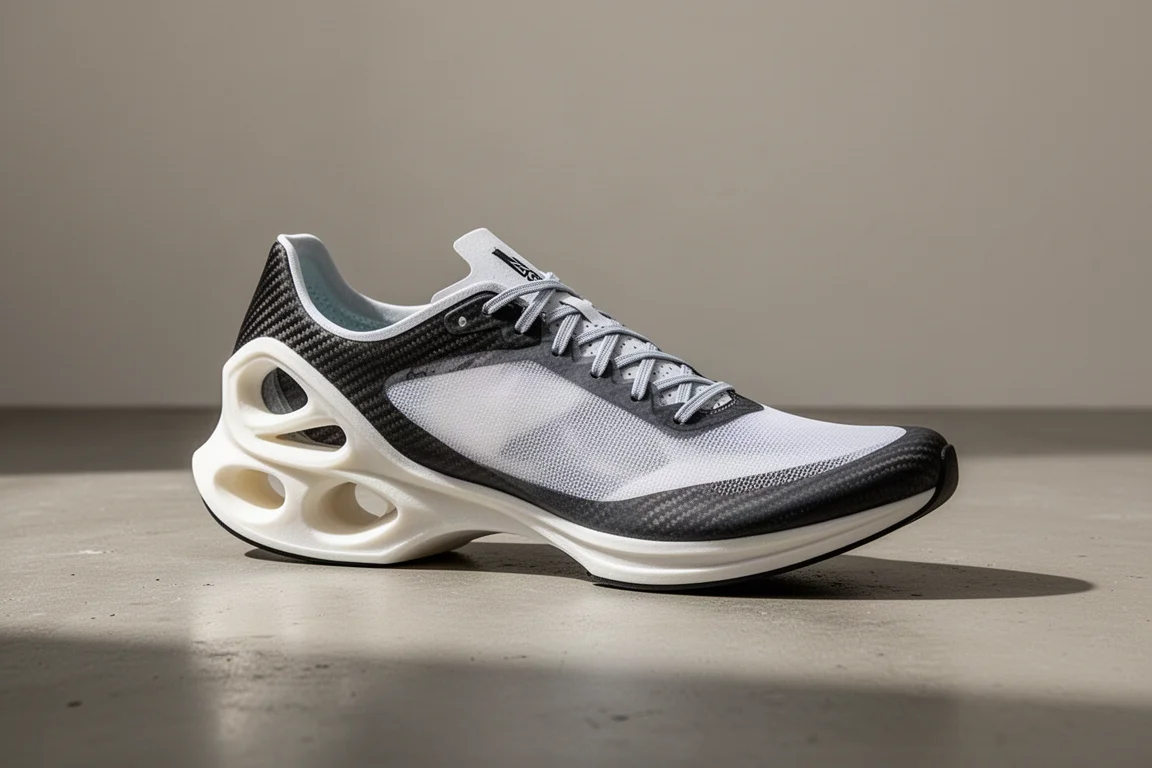
The Meta Speed Sky Tokyo is the shoe many people most want compared against the Deviate Nitro Elite 4. It is a good half an ounce lighter and easily the lightest of the five, the only sub-7oz shoe in a UK 11. It also has the narrowest heel of all five shoes, though stacks are broadly similar. On feel, the Asics is much softer thanks to its highly compressive Flight Foam material, which pushes it toward half marathon and marathon territory where impact protection matters late in the race.

Drop is the deciding factor here. The Puma’s 8mm drop encourages a higher cadence, and stride runners may feel they are fighting the shoe, especially uphill. The Asics wants a midfoot landing and behaves like a trampoline: the more you compress that flatter plate, the more you get back. Lighter runners with a fast cadence will likely get more from the Elite 4; runners who extend stride length as they speed up will prefer the Sky Tokyo. Notably, the Asics is softer than its previous version, and Puma remains the outlier going for aggressive responsiveness with a more curved plate rather than softness.
Mizuno Hyperwarp Elite: The Current Favourite
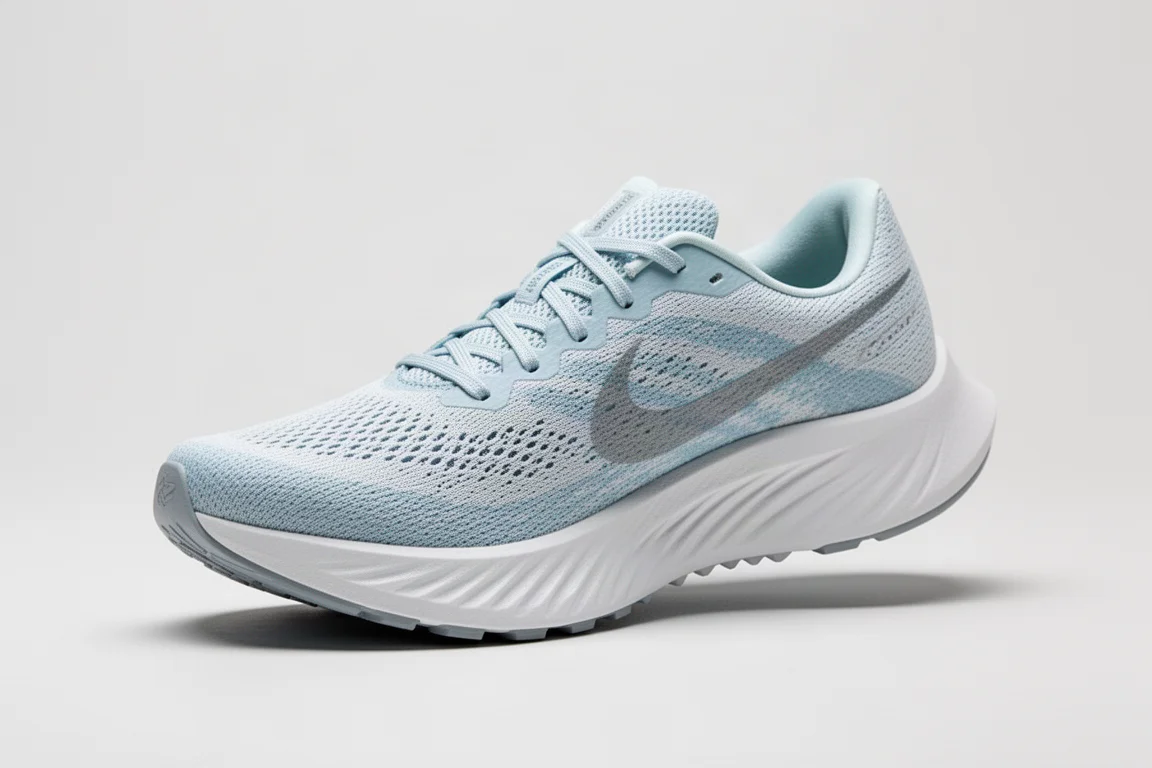
The Mizuno Hyperwarp Elite currently stands out as the pick of this group. It combines width in both heel and forefoot with low weight, a finely tuned upper for slightly narrower feet, and a stable yet nimble ride, plus a little more forefoot stack than the Puma, though you would need very sensitive toes to notice. Its lower drop gives a flatter, slightly more flexible midsole and a more natural feel for stride runners, and it is also a touch lighter.
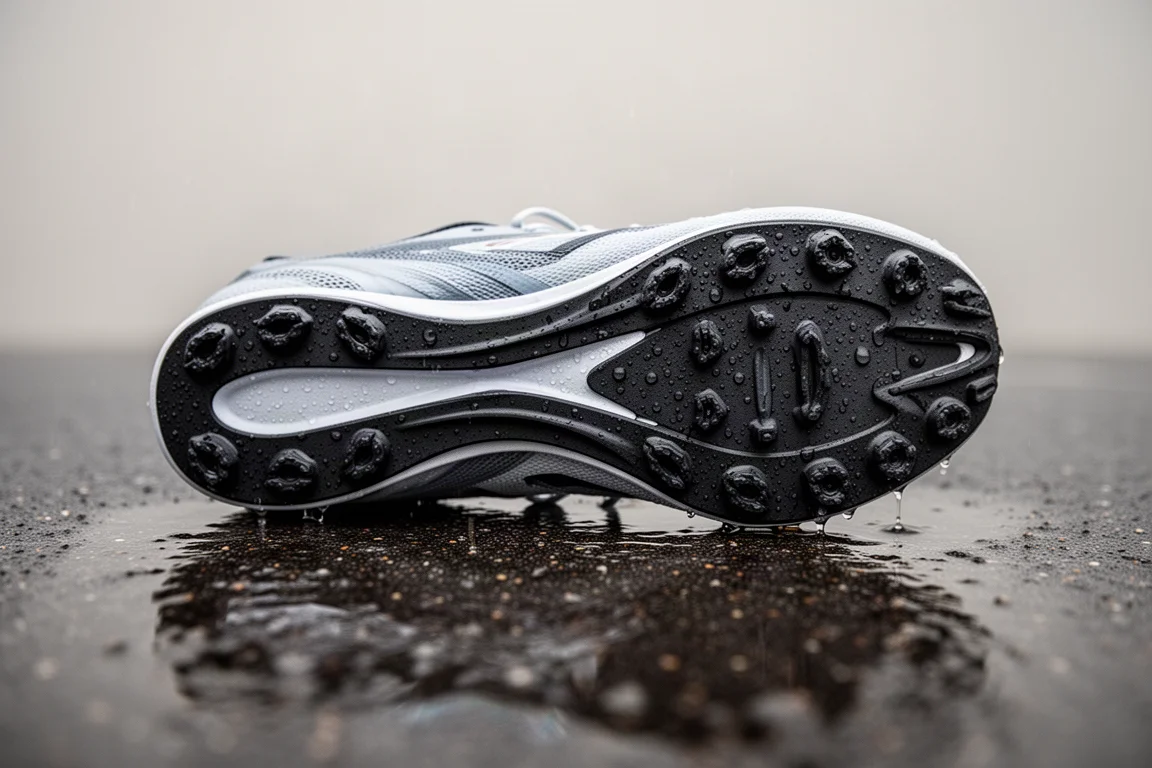
It is a more expensive shoe than the Puma, but it is the most versatile here and genuinely responsive despite slightly denser foam. The outsole deserves special mention: it grips confidently on wet roads and even slippery, debris-covered paths, where the Puma’s sparser outsole, though decent, does less. If ranking the group, the Hyperwarp Elite comes out on top right now.
Buying Advice
For most runners the decision comes down to ride character and fit. Pick the Deviate Nitro Elite 4 if you want an aggressive, responsive racer for shorter distances and fast training with a slightly more forgiving entry. Pick the Deviate Nitro Elite 3 if you want cushion and a lower price. The Fast R3 only makes sense if its glove-like fit and mid-forefoot landing suit you. The Meta Speed Sky Tokyo suits softer-riding, longer-race days for stride runners. And if versatility, width, and all-round grip top your list, the Mizuno Hyperwarp Elite is the one to beat.
Conclusion
The Deviate Nitro Elite 4 is a genuinely aggressive, responsive carbon racer that undercuts its closest Puma rival on price, but the Mizuno Hyperwarp Elite currently earns top billing for its balance of width, weight, versatility, and outsole grip. Match the shoe to your cadence, stride style, and race distance, and you will not go far wrong with any of these five.
Further reading
Related Reviews

Running Shoes
Best Road-to-Trail Running Shoes: Three Versatile Options for Mixed Terrain
A practical guide to three road-to-trail running shoes that handle both pavement and mild trails, with clear strengths and trade-offs for different runner types.

Running Shoes
Best Running Shoes for Achilles Tendonitis: Three Options Explained
Three running shoes with different heel drops and support features designed to help reduce Achilles tendon pain during walking and running.

Running Shoes
Best Running Shoes for Women: Five Top Choices Ranked
A ranked guide to five women's running shoes, from versatile daily trainers to high-performance racing options, with real strengths and trade-offs for each.