Running Shoes
Puma Running 2026: Deviate Nitro Elite 3 Shines While ForeverRun Nitro 2 Stays Middle of the Pack
One of Puma's race shoes has become the marathon pick many runners are recommending, while its stability daily trainer remains a perfectly fine, unremarkable option.
Introduction
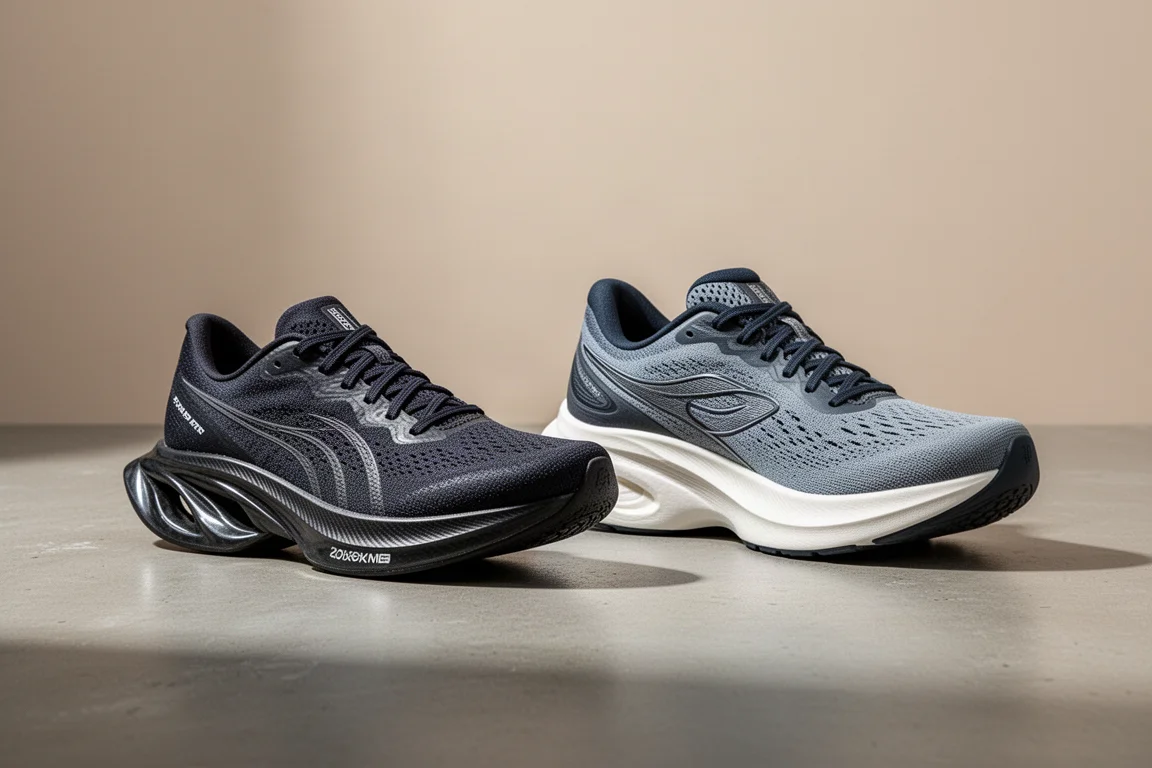
Puma’s performance running line has quietly become one of the most respected in the category, and two of its current models illustrate that story well. The Deviate Nitro Elite 3 has turned into a marathon race shoe that many runners are actively recommending, while the ForeverRun Nitro 2 stability trainer sits firmly in the middle of a crowded market.
After putting both through real mileage, the contrast could not be clearer: one is a standout, the other is serviceable.
Why the Deviate Nitro Elite 3 Stands Out
The Deviate Nitro Elite 3 was one of the strongest race shoe releases of its debut year, and it has only improved with use. Puma chose aliphatic TPU foam rather than the PEBA-based midsoles many competitors use, tuned to be slightly firmer than most race foams. That firmness is a feature, not a flaw: the more power you put into the shoe, the more bounce and comfort it gives back.

Out of the box it feels firm, almost stubborn, and the initial runs can be underwhelming. After roughly 10 to 20 miles of break-in, the shoe transforms. By around 50 miles, the foam feels perfectly tuned: comfortable without being overly soft, explosively bouncy at marathon pace, and noticeably smoother the harder you push.
Comfort, Bounce, and Race-Pace Performance
At marathon-pace efforts, this shoe simply comes alive. It suits runners who push power into the ground rather than tiptoe along, and it stays comfortable whether you land on the heel, midfoot, or forefoot. The upper fits cleanly with no quirks, and Puma’s rubber coverage delivers strong grip, especially useful in wet conditions and around crowded aid stations during big marathons.
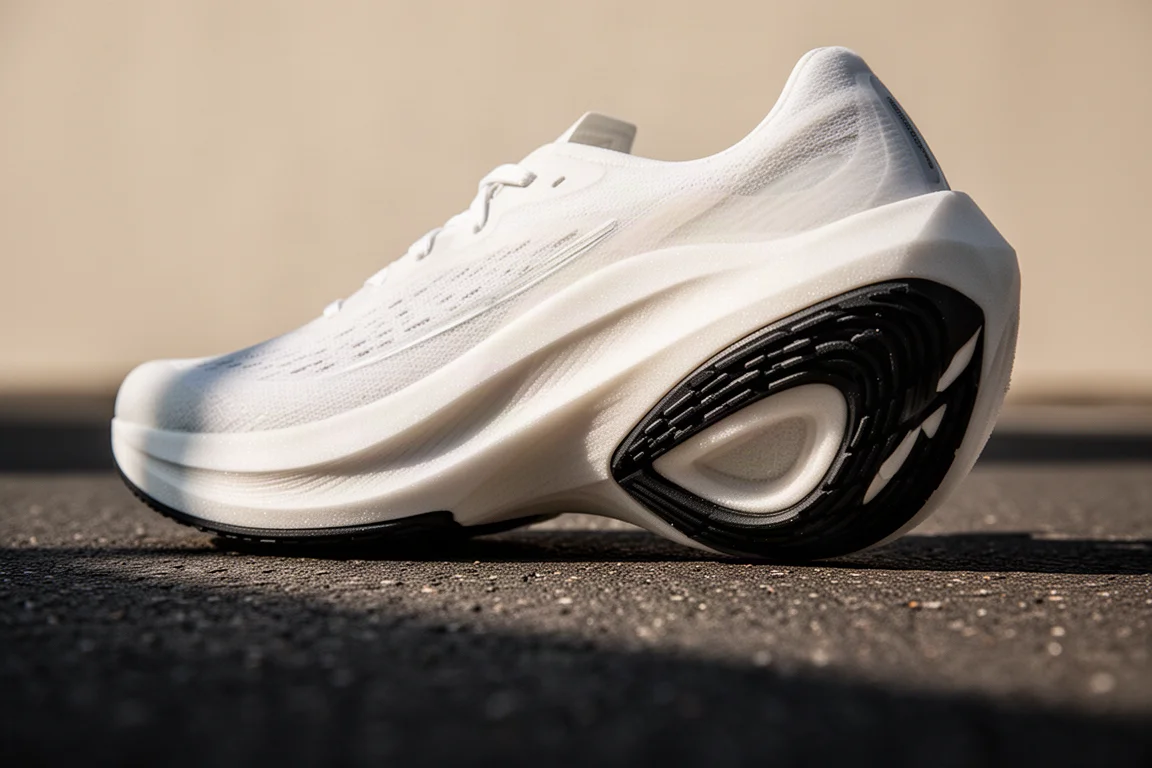
The price is another part of the appeal. At $230, it undercuts the Adidas Adizero Adios Pro 4 at $250 and the HokaRocket X line at $275, while offering a more cohesive package with fewer compromises. Durability holds up well too, with the rubber showing minimal wear even after substantial mileage, helped by that firmer foam resisting degradation.
ForeverRun Nitro 2: A Fine, Unremarkable Trainer
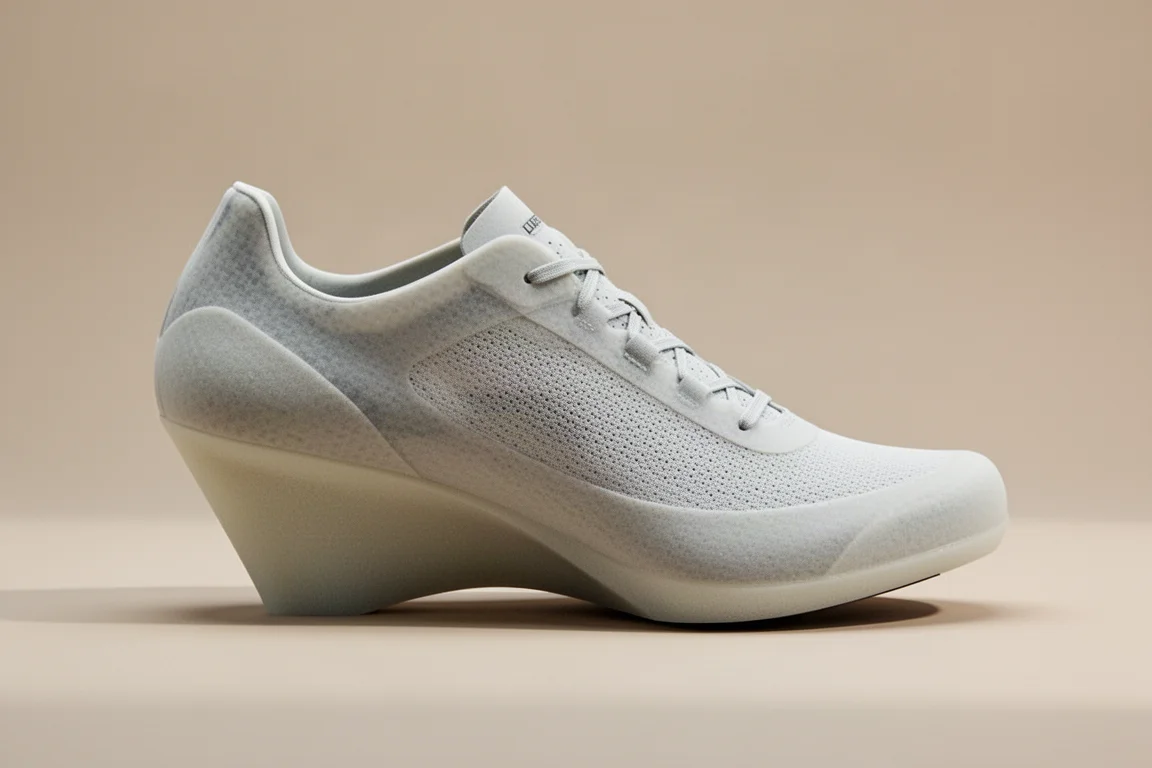
The ForeverRun Nitro 2 is Puma’s stability, max-cushion daily trainer, and it occupies the fat middle of the bell curve. The upper is comfortable and genuinely well done, but the midsole is uninspiring, with a standard-feeling foam and a 10 mm drop that holds the design back.
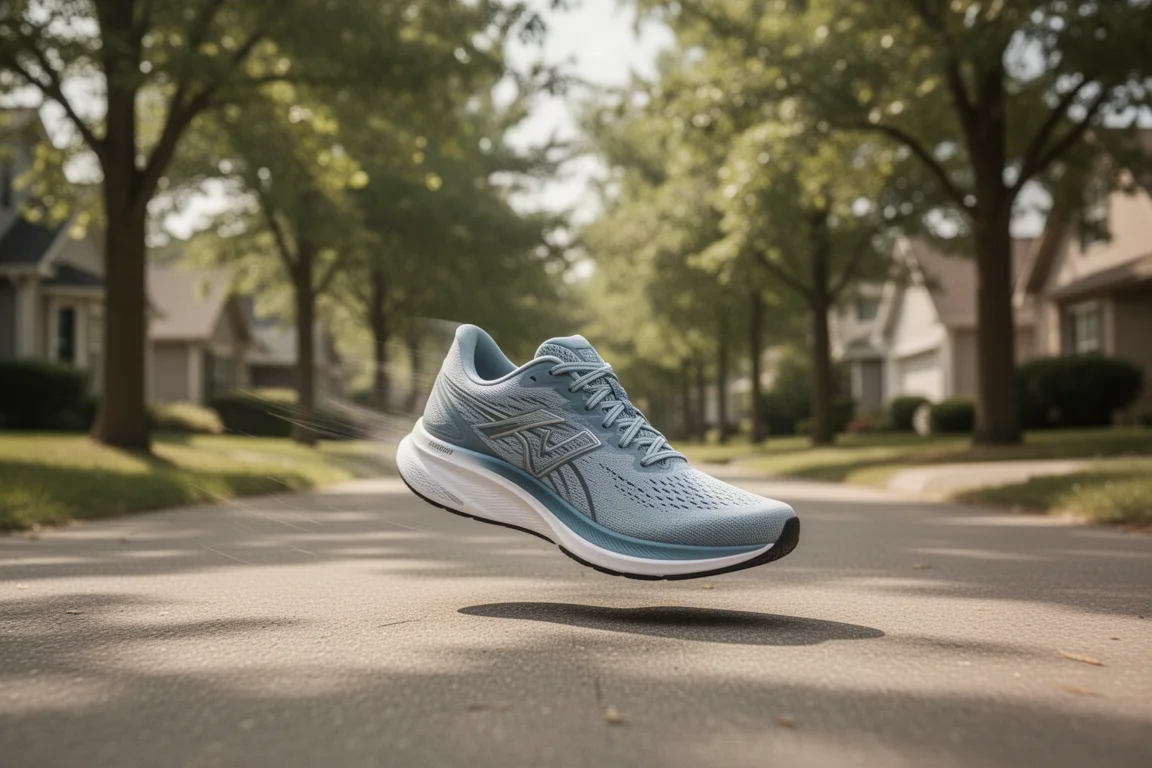
It softens up over time and performed noticeably better in warmer conditions than in freezing temperatures, but it retains a slightly choppy, slappy ride. It is fine for runs of 10 miles and under, and it will not bother you if you simply want a stable, everyday shoe. It just cannot compete with the stronger alternatives at or below its price point.
View more details for Puma ForeverRun Nitro 2
Which One Should You Buy?
If you are shopping for a spring marathon race shoe, the Deviate Nitro Elite 3 is arguably the best all-round choice for most runners right now. It combines comfort, bounce, durability, grip, and a competitive price in a way few competitors manage. Just give it 10 to 20 miles to break in before judging it, and expect it to feel far better at marathon pace than at easy jog pace.
The ForeverRun Nitro 2 only makes sense if you specifically need a stability shoe and are not drawn to the stronger stability options on the market. If a good deal appears and you want a safe, unexciting daily trainer, it will do the job. Otherwise, look elsewhere.

Conclusion
Puma nailed it with the Deviate Nitro Elite 3: a race shoe with no gimmicks, a dialed upper, special foam that improves with mileage, and durability to match. The ForeverRun Nitro 2, by contrast, is a solid C-plus trainer that will not disappoint anyone, but will not excite anyone either. Choose the race shoe for your marathon, and only choose the stability trainer on its own modest terms.
Further reading
Related Reviews

Running Shoes
Best Road-to-Trail Running Shoes: Three Versatile Options for Mixed Terrain
A practical guide to three road-to-trail running shoes that handle both pavement and mild trails, with clear strengths and trade-offs for different runner types.

Running Shoes
Best Running Shoes for Achilles Tendonitis: Three Options Explained
Three running shoes with different heel drops and support features designed to help reduce Achilles tendon pain during walking and running.

Running Shoes
Best Running Shoes for Women: Five Top Choices Ranked
A ranked guide to five women's running shoes, from versatile daily trainers to high-performance racing options, with real strengths and trade-offs for each.