Running Shoes
Puma Deviate Nitro Elite 3 Review: A Cushioned Racer With Real Range
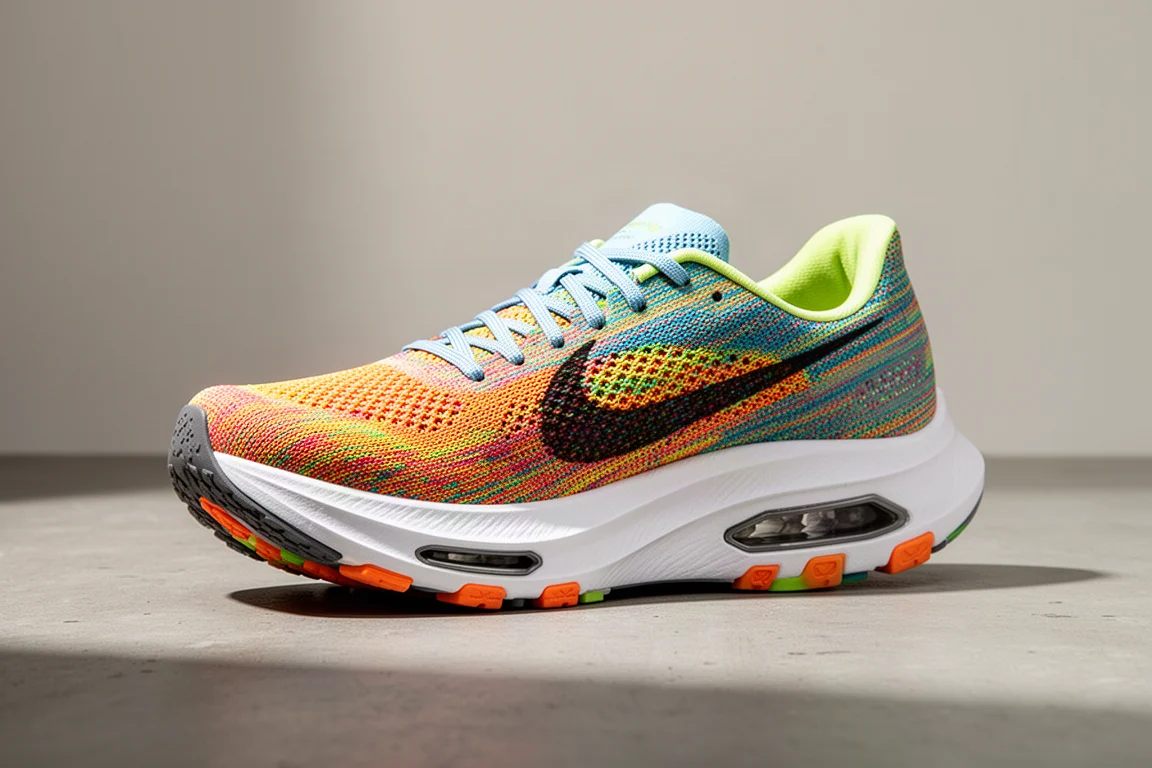
The Puma Deviate Nitro Elite 3 pairs max-stack cushioning with a snappy aliphatic TPU midsole, making it a versatile carbon-plated racer from 5K to marathon.
Introduction
The Puma Deviate Nitro Elite 3 has already proven itself on the biggest stage in the sport. It is the shoe Dakota Lindwurm wore at the Olympic trials to secure her marathon spot, and the one she wore again as the top American finisher in the Paris Olympic marathon. For everyday runners, the question is simpler: does an Olympic-caliber racer also make sense as a first carbon-plated shoe? On the evidence, the answer leans strongly toward yes.
Who This Shoe Is For
Puma positions the Deviate Nitro Elite 3 as a racer suitable for everything from the 5K up to the marathon, and that range holds up in practice. Because it is lightweight and encourages quick turnover while still offering generous cushioning, it works for fast short reps as well as long runs with marathon-effort miles.
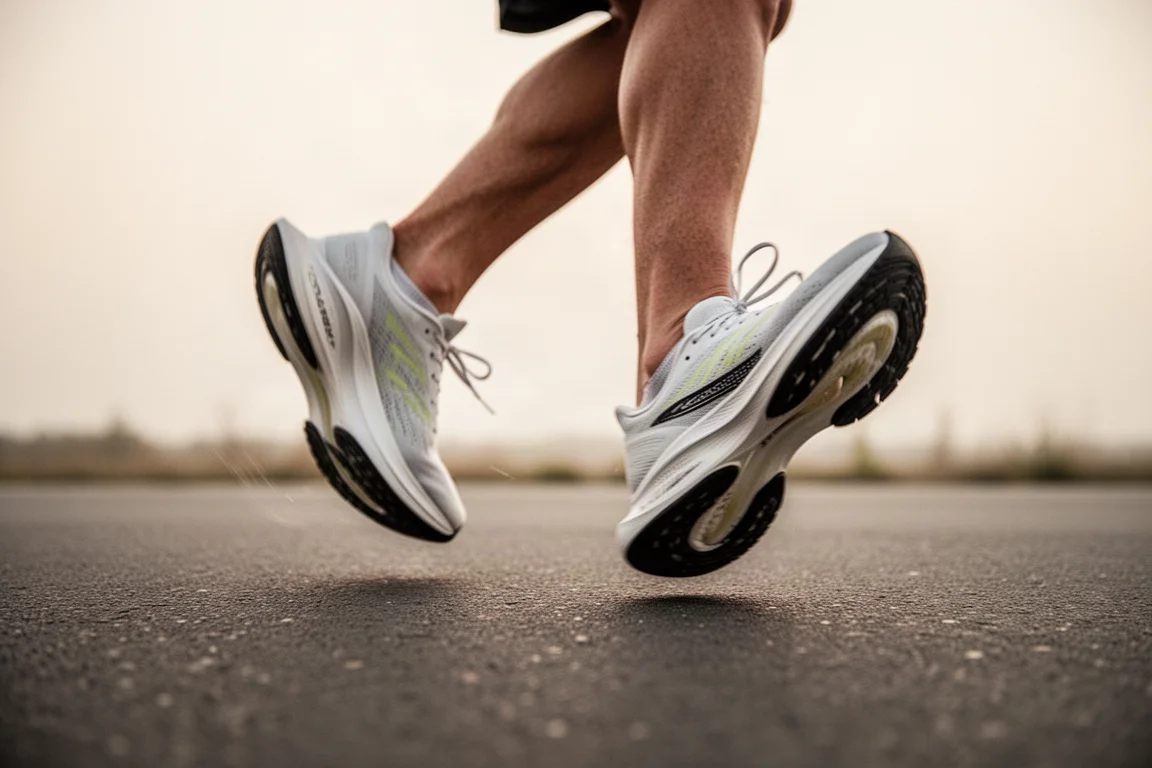
It is also a genuinely appealing entry point. At $230, it is a strong option for anyone buying their first carbon-plated racing shoe, and its durability means it can handle far more than race day. Runners who favor a quicker, higher-cadence stride will feel the most at home here, since the shoe rewards fast turnover and a foot strike placed more directly under the body.
Main Strengths
The spec sheet starts with the maximum: a 40 mm stack height, the highest allowed under World Athletics road marathon rules, with an 8 mm drop giving 32 mm in the forefoot. The midsole combines a carbon fiber power plate, stiffened compared to the previous Deviate Nitro Elite 2, with a new aliphatic TPU Nitro Elite foam, the same compound used in the Puma Fast-R 2. A layer of Puma Grip covers the foam, with a large forefoot patch and smaller heel patches.
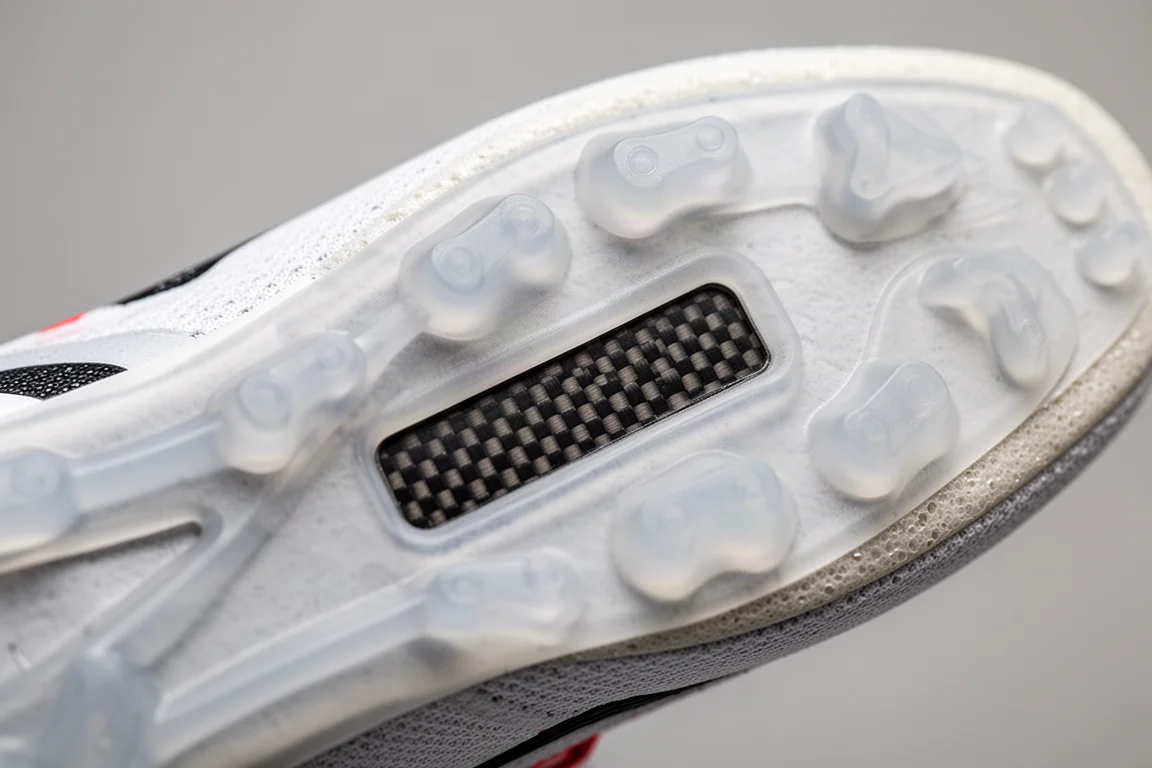
That foam is the heart of the shoe. Aliphatic TPU is lightweight, spongy, and responsive at the same time, which is an unusual combination: cushioned foams are usually not fast, and fast foams are usually firm. Puma appears to be the only brand using this specific compound, and the result is a ride that feels exciting and well suited to racing. Compared to the previous version’s PEBA foam, the extra stack height fixes the main complaint that there simply was not enough cushion for a full marathon.
The upper uses a mono mesh, now called Ultra Weave: strong, light, and flexible, with a slightly scratchy feel that disappears once socks go on. The fit is snug and comfortable. Padding in the tongue and heel cup is minimal, and the heel is deliberately floppy and unstructured, letting the shoe fit like a glove rather than wrapping the heel in armor, which is exactly what many runners want from a racing shoe.
Weight and durability round out the picture. Puma reports the shoe under 200 g; a US men’s size 9 weighed in at 202 g (7.1 oz) before any running. Puma claims up to 250 miles of racing life, which is unusually high for a racing shoe and makes it far more practical for regular workouts than most competitors.
Things to Consider Before Buying
The shoe’s main quirk is that it penalizes overstriding. With a normal overstride, the ride can feel awkward, almost as if the heel drop were higher than the stated 8 mm. The correction is not painful, unlike some turnover-focused racers, but runners who overstride regularly should expect an adjustment period. Once the foot strike moves under the body and cadence picks up, everything clicks.
The upper’s slightly scratchy feel may bother some, though it fades with socks on. And runners with a more powerful, lower-cadence stride may respond better to the Puma Fast-R 2, which delivers a more pronounced pop and springy sensation. The two are best treated as an either-or choice rather than a lineup hierarchy.

Where It Fits in the Puma Lineup
Understanding the Deviate Nitro Elite 3’s role helps clarify what it is not. The Velocity Nitro 3 is Puma’s daily trainer, the durable workhorse for most mileage across a wide pace range. The Deviate Nitro 3 sits in between as a training companion, mixing Nitro foam with the previous Nitro Elite foam plus a carbon plate, built for tough workouts and easy runs alike. The two Nitro 3 names cause confusion, but they are different tools for different jobs, not an upgrade ladder: the Elite is the racer, the standard Nitro 3 is the workout shoe.
For recovery days, the Forever Run with its dual-foam setup (firmer Nitro foam over a softer layer) or the Magnify Nitro fill the gap. Together with the Deviate Nitro Elite 3, that forms a complete training-block quartet. The Fast-R 2, meanwhile, shares the same aliphatic TPU but targets runners with more powerful, lower-cadence strides.
Buying Advice and Alternatives
At $250, the Nike Vaporfly 3 is the closest philosophical match: lightweight, aggressive geometry, quick turnover. The Vaporfly’s heel drop feels even more aggressive, its narrower last makes it a less comfortable fit, and its sharp snap-back demands some care with the hamstrings at top speed. The Deviate Nitro Elite 3 undercuts it by $20.
The ASICS Metaspeed Edge Paris also lands at $250. Like the Deviate Nitro Elite 3, it is lightweight and comfortable, aimed at runners with faster turnover, but it is more aggressive overall; mis-time the foot strike and arch discomfort can follow, which is why it works best at half marathon distances and shorter for some runners. Its toe box does offer a bit more volume, which may matter for wider feet.
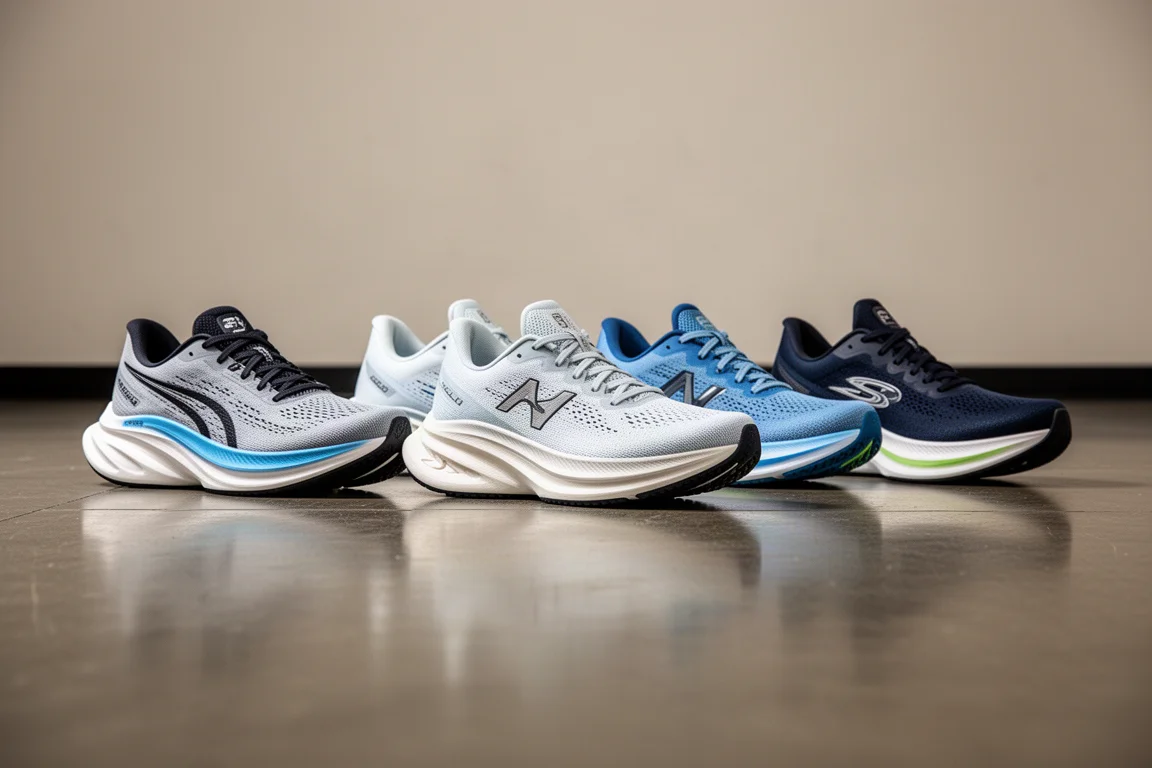
For most buyers, the decision comes down to fit and stride style. The Deviate Nitro Elite 3 is the most forgiving of the three, the cheapest, and by far the most durable, which makes it an easy recommendation for anyone racing anything from a 5K to a marathon.
Conclusion
The Puma Deviate Nitro Elite 3 delivers a rare combination: maximum-stack cushioning, a genuinely fast and snappy ride, and a 250-mile durability claim in a shoe that weighs just over 200 g. It rewards quick-turnover runners, forgives imperfect form more gracefully than most racers, and at $230 it is one of the best-value entry points into carbon-plated racing. Olympians have already validated it at the front of the field, but you do not need to be elite to appreciate what it does.
Product link
View more details for Puma Deviate Nitro Elite 3
This product is mentioned in the review. Check the specifications, options, and compatibility before buying.
View more details for Puma Deviate Nitro Elite 3Further reading
Related Reviews

Running Shoes
Best Road-to-Trail Running Shoes: Three Versatile Options for Mixed Terrain
A practical guide to three road-to-trail running shoes that handle both pavement and mild trails, with clear strengths and trade-offs for different runner types.

Running Shoes
Best Running Shoes for Achilles Tendonitis: Three Options Explained
Three running shoes with different heel drops and support features designed to help reduce Achilles tendon pain during walking and running.

Running Shoes
Best Running Shoes for Women: Five Top Choices Ranked
A ranked guide to five women's running shoes, from versatile daily trainers to high-performance racing options, with real strengths and trade-offs for each.