Running Shoes
Puma Deviate Nitro Elite 2 vs the Best Racing Shoes: Four Supershoe Matchups Explained
How the Puma Deviate Nitro Elite 2 stacks up against the Nike Vaporfly Next% 2, Puma Fast-R Nitro Elite, and Adidas Takumi Sen 8 for training and race day.
Introduction
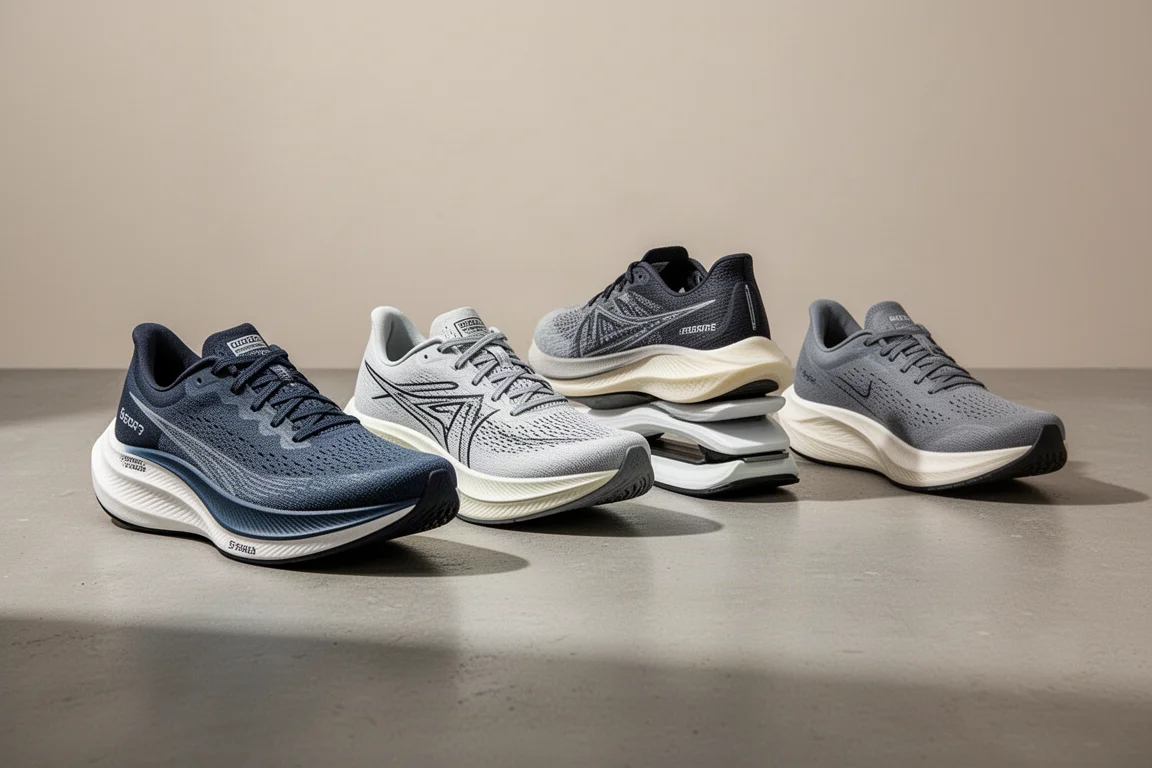
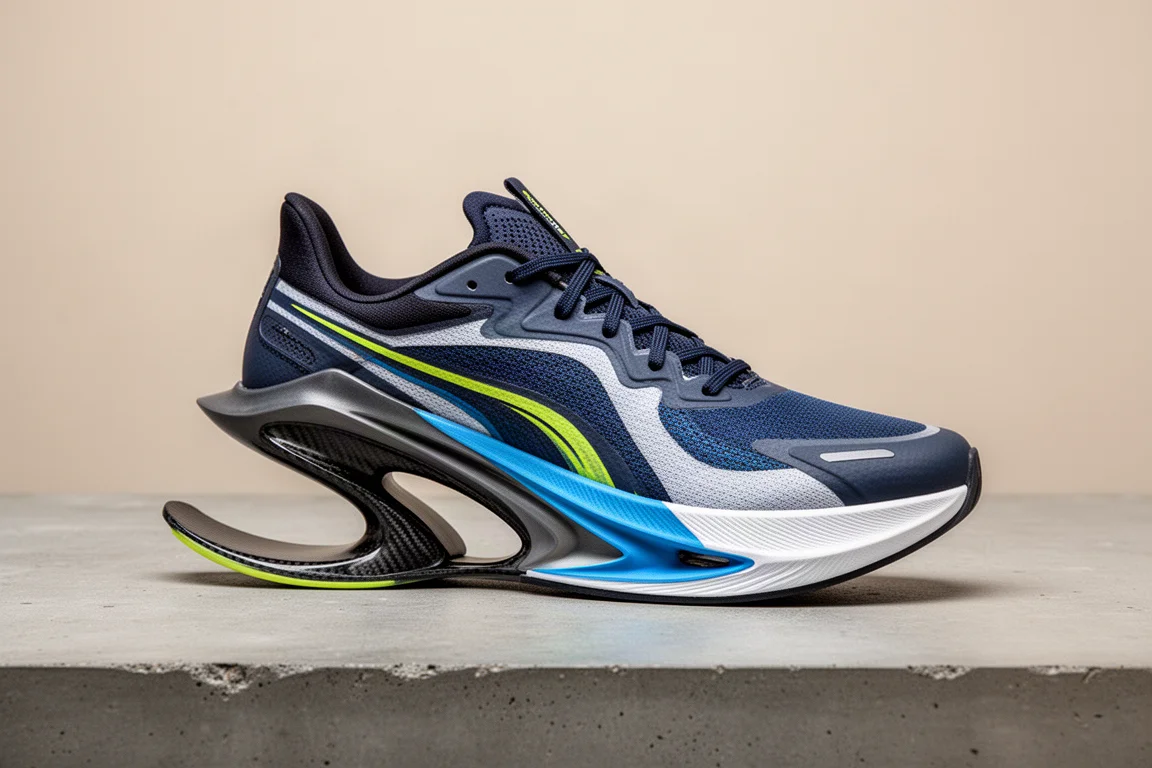
The Puma Deviate Nitro Elite 2 is a genuinely refined racing shoe. Rather than reinventing the first version, Puma made subtle changes that add up to a big difference, in much the same way Nike has done with successive updates elsewhere in its lineup. If it isn’t broken, there is no need to fix it.
This guide walks through how the Deviate Nitro Elite 2 stacks up against three of the most talked-about racing shoes: the Nike Vaporfly Next% 2, its Puma sibling the Fast-R Nitro Elite, and the Adidas Takumi Sen 8. Each matchup highlights a different strength, and the right choice depends heavily on your fit preferences, race distances, and how aggressive you want a shoe to feel.
Puma Deviate Nitro Elite 2 vs Nike Vaporfly Next% 2
Weight is the one area where the Vaporfly Next% 2 holds a narrow edge, though only by a few grams. Around the 250g mark, most shoes feel equally light on foot, so the difference is marginal in practice.
Where the Puma pulls ahead is fit. Its upper takes a traditional, simple approach that stays out of the way of the foot, while the Vaporfly’s asymmetric lacing can feel awkward when trying to dial in tension. Lockdown is easier and more natural to achieve in the Deviate Nitro Elite 2, and there is less presence through the arch, which matters for the many runners who report rubbing issues in the Vaporfly during the later miles of long sessions.
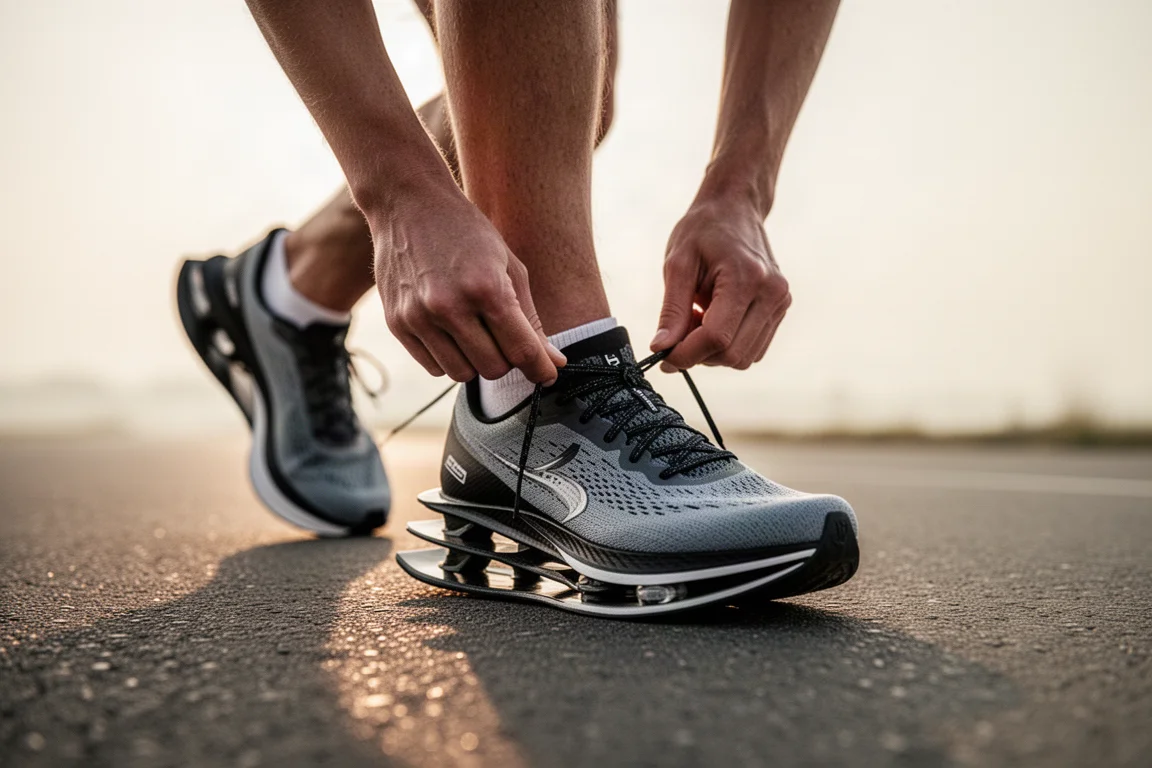
The midfoot through forefoot is a touch wider in the Puma, which could be make or break for marathon racing. Underfoot, both use a PEBA-based foam, but the Nike is slightly more compressive, especially in the heel. The Puma counters with noticeably better stability and a more consistent feel across the footbed, making it usable at a wider range of paces.
Durability tells a similar story. The Vaporfly’s soft foam rubber outsole is prone to picking up thorns and debris, and heavy heel strikers may wear it down quickly if used for everyday training. The Puma’s Grip formula offers better traction and better wear resistance, and its outsole holds up well over miles. Given the price gap of roughly 50 pounds between the two, the Deviate Nitro Elite 2 makes a strong case as the one shoe to own, working for both training and racing from the half marathon up to the marathon, while the Vaporfly is arguably best saved for faster sessions and race days.
Puma Deviate Nitro Elite 2 vs Puma Fast-R Nitro Elite
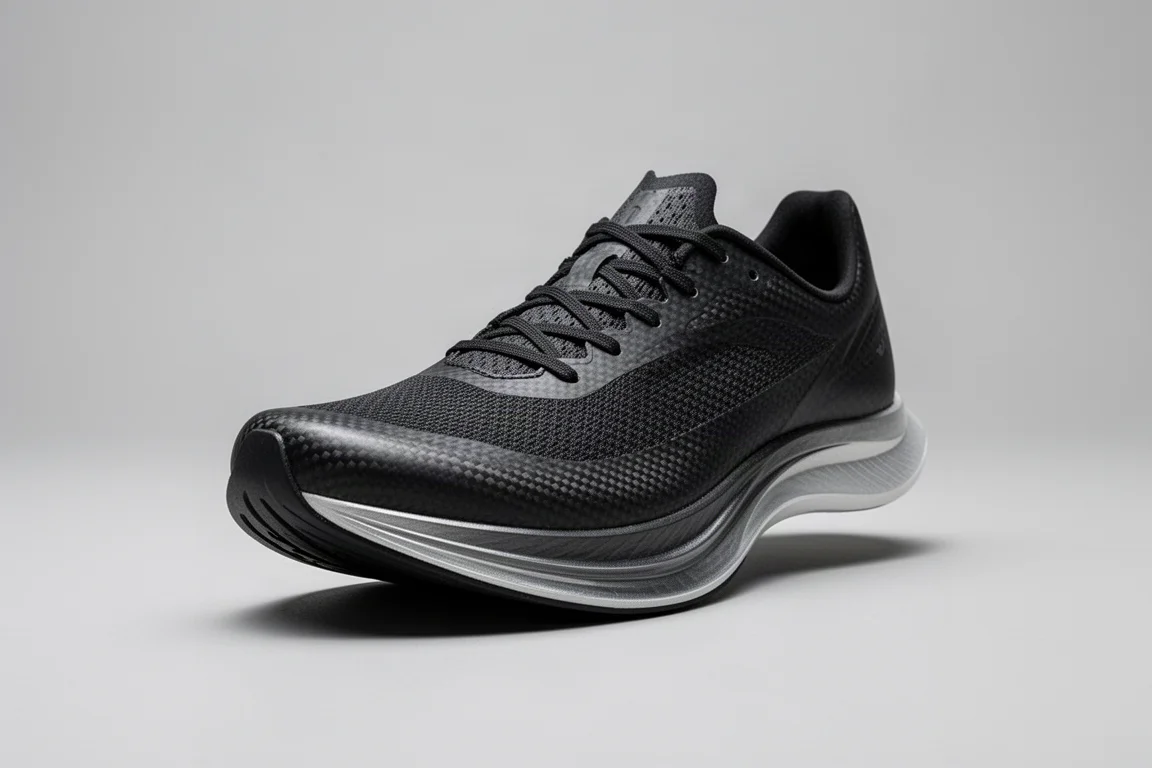
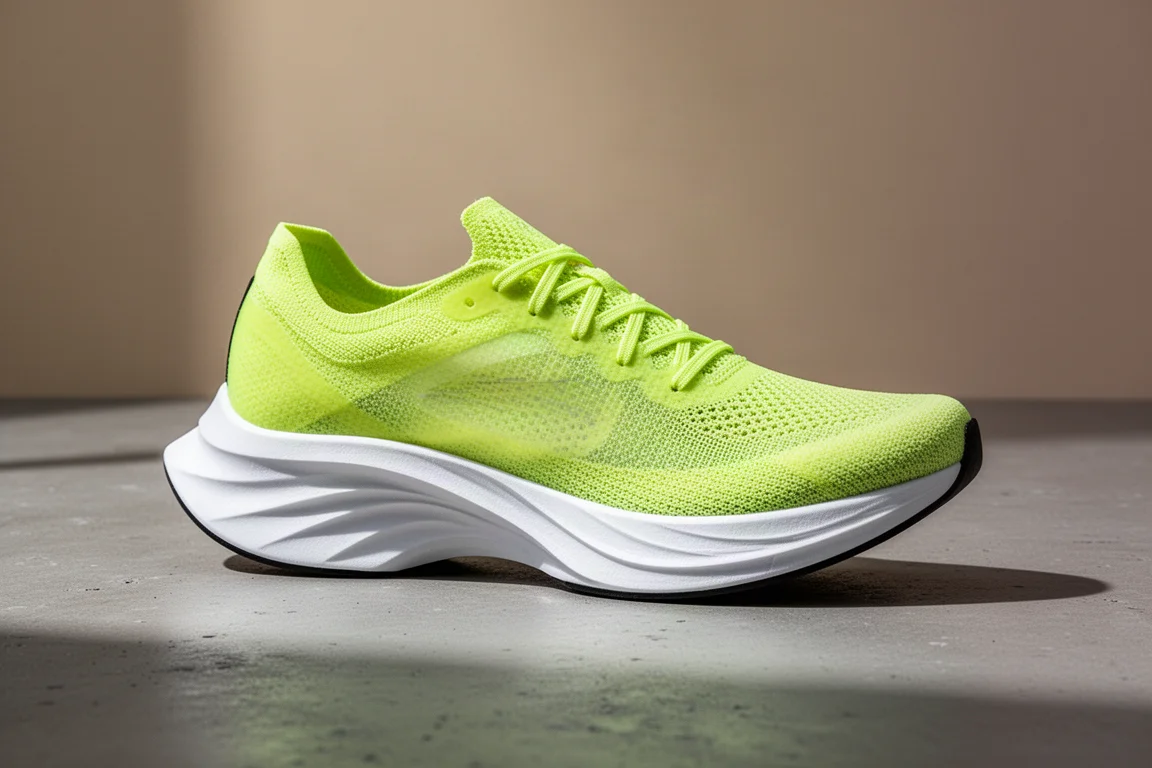
On a flat surface, the Fast-R Nitro Elite almost looks like it has a negative heel-to-toe drop, an optical illusion of its extreme geometry. On foot, however, the two rides could not be more different.
The Fast-R feels aggressive, with a firmer heel built on what appears to be an EVA-based blend paired with the softer Nitro Elite foam up front. That combination is compressive and spongy in the forefoot and throws you forward, though it can push you into the danger zone a bit quicker and contribute to burning out sooner. It feels like a 5K or 10K shoe, with a wild, muscle-car character that fans of the Nike Tempo Next% may recognise.
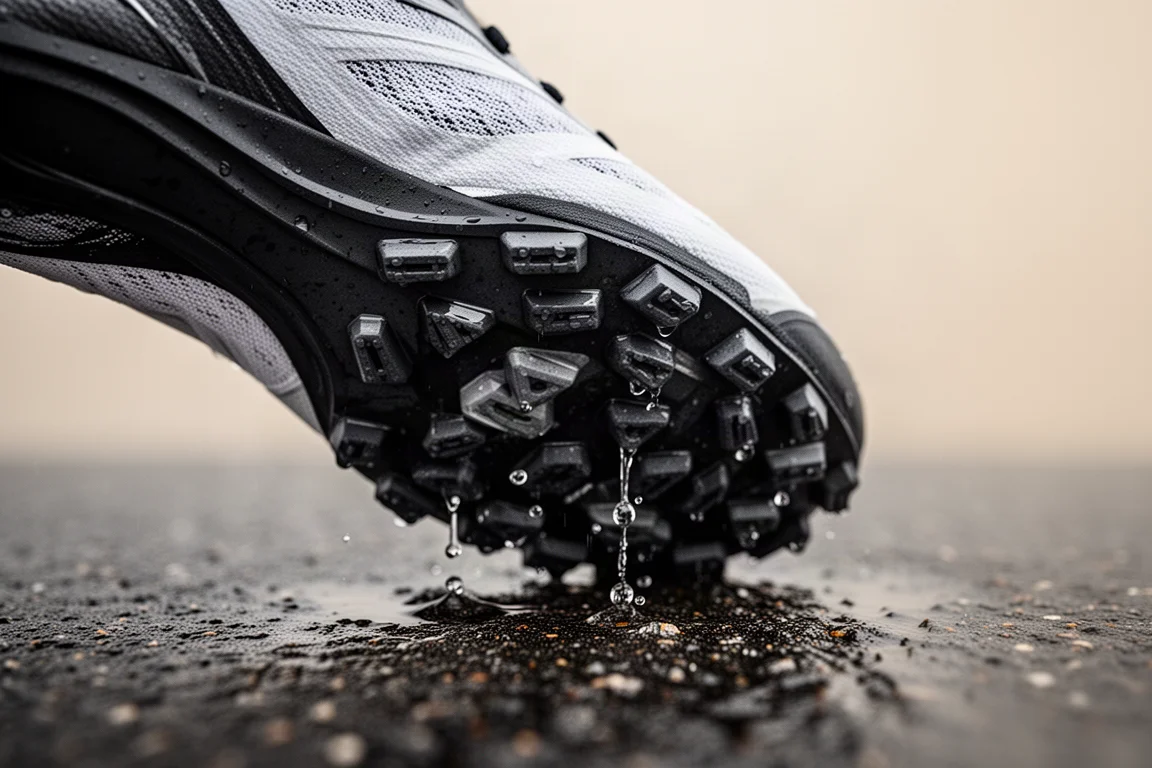
The Deviate Nitro Elite 2 is the more traditional and smoother ride of the two. It shifts through the gears nicely across a range of paces rather than demanding a single hard effort, and despite being the cheaper shoe of the pair, it fits better and feels more versatile.
The outsole comparison also favours the Deviate. The Fast-R’s grip is excellent, but its honeycomb-style heel design collects debris that needs regular brushing out. The Deviate’s simpler outsole has fewer gaps where debris can lodge, particularly in the mid-forefoot section. The Fast-R remains the pick if you want maximum aggression for short, hard efforts, but the Deviate is the more complete everyday racer.
View more details for Puma Deviate Nitro Elite 2
Puma Deviate Nitro Elite 2 vs Adidas Takumi Sen 8
Both of these shoes are built for speed, but they sit at different points on the spectrum. The Puma carries a little more stack and a different heel-to-toe drop, which is noticeable on foot and makes it the better choice for the half marathon and above. The Takumi Sen 8 likely does not have enough cushioning for a full marathon, at least for most runners.
The Nitro-infused PEBAX midsole in the Puma offers a touch more spring, and the upper is more accommodating. Many runners found the Takumi Sen 8 constrictive through the arch, not unlike the Vaporfly, and its toe box runs tight. The Puma offers more room for wider or more voluminous feet, which is worth noting since most of the weight saving in the Adidas comes from its very thin upper.
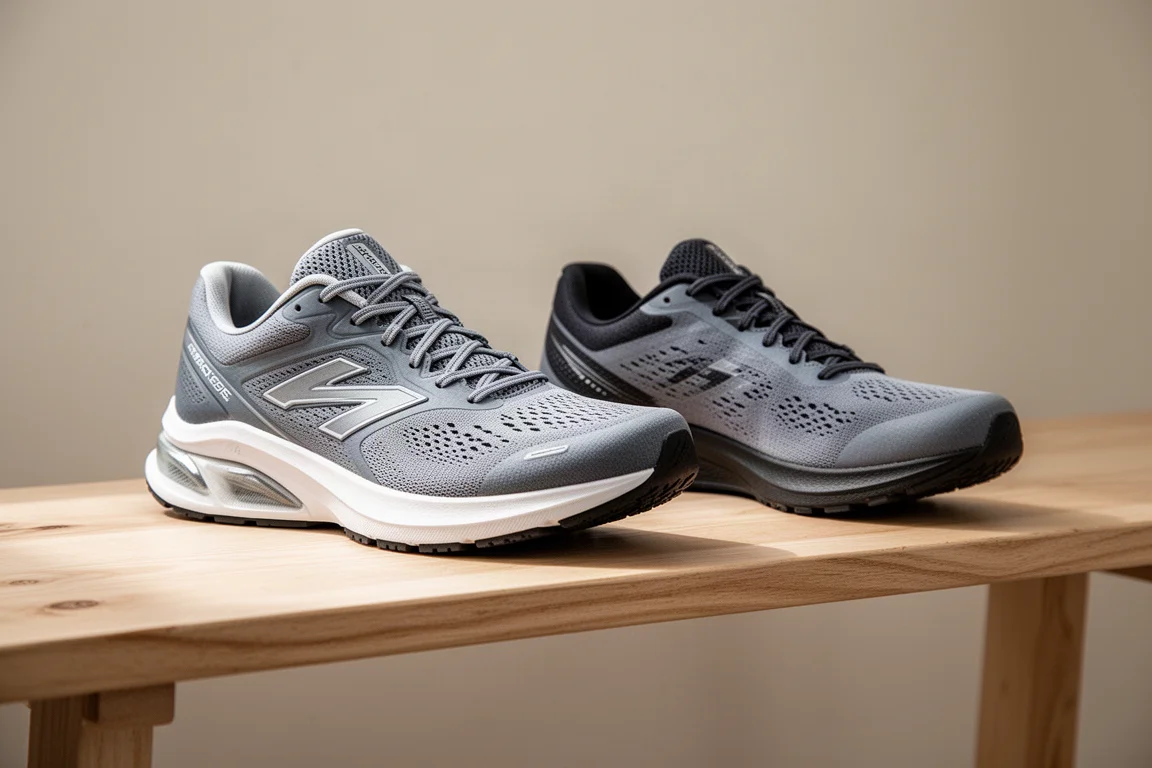
Grip is strong on both, but the Puma’s outsole lugs edge it, with the Takumi Sen occasionally slipping on smoother surfaces. Weight is the Adidas’s trump card: it runs roughly 15 to 20 grams lighter, which could be decisive for some runners. Pricing is another consideration. The two models come in at roughly the same price when new, but the Takumi Sen 8 can often be found at a discount, frequently under 100, making it an appealing pick for shorter distances. The Takumi Sen 9 appears to be a very similar shoe, so this comparison largely holds across both versions.
View more details for Puma Deviate Nitro Elite 2
Which Shoe Should You Buy?
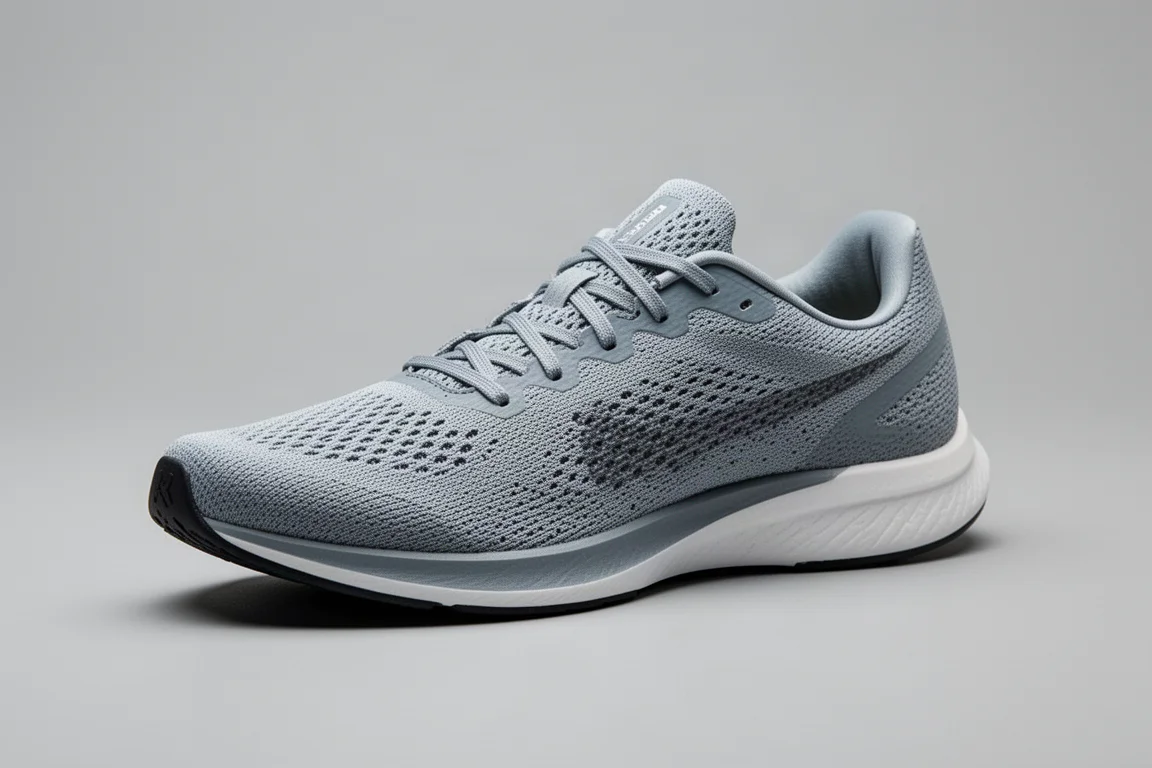
Across all three matchups, the Puma Deviate Nitro Elite 2 consistently edges the field by doing fewer things flashy and more things well. It is stable, versatile across paces, grippy, durable, and comfortable enough from the half marathon through the marathon.

Choose the Vaporfly Next% 2 if you want the lightest, most compressive ride for dedicated fast sessions and races and do not mind the snug arch fit. Choose the Fast-R Nitro Elite if you want maximum aggression for short, hard efforts and can live with the debris-prone outsole. Choose the Takumi Sen 8 if you race shorter distances, have a narrower foot, and value low weight, especially if you find it discounted. For a single do-it-all racing shoe with more room in the upper and better outsole durability, the Deviate Nitro Elite 2 is the strongest overall pick.
Conclusion
Every shoe in this comparison is excellent, but they serve different runners. The Deviate Nitro Elite 2 wins on versatility, fit, and outsole durability, making it the best all-round choice for racing from the half marathon to the marathon. Match the alternatives to your specific race distances and fit needs, and any of them will reward you on race day.
Further reading
Related Reviews

Running Shoes
Best Road-to-Trail Running Shoes: Three Versatile Options for Mixed Terrain
A practical guide to three road-to-trail running shoes that handle both pavement and mild trails, with clear strengths and trade-offs for different runner types.

Running Shoes
Best Running Shoes for Achilles Tendonitis: Three Options Explained
Three running shoes with different heel drops and support features designed to help reduce Achilles tendon pain during walking and running.

Running Shoes
Best Running Shoes for Women: Five Top Choices Ranked
A ranked guide to five women's running shoes, from versatile daily trainers to high-performance racing options, with real strengths and trade-offs for each.