Running Shoes
Puma Deviate Nitro Elite 2 Review: A Carbon Racer That Does a Bit of Everything
Puma's most versatile carbon racing shoe trades some top-end punch for grip, comfort, and value across 5K to marathon.
Introduction
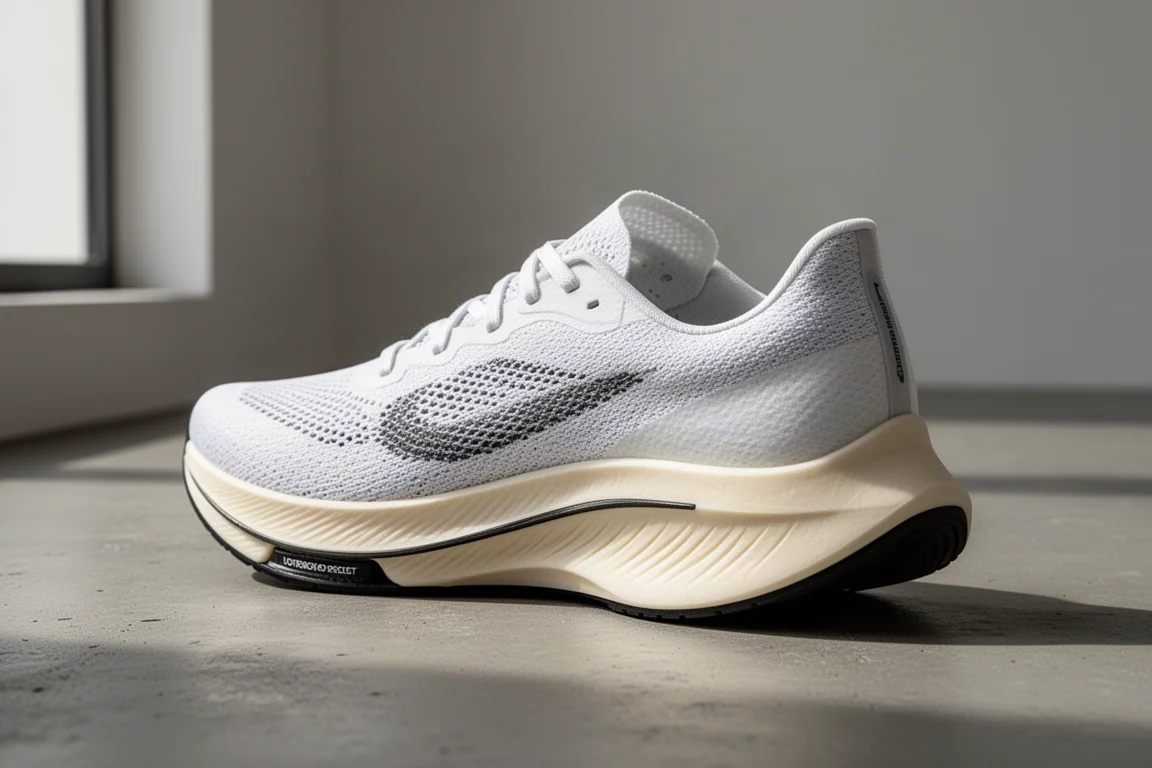
The Puma Deviate Nitro Elite 2 sits in an unusual spot in the carbon racing shoe market. It is one of three carbon racers in Puma’s range and the cheapest of that trio, priced at £175 in the UK or $200 in the US. That undercuts both the Fast Forward, Puma’s short-distance racer, and the Fast-R, which is built more as a long-distance propulsive option.
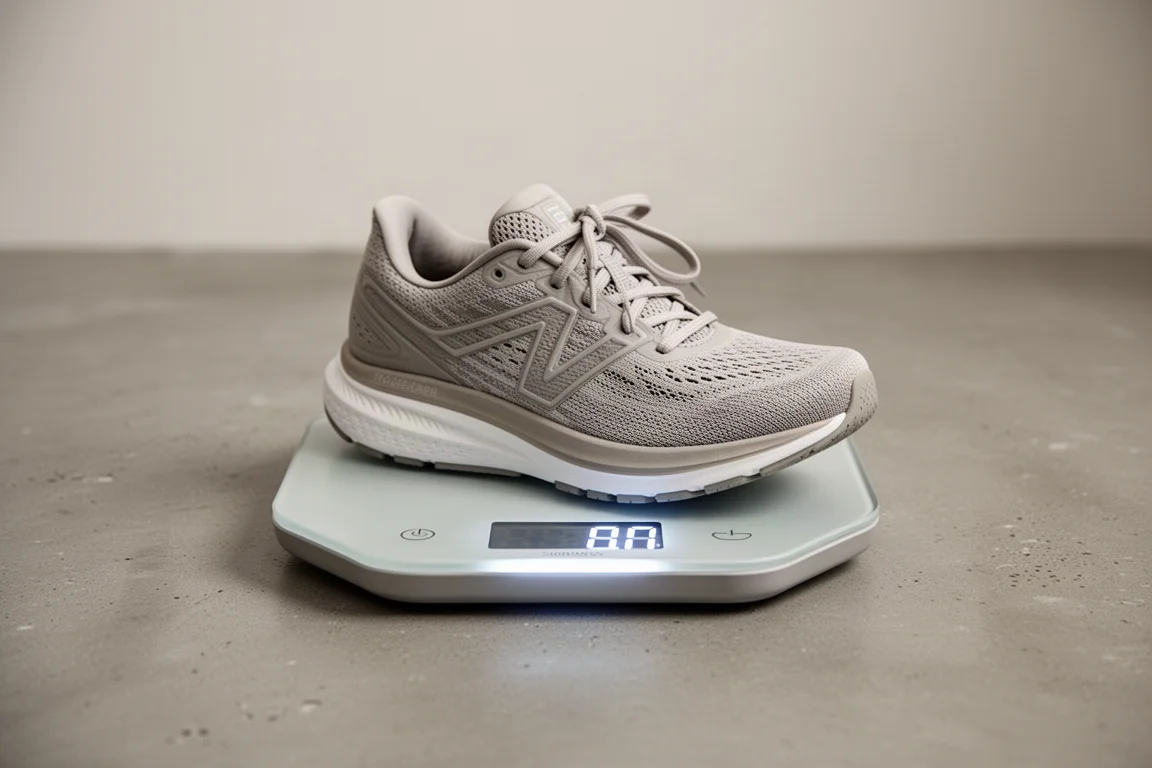
This is more of a general-purpose racing shoe. It weighs 227 grams (8 ounces) in a UK size 9, which is a fair bit heavier than the original Deviate Nitro Elite, and it keeps an 8mm drop with a 36mm heel and 28mm forefoot stack. The question with this shoe is not whether it is the best carbon shoe on the market, but whether its blend of traits suits the way you actually run.
Who This Shoe Is For
This is a shoe for runners who want one fast shoe that can handle a variety of runs rather than a pure race-day specialist. Testers found it true to size, with a comfortable glove-like fit, slightly roomier than the first version, and extra padding around the heel that holds the foot securely.
It suits runners who do not want maximal cushioning or the most aggressive foam feel, but who value grip, balance, and versatility. If you mainly race shorter distances and appreciate a more natural, grounded ride, it makes a lot of sense.
Main Strengths
The upper is a lightweight mono mesh with added power tape elements around the medial side and forefoot for structure, plus slightly more padding at the heel and a marginally thicker tongue than the original. Some of that explains the weight gain over version one, but it adds comfort and hold.
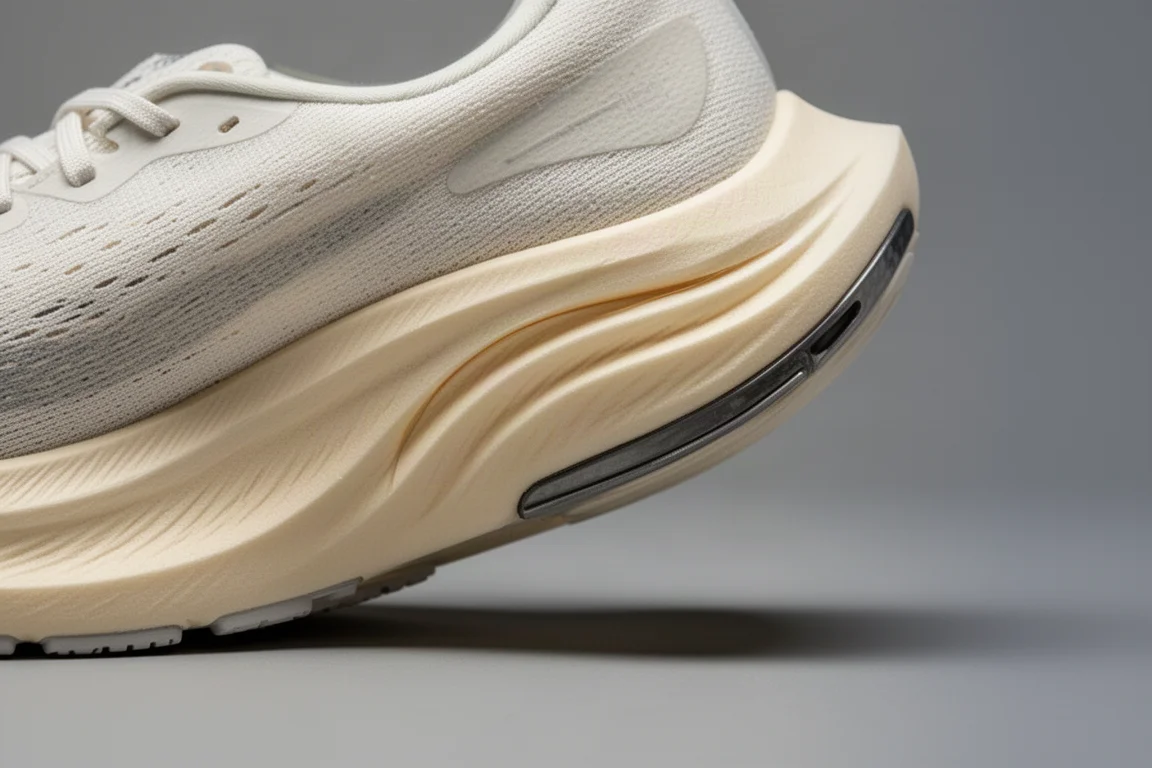
The midsole uses two layers of Nitro Elite foam, a nitrogen-infused Peba-based foam, with a full-length carbon plate. Puma’s Power Plate replaces the Inno Plate fork design of the first shoe, filled in at the front, and it works by loading up with energy to help propel you on faster runs. The forefoot also has a stronger rocker shape than the original for a more aggressive toe-off.
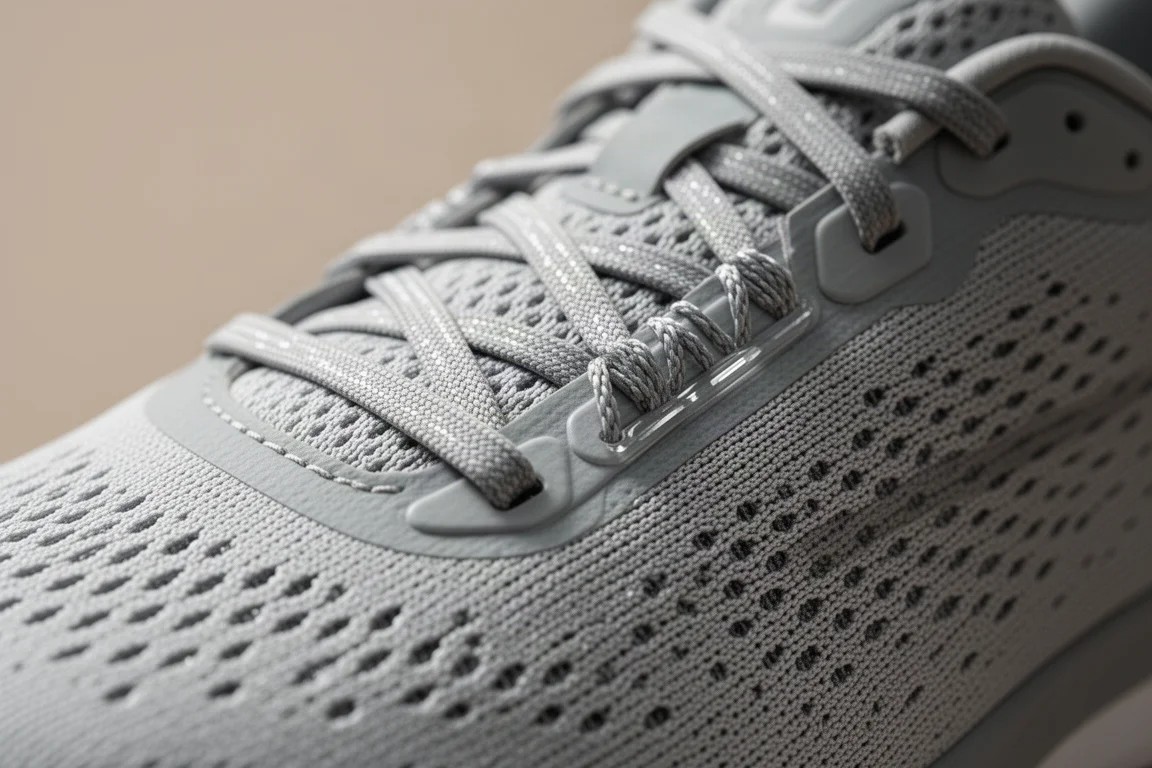
Grip is the standout. The Pumagrip outsole has excellent forefoot coverage with two strips at the back, and the rubber is slightly thicker than before, which adds durability. Testers consistently described the grip as outstanding, especially on wet and icy surfaces where few other racing shoes felt trustworthy.
Things to Consider Before Buying
At 227 grams, this is no longer among the lightest carbon shoes available, and it feels more built-up than the original, which some testers found disappointing given how nippy the first version was for 5K racing.
It is also leaner on cushioning than many super shoes. The lower stack makes it feel more grounded, which means you lose some of the bounce and propulsion that the best carbon shoes deliver. For marathons and long races, testers felt it lacked the punch of more propulsive options, and it was not the shoe they would choose for long training runs either. Think of it as a training shoe that races very well, rather than a pure racer.
How It Rides: Race Day and Everyday Use
One tester raced a 10K in it straight away and called it a fast, enjoyable, nippy shoe that was close to the perfect distance for it. It has also been pushed to 21K in training and handled it fine, though without offering major benefits over dedicated trainers.
The more interesting story is versatility. One tester travelled with only this shoe for a weekend and used it for an easy run, a parkrun at a fast pace, and a 15K easy run on icy woodland trails. It coped with everything thanks to the grip, the balanced grounded feel, and stable cornering. Over shorter races, testers placed it not far off the performance of the best shoes available, with the gap appearing mainly on longer events.
Buying Advice
If you are chasing pure top-end performance from a carbon shoe, this is not quite up there with the very best, and alternatives often go on sale. But if you want more value from a carbon shoe, or a premium everyday trainer that can also race well from 5K up to a marathon, it is a strong pick and the most broadly usable option in Puma’s racing range.

It also earns a niche as a shoe for icy or mixed-terrain races, where light gravel and wet pavement rule out most other racers. And within Puma’s lineup, if you are choosing one carbon shoe for the majority of runners and most types of running, this is the one testers would pick. The original Deviate Nitro Elite is also still worth a look if you can find it discounted, as a fast training partner alongside a dedicated race shoe.
Conclusion
The Deviate Nitro Elite 2 is hard to recommend as a simple upgrade over the fastest carbon shoes, but easy to like as a rounded, grippy, comfortable shoe that does many things well. Runners who want a calmer, more natural carbon experience rather than maximum bounce will find plenty to enjoy here, and few shoes match its grip in tricky conditions.
Product link
View more details for Puma Deviate Nitro Elite 2
This product is mentioned in the review. Check the specifications, options, and compatibility before buying.
View more details for Puma Deviate Nitro Elite 2Further reading
Related Reviews

Running Shoes
Best Road-to-Trail Running Shoes: Three Versatile Options for Mixed Terrain
A practical guide to three road-to-trail running shoes that handle both pavement and mild trails, with clear strengths and trade-offs for different runner types.

Running Shoes
Best Running Shoes for Achilles Tendonitis: Three Options Explained
Three running shoes with different heel drops and support features designed to help reduce Achilles tendon pain during walking and running.

Running Shoes
Best Running Shoes for Women: Five Top Choices Ranked
A ranked guide to five women's running shoes, from versatile daily trainers to high-performance racing options, with real strengths and trade-offs for each.