Running Shoes
Puma Deviate Nitro 4 vs the Tempo Shoe Competition: A Softer, More Versatile DV8
The Puma Deviate Nitro 4 reworks its foam and geometry into a less aggressive, more versatile tempo trainer. How it stacks up against the Saucony Endorphin Speed 5 and Adidas Adizero Takumi Sen.
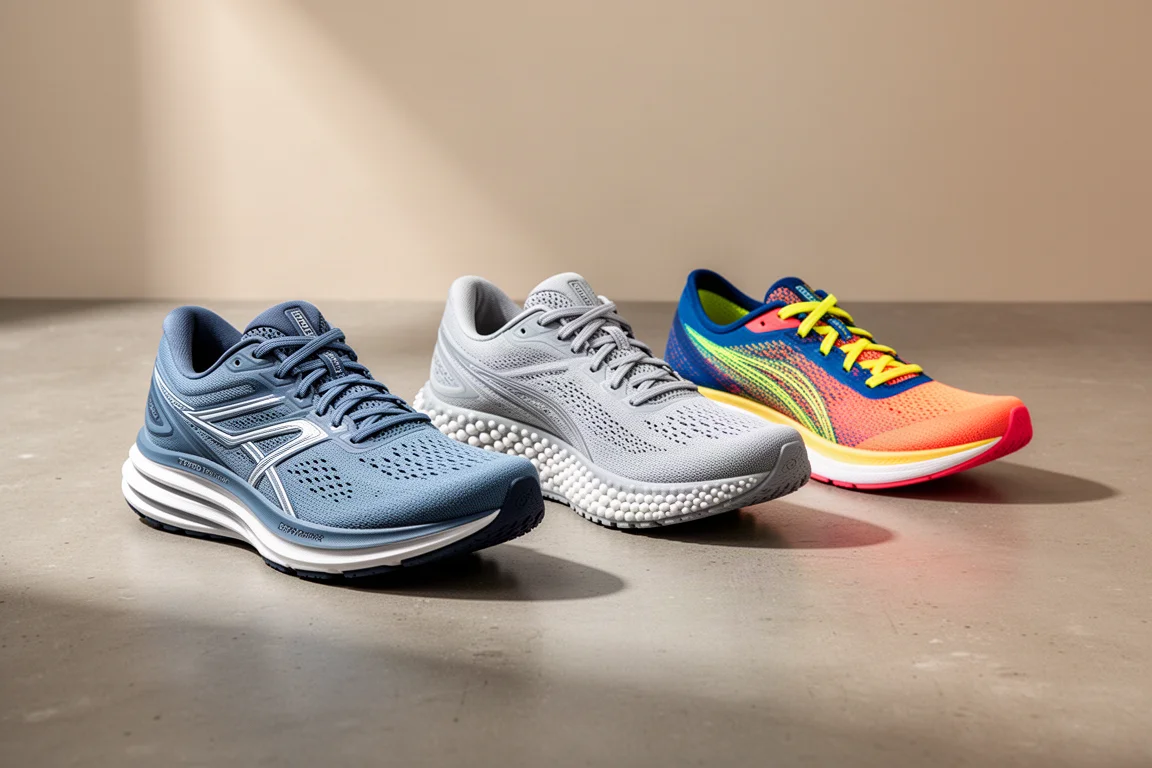
Introduction
The Deviate Nitro line has a strong track record. The DV82 was a standout shoe in 2023, the DV83 earned the same praise in 2024, and in 2025 the line skipped a year entirely. Now the Puma Deviate Nitro 4, referred to in the series as the DV84, arrives with the question of whether that wait was worth it.
The short answer: this is a substantial change, and mostly for the better. The DV84 softens the experience compared with its predecessors, trading some of that signature aggression for a shoe that works as both a fast workout partner and a capable daily trainer.
What Changed in the Deviate Nitro 4
On paper, the numbers have shifted. The DV84 uses a 38 mm stack height with an 8 mm drop, giving 30 mm of foam in the forefoot. That is one millimeter less in the heel and slightly less in the forefoot than last year’s 10 mm drop setup.
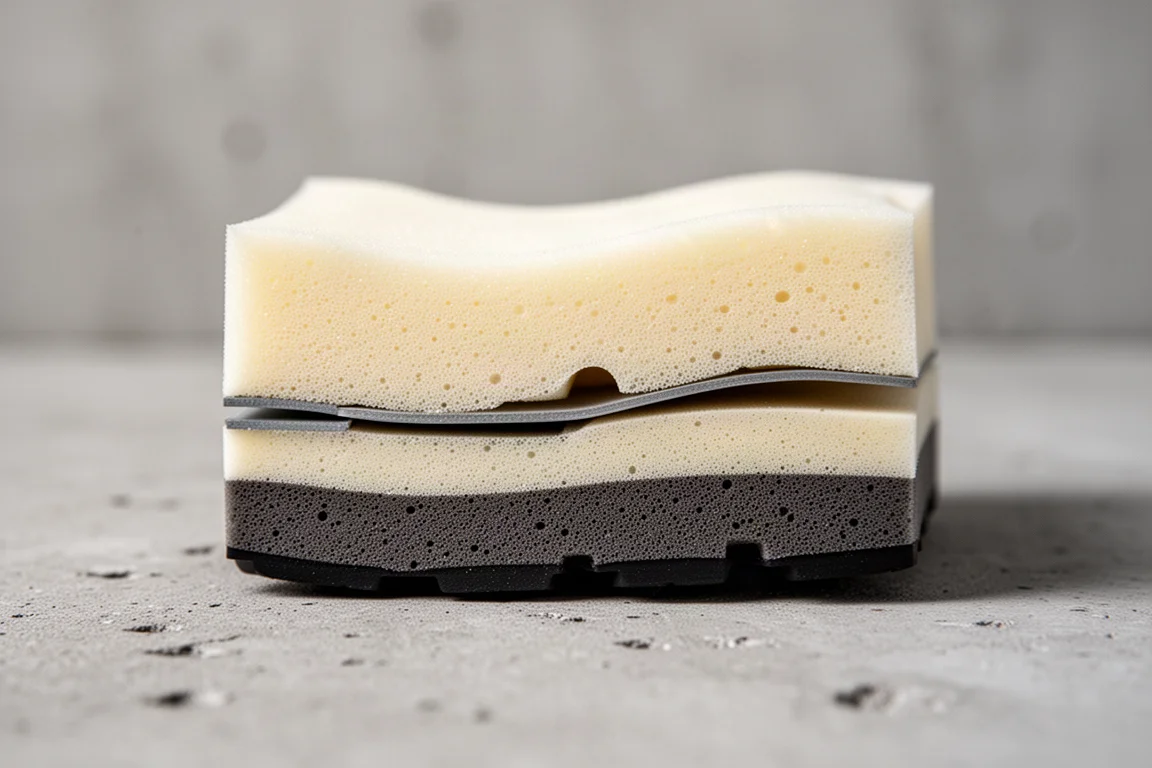
The midsole is where the bigger story lives. The Nitro label here refers to two different foam compounds: a top layer of 100% PEBA and a bottom layer made of a PEBA blend that feels firmer, likely intended to stabilize the ride. Between the two layers sits a carbon composite plate. Last year’s plate was forked, adapting to how you landed to help stabilize the shoe. This year the fork is gone, and the plate has been reshaped to match the footprint silhouette.
Puma has also extended the Pumagrip rubber coverage, mainly in the forefoot and further into the midfoot, with a bit more coverage on the lateral heel side. The idea is better protection for midfoot and heel strikers. Up top, a breathable jacquard mesh upper pairs with a lightly padded, gusseted tongue and a softly padded heel collar with an Achilles flare. The upper changes feel performance-oriented: more breathable and lighter. The whole package comes in at 250 g or 8.8 oz, half an ounce lighter than its predecessor.
How It Runs on the Road
The headline is that Puma has softened the experience in a way that makes a lot of sense. Earlier Deviate Nitro versions were aggressive workout shoes that were very fast but not quite as strong at daily training as some competitors. The DV84 adds noticeably more cushion in the landing, whether you strike at the heel, midfoot, or forefoot.
That softness does not come at the cost of responsiveness. The carbon composite plate and the new foam stack still make for a very peppy ride. In steady uptempo runs and fartlek sessions with short bursts of speed, the shoe came most to life whenever the pace picked up.

The dual-layer foam compresses densely without collapsing under the foot, then springs back quickly into the next step. At easy paces, landing further back on the shoe, there is a nice sense of softness in the heel, and heel strikers should find the transition from heel to toe very smooth.
Saucony Endorphin Speed 5
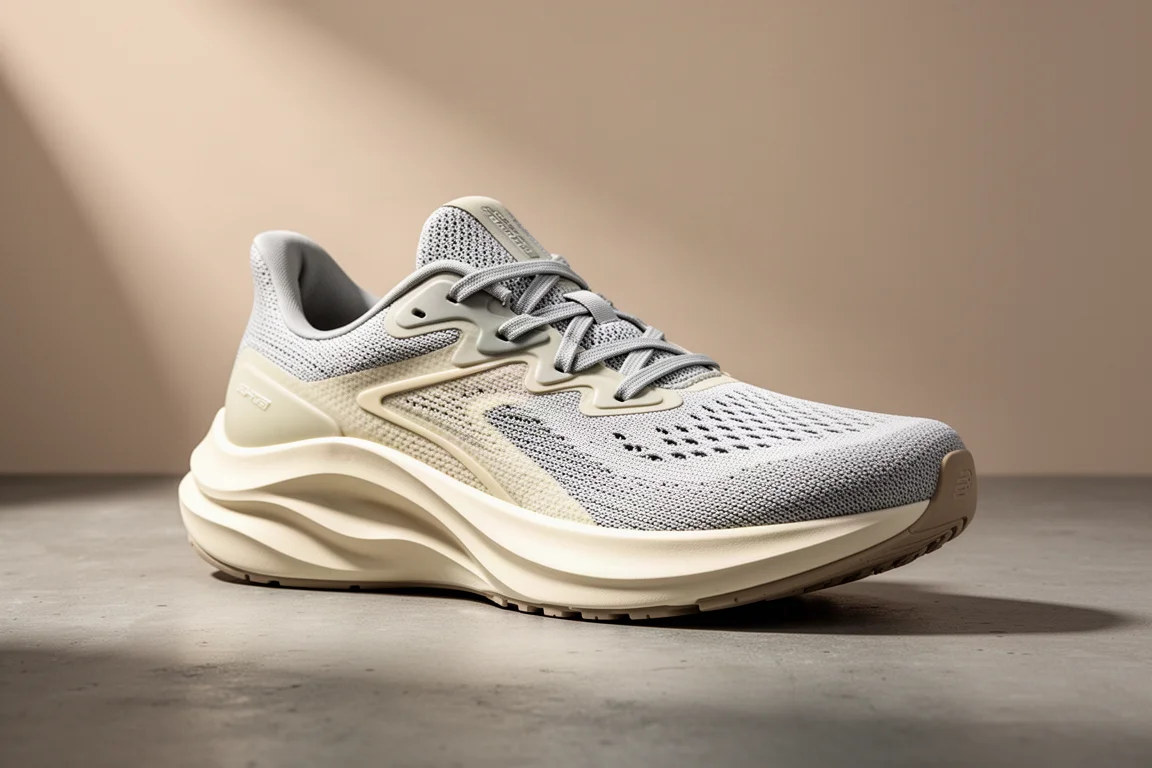
The closest competitor in spirit is the Saucony Endorphin Speed 5, another shoe that regularly sits near the top of the tempo trainer conversation. It uses a beaded PEBA foam with a plastic plate, delivering a lightweight, peppy ride for workouts while staying soft enough for daily training.
The key difference is tuning. The Endorphin Speed 5’s foam is tuned even softer, making it more of a daily trainer that can go fast. The Deviate Nitro 4 is the opposite emphasis: a fast shoe that can handle daily training paces. That distinction is the simplest way to choose between the two. The Endorphin Speed 5 retails at $175, a touch above the Deviate, with no significant discounts seen so far.
Adidas Adizero Takumi Sen
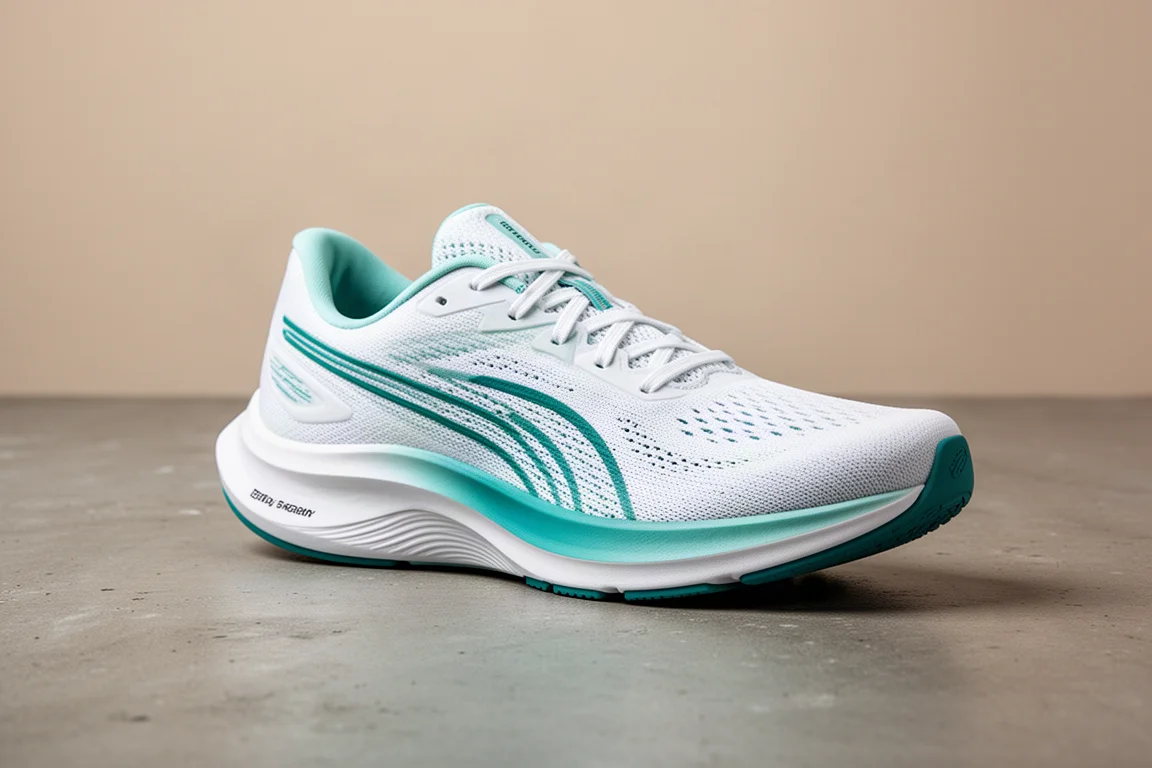
The Adidas Adizero Takumi Sen rounds out the spectrum, though it is technically a racing shoe rather than a tempo trainer. Built around Lightstrike Pro foam and energy rods, it targets 5K and 10K racing with a lightweight, snappy feel. It is the shoe you reach for on the same kinds of hard workout days.
The Takumi Sen is even more aggressive than the Deviate Nitro line ever was, and it is not a shoe for heavy daily training or easy miles mixed into workouts. Think of it as a race day shoe that marathoners also use for hard sessions. It retails at $180, a price it has held for several years, though it can sometimes be found on sale for around $144 if you can find your size. It has been out for a while, so availability may be limited.
Buying Advice
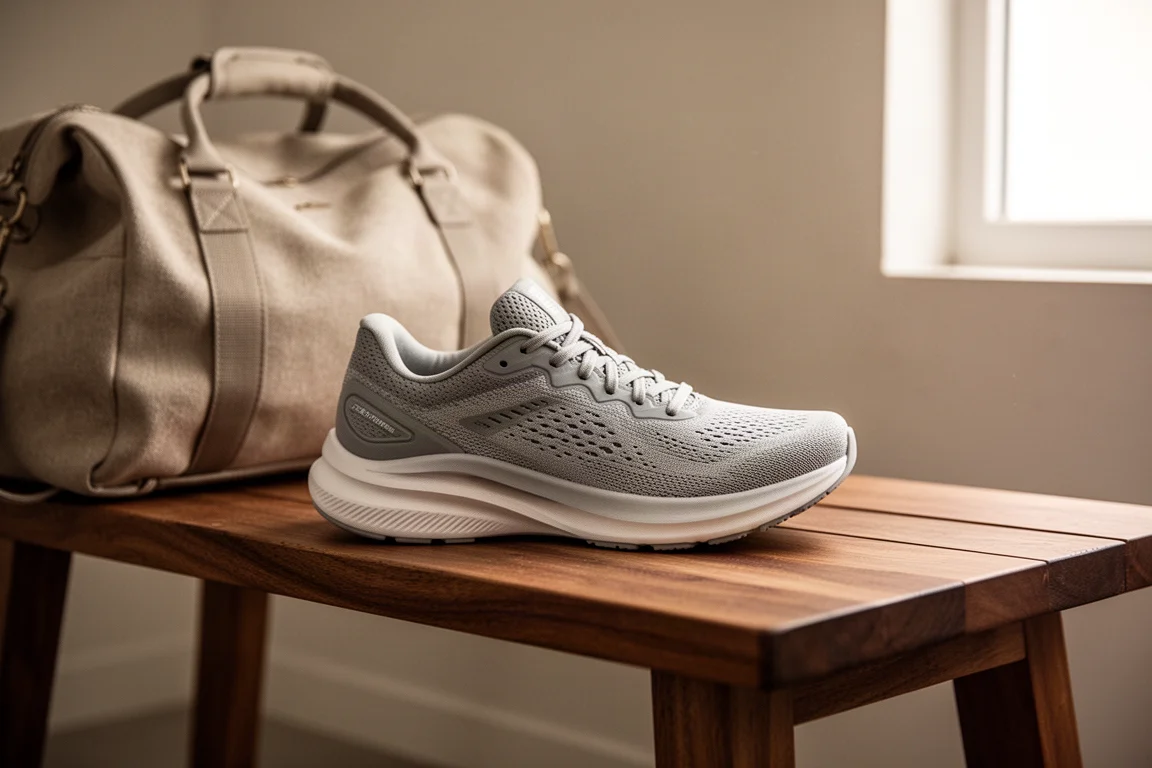
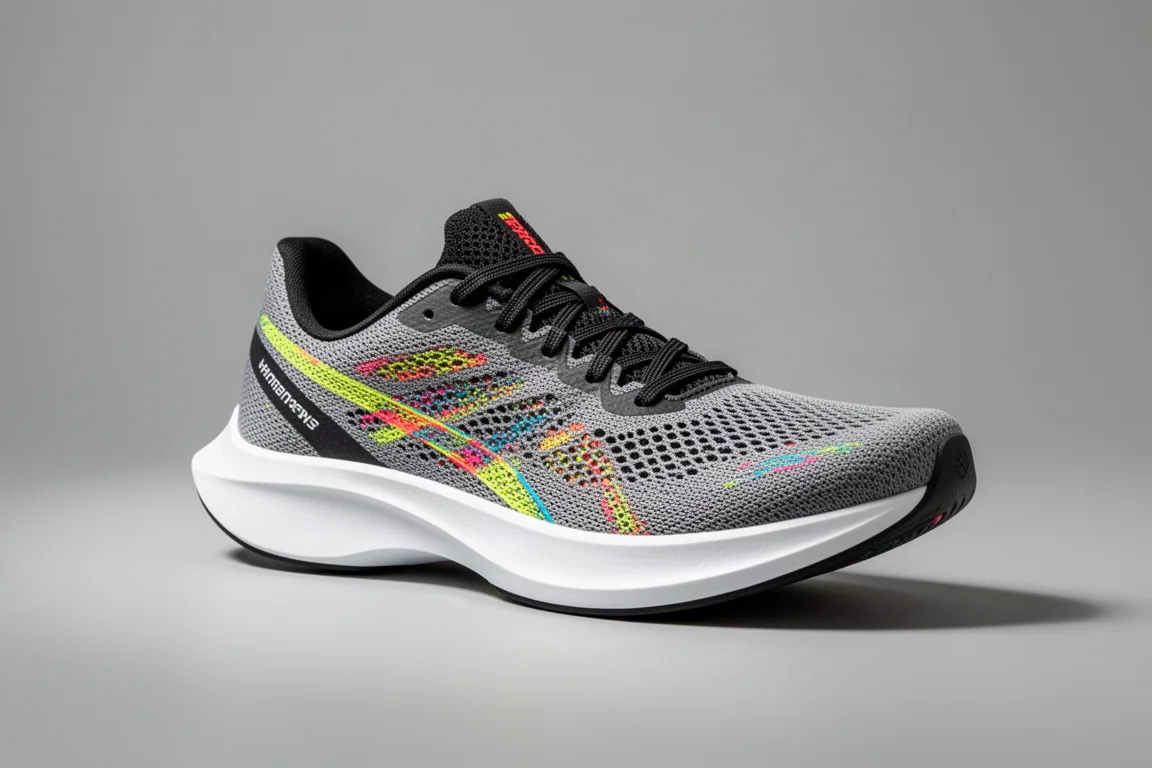
Taken together, these three shoes form a spectrum. The Endorphin Speed 5 is the softest and most daily-trainer-leaning of the bunch. The Takumi Sen is the most aggressive and race day oriented. The Deviate Nitro 4 sits squarely in the middle, which is exactly why it is so appealing as a versatile tempo shoe.
The DV84 will be available January 23 at a retail price of $170, which is $10 more than last year’s model. That price bump is arguably $10 more than it should be, especially since the DV83 launched at $160 and can now be found discounted to around $115 in some sizes. Last year’s shoe remains an excellent pickup if you prefer a firmer, more aggressive ride, but if you want the more balanced, versatile update, the DV84 is the one worth checking out.
Conclusion
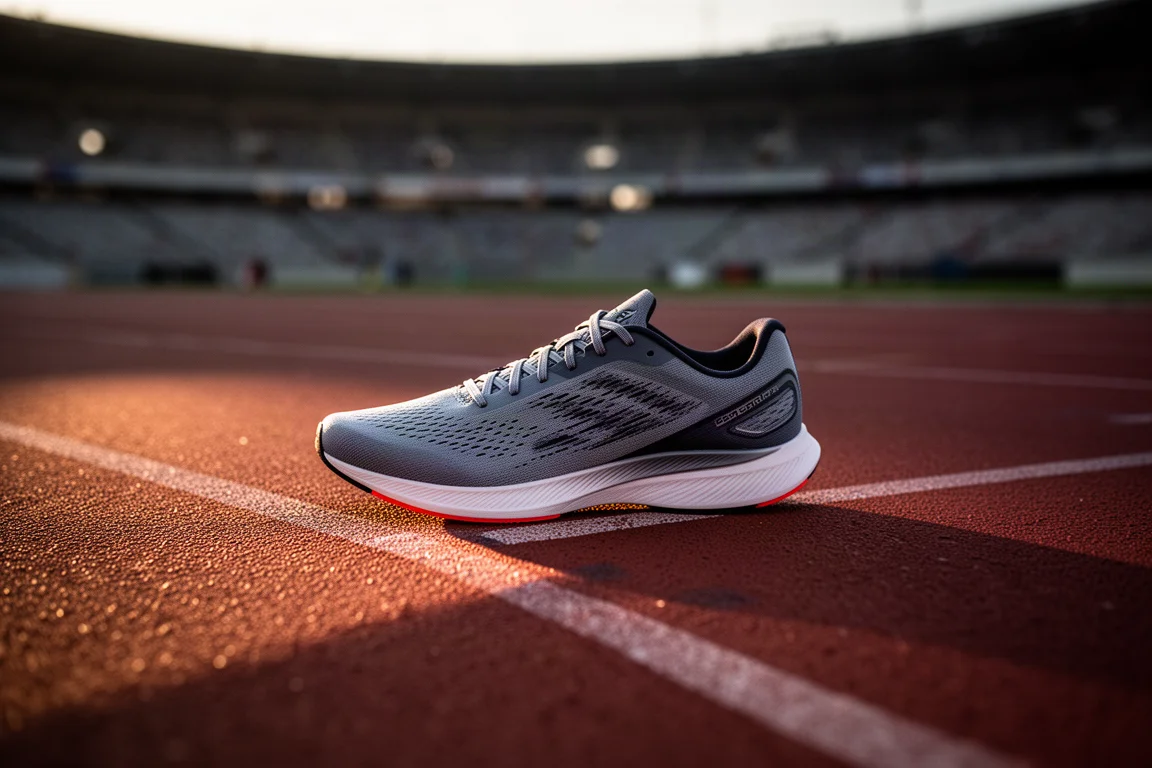
The Puma Deviate Nitro 4 is not the same shoe as the DV83, but the changes read as improvements. More cushion in the landing, a lighter build, and a dual-foam setup with a reworked plate make it less aggressive but more versatile, which should open it up to far more runners. If you want one shoe to cover uptempo work and daily training, it earns a spot on a very short list, flanked by the softer Endorphin Speed 5 and the sharper Takumi Sen.
Further reading
Related Reviews

Running Shoes
Best Road-to-Trail Running Shoes: Three Versatile Options for Mixed Terrain
A practical guide to three road-to-trail running shoes that handle both pavement and mild trails, with clear strengths and trade-offs for different runner types.

Running Shoes
Best Running Shoes for Achilles Tendonitis: Three Options Explained
Three running shoes with different heel drops and support features designed to help reduce Achilles tendon pain during walking and running.

Running Shoes
Best Running Shoes for Women: Five Top Choices Ranked
A ranked guide to five women's running shoes, from versatile daily trainers to high-performance racing options, with real strengths and trade-offs for each.