Running Shoes
Puma Deviate Nitro 4 vs ASICS Mega Blast: Two Super Trainers, Two Philosophies
A close comparison of the Puma Deviate Nitro 4 and the ASICS Mega Blast, covering ride feel, uppers, speed capability, and which shoe fits which kind of training.
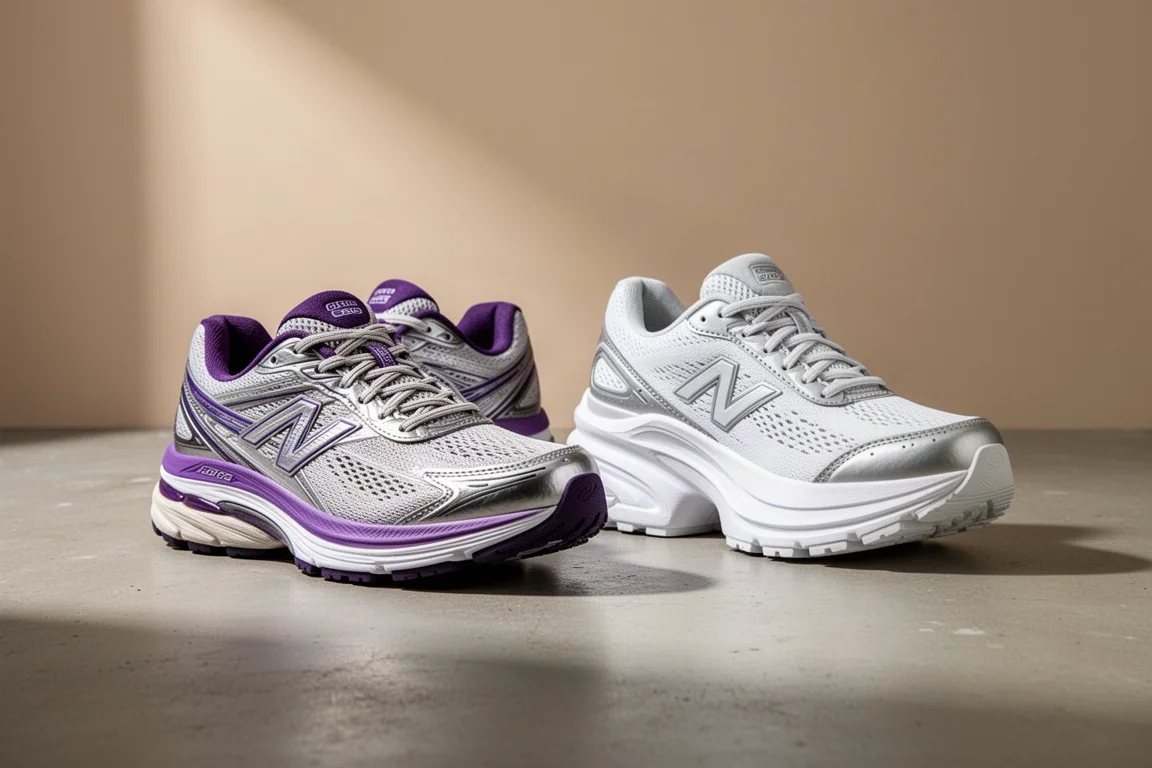
Introduction
The Puma Deviate Nitro 4 and the ASICS Mega Blast sit in the same category but approach it from opposite directions. One is a layered, plated super trainer built around comfort and speed in one package. The other is a tall, non-plated stack of a single race foam that keeps things deliberately simple. After several runs in the Deviate Nitro 4, including a 10-mile steady run, a 20-mile long run, and a marathon-pace treadmill session, the comparison between these two has become much clearer.
Puma Deviate Nitro 4: A Smooth, Cohesive Speed Trainer
The Deviate Nitro 4 uses a dual-foam construction: a soft, bouncy Nitro race foam on the top layer, a carbon fiber plate in the middle, and a firmer foam on the bottom. That bottom layer is the quiet hero here, delivering impressive impact absorption and a smooth transition through the stride. The plate is there to stabilize the soft foam and add speed capability, but the shoe never feels aggressive or harsh. It is simply a pleasant, enjoyable shoe to run in.

The upper deserves real credit as well. The step-in feel is comfortable, with a slightly roomy, slightly long fit that leans toward comfort over a locked-down performance fit. That extra volume makes it easy to wear for daily miles and gym sessions alike, and it feels more forgiving than many race-day-leaning trainers. For anyone torn between this and a snugger performance shoe, the extra half inch of length here is the kind of trade-off that ages well in a training shoe.

How It Handles Faster Paces
The big question with any super trainer is whether it can hang when the pace drops. In a treadmill session with four by three minutes plus a six-minute rep in the mid-5:30s per mile, the Deviate Nitro 4 kept up without demanding a forefoot landing or punishing the calves. It is easy to turn over at faster paces, similar in character to the ASICS Boston 13, but in a package that feels softer, smoother, and more approachable.

Where it showed a limit was the long run. The forefoot is not the most protective, and at slower paces the front of the shoe did not feel as good as it did during uptempo work. That said, a tired-legs 20-miler is a tough test for any shoe, and it may have felt better on a stronger day. As an all-arounder for daily runs, short-to-medium sessions, and faster reps, it is genuinely hard to beat, and it has a strong claim as one of the most comfortable session shoes available.
ASICS Mega Blast: Simple Construction, Big Bounce
The Mega Blast takes the opposite route: no plate, no stacked technologies, just 100% FF Turbo Squared foam in a tall, chunky-heeled package. That single-foam approach produces a bounce that rivals, and in some moments beats, shoes with dual foams and plates. It proves a point worth remembering: give runners a big stack of an excellent foam and the shoe almost builds itself.

The trade-offs show up in the fit and feel. The upper is snugger and scratchier, with a more performance-oriented feel than the Deviate Nitro 4. Because there is no plate, the Mega Blast can also feel more like a normal daily trainer at easy paces, and the generous heel foam makes it feel distinctly distance-optimized. For long runs, and as a genuine marathon option for two-and-a-half to three-hour efforts, it holds the edge.
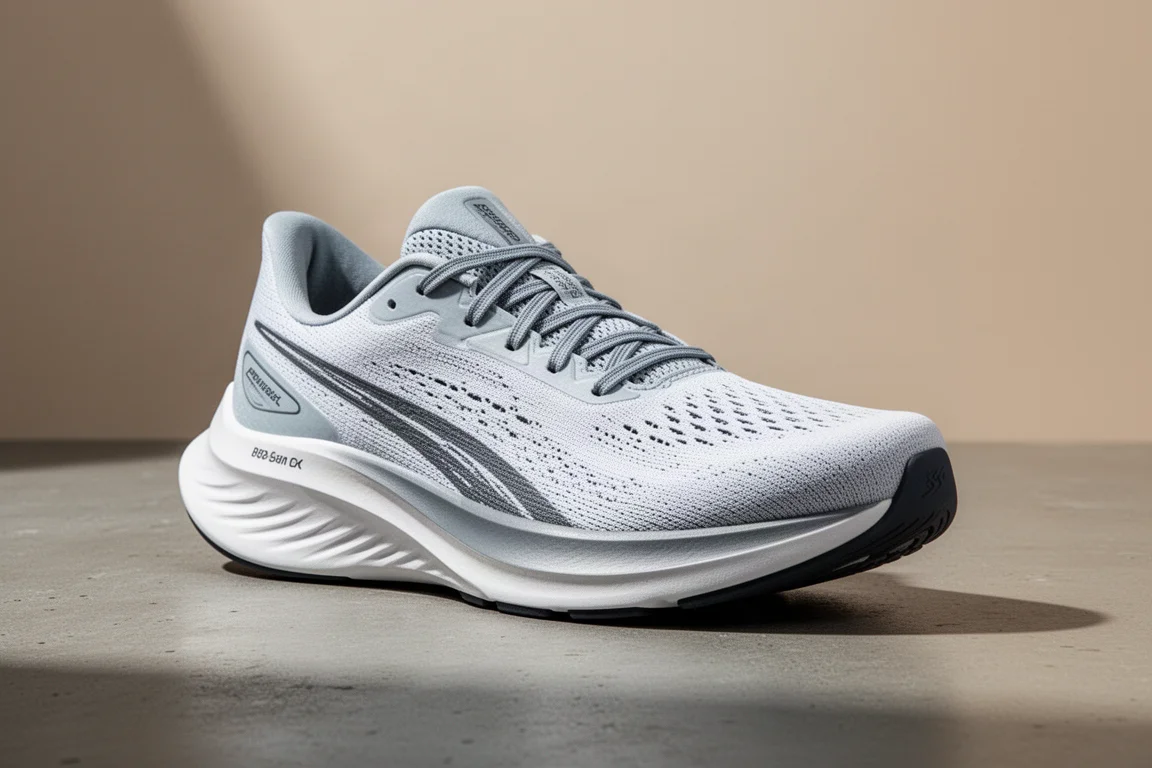
Head to Head: What Actually Separates Them
The two shoes overlap more than their different constructions suggest. Both can handle daily miles, both can hang at half-marathon-pace efforts, and both have good grip, with ASICS grip on one and Puma grip on the other. The real differences come down to fit, geometry, and intent.
The Deviate Nitro 4 has the better upper: softer, roomier, and more comfortable for long wear. It feels more like a daily shoe with workout capability thanks to the plate. The Mega Blast is lighter despite carrying about 7 mm more foam in a chunkier heel, and it is the better pick for pure distance work. On the treadmill at marathon pace, both were excellent; on the long run, the Mega Blast earns the nod. Styling is subjective, though the Mega Blast’s purple colorway draws a fair amount of affection, and the Deviate’s design language reads more distinctly modern.
Buying Advice: Which One Fits Your Training
If the priority is long runs and marathon training, the Mega Blast is the safer bet. If the priority is a comfortable daily trainer that also handles structured workouts at faster paces, the Deviate Nitro 4 makes a stronger case, and it is the more affordable of the two by a meaningful margin. Price-sensitive buyers get a lot of the Mega Blast’s versatility for noticeably less. Both grips are dependable, so it really comes down to geometry, price, and the kind of miles you actually run.

Conclusion
These are two of the stronger options in the super trainer space, and they earn their spots for different reasons. The Deviate Nitro 4 is the smooth, cushioned, do-everything trainer with a plate that never gets in the way. The Mega Blast is the minimalist maximalist: one foam, a huge stack, and a bouncy ride built for distance. Choosing between them is less about which is better and more about which gap in your rotation needs filling.
Further reading
Related Reviews

Running Shoes
Best Road-to-Trail Running Shoes: Three Versatile Options for Mixed Terrain
A practical guide to three road-to-trail running shoes that handle both pavement and mild trails, with clear strengths and trade-offs for different runner types.

Running Shoes
Best Running Shoes for Achilles Tendonitis: Three Options Explained
Three running shoes with different heel drops and support features designed to help reduce Achilles tendon pain during walking and running.

Running Shoes
Best Running Shoes for Women: Five Top Choices Ranked
A ranked guide to five women's running shoes, from versatile daily trainers to high-performance racing options, with real strengths and trade-offs for each.