Running Shoes
Puma Deviate Nitro 4 vs Adidas Adizero Evo SL Woven: Two Speed Trainers, One Clear Choice
A head-to-head look at two of the most talked-about plated daily trainers, covering comfort, geometry, grip, weight, and which shoe belongs in your rotation.
Introduction
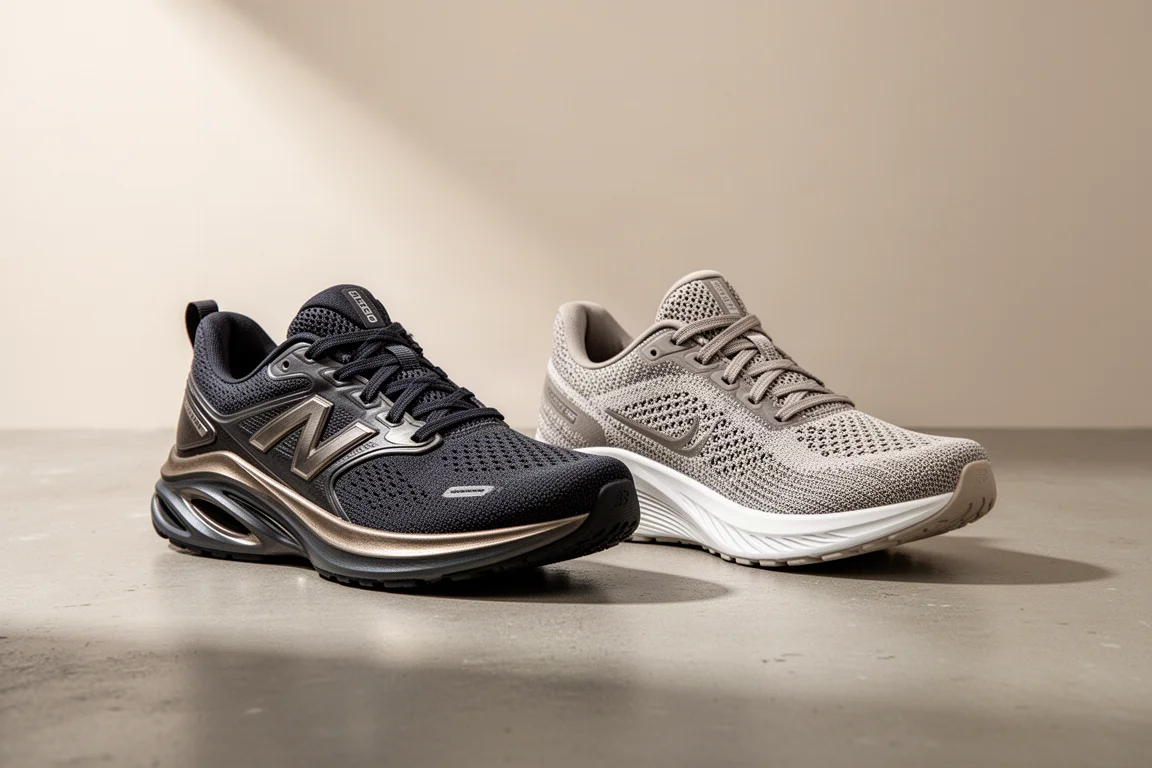
Two new releases, two very different takes on the speed trainer. The Puma Deviate Nitro 4 and the Adidas Adizero Evo SL Woven sit in the same category, cost within ten dollars of each other, and use race-grade foam in both cases. That is roughly where the similarities end.
The Deviate Nitro 4 is the newer release and has quickly earned its place as a top pick in the plated daily trainer and super trainer space. The Evo SL Woven is a refreshed version of a community favorite, swapping in a woven upper with a speedier race fit while keeping the rocker geometry and race foam that made the original popular. Having run serious mileage in both, here is how they stack up.
Evaluation Criteria
This comparison focuses on the things that actually decide a purchase: underfoot comfort, ride geometry, stability, grip, weight, and how each shoe performs at different paces, from daily miles to true workouts and long runs.
One important caveat on the Evo SL Woven: Adidas quality control has been a recurring topic among runners, and this shoe is a prime example. Some people find it firm, flat, and lifeless; others find it soft and bouncy. The same version of Lightstrike Pro has shown variation across generations of Adidas shoes, and pairs are produced in different factories across multiple countries. This particular woven pair ran noticeably softer than two previous pairs of the standard Evo SL, which changes the comparison considerably.
Two Shoes, Two Philosophies
Both shoes are built around race foam and speed capability, but they get there differently. The Evo SL is one hundred percent Lightstrike Pro with an aggressive rocker that gets you up on your toes and propels you forward through the curvature of the sole. The Deviate Nitro 4 uses a dual foam setup with a carbon fiber plate: a soft, bouncy top foam layered over an impact-absorbing bottom foam. It is a formula that has been on the market for years, appearing in shoes like the Zoomfly and the Boston, but Puma has executed it exceptionally well here.
Stack heights are very similar at around 37mm for both. Weight is not: the Deviate Nitro 4 comes in at 262g, the Evo SL Woven at around 250g, so the weight nod goes to the Evo. Neither shoe is a true recovery run shoe, but the Evo feels a touch more protective in the forefoot for slower miles.
Puma Deviate Nitro 4: Comfort That Earned Its Miles
The Deviate Nitro 4 is a shoe that is so solid it becomes genuinely great. It is not a wild, bouncy ride that blows you away on the first stride. Instead, it is a pleasant, easy-to-run-in experience with excellent stability, and that is exactly what makes it a standout.
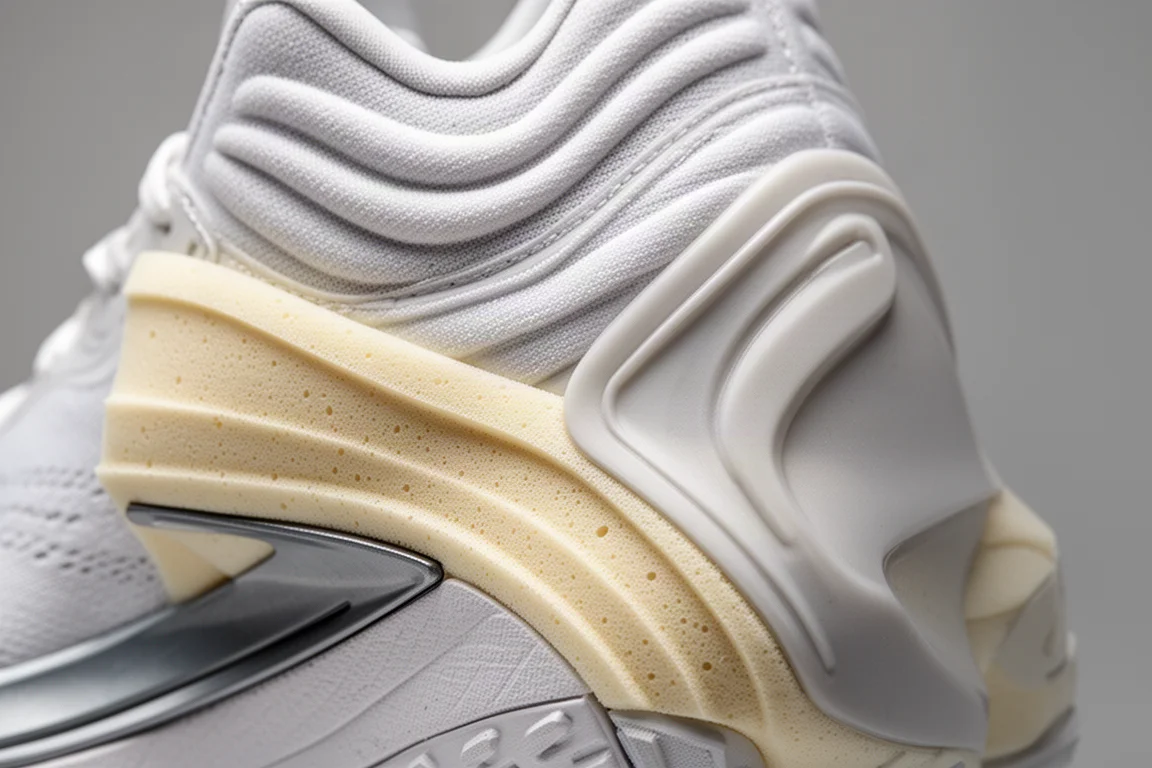
Comfort is where it separates itself. Among plated super trainers, it may be the most comfortable on the market. Puma wrapped the foam around the back of the shoe to create a solid, stable base, and the bottom foam is excellent at impact absorption without slowing you down: a gentle feel at heel strike with a responsive pop when you push off the midfoot. The upper is one of the best on any training shoe, with more length and width than you might expect. Despite Puma’s long-standing reputation for narrow toe boxes, the Deviate Nitro 4 is actually wider across the forefoot than the Evo SL, by nearly 10mm at the same measured spot, and it fits a touch big.
Where it performs best is at marathon pace and steady tempo effort, around 6:30 to 6:50 pace for a typical runner. It is surprisingly strong in true workouts, including marathon-pace intervals, thanks to the carbon plate with race foam on top. What it is not: a track shoe for ripping 200s, and not ideal for driving hard off the forefoot. It is a steady, midfoot-oriented tempo shoe, and a 20-mile long run in it felt less than ideal for relaxed miles because of the firmer forefoot protection.
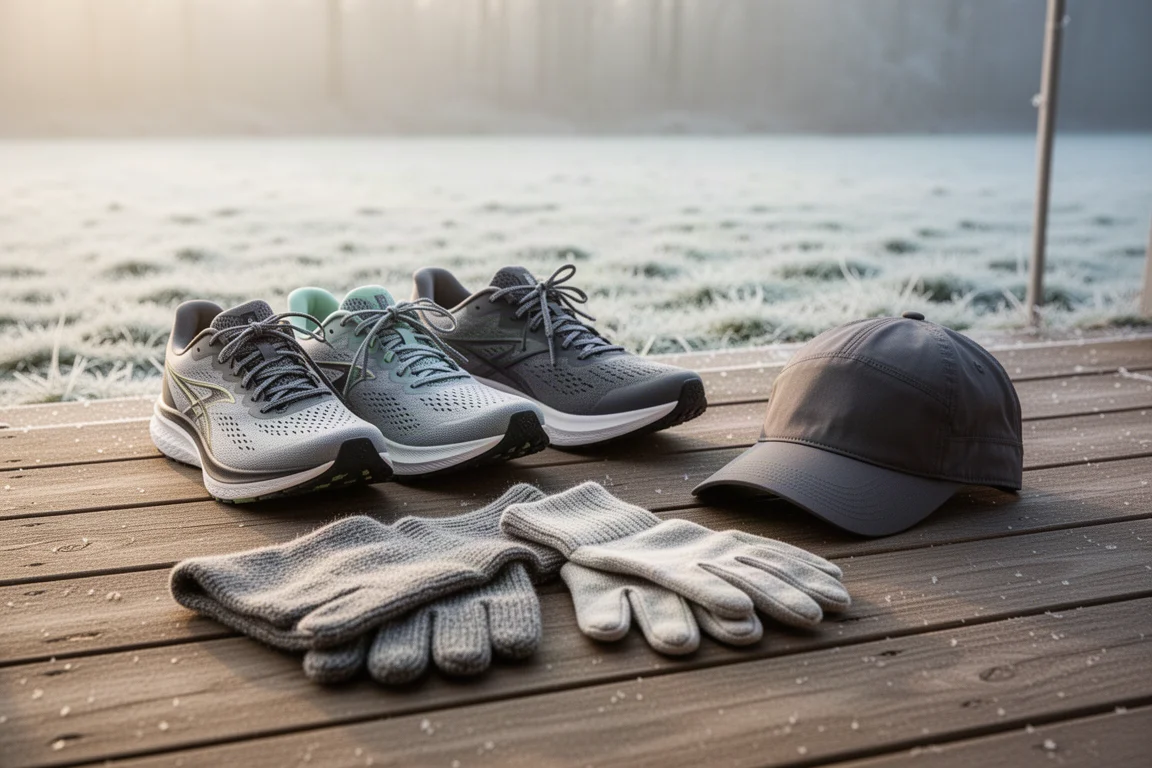
Grip is a genuine strength. Puma’s grip compound is arguably the best on the market for winter conditions, laid out with a generous tread pattern and aggressive teeth that bite into slick ground. It proved reliable on icy roads, consistent with how similar Puma outsole layouts have performed in snow across other models.
Adidas Adizero Evo SL Woven: Bounce With a Catch
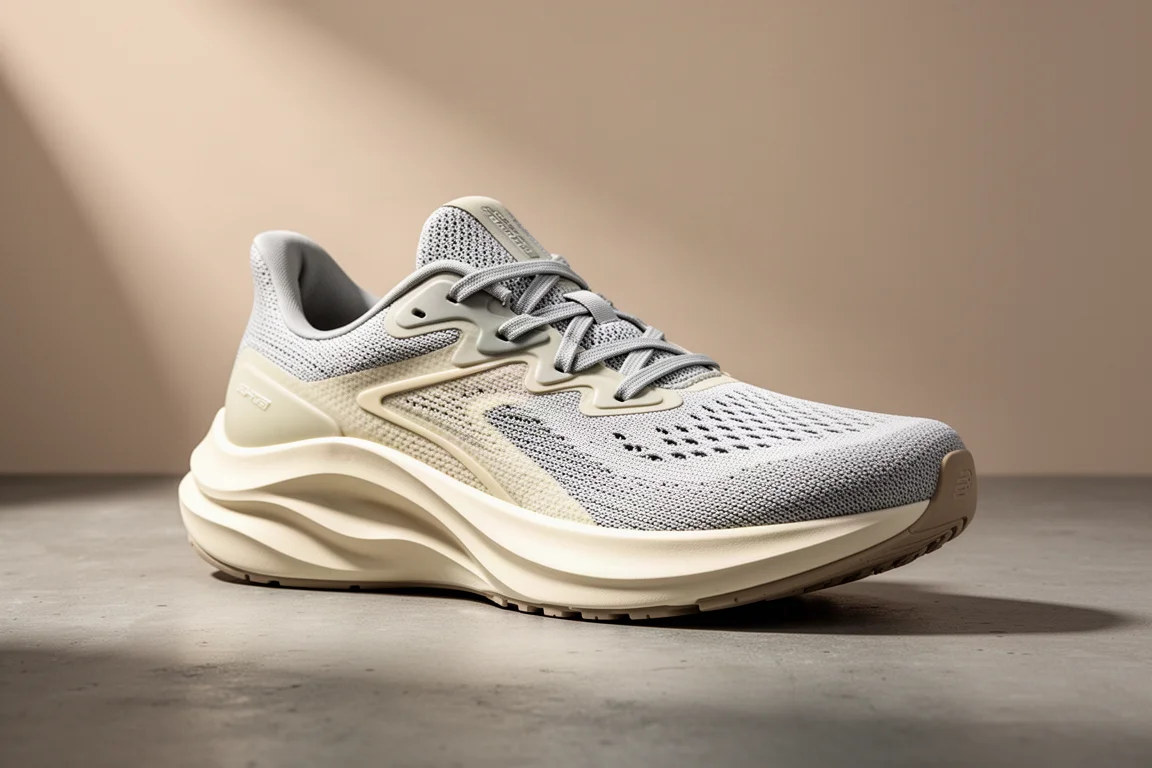
The Evo SL’s core appeal is simple: a $150 shoe with full race foam and a nice rocker, and the standard version can now be found for around $100, which is a genuinely good deal for what you get. When you put power down off the front, you get real bounce, and the shoe is decently lightweight at around 250 grams.
The woven version’s upgrade is the upper. It is more dialed than the standard version, with a speedier race fit, and it locks the foot in securely. That secure fit also tames the instability of the heel somewhat, which matters because the rearfoot geometry is the shoe’s weak point. The heel has a cutout that can create a rolling effect, and the geometry very much wants you to land on the forefoot or cleanly on the heel. Landing flatfooted does not feel good, and that geometry is what has historically kept this shoe out of the daily trainer conversation for some runners.
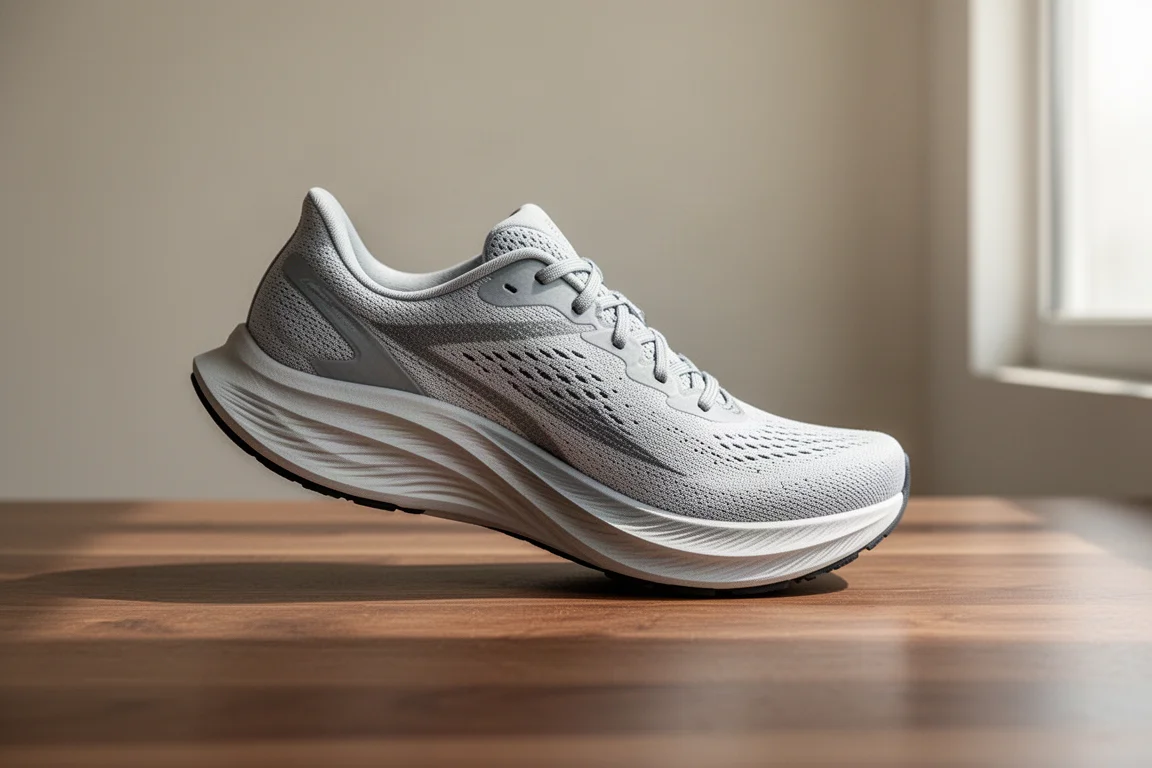
The interesting twist from recent testing: this woven pair felt significantly softer than previous pairs, bordering on mushy at points, even in sub-freezing temperatures where you would expect the foam to firm up. With that softer feel, the shoe becomes a much more pleasant daily trainer, closer to the Deviate Nitro’s comfort level. It also handles long runs well; a 30-mile long run has been done in this shoe, and the Evo takes the long run category between these two thanks to its better forefoot protection at slower paces.
Two weaknesses to know. First, firm feel: even just standing in it, the Evo feels notably firmer underfoot than the Puma, and if you get one of the firmer batches, it can feel flat and lifeless. Second, grip: Continental rubber is a strong compound, arguably second best, but it is laid out in a flat format without teeth. On ice, no compound grips well if the layout cannot bite into the surface, and that gives the nod to Puma here.
Head to Head Summary
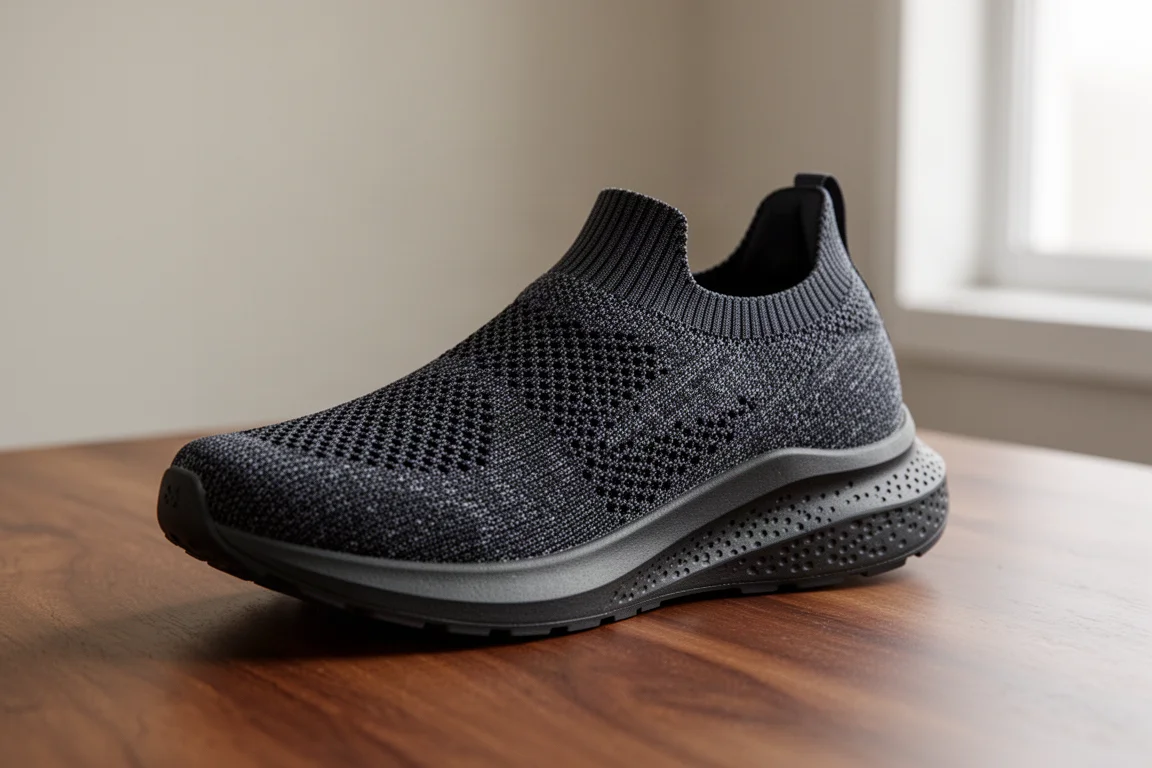
Comfort and stability go to the Deviate Nitro 4, and it is not close on step-in feel. Firmness and weight go to the Evo SL, which also gets you up on the forefoot quicker. Grip is nearly a tie with a slight edge to Puma. True workouts, especially tempo and interval efforts in the sixes and sevens, go to the Deviate Nitro 4. Long runs go to the Evo. Daily miles are a genuine toss-up; most people will lean Evo because it lacks a plate, but it has proven less consistent, while the Deviate has delivered more quality runs reliably. Foam feel is softer in the Deviate Nitro 4, even accounting for the softer woven pair. Geometry is the final decider: aggressive and rocker-driven in the Evo, adaptive and stable in the Puma.
Buying Advice: How to Choose Between Them

Choose by your number one priority. If true workouts are the goal, ripping 800s, mile repeats, and tempos, the Deviate Nitro 4 is more than enough shoe, and the carbon plate with race foam on top earns it. If longer runs and slower tempo work matter most, the Evo SL takes it. For daily miles, both work, but the Puma is the more reliable and more comfortable pick out of the box.
On price, the gap is small at $170 for the Deviate Nitro 4 versus $160 for the Evo SL woven, so cost alone should not decide it. However, if you already know you get along with the Evo, the standard version can be found discounted to around $100, and for fans of the original upper that is the smarter buy. The woven version mainly makes sense if you care about the improved upper and race fit.
Conclusion
These two shoes are more similar than they are different, and you honestly cannot go wrong with either. But the overall pick here remains the Puma Deviate Nitro 4: the more comfortable, more stable, more consistent shoe that handles true workouts better, with the best winter grip in the category. The Evo SL Woven is a genuinely pleasant surprise with its softer foam and dialed upper, and worth more miles to see if it keeps climbing, but the Puma is the safer bet for most rotations.
Further reading
Related Reviews

Running Shoes
Best Road-to-Trail Running Shoes: Three Versatile Options for Mixed Terrain
A practical guide to three road-to-trail running shoes that handle both pavement and mild trails, with clear strengths and trade-offs for different runner types.

Running Shoes
Best Running Shoes for Achilles Tendonitis: Three Options Explained
Three running shoes with different heel drops and support features designed to help reduce Achilles tendon pain during walking and running.

Running Shoes
Best Running Shoes for Women: Five Top Choices Ranked
A ranked guide to five women's running shoes, from versatile daily trainers to high-performance racing options, with real strengths and trade-offs for each.