Running Shoes
Puma Deviate Nitro 3 vs Saucony Endorphin Speed 4 vs ASICS Magic Speed 4: Best Tempo Trainer Compared
Three of the best tempo and workout shoes in running right now, compared on foam setup, plate feel, ride character, and price.
Introduction
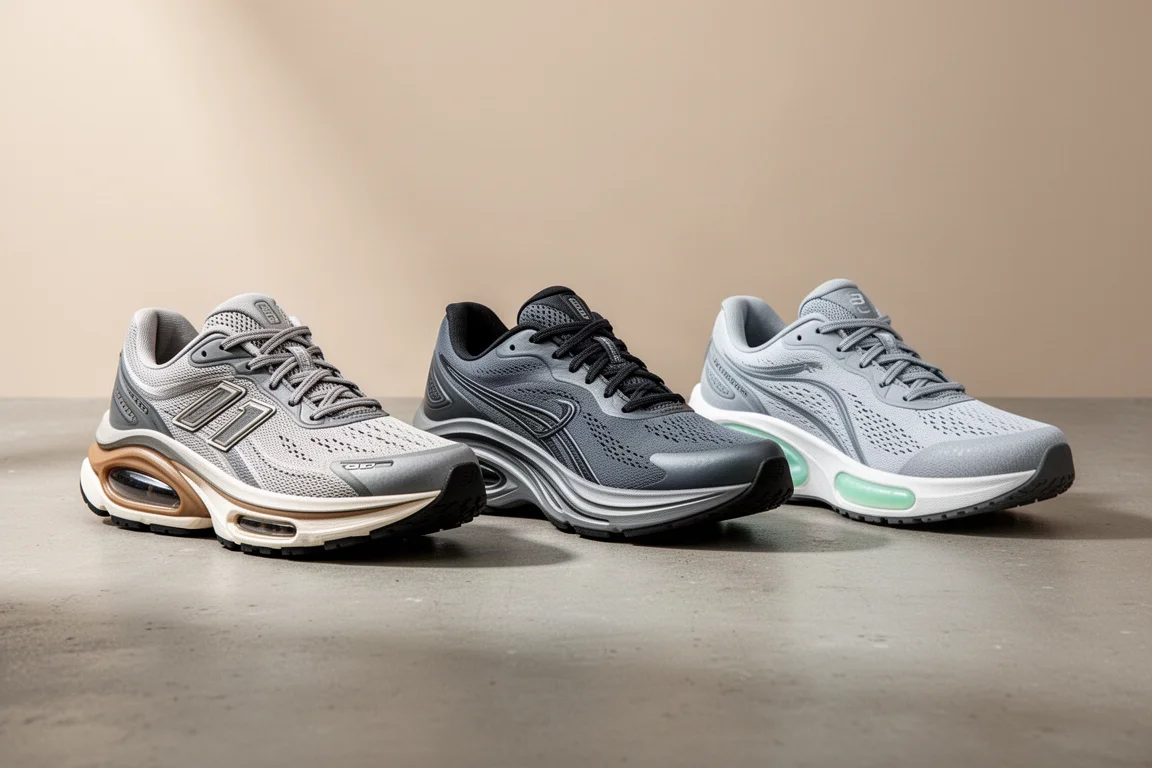
The tempo and workout trainer category is one of the most competitive spaces in running right now, and three shoes sit right at the top of it: the Puma Deviate Nitro 3, the Saucony Endorphin Speed 4, and the ASICS Magic Speed 4. All three blend premium foam with a plate, all three can handle a mix of daily miles and faster work, and all three cost less than a full racing shoe.
The Puma Deviate Nitro 3 in particular builds on a predecessor that many runners considered a shoe of the year contender. Puma kept the core formula and refined it rather than reinventing it, and the result is a shoe that leans firmer, faster, and more aggressive than before.

This comparison breaks down how each shoe is built, how it runs, and which type of runner each one suits best.
How the Three Shoes Compare on Paper
All three shoes follow a similar blueprint: a base layer of everyday training foam, a top layer of premium racing-level foam, and a plate in between. The differences show up in the details.
The Deviate Nitro 3 uses a 39 mm heel stack with a 10 mm drop (29 mm in the forefoot), pairing Puma’s nitrogen-infused Nitro foam underneath with a premium foam top layer and a carbon-infused Pwrplate. It weighs a respectable 265 g (9.3 oz).
The Endorphin Speed 4 uses all premium racing-level foam with a nylon plate, making it less rigid than a carbon-plated option. The Magic Speed 4 combines daily training foam with a top layer of premier racing foam in the forefoot and a carbon fiber plate, giving it a very similar paper setup to the Deviate Nitro 3.
Puma Deviate Nitro 3
Puma didn’t mess with a good thing here. The two-foam formula carries over from the Deviate Nitro 2: a base of Nitro foam, Puma’s nitrogen-infused super critical foam used throughout its daily training line, topped with the previous generation of Nitro Elite foam. Puma simplified the badging this year, writing only “Nitro” on the shoe, partly because the Nitro Elite foam itself has been upgraded to an aliphatic TPU compound in shoes like the Fast-R 2 and Deviate Nitro Elite 3.
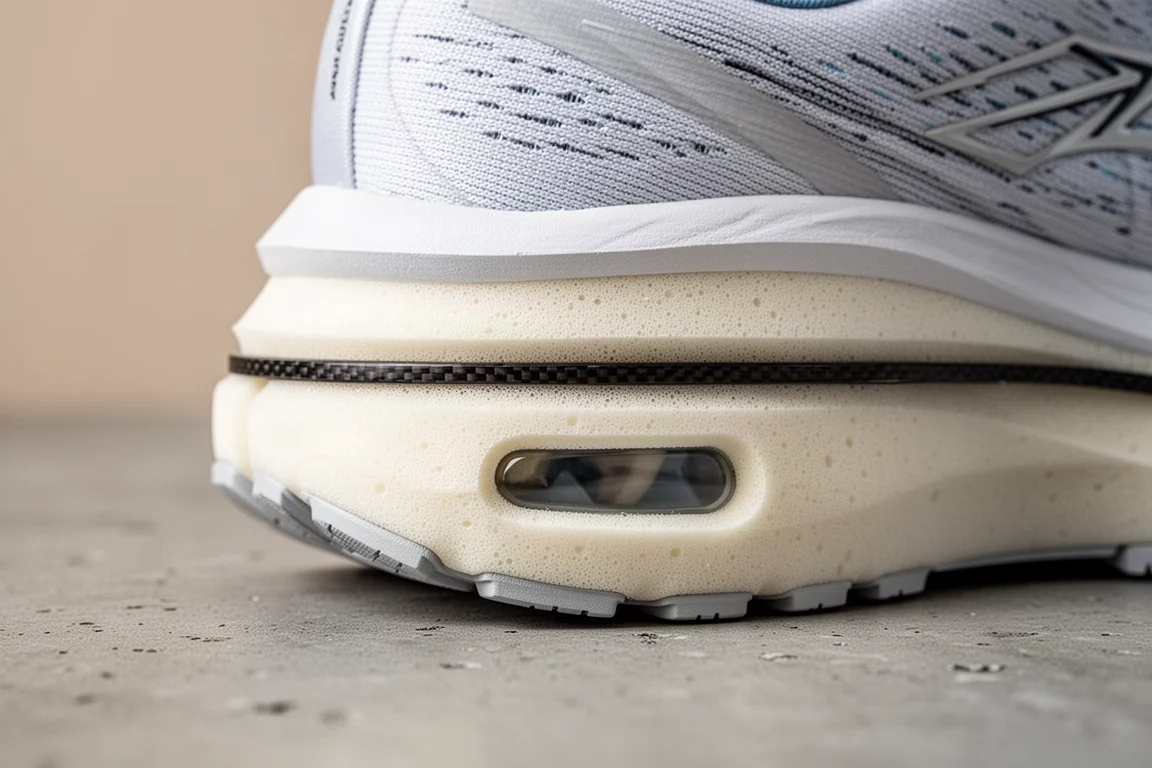
A few tweaks set the Nitro 3 apart from its predecessor. The heel drop moved to 10 mm, and the base Nitro foam now extends further up the length of the shoe, so you land on more of it. The outsole pattern is updated and looks fresher and more modern, with Puma’s durable, grippy rubber carried over. One quirk: the window into the power plate is larger this year, which can act as a rock magnet if pebbles stuck in your outsole are a recurring problem.
The upper is the most comfortable update here. The engineered knit is softer and more breathable than before, and the fit is true to size, though slightly more snug than the Nitro 2. If you sometimes go up a half size, do it here, especially for long runs where your feet swell.
On the road, the summary is simple: an evolution, not a revolution. It shines when you pick up the pace. Threshold repeats and workouts are where the firmer, more responsive ride really delivers, and it’s a genuinely fun shoe to run fast in. It works for daily training if you like a firmer shoe, but long runs are where the added firmness is least desirable. At $160, it’s also a strong value, and discounted pairs of the still-excellent Deviate Nitro 2 (found for as low as $128 in some sizes and widths) make a great entry point before upgrading.
Saucony Endorphin Speed 4
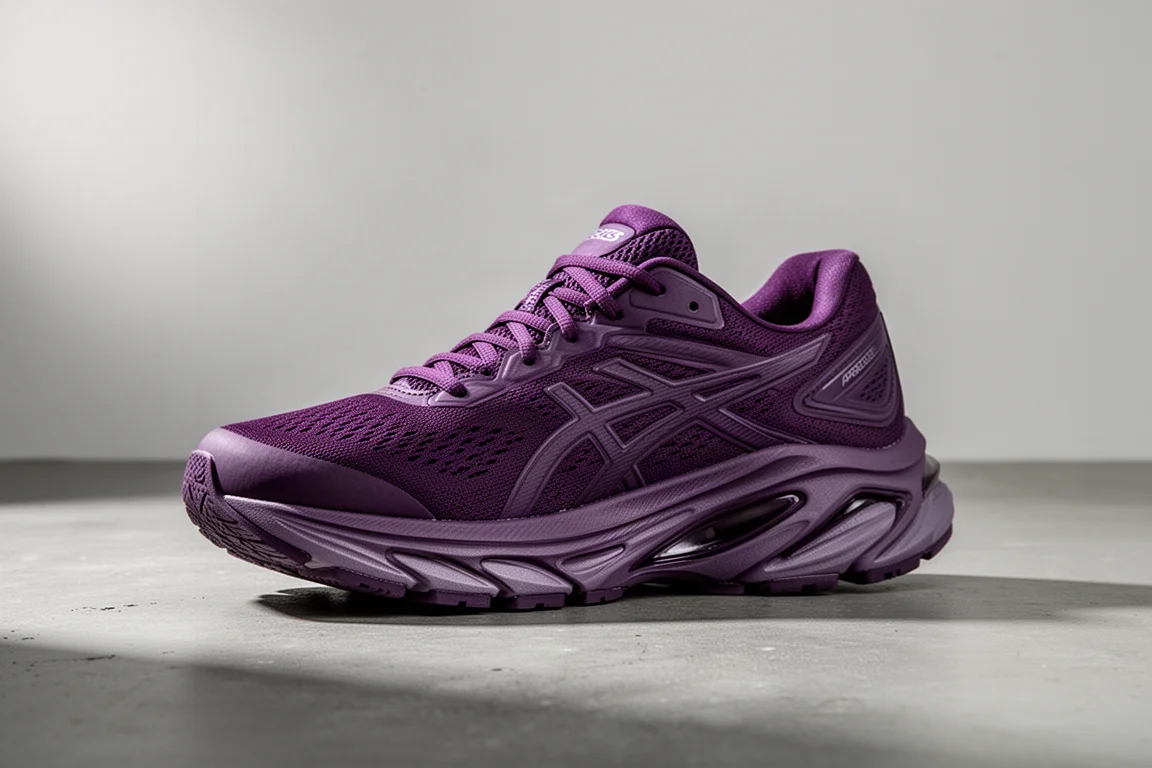
The Endorphin Speed 4 is another class leader for workouts and everyday paces. Its defining trait is the foam: full premium racing-level foam underfoot, with a nylon plate rather than a carbon one. That makes it noticeably less rigid than the power plate in the Deviate Nitro 3.

In practice, the Endorphin Speed 4 is the softest and most forgiving of these three shoes. It handles long runs and everyday paces a little better than the Deviate Nitro 3, though it gives up some of that aggressive pop when you push the pace in a workout. It retails at $170, ten dollars more than the Deviate Nitro 3.
ASICS Magic Speed 4
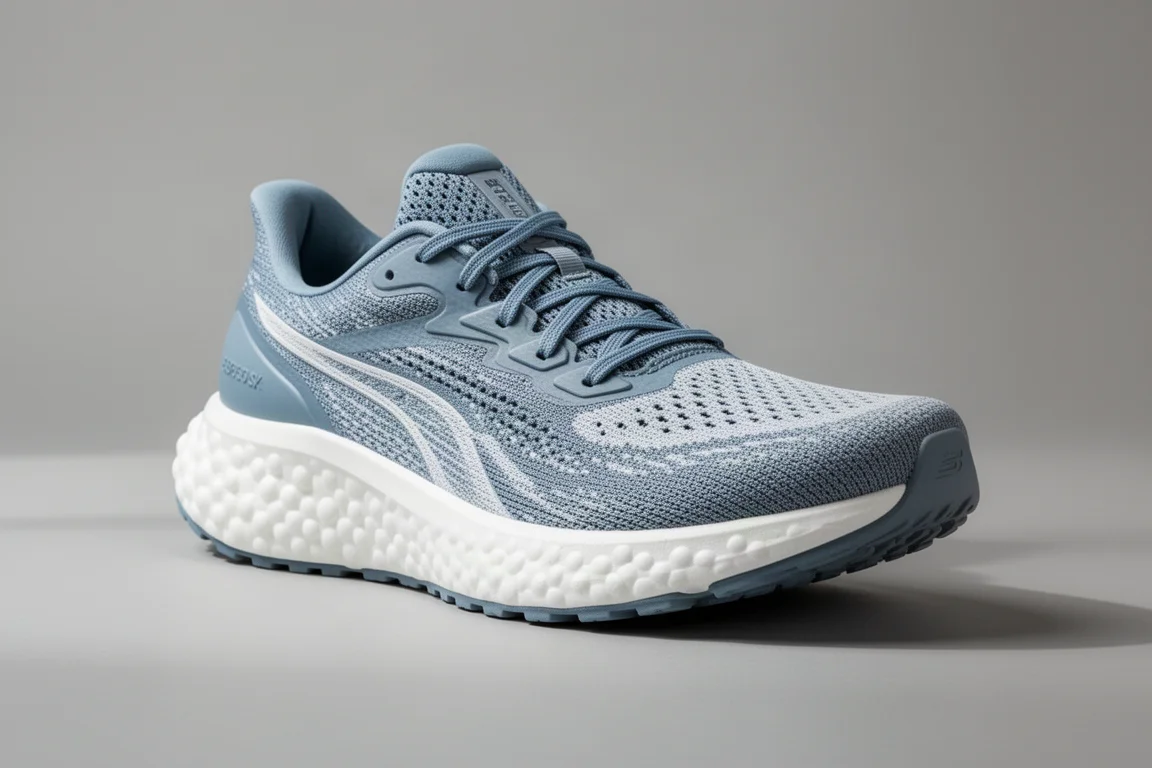
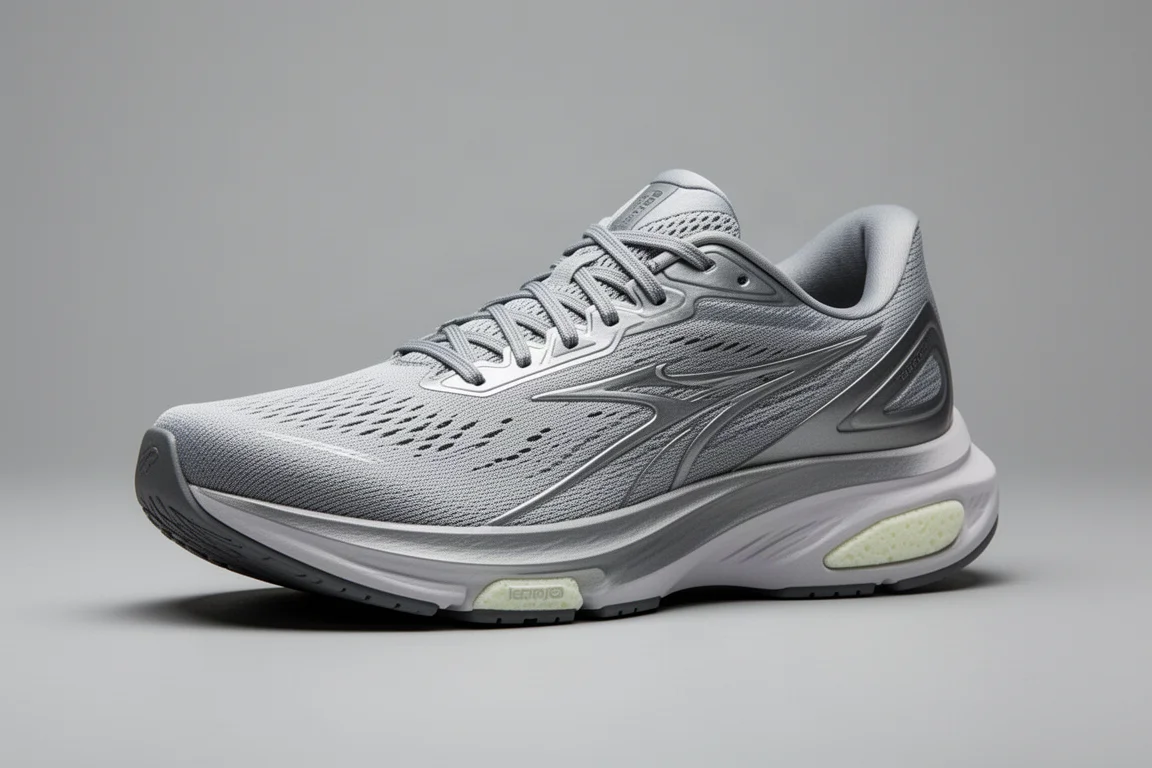
The Magic Speed 4 sits deliberately in the middle of this trio. On paper it closely mirrors the Deviate Nitro 3: daily training foam with an insert of premier racing foam in the forefoot, plus a carbon fiber plate.
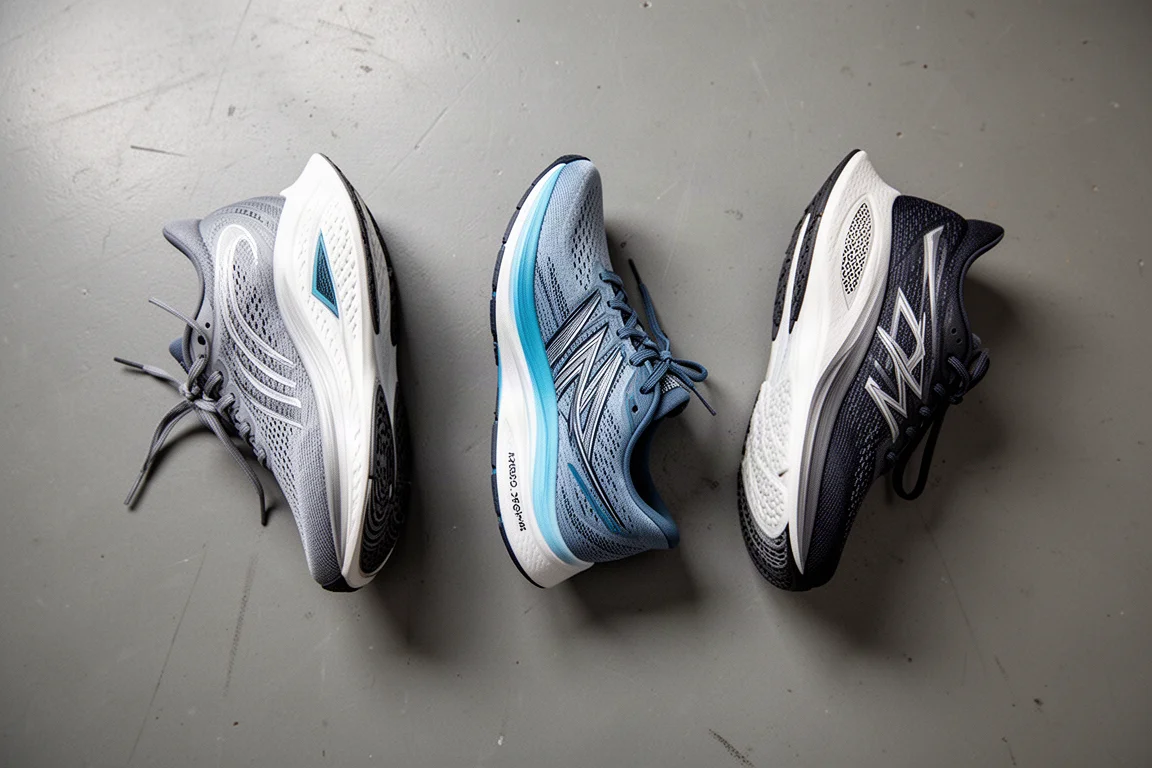
In feel, it’s firmer than the Endorphin Speed 4 for daily training miles, but less aggressive than the Deviate Nitro 3 in workouts. If you want one shoe that genuinely splits the difference between the other two, this is the one. It also retails at $170, ten dollars above the Deviate Nitro 3.
Buying Advice: Which One Should You Pick?
The best shoe among these three depends entirely on the kind of running you plan to do in it.
Choose the Puma Deviate Nitro 3 if your priority is fast work. It’s the most aggressive of the three, excellent for threshold repeats and tempo days, and very capable for marathon efforts. Many runners will also enjoy it for daily training if they prefer a firmer ride. At $160, it undercuts both rivals, and the Deviate Nitro 2 remains a great discounted alternative in the same family.
Choose the Saucony Endorphin Speed 4 if you want a softer, more forgiving shoe that can still handle workouts. It’s the best of the three for long runs and everyday paces, with the trade-off of a less rigid plate.
Choose the ASICS Magic Speed 4 if you want the middle ground: firmer than the Endorphin Speed 4 when cruising, less razor-sharp than the Deviate Nitro 3 when pushing hard.
Conclusion
All three of these shoes earn their place at the top of the tempo trainer class. The Deviate Nitro 3 refines an already great formula into something faster and more exciting for workouts, the Endorphin Speed 4 remains the softest and most versatile of the group, and the Magic Speed 4 splits the difference convincingly. Match the ride character to your training, and any of the three will be a rewarding pick.
Further reading
Related Reviews

Running Shoes
Best Road-to-Trail Running Shoes: Three Versatile Options for Mixed Terrain
A practical guide to three road-to-trail running shoes that handle both pavement and mild trails, with clear strengths and trade-offs for different runner types.

Running Shoes
Best Running Shoes for Achilles Tendonitis: Three Options Explained
Three running shoes with different heel drops and support features designed to help reduce Achilles tendon pain during walking and running.

Running Shoes
Best Running Shoes for Women: Five Top Choices Ranked
A ranked guide to five women's running shoes, from versatile daily trainers to high-performance racing options, with real strengths and trade-offs for each.