Running Shoes
Puma Deviate Nitro 3 vs Rivals: Four Plated Trainers Compared
The Deviate Nitro 3 goes up against the Adidas Boston 12, Saucony Endorphin Speed 4 and the Kailu Run K D900 X LD to see which plated trainer deserves your money.
Introduction
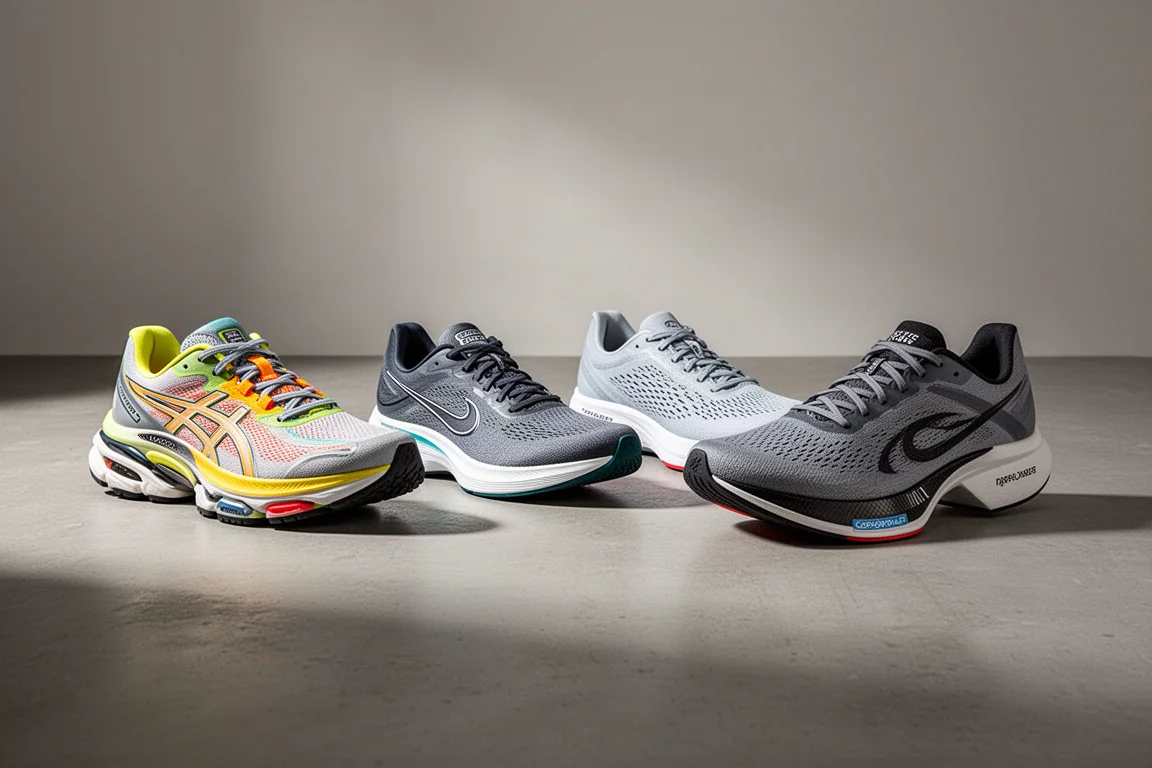
The Puma Deviate Nitro 3 is a plated daily trainer that walks a careful line between cushioning and stability. It sits in a crowded market segment, so the real question is how it stacks up against its closest competitors: the fan-favourite Adidas Boston 12, the super-ish Saucony Endorphin Speed 4, and another plated option, the Kailu Run K D900 X LD. All four look reasonably similar on the surface, but dig a little deeper and some subtle but meaningful differences emerge.
At a Glance: The Numbers
The Deviate Nitro 3 and the Boston 12 are strikingly close in spec. Their heel and forefoot stack heights are nearly identical, and both come in at around £140 in the UK. Of the four shoes here, the Puma is the heaviest at about 318g, with the Boston 12 just under 300g, the Endorphin Speed 4 lighter again, and the K D900 X LD the lightest of all at roughly 244g. That is a shoe lighter than several dedicated race shoes.
The Endorphin Speed 4 has the widest surface area of the group thanks to a much expanded heel, which adds more stability cues than previous versions. Notably, all four midsoles measure around 25 on the durometer softness scale, below the 28 average across tested shoes, so every model here is genuinely soft and forgiving underfoot.

Puma Deviate Nitro 3 vs Adidas Boston 12
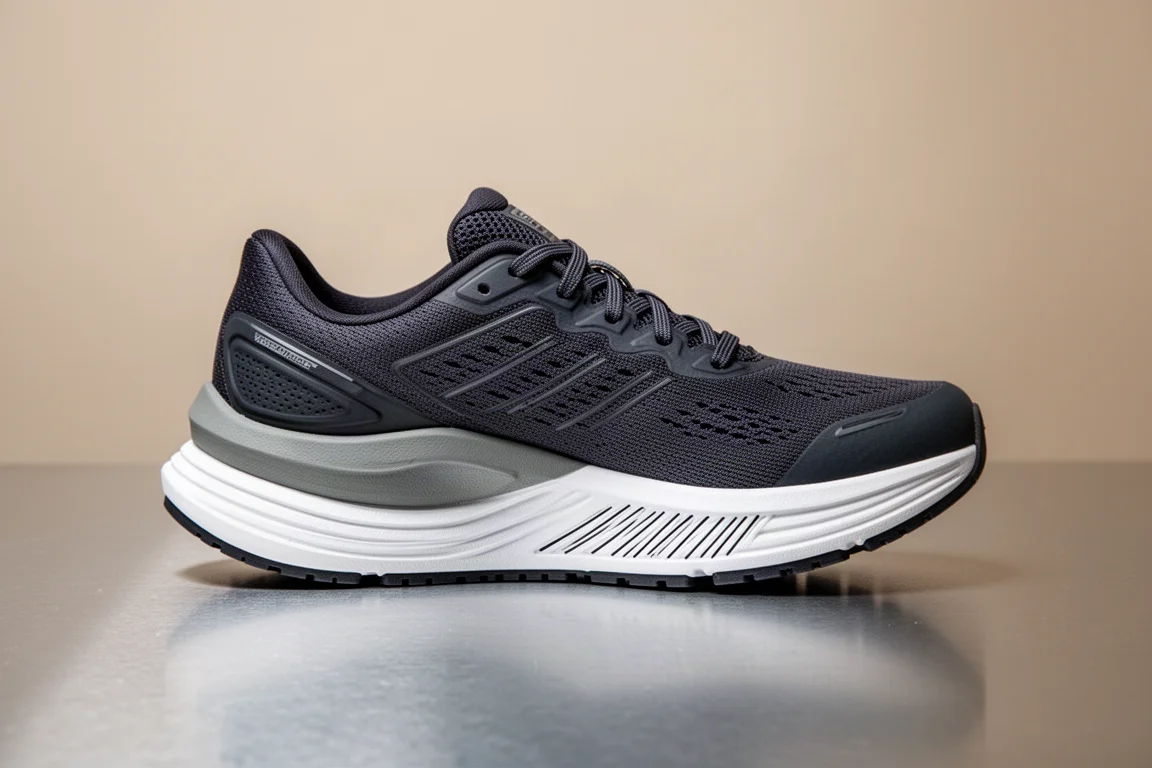
These two fit the same category very closely. Grip is superb on both: Puma’s own compound on the Deviate Nitro 3 and Continental rubber on the Boston 12 are arguably top of the tree, with the Puma’s application perhaps a touch thicker.
Adidas made the Boston 12 a little lighter this year, which makes it more versatile and puts it back in the frame as a marathon race option for some runners. It is slightly wider in the forefoot but much narrower in the heel, and the front of the shoe feels softer and less rigid than the Puma, likely thanks to the glass fibre energy rods. The Deviate Nitro 3’s split plate is a little more prominent, which is not always ideal for a daily-use shoe. The Boston simply feels more natural through the forefoot rocker and lets the foot flex more.
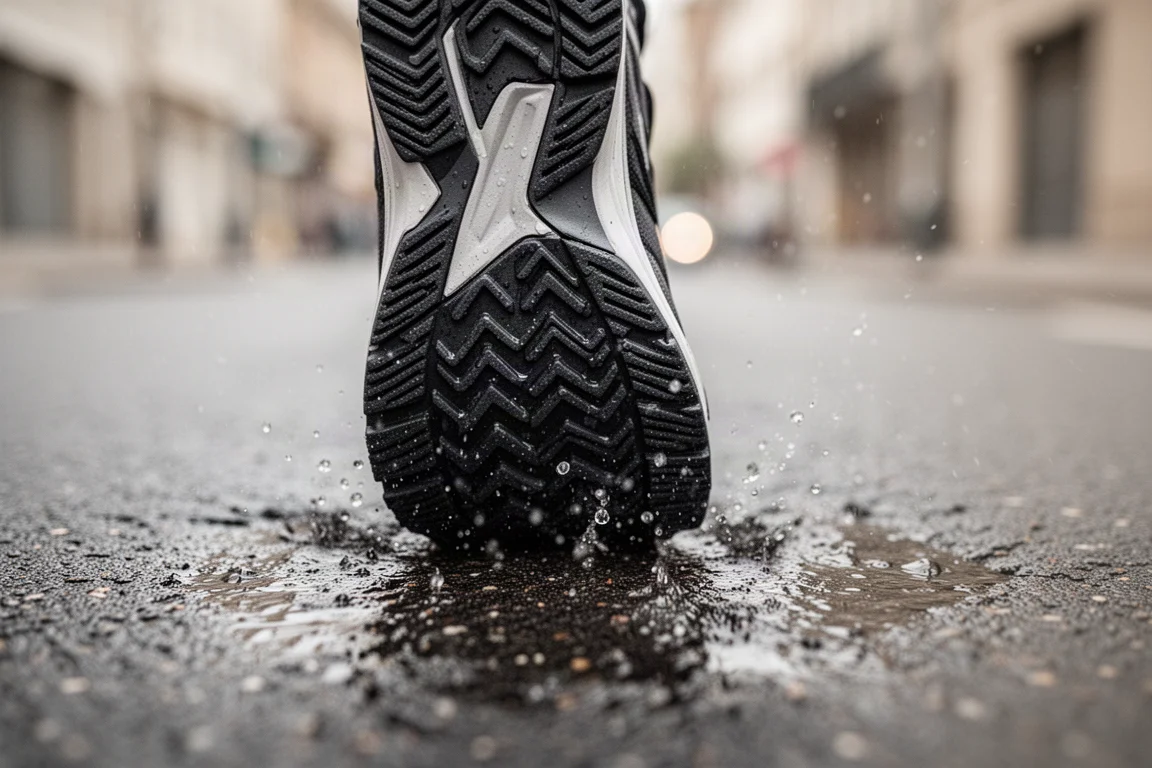
Puma’s Nitro and Nitro Elite foams are excellent: very cushioned and resilient over time. Over a range of paces, though, the Boston hits the spot, with a slightly better midsole and outsole combination. The tables turn on the upper: the Puma is more traditional and standard, while the Boston 12’s lace loops are an acquired taste. If you prefer an old-school running shoe feel, the Puma may appeal more.
There is very little between them, but the Boston edges it by a hair: slightly more versatile, a touch cheaper, and a little softer and more forgiving up front.
Saucony Endorphin Speed 4
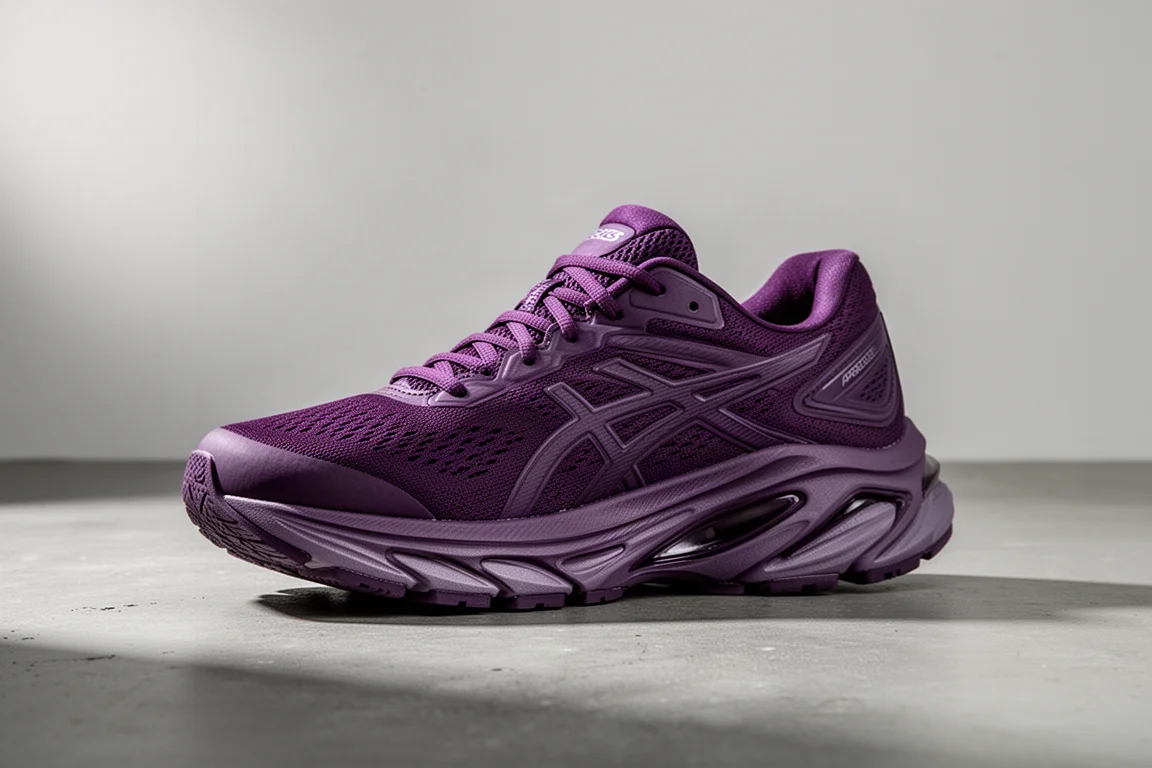
Saucony made a small but effective change this time with new, slightly less flexible laces, which has had a real benefit to performance. Against the Puma, the Endorphin Speed 4 feels much lighter on foot, about a 40g difference despite less forefoot width in the Puma. The Deviate Nitro 3 carries noticeably more heft in the outsole, while the Saucony feels nimbler, more compressive and easier to pick up the pace in. It feels more like a race shoe than the Puma does, and slightly more versatile across the pace range.

If you occasionally take in light trails, the ridged outsole of the Puma offers more midsole protection. Saucony has improved grip on the Speed 4 with a more aggressive pattern and tougher rubber, though the rear of the shoe will still take some punishment. The Speed 4’s upper is more bare-bones with very light overlays and strong breathability, whereas the Puma has a plusher, more luxurious vibe and a slightly thicker heel over the previous version.
As a daily option, the Puma’s consistent stability could suit heavier runners who need more midsole resilience. The Speed 4 feels like a faster tempo-day shoe that can also handle longer runs and faster intervals, and the nylon plate feels more forgiving and broken in straight out of the box. The catch is price: at around £180 it sits uncomfortably close to super shoe territory, not far off the Deviate Nitro Elite 3. If choosing one pair between the two, the Speed 4 is the more appealing pick, but the price will put some people off.
Kailu Run K D900 X LD
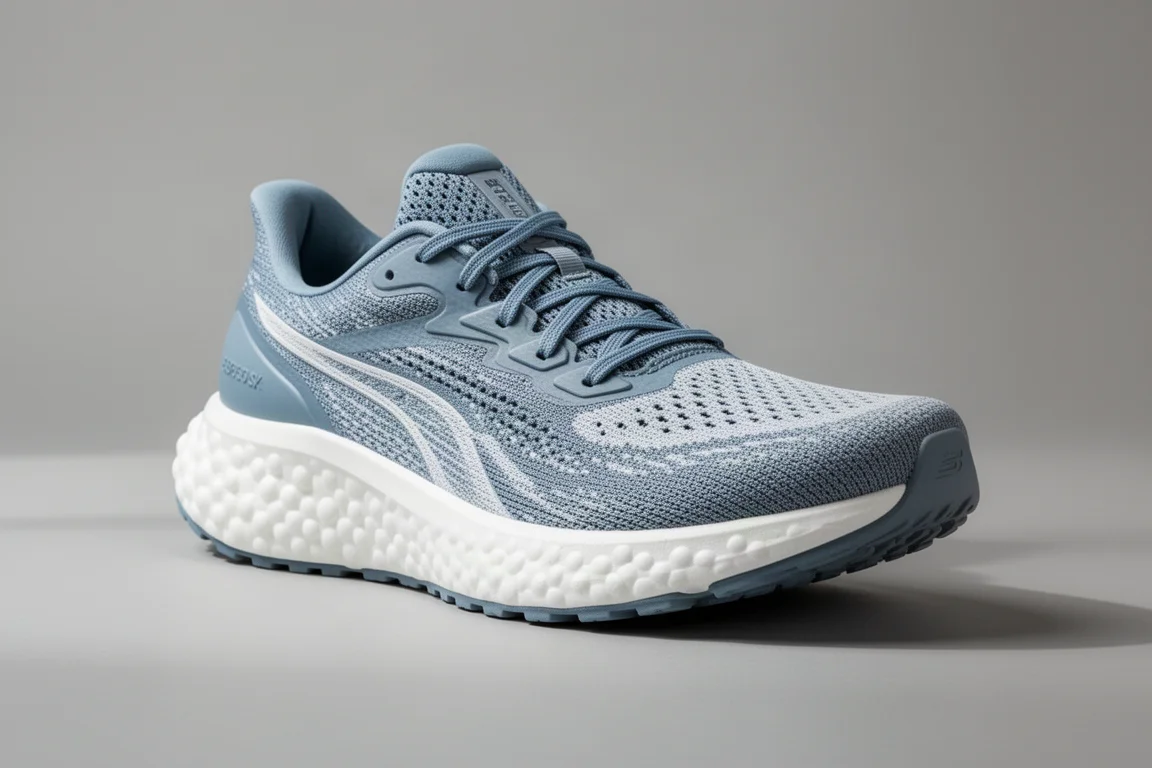
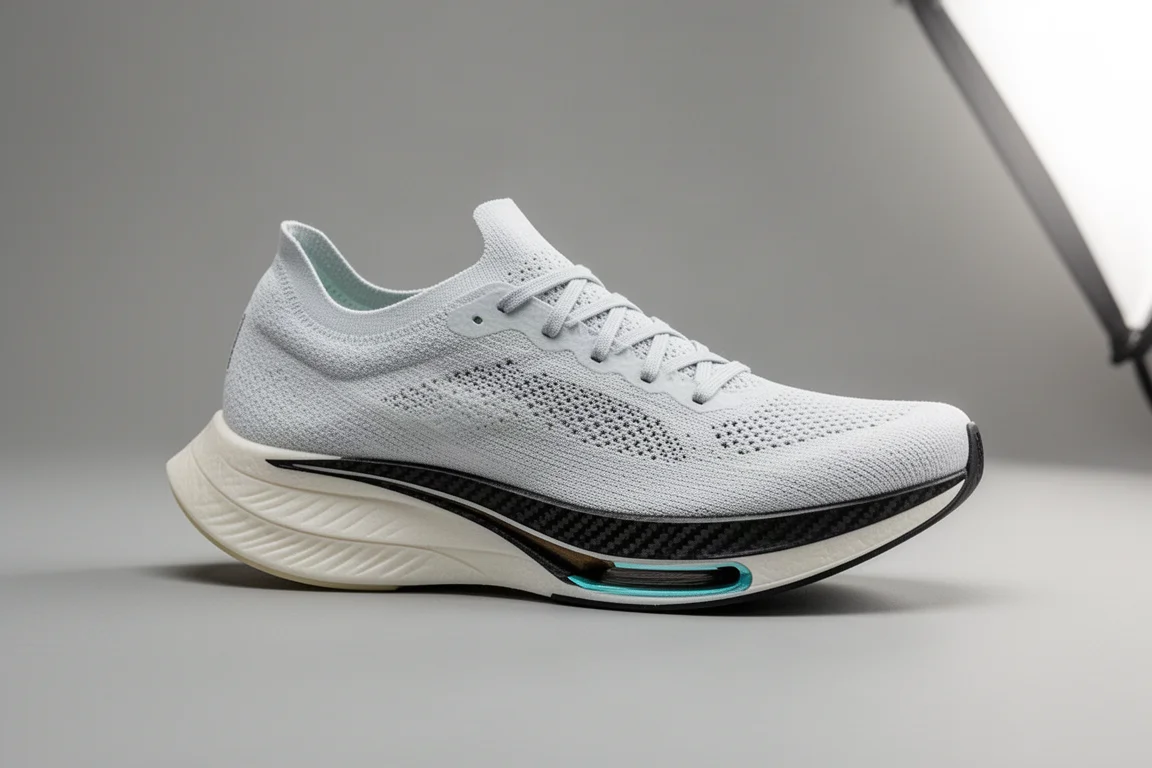
The K D900 X LD is less a daily trainer and more a race option, sitting right in the middle price-wise between the Puma, Adidas and Saucony. It feels light as a feather against the Puma, with a denser, more rebound-like foam that has a lot of bounce. It is very much pitched as a racer, something to match shoes like the Takumi Sen 10.
There is a carbon plate here, but the upper has a strange, very low profile that will not suit everyone. Narrower feet may be fine, though the very flexible heel design is an oddity; all the other shoes here have a reasonably built-up heel with no heel slip. There is nuance still to be worked out in future versions. On foot it feels far nimbler and easier to push to faster paces, with a reasonably thick spread of rubber underfoot despite the featherlike weight.
It feels best at faster paces and is probably not a daily trainer. It may also be too light, streamlined and lacking in stability for some runners over marathon distances. Between the two, the Puma is the safer pick: a more consistent, more comfortable design, an improved upper, and a lower price.
Buying Advice
If you want one do-it-all plated daily trainer, the Boston 12 is the most rounded of the group and the pick by a hair over the Puma. If speedwork and tempo days are your priority and budget allows, the Endorphin Speed 4 is the most exciting of the four, provided you can live with the price. The Deviate Nitro 3 is the best fit for runners who want plushness, stability and a traditional upper, especially heavier runners. The K D900 X LD is the budget-conscious racer for faster days, with some upper fit quirks to accept.
Conclusion
Four plated shoes that look similar on paper deliver quite different experiences. The Boston 12 wins on versatility, the Endorphin Speed 4 on speed and excitement, the Deviate Nitro 3 on comfort and stability, and the K D900 X LD on featherlight race-day value. Match the shoe to how you actually run and none of them will disappoint.
Further reading
Related Reviews

Running Shoes
Best Road-to-Trail Running Shoes: Three Versatile Options for Mixed Terrain
A practical guide to three road-to-trail running shoes that handle both pavement and mild trails, with clear strengths and trade-offs for different runner types.

Running Shoes
Best Running Shoes for Achilles Tendonitis: Three Options Explained
Three running shoes with different heel drops and support features designed to help reduce Achilles tendon pain during walking and running.

Running Shoes
Best Running Shoes for Women: Five Top Choices Ranked
A ranked guide to five women's running shoes, from versatile daily trainers to high-performance racing options, with real strengths and trade-offs for each.