Running Shoes
Puma Deviate Nitro 3 Review: A Smoother, More Comfortable Carbon-Plated Trainer
The third version of Puma's carbon-plated trainer brings a softer, smoother ride, a snug knit upper, and a taller stack, with some stability trade-offs to weigh before buying.
Introduction
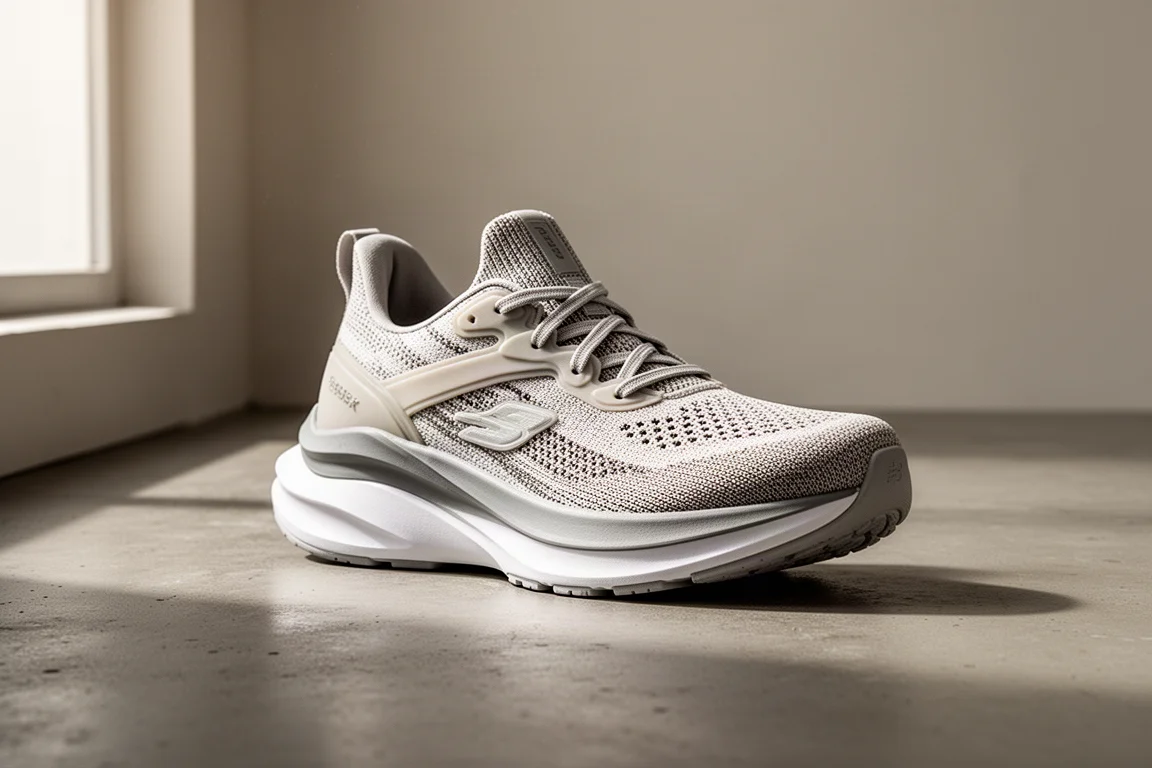
The Puma Deviate Nitro 3 is the third iteration of Puma’s carbon-plated trainer, and this version has changed a lot from its predecessor. The ride is smoother, the fit is very different, and the foam compound underfoot has been updated. After roughly 30 miles on a test pair, the short version is this: it is a more comfortable, easier-running shoe than version two, but it gives up some stability and some of the snappy plate feel along the way. If you have been curious about plated trainers, this is a shoe worth a close look, as long as the fit and stability profile suit you.
Specs at a Glance
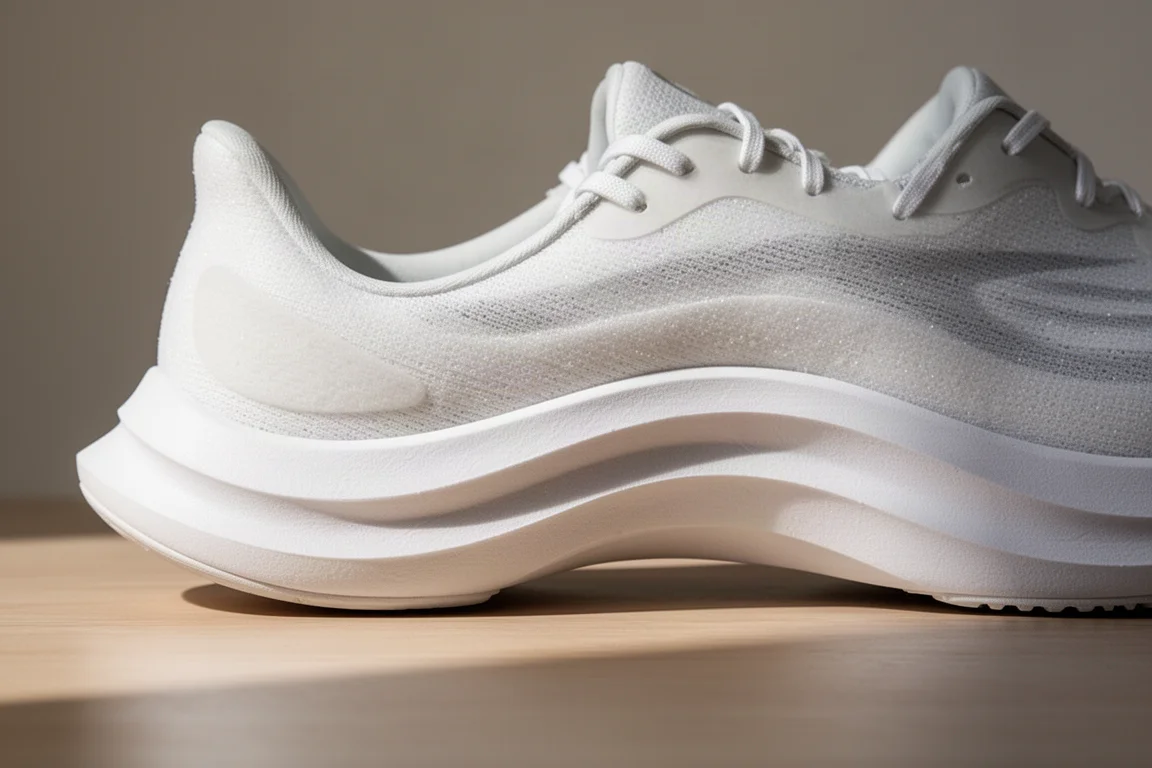
In men’s size 9 (women’s size 10.5 in Puma’s unisex sizing), the shoe weighs about 265 grams, or roughly 9.3 oz. The stack height is noticeably taller than before: 39 mm in the heel and 29 mm in the forefoot, for a now 10 mm drop that you can genuinely feel. The midsole uses Puma’s Nitro foam, and while there is no mention of Nitro Elite foam here, there is still a softer layer of foam underfoot that shapes the shoe’s character.
Who This Shoe Is For
This is a daily trainer with a plate, aimed at runners who want comfortable miles with some efficiency built in. It works well for neutral runners who like the idea of a plated shoe without the aggression of a super shoe, and it doubles as an uptempo trainer for faster days. Runners who need midfoot stability should look elsewhere, because the midfoot is very narrow and the shoe has more lateral flare than some will tolerate.
Ride and Performance
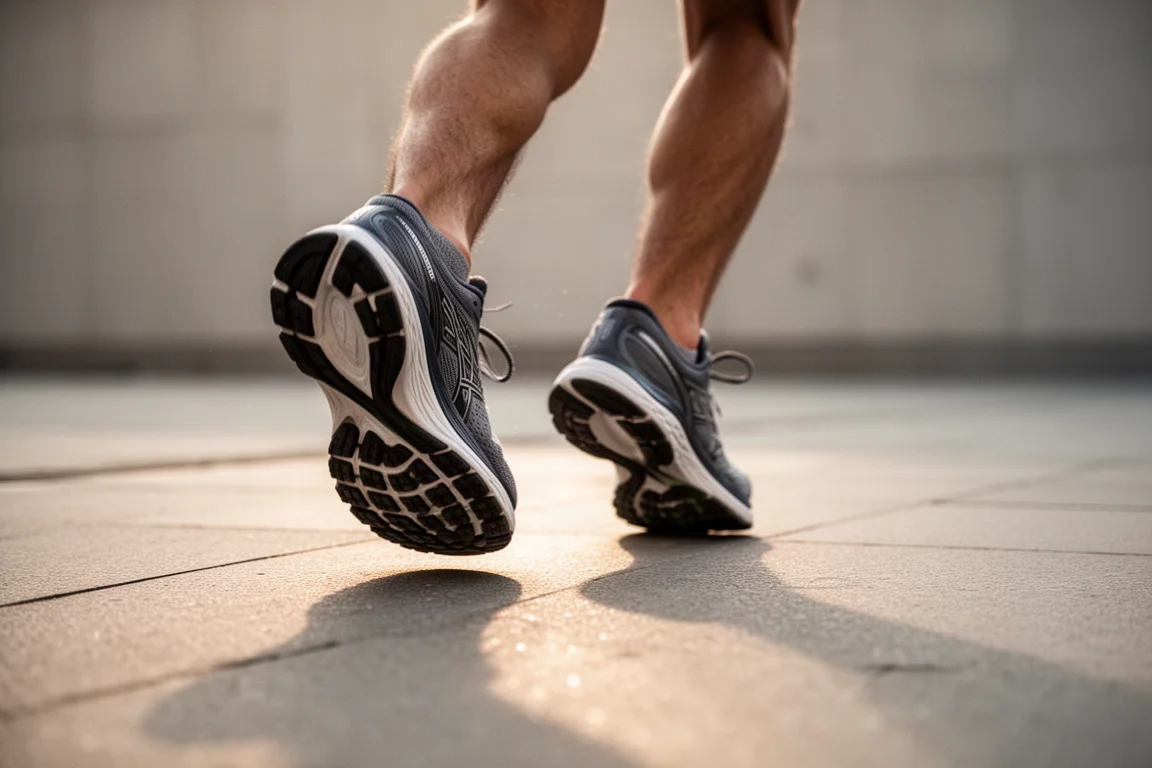
The ride is the biggest change. Previous versions had a very noticeable, super-stiff plate that felt great for running fast. This version is much smoother, with a bit more forefoot rocker and a little toe spring that makes the transition feel rounded rather than aggressive. Toe-off is nice, and the heel bevel is fairly good, though not as biased as before.
Where it lands in practice: it handles a variety of paces. If your daily runs involve a plated shoe, this will be fine, and it can also manage uptempo work. Fartleks, an uptempo uphill tempo, and a standard tempo run all worked well in testing. What it does not do is deliver that extra gear. It is not the fastest-feeling shoe, so it will not replicate what lighter trainers and super shoes offer when you want to truly race the workout.
Stability and Longer Runs
Stability is the main trade-off. The midfoot is very narrow, so if you need any midfoot support, you will fall right off the edge. Runners with neutral mechanics should have no problems, but anyone with stability needs will probably be better served by a different shoe.
On longer efforts, testing went up to 10 miles, which produced some fatigue by the end. Neutral runners doing normal and uptempo efforts will find the ride comfortable, but this is not the most confidence-inspiring platform for very long days if you tend to get sloppy when tired.
Upper and Fit
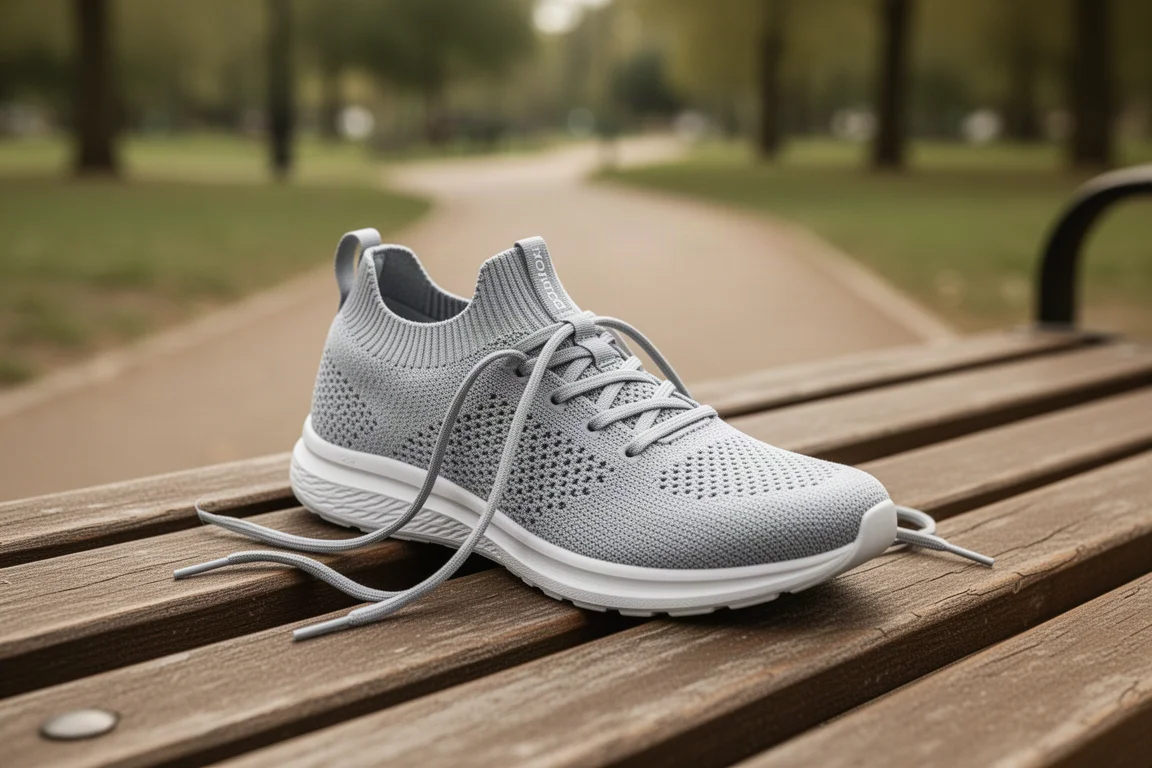
The upper is a big departure. While the previous version had a little more room, this knit upper offers some stretch but fits snug and lower volume. Runners with narrow or normal-width feet who want a secure fit will do best here. No heel-lock lacing was needed during testing, and the gusseted tongue helps a lot with lockdown and security.
The heel counter is another strong point. Puma typically does well here, and the Deviate Nitro 3 keeps a structured heel while remaining quite flexible around it. That flexibility matters if you deal with Achilles issues, insertional Achilles pain, or Haglund’s-related irritation, since a softer, more pliable heel can make a plated trainer viable where a rigid one would not be.
Things to Consider Before Buying
The main considerations are stability and speed. If you overpronate or want a stable midfoot platform, this shoe is not for you. If you want the fastest possible workout weapon, lighter or more aggressive options will serve you better.
On the other hand, if you find something like the Deviate Nitro Elite too aggressive, this is a reasonable alternative that also comes in at roughly $100 less. It can work for longer race-day efforts, particularly marathon-type events, for runners who want some plate-driven snap without the most aggressive ride. For shorter races, it is probably not the right tool.

Buying Advice
Choose the Deviate Nitro 3 if you are a neutral runner who wants a comfortable plated trainer for daily miles and occasional uptempo work, or if you want a marathon-capable shoe that is less intense than Puma’s elite-tier racing options. Skip it if you need midfoot stability, prefer a wide platform, or want maximum speed for short races. The fit also matters: narrow-to-normal volume feet will feel at home, while wide feet will likely struggle.
Conclusion
The Deviate Nitro 3 is an interesting update with a lot of meaningful changes. It trades a little stability and a lot of plate stiffness for a smoother, more comfortable ride that handles both everyday and uptempo running well. For neutral runners who found the previous version too firm, or the Elite version too aggressive and expensive, this third version lands in a genuinely useful middle ground.
Product link
View more details for Puma Deviate Nitro 3
This product is mentioned in the review. Check the specifications, options, and compatibility before buying.
View more details for Puma Deviate Nitro 3Further reading
Related Reviews

Running Shoes
Best Road-to-Trail Running Shoes: Three Versatile Options for Mixed Terrain
A practical guide to three road-to-trail running shoes that handle both pavement and mild trails, with clear strengths and trade-offs for different runner types.

Running Shoes
Best Running Shoes for Achilles Tendonitis: Three Options Explained
Three running shoes with different heel drops and support features designed to help reduce Achilles tendon pain during walking and running.

Running Shoes
Best Running Shoes for Women: Five Top Choices Ranked
A ranked guide to five women's running shoes, from versatile daily trainers to high-performance racing options, with real strengths and trade-offs for each.