Running Shoes
Puma Deviate Nitro 2 vs Saucony Endorphin Speed 3: Which Plated Trainer Wins?
Two snappy plated trainers with similar stack heights and prices. We compare ride feel, updates, traction, and value to help you pick.
Introduction
Some running shoes are hard to compare because they sit in completely different categories. These two are the opposite: the Puma Deviate Nitro 2 and the Saucony Endorphin Speed 3 are plated daily trainers with remarkably similar specs, similar prices, and very similar intentions. Both aim to give you a comfortable ride with a little extra pop from a composite plate.
The specs are close enough that they almost feel like siblings. The Deviate Nitro 2 has a 38/30mm stack with an 8mm drop, while the Endorphin Speed 3 comes in at 36/28mm, which also works out to an 8mm drop. Both shoes wedge a composite plate into newer supercritical foam, and both deliver a snappy, energetic ride because of it.
So which one deserves your money? That comes down almost entirely to ride feel, fit preference, and where you run. Here is how they stack up.
Saucony Endorphin Speed 3: A Confident Update
The Endorphin Speed 3 received a genuinely thoughtful refresh. Saucony widened the base platform to make the shoe more stable, added stack height, and lightened up the foam while making it slightly squishier. The result is a trainer that many runners will find more comfortable and more accommodating than its predecessor.
The wider platform and opened-up toe box do change the character of the shoe, though. If you loved the narrower, racy, razor-like feel of earlier versions, this update may feel like a small compromise. It softens the personality slightly in exchange for stability and comfort.
That said, it is a very capable trainer. If you prefer sinking slightly into the foam and getting a responsive bounce on the way up, this shoe does exactly that. The plate and foam work together to give a soft landing feel with a lively toe-off.
Puma Deviate Nitro 2: Delivering on the Original Promise
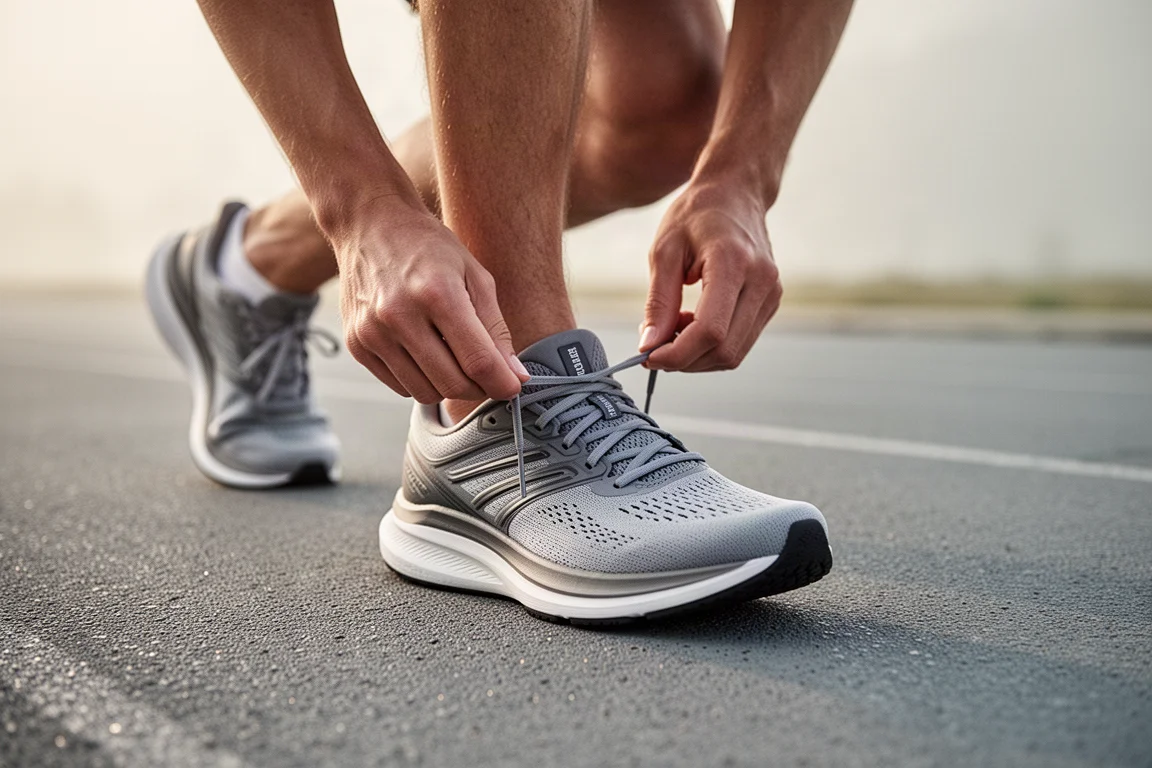
The first Deviate Nitro showed promise with its Nitro foam but had a real problem: a heel counter that could cause blisters, plus noticeable heel lift. The Deviate Nitro 2 fixes both issues decisively. Puma added padding to the collar and heel, eliminating heel lift entirely.
The updates go further. The shoe now uses Nitro Elite foam for a bouncy, responsive ride with a little more softness under the toe. The plate was reworked, and power tape was added to the upper. The result is a shoe that is significantly better than the original, delivering on the promise the first version only hinted at.
Where the Endorphin Speed sinks and pops, the Deviate Nitro 2 feels more integrated. The foam works in tandem with the plate rather than separating the two sensations, and it has a crisp snap off the toes that many runners will describe as energetic and immediate.
How the Ride Feel Compares
Both shoes do what they are intended to do: provide a genuinely comfortable ride while still giving you the benefit of a plate. But the character of that ride differs in subtle ways.
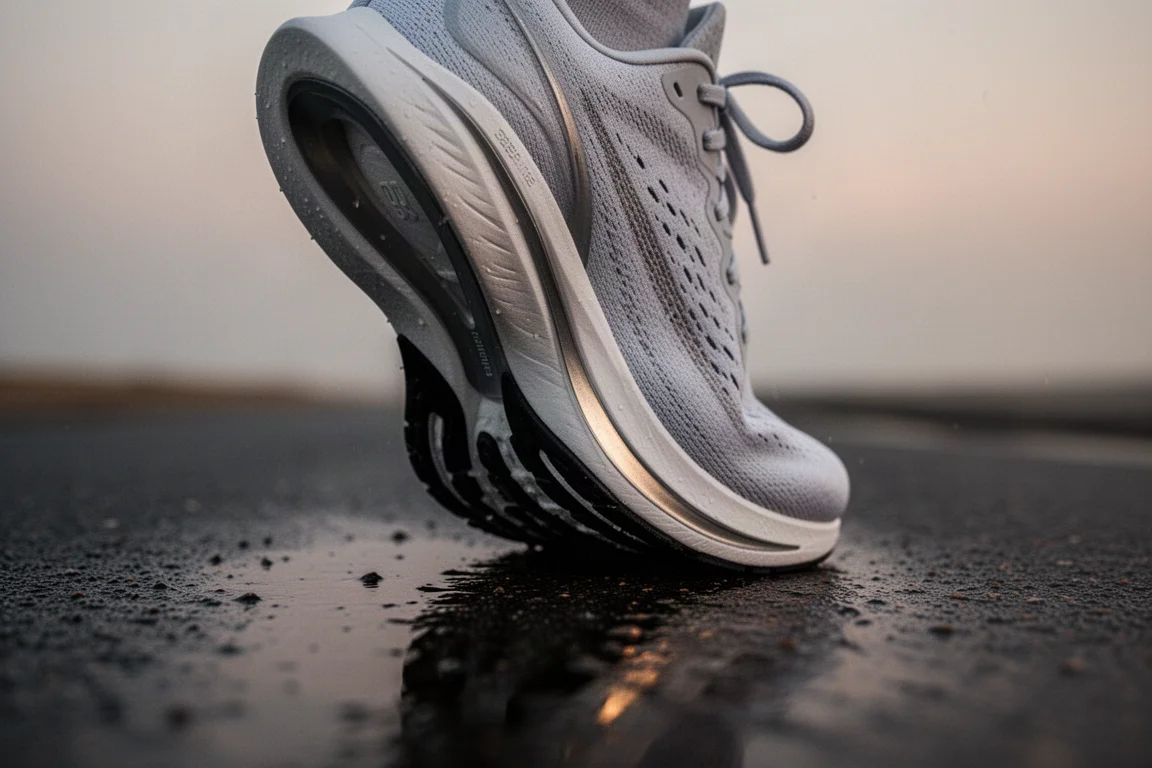
The Endorphin Speed 3 lets you sink into the foam slightly more before getting responsive bounce on the way up. It is the softer, more cushioned landing of the two. The Deviate Nitro 2 gives a crisp, snappy feel underfoot with a quick snap off the toes, paired with a soft landing from the Nitro Elite foam.
Neither approach is objectively better. If you want plushness with a gentle rebound, the Saucony leans that way. If you want a firmer, snappier, more immediate energy return, the Puma is the one that fits.

Price and Value
Pricing is close between the two. The Saucony Endorphin Speed 3 lists at $170, while the Puma Deviate Nitro 2 comes in at $160. Puma shoes also tend to go on sale faster than Saucony models, so depending on demand you may see the Deviate Nitro 2 drop in price sooner.
At those prices, both sit comfortably in the standard range for premium plated trainers, so price alone is unlikely to be the deciding factor. It really comes down to feel and style preference.
Traction and Versatility
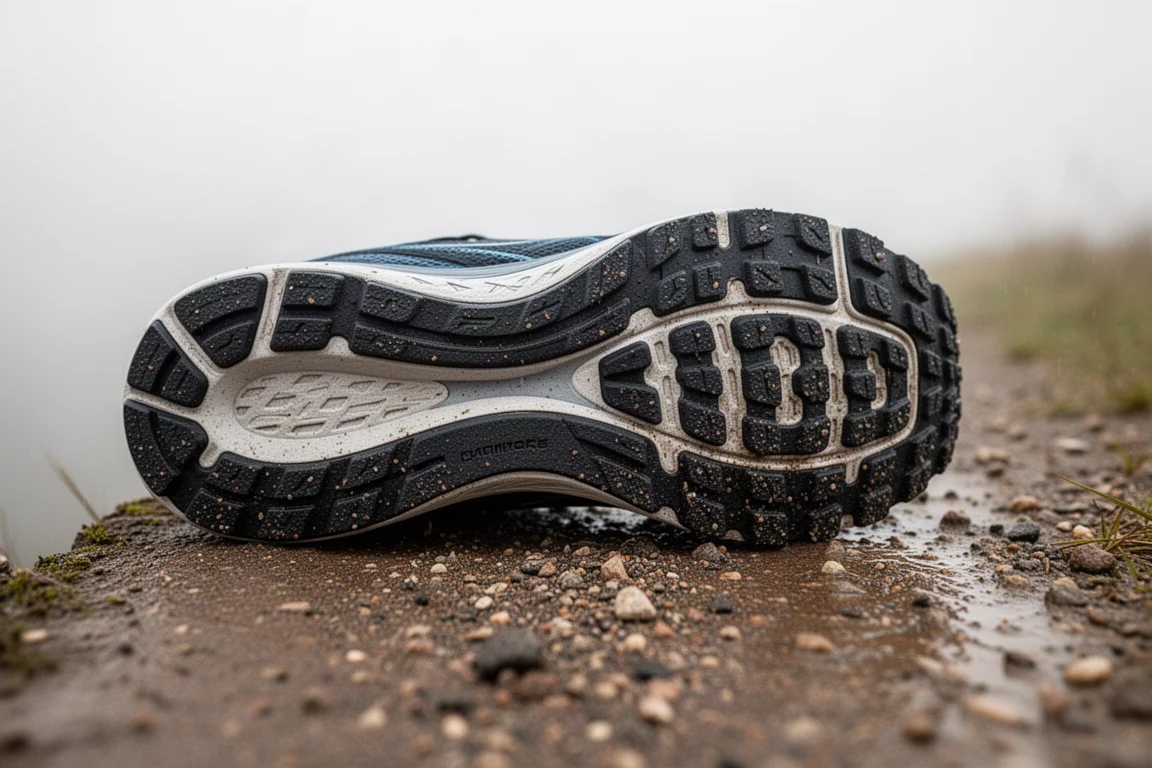
This is where the Deviate Nitro 2 quietly pulls ahead for many runners. The Puma grip on the outsole makes the shoe noticeably more versatile, especially heading into winter months with rain, slush, and generally nasty conditions. The outsole has enough small knobby texture that it can almost work as a light trail shoe.
Combine that grip with the soft landing of the Nitro Elite foam and the crisp snap off the plate, and the Deviate Nitro 2 becomes a very well-rounded option for unpredictable weather and mixed surfaces.
Which One Should You Buy?
If you can only choose one, here is a practical way to decide:
- Choose the Saucony Endorphin Speed 3 if you want a more stable platform, a wider toe box, and a slightly softer, sinking-then-bouncing ride feel.
- Choose the Puma Deviate Nitro 2 if you want crisper toe-off snap, better outsole grip for wet or slushy conditions, and a shoe that has improved dramatically over its original version.
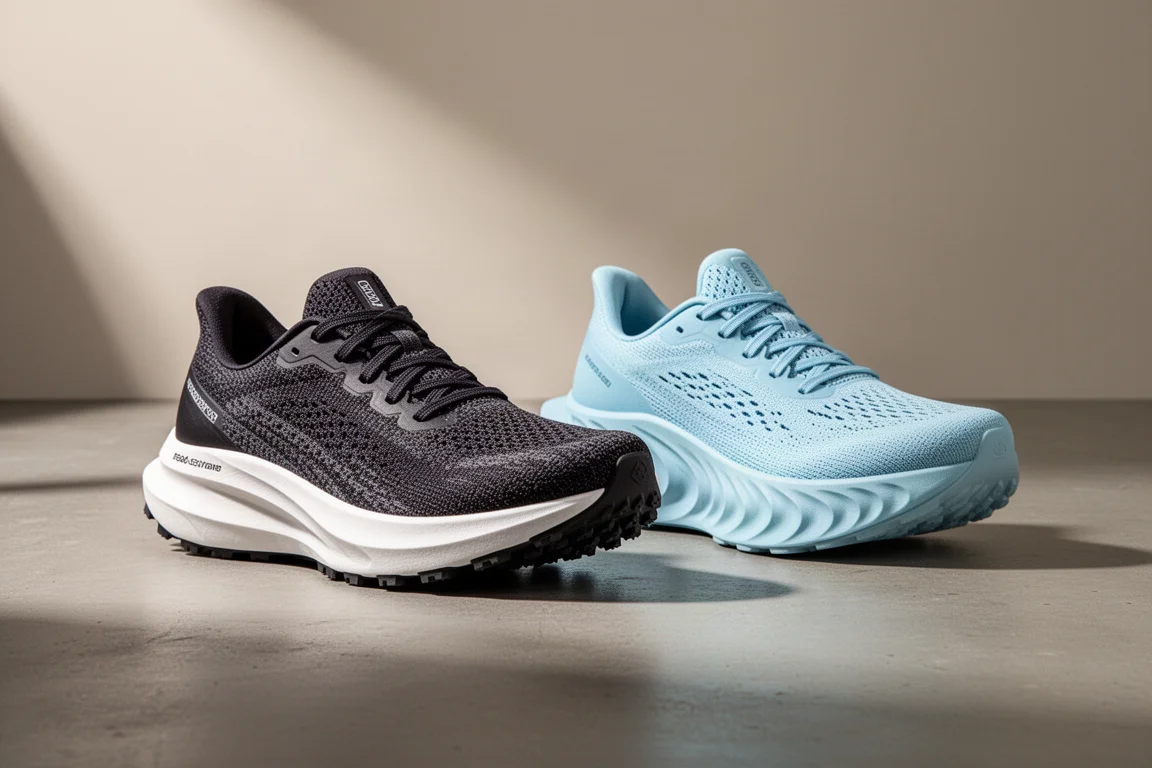
If aesthetics matter to you, that is a fair tiebreaker too. Between the two colorways on display here, the Puma simply looks better on foot, and it is hard to argue with a shoe you enjoy wearing.
Conclusion
You genuinely cannot go wrong with either of these plated trainers. Both have similar stack heights, an 8mm drop, a composite plate, and a snappy ride. The Endorphin Speed 3 is the more stable and slightly softer choice with an opened-up fit, while the Deviate Nitro 2 wins on outsole grip, toe-off snap, and how much better it is than the shoe it replaces. Pick based on the ride feel you prefer and the conditions you run in, and you will be happy with either.
Product link
View more details for Saucony Endorphin Speed 3
This product is mentioned in the review. Check the specifications, options, and compatibility before buying.
View more details for Saucony Endorphin Speed 3Further reading
Related Reviews

Running Shoes
Best Road-to-Trail Running Shoes: Three Versatile Options for Mixed Terrain
A practical guide to three road-to-trail running shoes that handle both pavement and mild trails, with clear strengths and trade-offs for different runner types.

Running Shoes
Best Running Shoes for Achilles Tendonitis: Three Options Explained
Three running shoes with different heel drops and support features designed to help reduce Achilles tendon pain during walking and running.

Running Shoes
Best Running Shoes for Women: Five Top Choices Ranked
A ranked guide to five women's running shoes, from versatile daily trainers to high-performance racing options, with real strengths and trade-offs for each.