Running Shoes
Puma Deviate Nitro 2 vs the Rivals: Five Plated Trainers Compared
How the Puma Deviate Nitro 2 stacks up against the Nike Zoom Fly 5, Saucony Endorphin Speed 3, Puma Fast-R Nitro Elite, and Reebok Floatride Energy X.
Introduction
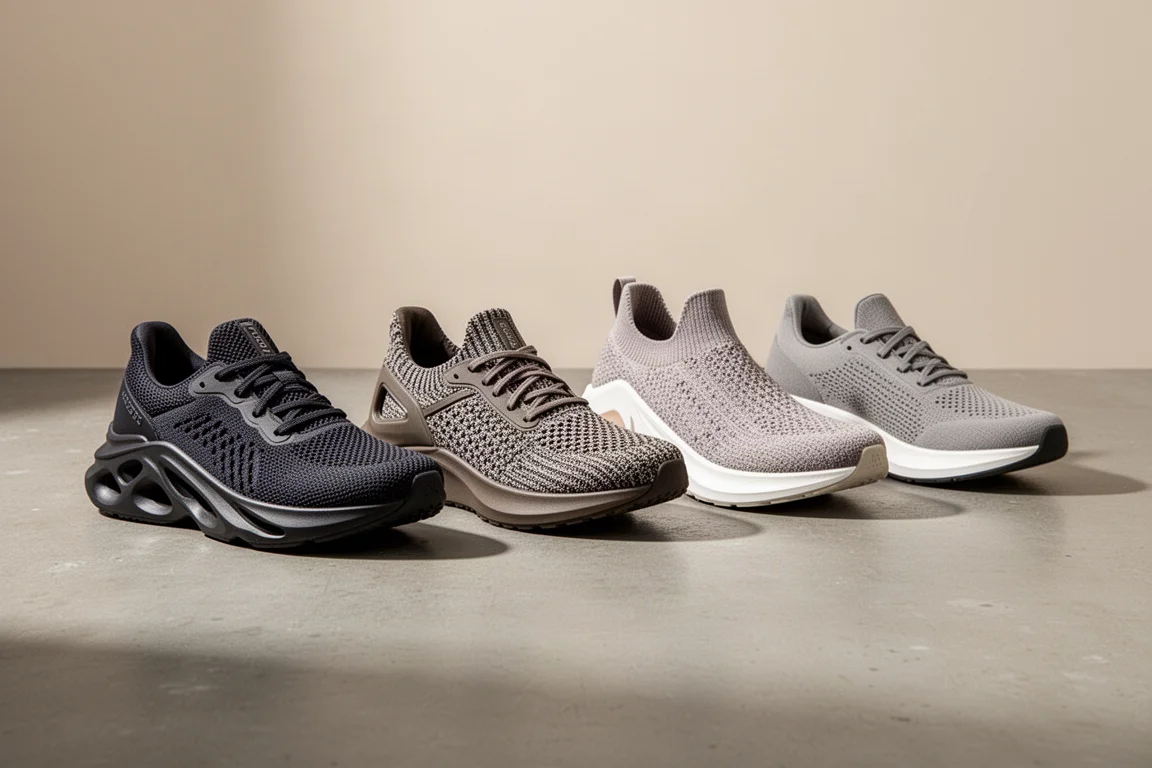
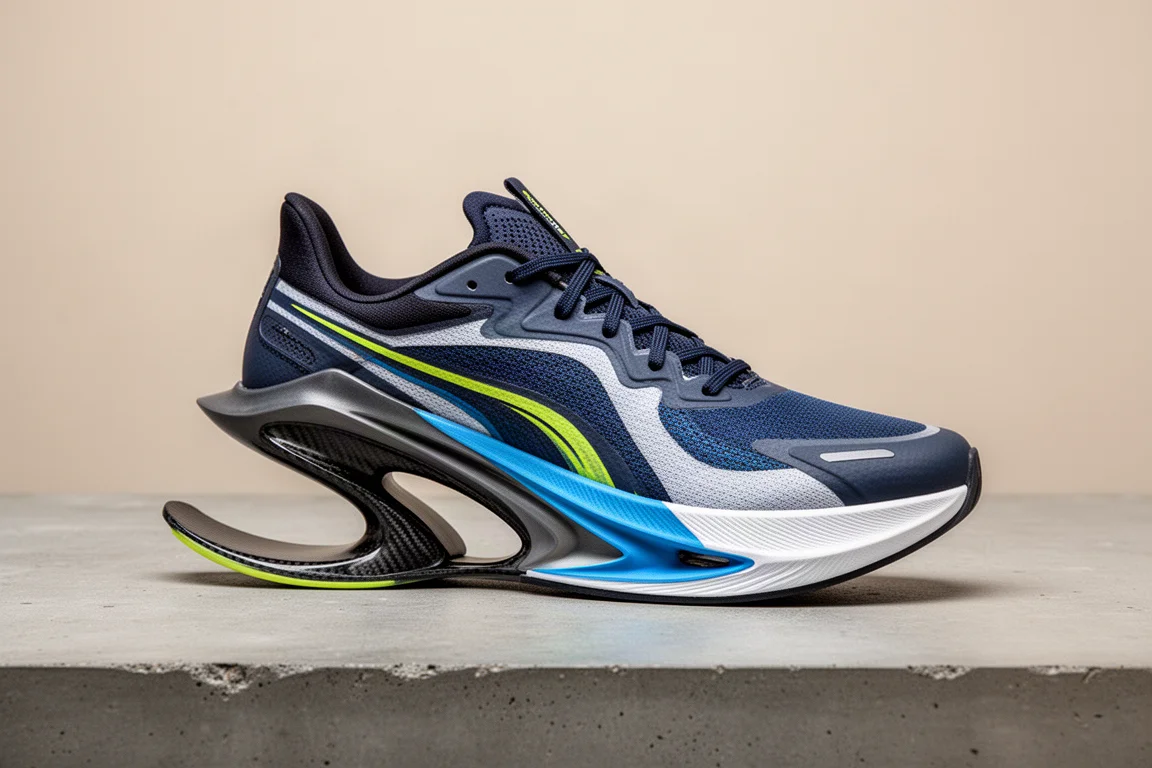
The Puma Deviate Nitro 2 has quietly become one of the most complete plated trainers of the moment: a firm, rebound-like heel that stabilizes your foot strike, lively Nitro Elite foam up front for an aggressive toe-off, and a grip-heavy outsole that shrugs off winter conditions. The real question is how it holds up against the rest of the plated field. To find out, we matched it against four rivals: the Nike Zoom Fly 5, the Saucony Endorphin Speed 3, the Puma Fast-R Nitro Elite, and the Reebok Floatride Energy X.
Against the Nike Zoom Fly 5
The Zoom Fly 5 takes a very different approach. It is a rigid, dense shoe that wants to control your stride from heel to forefoot, dictating a very specific running style, and that control does not come cheap on the scales: it runs about an ounce and a half heavier than the Deviate Nitro 2, with around four millimeters of extra heel foam and additional mid-to-forefoot stack that never translates into a real advantage.
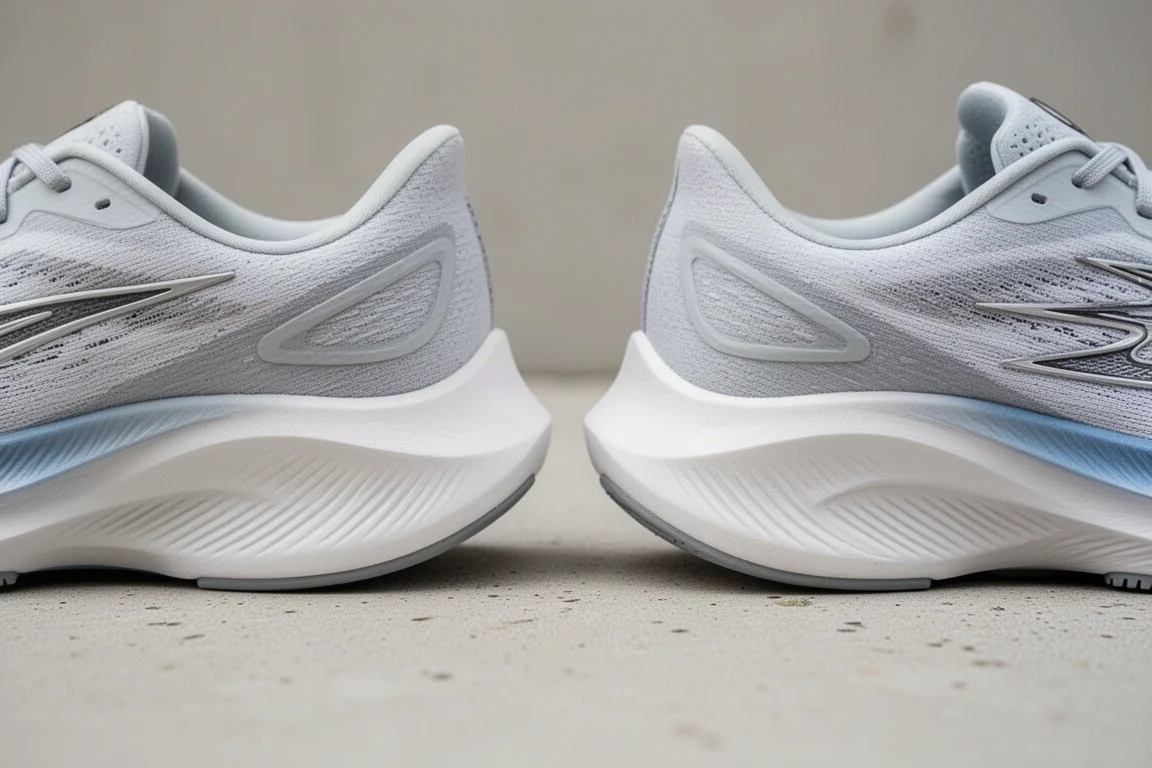
After an initial break-in period, it remains a capable shoe at moderate pace, but plenty of lighter and nimbler options do the same job better, especially at its relatively high retail price. The Deviate Nitro 2 counters with a better-fitting Pwrframe-style upper, a more traditional fit, and a clearly improved lacing setup for everyday use. Despite the ZoomX-class foam in the Nike, the Puma’s foams in the heel and mid-to-forefoot feel superior in both material and design. Across practically every aspect, the Deviate Nitro 2 wins this matchup.
Against the Saucony Endorphin Speed 3
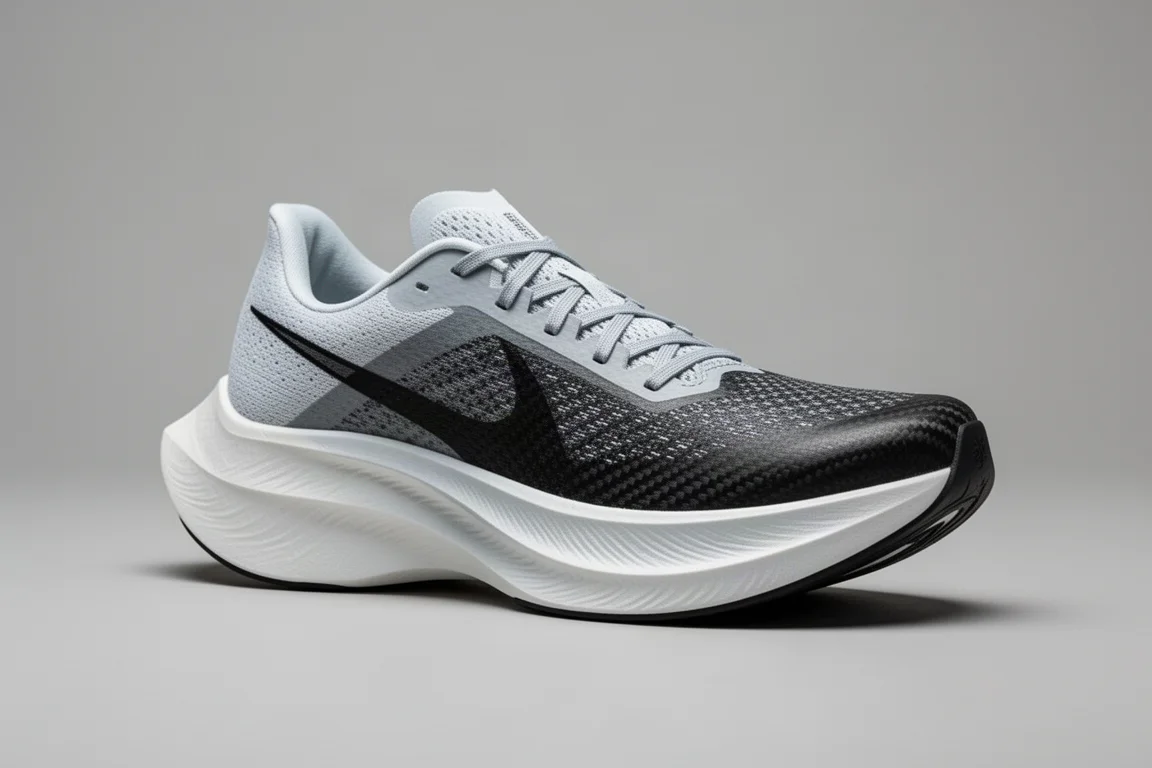
This is a much closer contest. The Endorphin Speed 3 carries a genuine weight advantage, roughly an ounce lighter than the Puma, likely thanks to less rubber on the outsole, and you can feel that difference on foot.
In wet and wintry conditions, however, the Saucony is not the shoe we instinctively reach for. Its traction has improved over the first two versions, but the Puma’s deep outsole lugs give it a clear edge on almost any surface.
The foam story favors Puma too. The more fragile foams used in the Endorphin family actually outlast their Nike counterparts, but the Nitro Elite foam in the Deviate Nitro 2 goes further, offering excellent abrasion resistance and longevity up there with the best foams in the category. The heel-to-forefoot pairing in the Puma is excellent: slightly firmer, responsive and bouncy foam in the heel that stabilizes landing, then softer, more aggressive Nitro Elite under the forefoot for a punchy toe-off. Add a better-fitting upper and slightly better plate placement, and the Deviate Nitro 2 is the pick, especially since it is frequently found discounted.
View more details for Saucony Endorphin Speed 3
Against the Puma Fast-R Nitro Elite
The Fast-R Nitro Elite is Puma’s flagship race day weapon, and the family resemblance to the Deviate Nitro 2 is obvious. It mixes a firmer EVA slab in a narrower heel with Nitro Elite foam through the mid-to-forefoot, keeps rubber only where it is genuinely needed, and swaps the Deviate Nitro 2’s composite plate for a full carbon plate.
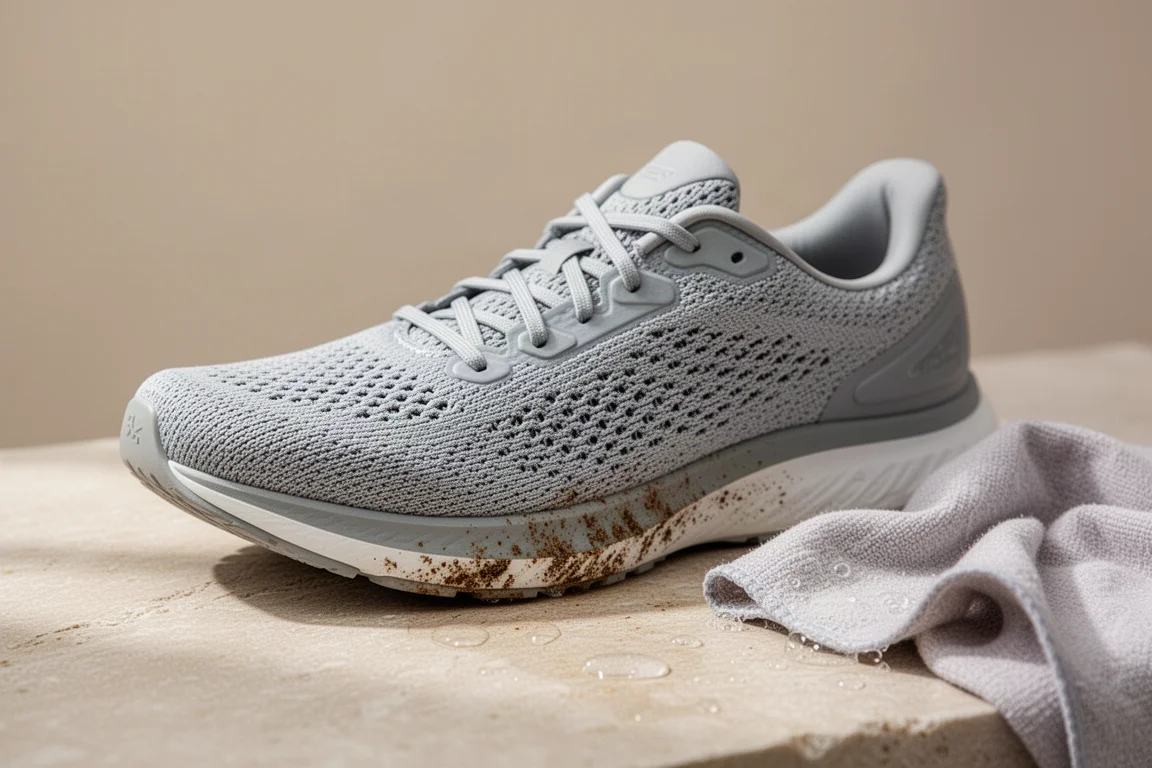
The result is a characterful, aggressive shoe with an extremely flexible upper, about 40 grams lighter than the Deviate Nitro 2, though with a substantial price gap that will deter some buyers. The Fast-R Nitro Elite wants to keep you up on your forefoot and is arguably at its best over aggressive 5K and 10K efforts, perhaps a half marathon.
The Deviate Nitro 2, by contrast, is more forgiving and consistent from heel to toe. It is not the lightest shoe, but the cushioning and comfort make a half or even full marathon entirely realistic. For our money, a full marathon would go to the Deviate Nitro 2, and the two shoes comfortably share space in one rotation. Consider this one a draw.
Against the Reebok Floatride Energy X
The Floatride Energy X shares the Deviate Nitro 2’s dual-foam formula: a majority of Floatride cushioning with a layer of Floatride Plus sitting just under the plate in the mid-to-forefoot. It also offers one of the plusher uppers in this group and a roomier, more trainer-like fit with extra toe box width.

Where it falls short is pace and grip. The slightly firmer foam setup makes it a steady cruiser rather than a shoe for fast reps, it does not pick up the pace as readily as the Puma, and its flatter rubber application cannot match the Puma’s outsole traction. The Deviate Nitro 2 also edges it on upper fit and lockdown, thanks to a well-placed padded tongue section and more conventional, glove-like materials.
The Energy X comes in at a similar weight but without the same versatility, making it best suited to steady-paced or longer efforts. It is often available for well under a hundred pounds if you watch for discounts, but even on price, the discounted Deviate Nitro 2 arguably offers more value because you do not need to reserve it for specific sessions.
Overall Buying Advice
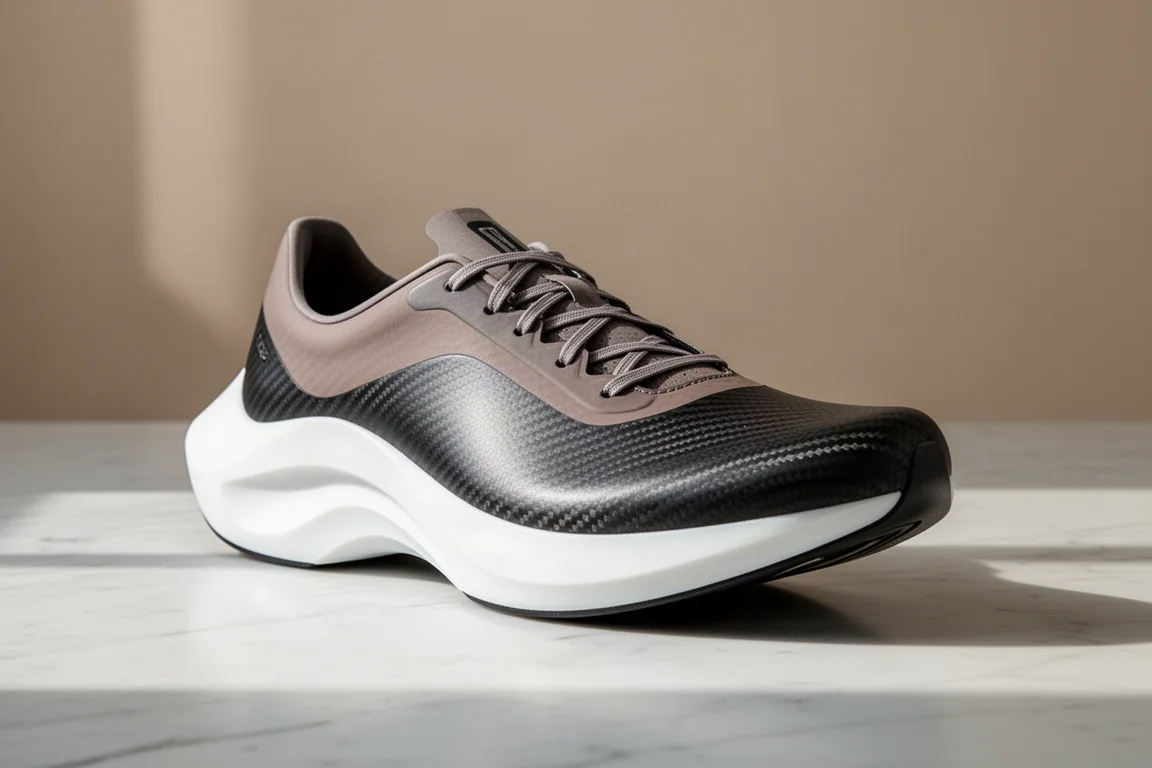
The pattern across these comparisons is consistent. On price potential, durability, outsole traction, underfoot feel, and upper fit, few shoes currently match the Puma Deviate Nitro 2. If you want one plated shoe that covers training days, tempo work, and even longer races, it is the standout pick here. The Fast-R Nitro Elite complements it for aggressive shorter races, the Endorphin Speed 3 suits runners who prioritize weight above all, the Floatride Energy X is a budget-friendly steady-pace option, and the Zoom Fly 5 is the one we would hesitate to recommend at full retail.
Conclusion
Five shoes, one clear theme: the Puma Deviate Nitro 2 wins its matchups on versatility, grip, and foam quality, with only its own carbon-plated sibling earning a genuine draw. If you are building a rotation around a single do-it-all plated trainer, this is the one to start with.
Further reading
Related Reviews

Running Shoes
Best Road-to-Trail Running Shoes: Three Versatile Options for Mixed Terrain
A practical guide to three road-to-trail running shoes that handle both pavement and mild trails, with clear strengths and trade-offs for different runner types.

Running Shoes
Best Running Shoes for Achilles Tendonitis: Three Options Explained
Three running shoes with different heel drops and support features designed to help reduce Achilles tendon pain during walking and running.

Running Shoes
Best Running Shoes for Women: Five Top Choices Ranked
A ranked guide to five women's running shoes, from versatile daily trainers to high-performance racing options, with real strengths and trade-offs for each.