Running Shoes
Puma Deviate Nitro 2 vs Hoka Mach X: Two Plated Super Trainers, One Clear Winner
Two plated trainers with similar specs on paper but very different rides. We compare stack, foam, grip and pace to see which one deserves a spot in your rotation.
Introduction
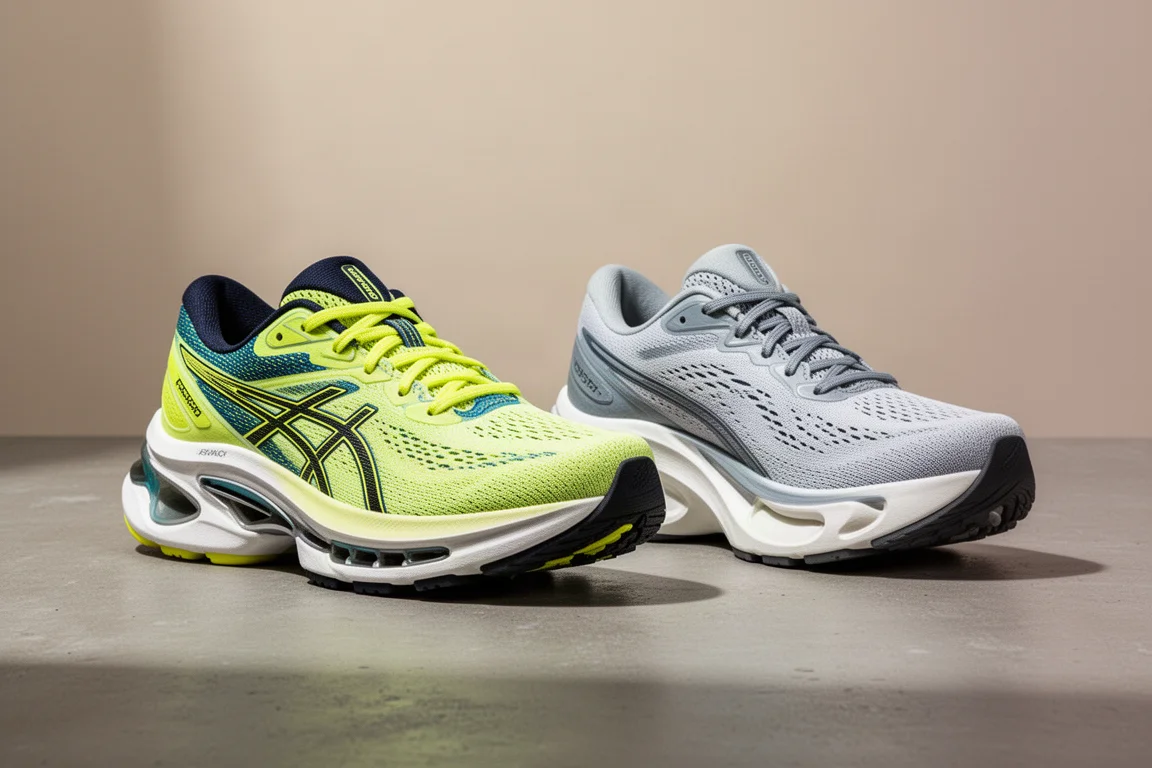
On paper, the Puma Deviate Nitro 2 and the Hoka Mach X look like close relatives. Both are plated super trainers with dual-density midsoles, generous stack heights and a brief to handle everything from easy miles to tempo sessions. In practice, they end up in quite different places, and that difference is what makes this comparison worth reading.
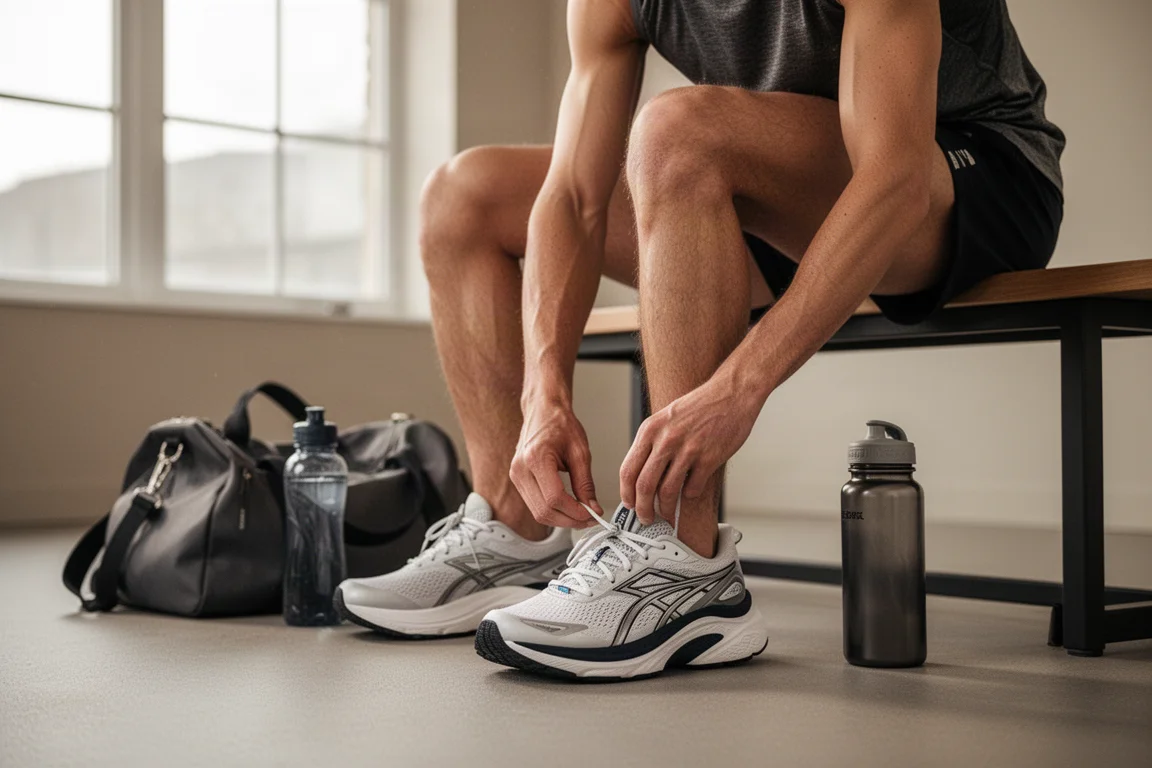
The Hoka is the more expensive of the two at £160 or $180, while the Deviate Nitro 2 sits at £145 or $160. Despite being slightly heavier on paper, the Puma delivered the sharper overall experience in our testing. Here is how they stack up.
Specs and Fit
The Hoka Mach X is the lighter shoe at 265 grams (9.3 oz) in UK size 9, against 276 grams (9.7 oz) for the Deviate Nitro 2 in the same size. The Mach X runs a 5mm drop, while the Puma sits at 8mm. Stack heights are similar: the Puma measures 38mm at the heel over 30mm at the forefoot, while the Mach X differs by gender, with 37/32mm for women and 39/34mm for men.
Sizing translates well in both. The Puma fits true in a UK 9 (a US 10 for the brand’s sizing), and the Hoka fits a UK 9 (US 9.5). The Hoka feels slightly tighter, but sticking to your usual running shoe size should work for both. One shared caveat: both shoes run fairly narrow, so wider-footed runners should be cautious.
Design and Construction
The Puma takes a more traditional approach despite packing modern tech. The dual-density midsole pairs a top layer of Nitro Elite, a nitrogen-infused bio-based foam, with standard Nitro, a nitrogen-fused TPE foam, underneath. A Pwrplate runs through the shoe, made from 70 percent carbon and 30 percent TPU. The lightweight upper adds Pwr Tape in key areas for structure, and extra padding at the heel collar fixes the heel rub issue from the original Deviate Nitro.
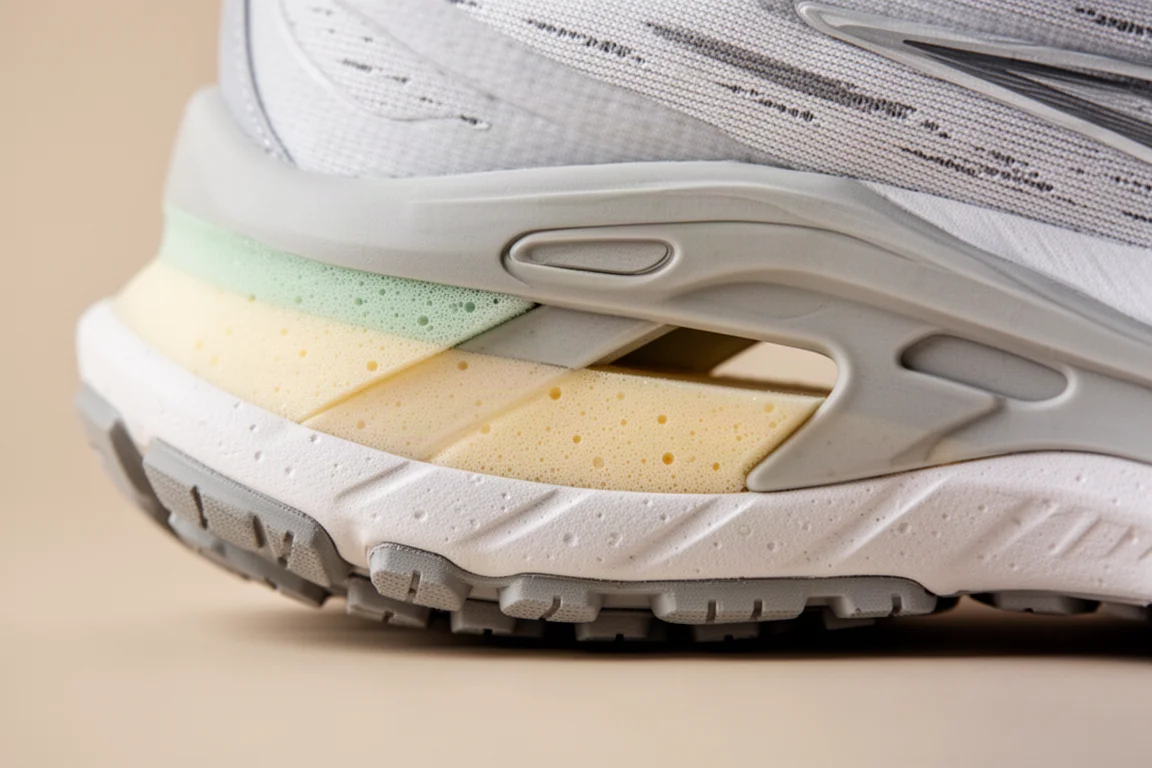
The Mach X uses a ProFly X midsole: a PEBA layer on top with EVA foam underneath, plus large foam side walls that add stability and a pronounced rocker shape. A plate runs through the midsole to provide the stiffness and pop you expect from a plated shoe. The Jacquard mesh upper includes some cushioning around the heel, and the outsole, absent on its predecessor, is a thin, smooth layer covering most of the forefoot and heel with a large cut-out in the middle to save weight.
Ride and Performance
The Mach X has more of a rolling ride. You do not get much squish from the PEBA midsole; instead it is about a smooth rocker with a little pop off the toes where the foam and plate combine. It feels noticeably bigger on the foot and less snappy than the specs suggest. It works well for cruising through easy miles, where it feels stable, comfortable and easy to settle into a relaxed rhythm. At faster paces it felt good rather than great: you have to work into a rhythm and let the rocker roll you forward, and it never felt sprightly when the pace rose.

The Deviate Nitro 2 has a snappier, more traditional ride. There is a hint of rocker, but the story is the foam: it feels softer, especially at the heel, with a bit of sink into the top layer and a good return as you transition through the stride. Despite being the heavier shoe, it feels nimbler and faster. It handled tempo runs, track reps and interval sessions without feeling weighty, and it stays comfortable enough to hold good paces over long distances. For fast runs of any kind, the Puma is the better shoe. It is also a perfectly serviceable easy-day shoe thanks to its high stack and comfortable foams, though the snap can feel slightly fatiguing on purely easy long runs, where the Hoka’s rocker is the more relaxing companion. Notably, the Mach X’s plate is barely noticeable at easy paces, which makes it a genuinely comfortable cruiser.
Grip and Outsole
This is a clear win for the Puma. The Puma Grip outsole is excellent: a thick layer of rubber with strong grip on wet and dry pavement, and Puma Grip ATR at the heel sections promising even more grip and durability. Despite some exposed foam, there is plenty of rubber coverage, and the shoe copes well with light trails such as canal towpaths.
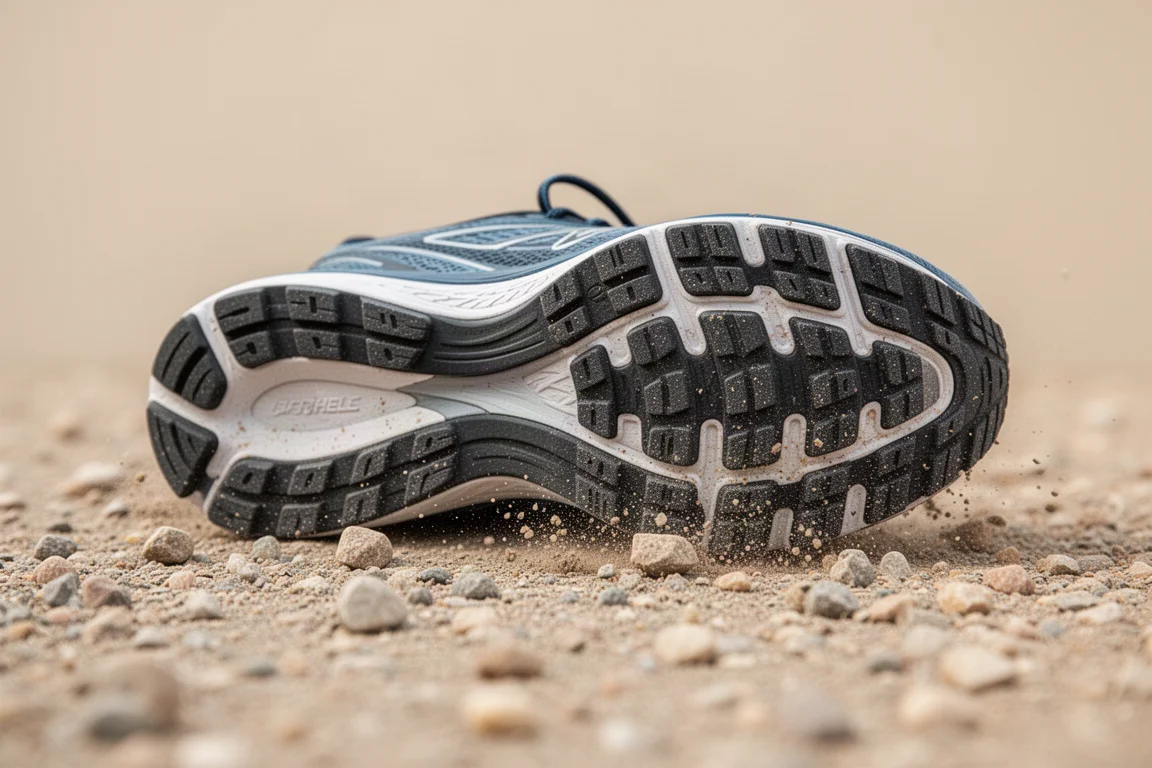
The Mach X outsole is only okay. On greasy pavement after summer rain it slipped a little, and it never inspired much confidence in the wet. When comparing the two, the Puma’s outsole is a genuine selling point.
Which One Should You Buy?
If you are shopping in this category, you are presumably after either a fast plated trainer or an all-rounder that can cover every training run. On both counts the Puma Deviate Nitro 2 is the better shoe here. It is the better fast shoe, a very good all-rounder, it has a superb outsole, and it is cheaper.
The Hoka Mach X is still a good shoe, particularly for stable, easy cruising, and heavier runners may get more sink and response from its midsole. But for a premium plated super trainer, its parts never add up to more than the sum of their parts at pace, and if you only want a comfortable easy-day shoe there are cheaper options without a plate.
Conclusion
Both shoes are well-built plated trainers, but they reward different runners. The Mach X suits those who want a stable, rolling, cruiser-style ride, while the Deviate Nitro 2 is the more versatile pick: snappy enough for tempo days, comfortable enough for easy miles, with outstanding grip and a friendlier price. For us, the Puma is the shoe that would earn a permanent spot in the rotation.
Product link
View more details for Puma Deviate Nitro 2
This product is mentioned in the review. Check the specifications, options, and compatibility before buying.
View more details for Puma Deviate Nitro 2Further reading
Related Reviews

Running Shoes
Best Road-to-Trail Running Shoes: Three Versatile Options for Mixed Terrain
A practical guide to three road-to-trail running shoes that handle both pavement and mild trails, with clear strengths and trade-offs for different runner types.

Running Shoes
Best Running Shoes for Achilles Tendonitis: Three Options Explained
Three running shoes with different heel drops and support features designed to help reduce Achilles tendon pain during walking and running.

Running Shoes
Best Running Shoes for Women: Five Top Choices Ranked
A ranked guide to five women's running shoes, from versatile daily trainers to high-performance racing options, with real strengths and trade-offs for each.