Running Shoes
Puma Deviate Nitro 2 vs Saucony Endorphin Speed 3: Which Plated Trainer Should You Buy?
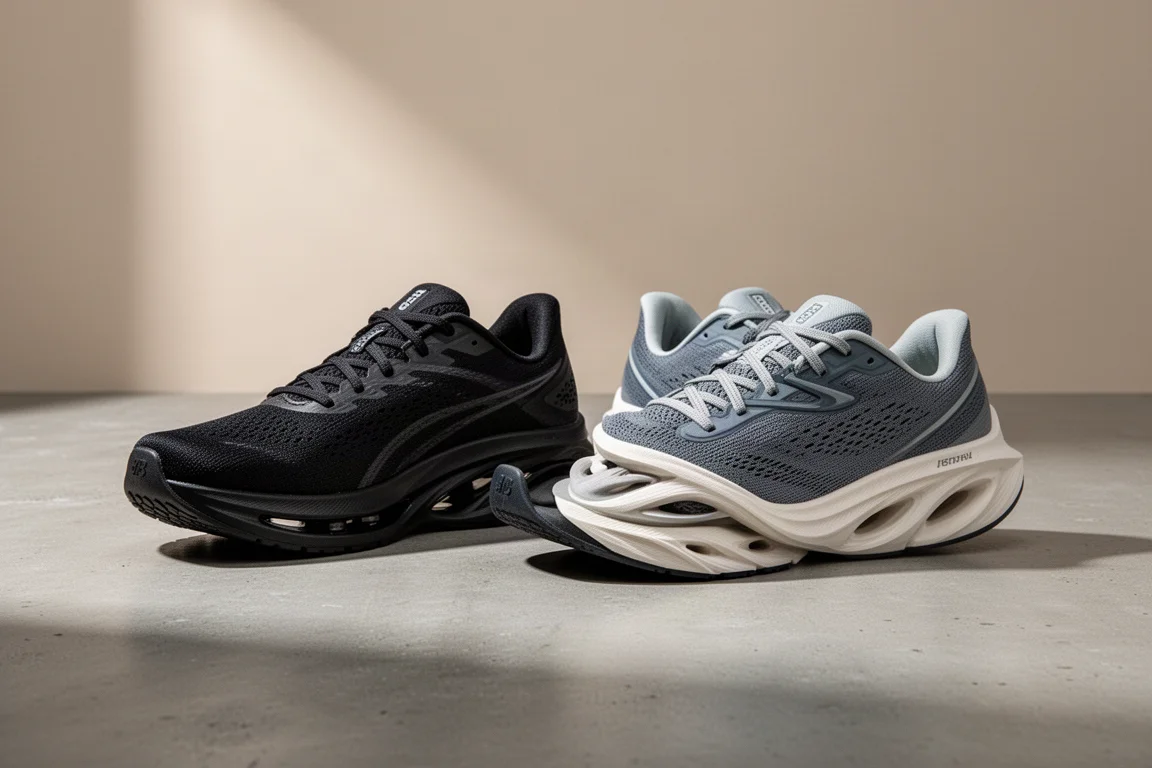
Two of the best plated training shoes go head to head. The Deviate Nitro 2 brings a fixed heel fit and an outstanding outsole, while the Endorphin Speed 3 counters with a livelier ride.
Introduction
Puma’s Deviate Nitro 2 had one clear job: fix the heel fit issues of the original. That job is done, with much more padding around the heel and no rub problems in testing. But Puma went further, making this a substantial update rather than a simple refresh, and it lands at a time when the Saucony Endorphin Speed 3 still sits at the top of the plated trainer category.
Priced at 140 pounds in the UK (expected around 160 in the US), the Deviate Nitro 2 sits slightly cheaper than the Endorphin Speed 3, and the two shoes make a genuinely interesting comparison: one is an all-rounder tilted towards fast running, the other is an all-rounder tilted towards reliable, anywhere training.
What Makes the Puma Deviate Nitro 2 Different
The Deviate Nitro 2 is a fairly heavy shoe for a plated trainer, but not excessively so: a UK size 9 weighs 276 grams (9.7 ounces), roughly the same as the original. The stack sits at 36.5 millimeters at the heel and 28.5 millimeters at the forefoot for an 8 millimeter drop.
The midsole has been entirely updated. It now uses two layers of Puma’s nitrogen-infused foam: a top layer of Nitro Elite, the paper-based foam from Puma’s top carbon racers, over a base layer of standard Nitro foam that is firmer and more stable at the heel. A carbon composite plate (70 percent carbon, 30 percent TPU) runs through the midsole, designed to feel slightly more flexible and comfortable than a full carbon plate.
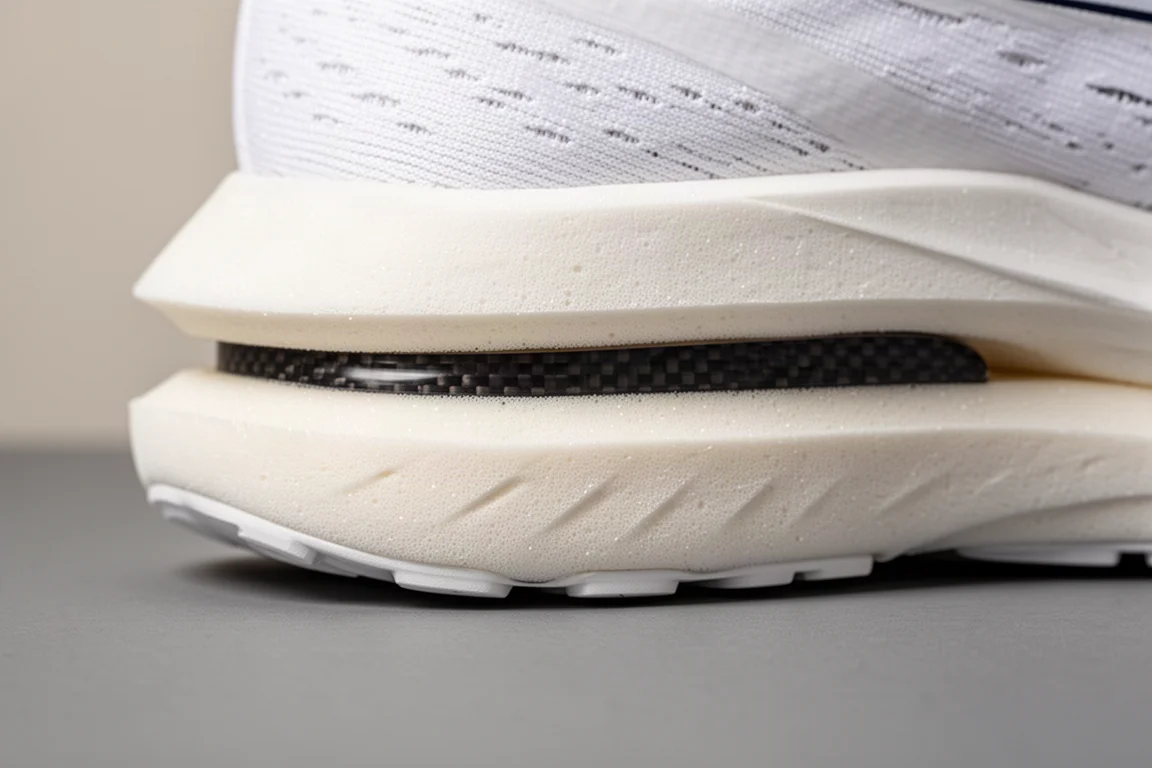
The upper is mesh with generous heel padding, a lightly padded tongue, and power tape around the forefoot and medial side for structure. The heel padding solves the original’s rub issue, though it holds sweat after runs and takes a while to dry, so the upper runs a touch warm.
Ride and Performance
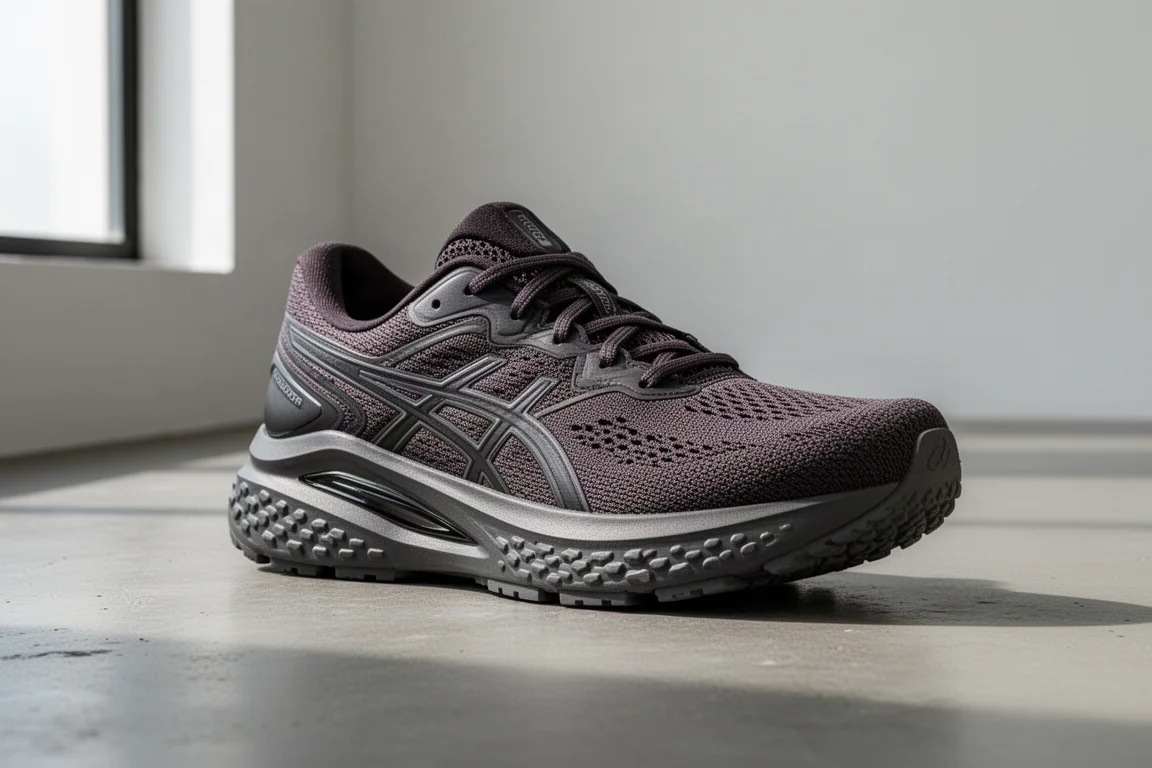
This is a training shoe first and a speed shoe second. The ride is controlled, stable and comfortable, but it is not especially lively. Do not expect a big, bouncy, propulsive feel despite the superfoam midsole. That initially made the shoe feel dull, but over a 75K test block of easy runs, long runs, progression runs, and road and track workouts, the pace turned out to be genuinely there: sessions included 20 times 60 seconds on and off, and 800-meter reps that ended up averaging under 3:30 per kilometre.

Part of the muted feel comes from the thick outsole, which dampens the ride and adds weight, but does not really slow the shoe down. The trade-off is versatility: this is a shoe you can take almost anywhere without thinking about it.
The Outsole Advantage
The outsole is where the Deviate Nitro 2 stands out against the competition. Puma Grip covers the shoe in a very thick layer, concentrated at the forefoot and heel, with Puma Grip ATR at the heel, a more durable compound designed for light trails.
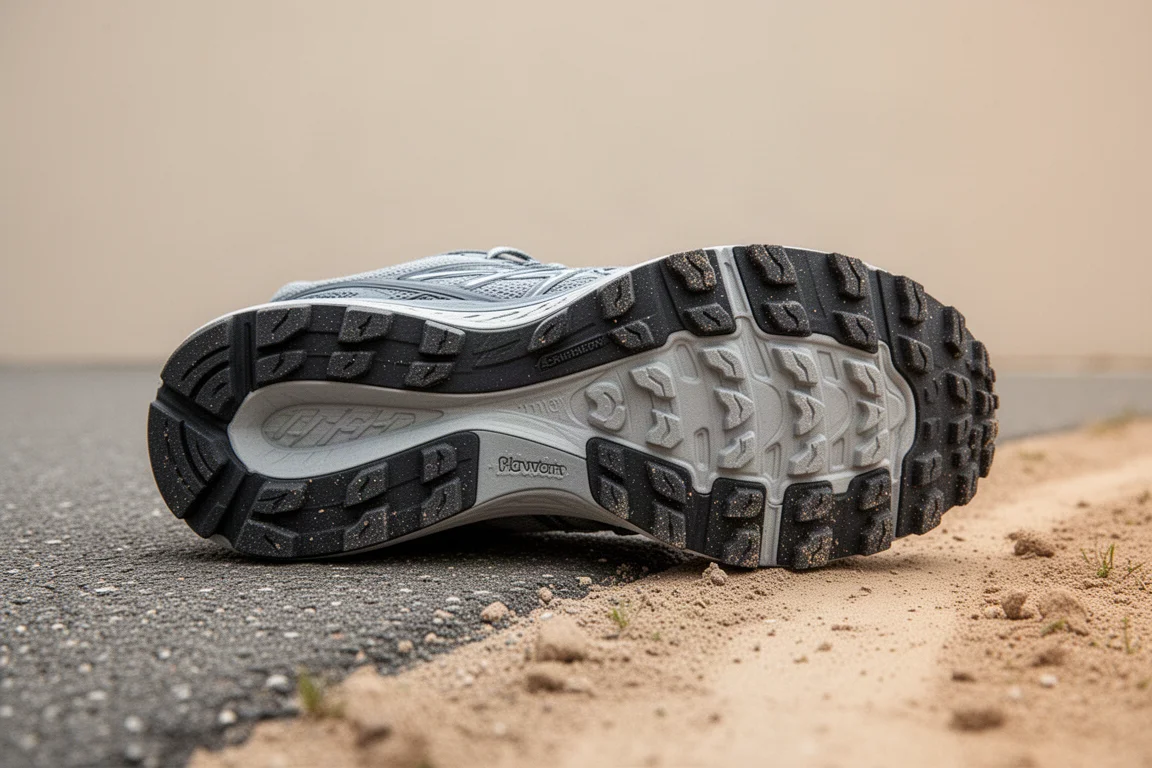
In practice that means 60-second reps on a slightly loose canal tow path feel like running on road, and a 10-mile steady run on an old disused railway causes no durability worries. This is terrain you would hesitate to take a carbon shoe, or even the Endorphin Speed, onto. It will not handle deep winter mud, but for light trails, park paths and tow paths, the grip is dependable and it makes easy runs and mild sessions on mixed terrain genuinely relaxing.
One caveat: on very long, hard runs in the 25 to 30K range, a traditional cushioned trainer without a plate will likely feel more forgiving. For everyday easy runs of around an hour, the Deviate Nitro 2 is perfectly comfortable.
Puma Deviate Nitro 2 vs Endorphin Speed 3: Head to Head
The Endorphin Speed 3 is the poppier, lighter shoe. Its rocker geometry makes it easier to hold fast paces over long distances, and it is clearly the better choice if you want a trainer that can double for racing. Its outsole, however, is just okay: it is unmistakably a road running shoe.

The Deviate Nitro 2 is heavier, less explosive, and asks a bit more of you in fast sessions, but it is a bit cheaper, grips far better, and handles a much wider range of terrain without any durability concerns. If your carbon racer is already sorted and you want a reliable trainer that can do everything, the Puma is the stronger pick. If you want one shoe for both training and occasional racing, the Saucony has more pace in it.
Conclusion
The Puma Deviate Nitro 2 is a shoe you warm to. It is not the most exciting ride given the materials on paper, but it is stable, comfortable, quick enough for real sessions, and utterly dependable on almost any surface a road runner will encounter. It fixes the original’s heel rub, leans further into training duty, and works exceptionally well as a daily partner to a dedicated carbon racing shoe. A possible future tweak, trimming the thick outsole to bring the weight closer to 250 grams, would make it even better, but as it stands it is a very solid update and a very strong option for runners who train on mixed terrain.
Further reading
Related Reviews

Running Shoes
Best Road-to-Trail Running Shoes: Three Versatile Options for Mixed Terrain
A practical guide to three road-to-trail running shoes that handle both pavement and mild trails, with clear strengths and trade-offs for different runner types.

Running Shoes
Best Running Shoes for Achilles Tendonitis: Three Options Explained
Three running shoes with different heel drops and support features designed to help reduce Achilles tendon pain during walking and running.

Running Shoes
Best Running Shoes for Women: Five Top Choices Ranked
A ranked guide to five women's running shoes, from versatile daily trainers to high-performance racing options, with real strengths and trade-offs for each.