Running Shoes
Puma Deviate Nitro 2 After 100 Miles: A Long-Term Look at Puma's Standout Daily Trainer
One hundred miles in, Puma's dual-foam daily trainer with a carbon composite plate still delivers a comfortable, springy ride with plenty of life left in it.
Introduction
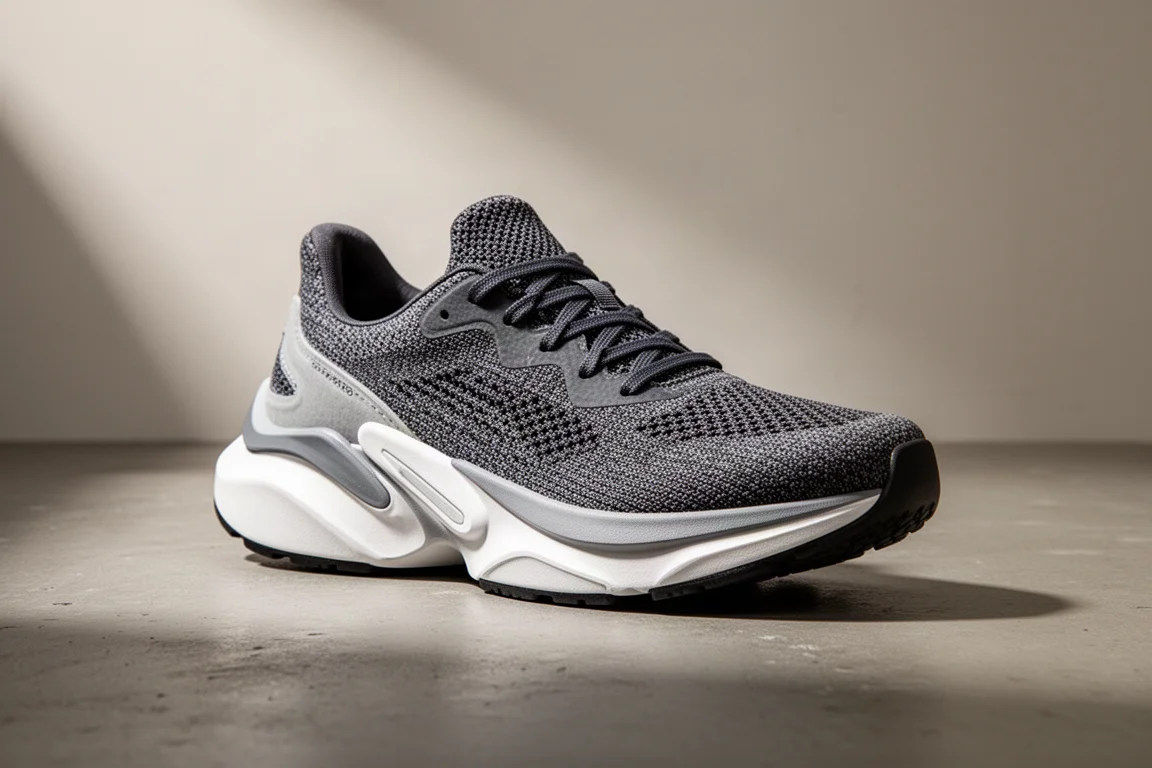
Some running shoes impress on a first run and fade quickly. The Puma Deviate Nitro 2 has done the opposite. After a strong first impression as a favorite from the brand, a few months of regular running and a full 100 miles later, the feeling has held up. This long-term look covers how the shoe has been used, how it is wearing, and whether it still deserves a spot in a rotation.
How the Shoe Has Been Used
The Deviate Nitro 2 has served as a versatile daily trainer, logged mostly in easy runs but capable of picking up the pace whenever needed. That flexibility is the core of its appeal: one shoe that covers easy mileage, daily training, and even faster sessions without feeling out of place in any of them.

For many runners, it can even work as a race-day option, which is a rare claim for a shoe in this category.
Ride and Midsole Construction
The midsole stacks two Puma foams. Nitro foam, a nitrogen-infused compound, handles the bulk of the cushioning, while Nitro Elite foam, the brand’s premium racing material better suited to faster running, sits on top. Sandwiched between the two is a carbon composite plate, visible through a small cutout in the outsole.
The result is a ride with two distinct personalities. At the back of the shoe, the foam absorbs impact on heavier landings, keeping easy runs comfortable. At the forefoot, the Nitro Elite foam plus the plate create a springy, energetic push-off when accelerating. The plate itself is tuned more relaxed than a pure racing setup, so easy paces feel cushioned without turning mushy: the foam absorbs the landing and the plate helps lift the foot back out for an energetic stride even at slower speeds.
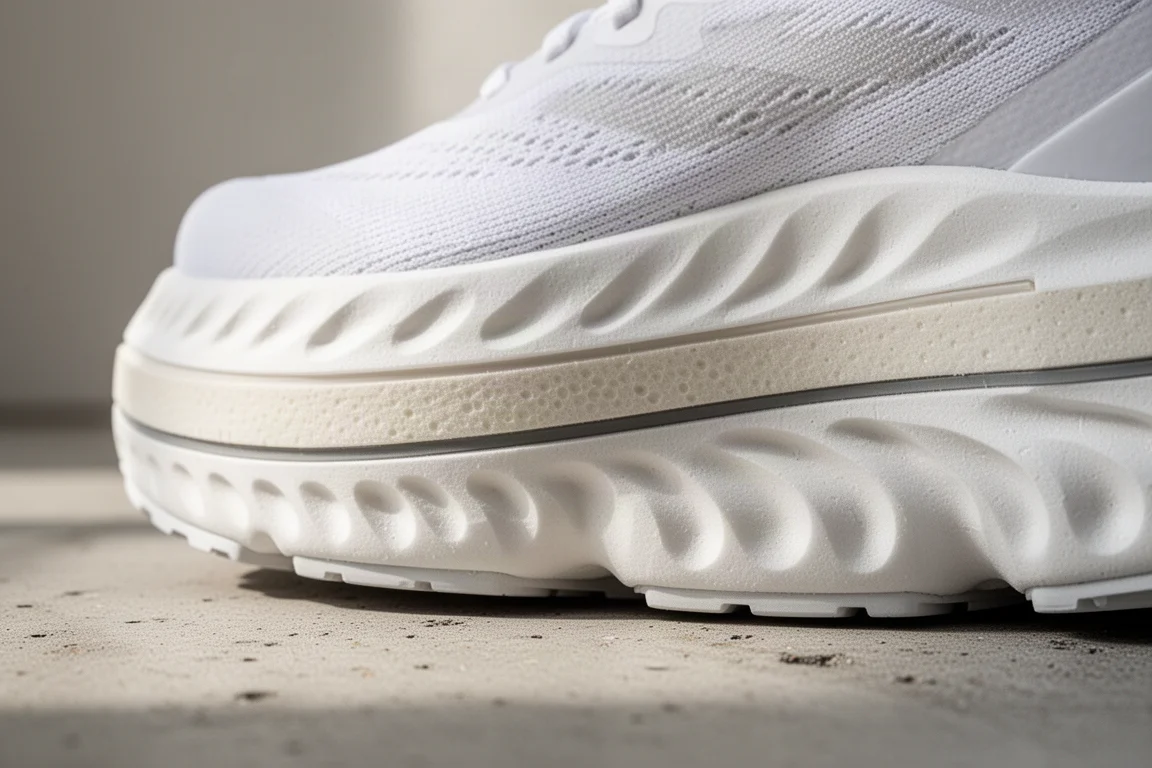
Pick up the pace, though, and the combination of premium foam and plate delivers something close to a race-like sensation. Easy runs, daily training, fartlek, strides, speed work: the shoe handles all of it, and it feels eager about the fast stuff.
Durability After 100 Miles
At the 100-mile mark, the shoe is holding up fantastically well. There are a few scuffs and scrapes along the sides of the foam, purely cosmetic, plus a little creasing that may suggest a slight loss of the brand-new pop from the box. Even so, there is plenty of life left, and nothing suggests the shoe is dying off anytime soon.
The outsole rubber tells the best story. It grips well on wet and soft surfaces, and after 100 miles the wear is minimal: slightly discolored and dirty, but with no excessive wear even in the usual high-abrasion zones under the forefoot pads and the outer heel. The foam likewise still feels comfortable and capable on easy runs and pace changes alike.
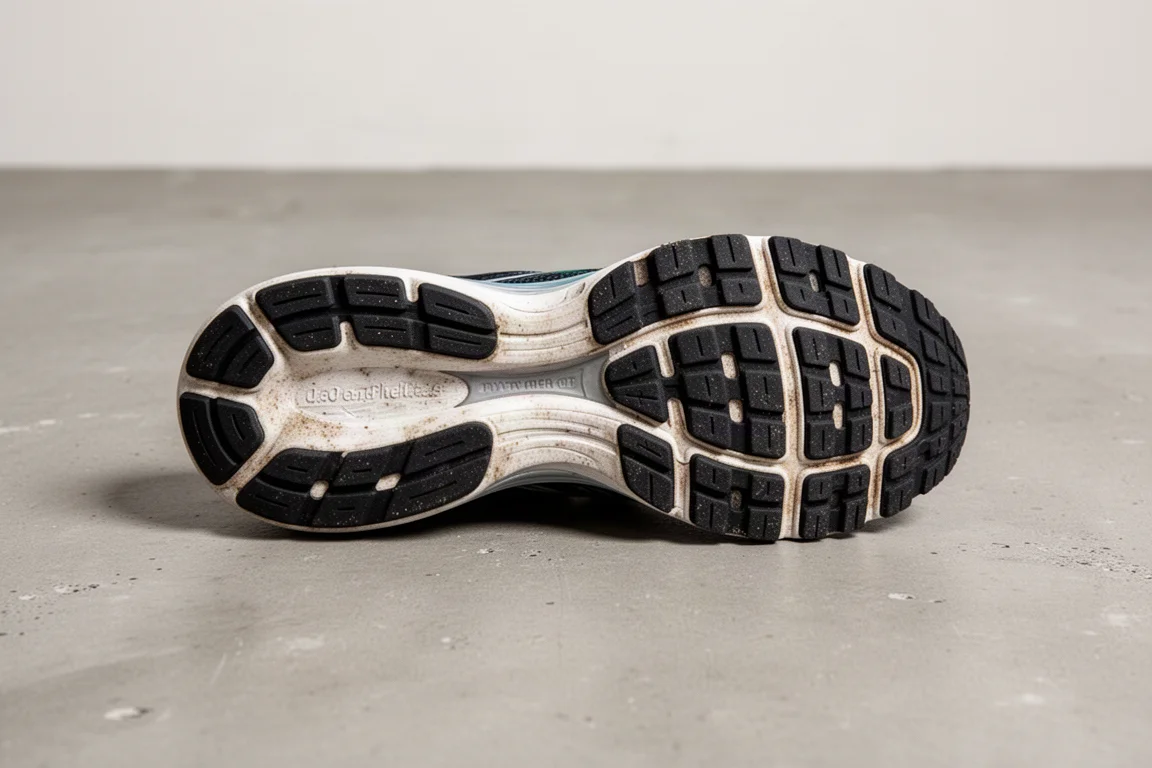
The upper material runs a touch warm but is very durable, and everything still looks nearly new. One quirk: the tongue is not gusseted, held in place by two elastic straps, and on this pair both tongues tilt toward the lateral side, likely a gait-related visual oddity rather than a flaw. Beyond some expected discoloration, the upper has held up well.
Competitors and Buying Advice
At launch, the Deviate Nitro 2 retailed for $160, and with more time in the shoe that price feels exactly right, arguably a strong value. As of August 2023, some colorways have dropped to around $112, which makes the value proposition even better. Comparable options include the Brooks Hyperion Max at $170 and the Hoka Mach X at $180. The Mach X, with its Pebax and EVA dual-foam setup and a Pebax rather than carbon plate, aims at the same lightweight-trainer-with-workout-horsepower goal, and it does the job well, but the Deviate Nitro 2 simply does it better. The Adidas Adizero SL is another likable competitor, though the same logic applies. Preference here leans clearly toward the Puma.

For building a rotation around the Nitro 2, a dedicated racing shoe pairs naturally on top of it as a daily-trainer-plus-racer one-two punch, saving the racing option purely for race day.
Conclusion
After 100 miles, the Puma Deviate Nitro 2 remains a standout: a comfortable, springy daily trainer with genuine speed in reserve, durable construction, and a price that has only gotten more attractive since launch. For runners seeking one shoe to do nearly everything, it is an easy recommendation.
Product link
View more details for Puma Deviate Nitro 2
This product is mentioned in the review. Check the specifications, options, and compatibility before buying.
View more details for Puma Deviate Nitro 2Further reading
Related Reviews

Running Shoes
Best Road-to-Trail Running Shoes: Three Versatile Options for Mixed Terrain
A practical guide to three road-to-trail running shoes that handle both pavement and mild trails, with clear strengths and trade-offs for different runner types.

Running Shoes
Best Running Shoes for Achilles Tendonitis: Three Options Explained
Three running shoes with different heel drops and support features designed to help reduce Achilles tendon pain during walking and running.

Running Shoes
Best Running Shoes for Women: Five Top Choices Ranked
A ranked guide to five women's running shoes, from versatile daily trainers to high-performance racing options, with real strengths and trade-offs for each.