Running Shoes
Puma Deviate 3 and Deviate Elite 3: Two Carbon Road Shoes, Two Very Different Jobs
Puma's updated Deviate 3 and race-day Deviate Elite 3 share a carbon power plate but serve distinct roles, from do-it-all training to lightweight marathon propulsion.
Introduction
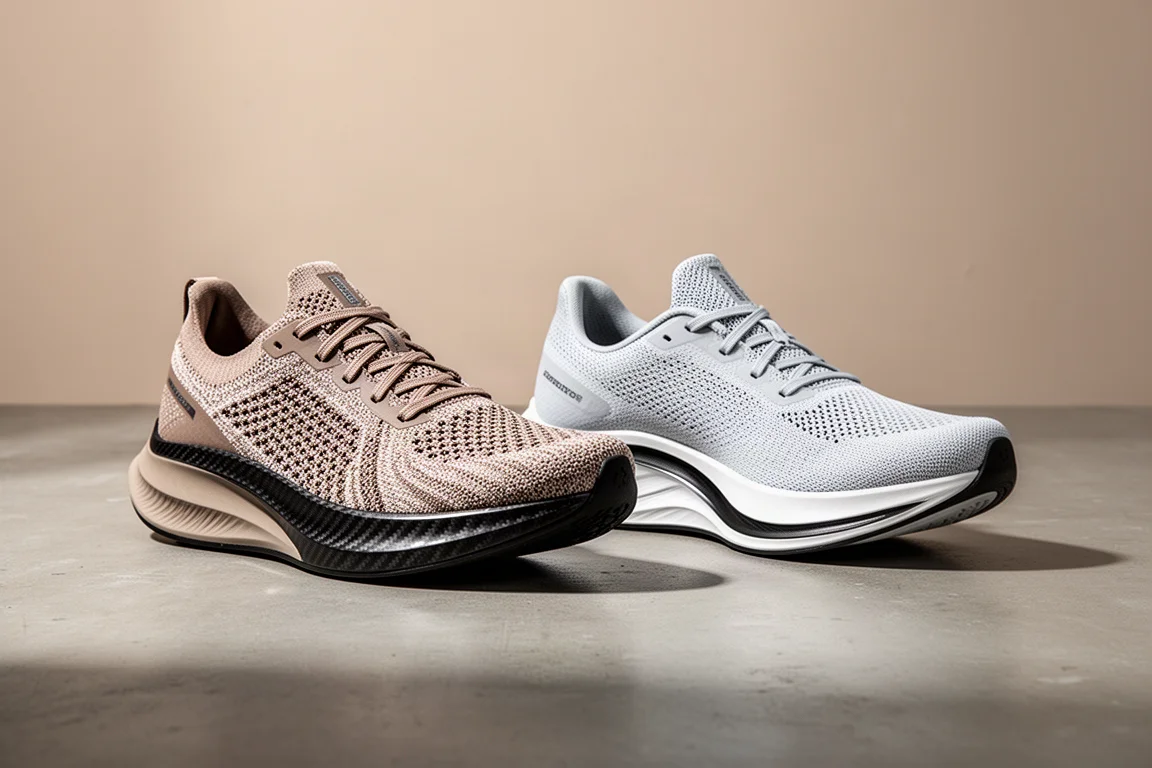
Puma’s Deviate line has quietly become one of the more respected names in the carbon-plate road shoe category, and the latest generation splits the family into two clear roles: the Deviate 3 as a versatile trainer with race-day potential, and the Deviate Elite 3 as a dedicated lightweight racing shoe. Both carry a carbon fiber power plate and Puma’s Nitro Elite foam, but the way each shoe uses those ingredients is very different. Here’s how they break down.
Puma Deviate 3: The One-Shoe Trainer
The Deviate 3 keeps the setup that made earlier versions popular: a 10 mm drop with a 38 mm heel and 28 mm forefoot, Nitro Elite foam next to the foot for softness and responsiveness, Nitro foam underneath, and a carbon fiber power plate sandwiched in between. The plate is slightly more flexible than before, particularly in the forefoot, which helps for daily training while still delivering pop when the pace picks up.
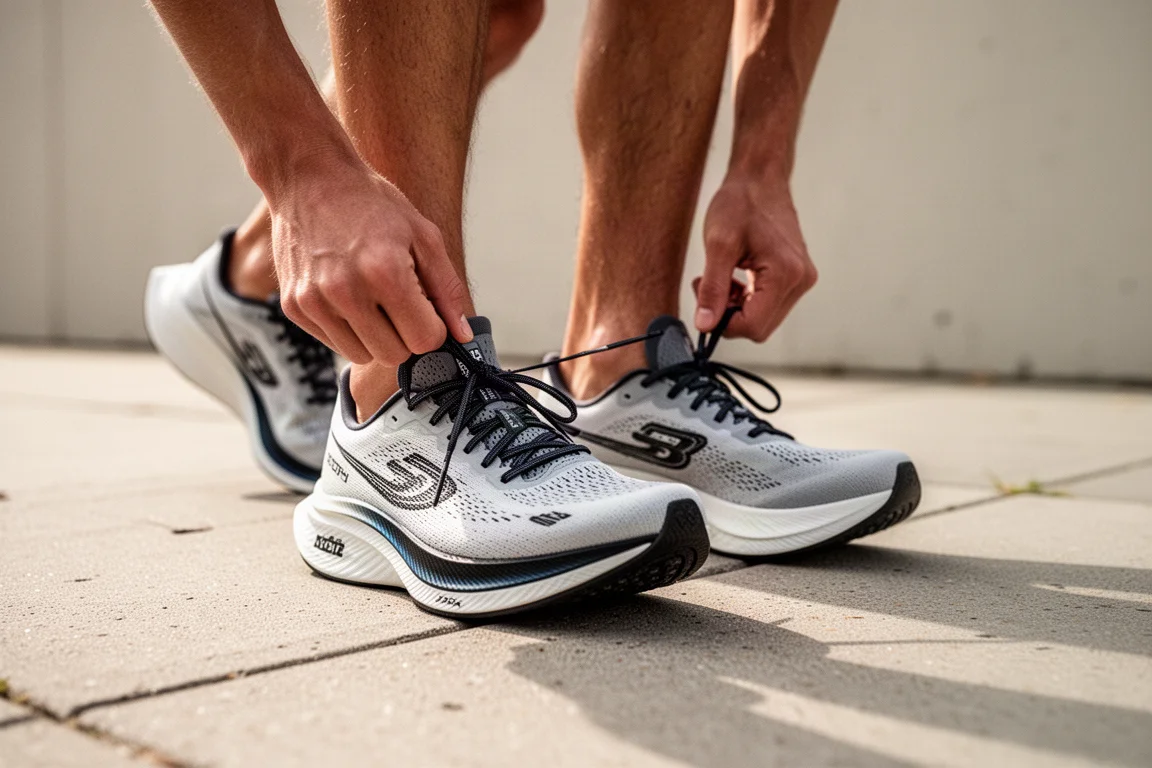
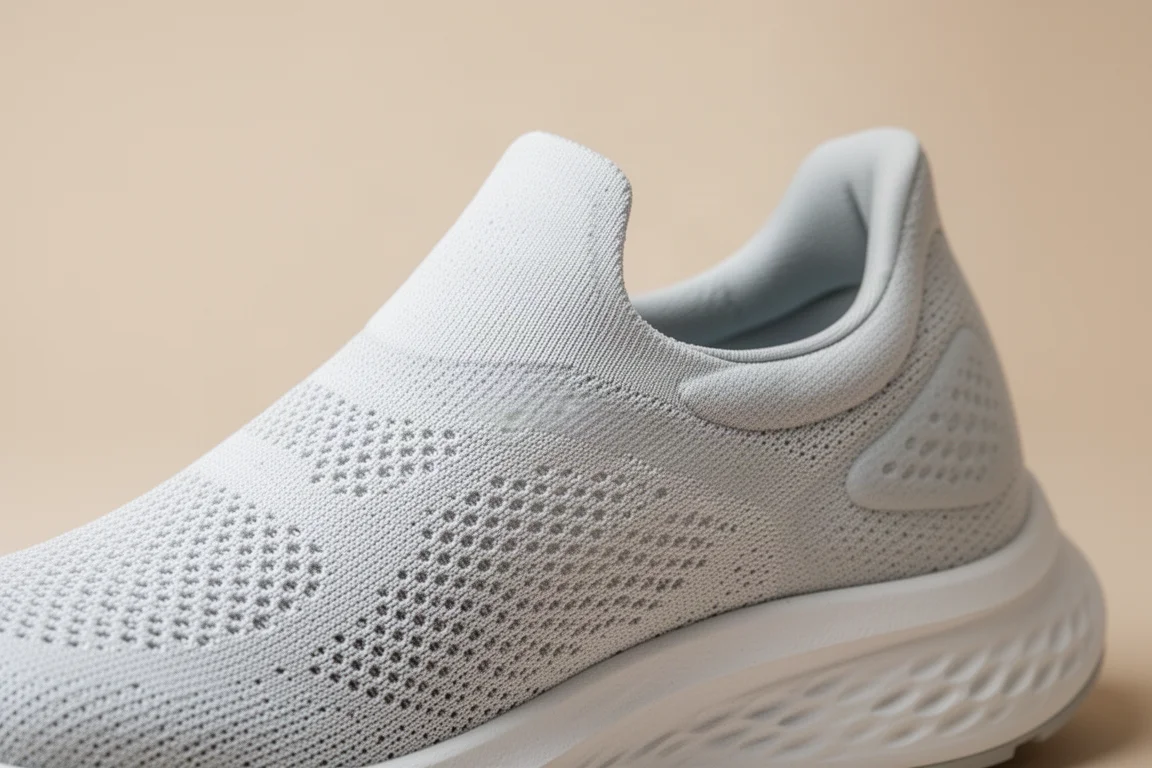
The main update is the upper, which is now an engineered knit with a bit more stretch and flexibility so it fits a wider range of feet. Puma also trimmed about 15 g from the shoe, bringing it closer to 245 g, and optimized the Puma Grip outsole specifically for road running. Priced at $170 and launching in June 2024, it is positioned as a genuine one-shoe solution: easy runs, tempo work, long runs, and even a marathon for runners around the 4-hour range.
Puma Deviate Elite 3: Built for Race Day
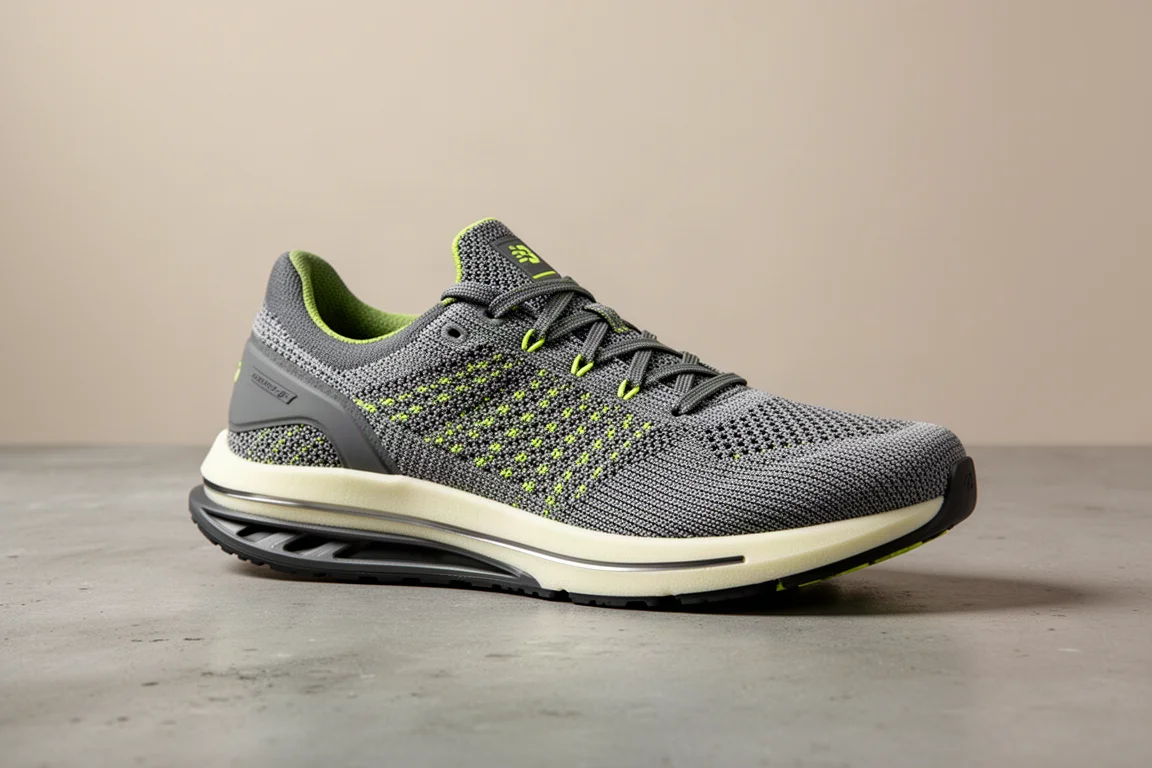
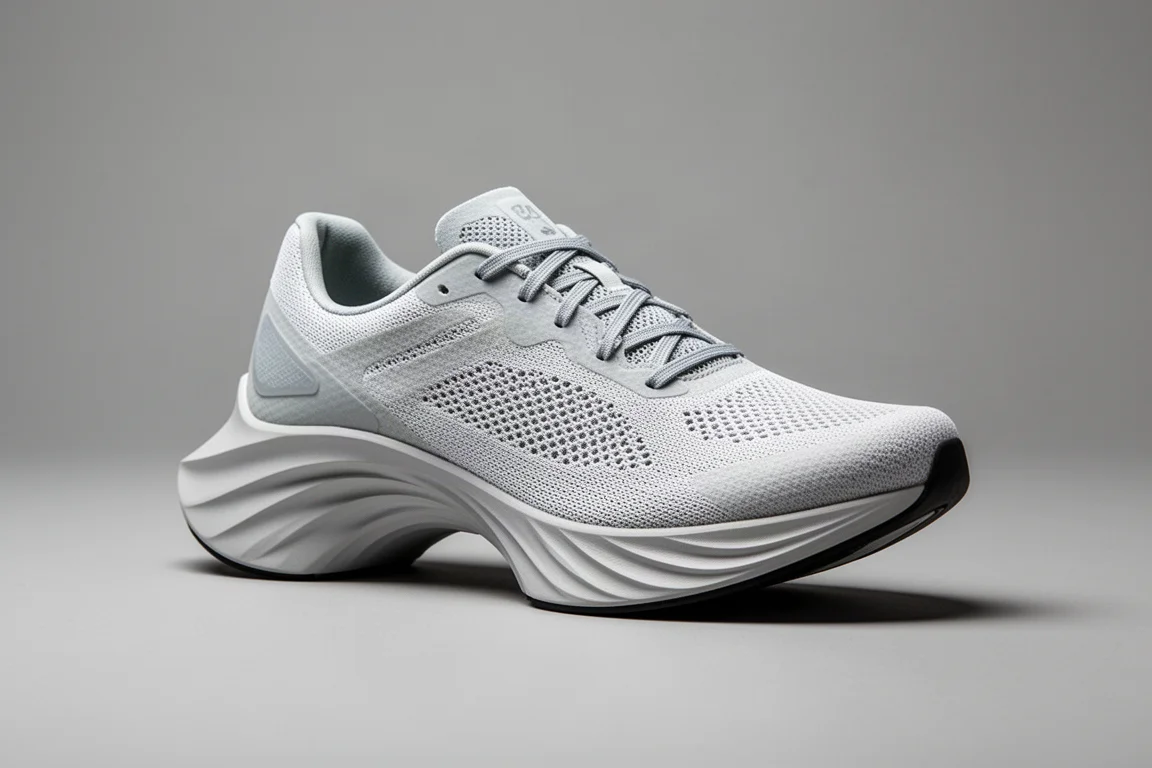
The Deviate Elite 3 is where Puma’s racing ambitions live. Athletes asked for more foam, so Puma added roughly 4 mm throughout the shoe, moving from 36 mm to a 40 mm heel with a 32 mm forefoot and an 8 mm drop. The extra stack lets the carbon fiber power plate roll more efficiently through a revised rocker geometry, and the result is a noticeably faster ride.
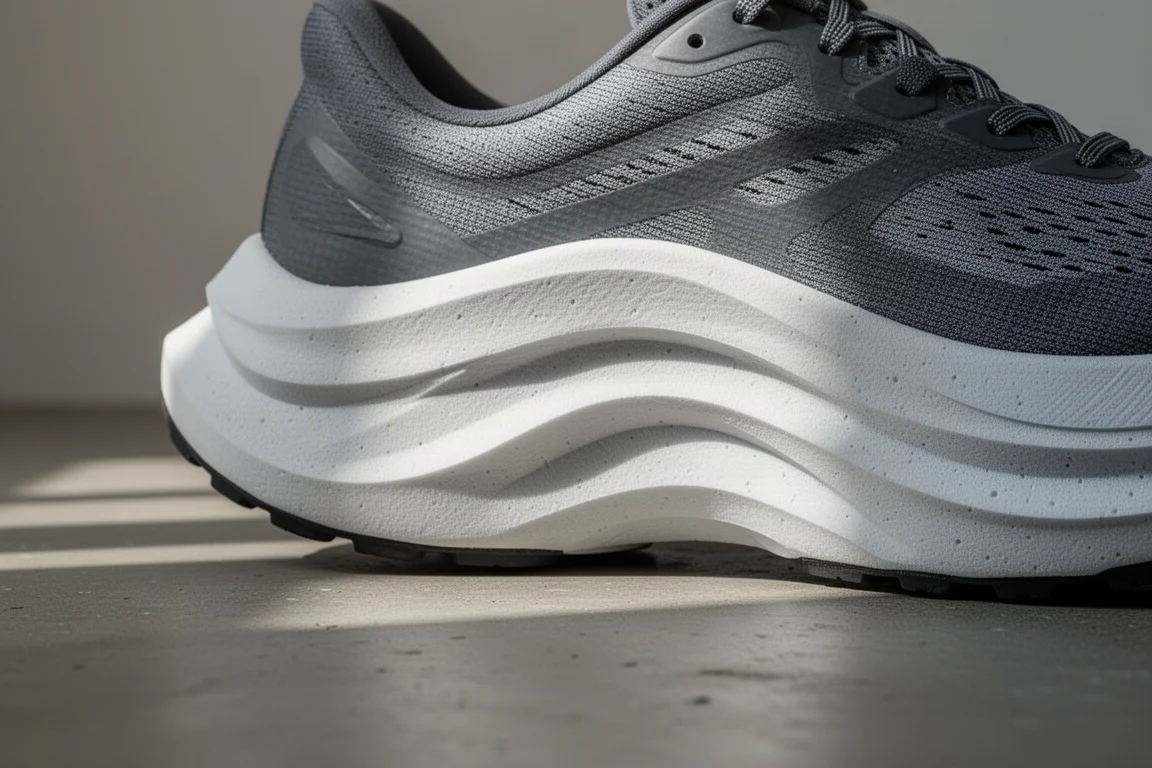
Impressively, the shoe is about 15 g lighter than before despite the added foam, thanks to a more minimal upper and smarter material use. The biggest headline is the new Nitro Elite foam, built on an aliphatic TPU rather than the PEBA foams common across the market, with energy return jumping from around 83% to about 93%. The upper is a super-light mono mesh, some colorways add a subtle 3D print for style, the beloved tongue from the previous version is carried over unchanged, and the heel is now perforated and more seamless for a lighter fit. It sits at $230 and launched mid-June, right before the Olympics.
Choosing Between the Two
Puma frames the split simply: the Fast-R 2 is for powerful propulsion, while the Deviate Elite 3 is for lightweight propulsion. In lab testing with six of a planned ten athletes, four were faster in the Deviate Elite 3 and two in the Fast-R 2. Molly, who won an Olympic medal in the previous version, ran a 2:23 marathon in the Deviate Elite 2 and was measurably faster in the Elite 3, while longer-striding athletes like Jenny Simpson tested more efficiently in the Fast-R. Puma’s running economy testing showed gains of up to 2% with the Deviate Elite 3, which can translate to roughly 90 seconds to 2 minutes over a marathon.

For everyday runners, the decision is easier: if you want one shoe that covers training, long runs, and the occasional race, the Deviate 3 makes sense. If you already have a trainer and want a dedicated race-day weapon, the Elite 3 is the faster, lighter option.
What Hasn’t Changed
Both shoes keep the core DNA that runners responded to in earlier versions. The Deviate 3 retains its 10 mm drop, dual-foam stack, carbon plate, and Puma Grip outsole, with the changes focused on fit and weight rather than a full redesign. The Deviate Elite 3 keeps the same tongue its predecessor was praised for and stays true to its minimal, snappy character. In both cases, Puma refined rather than reinvented.
Conclusion
The Deviate 3 and Deviate Elite 3 show how far a single platform can stretch. The Deviate 3 is the practical pick at $170, a shoe that genuinely handles easy miles through race day, while the Deviate Elite 3 at $230 chases every available second with a bigger stack, lighter build, and a foam that claims some of the best energy return in the category. Pick based on how often you actually race.
Further reading
Related Reviews

Running Shoes
Best Road-to-Trail Running Shoes: Three Versatile Options for Mixed Terrain
A practical guide to three road-to-trail running shoes that handle both pavement and mild trails, with clear strengths and trade-offs for different runner types.

Running Shoes
Best Running Shoes for Achilles Tendonitis: Three Options Explained
Three running shoes with different heel drops and support features designed to help reduce Achilles tendon pain during walking and running.

Running Shoes
Best Running Shoes for Women: Five Top Choices Ranked
A ranked guide to five women's running shoes, from versatile daily trainers to high-performance racing options, with real strengths and trade-offs for each.