Running Shoes
Three Puma Carbon Racing Shoes Compared: Deviate Nitro Elite 2, Fast-FWD Nitro Elite and Fast-R Nitro Elite
A closer look at Puma's carbon plate racing line-up: the all-rounder Deviate Nitro Elite 2, the short-distance Fast-FWD Nitro Elite, and the unconventional split-foam Fast-R Nitro Elite.
Introduction
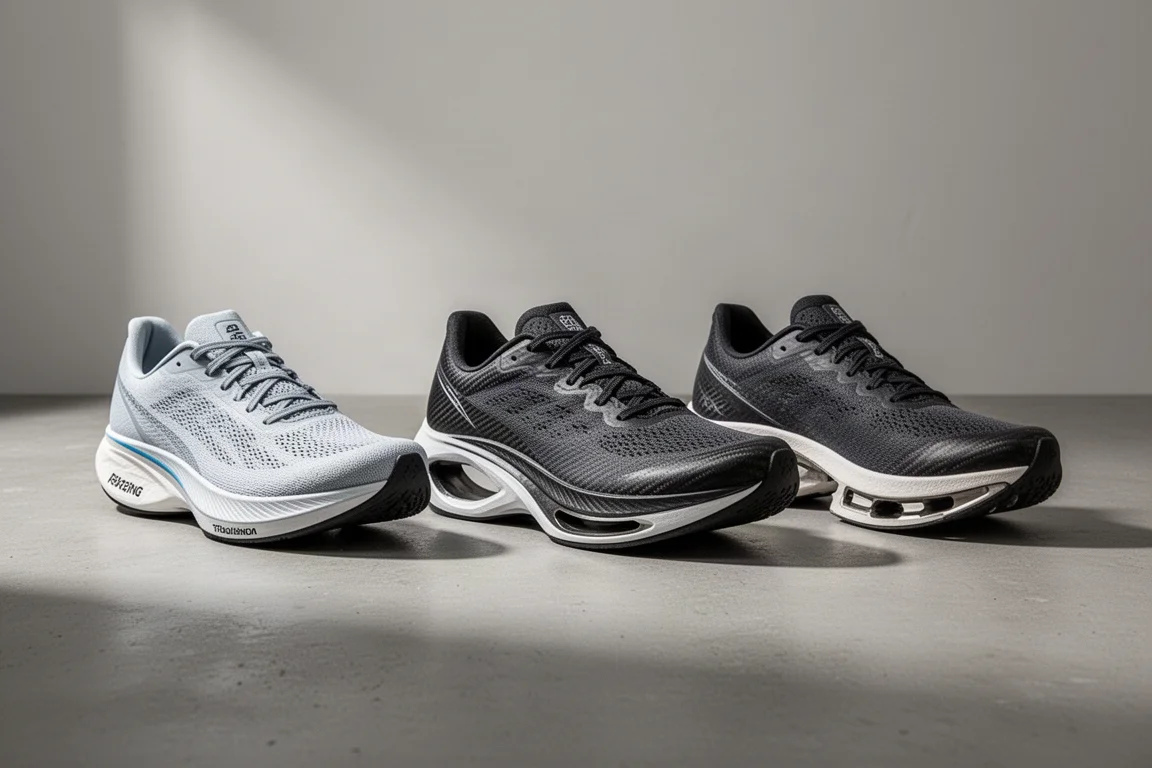
Puma’s carbon plate racing line is unusual. Instead of three variations on the same recipe, the brand offers three genuinely different designs: a balanced all-rounder, a radically cut-away short-distance racer, and a split-foam shoe that looks unlike almost anything else on the start line. That makes the range exciting but also a little confusing, because the shoes behave very differently from one another.
This comparison covers the Puma Deviate Nitro Elite 2, the Puma Fast-FWD Nitro Elite, and the Puma Fast-R Nitro Elite, looking at how each is built, how it fits, and where each one makes the most sense.
At a Glance
The three shoes sit at distinct price points and weights:
- Puma Deviate Nitro Elite 2: £170 / $200, 215g (7.6 oz, men’s size 8), 8mm drop
- Puma Fast-FWD Nitro Elite: £200 / $220, 202g (7.1 oz, men’s size 8), 9mm drop
- Puma Fast-R Nitro Elite: £220 / $250, 218g (7.7 oz, men’s size 8), 8mm drop
The Deviate Nitro Elite 2 is the cheapest of the three by a noticeable margin, yet it is the shoe Puma’s elite marathon runners tend to race in. The other two carry a premium, largely because of their more experimental construction.
Puma Deviate Nitro Elite 2
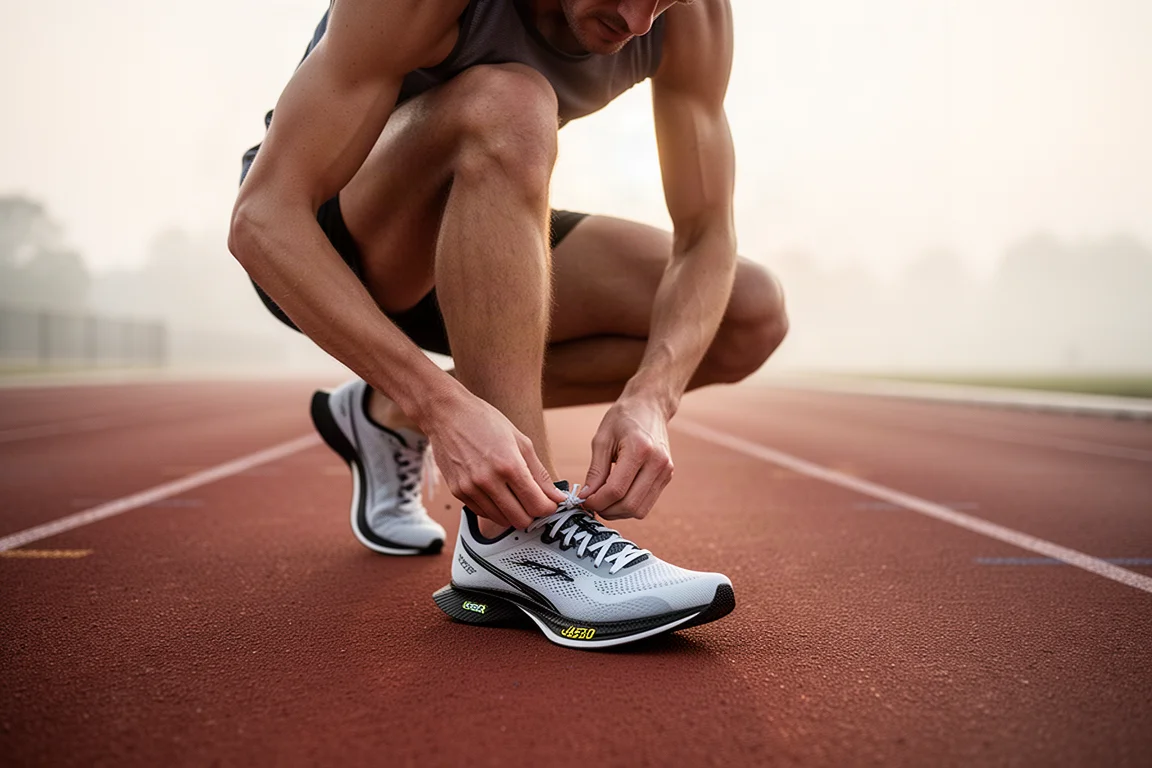
The Deviate Nitro Elite 2 is a lightweight racer designed to provide propulsion and speed while still offering a good level of comfort. This second version brings updates to the plate design and a new lightweight mesh upper for better breathability. The midsole uses balanced Nitro Elite foam, paired with a healthy layer of Puma Grip outsole rubber for grip and durability.
On the run, this is the most natural-feeling shoe of the three. It is stable, grounded, and comfortable, with outstanding grip. It does not deliver the dramatic propulsive snap of some carbon super shoes; it simply feels light, fast, and easy to wear. Testers found it the most comfortable of the trio over longer distances and the easiest to recommend for general training, fast runs, and longer efforts alike. One noted it was the only shoe of the three they would feel confident taking to a marathon, and it was quick enough to produce a surprise 5K personal-level effort.
The trade-off is that it can feel a little understated. If you expect a distinctly “super shoe” sensation, the Deviate may feel more like a very good fast trainer than a tech showcase. But it is the most approachable, the best value, and the shoe most people should start with from this range.
View more details for Puma Deviate Nitro Elite 2
Puma Fast-FWD Nitro Elite
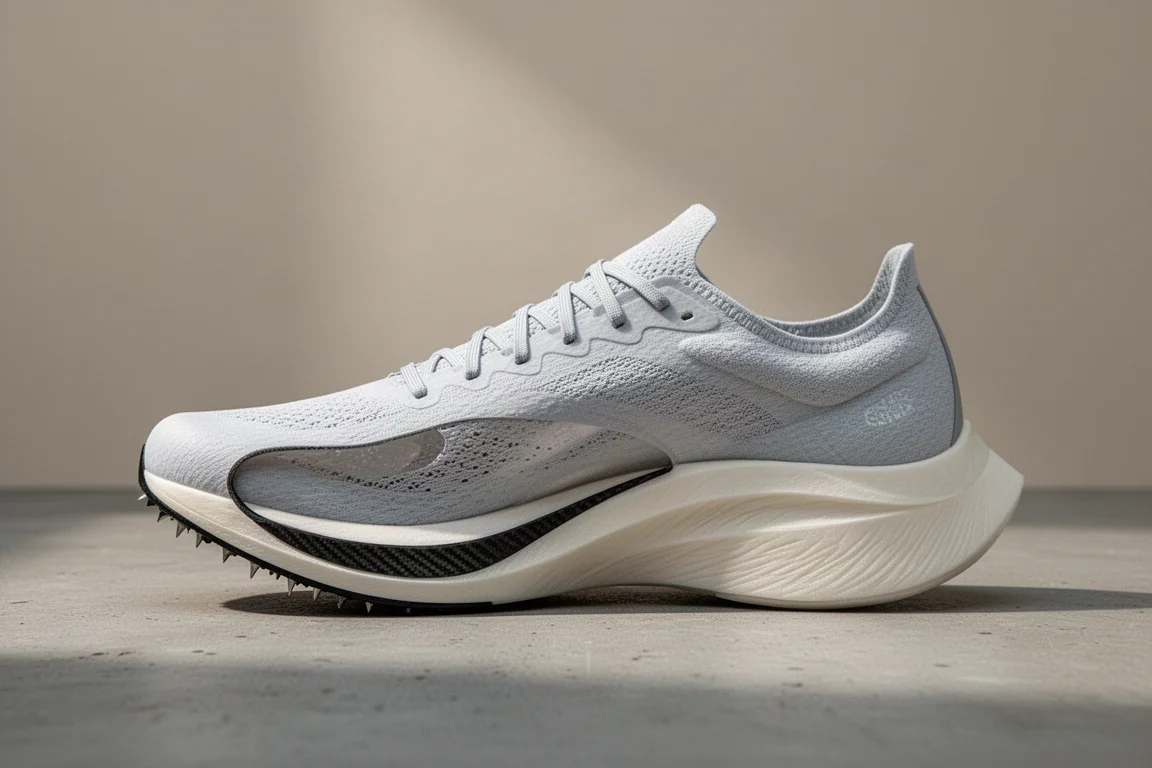
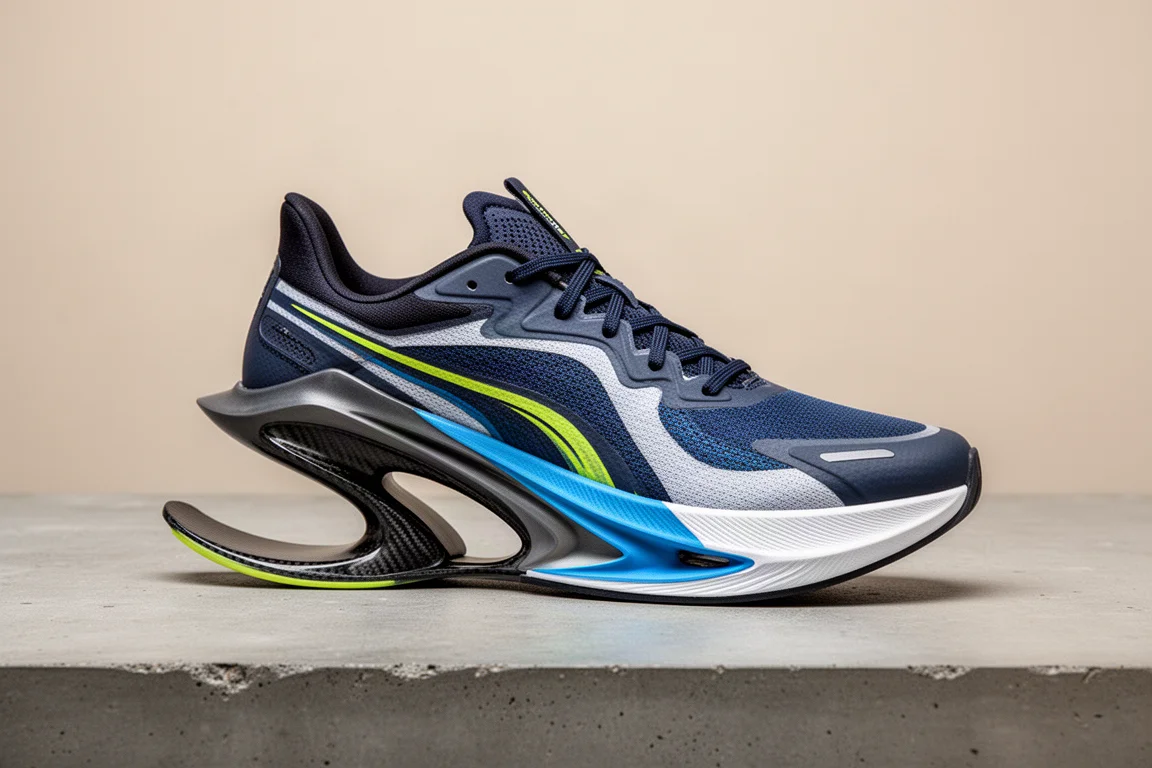
The Fast-FWD Nitro Elite is Puma’s short-distance specialist, built for 5K and 10K racing. It combines Nitro Elite midsole foam with a full-length power plate, but its most distinctive feature is the leaned-out front and rear sections of the shoe, with a cut-away heel designed to roll runners onto the forefoot for a propulsive toe-off. The upper is a lightweight mono mesh with Puma tape sections for structure, and there is a solid covering of Puma LT outsole rubber for grip and midsole protection.
It is the lightest of the three at 202g, and on the run it lives up to that. In 5K and 10K races it felt very fast and very light, though noticeably firm at the front section, which became punishing as races wore on. Runners who land midfoot or forefoot tend to get the most from the design; heavy heel strikers effectively land on the back of the midfoot and may find the ride less transformative.
The verdict is nuanced. For its stated job, short fast races and track work, it fulfils its brief extremely well and was described as the most fun shoe of the year on the track. But the feel is unusual enough that it is worth trying on first: some runners will love it instantly, others will know straight away it is not for them. It is also priced at a premium for such a niche shoe.
Fit and Sizing
Across all three shoes, both testers found them true to size with no heel rub, which has historically been an issue with some earlier Puma models. One caveat: the Fast-FWD and Fast-R both use a very lean upper. They are not especially narrow or tight, but runners with wider feet may want to consider the next width iteration or try before buying.
Puma Fast-R Nitro Elite
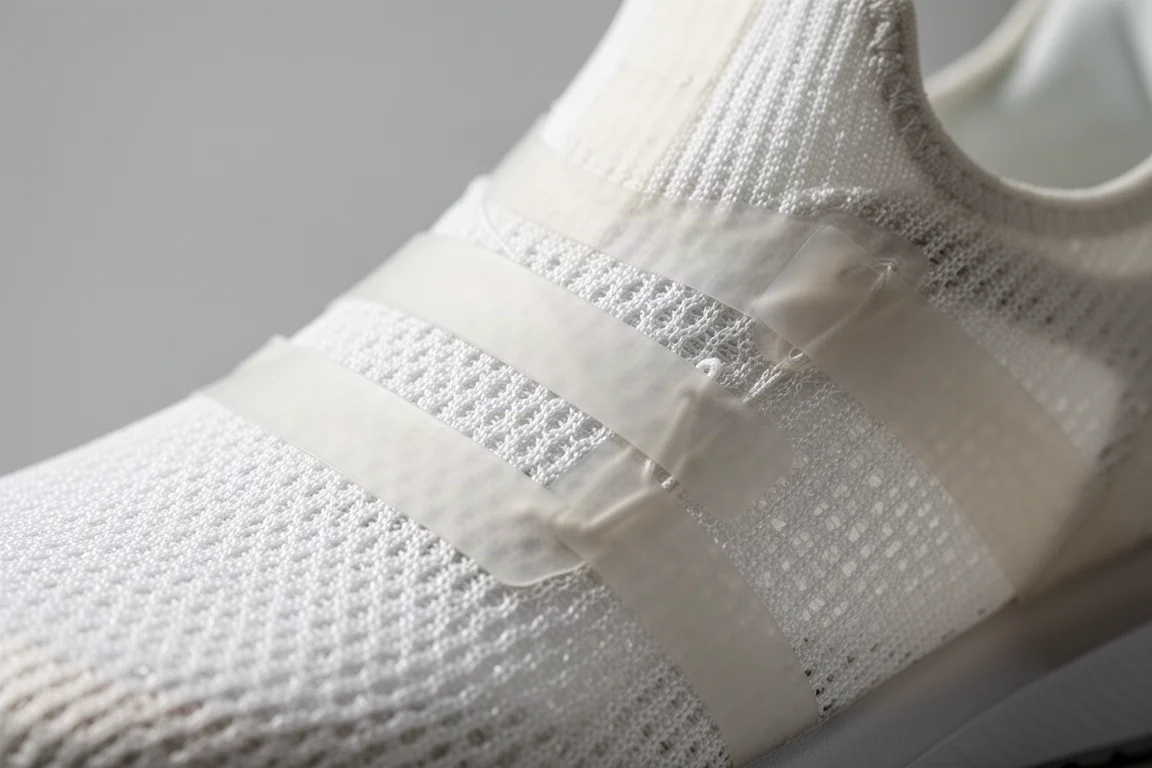
The Fast-R Nitro Elite is perhaps the most visually distinctive carbon plate racer to date. Its split midsole uses two different foams: a firmer EVA in the heel and a softer, bouncier Nitro Elite foam in the forefoot. The idea is to improve stability and efficiency, working alongside a visible power plate that runs through both sections. The upper is a thin mono mesh reinforced with targeted power tape, and the outsole carries a surprisingly thick layer of Puma Grip rubber for traction and midsole protection.
The design philosophy is straightforward: a firmer, more stable landing at the heel transitions you onto the forefoot as quickly as possible, where the soft Nitro Elite foam bounces you forward. For a heel striker running a hard half marathon effort, this proved genuinely effective, allowing well-controlled pacing at a fast clip. It is arguably the most propulsive shoe of the three and the closest to the feel of other super shoes, despite looking nothing like them.
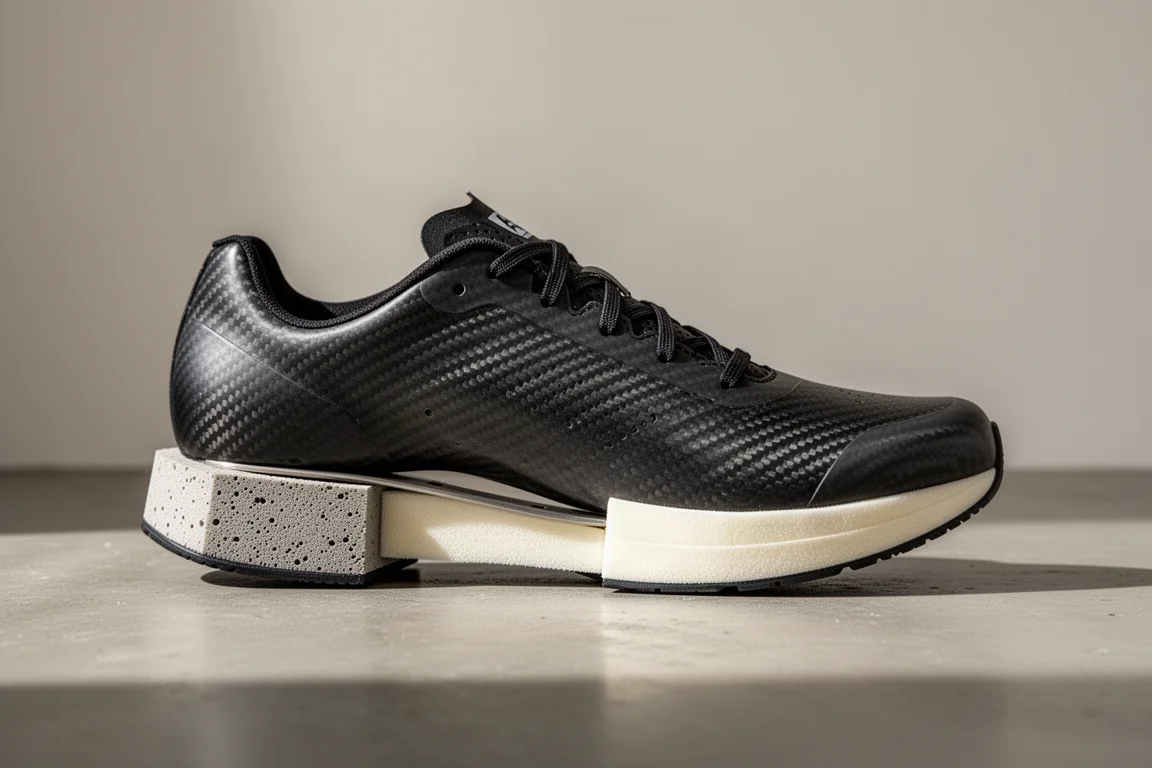
The catch is the ride. It is snappy to the point of feeling slappy for some running styles, the firmer heel foam can feel awkward, and by the end of a hard half marathon, the snapping motion contributed to notable forefoot fatigue. It is not a shoe for slow training runs and it is the trickiest of the three to pin down: propulsive and quick, but not guaranteed to suit everyone, especially at £220 / $250.
Track Performance
One shared strength deserves its own mention: all three shoes performed exceptionally on the track. Rapid acceleration, hard braking into bends, and quick cadence changes are handled confidently, and Puma Grip rubber proved reliable even on wet track surfaces. If track sessions are a big part of your week, any of the three works well there, though stacked shoes like the Fast-R are better suited to training than track racing.
Which One Should You Buy?
Here is the simplest way to break the range down:
- 5K and 10K racing: the Fast-FWD Nitro Elite, provided you are comfortable with its unconventional forefoot feel and you race short.
- Half marathon and propulsive racing: the Fast-R Nitro Elite, particularly if you are a heel striker who will benefit from the fast heel-to-forefoot transition.
- Everything else, including the marathon: the Deviate Nitro Elite 2, which is more comfortable, cheaper, and the shoe testers would recommend to almost any runner.

The honest conclusion is that the Deviate Nitro Elite 2 does so much, so well, at a lower price, that the other two only make sense for very specific needs. If Puma had released only the Deviate as its flagship, it would be an easy recommendation. The experimental designs are genuinely interesting and credit to Puma for innovating, but for most runners they are a second purchase rather than a first.
Conclusion
Puma’s carbon racing range rewards runners who know exactly what they want. The Fast-FWD Nitro Elite is a superb short-distance and track racer with an alien feel that will not suit everyone. The Fast-R Nitro Elite is the most propulsive of the trio but the most awkward to live with. The Deviate Nitro Elite 2 is the balanced, comfortable, great-value choice that nearly anyone can pick up and enjoy immediately. For most runners, start there; add one of the others only if your racing is narrow and specific enough to justify it.
Further reading
Related Reviews

Running Shoes
Best Road-to-Trail Running Shoes: Three Versatile Options for Mixed Terrain
A practical guide to three road-to-trail running shoes that handle both pavement and mild trails, with clear strengths and trade-offs for different runner types.

Running Shoes
Best Running Shoes for Achilles Tendonitis: Three Options Explained
Three running shoes with different heel drops and support features designed to help reduce Achilles tendon pain during walking and running.

Running Shoes
Best Running Shoes for Women: Five Top Choices Ranked
A ranked guide to five women's running shoes, from versatile daily trainers to high-performance racing options, with real strengths and trade-offs for each.