Running Shoes
Puma Deviate Nitro Elite vs Fast-R Nitro Elite: Which Carbon Racer Deserves Your Money?
Two carbon racing shoes, two very different personalities. We compare fit, feel, and value across Puma's top racing lineup.
Introduction
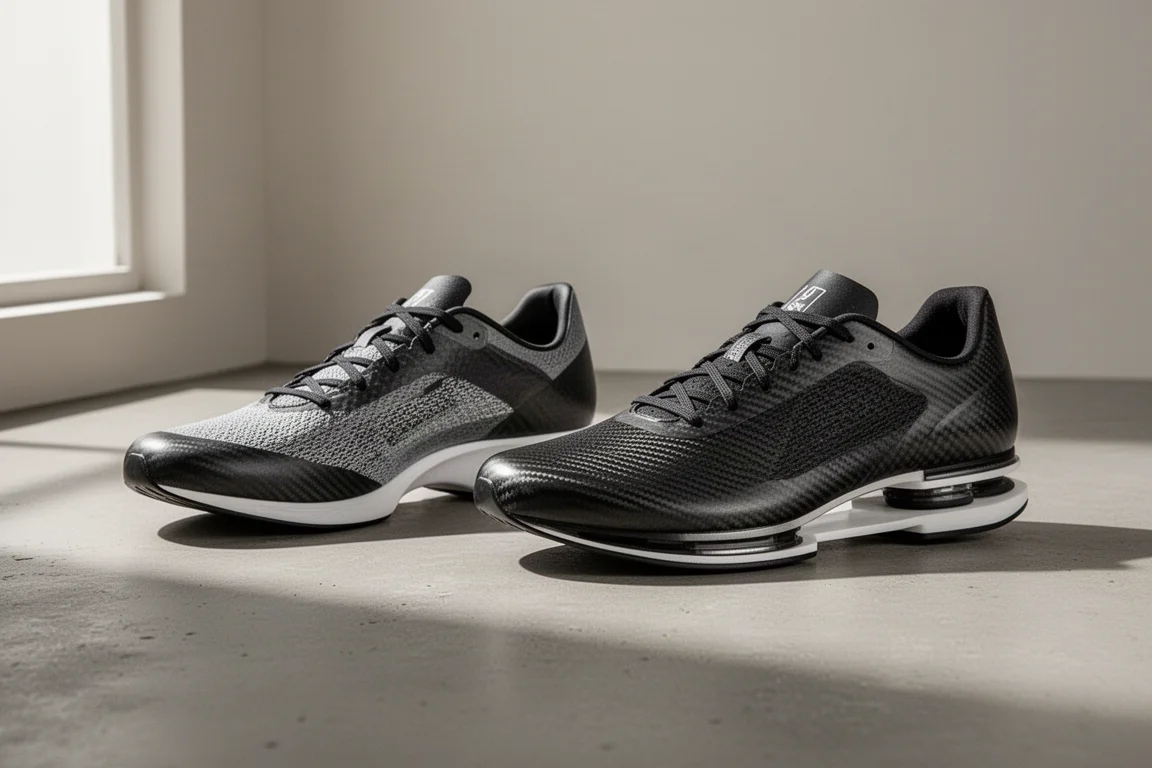
Puma currently fields two top-tier carbon racing shoes: the Deviate Nitro Elite and the newer Fast-R Nitro Elite. On paper they sit close together in the same performance category, but on the foot they feel remarkably different. One is lighter and cheaper with a more natural ride; the other is a bolder design with a decoupled midsole that some runners will love and others will find awkward. This comparison breaks down where each shoe excels so you can pick the right one for your racing.
Price and Weight at a Glance
The Deviate Nitro Elite is the cheaper of the two at £170 UK or 200 Euros, while the Fast-R Nitro Elite costs £220 UK or 250 Euros. The Deviate is also the lighter shoe at 201 grams (7.1 oz) in a UK size 9, compared to 238 grams (8.4 oz) for the Fast-R. Both share an eight millimetre drop, so the real differences come down to construction and ride character.
Two Shoes, Two Very Different Characters
The Fast-R is the newer and more experimental shoe. Its standout feature is a decoupled midsole, unusual both within Puma’s range and across the carbon shoe market generally. It uses two different foams: a firmer EVA-style foam at the heel and a very soft Nitro Elite PEBA foam at the forefoot, the latter derived from castor bean oil in this shoe. Grooves in the heel section allow parts of the midsole to move a little independently, aiming for a more stable landing and a fast transition onto the soft forefoot.
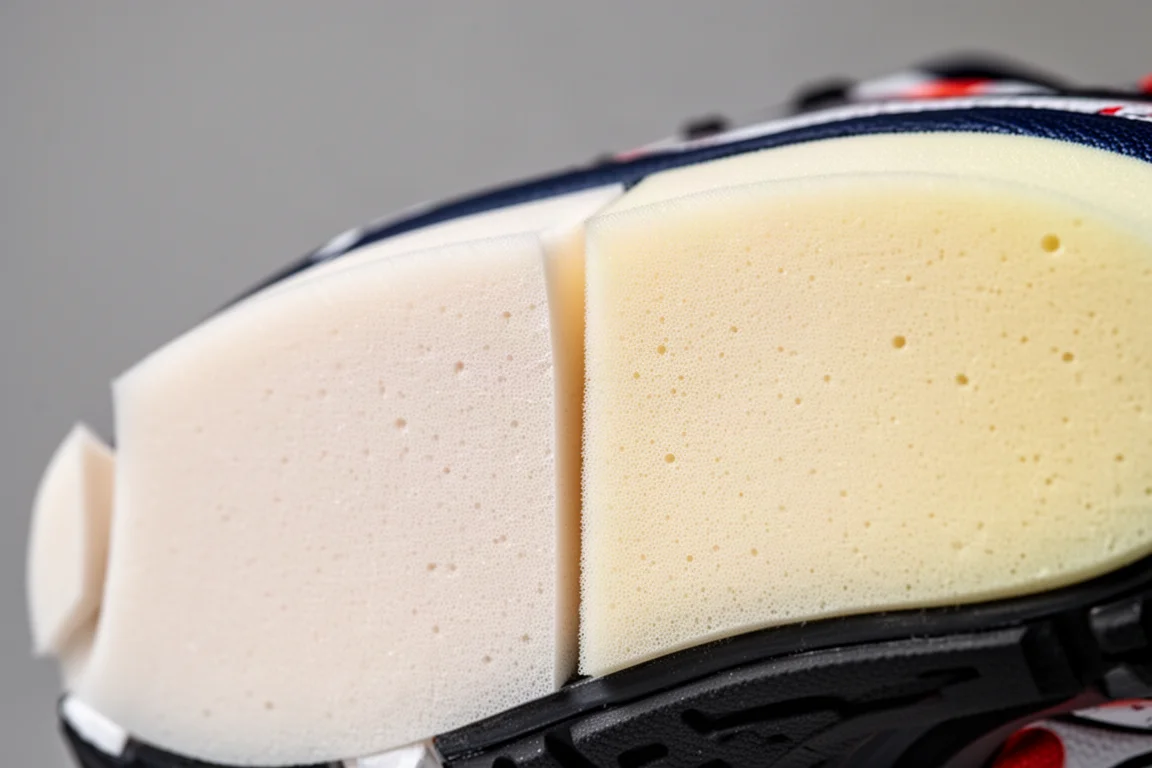
The Deviate Nitro Elite takes a more conventional route. Its midsole stacks two layers of Nitro Elite PEBA foam (not the castor bean oil version) around Puma’s Power Plate carbon plate, wrapped in a lightweight mono mesh upper designed almost purely to keep weight down.
Fit and Upper
Both shoes run true to size. The Fast-R Nitro Elite fits comfortably with a roomier toe box, which makes sense given Puma positions it as a long-distance racer. The Deviate Nitro Elite has a slightly racier, closer fit, and runners with wider or larger feet may find it a tight squeeze, especially with thicker socks. Neither shoe has heel problems, which is worth noting given the original Deviate Nitro had some issues in that area.
How They Run: Ride and Feel
This is where the two shoes part ways. One tester with a heel strike found the Fast-R’s big, firm heel pushes him forward onto the soft forefoot, creating a very efficient and fast foot strike that helped him hold a strong half marathon pace, especially when fatiguing. He described it as a shoe that tips you forward relentlessly, quick but not always comfortable.

A midfoot to forefoot striker found the two shoes much closer, since the forefoots are nearly identical. He actually found the Deviate more “poppy,” bouncing him forward a little more, and preferred its natural, comfortable feel. For him, the Deviate handled heavy fast running with ease: over a four-day stretch including a 27k session, a Sunday run, a 5K race, and ten 1k reps, it stayed comfortable and protected the legs despite a relatively low stack.
The Fast-R, by contrast, feels like a shoe built purely for speed. It shines in short distance speed sessions and half marathon racing, but slow jogging in it feels odd, and it would not be the pick for everyday training.
Grip and Outsole: The Easy Common Ground
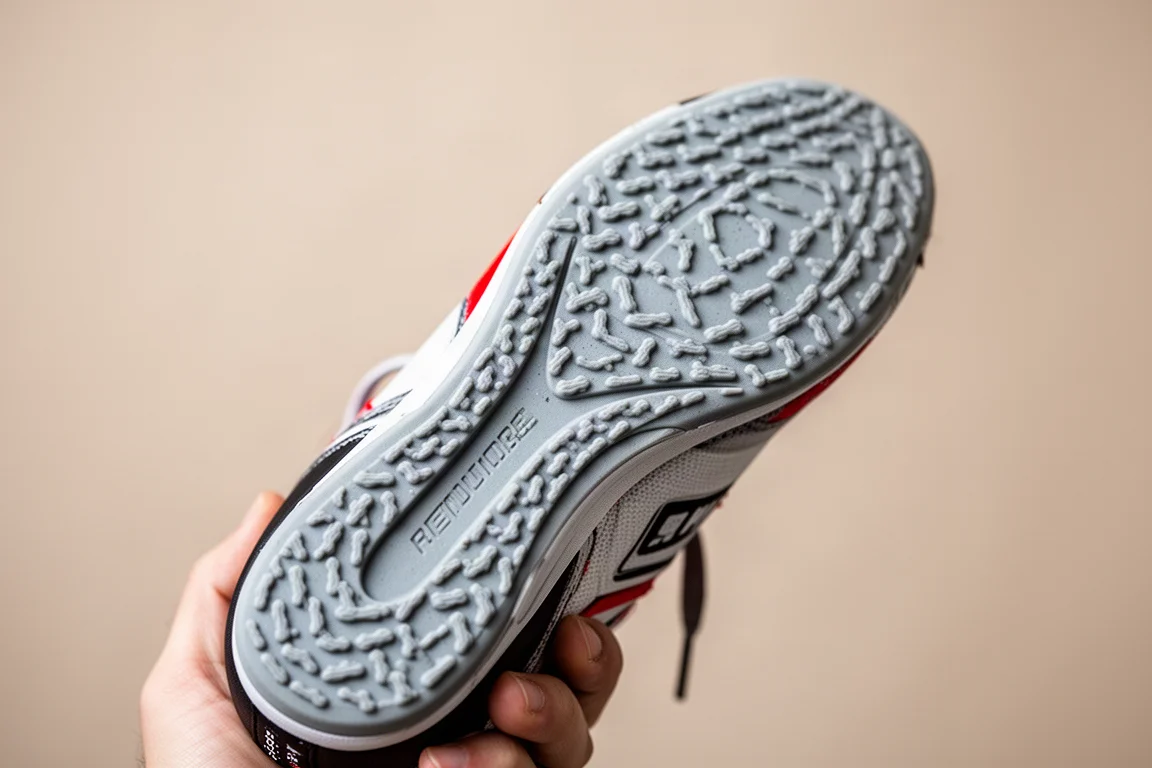
One thing both testers fully agreed on: the Puma Grip LT outsole is excellent on both shoes. It is genuinely grippy yet thin and lightweight, with great coverage. Among super shoes, it is hard to find a better outsole in terms of grip, and both shoes manage it while staying light. If cornering at speed matters to you, either shoe delivers.
Stability and Terrain Notes
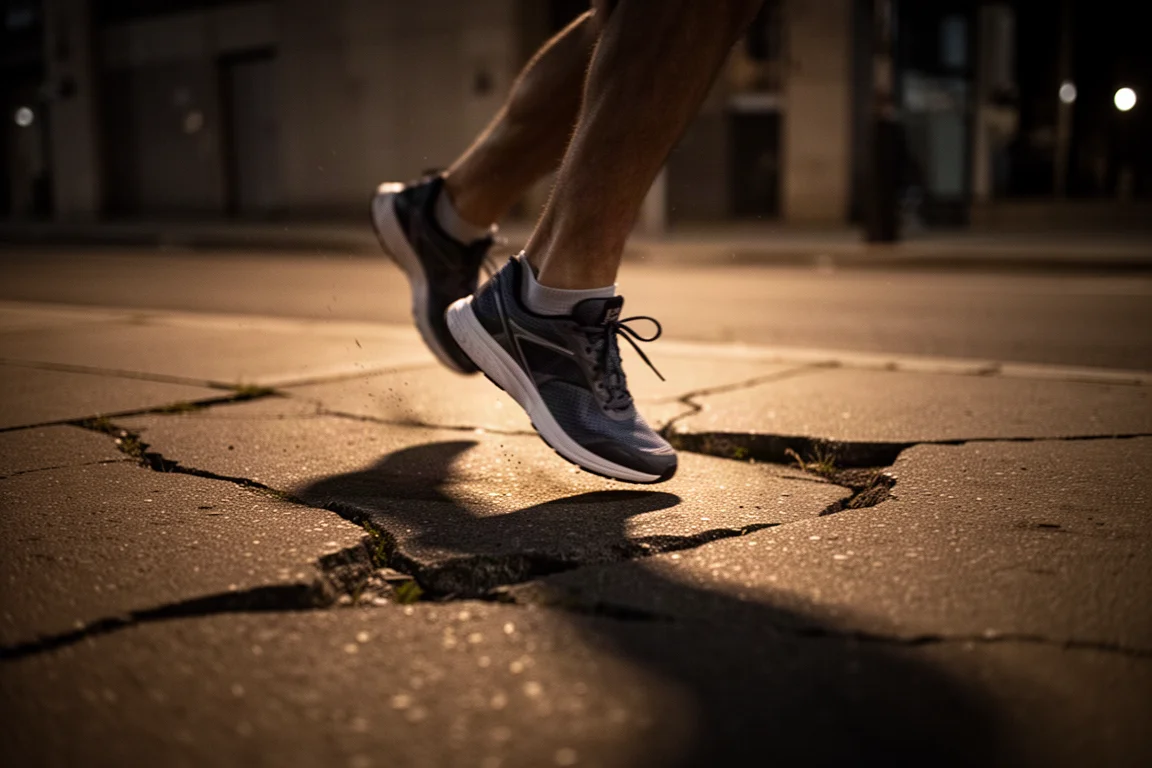
Both shoes are stable on the midsole, which is a nice bonus. However, the Fast-R’s decoupled midsole creates a gap under the arch that can catch on uneven ground. Running at night on roads with dips you cannot see, landing on that gap can cause real problems you cannot plan for. The Deviate, with a full bottom of the shoe, handles imperfect terrain far more gracefully.
Which Should You Buy?
For most runners, the Deviate Nitro Elite is the easy pick. It is lighter, significantly cheaper, and both testers found it more natural and more comfortable on the foot. It is a genuine bargain in the carbon shoe market, especially with discount codes often available, and it is a great entry point to Puma’s excellent foam. The Fast-R Nitro Elite is a genuinely fast shoe that works very well for heel strikers thanks to its heel-to-forefoot transfer, but at its price you can find better options, and its unusual feel and midsole gap are real trade-offs. Unless its decoupled design specifically appeals to you, the Deviate is the shoe to buy.
Conclusion
Puma’s two carbon racers share a superb outsole, an eight millimetre drop, and race-day speed, but they suit different runners. The Deviate Nitro Elite wins on weight, comfort, versatility, and value, making it our recommendation for most runners. The Fast-R Nitro Elite is a fascinating, aggressive design best suited to heel strikers who want to be pushed forward when fatigue sets in, provided they accept its quirks and higher price.
Product link
View more details for Puma Deviate Nitro Elite
This product is mentioned in the review. Check the specifications, options, and compatibility before buying.
View more details for Puma Deviate Nitro EliteFurther reading
Related Reviews

Running Shoes
Best Road-to-Trail Running Shoes: Three Versatile Options for Mixed Terrain
A practical guide to three road-to-trail running shoes that handle both pavement and mild trails, with clear strengths and trade-offs for different runner types.

Running Shoes
Best Running Shoes for Achilles Tendonitis: Three Options Explained
Three running shoes with different heel drops and support features designed to help reduce Achilles tendon pain during walking and running.

Running Shoes
Best Running Shoes for Women: Five Top Choices Ranked
A ranked guide to five women's running shoes, from versatile daily trainers to high-performance racing options, with real strengths and trade-offs for each.