Outdoor Gear
Puffy Jacket Buying Guide: Insulation, Durability, and Warmth, Plus the Nova Pro and Nova UL
A practical guide to insulation types, shell fabric durability, and how to compare warmth, with a closer look at the Nova Pro and Nova UL jackets.
Introduction
A puffy jacket is one of the most useful pieces of outdoor clothing you can own, but the category is wide enough that two jackets which look nearly identical can behave very differently in the cold. Before spending money, it helps to understand three things: what the insulation is made of, how durable the shell fabric is, and how to compare warmth between two options in a meaningful way.
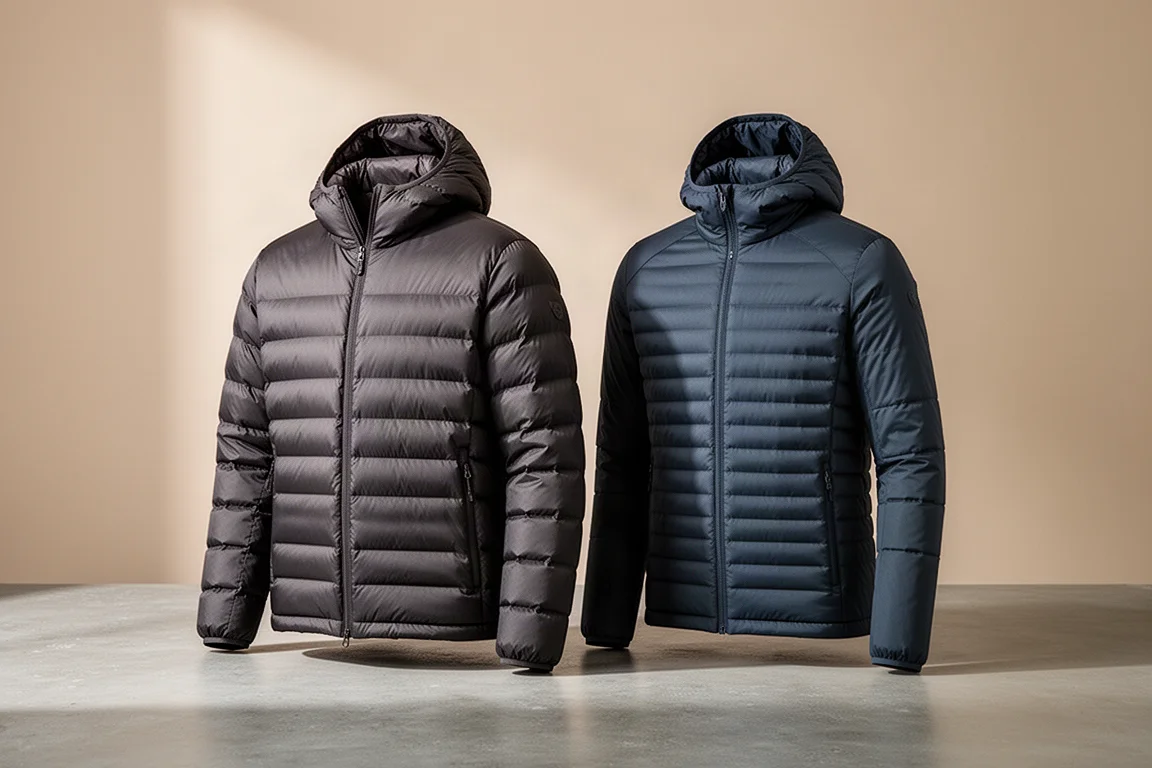
That same framework is useful for looking at the new Nova jacket line, which includes the Nova Pro and the Nova UL. Both use the same stitch-free fabric construction and the same Down LT insulation, but they are built for different conditions.
Start With the Insulation Type
The first decision is down versus synthetic. Synthetic insulation keeps its loft when it gets wet, so it does not collapse in damp conditions and it continues to insulate after being soaked. Down offers more warmth per unit of weight, particularly at high fill powers such as 800 and above, but its behaviour in moisture depends heavily on the treatment used. Some down jackets handle water well, and others do not.
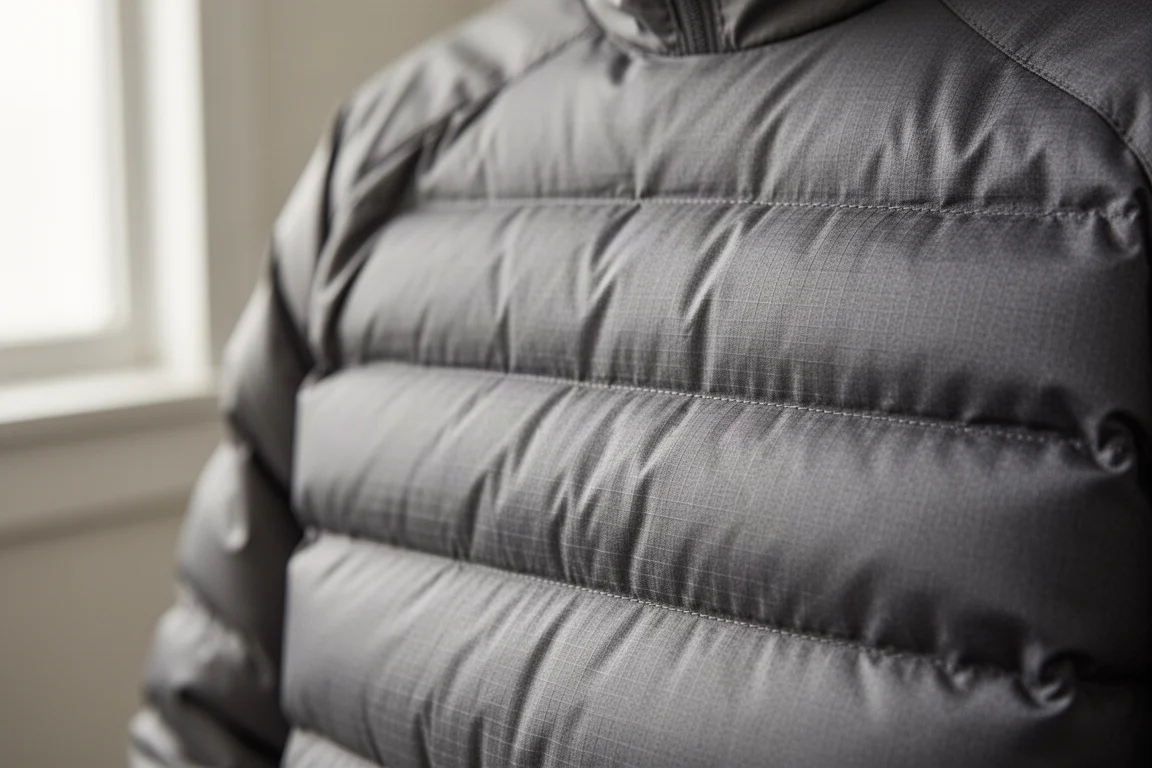
There is also a middle path. The Down LT insulation used in the Nova line blends high fill power down with trace amounts of synthetic insulation to produce a claimed 800 plus fill power that continues to insulate even when completely saturated. For anyone who wants down’s warmth-to-weight ratio without constantly worrying about sweat, rain, or general damp, that blend is the most practical answer in the category.
Whichever route you choose, the trade-off stays the same. A fully synthetic fill is unlikely to match down for loft or warmth per unit of weight, while down demands more attention to moisture management unless the treatment is designed for it.
Fabric Durability: Denier, Ripstop, and Stitching
Denier describes how heavy and how durable the fabric is, and it is one of the most overlooked specifications on a puffy jacket. A 20 denier ripstop nylon on the outside paired with a lighter 10 denier liner is a sensible balance: durable enough for regular use on the outside while staying light enough not to compress the insulation.
Lighter fabrics in the 15, 10, and 7 denier range save weight, but they snag and tear more easily, which makes them best suited to low-abrasion use rather than hiking and moving around a lot. Very heavy fabrics in the 30 to 40 denier range bring their own problem: combined with down or high-loft insulation, they can actually compress the fill and reduce loft.
Stitching is the other durability consideration. Seams and stitches can snag, and they are a common failure point over the life of a jacket. The Nova line addresses this with a custom fabric that weaves the baffles directly from yarn, which the brand states results in more than 10,000 fewer needle holes. Fewer holes means fewer things to catch, and it also improves the shell’s resistance to both wind and rain.
How to Judge Warmth Without a Temperature Rating
There is no such thing as a standard temperature rating for a jacket. The more reliable approach is to compare two numbers: fill power, which describes how much loft the insulation provides for its weight, and the amount of insulation measured by weight. Jackets are also commonly described in broad warmth categories such as sweater weight, jacket level, or coat level, which is a useful place to start.

When two jackets share the same fill power, comparing insulation weight is straightforward: 150 g is warmer than 100 g. When the fill powers differ, convert one to the other before comparing. A 625 fill power jacket with 150 g of insulation works out to roughly 117 g at 800 fill power, which means an 800 fill power jacket carrying the same 150 g holds over an ounce more effective insulation. That kind of conversion is what tells you which of two jackets will actually be warmer.
Nova Pro: The Warmest Jacket in the Nova Line
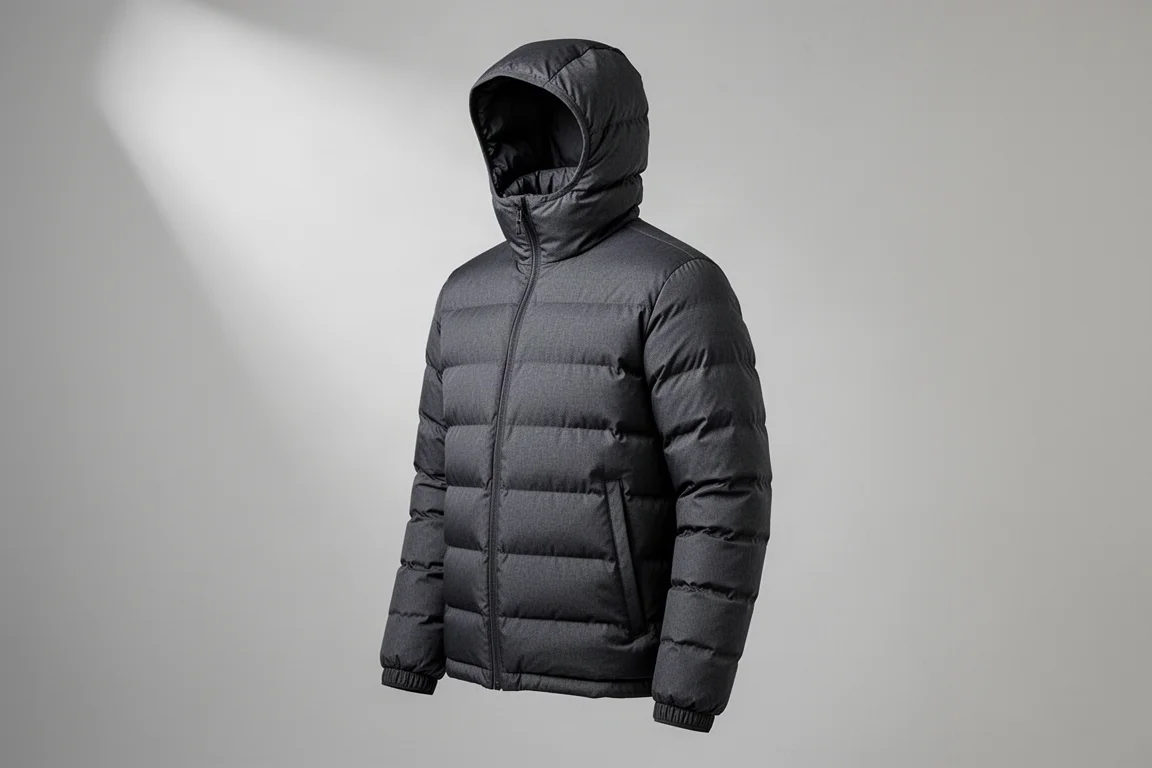
The Nova Pro sits at the top of the line for warmth. Its I2 baffles hold 50 percent more Down LT insulation than the ultralight option, which pushes it into coat-level warmth rather than sweater level. That makes it the pick for more frigid climates, where you want the insulation to carry more of the load.
It keeps the same weather resistance and durability as the rest of the line, and it still offers venting so you can release heat when you are moving. For cold trips where a lighter puffy would leave you underdressed, the Pro is the more capable choice.
Nova UL: The Ultralight Three-Season Option
The Nova UL is the lightest jacket in the Nova line. Its warmth lands in the sweater weight category, which makes it a three-season piece rather than a deep winter coat. It is designed to work as a mid layer, or as the outer layer during active days in cooler temperatures when you need just enough warmth without overheating.
Because it shares the same fabric, moisture performance, and feature set as the Pro, the decision between the two comes down to how much warmth you need rather than how much weather protection you get.
Shared Features Across the Nova Line
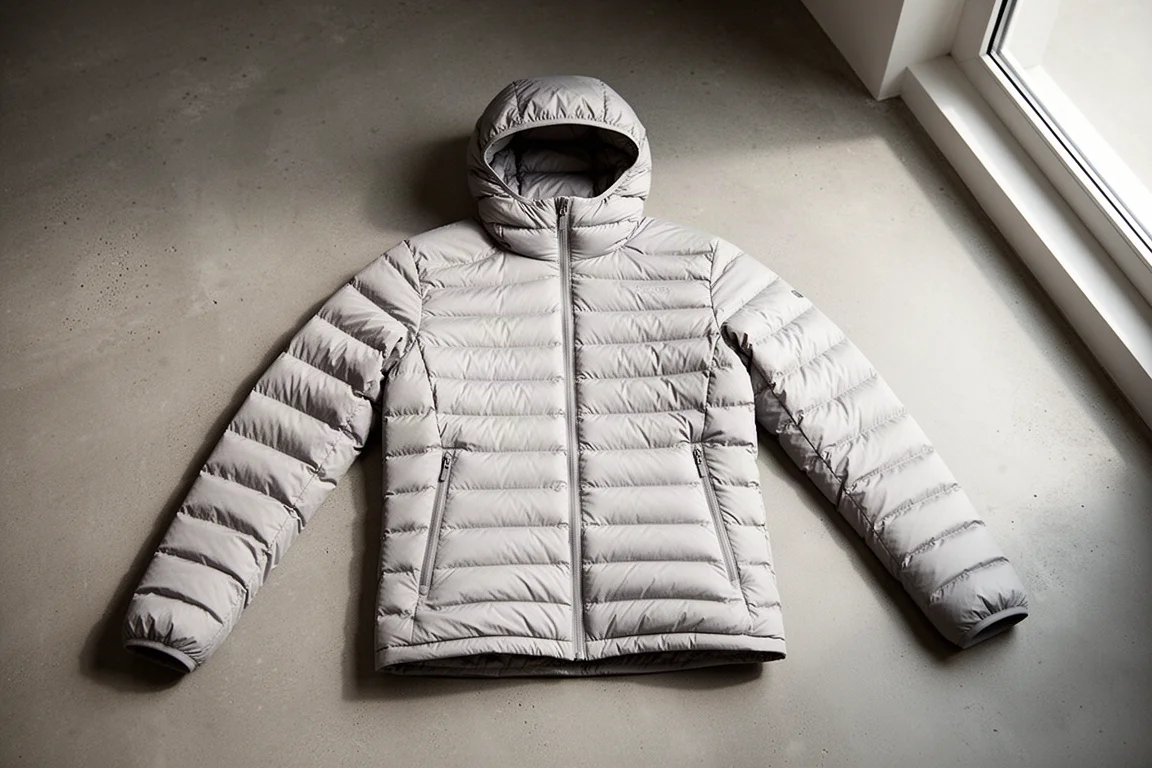
Both jackets carry the same feature set: pit zips for venting and breathability, two insulated hand pockets that double as a stuff sack or a zipped place for valuables, an insulated two-way adjustable hood that turns with your head without blocking your view, a high neck collar, an adjustable hem to seal in heat, thumb holes for layering, and elastic cuffs that keep warmth from escaping. The shell is 20 denier nylon with a DWR coating.
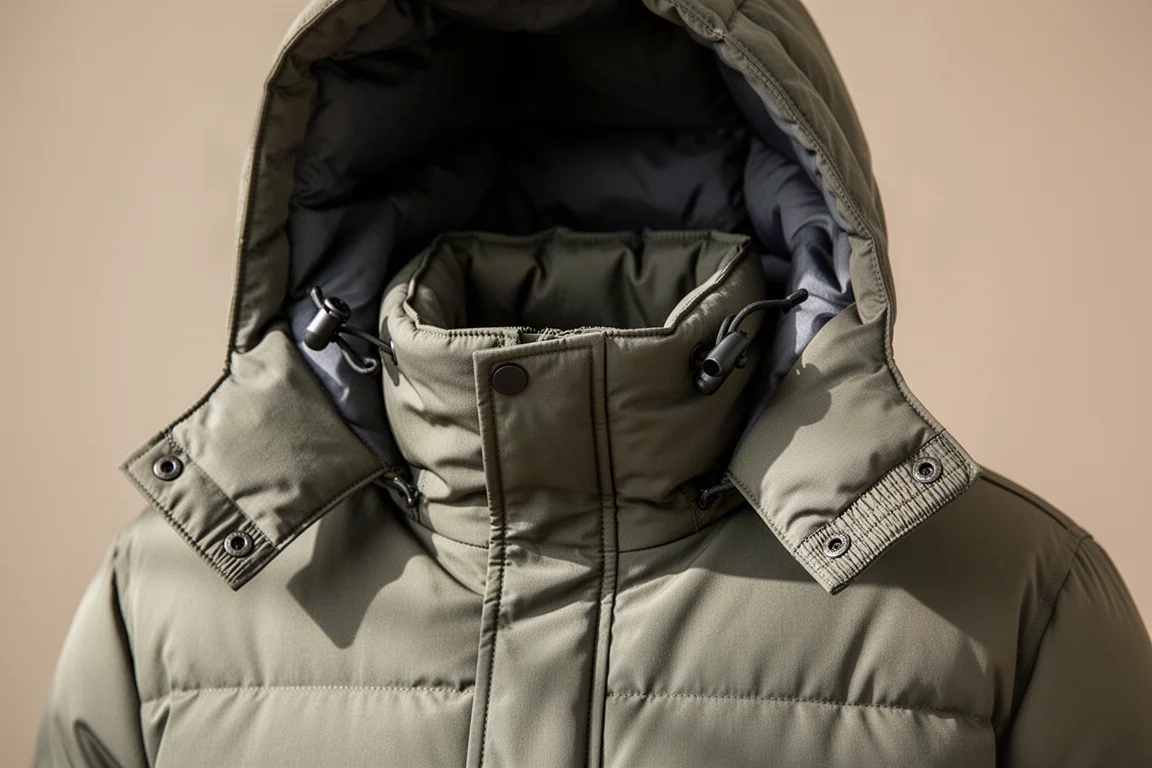
The combination matters more than any single item on the list. Pit zips and an adjustable hem let you manage heat while you are on the move, while the hood, collar, and elastic cuffs hold warmth in once you stop. The DWR coating on the 20 denier shell adds a first line of defence against light rain and snow.
Buying Advice
Match the jacket to the conditions you actually expect. If most of your cold-weather use involves moving and you want a layer that fits under a shell, the Nova UL covers three seasons comfortably. If you are heading into genuinely frigid conditions and want coat-level warmth, the Nova Pro is the better fit.
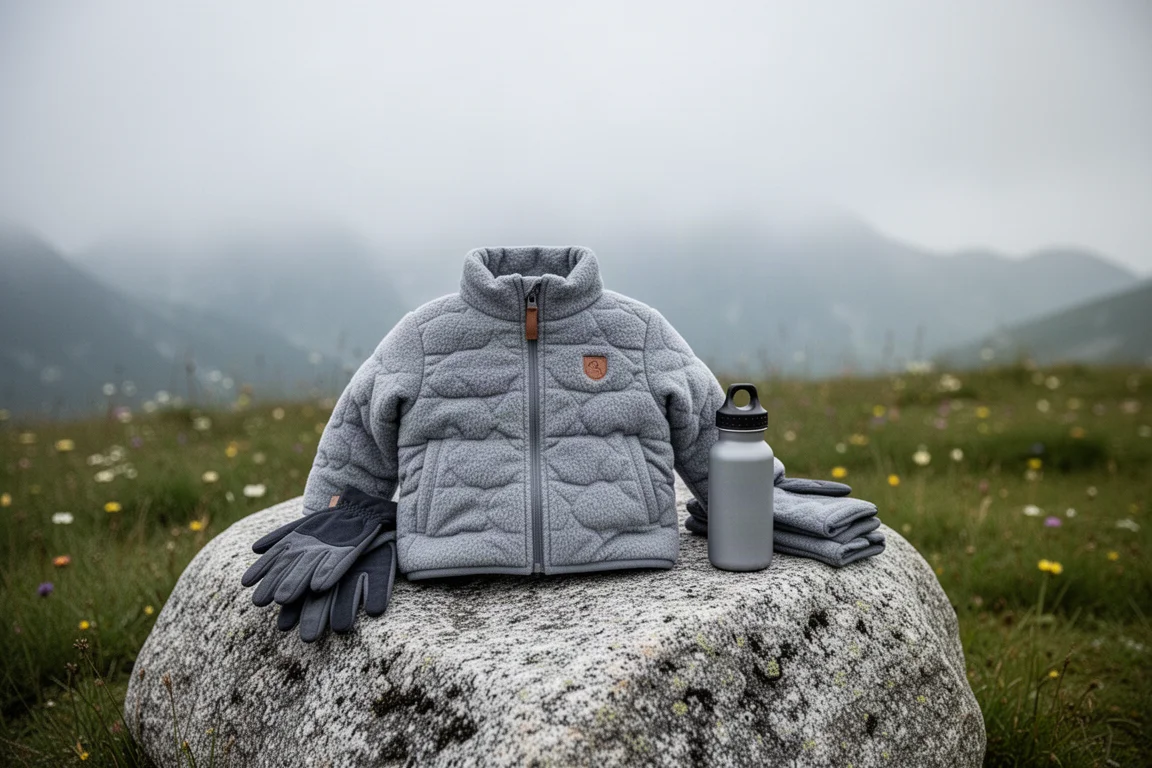
Both jackets are offered on pre-sale at launch, which the brand notes can mean savings and earlier shipping. Shipping begins roughly a month after launch, and the Nova UL ships about two weeks ahead of the Nova Pro, so the UL arrives sooner if timing matters to you.
Conclusion
Understanding insulation type, fabric durability, and how to compare warmth removes most of the guesswork from buying a puffy jacket. The Nova Pro and Nova UL apply the same principles at two different warmth levels, so the right choice comes down to whether you need a versatile three-season layer or a warmer jacket for colder conditions.
Further reading
Related Reviews
Outdoor Gear
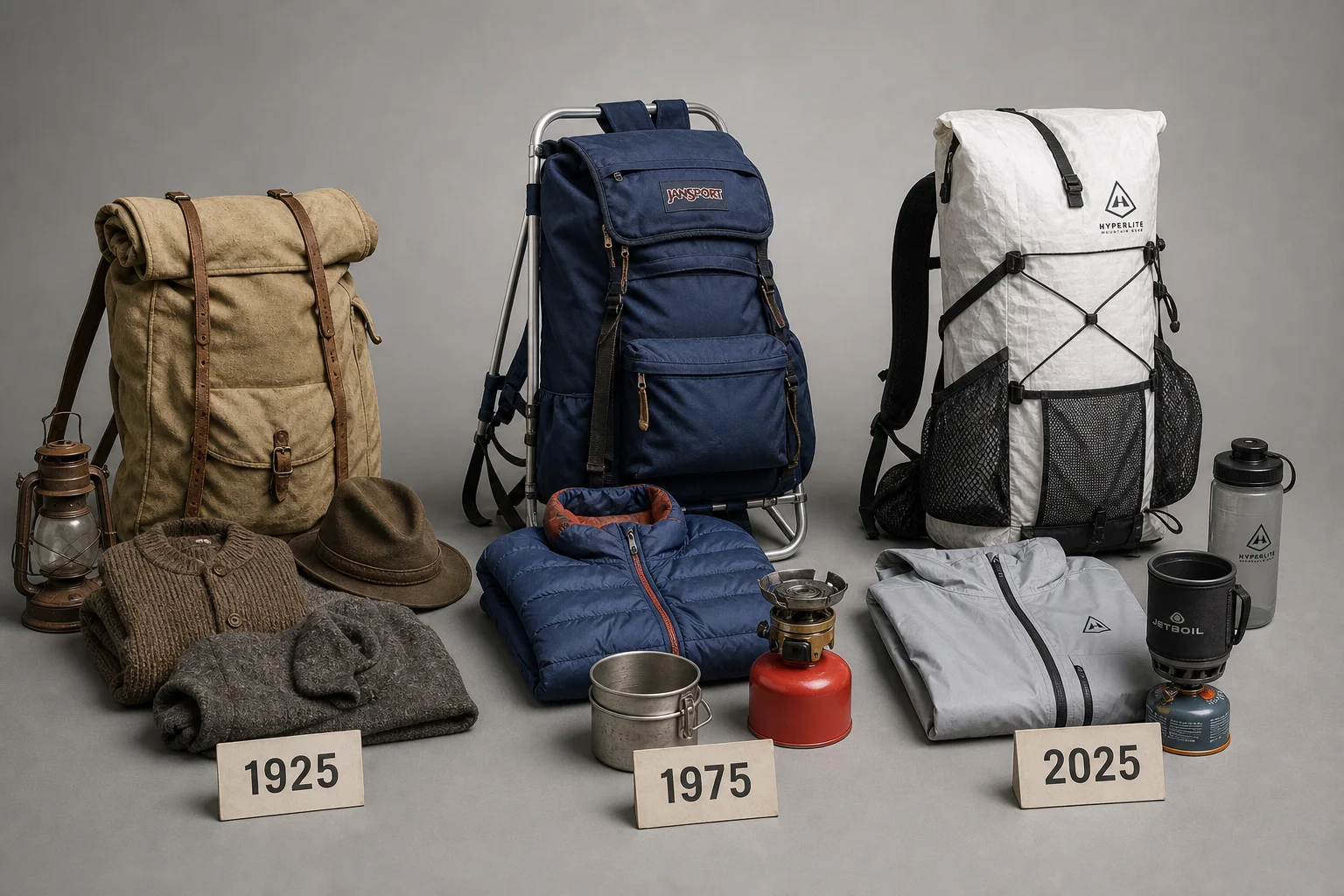
Backpacking Gear Evolution: 100 Years of Technology Compared
We tested backpacking gear from 1925, 1975, and 2025 across a three-day hike in Yosemite. Here's how technology has transformed comfort, weight, and the outdoor experience.
Outdoor Gear
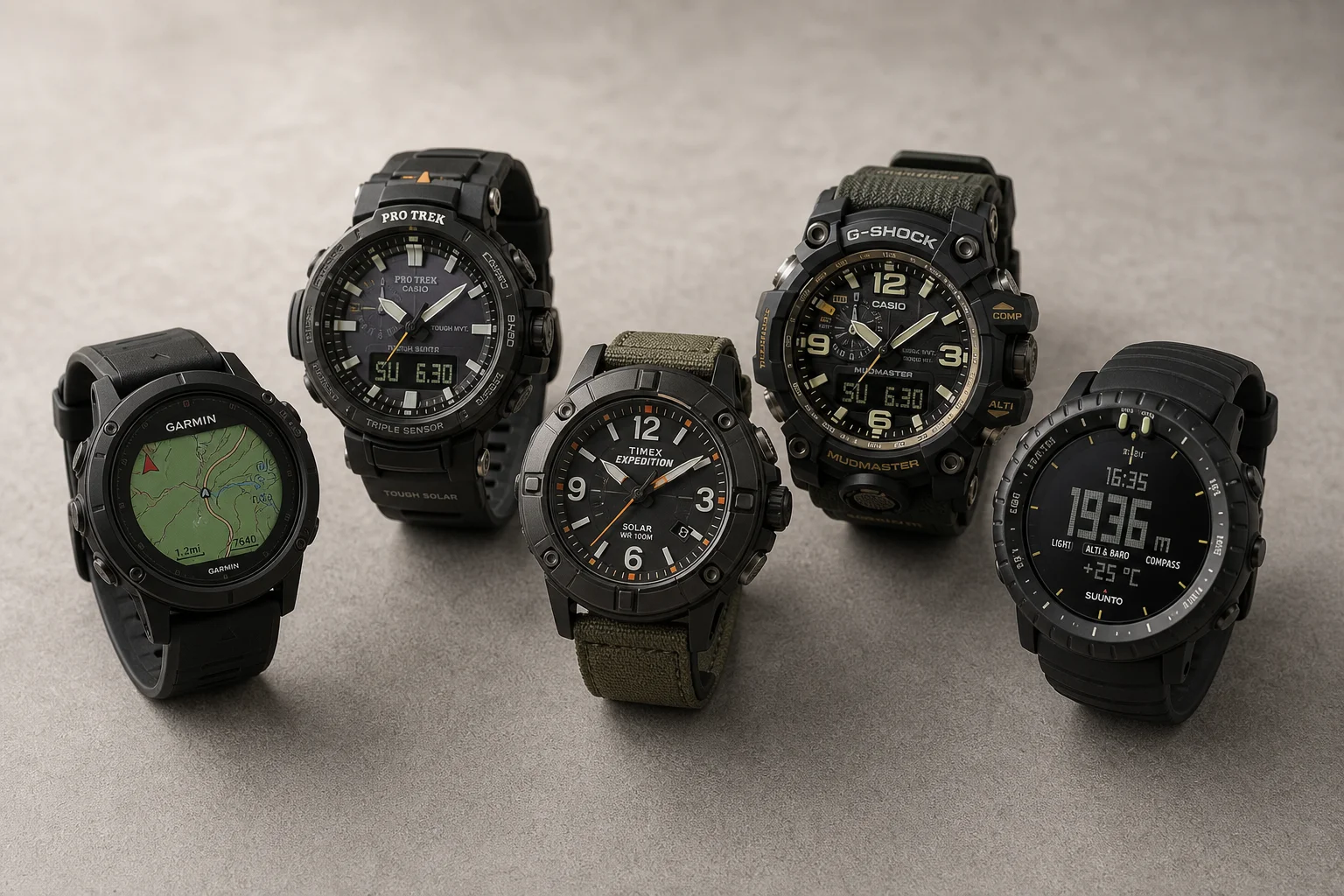
Best Affordable Hiking Watches: Five Rugged Options for Outdoor Adventures
Five durable hiking watches that balance ruggedness, functionality, and value for outdoor enthusiasts who need reliable GPS tracking and weather resistance.
Outdoor Gear
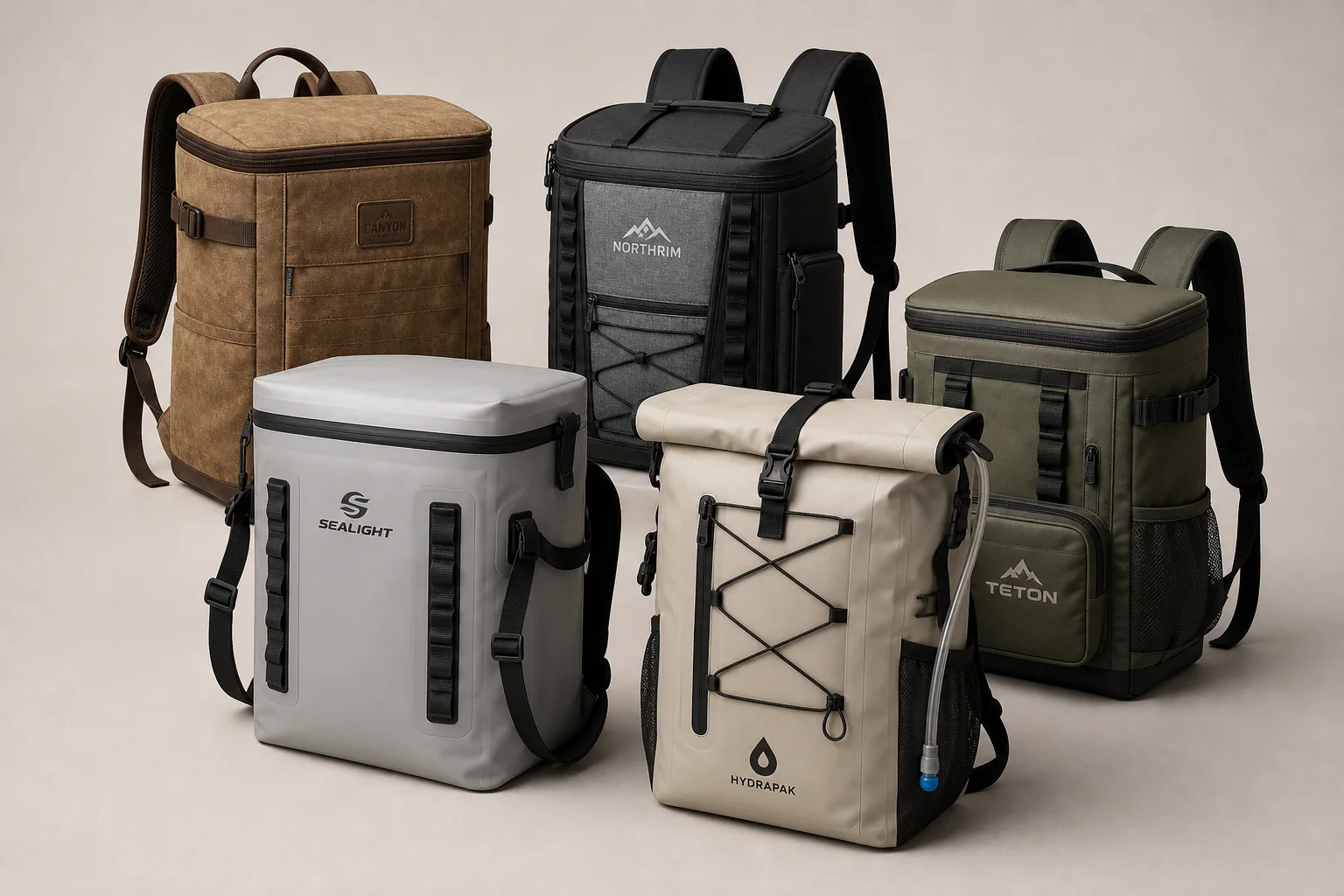
Best Backpack Coolers 2026: Five Practical Options for Outdoor Adventures
Five backpack coolers with distinct cooling capabilities, storage features, and design trade-offs to help you choose the right one for your outdoor needs.