Snowboards
Public Dispute Snowboard Review: A Consistent All-Mountain Freestyle Ride
The Public Dispute pairs Alert Camber with a lively all-mountain freestyle flex. Here is how it rides, who it suits, and what to weigh before buying.
Introduction
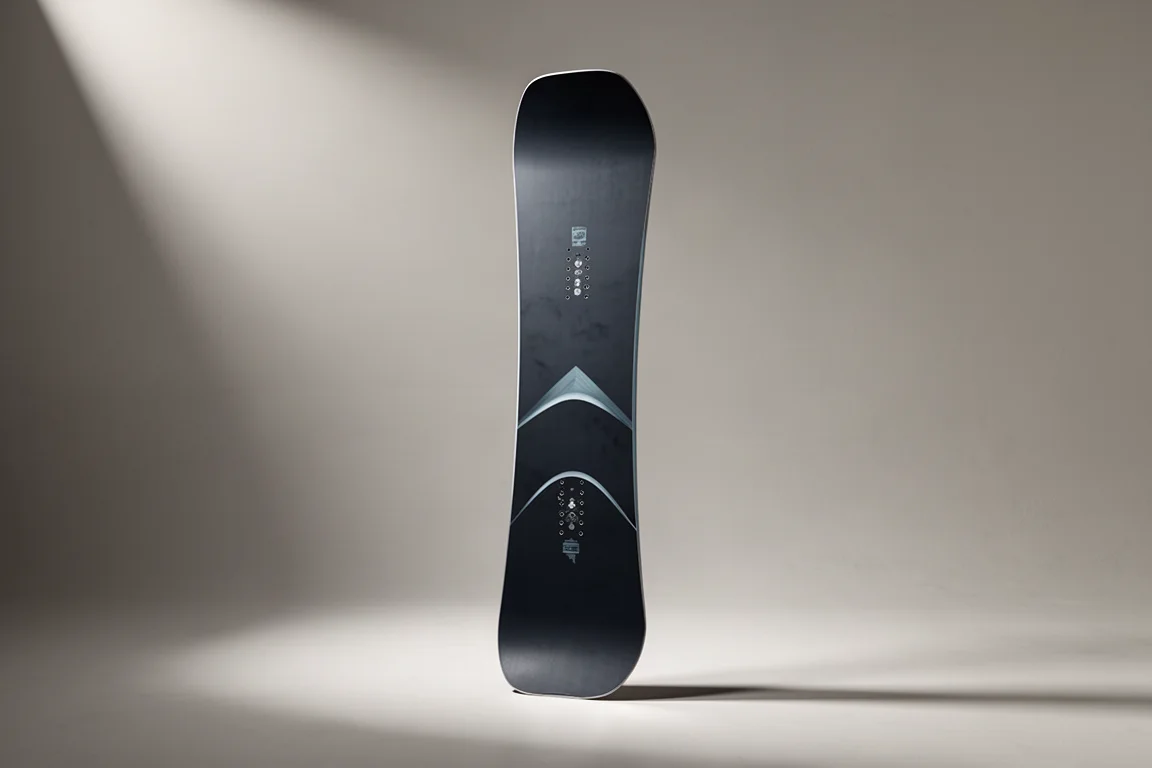
The Public Dispute is an all-mountain freestyle snowboard built around Public’s Alert Camber profile, the brand’s take on cam rocker. Rocker sits in the tip and tail while camber runs through the middle of the board, which is intended to deliver the load, pop, snap, and drive of traditional camber underfoot while the rocker zones make presses easier, improve powder float, and smooth entry and exit through turns. It is offered in 153, 156, and 159 centimetres.
The 153 was ridden at Copper Mountain on an overcast day with pockets of blue sky, average to warmer temperatures, chopped ice in places, and hero snow on the groomers, set up with Black Label bindings and K2 Thraxis boots.
Who This Board Is For
This is a board for the all-mountain freestyle rider who wants a consistent ride. It suits snowboarders who want a single deck that handles park features, butters, and groomed carving without feeling unpredictable from one run to the next.
The flex is a standard all-mountain freestyle flex. There is more play in the tips, and the board stiffens where the rocker meets the camber section through the middle. Torsional flex matches the rest of the board, neither excessive nor underwhelming.
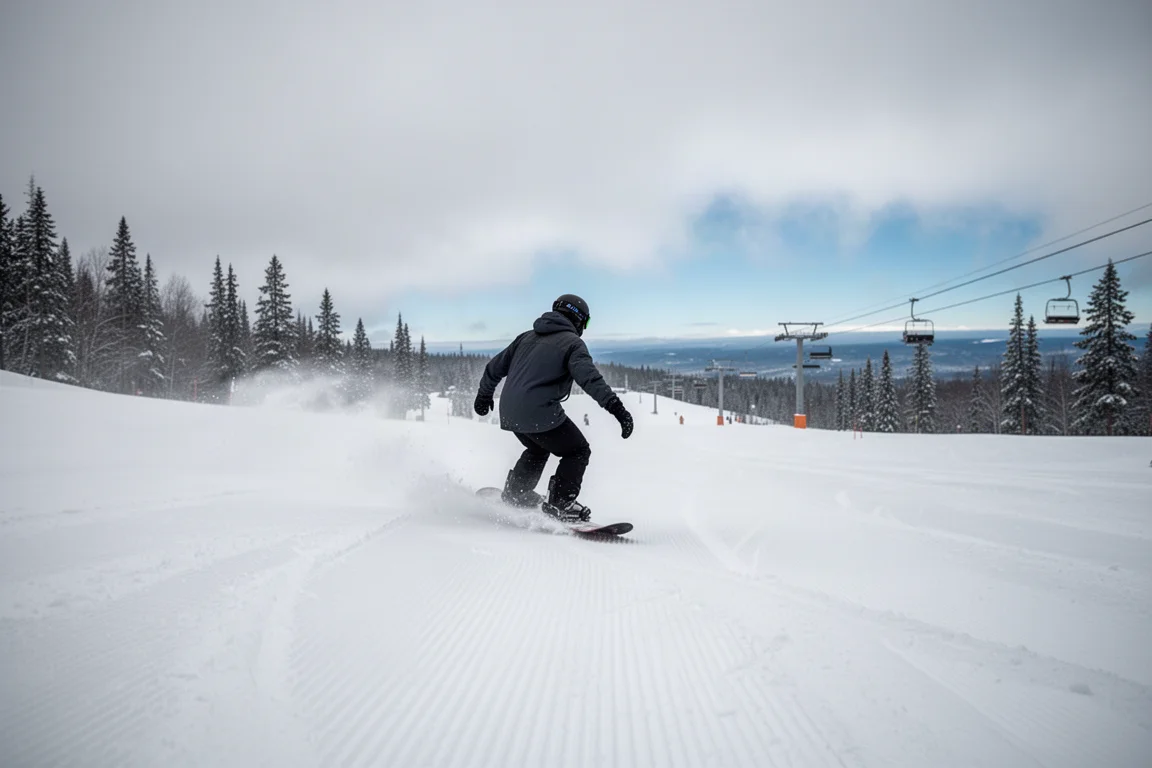
Riders who value a familiar, confidence-inspiring feel will get the most from it. The character stays consistent enough that it feels like a board you have been riding for seasons, which is exactly what a quiver-of-one all-mountain freestyle setup should deliver.
Main Strengths
Camber Profile and Flex
Stability is solid for the category. The board bends and flexes with every undulation in rutted terrain, staying on top of the snow rather than fighting it, and it holds together well as long as speeds stay reasonable.
Pop and Playfulness
Pop is where the Alert Camber profile earns its keep. A laid-back approach works, and so does an assertive one. Loading the camber section through the middle puts power into the rocker in the tail, and the board springs with a lot of boost. It wants to pop off everything, from side hits to cat track gaps.
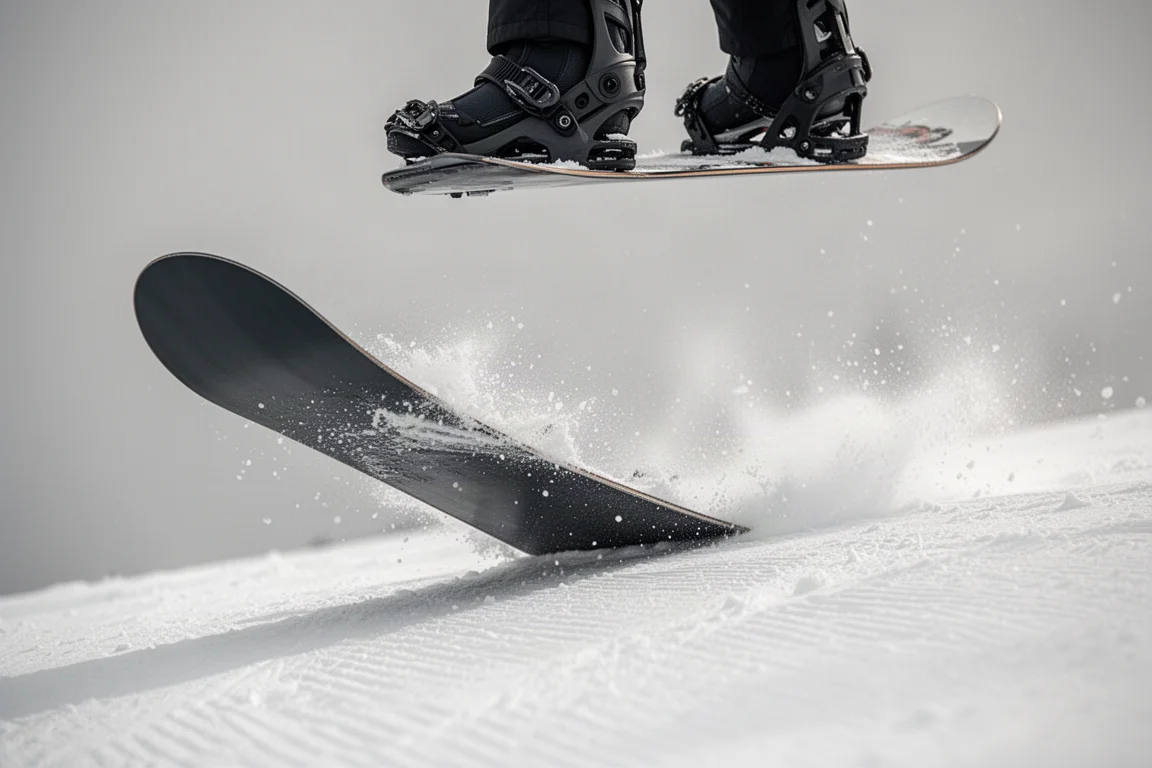
Jumping is well within its range. On the 153, small to medium features felt comfortable and predictable, with the choice of letting the lip throw you or loading the tail for extra snap. A larger size would likely open up bigger features for heavier riders.
Buttering and Jibbing
The rocker zones in the tip and tail create a generous sweet spot for butters. You can get up on the nose or the tail and the board locks in and holds, while the camber section supplies the spring needed to pop back out. Nearly any butter variation is on the table, including 180s.
Jibbing is close to what this board is made for. It locks and holds presses, bends deeply, and snaps out cleanly at the end, whether weight is on the nose or the tail. On features it does not clap out, though there is a lot of give, so the board cradles and hugs around the rail rather than staying locked down. Disaster-style tricks can clap and spring back, which is useful to know in advance.
Edge-to-Edge Handling and Carving
Edge-to-edge transmission is smooth and consistent, rolling in and out of turns with no odd transition from toe to heel.
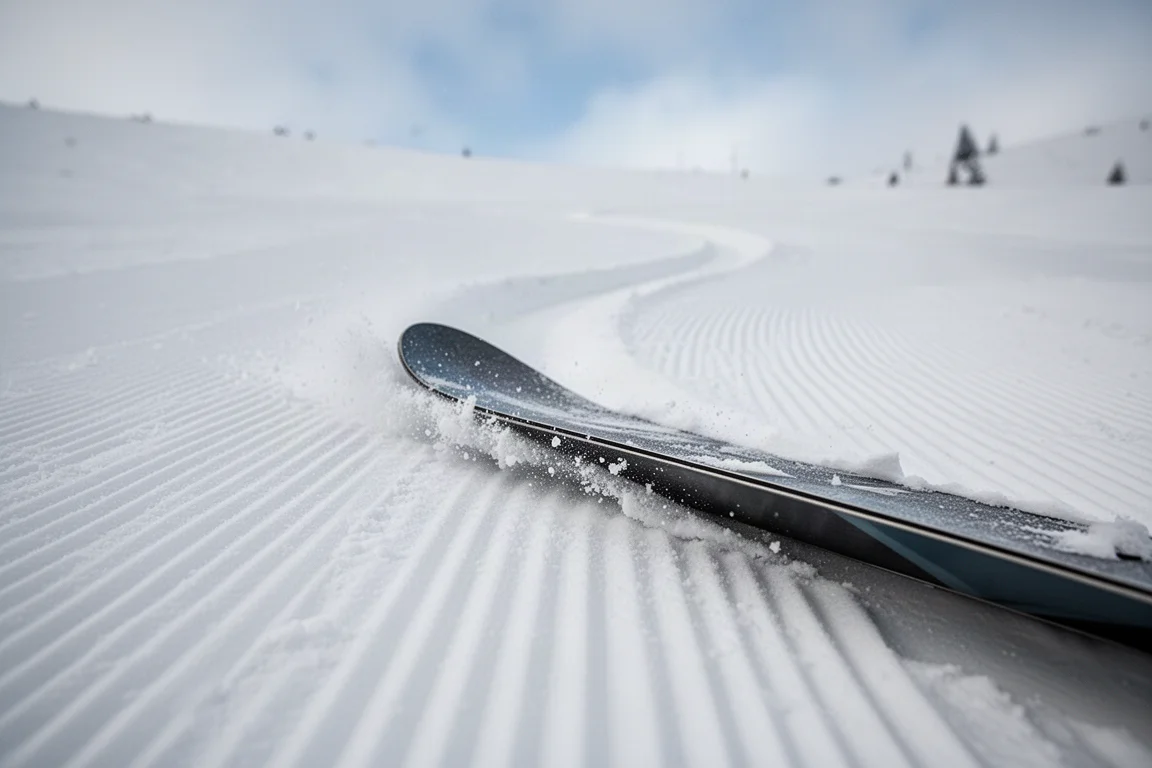
Carving is not the primary design intent, but the board does carve. It engages outside the front foot and steers and drives from inside, back through the tail, so keeping weight on the outside of the front foot while rolling and driving hard is the key technique. It is built for short, tight, quick setup carves and part carves, and it locks in and feels secure when laid over.
Things to Consider Before Buying
There is typical chatter out in the tips, a natural result of the rocker sections, and the board is slightly resonant, so you can feel it underfoot when terrain gets rutted. It stays composed for the most part, but at very high speeds it can begin to feel less settled.
The flex pattern also means the 153 is not the most confidence-inducing choice for a larger rider on jumps. Sizing up to a 156 or 159 makes more sense for heavier riders or anyone targeting bigger features.
It is worth noting that Public’s first generation boards did not sell through particularly well in some shops, which is part of why the brand can still get overlooked. This generation is a clear step up from those earlier models.
Buying Advice
Choose the 153 for smaller riders, park laps, and small to medium features. Step up to the 156 or 159 if you are heavier, want more stability on jumps, or plan to push the board harder on bigger terrain. Matching the size to your weight and the terrain you actually ride matters more here than chasing the smallest deck available.
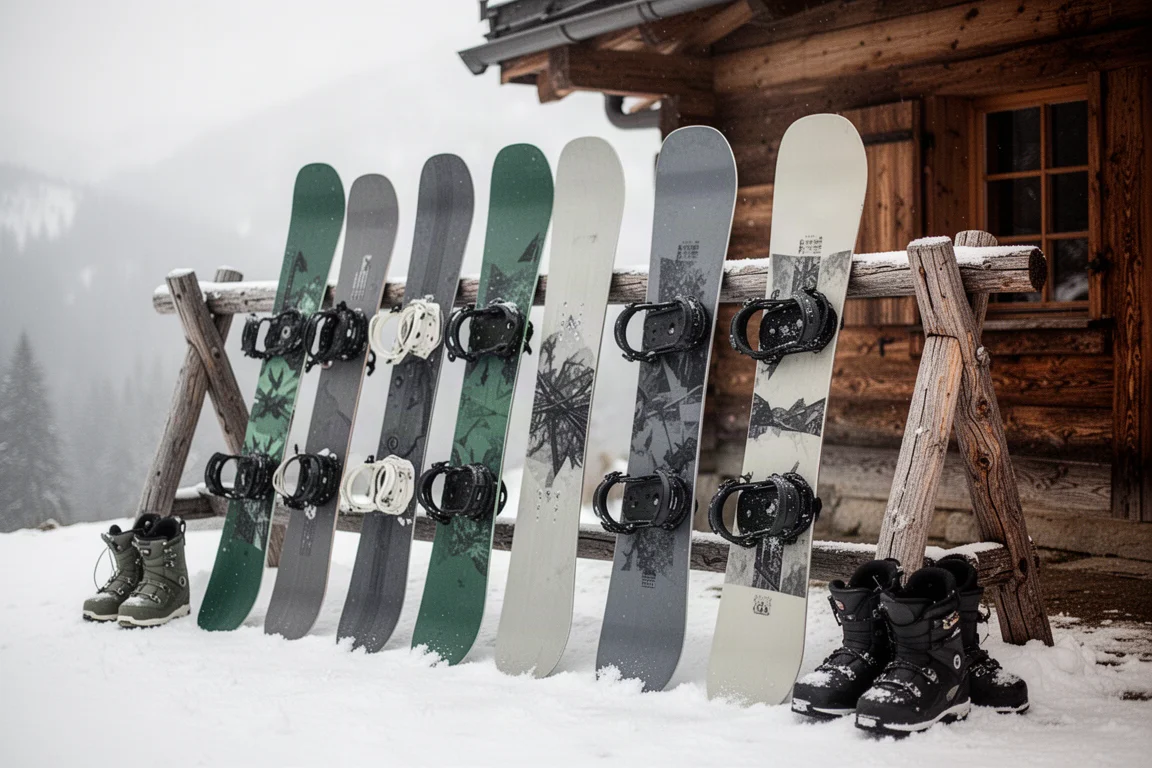
Comparable products noted alongside the Dispute include the Ride Shadowban, Rome Freaker, Nitro Team, Rome Katana, and Union Strata, so those are worth a look if you are cross-shopping the category. Set up properly and sized correctly, the Dispute covers park features, butters, and groomers without asking much in return.
Conclusion
The Public Dispute is not a board that reinvents the category, and it does not need to. Alert Camber gives it reliable pop and a forgiving tip and tail, the flex keeps presses and butters playful, and the edge-to-edge feel is smooth enough to trust from the first run. For an all-mountain freestyle rider who wants one consistent board for park, side hits, and groomed laps, it is a genuinely strong option, provided you pick the right length.
Product link
View more details for Public Dispute
This product is mentioned in the review. Check the specifications, options, and compatibility before buying.
View more details for Public DisputeFurther reading
Related Reviews

Snowboards
32 Middle Earth Scott Stevens Pro Model Snowboard Review: A Park Board With a Reversed Flex
A medium traditional camber park board with carbon V reinforcement that is stiffer in the tips and more playful between the feet. Here is how it rides and who it suits.

Snowboards
32 Snafu Review: A Directional All-Mountain Freestyle Board with Serious Pop
The 32 Snafu pairs a directional camber-rocker profile with a stiffening tail for powerful carves, big ollies, and a surprisingly damp ride.

Snowboards
32 XXX Pat Fava Pro Snowboard Review: A Stiff Camber Beast for Hard-Charging Riders
A full-width traditional camber deck that rewards aggression with stability and edge power, but demands effort everywhere else.