Snowboards
Public Disorder Snowboard Review: A Mellow Camber Park Deck That Jibs Well
A twin park snowboard with a micro traditional camber profile, softer tips, and a predictable flex. Here is how the Public Disorder rides, where it shines, and who it suits.
Introduction
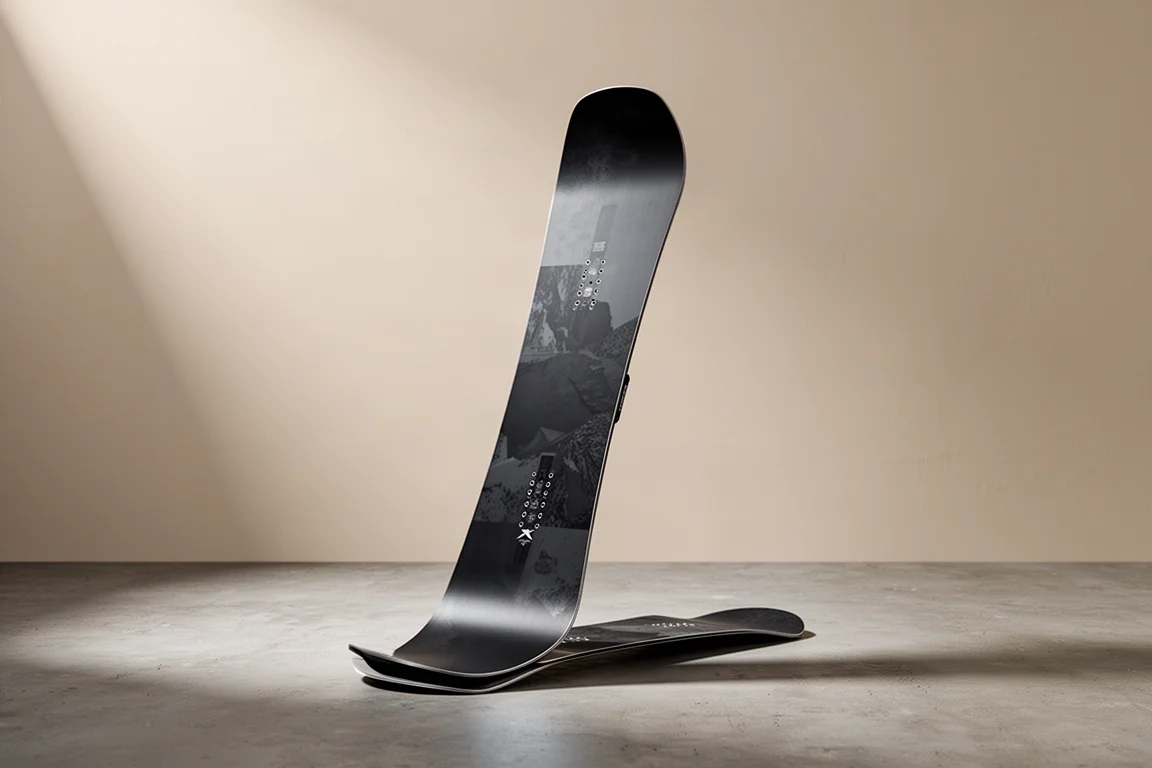
The Public Disorder is a twin park snowboard built around a micro traditional camber profile. That means the deck keeps the standard arc of traditional camber from contact point to contact point, just in a gentler amount. The practical effect is a board that still loads, pops, and drives, while taking noticeably less effort to press into than an aggressive full camber deck. It comes in 149, 152, and 155.
Riders who grew up on late 1990s and early 2000s shapes will recognise the feeling. It is a mellow camber that pops, and it works.
Who This Snowboard Is For
This board is aimed at the park-focused jib rider. If your days revolve around rails, boxes, butters, and side hits, the flex pattern and the sweet spots in the tips line up neatly with that style of riding. It also suits anyone who wants a predictable, broken-in feel straight away rather than a stiff deck that has to be tamed over a season.
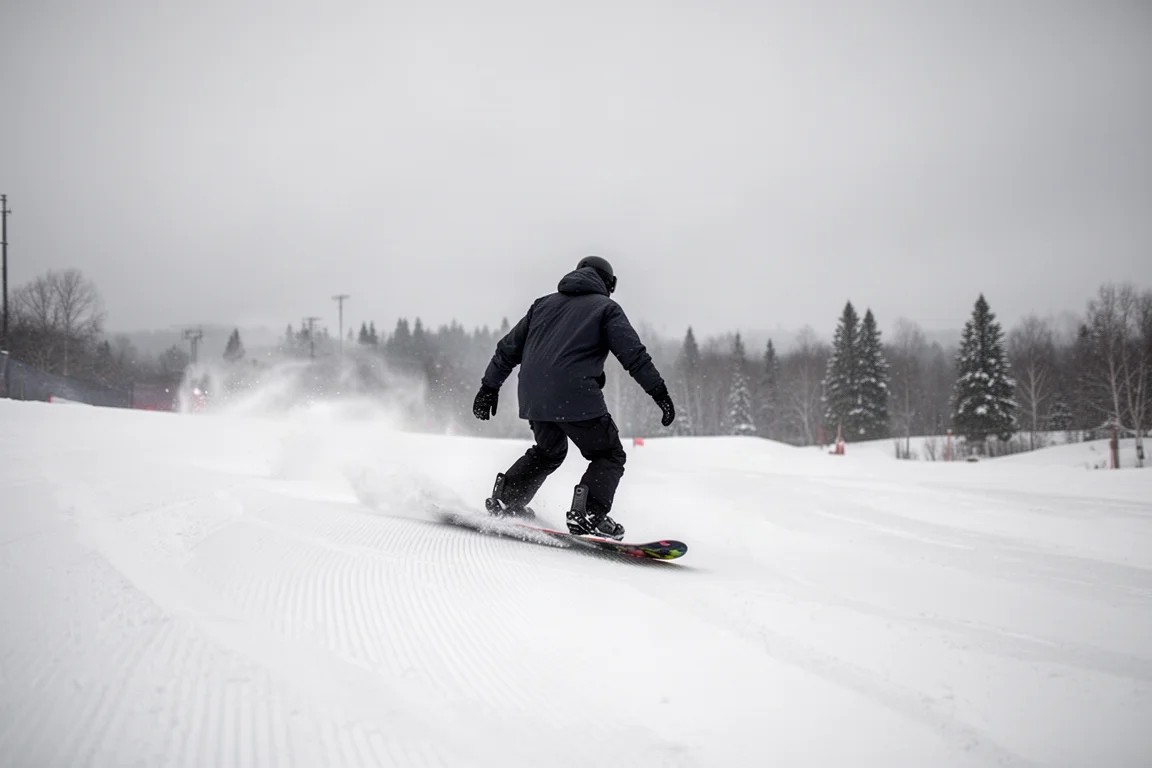
It remains workable for riders who mix park laps with short, tight carves on the way down. It is not positioned as a big-mountain or hard-charging freeride board, and it does not behave like one.
Camber, Flex, and Ride Feel
The flex sits just below the middle of the road, so it lands on the softer side of medium. The tips are softer and the middle progressively stiffens up, with a noticeable amount of torsional flex. It is not so torsionally soft that the board simply folds when you twist it, which keeps the ride feeling controlled rather than vague.
Loading the board is easy, almost automatic. Roll back onto the tail and it rebounds and snaps, and it does so consistently. That predictability is the standout trait: it feels like a board you have already ridden a hundred days.
The trade-off is liveliness over damping. You will feel chatter in the tips and underfoot, and ruts and bumps transmit through the whole board. That is part of the character rather than a fault, but it is worth knowing before you buy.
Park, Jumps, and Jib Performance
Small to medium jumps are a genuine strong suit. There is enough snap to pop off the lip and carry a little extra height and distance. On bigger jumps the softness starts to take over, and the worry is that the board twists and bucks on the landing. A more laid-back approach, letting the board launch you rather than forcing the pop, tends to produce a better time on jumps.
Jibbing is where this deck makes the most sense. The sweet spots in the tips lock in when you press into them, so butters hold on the nose and tail, and rails take a nice deep press before popping you back out. When you go sideways, the micro camber does not fight you, it eases around the feature. Land on the nose, land on the tail, get sideways, throw a 180, and the profile gives a small amount of spring back without wrestling you for control.
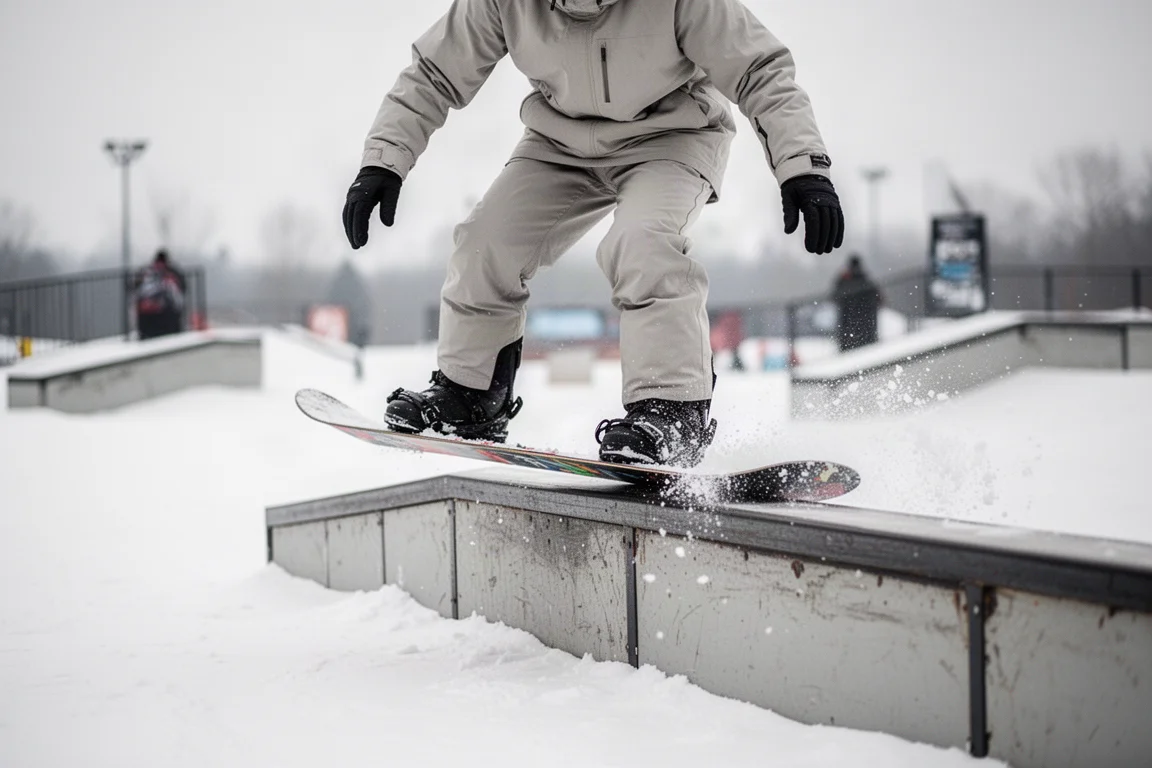
Side hits, cat track gaps, and rollers are all fair game. For a park board in lumpy terrain it was surprisingly stable, with the caveat that a rutted mogul field at full speed is not the environment it was built for.
Carving and Everyday Handling
This is a twin park board with a softer flex, so carving has clear limits. It will not buckle when you lay it over, but it cannot be driven into huge trenches or apexed like a dedicated carving deck.
Where it stands out is short, tight, quick turns and medium carves. Park carves, the kind you make when someone cuts across your line, are handled without drama. If your descending style leans on fast edge-to-edge transitions rather than long, loaded arcs, this shape fits well.
Sizing, Setup, and Binding Notes
The board is offered in 149, 152, and 155. The test deck was smaller than ideal for the rider’s weight and build, and it still rode well, which says a lot about how forgiving the flex is. Even so, matching the size to your weight is the sensible route if you want the intended flex, float, and pop.
On the binding side, pairings that suit this style of board include the Rome Katana, the K2 range, and the Union Strata. A mid-flex binding keeps the jib-friendly feel intact without over-stiffening the ride.
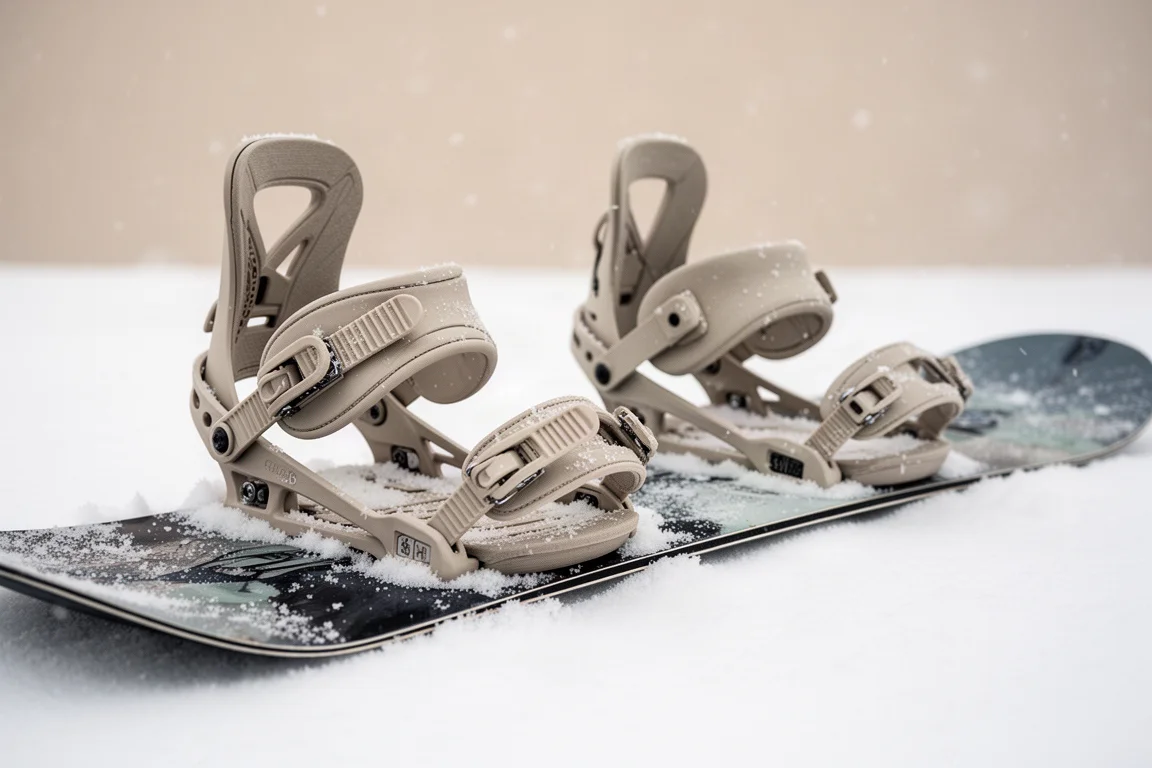
Boot and binding choice matters more than usual here because the board is lively. A setup that adds stiffness will reduce the playful character that makes the Disorder appealing in the first place.
Things to Consider Before Buying
Chatter is the main thing to accept. You will feel bumps and ruts underfoot throughout the ride, and the board does not damp them out. Riders who want a quiet, planted feel on rough snow should look elsewhere.
The softer flex also sets a ceiling. Big jumps can twist and buck the board on landing, and aggressive carving runs out of support earlier than it would on a stiffer freestyle deck. This is a park and jib board first, and it performs best when it is ridden that way.
Buying Advice
If park riding is the priority and jibs, butters, and small to medium jumps fill your days, the Public Disorder is a coherent choice. Its easy loading, consistent rebound, and locked-in tip sweet spots make it feel familiar immediately, and the mellow camber keeps it predictable in the park.
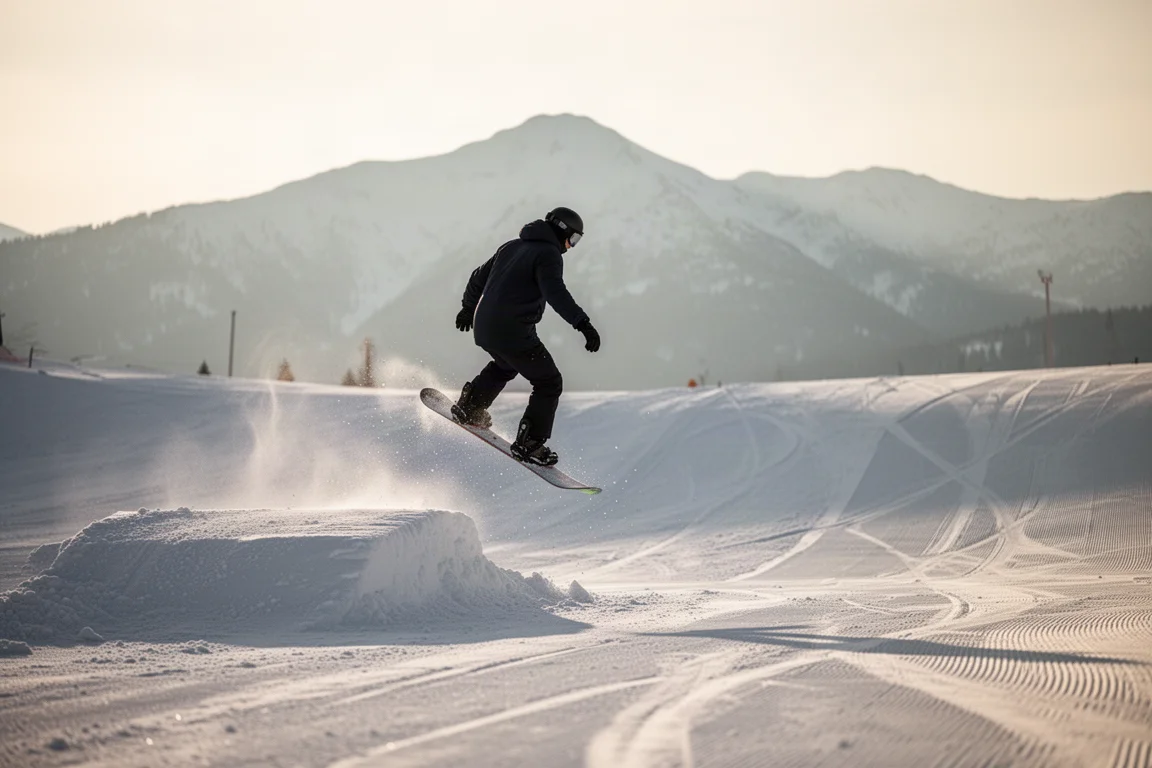
Worth weighing against it are other freestyle-oriented decks such as the K2 World Peace, the Yes Jackpot, and the Rome Artifact Pro. If you want maximum stability on rough snow or a board that holds up on large jump lines, those alternatives and stiffer profiles deserve a look. If you want a playful twin that jibs well and does not demand much effort, this one is easy to recommend for its intended use.
Conclusion
The Public Disorder is a twin park snowboard with a micro traditional camber profile, a flex just below medium, and softer tips that press and lock in on demand. It loads easily, snaps back consistently, and handles jibs, butters, side hits, and small to medium jumps with confidence. It gives up some damping and some big-jump composure, and carving is limited to short, tight turns and park carves. For the park-focused jib rider, that is a fair and honest trade.
Product link
View more details for Public Disorder
This product is mentioned in the review. Check the specifications, options, and compatibility before buying.
View more details for Public DisorderFurther reading
Related Reviews

Snowboards
32 Middle Earth Scott Stevens Pro Model Snowboard Review: A Park Board With a Reversed Flex
A medium traditional camber park board with carbon V reinforcement that is stiffer in the tips and more playful between the feet. Here is how it rides and who it suits.

Snowboards
32 Snafu Review: A Directional All-Mountain Freestyle Board with Serious Pop
The 32 Snafu pairs a directional camber-rocker profile with a stiffening tail for powerful carves, big ollies, and a surprisingly damp ride.

Snowboards
32 XXX Pat Fava Pro Snowboard Review: A Stiff Camber Beast for Hard-Charging Riders
A full-width traditional camber deck that rewards aggression with stability and edge power, but demands effort everywhere else.