Triathlon Gear
Pro Triathlon Gear Worth Buying: Standout Kit From the 70.3 World Championships
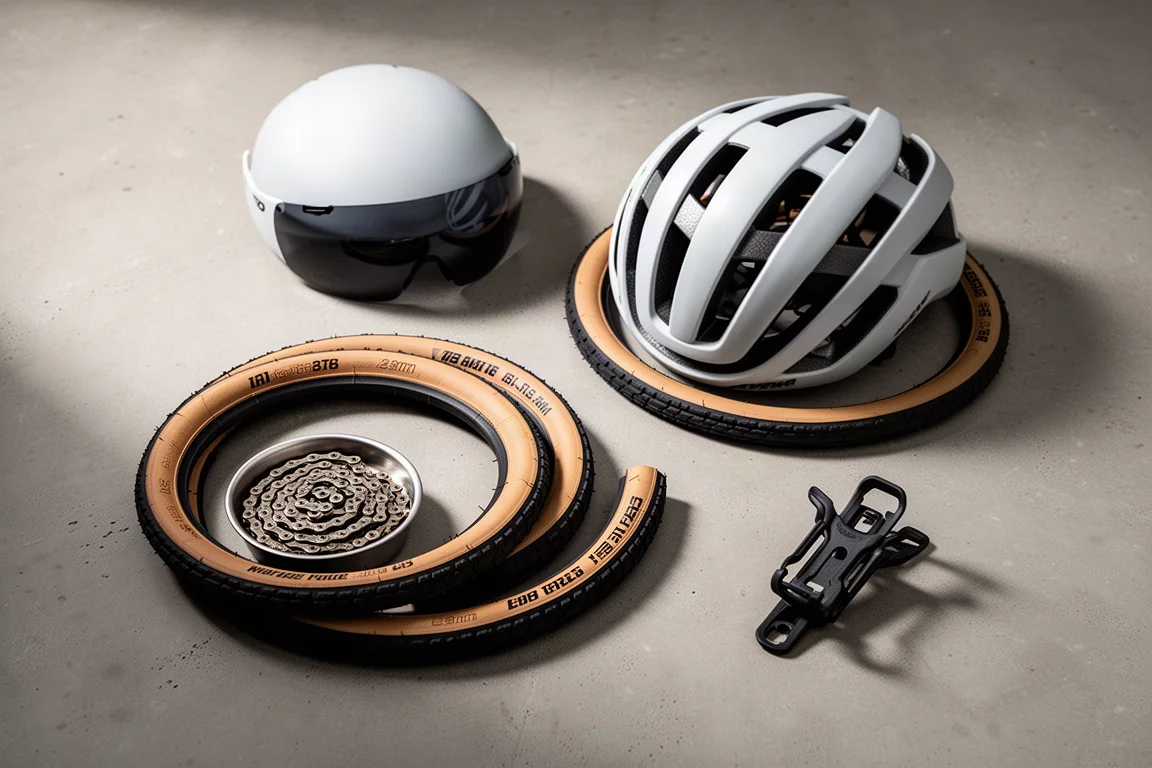
Helmets, hydration mounts, and tires chosen by athletes who were free to pick anything. A closer look at the pro triathlon gear worth considering, and how to judge it for your own setup.
Introduction
Sponsorship makes the pro field hard to read. Some athletes ride and wear whatever pays them, and some test everything themselves before they sign anything. The useful signal sits with the second group, and at the 70.3 World Championships there was plenty of it.
A number of athletes on that start line were free to choose their helmets, tires, and hydration setups, and they made those choices on the basis of their own testing or their own money. That is the kit worth a closer look, because it was chosen the way a customer chooses it.
This guide covers four items that stood out at the front of the race, followed by a short round-up of the other gear that shaped the day.
How These Picks Were Chosen
The filter is simple. Items made the list when athletes with no contractual reason to use them still did, or when athletes who did have a contract tested the alternatives and still landed on the same product.
That distinction matters because aero equipment does not behave the same way for everyone. One rider described aerodynamics as a fingerprint, meaning what is fastest for one athlete is not automatically fastest for another. Two riders of similar size can get different answers from the same helmet.
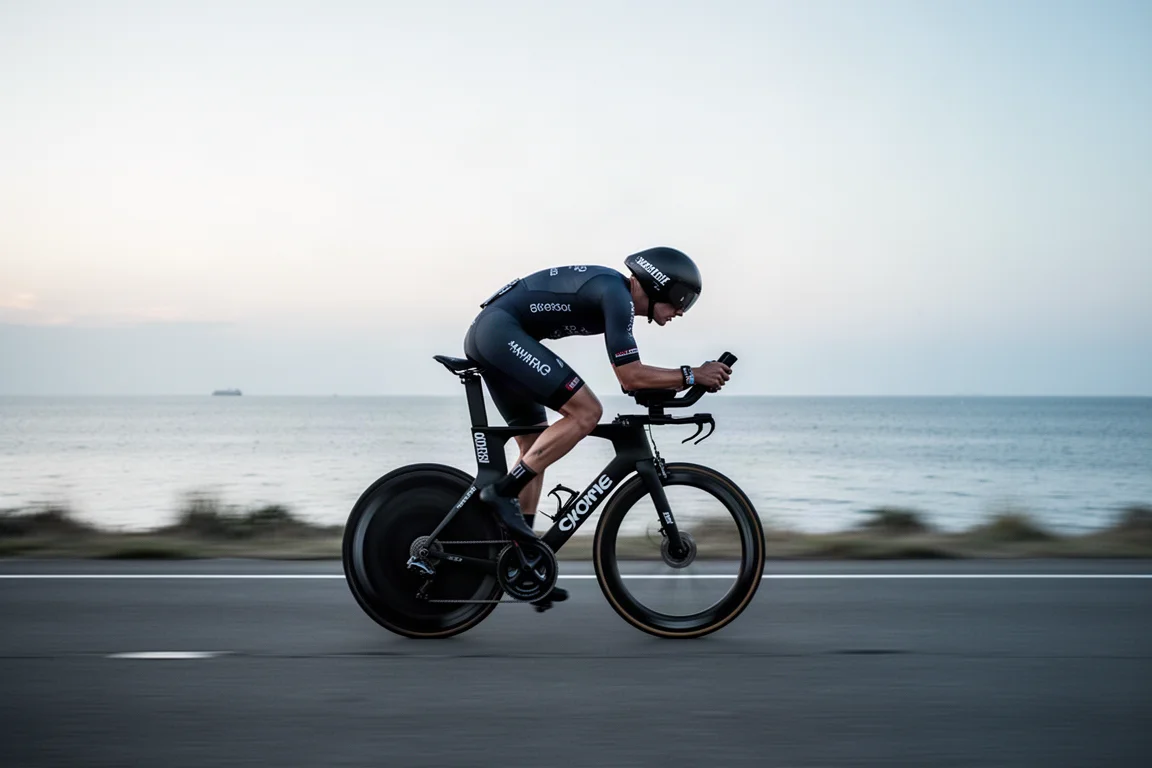
The recommendations below should therefore be read as strong starting points rather than guaranteed watt savings. These products are proven at the front of the field, but position, body shape, and course profile still decide the final result.
MET Drone Wide Body 3
The eventual winner of the race wore the MET Drone Wide Body 3. He had been testing the brand’s helmets for a few months before formalising anything, and he described the new model as a massive upgrade over the MET Drone 2 he had raced two seasons earlier. His key observation was that the wider shape tucks onto his shoulders nicely, which helped him hold a position he was happy with.
Worth noting: he had not been in a wind tunnel with it. His confidence came from a lot of on-road position testing and from how the helmet sat on him at race pace.
The wider body is the headline change. Riders who liked the previous generation but found the coverage narrow may find the newer shape more accommodating, while most of the other athletes running a MET Drone at the race were still on version 2.
Rudy Project Wing Dream
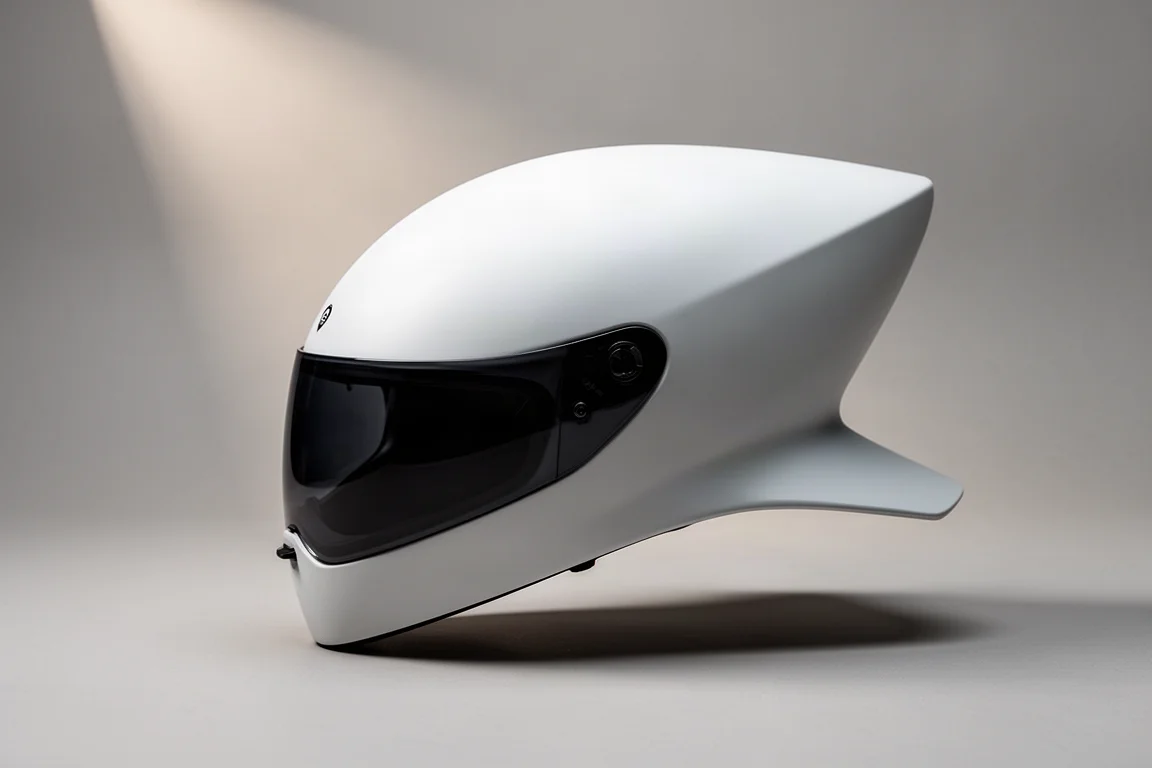
The Wing Dream earned its place the hard way. One athlete tested the newest MET in a wind tunnel and still raced the Rudy Project, which suggests the numbers went a particular way for her.
A stronger data point came from a rider who tested everything he could get his hands on before reaching out for a partnership. On his setup, the Wing Dream measured roughly five to six watts faster than the alternative, a gap he described as worth celebrating. Another athlete took a different route entirely, sourcing a Wing Dream from a third party without running his own testing, on the strength of what he had heard about it.
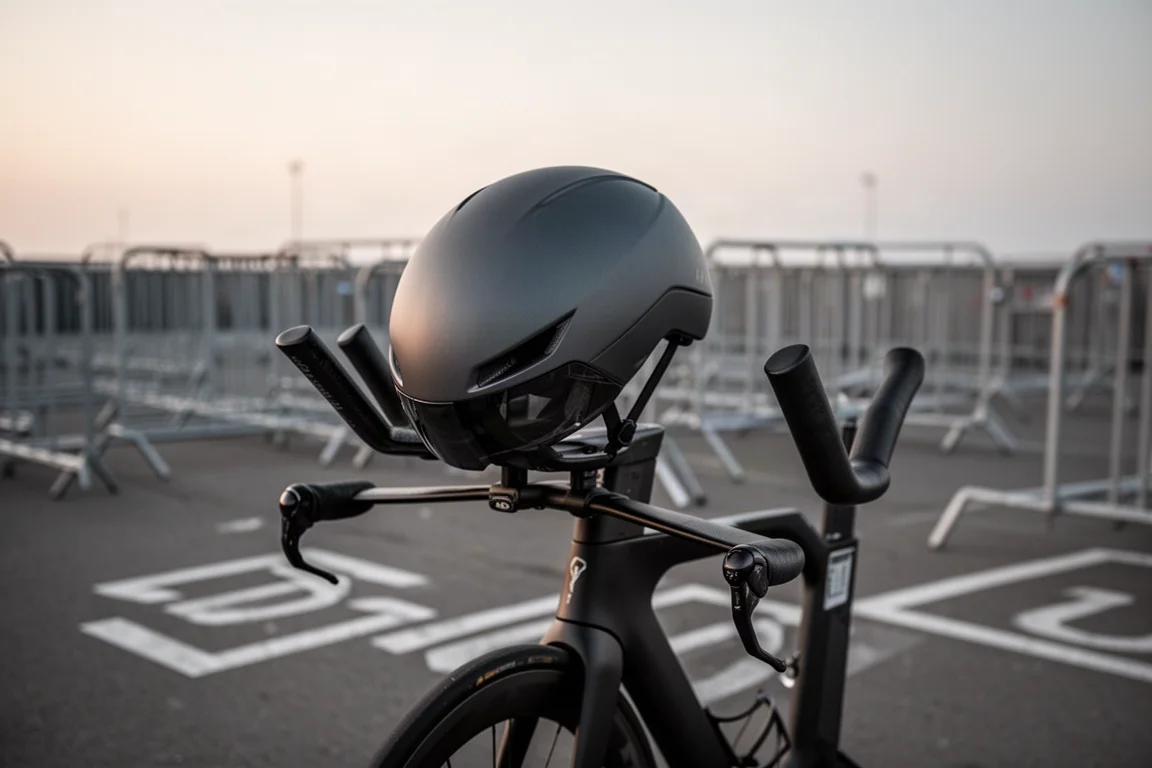
The pattern across all three cases is that this helmet rewards testing. It is not automatically the fastest option in the field, it is a helmet that has repeatedly come out fastest when riders put the work in.
Easy Gains Rear Bottle Mount
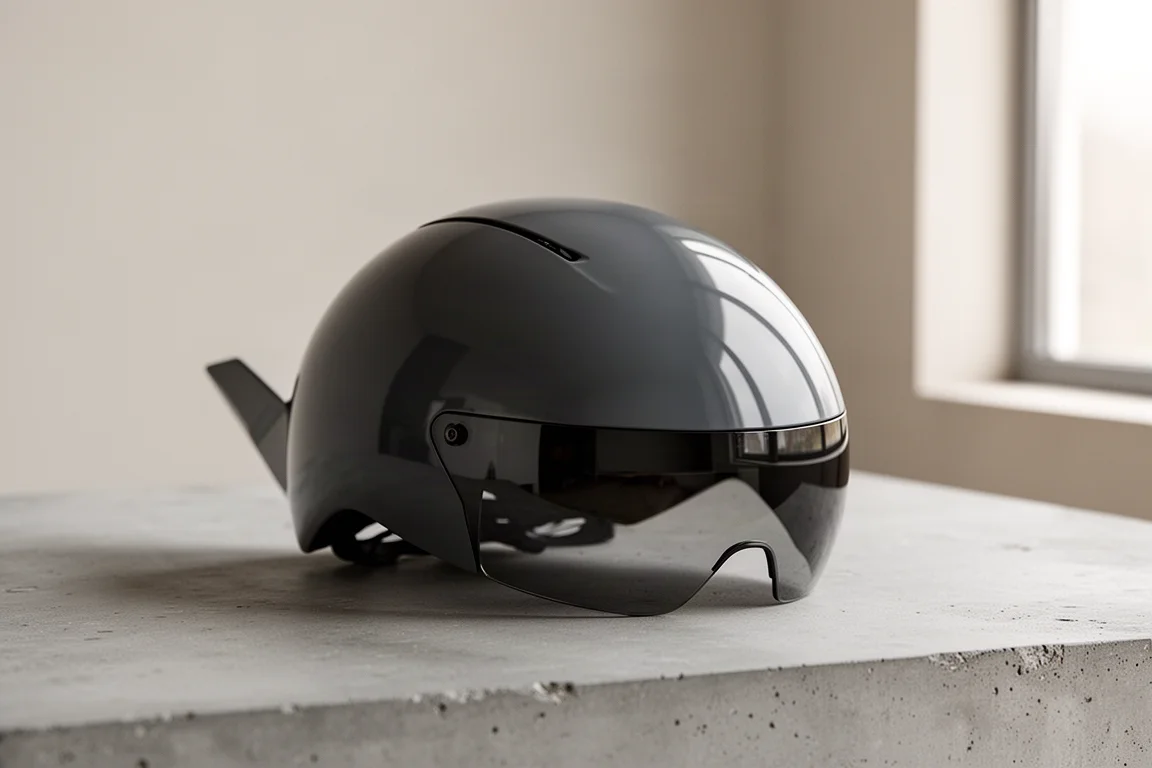
Rear-mounted bottle cages have become a genuine aero item rather than a storage afterthought, and the Easy Gains mount is the one that a large share of the pro field has bought with their own money over the past year. When athletes pay retail for a small piece of carbon and alloy, that is a reasonable indication it does something.
The concept is straightforward. A bottle positioned correctly behind the rider can improve airflow rather than disrupt it, and one athlete mentioned a claimed figure of around 12 watts while adding that he was not convinced it was quite that much.
The trade-off showed up on the hilly course. One rider swapped the mount out, not because it performed poorly, but because a technical descent demanded the freedom to move back on the saddle. The alternative he used was also a little lighter, which he expected to help on the climb.
Continental GP TT
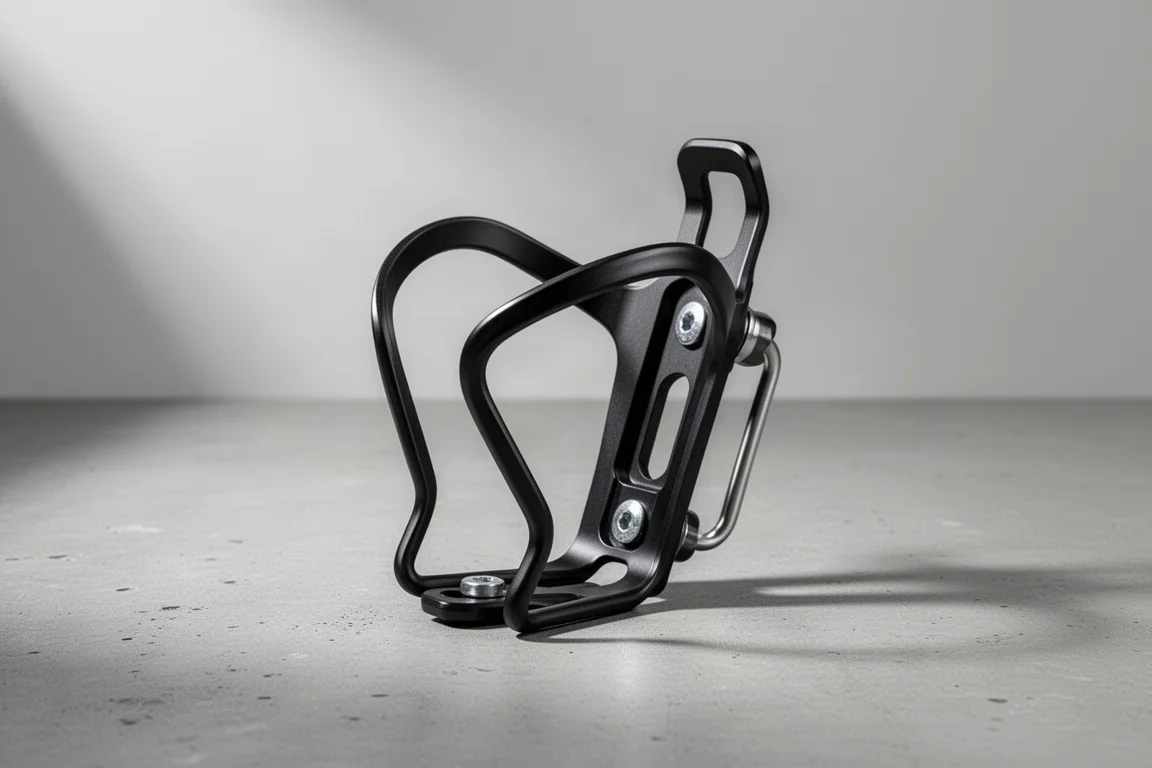
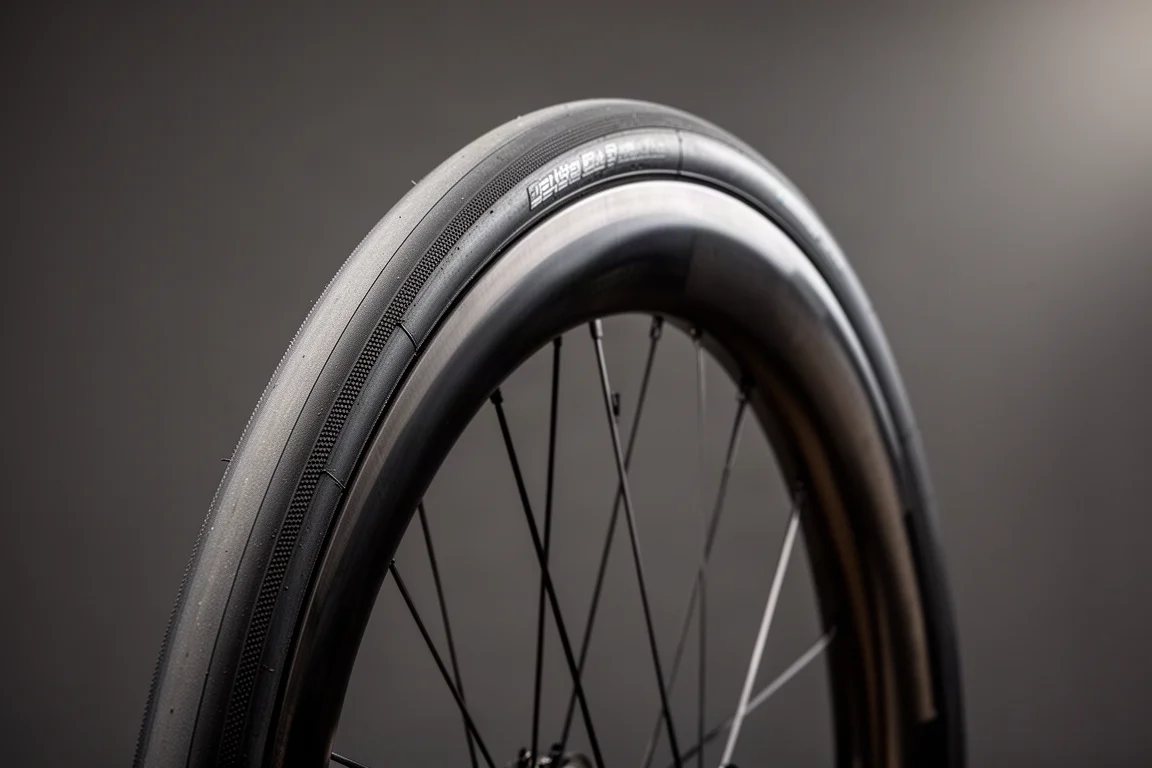
Tires remain one of the most underrated sources of free speed. Among the athletes at the race who were free to choose, two brands dominated the field, and Continental had a slight edge on numbers alone.
The GP TT was the model in use, run in 28mm at both the front and the rear. One rider was candid about the brand. He had never been a big fan, finding earlier Continental tires skittish in corners, and rode the GP TT early in the season mainly because there was no other option he trusted that was also fast. Another simply said he had ridden Continental in the past and was happy with them.
That is a useful reminder that tire choice is often about trust and feel as much as raw rolling resistance. Riders who value cornering confidence may weigh that against the aero numbers.
What Else Stood Out in the Pro Field
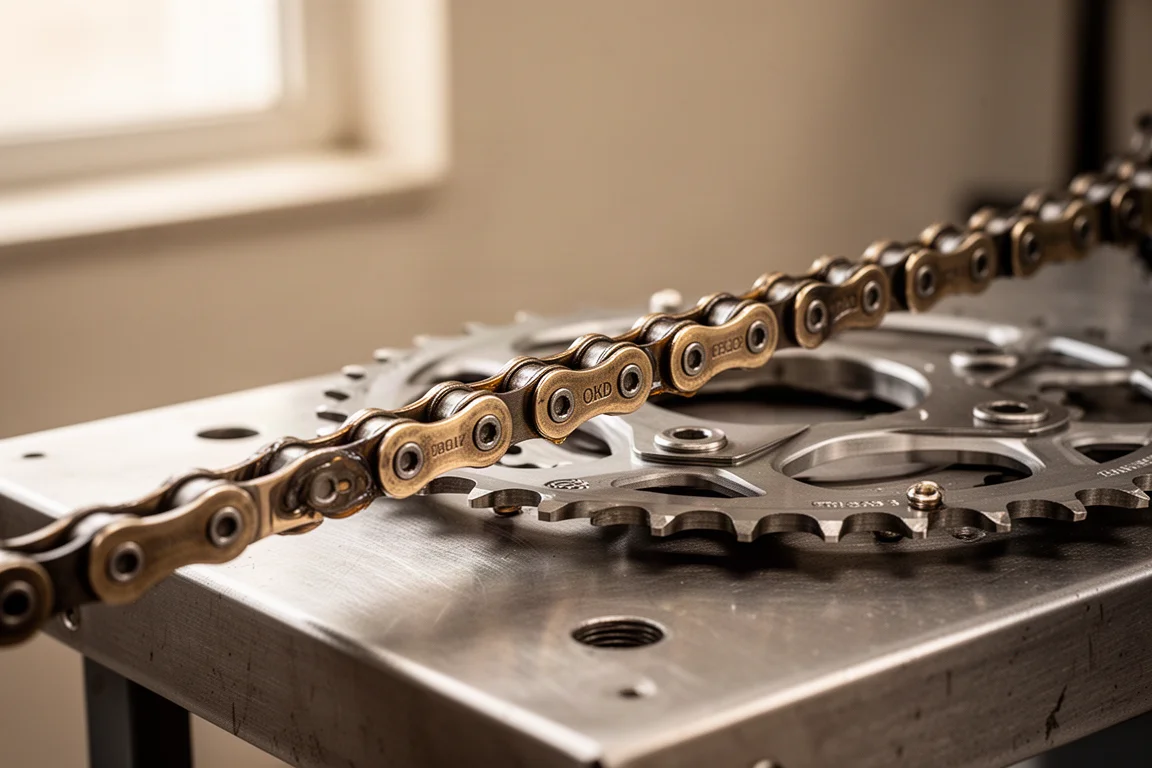
Chain waxing has become close to standard practice for anyone chasing a title. One athlete announced a wax partnership recently after using the same product for four years, and had kept the original wax heater for most of that time.
Rear bottle cages from TriRig were also extremely common, with a reputation for holding bottles over speed bumps. On the front end, aerobars were a mixed picture. Sponsored riders had their cockpits taken care of, but others assembled their own setups from second-hand bars, tested elbow pads, a filed-down mount, and a self-made carbon base plate.
Swim gear offered another example of athletes buying their own equipment. One prominent athlete used an unsponsored swim skin that she bought at a race expo.
Running shoes were similarly open. Athletes without a shoe contract were choosing between the ASICS Metaspeed, the Puma Nitro Elite 3, and the New Balance FuelCell SuperComp Elite 5. One podium finisher picked up a Chinese brand, Xstep, while travelling, and chose it because it suited her running style, which she described as direct and stable.
Bike frames followed a practical logic. Athletes without a frame sponsor often ended up on whatever deal or shop relationship was available, and one rider stayed with the same frame brand through a team title sponsor change because he knew the bike was quick and did not want to change too much.
Buying Advice: Matching Pro Kit to Your Own Position
The most useful takeaway from the race is not a shopping list, it is a method. Every athlete who reported a meaningful gain described some form of testing, whether that was a wind tunnel session or repeated outdoor position work.
Start with the item that covers the largest surface area for the longest portion of your race. For most triathletes that is the helmet, and it is also the item where individual fit matters most. If a shop or a fitter will let you try two or three options in your race position, take that opportunity.
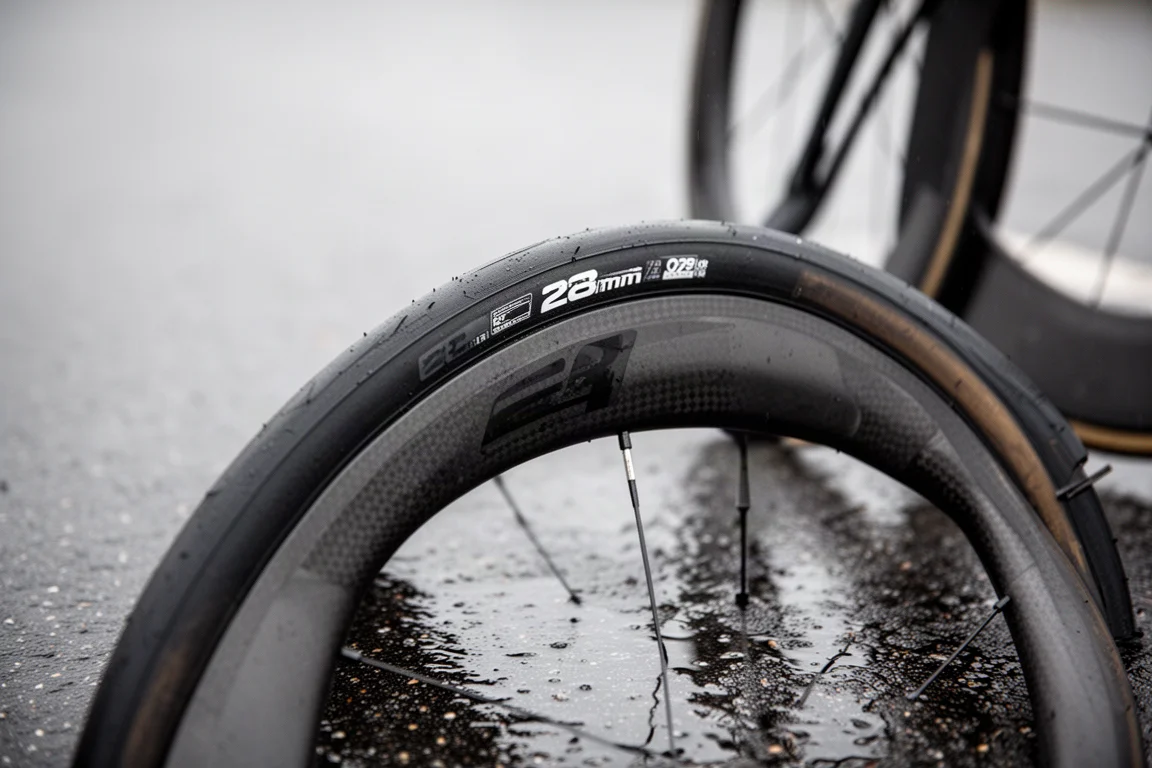
Then work down the list by cost per watt. A rear bottle mount, a waxed chain, and a fast set of tires cost far less than a new frame and often deliver a larger return.
Finally, be honest about the course. The rider who removed his rear bottle mount for a technical descent was not giving up free speed for no reason. He was trading a small aero gain for control on a fast, twisting descent, and that calculation will look different on a flat course.
Conclusion
The pro field is not a shortcut to a faster bike split, but it is a useful filter. When athletes who can choose anything keep choosing the same helmet, the same rear mount, and the same tires, those products have earned a second look.
Buy the ones that suit your position, test what you can, and treat the rest of the list as context rather than a promise.
Further reading
Related Reviews
Triathlon Gear
Two Affordable Triathlon Gear Picks: A Race Suit and a Budget GPS Bike Computer
A short-sleeve trisuit and a budget GPS bike computer: two affordable triathlon upgrades with clear use cases, real strengths, and trade-offs to weigh first.
Triathlon Gear
Best Triathlon Tech from Kona 2024: 11 Standout Gear Picks
A roundup of the most interesting triathlon gear spotted at the Kona 2024 Expo, from prototype bikes to smart goggles and recovery boots.
Triathlon Gear
Christmas Gift Ideas for Triathletes: 10 Practical Picks
A practical gift guide for triathletes, covering swim, bike, run, recovery and stocking fillers that solve real training problems.