Triathlon Gear
Inside a Pro Ironman Triathlon Build: 8 Components Worth Knowing
A component-by-component look at a pro Ironman triathlon build, from the frame and drivetrain to the wheels, saddle, and chain.
Introduction
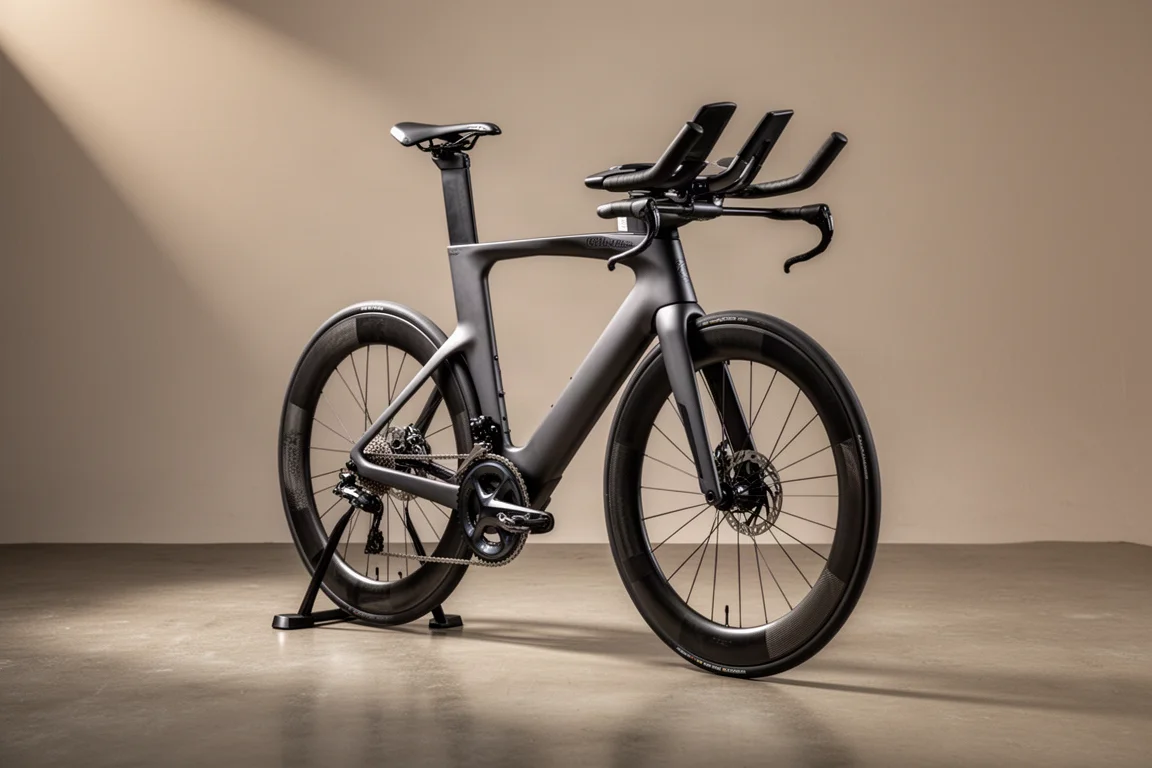
The BMC Red Bull Speedmachine began as a collaboration between the Red Bull Formula One team and BMC Bikes, presented as the first Formula One bike and designed with the goal of being the fastest racing bike. The version ridden at the Ironman World Championship is the triathlon build, adapted with rider-specific parts for a 180 kilometer race day.
What makes this build worth studying is the way it handles long-course problems: where to carry fluid, how to keep the front end clean, and which drivetrain and wheel choices hold up over a full-distance ride. Some of the solutions are elegant. A few are held together with tape and cable ties, which is normal for a race machine assembled to a deadline.
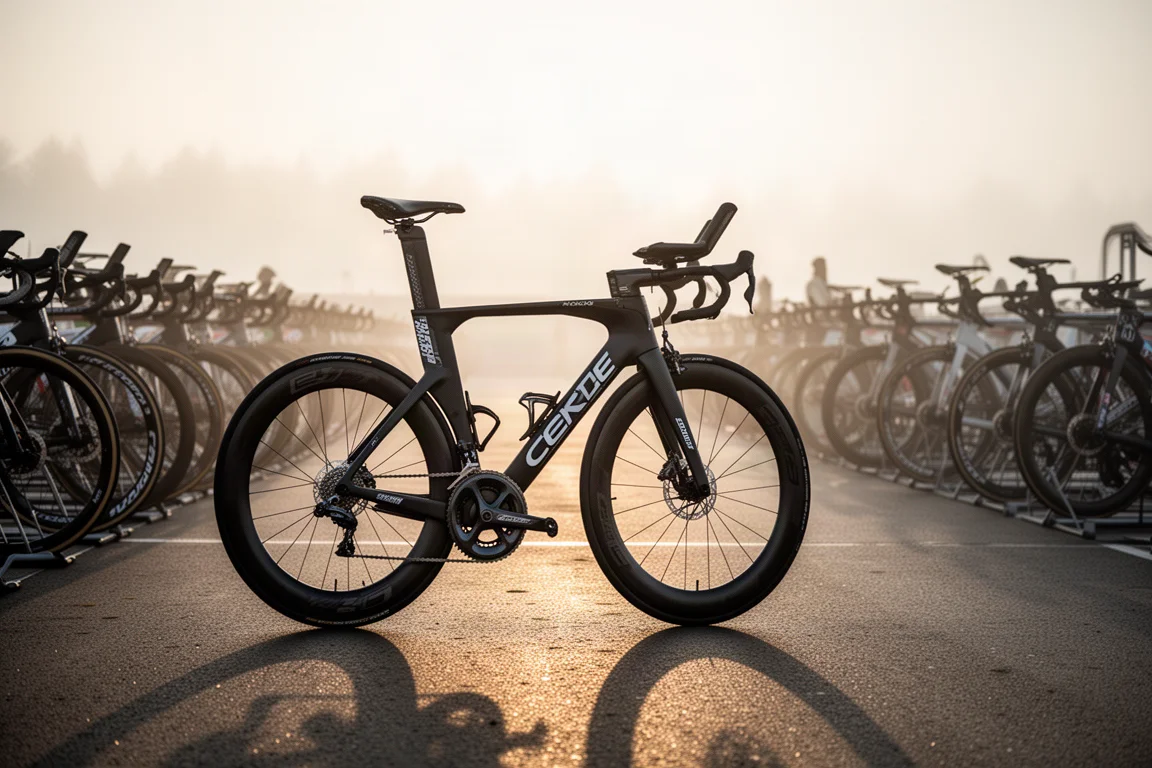
Below is a component-by-component look at what is on the bike, with notes on what each part does well and where it asks for a compromise.
BMC Red Bull Speedmachine
The frame is the centerpiece. Wide-stance forks are now possible on time trial and triathlon bikes because of disc brakes, and this build uses that width fully, with a fairing section beneath the fork that appears to manage airflow in that area.
The storage tube from the original release has been swapped for a hydration pack with a lift-up refill cap. The cap sits loosely enough that it could be lost while topping up, which is worth planning around. A second 3D printed bottle is also refillable, and the two are likely to hold different mixes so the rider can rotate them or refill on the move. There is no bottle cage anywhere on the frame, so a bottle collected at an aid station has to be decanted into one of the two packs.
Further back, a taped-shut box carries tools or spares and doubles as a wider fairing. None of this is UCI legal, and it does not need to be for this race, which is exactly why the build can take these shapes. The custom front bottle is held on with cable ties and the Di2 junction box is taped to the front end, small finishing compromises on an otherwise carefully considered machine.
Wahoo Elemnt Bolt
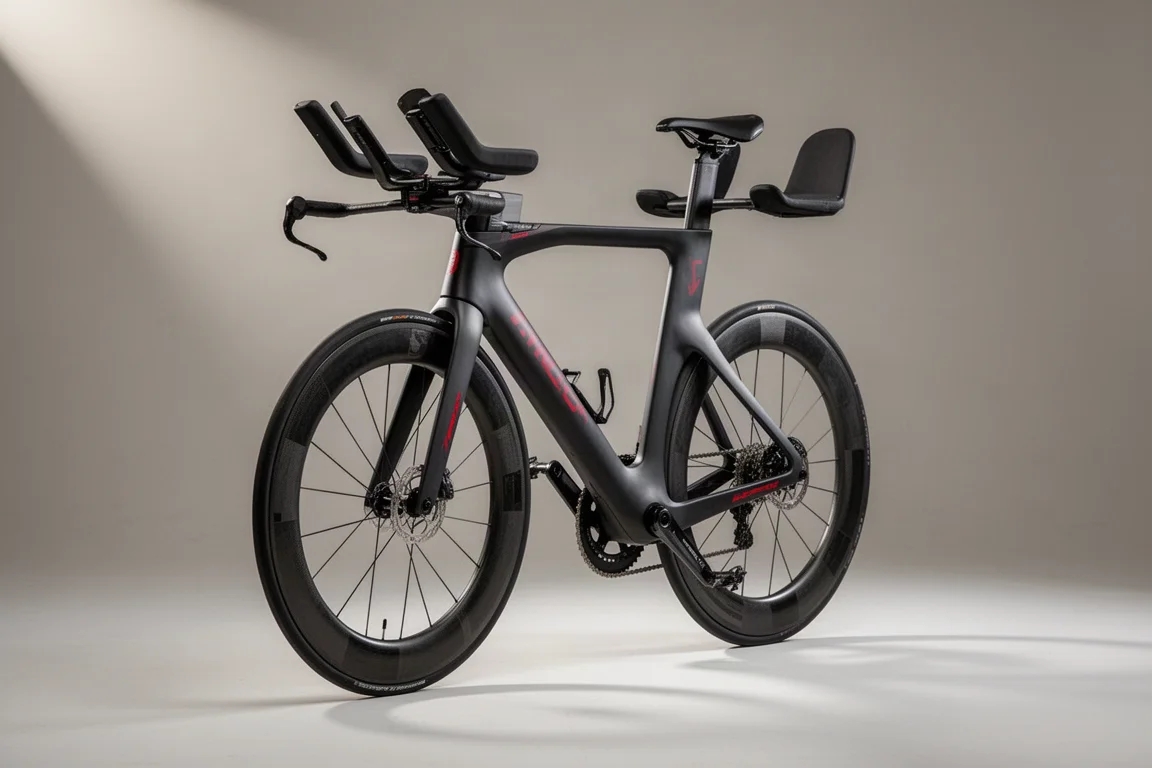
The computer sits in a dedicated gap between the two armrests, which means it can be read at a glance without sitting in the wind. That integration comes from the custom cockpit rather than from the computer itself, and it is the kind of detail that matters when every bit of frontal area counts.
Wahoo Speedplay Pedals
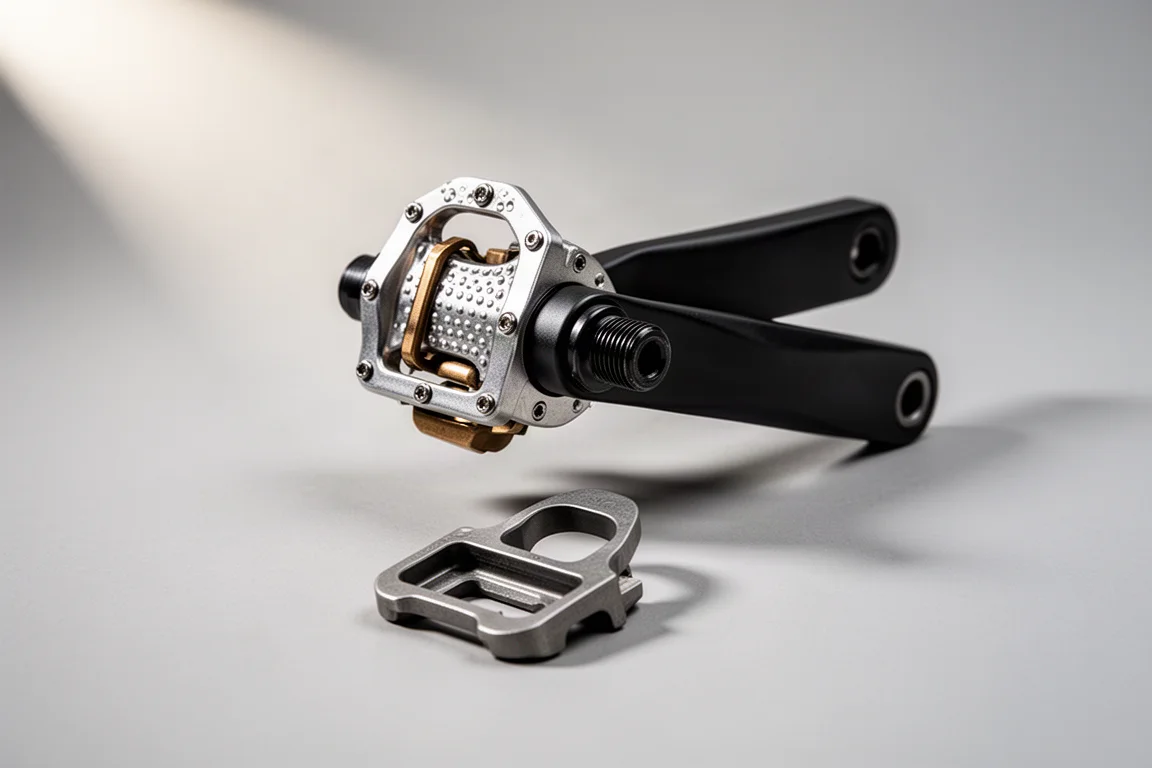
The pedals are Wahoo Speedplay units with an aero cap fitted to the underside, a combination seen on a lot of pro bikes. The cap smooths the underside of the pedal body, and the small saving it offers is the sort of marginal detail that gets attention on a build like this one.
Shimano Dura-Ace Di2
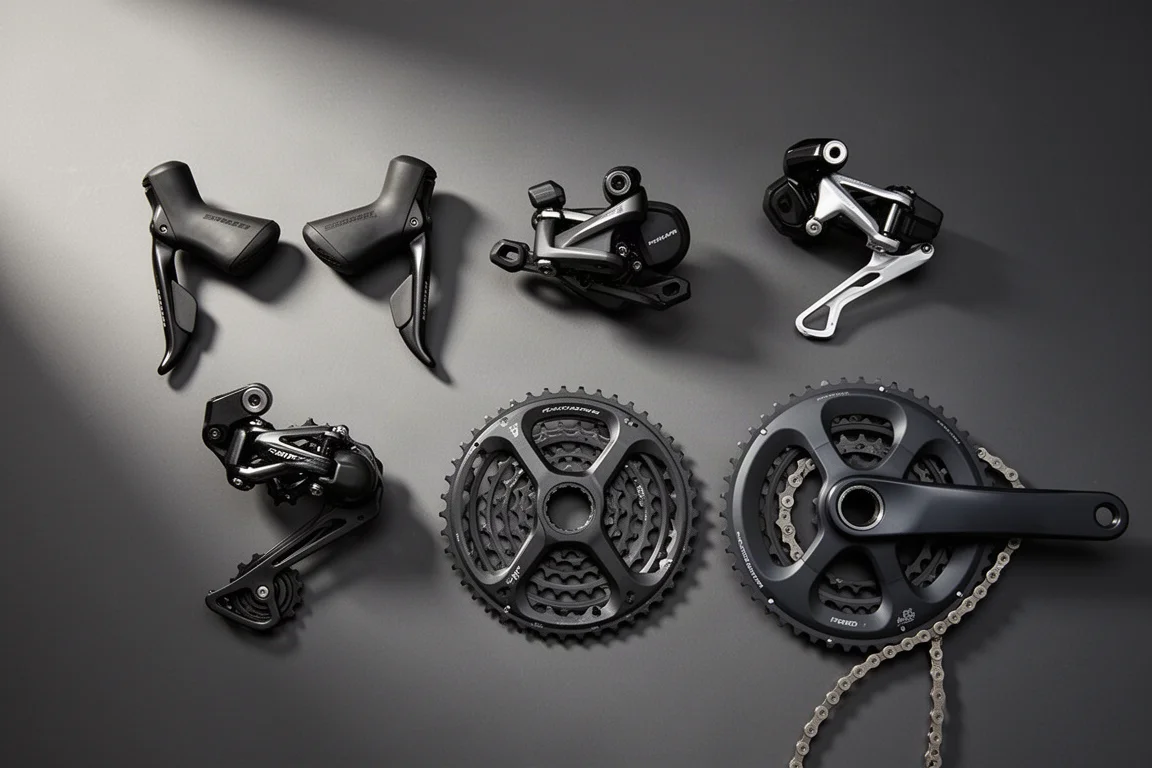
The drivetrain is Dura-Ace Di2 throughout. Gearing is 55/42 at the front with an 11-28 cassette, a large chainring choice for a fast course, though some riders in the same race have gone as big as 58. The cranks are short at 165mm, a recent change for this rider that may help hold a more aerodynamic position, and a power meter is built into the crank.
Electronic shifting also allows the shift buttons to sit together at the front of the cockpit, so both hands can reach shifting without leaving the armrests. The trade-off is junction box placement: one unit is taped to the front end and another sits exposed on the non-drive side of the frame, which is not the tidiest part of the build.
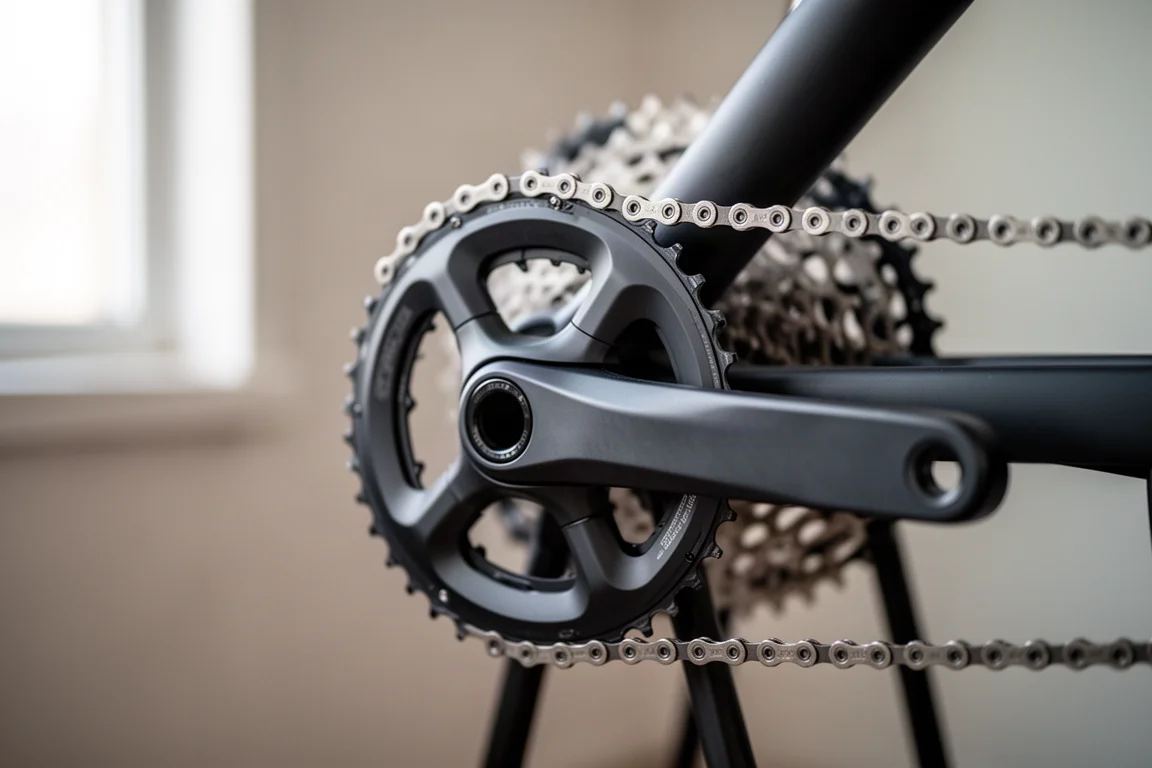
That exposed hardware is a reminder that even top-level electronic groupsets still need somewhere to live, and on a frame with as much custom shaping as this one, the standard mounting points do not always exist.
CeramicSpeed OSPW Aero
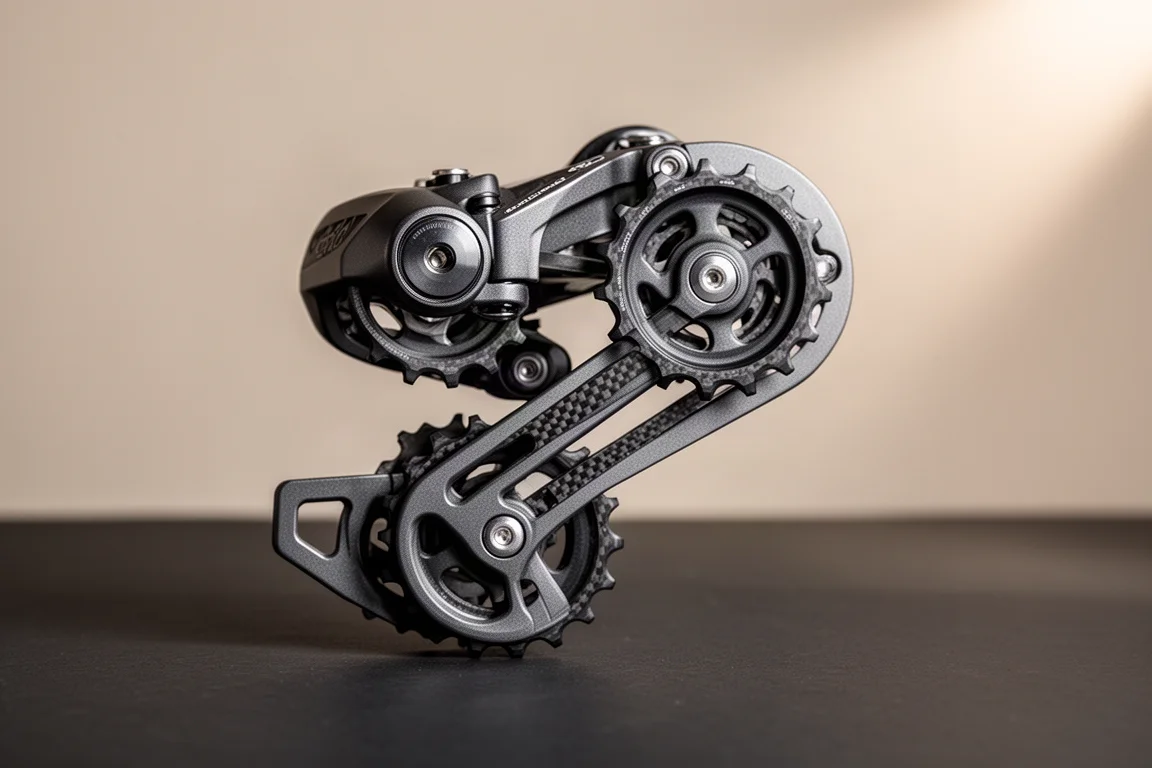
The rear derailleur runs a CeramicSpeed OSPW Aero, the new aero version of the oversized pulley wheel system. It replaces the standard cage with larger pulleys, and at this race it was available to only a handful of riders ahead of its wider release. For a build chasing small gains, an oversized pulley system is a logical place to look, because drivetrain friction is one of the few losses a rider can address without changing position on the bike.
DT Swiss ARC 1100
The wheels fitted are DT Swiss ARC 1100 with a 60mm rim at the front and an 80mm rim at the rear. This may not be the final race setup. A disc rear wheel is a likely swap given what other riders are running on the same course, and the ARC 1100 disc would be the natural match.
Tires are Hutchinson Racing Lab prototypes marked with a prototype sticker, so their final specification is not public. Sizes are 25mm front and 28mm rear at the moment, and both the wheels and the tire sizes could change before the start.
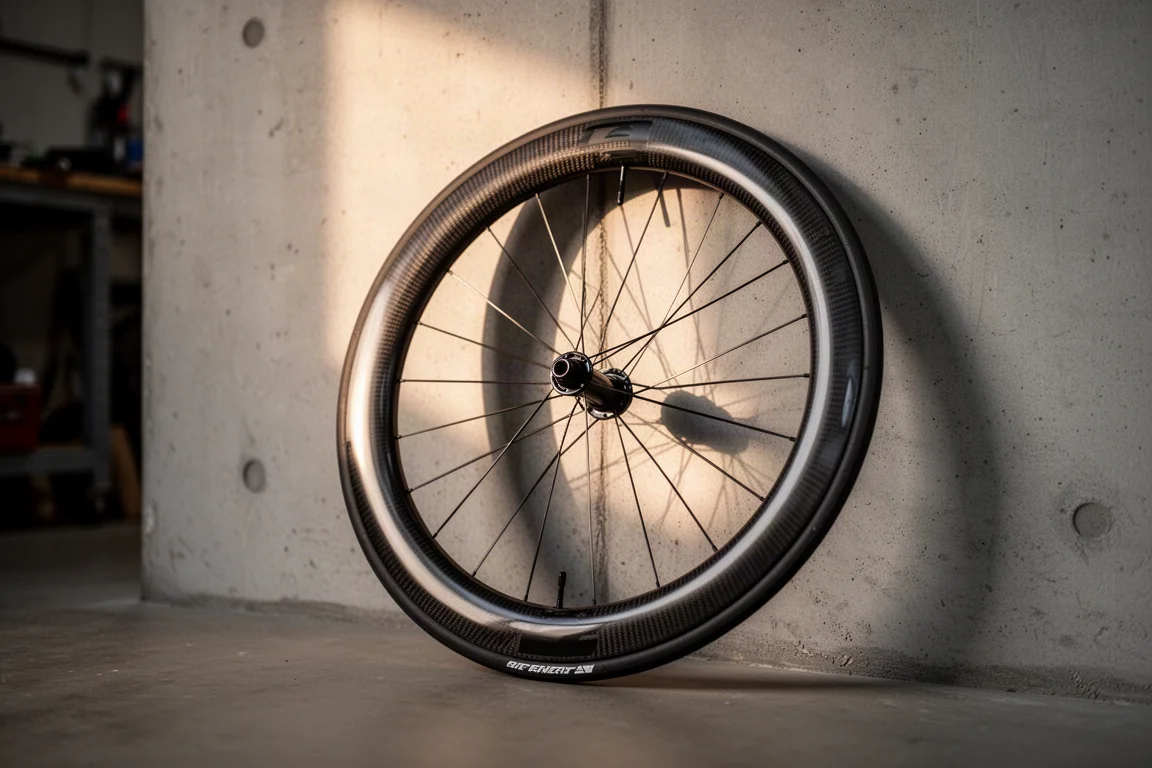
Wheel choice on a full-distance course comes down to how much wind a rider is willing to manage. A deeper rear wheel is the common call for this kind of course, but a front rim this deep asks for confidence in crosswinds.
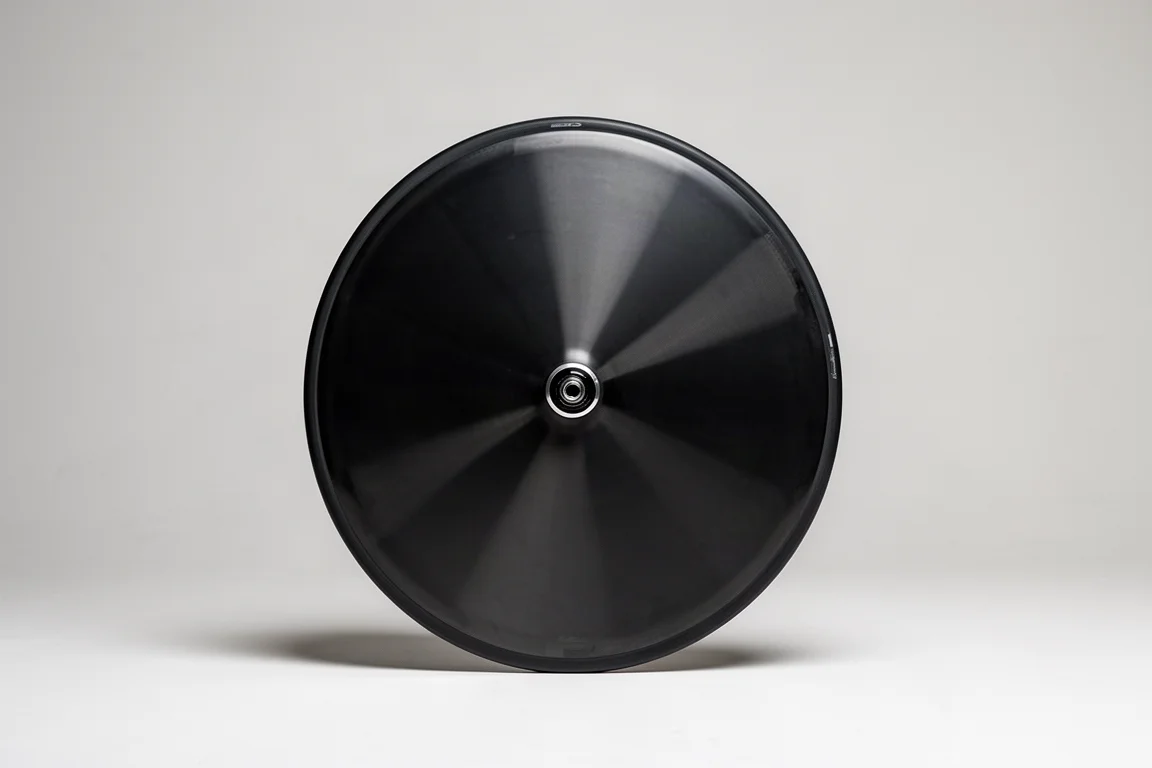
Selle Italia Watt Super Flow
The saddle is a Selle Italia Watt Super Flow with carbon rails. The Watt is a triathlon-oriented shape, and the Super Flow designation points to a central relief channel, which matters on a bike where the rider holds one position for hours. Carbon rails keep the weight down, and on a build where every part is chosen for a reason, the saddle is one of the few places where comfort and speed point in the same direction.
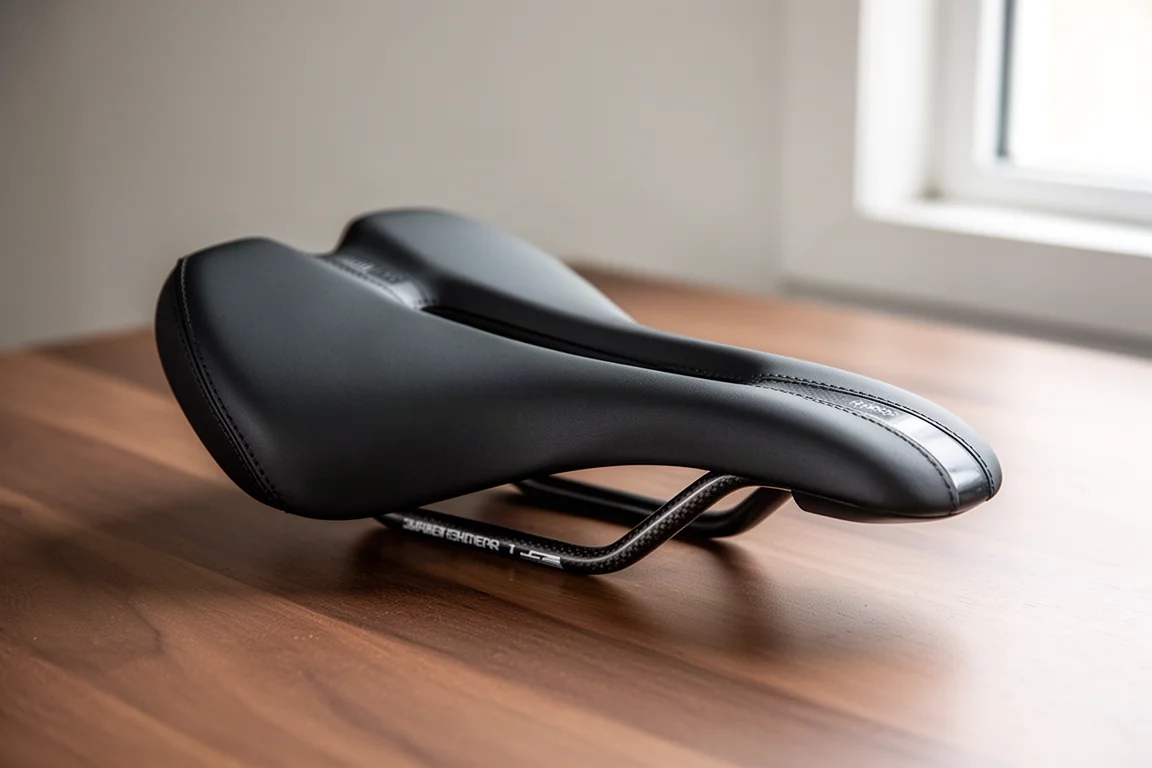
Muc-Off Nano Tube Chain
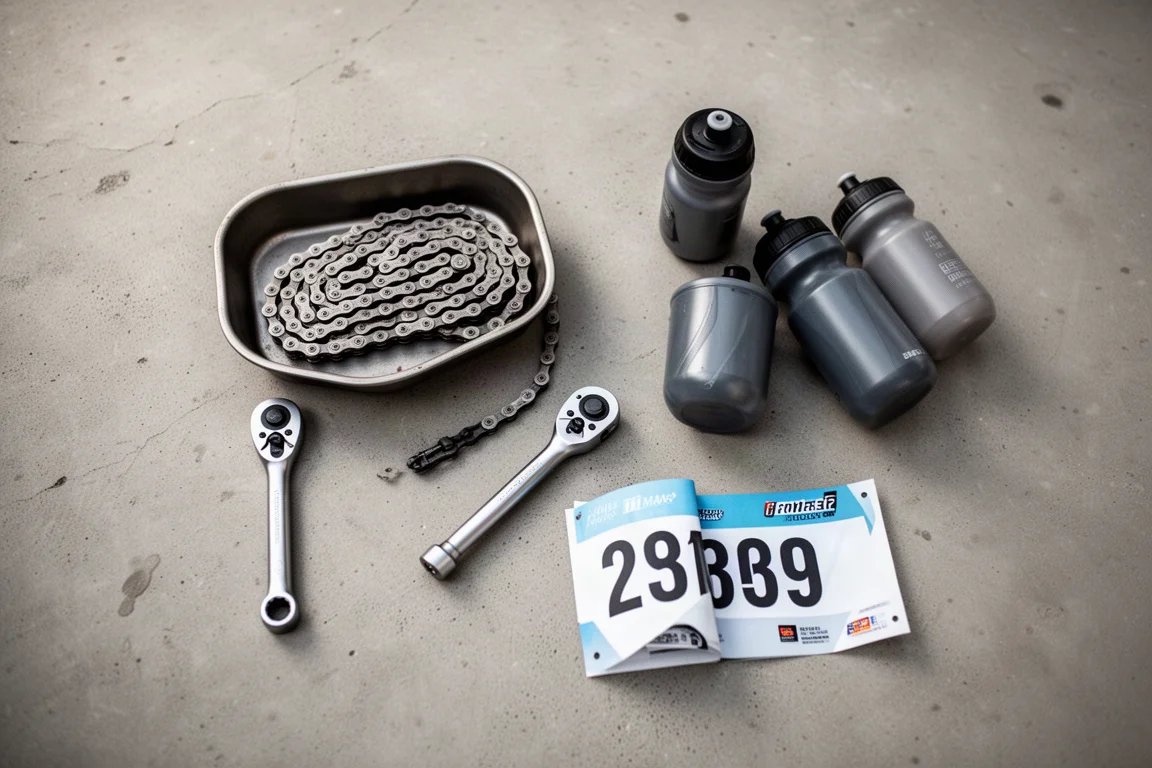
The chain is a Muc-Off Nano Tube chain, which carries a nanotube surface treatment. Muc-Off presents it as the world’s fastest chain, a claim several other chain manufacturers also make, so the practical takeaway is that this is a race-oriented, low-friction chain rather than a standard one.
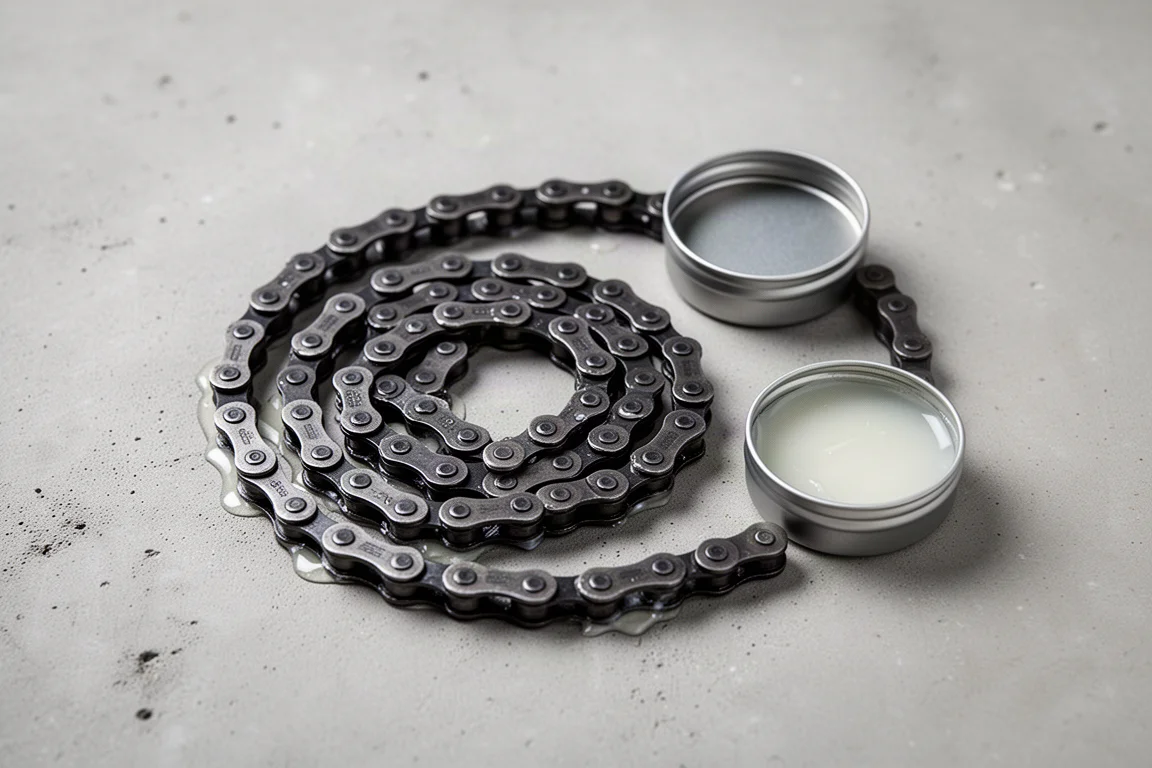
Buying Advice
If you are building or upgrading a long-course triathlon bike, the parts on this machine suggest a sensible order of priority. Drivetrain and chain come first, because friction losses apply for the whole ride and a low-friction chain plus an oversized pulley system is a contained upgrade. Wheels come second, since rim depth should match the conditions you actually race in rather than the fastest setup on paper.
Hydration deserves more attention than it usually gets. This build carries two refillable packs and no bottle cage at all, which works for a rider with a plan but leaves no easy place for a bottle grabbed at an aid station. If you ride long courses, keeping a standard cage somewhere on the frame is practical insurance.
It is also worth noting that several features here are not UCI legal, including the wider fairing created by the storage box and the hydration setup. That does not matter for the race this bike was built for, but it matters if your events run under UCI equipment rules.
Conclusion
This build shows what a triathlon version of a Formula One collaboration bike looks like in practice: wide forks, integrated hydration, a Dura-Ace Di2 drivetrain with short cranks and a large front ring, a CeramicSpeed OSPW Aero, DT Swiss ARC 1100 wheels, and a Selle Italia Watt Super Flow saddle. It is a fast, purpose-built machine with a few rough edges, mainly around the refill cap and the exposed junction boxes. For riders shopping the individual components, the drivetrain, chain, and wheels are the parts that translate most directly to a personal build.
Further reading
Related Reviews
Triathlon Gear
Two Affordable Triathlon Gear Picks: A Race Suit and a Budget GPS Bike Computer
A short-sleeve trisuit and a budget GPS bike computer: two affordable triathlon upgrades with clear use cases, real strengths, and trade-offs to weigh first.
Triathlon Gear
Best Triathlon Tech from Kona 2024: 11 Standout Gear Picks
A roundup of the most interesting triathlon gear spotted at the Kona 2024 Expo, from prototype bikes to smart goggles and recovery boots.
Triathlon Gear
Christmas Gift Ideas for Triathletes: 10 Practical Picks
A practical gift guide for triathletes, covering swim, bike, run, recovery and stocking fillers that solve real training problems.