Sports Nutrition
Precision Fuel and Hydration Electrolyte Tabs: Picking the Right Sodium Strength
A practical look at Precision Fuel and Hydration electrolyte tabs and how the 500mg, 1000mg and 1500mg strengths map to your own sweat sodium level.
Introduction
Long rides rarely unravel because of one big mistake. More often it is a slow accumulation of small ones, and hydration sits near the top of that list. Most riders know they sweat, and most know they should drink. Far fewer know what is actually in the fluid they are losing, or how much that varies from one rider to the next.
Sweat is not just water. It carries electrolytes, and sodium is the one that matters most for holding performance together in the heat. Precision Fuel and Hydration build their electrolyte range around that idea, offering tabs at several sodium concentrations so riders can match intake to their own physiology rather than to a generic recommendation.
Why Sodium Concentration Matters More Than Sweat Volume
When you sweat, the fluid is drawn from blood plasma volume. As that volume drops, the heart has to work harder to move less, thicker blood around the body, which is the short term reason dehydration hurts performance. Plasma belongs to the extracellular fluid, the fluid outside your cells, and that fluid is rich in sodium, while the fluid inside your cells is rich in potassium. Sweat therefore carries proportionally more sodium than potassium, which is why sodium replacement gets most of the attention.
The key insight is that sweat rate and sweat sodium concentration are separate things. A rider who finishes a ride soaked may lose relatively little salt. A rider who barely looks sweaty may be losing a highly concentrated sodium load without realising it.
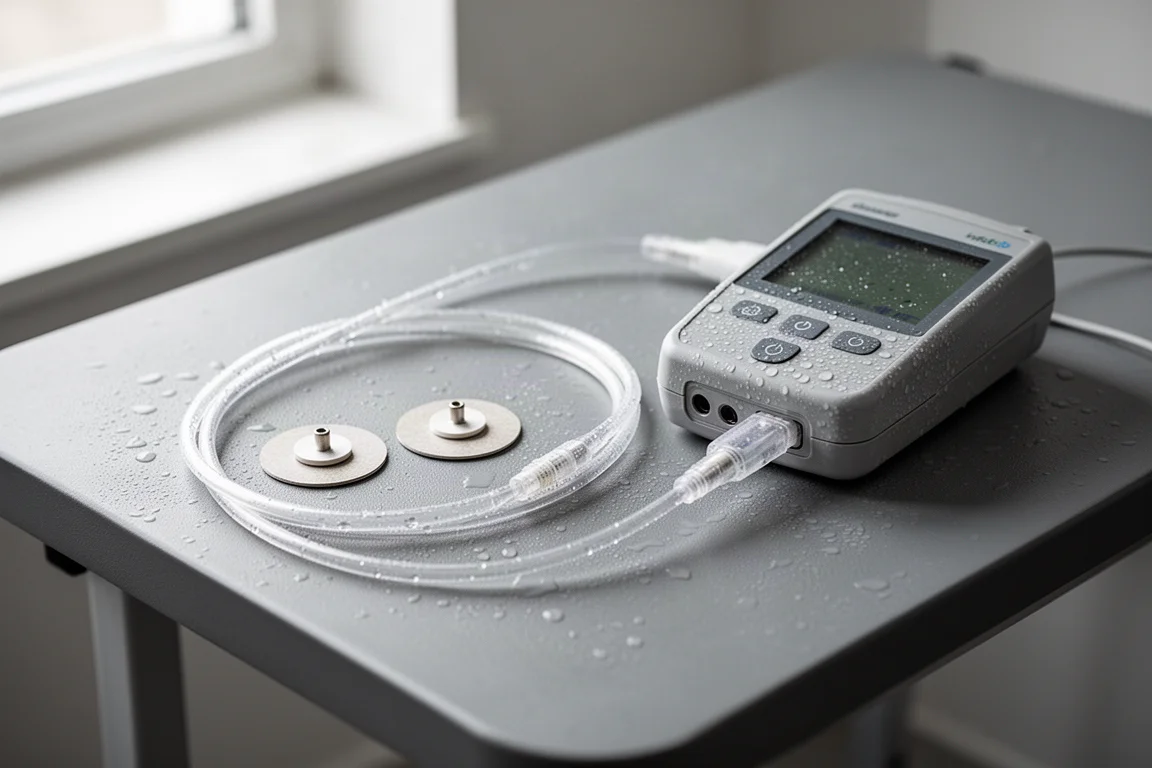
Measuring it is simpler than most people expect. A sweat test uses small electrodes on the forearm to deliver a chemical that mimics the neurotransmitters released when the body wants to sweat, but only across a patch roughly the size of a 2p coin. A collector gathers the sweat, and an analyser measures its conductivity and converts that into a sodium chloride reading in milligrams per litre. The process takes about 10 to 15 minutes and does not require any exercise at all.
Across one group test, readings ranged from roughly 757 mg per litre up to 1,800 mg per litre, a spread wide enough to explain why generic hydration advice works well for some riders and fails badly for others. A persistent craving for salty food after hard rides is one hint that your own number may sit higher up that range.
The Electrolyte Tab Range at a Glance
Precision Fuel and Hydration take an unusual approach for a sports nutrition brand. Rather than a single electrolyte product, they offer tabs at different salt concentrations, so the same bottle of water can be adjusted to suit the rider drinking it.
The reasoning is straightforward. If your sweat is relatively dilute, a lower concentration tab, or even plain water on a short cool ride, is enough. If your sweat is salty, that same bottle needs a stronger dose to replace a meaningful share of what you are losing. Riders who know their sweat sodium number can select a strength with some confidence instead of guessing, and riders who do not can still work from past experience.
Precision Fuel and Hydration 500mg Electrolyte Tabs
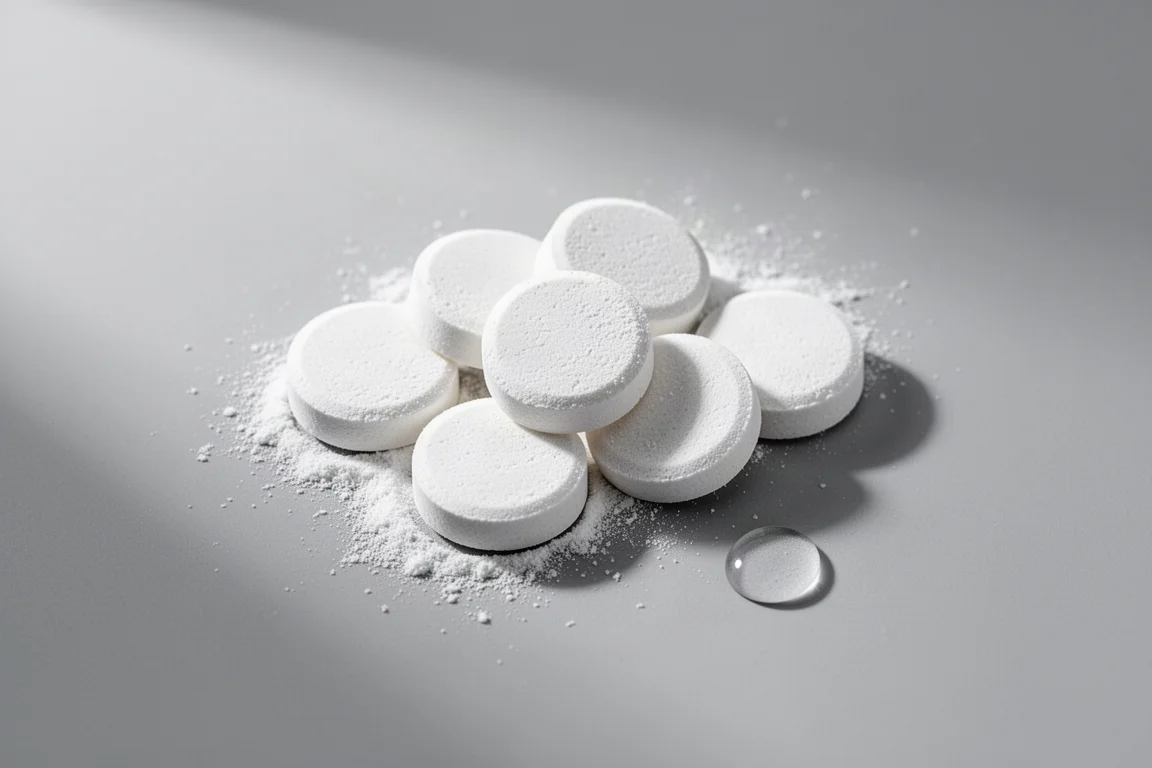
The 500mg tabs sit at the lighter end of the range. They suit cooler conditions, shorter sessions and riders whose sweat sodium concentration comes back on the low side. For those riders, sodium simply is not the limiting factor, and a heavy dose would be unnecessary rather than helpful.
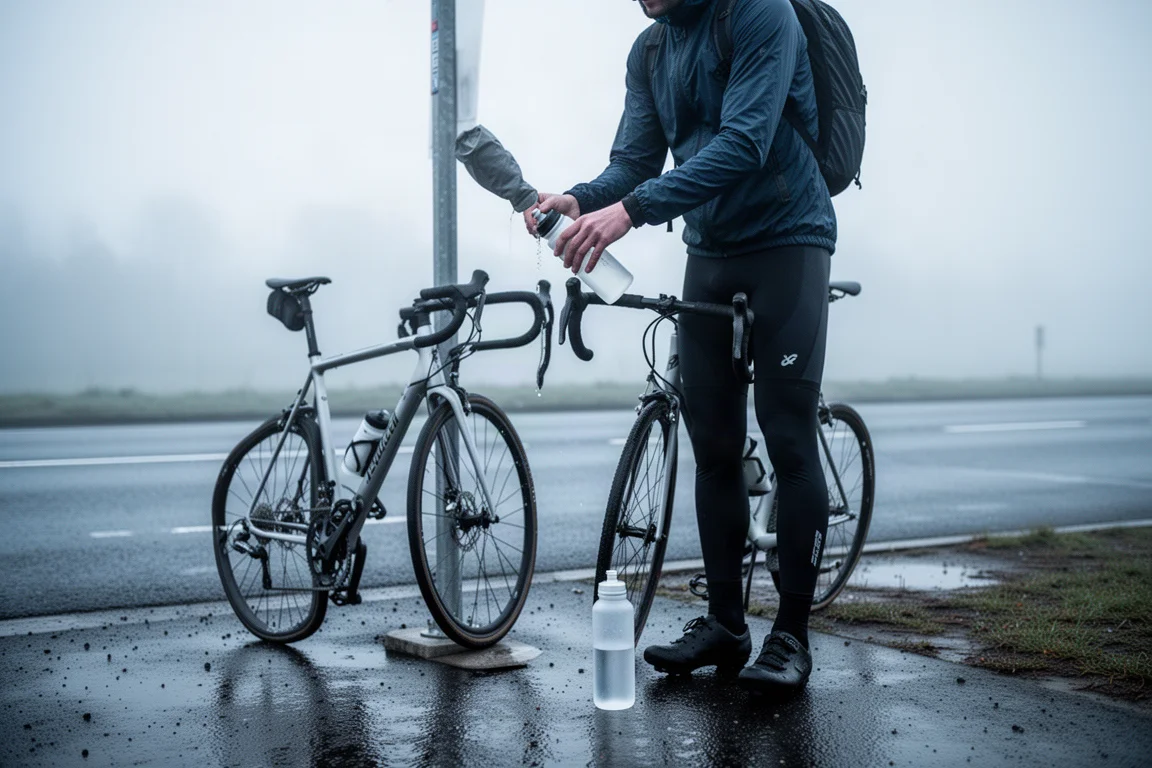
They are also a sensible choice for early or late season riding, when temperatures are moderate and fluid losses stay lower. A rider who has never struggled in the heat will often find this strength is plenty.
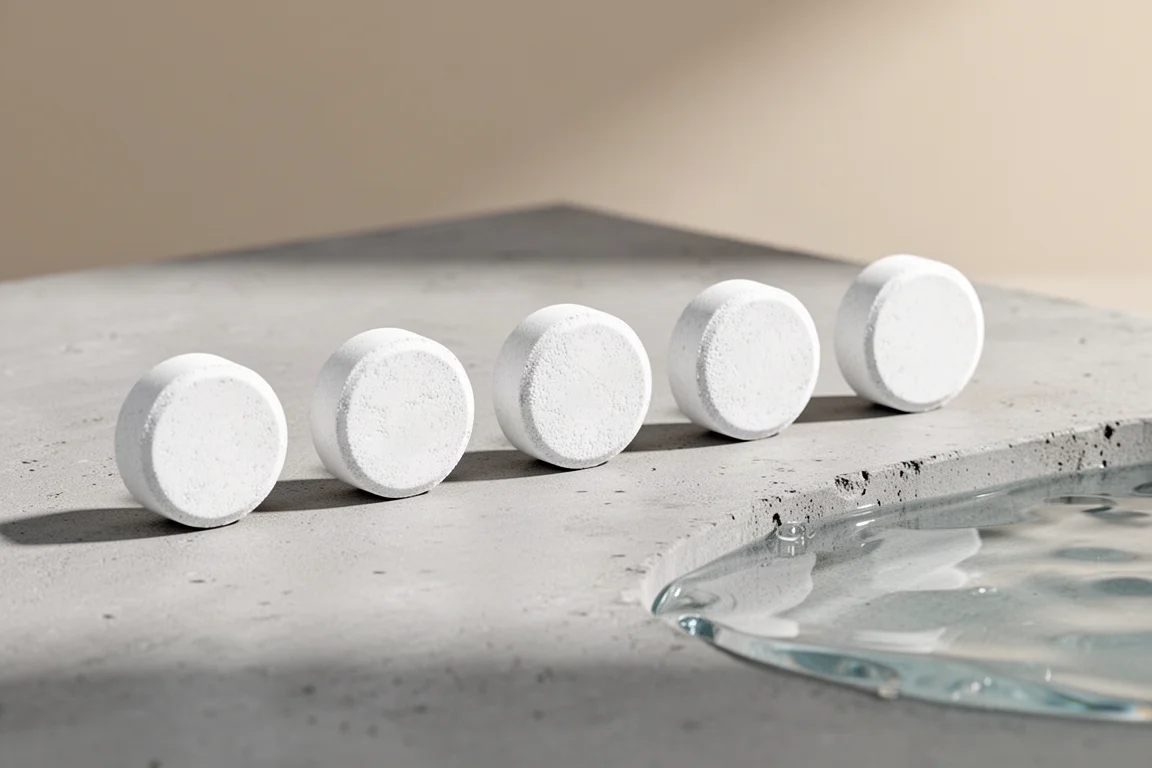
Precision Fuel and Hydration 1000mg Electrolyte Tabs
For a rider testing at the higher end of the sodium scale, the 1000mg tabs are the practical default. This is the strength that fits most long events, particularly in warm conditions where you are drinking steadily for hours. It delivers a meaningful sodium dose without forcing an unusually high fluid intake to carry it.
In practice this is the tab most salty sweaters will reach for on a big day out, whether that is a long gravel event or a multi-hour road ride in the heat.
Precision Fuel and Hydration 1500mg Electrolyte Tabs
The 1500mg tabs are the strongest option in the range, intended for the extremes: very hot conditions, very long efforts, and situations where you are drinking a high volume of fluid and need each bottle to carry more sodium. Riders who land on this strength usually get there through trial and error in the field rather than from a single calculation.

Consistency matters more than precision. A little more sodium than you strictly need during a hot ride is usually the safer side to err on, but the operative word is a little. Pushing salt intake far beyond what you are actually losing does not improve performance. Sodium helps you retain fluid, which is useful when rehydrating, but overloading it across consecutive days can leave you carrying extra water weight and feeling bloated.
How to Match Tab Strength to Your Ride
A sweat test makes the choice much easier, and tests can be booked through Precision Fuel and Hydration in many locations worldwide. That said, a test is not essential. Sweat rate is a separate measurement and a simple one to do at home, and a plan built from past experience with heat, distance and how you felt afterwards will get most riders close enough.
Precision also publish a fuelling calculator and planner that helps translate a ride profile into a rough intake plan, which is useful for riders who want a starting point before refining it on the road. The realistic process looks like this: begin with a sensible estimate, keep notes on how you felt, and adjust the sodium concentration or the fluid volume from one long ride to the next. What you are looking for is the combination that leaves you neither thirsty and cramping nor sloshing and bloated by the end of a hard day.
Conclusion
The lesson here is that hydration is personal. Sweat sodium concentration varies widely between riders, and it does not follow how much you sweat. Precision Fuel and Hydration’s tabs give you a way to act on that: pick a concentration, test it in the conditions you actually ride in, and adjust from there. For riders who have struggled in the heat before, that is a far more useful framework than simply being told to drink more.
Further reading
Related Reviews
Sports Nutrition
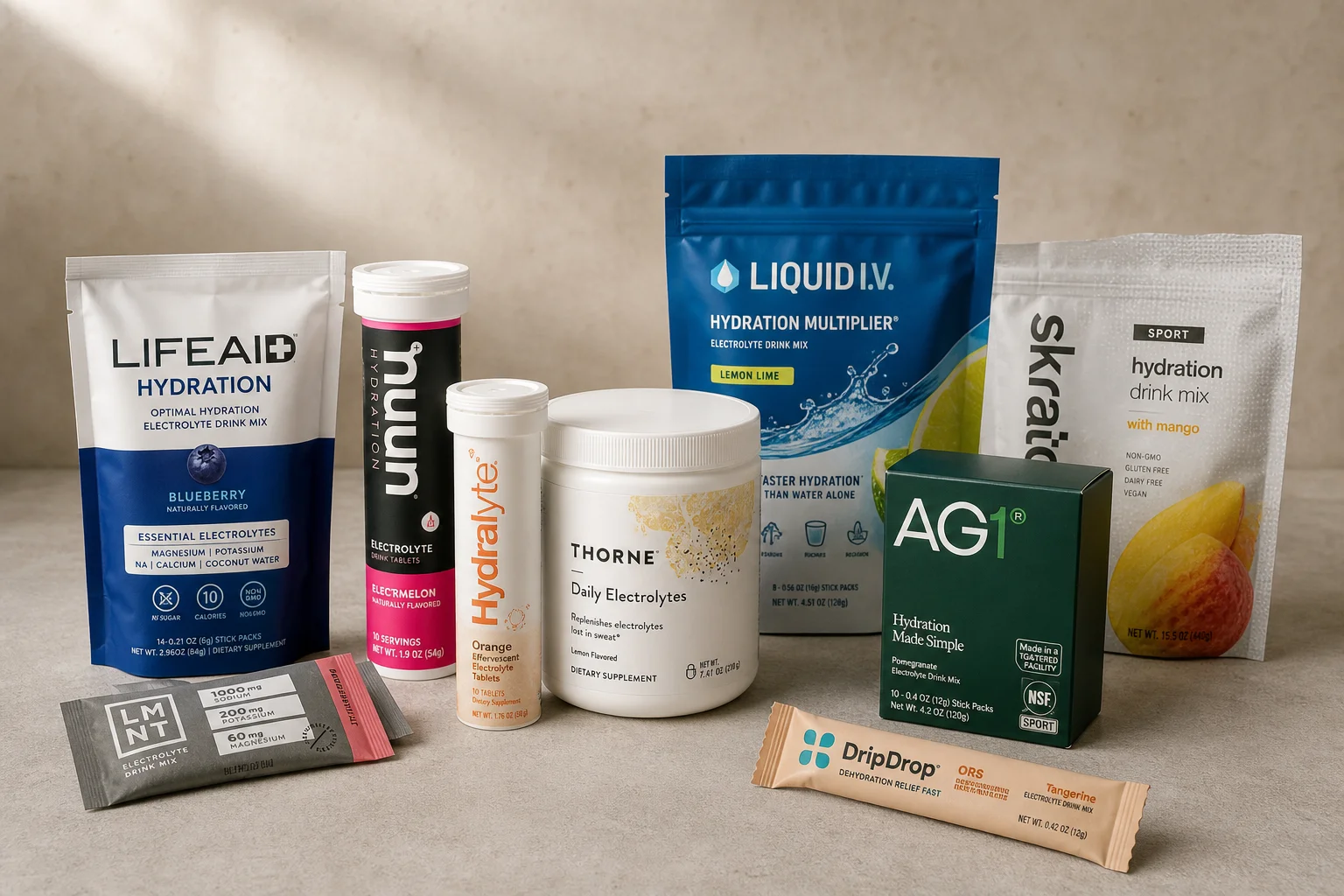
Best Electrolyte Drinks 2026: 13 Products Tested for Taste and Performance
A comprehensive taste test and breakdown of 13 electrolyte products, from powders to tablets, with real-world performance insights for runners and endurance athletes.
Sports Nutrition
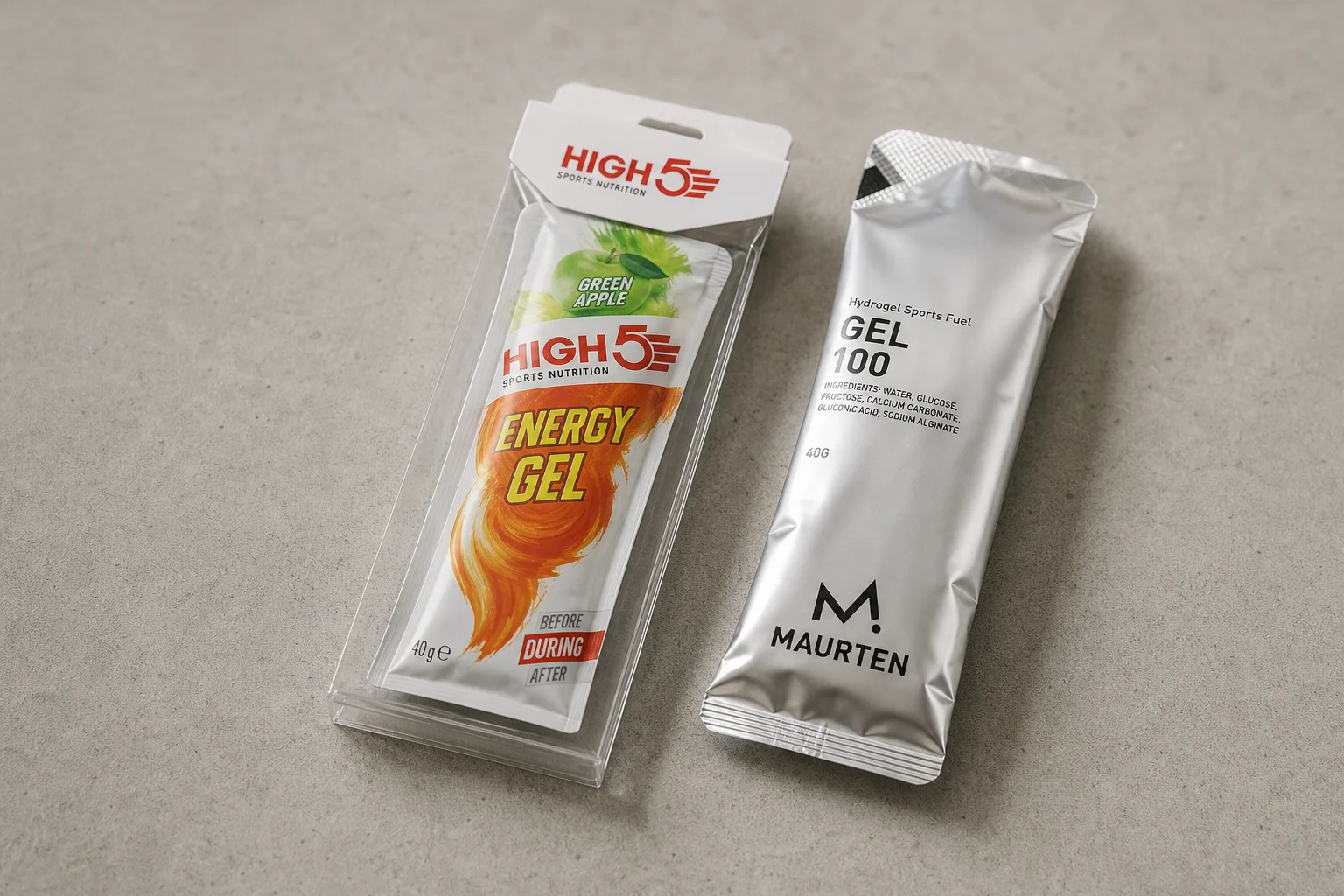
Budget vs Premium Energy Gels: Do Expensive Brands Really Perform Better?
Testing High5 and Maurten gels head-to-head reveals that cheaper doesn't always mean worse, and expensive doesn't automatically mean better. Here's what actually matters.
Sports Nutrition
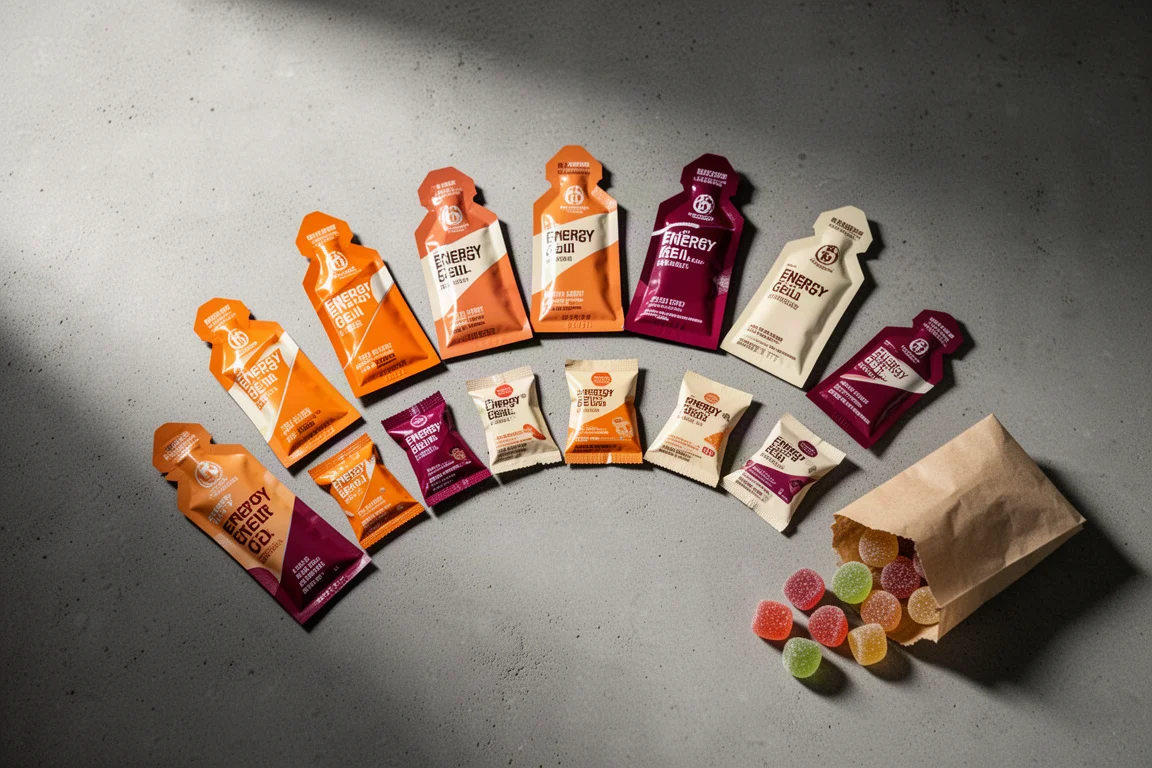
Energy Gels Compared: 10 Options for Endurance Athletes
A practical comparison of ten energy gels plus one supermarket option, covering packet opening, taste, carbohydrate ratios and value per gram.