Sports Nutrition
Energy Gels Compared: 10 Options for Endurance Athletes
A practical comparison of ten energy gels plus one supermarket option, covering packet opening, taste, carbohydrate ratios and value per gram.
Introduction
Energy gels sit somewhere between fuel and comfort purchase. They are rarely cheap, they are usually consumed when a rider is already tired, and the difference between a gel that goes down easily at hour four and one that does not is worth knowing before ordering a box of twenty.
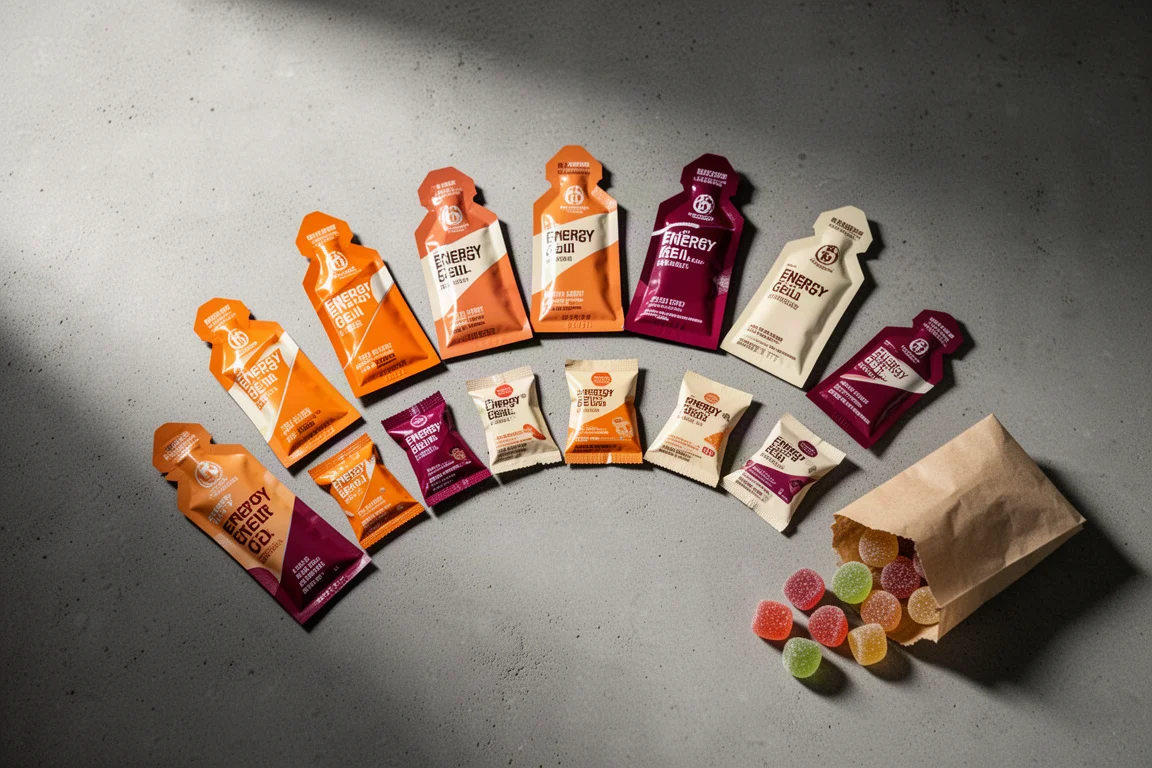
This comparison covers ten gels and one supermarket alternative, looked at through three practical lenses: how the packet opens when hands are cold and teeth are doing the work, how the gel tastes and feels, and what the carbohydrate profile actually supports. Prices were collected from typical listings and retail counters, and they vary with pack size, so treat them as a guide rather than a fixed figure.
How These Energy Gels Were Assessed
Opening was judged on how cleanly the tear tab came away, whether the gel spilled, and whether the packet could be managed one handed during a ride. Taste was judged as a whole experience, including texture, sweetness and how easy the gel would be to repeat over several hours. Sweetness matters more than many riders expect, because palate fatigue builds quickly when every gel tastes like syrup.
The science assessment focused on the type and amount of carbohydrate, the glucose to fructose ratio, sodium content and fluid requirements. Two concepts do most of the work. An isotonic gel contains enough fluid to move through the gut lining on its own, so no extra water is needed. A hypertonic gel is more concentrated and does need fluid alongside it. Separately, a gel built on a single carbohydrate source tends to cap practical intake at around 60g per hour, while dual source gels combining glucose and fructose can support 90g per hour or more, depending on the ratio.
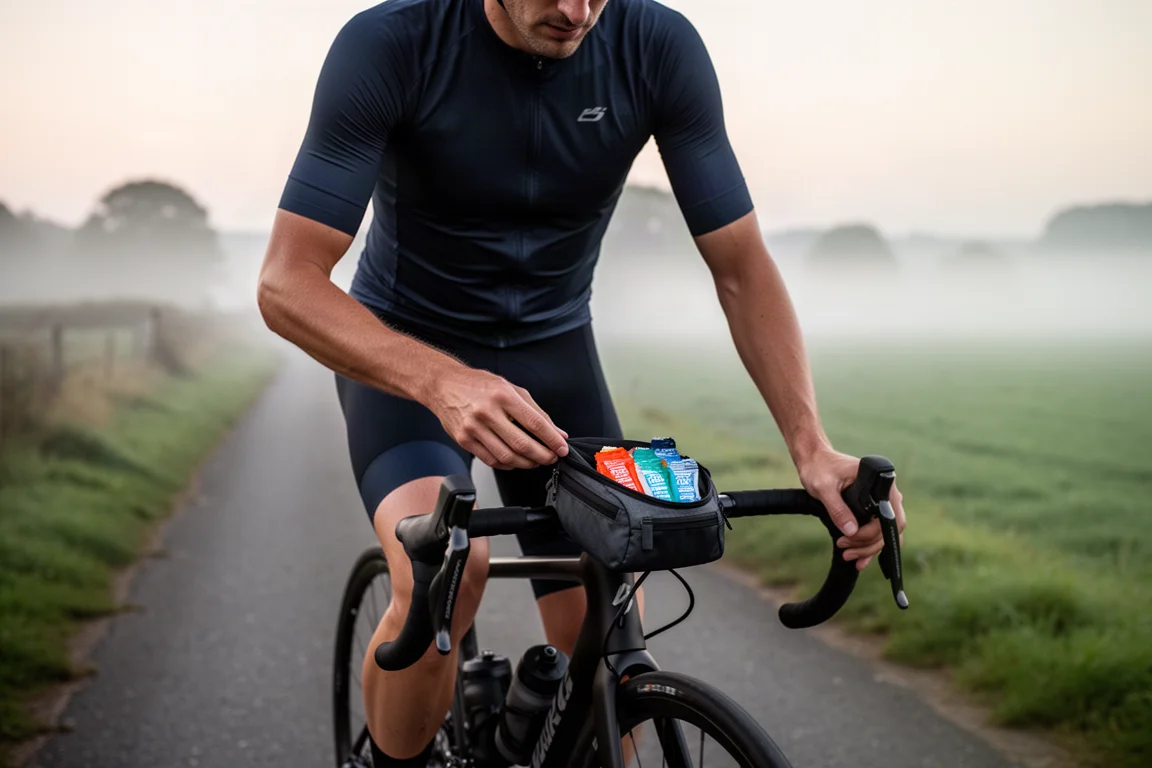
One final practical point: any plan that pushes beyond one gel per hour depends on gut training. That means practising the intake on training rides well before an event, rather than trying it for the first time in a race.
SiS GO Isotonic Energy Gel Orange
The SiS GO Isotonic gel is clear with no added colouring and a distinct orange aroma. The flavour is subtle rather than sweet, which is a genuine advantage on a long ride: it stays palatable four hours in, when a heavily sweetened gel becomes hard work. The texture came across as lumpy and slightly bitty, with a faint medicinal note, so this is not a gel anyone will eat for pleasure.
The packet is the weak point. A teeth first tear opened it unevenly and spilled a little, which is exactly the scenario the design should handle. On the science side it uses a single carbohydrate source, so it works well up to around 60g of carbohydrate per hour but becomes limiting above that. It is isotonic, so it carries enough fluid to transport itself through the gut without a drink, but it contains no sodium or electrolytes. At around £1.40 per gel it is one of the cheaper options here.
Veloforte Tempo Date, Lemon & Ginger
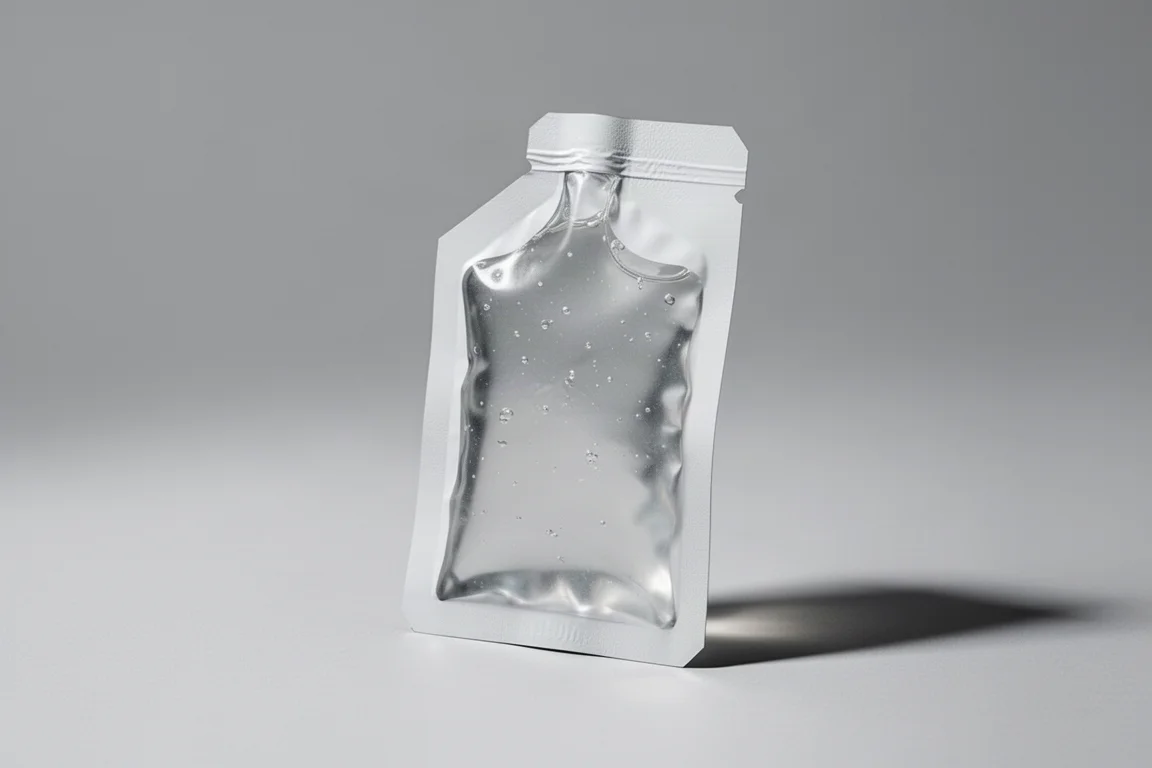
The Veloforte Tempo gel stands out immediately for its size. At 33g the packet is close to half the volume of most others, which is a real benefit for jersey pockets on multi hour rides. It is built around real fruit and electrolytes, with 22g of carbohydrate and 16g of sugar per gel.
Opening was the best in the group: a clean tear with no spill and no mess. The texture is noticeably smoother and more consistent than the isotonic gel above, though the flavour is strong and sharp, closer to undiluted cordial than to a gentle date and citrus blend. Riders who genuinely like dates will get on with it, while others may find it too assertive.
The formulation information is thin. No carbohydrate ratio is published, and the most reasonable assumption from the natural ingredient list is a ratio near 1:1. Because there is so little fluid in a 33g packet carrying 22g of carbohydrate, the gel behaves as hypertonic and needs water alongside it. There is no sodium. Reaching 90g of carbohydrate per hour on this gel would take four or five packets, which is a lot to open and store during a race. At around £2.20 it also sits at the upper end for its carbohydrate content.
Styrkr Gel50 Mixed Berry
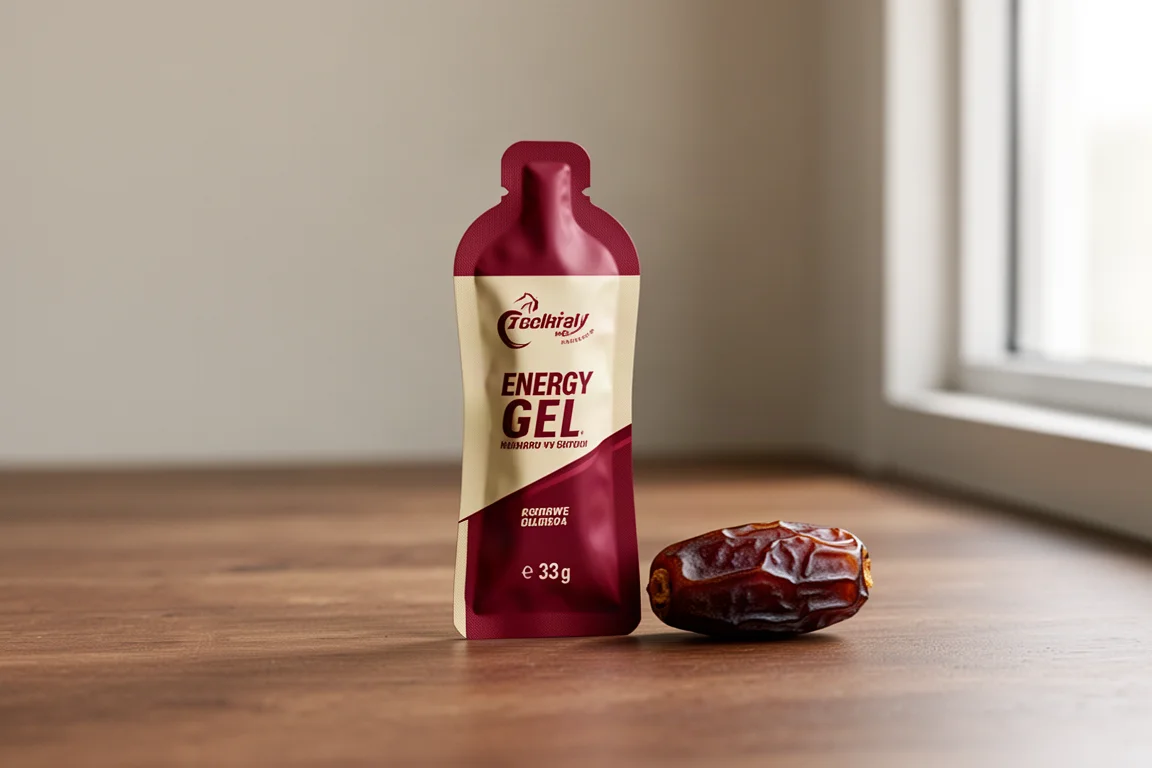
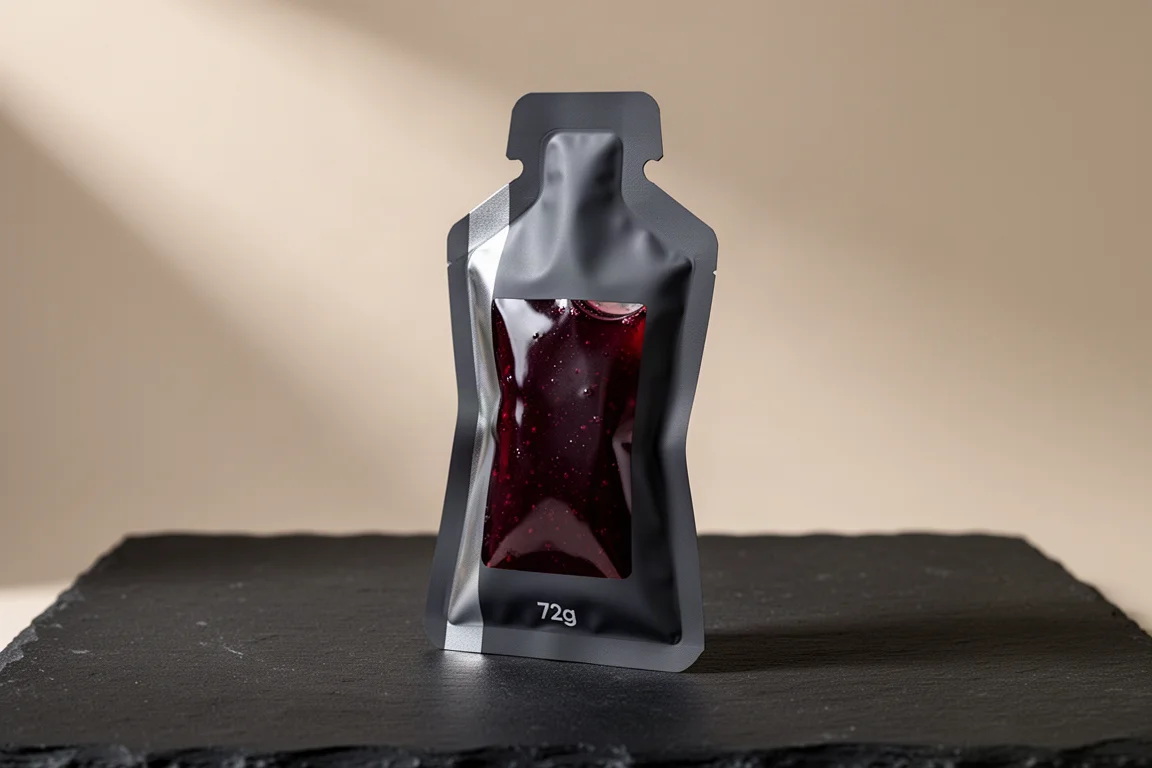
Gel50 packs 50g of carbohydrate into a 72g serving, more than double what most of the smaller gels provide. It uses a dual source carbohydrate blend at a 1:0.8 glucose to fructose ratio, marketed under a trademarked name that is not explained on the packaging or the website.
The flavour was one of the most popular in this comparison: sharply sweet, distinctly berry, and enjoyable rather than cloying, which is unusual for a gel with this much carbohydrate. The packet opens with a teeth tear that works but leaves a little residue behind.
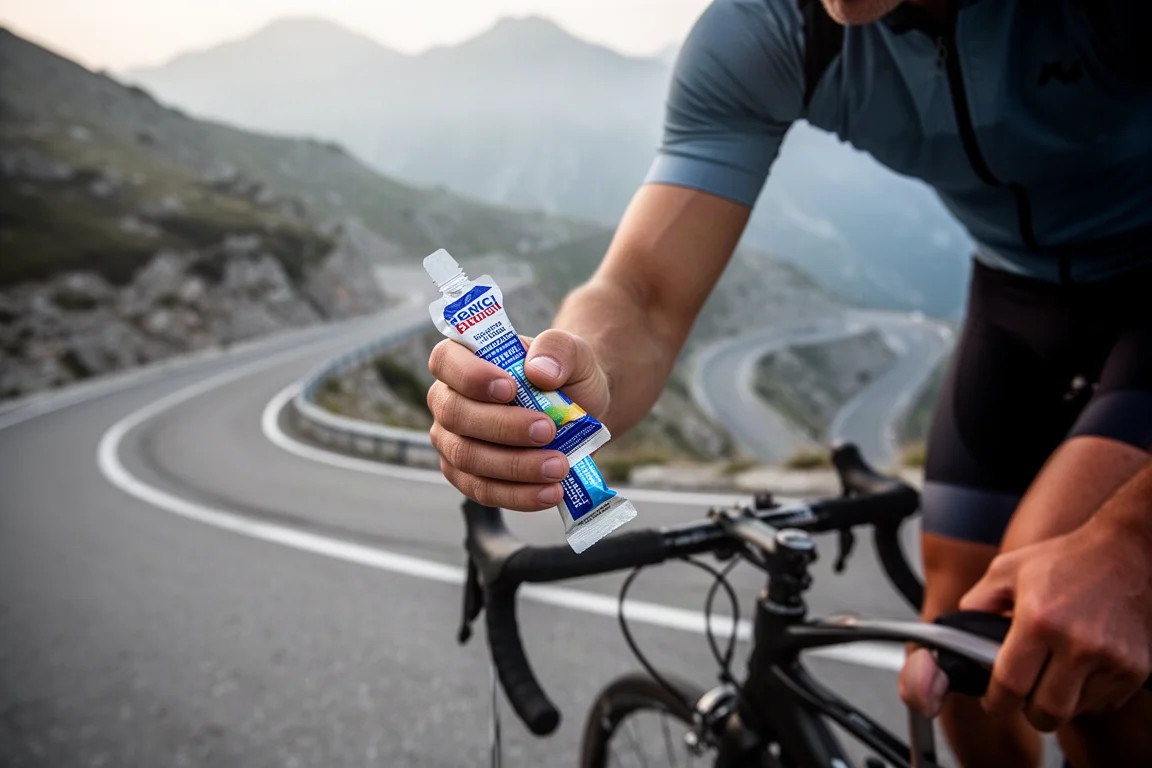
Because the serving is concentrated, the gel is hypertonic and needs fluid to move through the gut efficiently. There is no sodium, which is a missed opportunity for a product aimed at high intake. The science case is strong for a specific job: riders pushing 100 to 120g of carbohydrate per hour, or racing in situations where feeding windows are short and a gel may not be finished in a single squeeze, such as a criterium. On a relaxed ride, a smaller and cheaper gel does the same work. At around £2.50 per gel, the cost per gram of carbohydrate is among the better values in this group.
RawV Blueberry & Hibiscus Energy Gel + Caffeine
Opening required real effort. The packet was tough to tear, though once open it did not spill, which keeps it in reasonable territory. Taste divided opinion sharply. The hibiscus dominates the blueberry, and the added caffeine brings a bitterness that makes the gel taste medicinal. Riders expecting a sweet berry gel will be surprised, and not necessarily pleasantly.
The formulation is 20g of carbohydrate with no sodium and no published carbohydrate ratio, which makes it hard to place in a fuelling plan; a 1:1 ratio from natural ingredients is a reasonable assumption. The caffeine dose is modest. At that level caffeine is less about a performance boost and more about speeding up carbohydrate absorption. Meaningful performance doses start around 3mg per kilogram of body weight, which for most riders means several espressos rather than a single gel, and anyone specifically chasing a caffeine effect would want at least 75mg per gel. At around £2.10 for the lowest carbohydrate content in this comparison, the value case is weak unless the flavour profile appeals.

Science in Sport Beta Fuel Orange
Beta Fuel is the higher carbohydrate sibling of the SiS GO gel, with 40g of carbohydrate in a 60ml packet and a 1:0.8 blend of maltodextrin and fructose. The flavour lands in a similar place to the isotonic gel, but the texture is smoother and the packet opens cleanly and consistently.
That 1:0.8 ratio is the point of the product. It is engineered for riders chasing higher hourly intake, and 40g per gel makes the arithmetic easier than working with 20g or 25g packets. Sodium is close to absent, which leaves electrolytes to come from a drink mix and can make the overall fuelling plan feel unbalanced.
Two cautions. First, taking more than one of these per hour requires gut training, because the concentration is high. Second, at around £2.10 a gel the price is reasonable for 40g of carbohydrate but adds up quickly across a long event. For races of three hours or more, or for an occasional large carbohydrate hit on a long ride, it is a well engineered option.
High5 Energy Gel
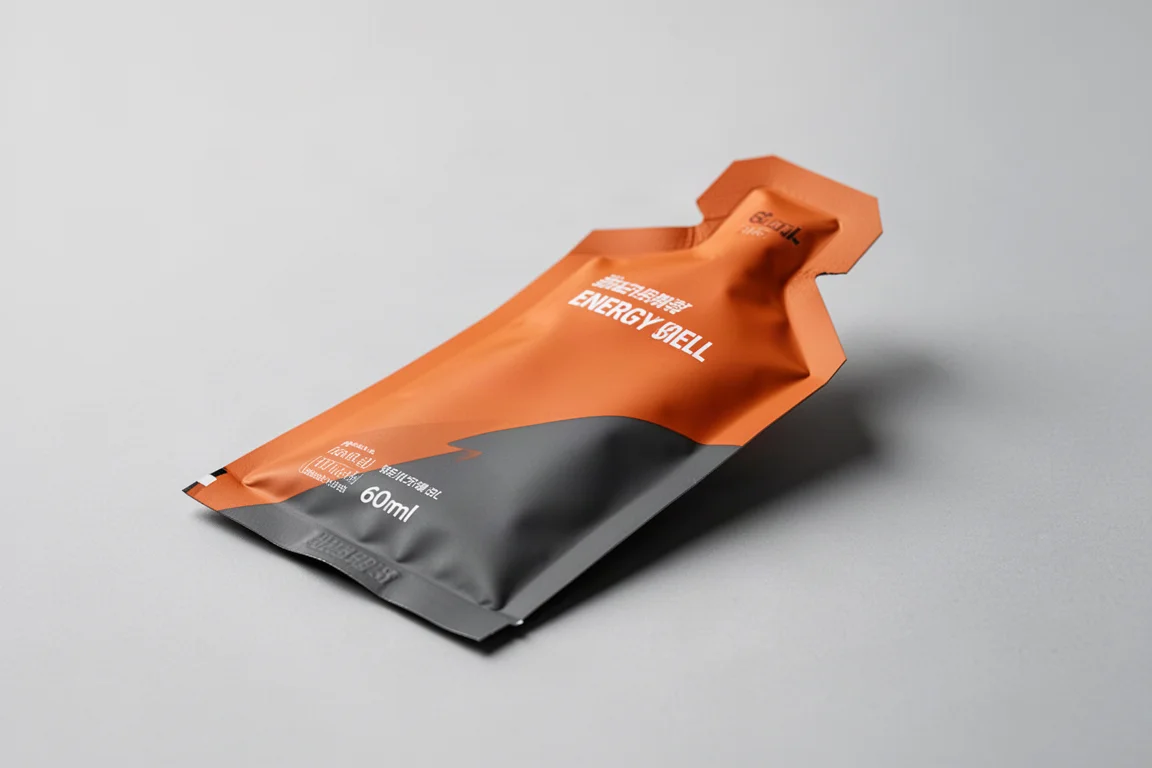
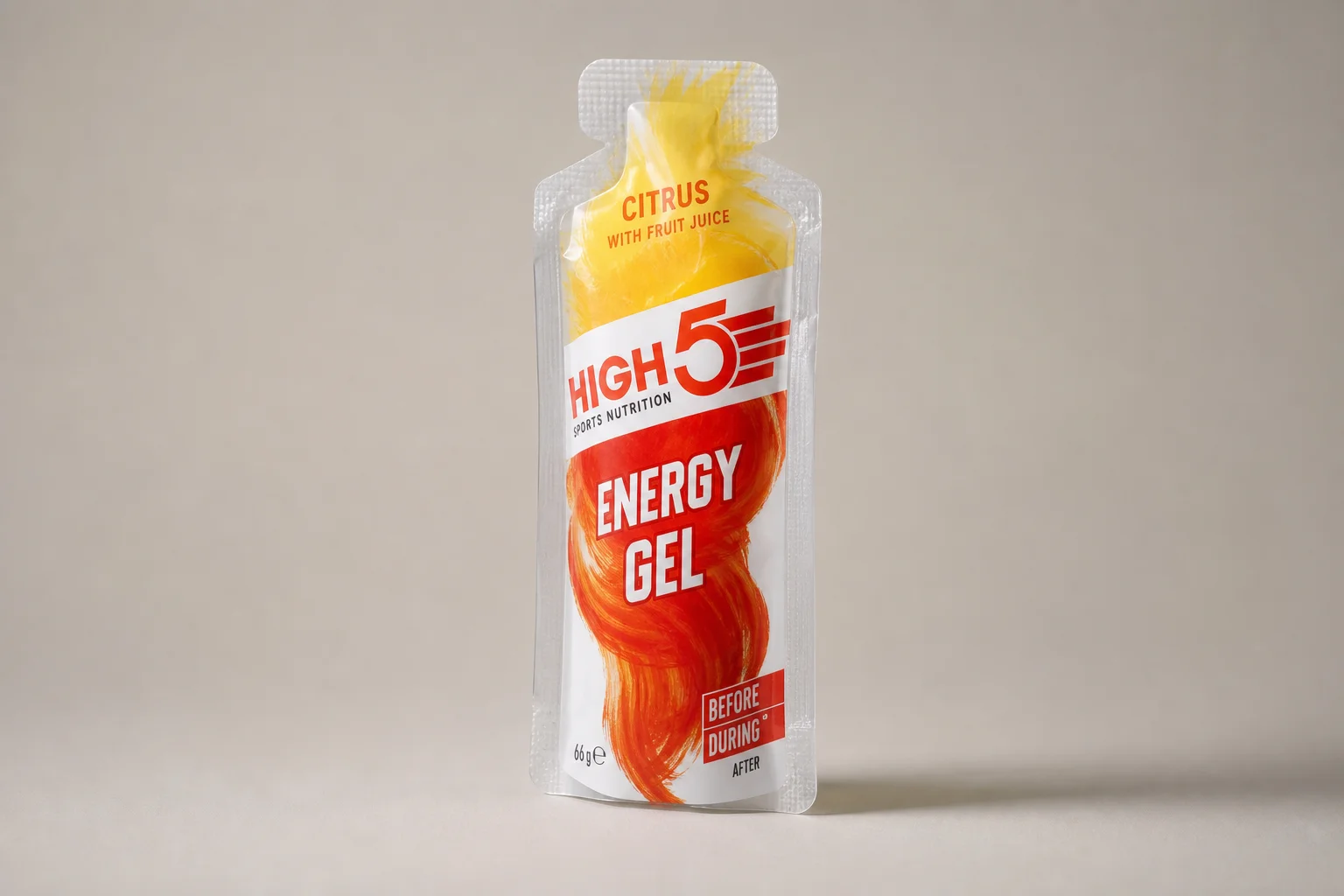
High5’s gel is the cheapest in this comparison at around £1.19, and it behaves like it in one respect: the packet is the flimsiest of the group. The tear took several attempts and produced a small spout rather than a clean opening, which is the last thing anyone wants mid race. The flavour, by contrast, is pleasant, resembling diluted fruit squash, though it is on the weak side.
At 23g of carbohydrate it sits mid pack for content, but it relies on a single carbohydrate source, mainly glucose, which means intake tops out at roughly 60g per hour before gastrointestinal discomfort becomes likely. There is no sodium. For casual riding, where the goal is simply to keep energy steady without much planning, the trade off makes sense: it costs less than almost everything else here and tastes good enough to repeat.
Torq Energy Gel Rhubarb & Custard
Torq publishes more formulation detail than anyone else in this group, and the packet states a 2:1 maltodextrin to fructose blend, five electrolytes and natural flavours. It is also marked vegan. The rhubarb and custard flavour is faithful, and the texture is the thickest of the gels compared here, which some riders will prefer and others will not.
The packet design is worth noting. The tear is intended to leave the top attached so the tab does not become litter, which is a sensible idea. In practice the tear did not work as intended, but the gel still opened cleanly with no spill, and the intent deserves credit.
On science, the 2:1 ratio supports roughly 90g of carbohydrate per hour, which covers most racing needs but does not reach the 100g plus territory of the 1:0.8 products. The 50mg of sodium is modest but a genuine improvement over the sodium free gels here. At around £1.75, it is a fair price for a gel with this much published detail behind it.
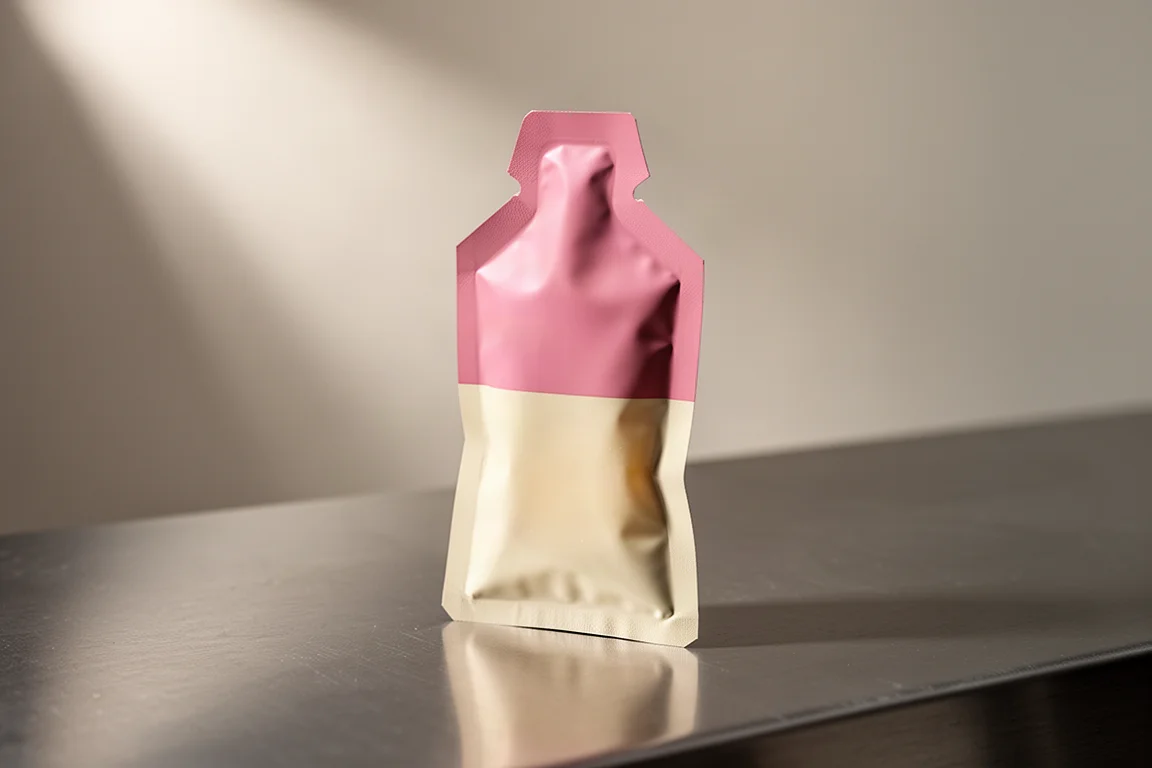
Maurten Gel 160
Maurten’s hydrogel gels are among the most discussed and most expensive products in this comparison. Gel 160 carries 40g of carbohydrate, and the 160 on the front refers to calories rather than carbohydrate grams, which is not the number most riders look for first. The formulation uses a 1:0.8 glucose to fructose ratio and a notably short ingredient list.
Texture is the defining experience. The gel is closer to a soft jelly than a liquid and resists pouring, which makes it awkward to take at speed and unpleasant to handle. Flavour is essentially absent, but the sweetness is intense, and that combination works against palate fatigue: a gel with no flavour and a lot of sugar becomes tiresome faster than a flavoured one.
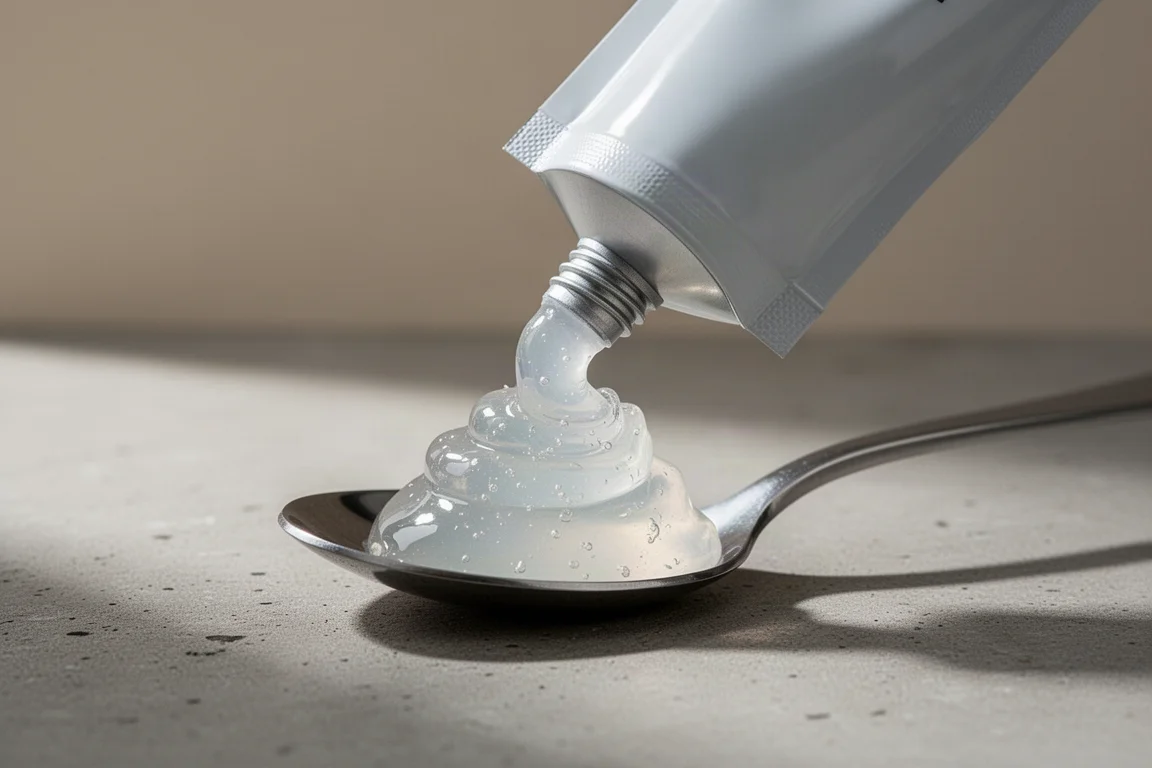
The hydrogel technology is the main selling point, and independent research found no meaningful difference in the speed of carbohydrate transport or in gastrointestinal distress compared with more conventional gels. The minimal ingredient list remains a genuine advantage. At around £4.20 for a single gel bought at retail, with bulk pricing likely lower, it is a premium purchase justified more by preference than by measurable performance gain.
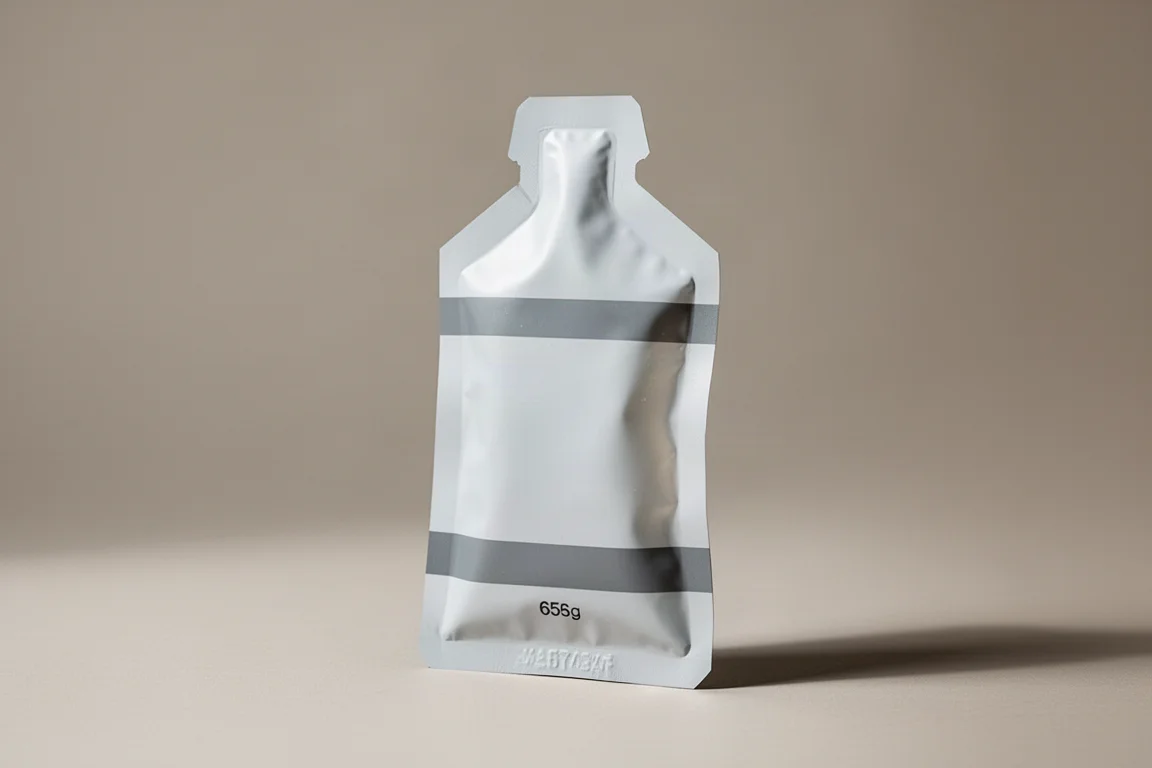
Maurten Gel 100 Caf 100
Gel 100 Caf 100 is the smaller, caffeinated sibling: 25g of carbohydrate, 100mg of caffeine, the same 1:0.8 glucose to fructose blend and no sodium. The packet opens cleanly, one of the better openings in the group.
The taste was the weakest of the comparison by a wide margin. The hydrogel texture is already thick and very sweet, and the caffeine adds a pronounced bitterness that lingers. Riders who want caffeine during a race but cannot tolerate the flavour would be better served by caffeine tablets or a caffeinated electrolyte drink in a second bottle, both of which avoid the aftertaste, although every sip of that bottle carries the same bitterness.
The 100mg caffeine dose is sensible for a mid race boost. The 25g carbohydrate content is the more practical concern: low carbohydrate gels make on the bike arithmetic harder, and it is easy to assume a gel has covered 45 minutes when it has not. Racing on this product realistically means two or three gels per hour alongside a drink. At around £3.50, that adds up quickly.
Haribo Soda Twist Zing
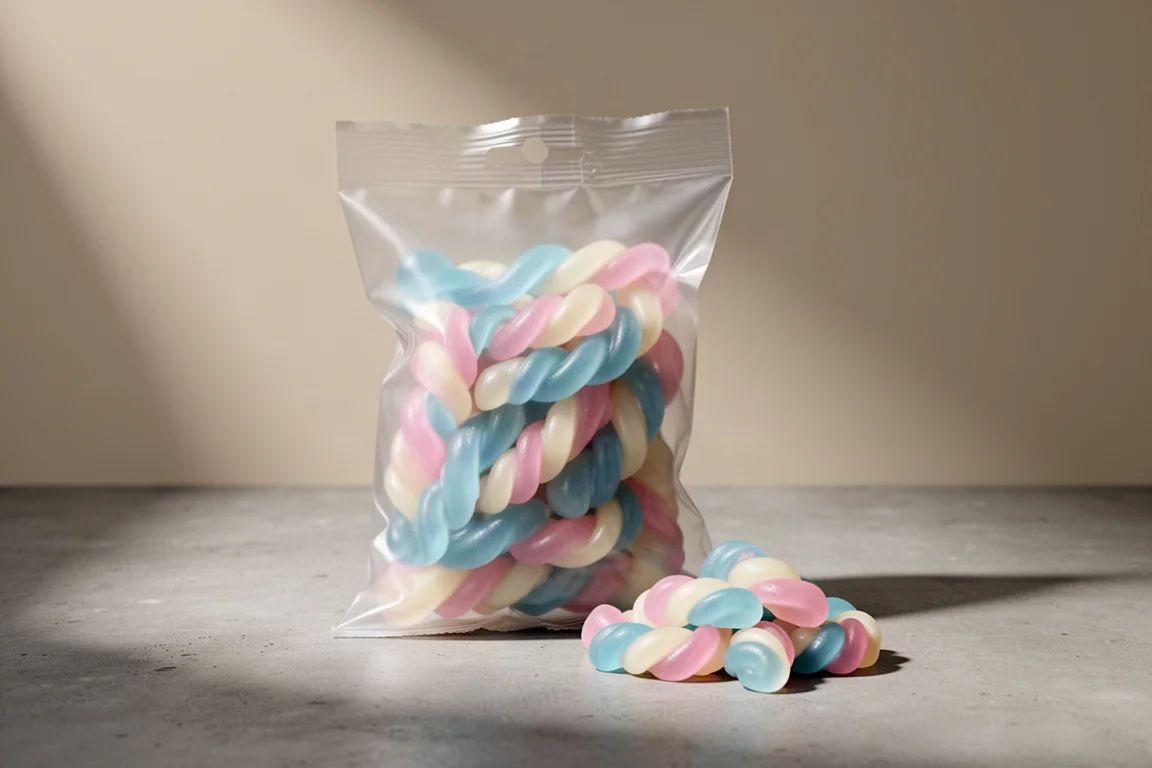
The supermarket option is the most interesting result in this comparison. A share bag of Haribo Soda Twist Zing costs around £1.25 and provides roughly 145g of carbohydrate, which is close to six 25g gels for the price of one premium gel. The glucose to fructose ratio lands naturally near 1:1, the same territory the engineered dual source gels are built to reach, and that supports intake of 100 to 110g per hour when fluid is taken alongside.
It is not a performance product, and it should not be treated as one. The sweets contain acidity regulators and citric acid, and a large, continual intake of those is not something to build a race plan around. There is no fluid in them either, so a bottle is essential. Opening is a minor annoyance: it takes two hands, so the bag needs to be opened before the ride and kept in a pocket.
The flavour was one of the highest rated in this comparison, and the value argument is hard to dispute. The wider point stands: some of the best value carbohydrate available to a rider is on a supermarket shelf rather than in a bike shop.
Buying Advice: Matching the Gel to the Ride
The right gel depends far more on the ride than on the brand. For steady, social or training rides where intake sits around 60g of carbohydrate per hour, a cheaper single source gel such as High5 or the isotonic SiS GO works well, and the isotonic option has the added convenience of needing no extra water. Riders who dislike sweet gels should look at the isotonic option first.
For racing around 90g per hour, a 2:1 gel such as Torq offers clear published information and electrolytes at a reasonable price, while SiS Beta Fuel’s 40g and 1:0.8 ratio makes the hourly maths simpler. Riders pushing towards 100g or more per hour, or racing in situations where a gel may not be finished in one squeeze, are the natural audience for Styrkr Gel50.
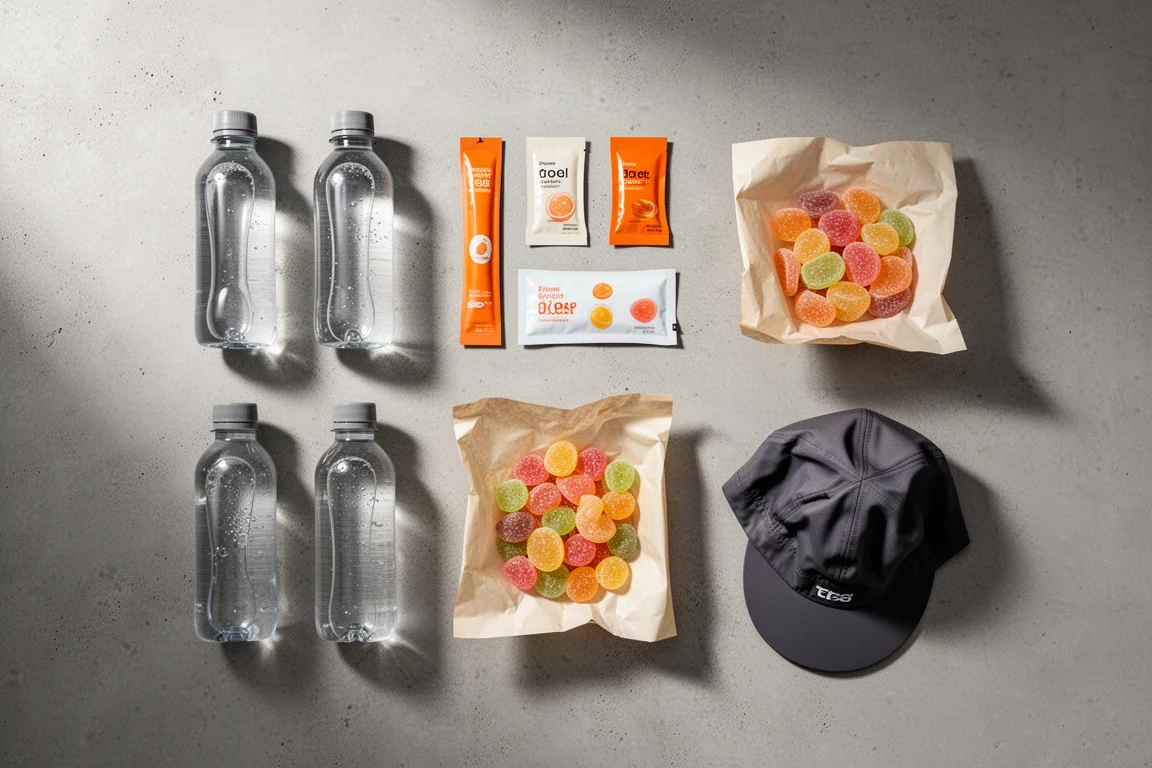
Caffeine is best treated as a separate decision. A 100mg dose mid race is meaningful, and the Maurten Gel 100 Caf 100 delivers it, but the bitterness is a real cost. Tablets or a caffeinated drink are alternatives worth testing in training first. Budget conscious riders should not overlook supermarket sweets, provided they accept the additives, carry fluid and are realistic about what the product is for.
An ideal gel, if one existed, would combine a 2:1 or 1:0.8 carbohydrate ratio with roughly 30g of carbohydrate per item, consistent numbers across a whole product range so the hourly count stays easy, and 100 to 200mg of sodium chloride per gel. Very few products tick every box, which is why matching a gel to a specific ride matters more than hunting for a single best gel.
Conclusion
Across ten gels and one supermarket bag, the differences came down to three things: whether the packet opens cleanly, whether the flavour survives several hours of repetition, and whether the carbohydrate profile matches the intensity of the ride. Isotonic gels are the easiest to live with on steady rides, dual source 1:0.8 and 2:1 gels are the tools for higher hourly intake, and price per gram of carbohydrate varies far more than the packaging suggests.
Riders who want the simplest upgrade to their fuelling should start with the ratio and the carbohydrate number, then work out how many items per hour that implies. Everything else, including flavour and packet design, is a preference worth testing on a training ride before it matters in an event.
Further reading
Related Reviews
Sports Nutrition
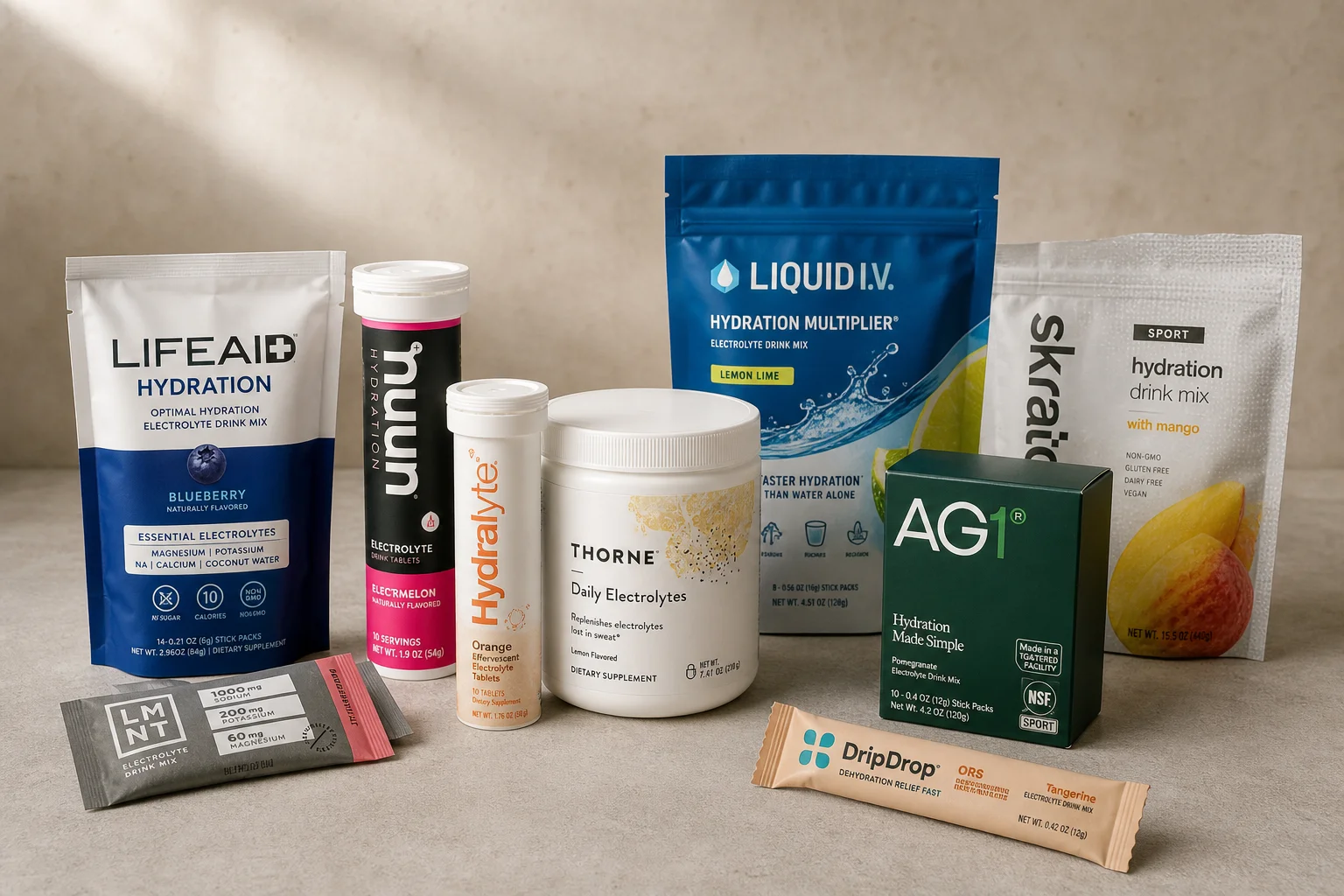
Best Electrolyte Drinks 2026: 13 Products Tested for Taste and Performance
A comprehensive taste test and breakdown of 13 electrolyte products, from powders to tablets, with real-world performance insights for runners and endurance athletes.
Sports Nutrition
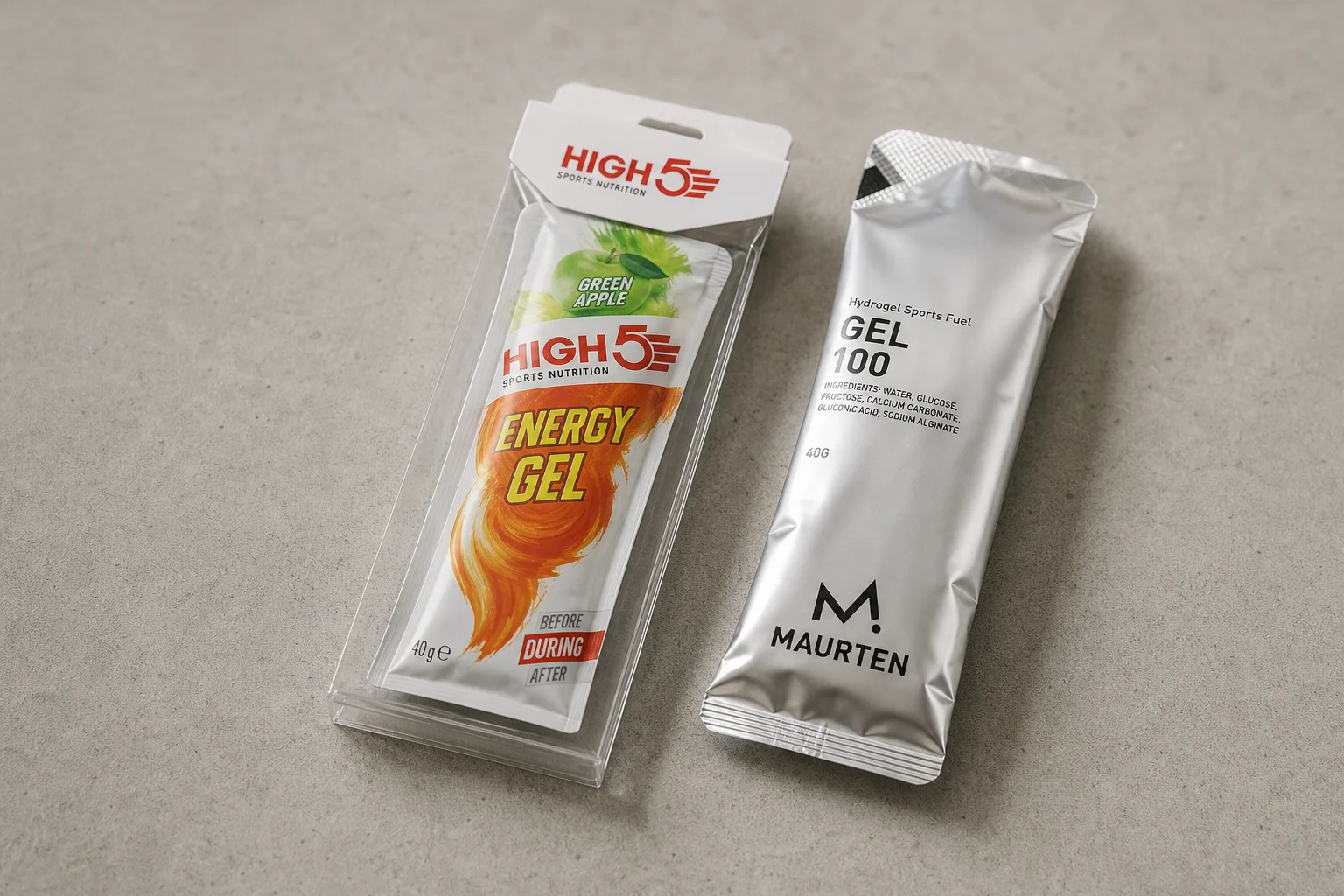
Budget vs Premium Energy Gels: Do Expensive Brands Really Perform Better?
Testing High5 and Maurten gels head-to-head reveals that cheaper doesn't always mean worse, and expensive doesn't automatically mean better. Here's what actually matters.
Sports Nutrition
Energy Gels Ranked: Ten Gels Scored for Opening, Taste and Science
Ten energy gels assessed on packet opening, taste and sports nutrition science, with the trade-offs worth knowing before you buy a box.