Ski Gear
A Practical Ski Quiver: Three Skis and One Binding That Cover Most Days
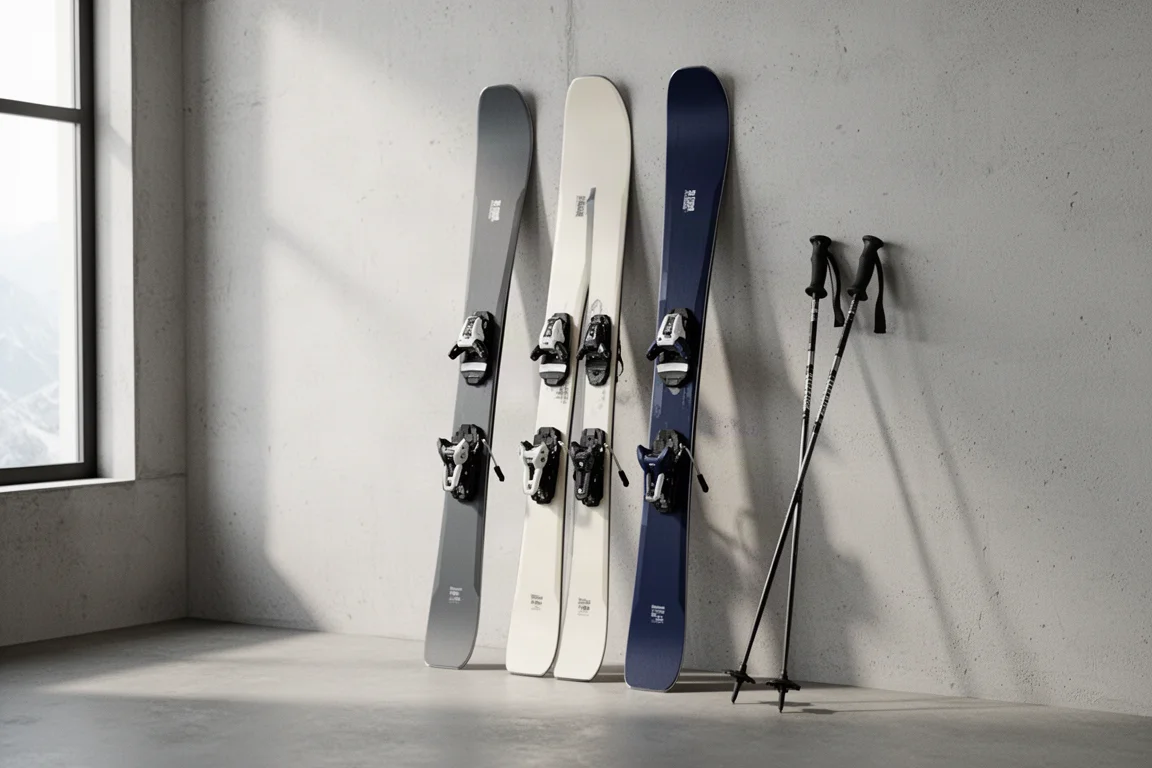
A small, sensible ski quiver built around an 88mm daily driver, a 90mm workhorse and a 106mm powder ski, plus a dependable binding that ties the whole set together.
Introduction
A quiver does not need to be large to work well. The most useful setups are built around a small number of skis that each do something clearly different, so the decision on any given morning is obvious rather than agonized over.
The collection below follows that idea: a 90mm all-mountain ski that has already absorbed several seasons of hard use, an 88mm ski for everyday resort laps, a 106mm ski for deep days, a narrower freeride option sitting in between, and one binding model that runs across the whole set.
Everything here is chosen around a realistic budget and real snow conditions rather than a showroom lineup. Three well-chosen pairs will cover far more days than a single compromise ski, and they will also outlast a rack of near-identical options that never quite fit the day.
What a Practical Ski Quiver Needs
Width underfoot is the first decision, and it should follow the snow you actually ski rather than the snow you hope to ski. An 88mm to 90mm ski is quick edge to edge, holds well on groomers, and stays manageable in moguls and trees. A 106mm ski floats properly when the snow is deep. The trade-off is real: a 90mm ski will float for roughly the first foot or two of fresh snow, then start to struggle once the snow gets heavy and wet.
Length is the second decision. A 176 works well for an 88mm or 90mm all-mountain ski, keeping turn shapes tight and making tight tree lines easier to manage. Moving up to a 182 for a powder ski adds float without sacrificing the ability to stop and turn where the trees close in. Going longer than that is a personal call, and many skiers find it to be more length than they need.
A third consideration is the binding, and here consistency pays off. Running one trusted model across every ski means one set of release characteristics to learn and one spare part to hunt down. The last piece is maintenance, and it differs by region: wax matters most when snow is wet and heavy, while sharp edges matter most on hard, firm surfaces.
Atomic Vantage 90 Ti: The Early-Season and Rock Ski
The Vantage 90 Ti is a 90mm all-mountain ski with a titanium backbone and a carbon mesh construction, mounted here with a Look SPX 12 binding and sized at 176. It spent three seasons as a single-ski quiver, absorbing roughly 75 days a season of genuinely hard use on everything from groomers to powder.
On snow, it carves well, feels very light for its class, and floats surprisingly well for a 90mm waist. It handled two to three feet of fresh snow without complaint. The weak point shows up late in the season, when wet, heavy spring snow tends to hang it up, which may be as much a waxing issue as a shape issue. With that in mind, it still has plenty of life left in it as an early-season and rock ski, the pair you take out when coverage is thin and you would rather not worry about what is under the surface.
Used examples turn up at ski swaps for around $250 to $300, which is strong value for what the ski can do. One complication is that Atomic discontinued the Vantage and folded it into the Maverick line, so used listings can still carry surprisingly high prices because not every seller has adjusted to the rename. If you find a clean pair at a fair price, it is worth taking.
Atomic Maverick 88 Ti: The Daily Driver
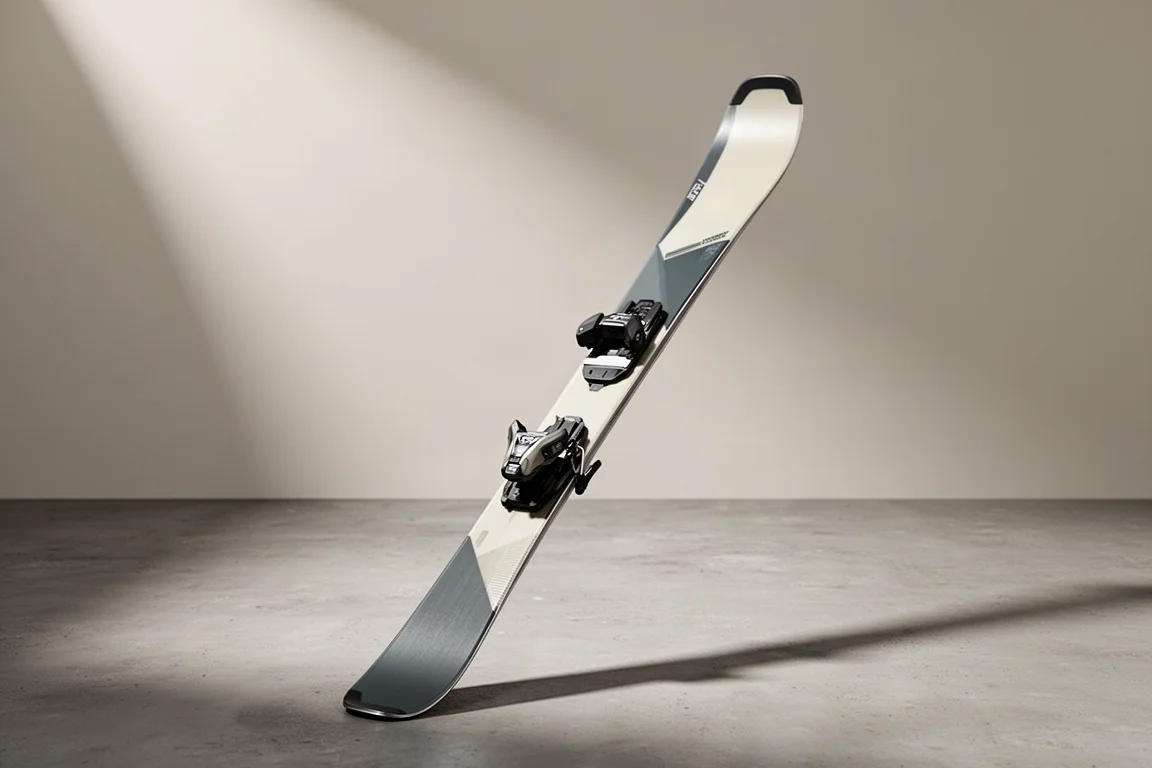
The Maverick 88 Ti takes the Vantage formula and adds more camber, more pop and faster turn initiation toward the tip. Atomic claims roughly 15 extra units of energy into and out of the turn compared with the older design, and the difference is noticeable. It is sized at 176 with an 88mm waist, and it is the ski that gets picked up most often, roughly seven days out of ten.
The appeal is precision. It returns exactly the energy you put into it, so turn shape can be dialled in with real accuracy. It works on groomers, in moguls, between trees, and on the off-trail stashes most people never find. Horizon Tech gives it enough float to stay enjoyable if a snowstorm arrives without warning, and it holds up on firm eastern surfaces as long as the edges are kept sharp.
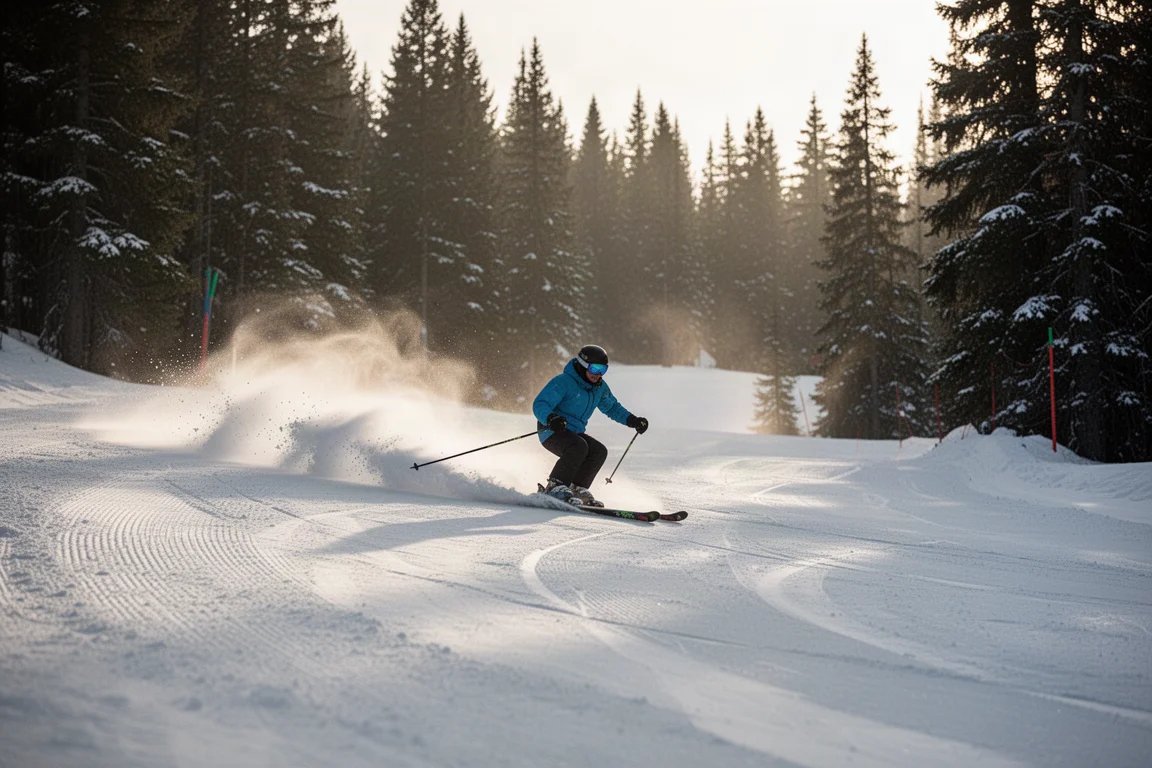
The trade-off is the light build. On rough snow with an icy layer underneath, it can chatter in a way that some skiers dislike, and it asks for a confident, strong stance on the downhill ski rather than smoothing everything out for you. It also comes in 95 and 100 widths, which take a little longer to set into a turn; the 88 is the most responsive of the three, which is exactly why it works as the everyday choice in a mixed quiver.
Salomon QST 106: The Powder Ski
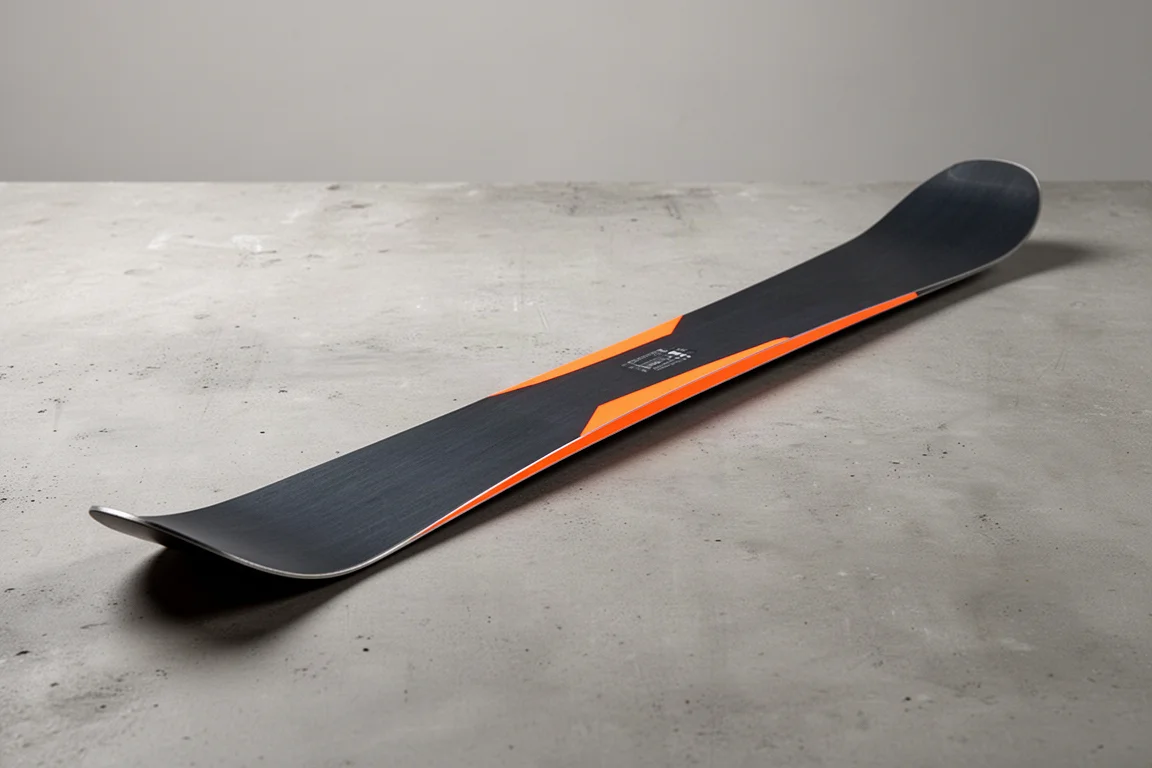
The QST 106 is the dedicated deep-snow option here: a 106mm freeride ski at 182, bought in the off-season and still wrapped, waiting to be mounted. It is intended to fill the gap that an 88mm and a 90mm ski cannot, which is the day when the snow is measured in feet rather than inches.
The shape is the reason it was chosen. The QST profile carries a second bulge that loads up cleanly through the arc of a turn and feels stable once the ski is on edge, which matters most when the snow is deep and the surface underneath is unpredictable. The narrower 98 was passed over because the quiver already covers 88mm and 90mm widths, and the widest ski in the line was passed over because its profile looked more uniform in width without that second bulge.
Length was a deliberate choice as well. A 182 adds float over a 176 while staying quick enough to turn between trees and stop where the terrain gets tight. Longer powder lengths would add float but give up the maneuverability that makes off-trail skiing enjoyable in the first place. A Look SPX 12 binding is planned for it.
Salomon QST 98: The Narrower QST Option
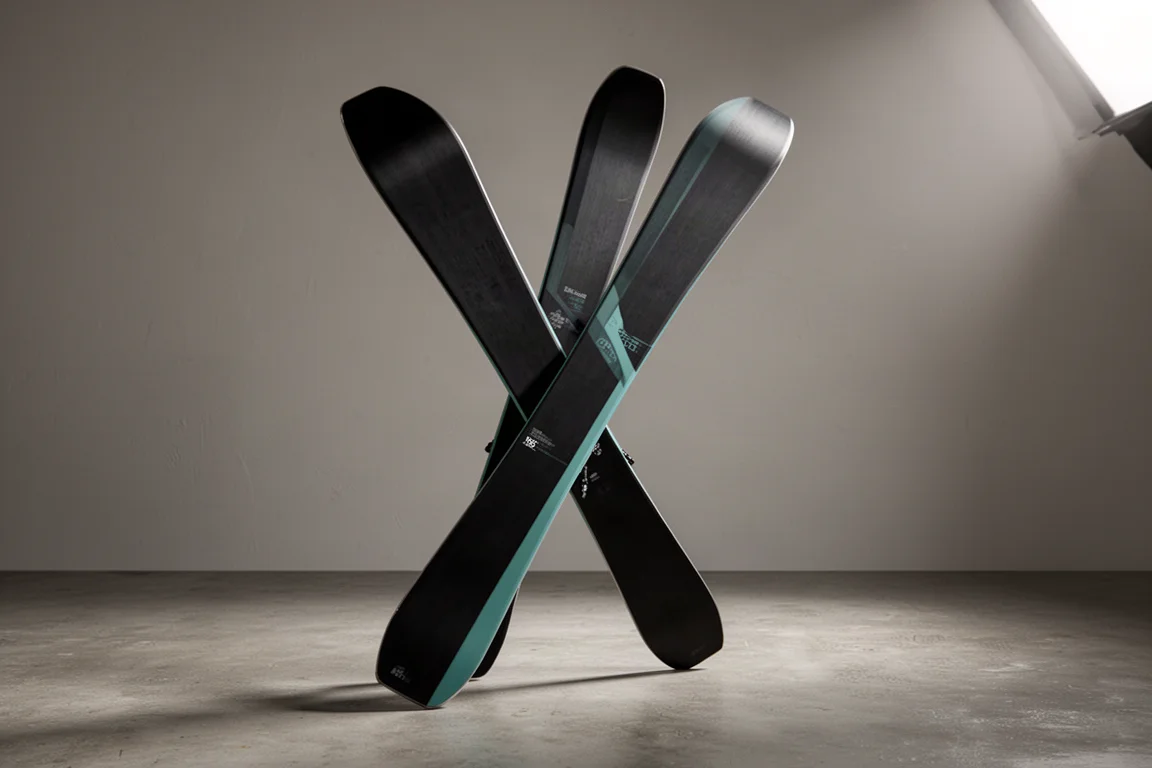
The QST 98 shares the shape that makes the wider model appealing. It carries the same second bulge in the profile, which produces a clean and remarkably stable turn once the ski is loaded, and it performs particularly well in trees where quick direction changes matter.
It is the sensible middle path for a skier who wants one ski leaning toward soft snow without going all the way to a 106mm waist. It still arcs cleanly on groomed runouts and cat tracks, so getting back to the lift after a powder run is not a chore.
The main consideration is overlap. In a quiver that already includes an 88mm and a 90mm ski, the 98 sits closest to what is already there, so it makes more sense as an alternative to the 106 than as an addition alongside it. As a single soft-snow ski for someone who skis a narrower daily driver, it is an easy recommendation.
Look SPX 12: The Binding That Ties It Together
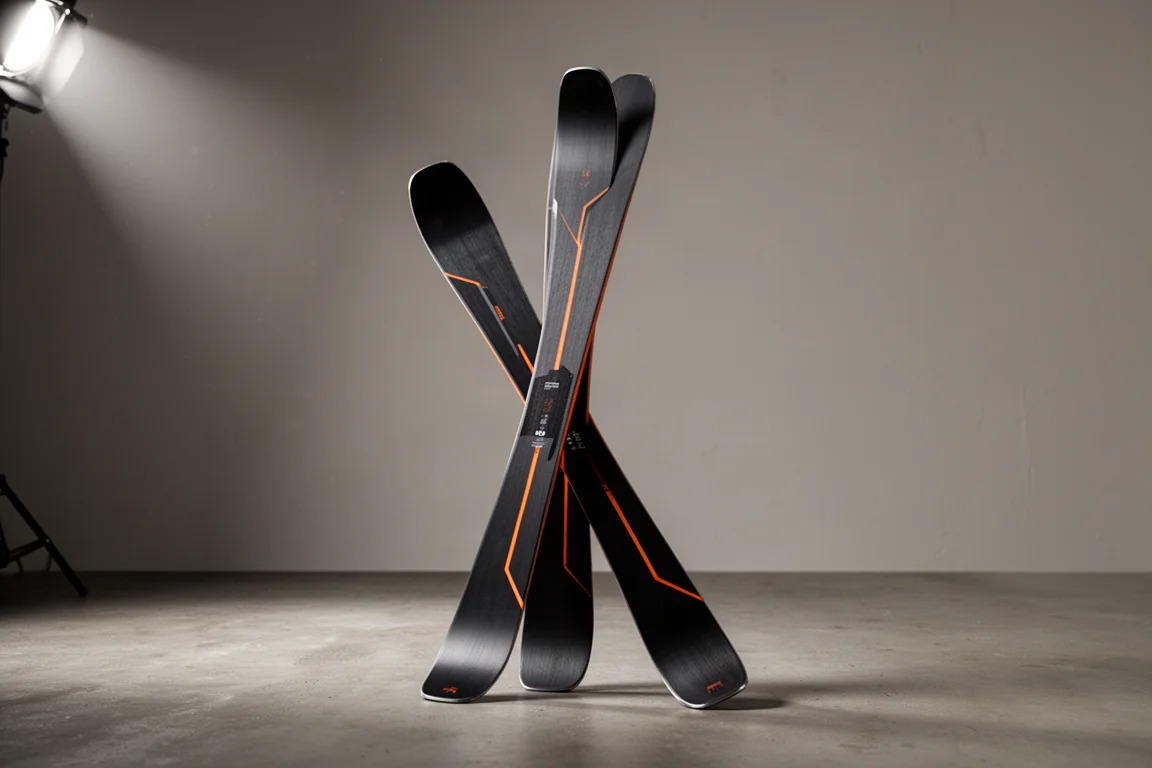
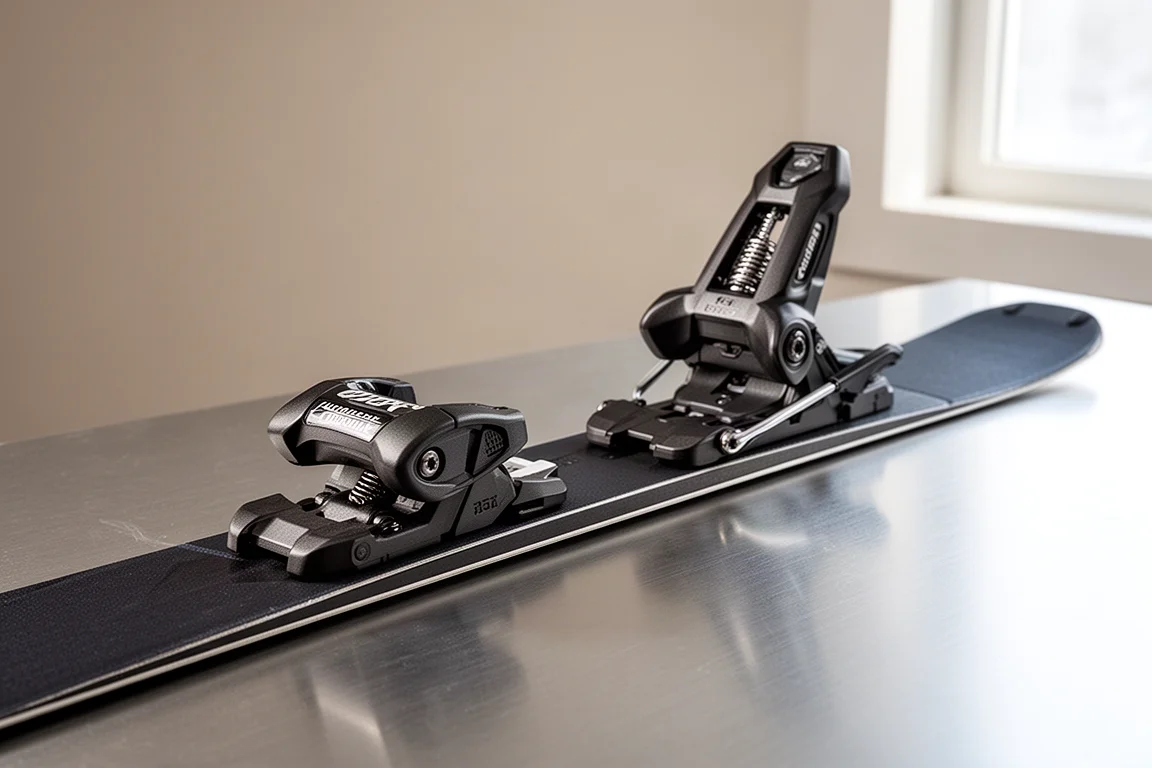
The SPX 12 is the one binding model used across this entire setup, mounted on the Vantage and planned for the QST 106. It is a straightforward, dependable alpine binding that is easy to live with season after season, and it is regularly discounted: list price sits around $160 to $170, and it frequently turns up near $130 on sale.
There is one detail worth checking on any used pair. On a heavily used binding, the plastic cover over the DIN indicator can come away, which makes the release setting harder to read. It does not affect how the binding functions, but it is a good reason to inspect the indicator window and confirm the settings on any secondhand purchase.
Buying Advice: Matching Skis to Conditions and Budget
Start with the snow you ski most often. If the majority of your days are on groomed or firm surfaces, an 88mm to 90mm ski will handle them and still manage an unexpected storm. If you chase storms and plan your season around them, a 106mm ski earns its place and will do something the narrower skis simply cannot.
Budget matters less than timing. Ski swaps and used listings are where the value sits: a well-kept all-mountain ski at $250 to $300 can deliver several more seasons of use. Keep in mind that discontinued models sometimes hold their value longer than expected, so it is worth comparing a few listings before committing, and worth checking that the ski has not been drilled for a binding pattern that will not work for you.
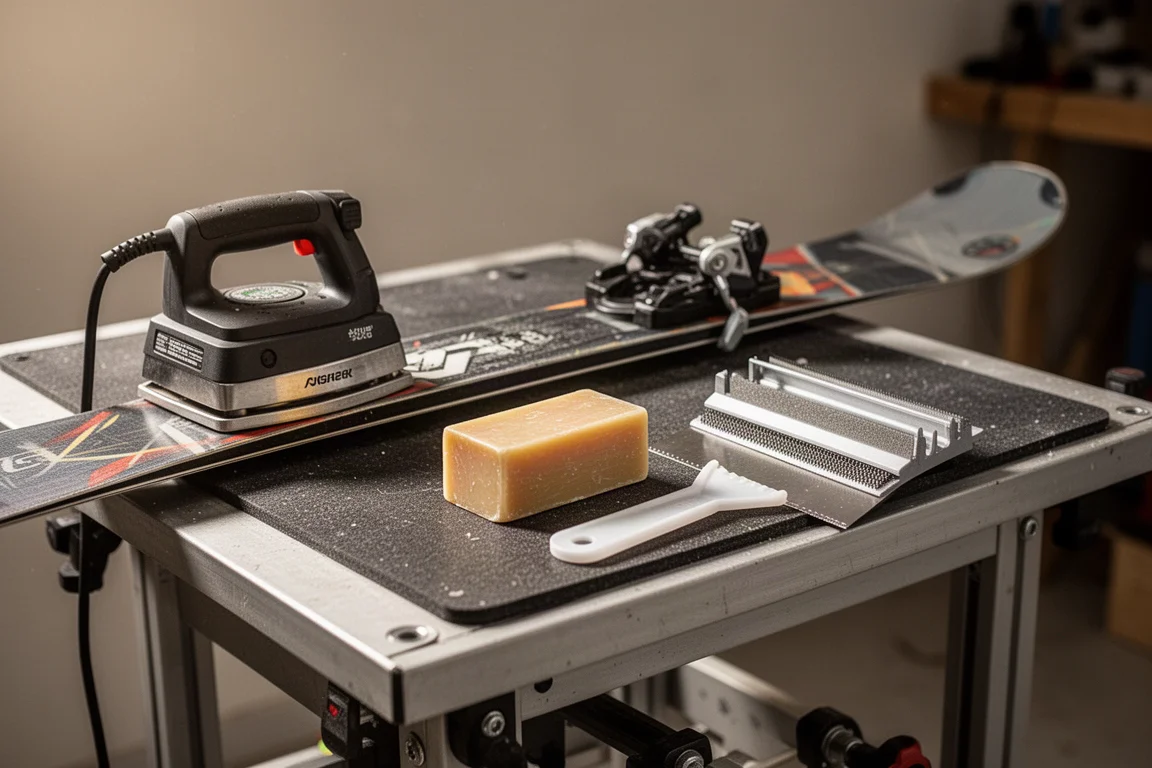
Maintenance is the part that keeps a quiver working. Wax matters most when the snow turns wet and heavy, while a sharp edge matters most on hardpack and ice, which is the single most useful habit for skiing firm conditions well. For bindings, pick one model you trust and stay with it, since familiarity with release settings is worth more than variety.
Conclusion
A quiver of three skis and one binding covers an enormous range of days without becoming a storage problem. The 88mm ski handles the majority of resort skiing with precision and energy, the 90mm workhorse takes the early-season abuse and still carves well, and the 106mm ski is there for the days that justify a wider platform. Pair them with a binding you know, keep the edges sharp, and the setup will hold up for seasons rather than a single winter.
Further reading
Related Reviews

Ski Gear
2023 Blizzard Hustle vs Rustler: Six Freeride Skis Compared
Blizzard's 2023 Hustle collection rebuilds the Rustler shape with a lighter core and no metal. Here is how all six skis differ, and which one suits your riding.

Ski Gear
2023 Skis of the Year: Atomic Maverick 88 TI, Salomon QST 106, and Look SPX 12 Pro
Three standout ski picks for all-mountain carving, powder days, and reliable binding performance, with practical buying notes for 2023 models.

Ski Gear
2025 Nordica Enforcer 104 Review: A Directional Charger Replaces the 104 Free
The 2025 Nordica Enforcer 104 drops the Free name and the twin-tip personality, gaining weight, stiffness and composure in rough snow. Here is what changed and who it suits.