Auto Parts
PowerStop Z36 Brake Pads Review: A Simple Upgrade for Heavy-Duty Trucks
Why these truck brake pads replaced factory GM pads that squealed, dusted, and lacked bite, plus tips on pad wear sensors.
Introduction
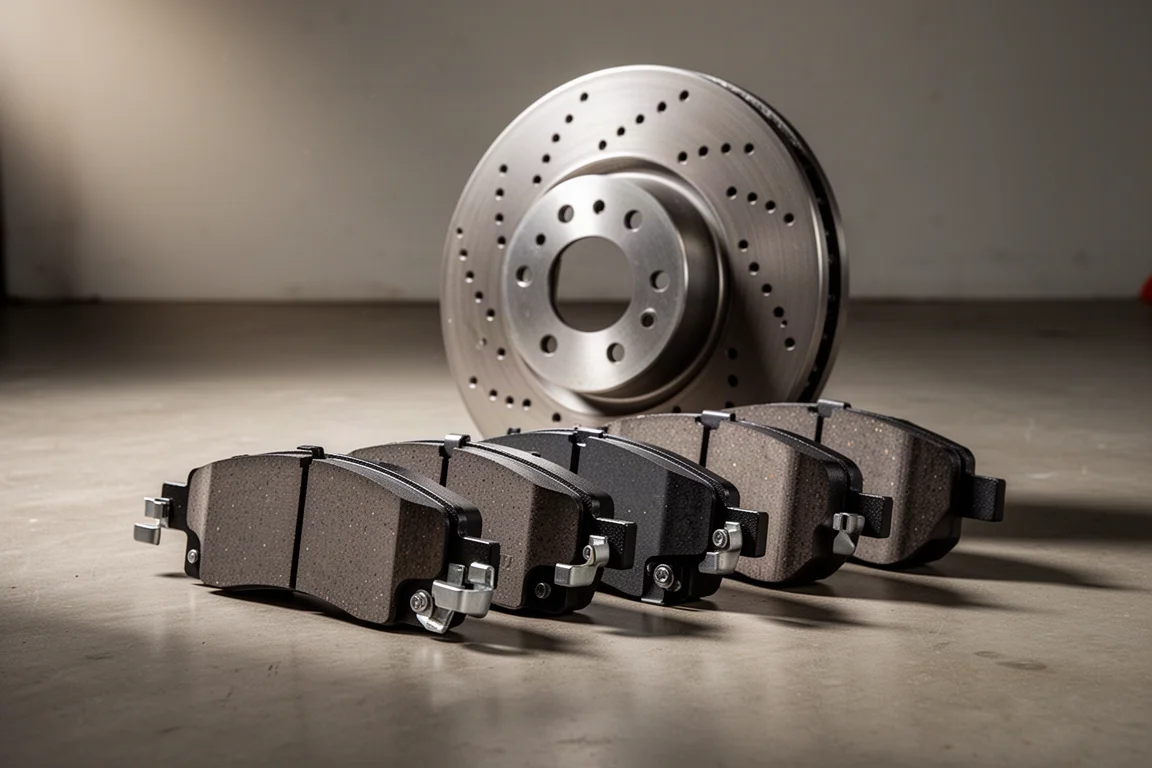
If you drive a heavy-duty truck like a 2022 GMC 2500 HD and actually use it for hauling, the factory brake pads deserve scrutiny. In this case, the stock GM pads squealed badly, produced a lot of dust, and offered weak braking bite, prompting an early replacement at around 50,000 miles despite the dashboard reporting plenty of pad life remaining.
The replacement choice was the PowerStop Z36 brake pads, and the difference was immediately noticeable: the truck brakes significantly better with them installed. Here is what to know before making the same switch.
Who This Product Is For
The PowerStop Z36 pads suit owners of heavy-duty trucks who haul loads regularly, rather than drivers who only commute. The same pad set fits all four corners of this truck, which makes ordering and installation straightforward. That shared design also means any pad can go on any corner of the truck, which simplifies the job even further.
Main Strengths
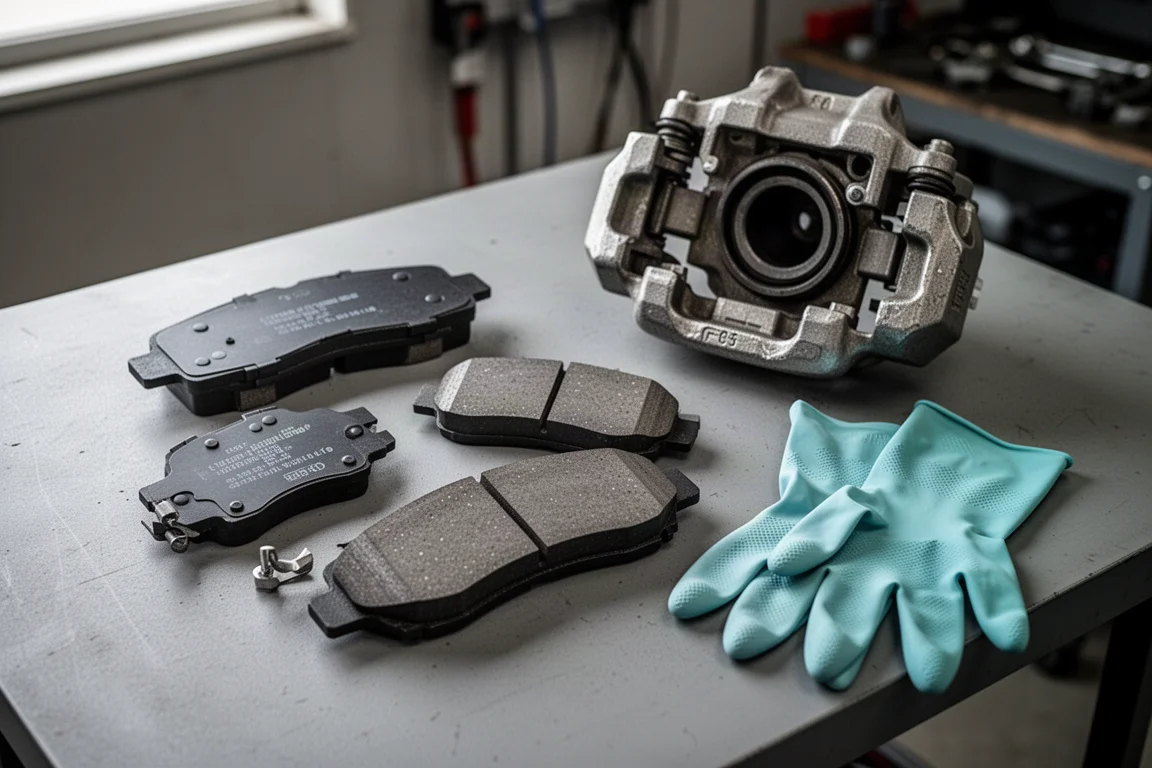
Compared with the factory GM pads, the Z36 pads deliver clearly stronger braking performance. The stock pads are described as terrible across the board: they squeal, they generate heavy brake dust, and they simply do not bite well when braking. The Z36 pads resolve those issues and make the truck brake much better.
Another practical strength is value and ease. The full set cost around 160 dollars from RockAuto, and the installation took roughly an hour. These pads are genuinely easy to replace, making this a very accessible DIY job.
Things to Consider Before Buying
One quirk worth knowing about on these GM trucks: the factory pad wear sensors. The dashboard reported the front pads at 43% and the rears at around 74%, yet some of the removed front pads actually looked slightly thicker than the rear pads. In fact, the pads labeled outer rear were found at the front of the truck and vice versa, though since the same pad is used front and rear, placement does not matter.
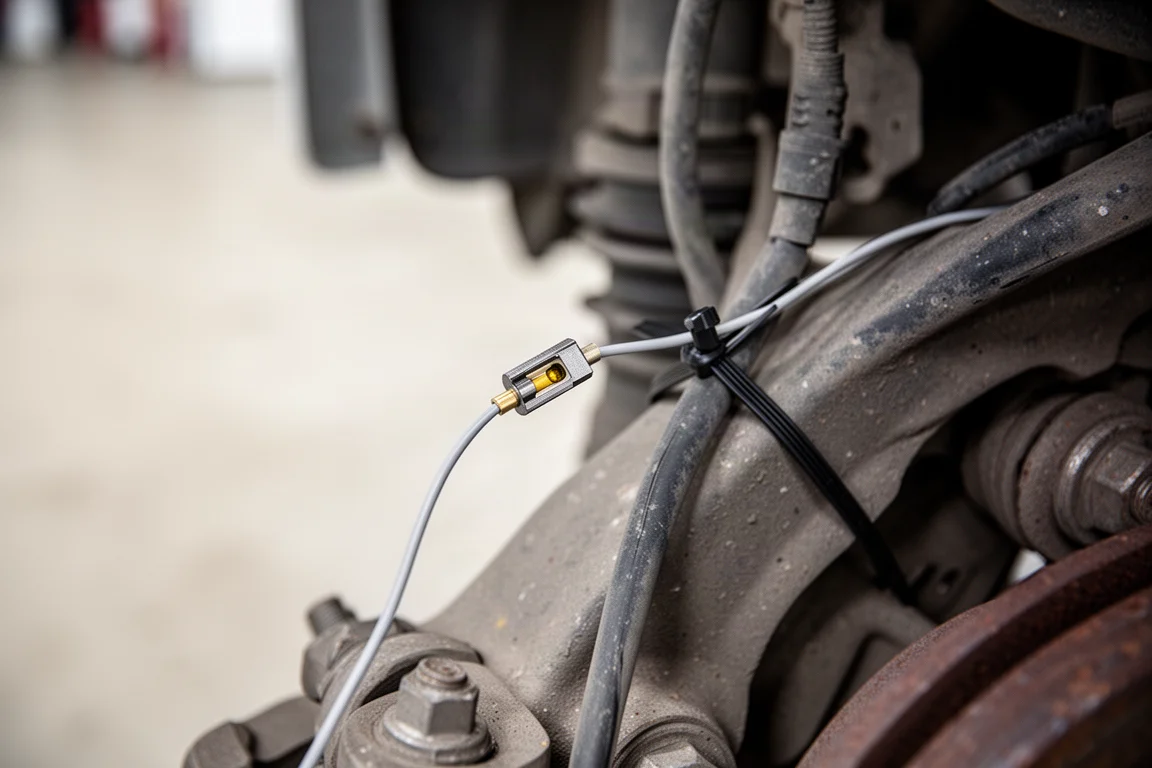
The recommendation is to delete the pad life sensors entirely. This is not hard to do: before changing the pads, go into the truck’s settings on the display near the steering wheel, select the brake life option, and turn the entire system off. The sensors themselves were not removed, just zip tied out of the way.
A few sensor facts to keep in mind:
- Sensors are only on the driver side; there are none on the passenger side.
- If you ever need to replace them, you only need to buy two, not four.
- The wear percentages reported by the system do not necessarily reflect reality, so do not rely on them.
Also consider your rotors. At 50,000 miles with no marks or imperfections, the original rotors looked brand new and were kept, so reusing healthy rotors is a reasonable approach.
Installation Experience
The job took about an hour and was described as pretty quick and easy, aided by the fact that all four corners use the same pad. Because the sensors are only fitted on the driver side, the process is simpler than it might first appear. If you are already comfortable rotating tires, this is a comfortable next step.
Buying Advice
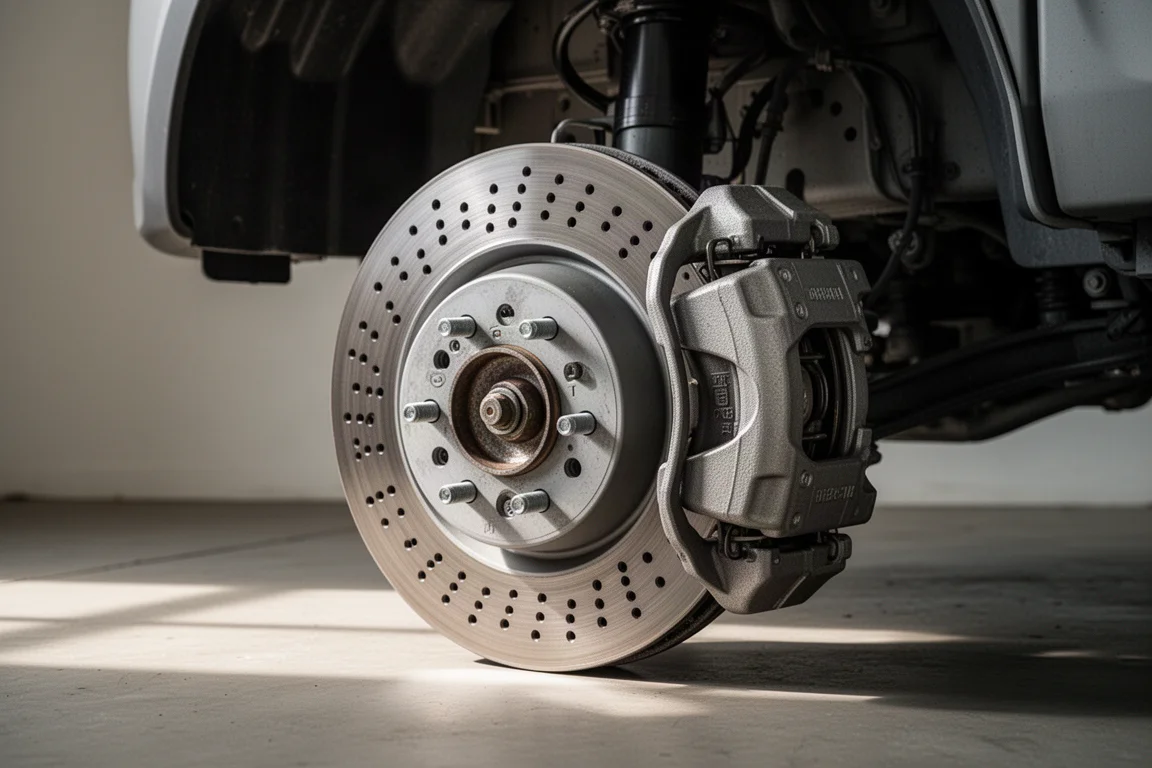
Plan to replace the factory pads as early as you reasonably can rather than waiting on the dashboard’s brake life reading. Checking the pads physically during tire rotations is the more trustworthy approach, since the sensor readings proved unreliable.
Budget around 160 dollars for the pads, and keep healthy rotors if they show no wear or imperfections. The combination of better braking bite, less noise, and an easy installation makes the Z36 pads a sensible early upgrade for any heavy-duty truck used for hauling.
Conclusion
For heavy-duty truck owners frustrated with squealing, dusty, low-bite factory pads, the PowerStop Z36 brake pads are a straightforward, affordable upgrade that transforms braking feel in about an hour of garage time. Pair the swap with disabling the unreliable pad life sensors, and your braking setup will be both better performing and easier to monitor honestly.
Product link
View more details for PowerStop Z36 Brake Pads
This product is mentioned in the review. Check the specifications, options, and compatibility before buying.
View more details for PowerStop Z36 Brake PadsFurther reading
Related Reviews
Auto Parts
Nissan OEM Oil Filter Comparison: 15208-65F1A vs 15208-65F1B vs 15208-65F1E
A detailed look at three Nissan OEM oil filters for the Rogue, comparing construction, filter elements, and bypass valve design.
Auto Parts
AutoZone Shopping Guide: The Deals and Products Worth Your Trip
A practical look at AutoZone's current oil deals, tools, and accessories, plus the house-brand products that make sense and the ones that don't.
Auto Parts
Iridium Spark Plugs Worth Buying: NGK, Champion and Denso Compared
Three iridium spark plug sets compared for authenticity, build quality and value, plus how to avoid counterfeits when buying online.