Auto Parts
Iridium Spark Plugs Worth Buying: NGK, Champion and Denso Compared
Three iridium spark plug sets compared for authenticity, build quality and value, plus how to avoid counterfeits when buying online.
Introduction
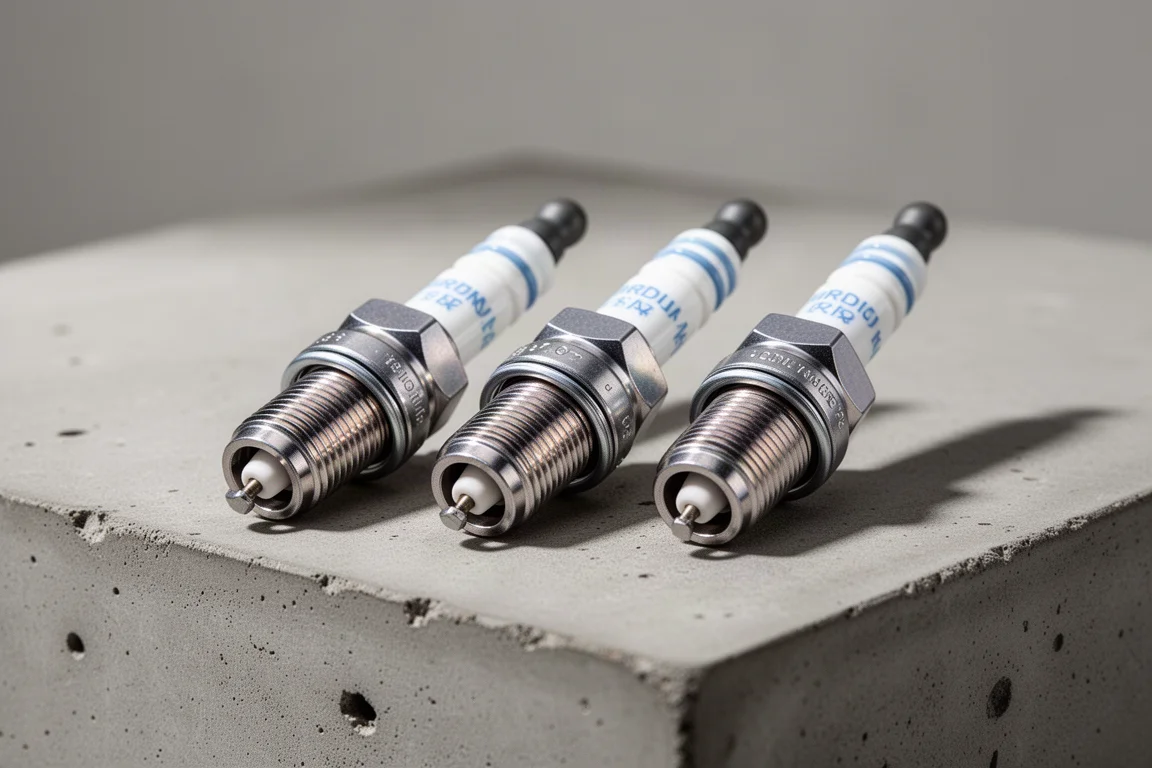
Iridium spark plugs have quietly become one of the more expensive consumables in modern car maintenance. A set of NGK Laser Iridium plugs, for example, runs around 70 to 80 dollars, and prices across the major iridium brands keep climbing. At the same time, direct injection, high compression and turbocharging have brought plug changes back to shorter intervals, like the old days. That combination of high prices and frequent replacement has created a thriving counterfeit market, and buying plugs online now requires more caution than it used to.
Why Spark Plugs Are Getting Harder to Buy
We compared iridium plugs from multiple online sources across three brands, spending over 500 dollars in the process, and not all of what arrived was genuine. Some sets were straight-up counterfeit despite being priced within a few dollars of the real thing, which is the most unsettling part. This is not a “too good to be true” situation. Fakes are being sold at nearly real prices.
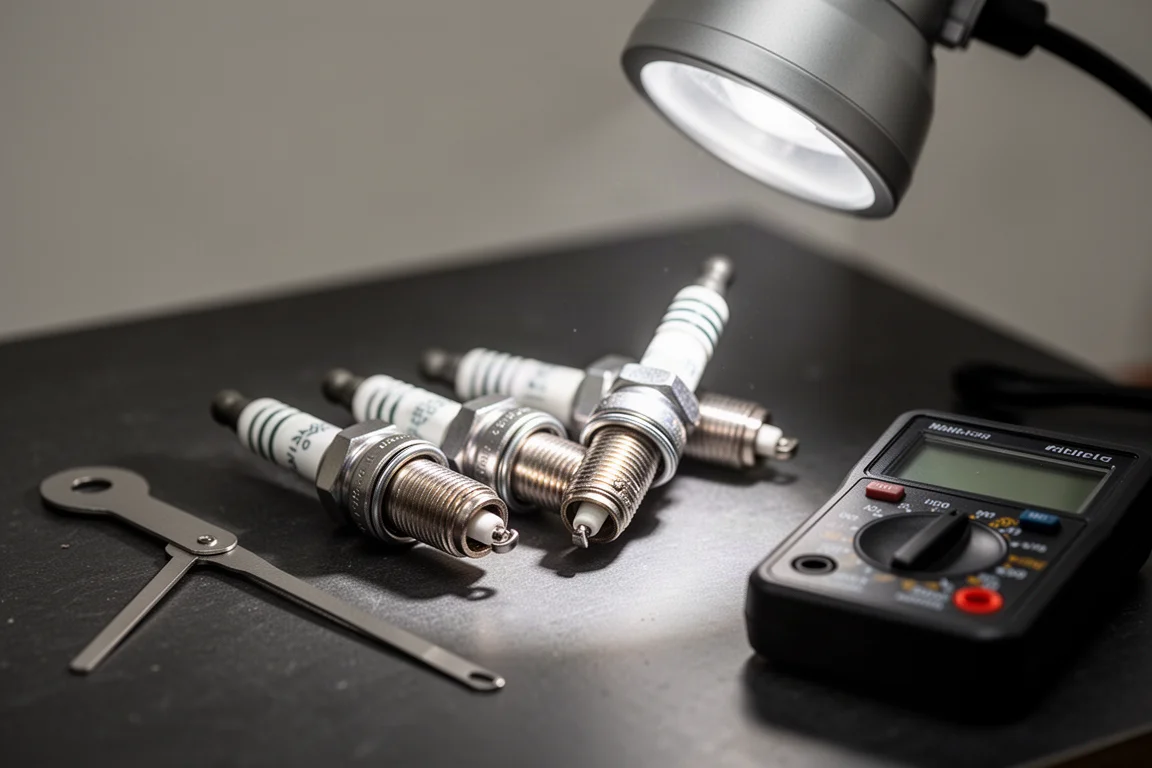
The good news: with a few simple checks, most counterfeits can be identified before they ever reach your engine. Packaging inconsistencies, plug gap measurements, thread quality under magnification, and resistance readings all revealed clear differences between genuine and fake plugs in our testing.
NGK Laser Iridium
The NGK Laser Iridium is the premium option here, typically 70 to 80 dollars for a set of four. Genuine examples have iridium laser welded on both the center electrode and the strap, which matters because iridium is the least reactive plug material and degrades slowest in today’s high-compression, turbocharged small engines.
A set purchased through Rock Auto checked out as fully legitimate across every measurement. Unfortunately, the same could not be said for every other NGK source. Counterfeit examples showed rough, poorly formed threads, partial or messy hex stampings, a missing iridium tip on the strap side, and wildly inconsistent plug gaps, with one set measuring anywhere from 28 to 60 thousandths instead of the specified 30. Resistance readings told the clearest story: real plugs measured 4.2 to 4.5 kiloohms, within published spec, while the fakes read 8.29 kiloohms or nothing at all.
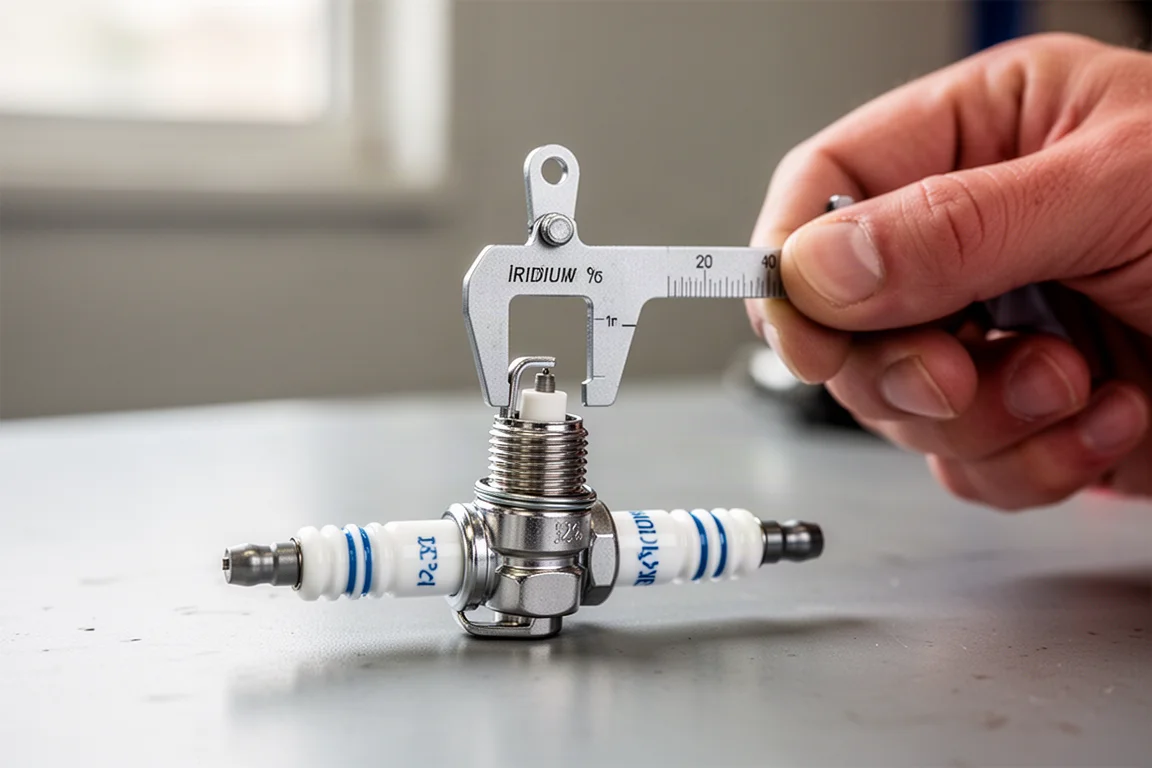
If you buy NGK Laser Iridium plugs, compare the box color and layout against a known-genuine set, check that both electrodes carry iridium, and if possible verify resistance with a multimeter in kiloohm mode. Consistency across a set is itself a strong signal.
Champion Iridium 9410
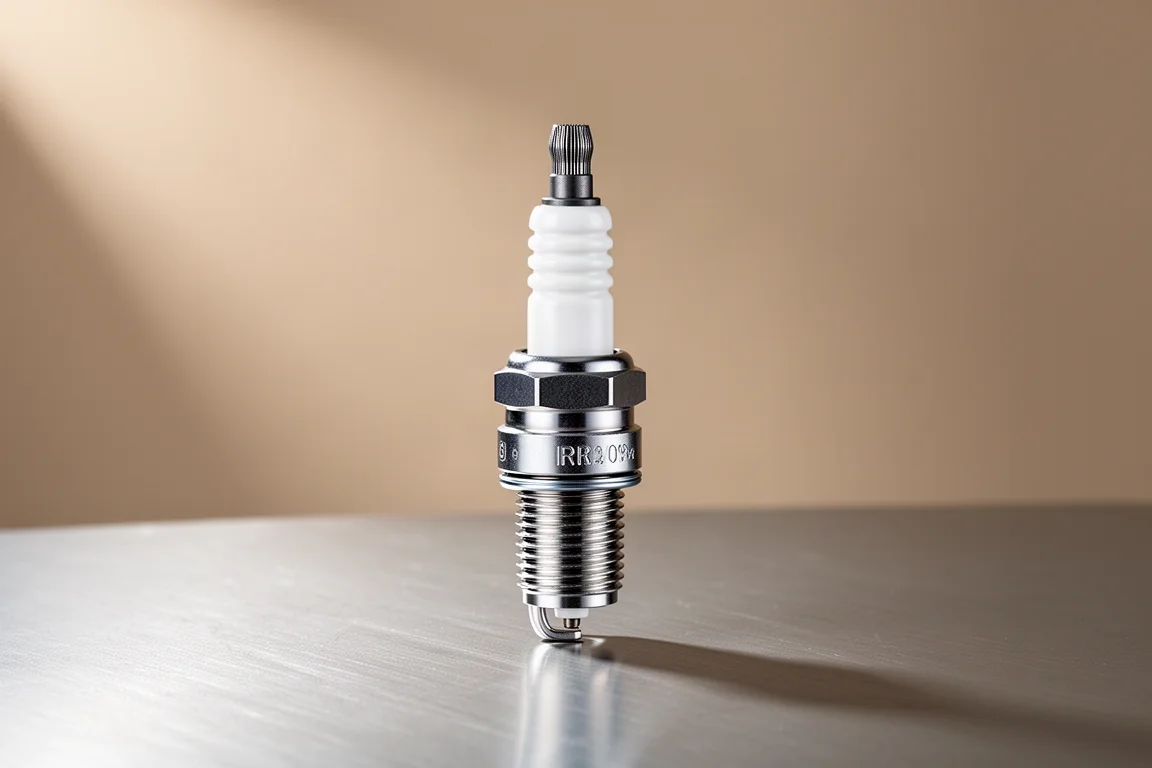
Champion’s US-made iridium plugs are the more affordable option, at roughly 30 to 36 dollars for a set, but even that has not stopped counterfeits from appearing. In our comparison, one eBay-sourced set arrived in boxes with a different shade of grey, brighter white text, a simplified model number with no gap info or torque spec, and oddly differently sized individual boxes.
This was the hardest fake to spot with the naked eye. The gaps measured close to spec, the threads looked similar, and the iridium tip attachment method appeared nearly identical. The difference only showed up under sustained high-RPM spark testing: the questionable plug produced a persistent purple arc rather than the blue arcs of the genuine plugs, indicating lower plasma temperature, slower arc attachment, and an incorrect effective resistance. It wastes spark energy as heat and slowly eats away at the strap.
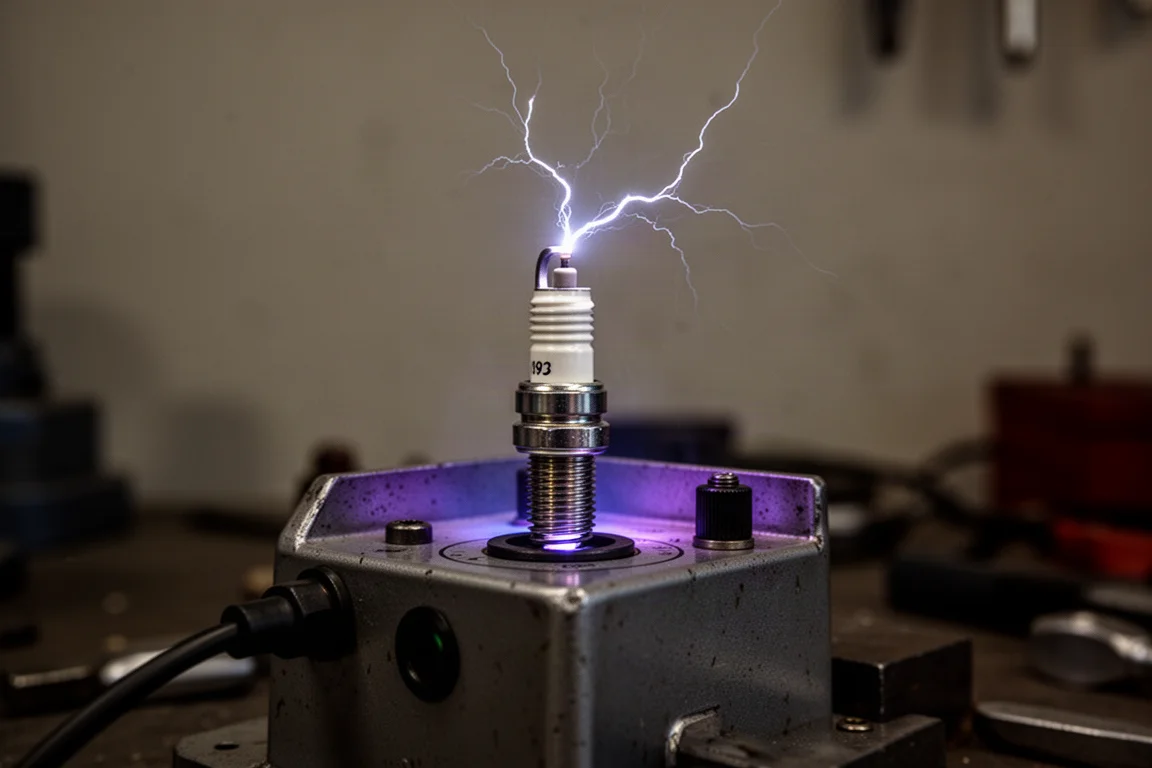
Even so, a genuine Champion Iridium 9410 set remains a solid value for engines that call for this plug, and the real ones performed consistently across gap, spark quality, and build quality.
Denso Iridium
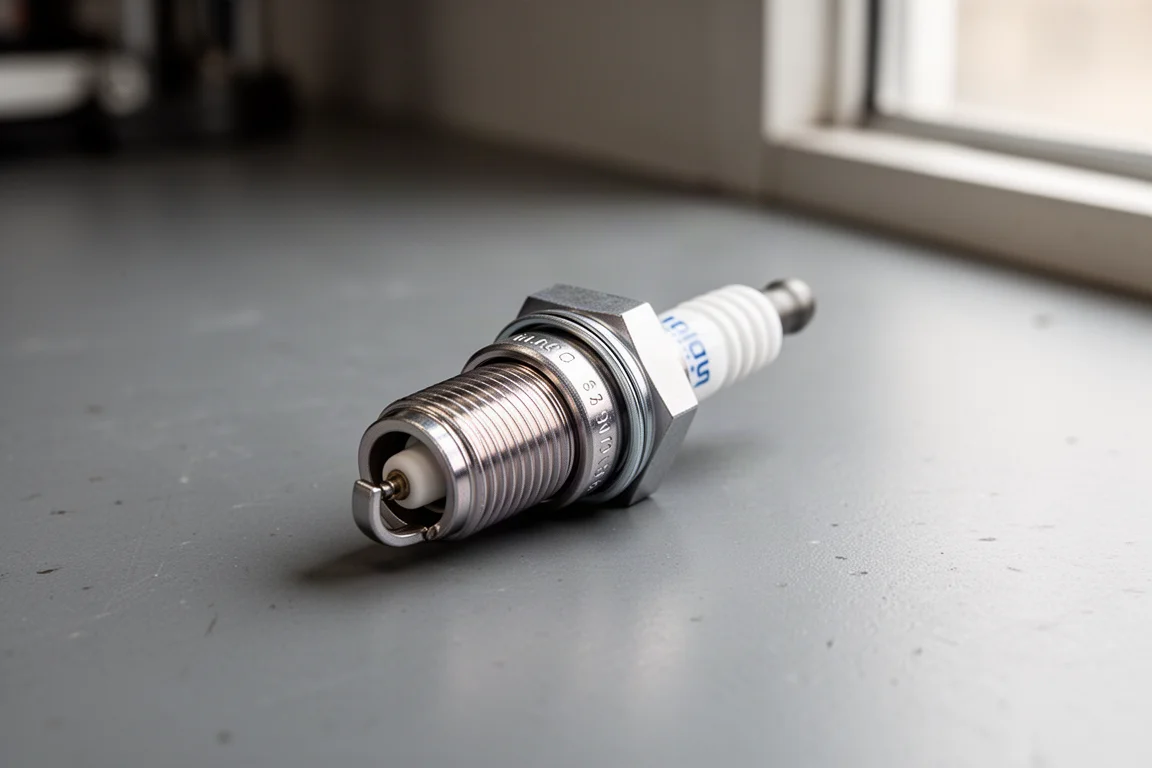
The Denso Iridium plugs may be the best deal of the bunch at around 40 to 44 dollars per set. Like the NGK Laser line, they carry iridium on both the center electrode and the strap, but for roughly half the price of the NGKs, though note they serve a different application.
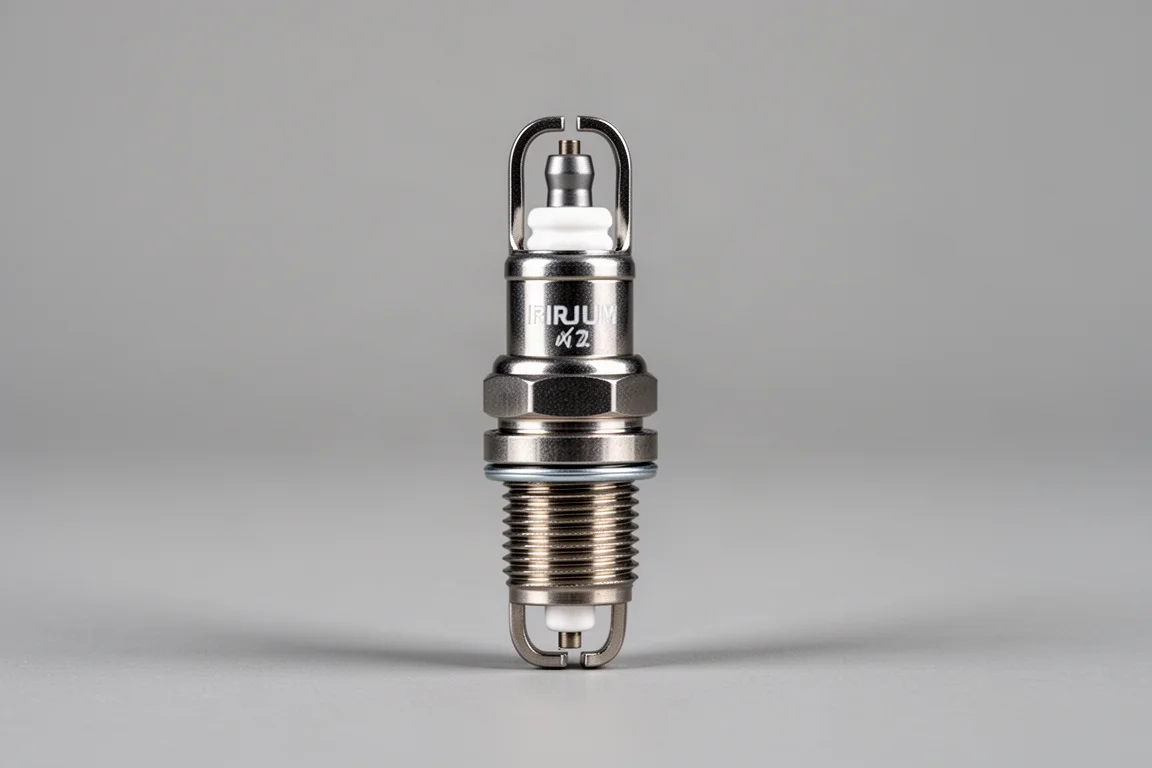
All three sources we tested, Rock Auto, Amazon, and eBay, came in nearly identical packaging, gapped the same at 38 to 39 thousandths, with the same thread quality and dual iridium pieces confirmed. The only suspect was one Amazon-shipped set whose center electrode weld looked slightly larger and off-center, with a spark that occasionally climbed the strap instead of contacting the opposing iridium wire. That set was bought shipped and sold by Amazon, which shows that even buying direct from a major retailer is not foolproof.
What a Bad Plug Can Actually Do to Your Engine
It is fair to ask whether small physical differences matter when every plug will ignite fuel. The answer lies in how modern engines manage ignition. Many direct-injection turbo engines use four-wire ignition coils rather than the standard three-wire design, with the fourth wire acting as a signal line that monitors spark activity, quality, and knock.
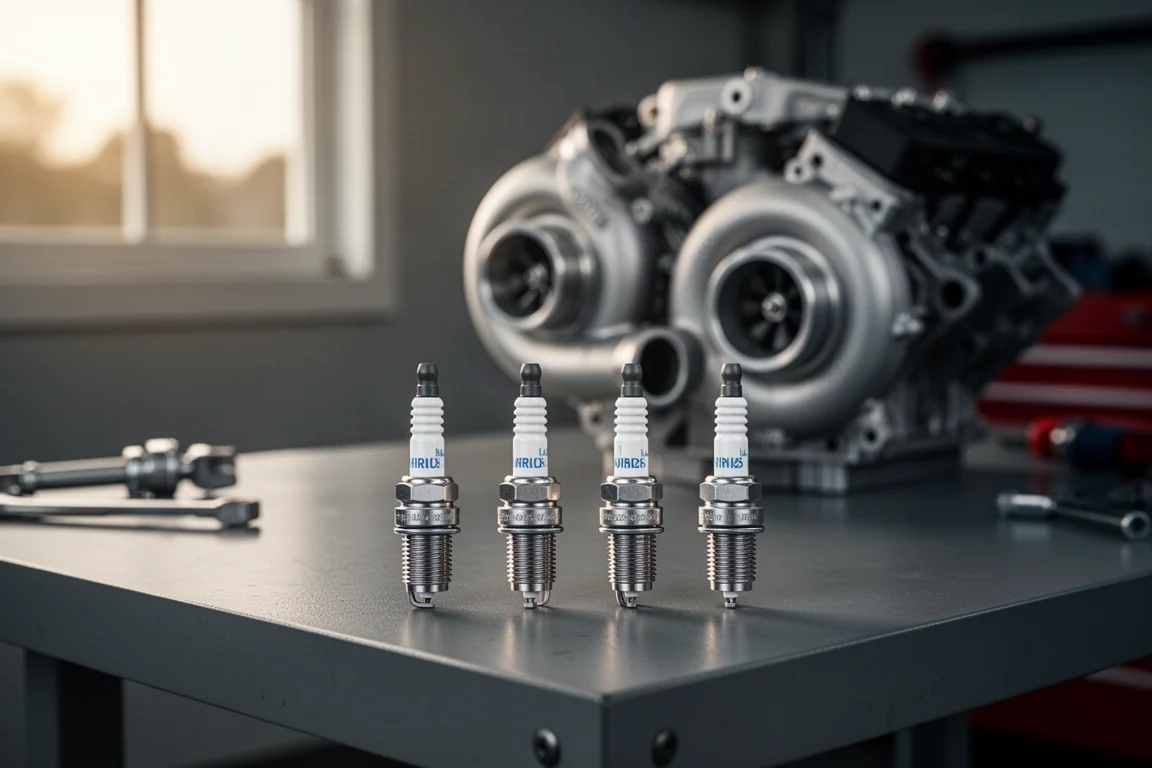
If a plug’s resistance is far out of spec or inconsistent from cylinder to cylinder, that monitoring system stops working as intended, or worse, adjusts fuel mixture and spark timing incorrectly. That can lead not just to misfires but to actual long-term engine damage. Even in the best case, a poor plug delivers lower-quality ignition, worse fuel mileage, and a much shorter service life as the strap erodes faster.
How to Protect Yourself When Buying
A few practical habits go a long way. Measure the plug gap with a wire-style gauge, which costs about two dollars, and treat consistency across the set as a positive sign. Inspect the threads and electrodes under magnification if you can; a basic digital microscope makes rough thread forming and missing iridium tips obvious. If the application supports it, check resistance in kiloohms and compare against published specs.
Most importantly, buy from sellers with a demonstrated track record. In our testing, only a small number of online sources delivered consistently genuine plugs at fair prices, while even high-feedback marketplace sellers shipped counterfeits. Price alone is not a warning sign, because many fakes sell for nearly the same as the real thing.
Conclusion
Iridium plugs from NGK, Champion, and Denso all offer real engineering value, and genuine examples of each performed well in our comparisons. The risk is not the product, it is the supply chain. Check the packaging, measure the gap, look closely at the electrodes, and verify resistance where possible. A few minutes of inspection before installation can save you from weakened ignition, poor mileage, and potentially serious engine damage down the road.
Further reading
Related Reviews
Auto Parts
Nissan OEM Oil Filter Comparison: 15208-65F1A vs 15208-65F1B vs 15208-65F1E
A detailed look at three Nissan OEM oil filters for the Rogue, comparing construction, filter elements, and bypass valve design.
Auto Parts
AutoZone Shopping Guide: The Deals and Products Worth Your Trip
A practical look at AutoZone's current oil deals, tools, and accessories, plus the house-brand products that make sense and the ones that don't.
Auto Parts
PowerStop Z36 Brake Pads Review: A Simple Upgrade for Heavy-Duty Trucks
Why these truck brake pads replaced factory GM pads that squealed, dusted, and lacked bite, plus tips on pad wear sensors.