Ski Gear
Powder Ski and Carving Ski Picks Compared: A Quiver-Building Guide
A practical comparison of wide freeride skis and short-radius carving skis, with clear guidance on which one deserves a place in your quiver.
Introduction
Most skiers who spend a whole season on a single pair eventually run into the same problem. The ski that feels composed on groomers and firm snow is rarely the ski you want when the snow gets deep, and a wide, floaty ski can feel like a lot of work once the powder is gone. A two-ski quiver solves most of that, provided the two skis actually do different jobs.
The picks below cover the wider, float-focused end of the market alongside short-radius carving skis, plus a few all-mountain options that sit in between. Each entry explains where the ski makes the most sense, what it does well, and the trade-offs worth knowing before you commit.
What to Consider Before You Choose
Three things separate a good quiver decision from an expensive one.
The first is snow depth. A ski built for deep, open powder rewards a different design than a ski built for four to eight inches of fresh snow. Wider, float-first skis hold you up when the snow is measured in feet, while narrower and quicker designs come alive when the new snow is measured in inches.
The second is turn shape. Short-radius skis with a firm tail let you stand on the ski through the whole arc, which pays off in stability at the end of the turn and at higher speeds. Twin tips with a more playful tail give up some of that stability in exchange for switch riding and park tricks.
The third is coverage. If you already own a carving ski you love, the second ski should cover the conditions that ski cannot handle. Buying a second ski that overlaps heavily with your first one is the most common way to spend money without gaining much.
Work out which of those three matters most to you before you start comparing models. A ski that is excellent for one rider’s terrain and snowpack can be a poor match for another’s, and the differences between two well-built skis in the same class usually come down to character rather than quality.
Renoun Citadel 107: Float-First Freeride
If float is the goal, the Citadel 107 is the more convincing choice among the wider options here. It is built to keep you on top of deeper snow, and it makes more sense when the priority is staying up in a big storm cycle rather than making tight, quick turns.
Its character leans toward a surface-oriented, sendy ride. It shares that family feel with skis designed to smear and pivot off the top of the snow rather than lock hard into an edge, which suits open terrain and soft conditions.
Compared with the Peak 104, the Citadel 107 sits in a similar class for build quality and value, but the two do not ride alike. The Citadel leans toward float and surface play, while the Peak feels more tail-driven. If you already have a mid-width ski as your daily driver, the Citadel 107 adds the float that ski lacks.
Völkl Blaze 104: Quick Turns in Light Powder
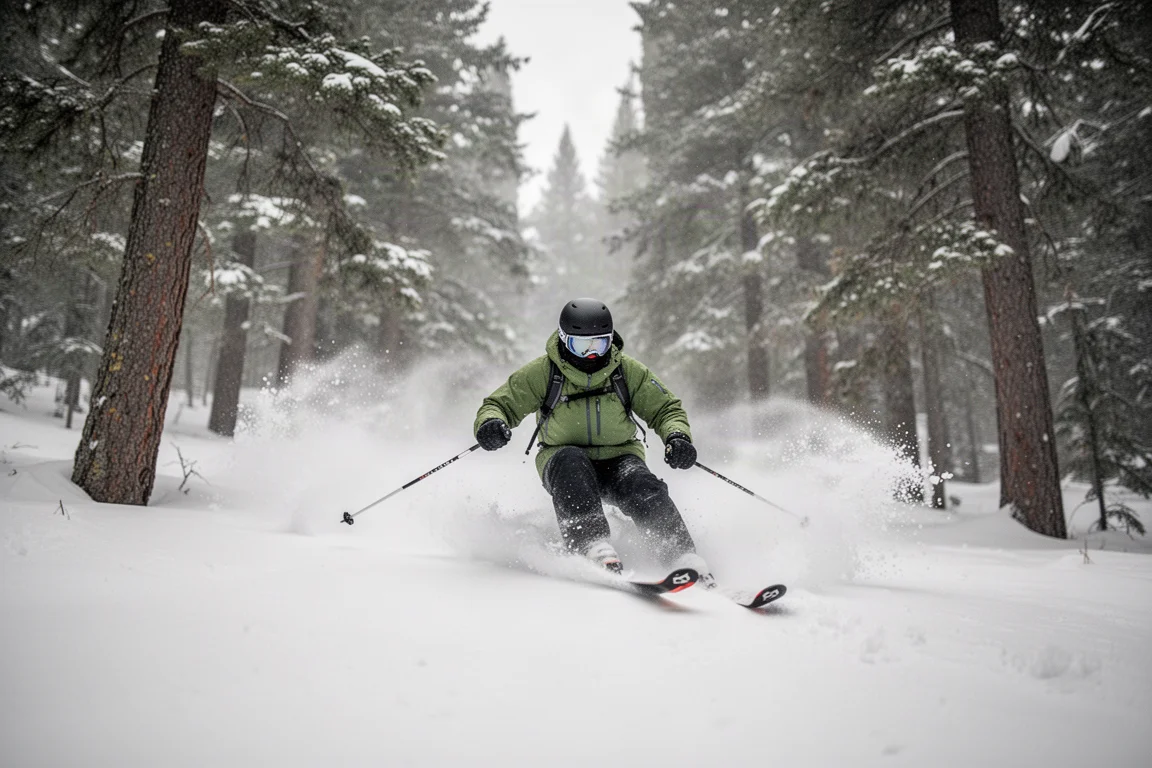
The Blaze 104 is the better of the two float-oriented picks for lighter snow days, roughly four to eight inches of fresh. It is fun and easy to steer, and it makes quick, maneuverable turns without asking much of the skier.
That turn shape makes it particularly good in the trees and off trail, where you want the ski to move now rather than a beat later. It also carves better than the Citadel 107, which makes it the more enjoyable option on days when the snow is thinner than forecast.
What it will not do is float like a dedicated powder ski. If you regularly ski deep, open terrain, the wider Citadel 107 is the more sensible choice. If your snow is usually measured in inches and your terrain is tight, the Blaze 104 is the more useful ski.
There is also some carryover to consider if you already own a mid-width ski. The Blaze 104 is different enough to be enjoyable, but riders who want the biggest possible change in feel from their current setup tend to get more out of a wider option.
Black Crows Octo: Short-Radius Carving
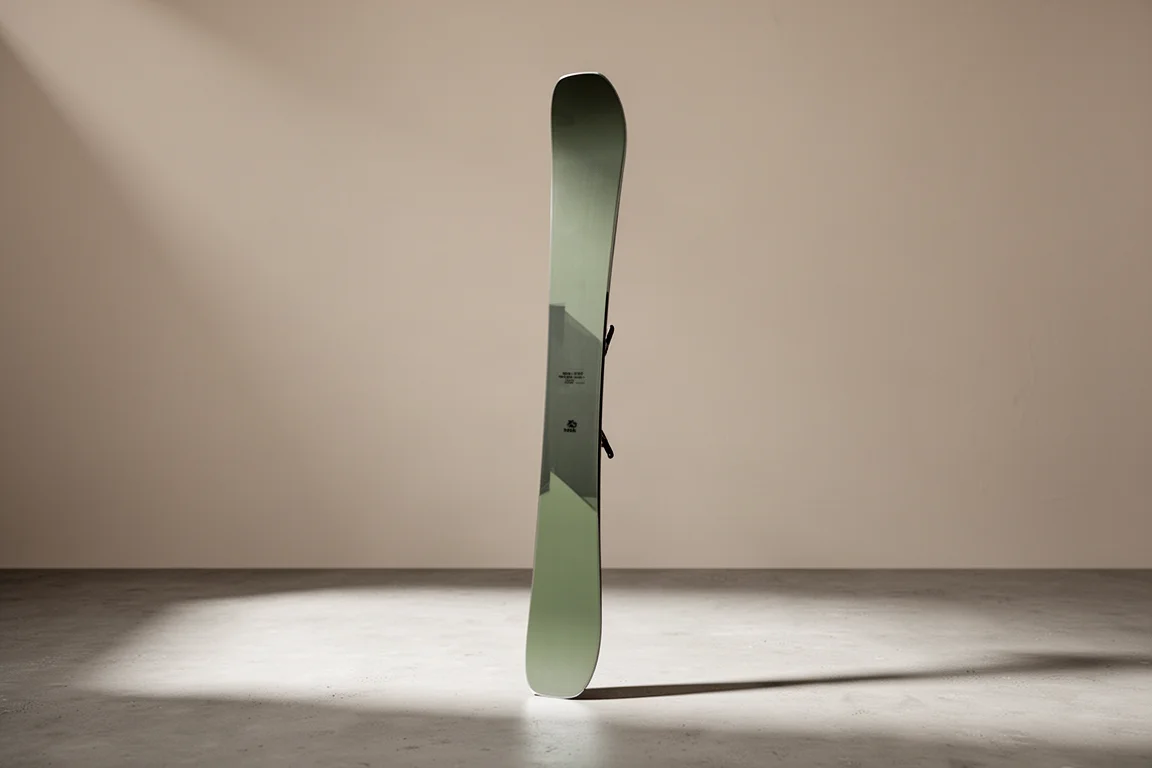
The Octo is a short-radius ski built around carving, and it is the more rewarding of the two Black Crows options here if turning is your priority. Its tail is not the super-playful shape you find on freestyle skis, which means you can stand on it and carve all the way through the turn rather than feathering out of the exit.
That translates into a higher top speed and more stability at the end of the turn, plus a bigger platform to stand on. For skiers who like to finish a turn rather than slide it, those are meaningful advantages.
Black Crows Mirus Cor: Freestyle Focus
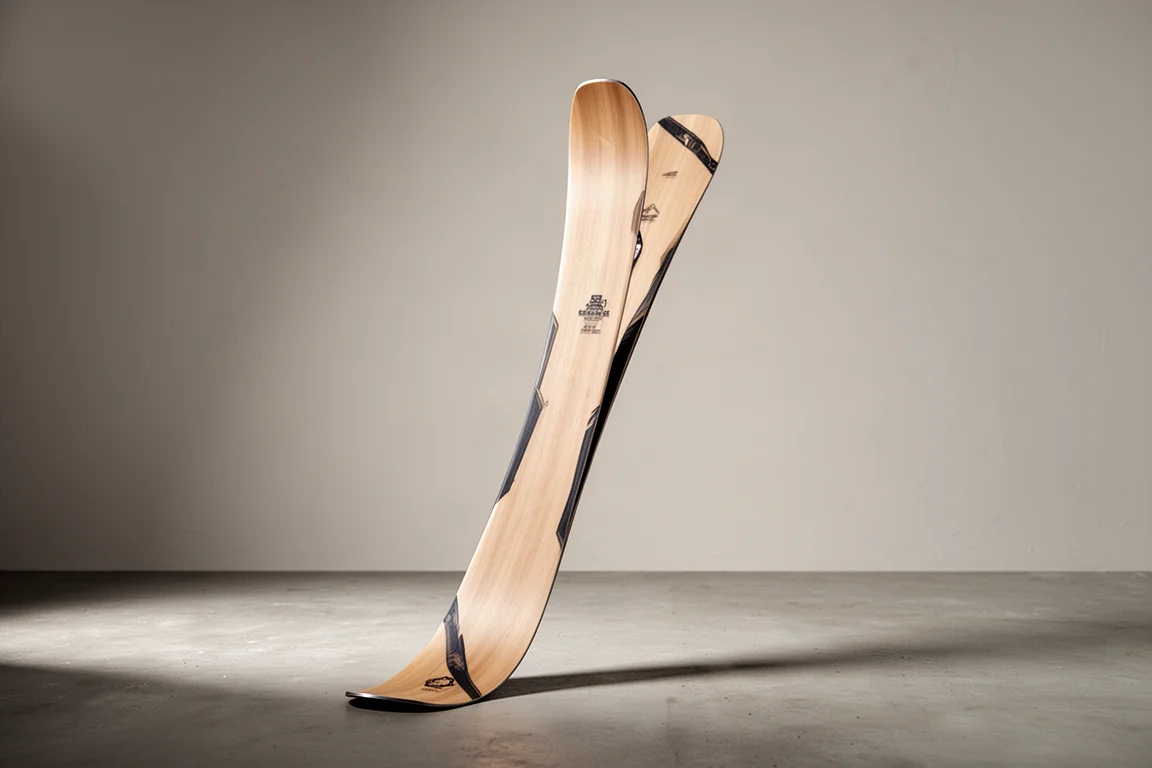
The Mirus Cor shares the short-radius brief but takes it in a freestyle direction. It is a twin tip, which means it can handle park laps, tricks, rails, and landing switch, and it is the obvious pick between the two if that is how you spend your days.
The trade-off is the one every playful tail carries: less stability through the end of the turn than a dedicated carver, and less platform to stand on when you want to push the ski hard. Both skis are excellent in their own lane, and the decision comes down to which lane you actually ski.
If you split your time between carving and the park, be honest about the ratio. A ski chosen for the park will feel compromised on a firm, fast groomer, and a carving ski will feel limited the first time you want to ride away switch.
Head Maverick 100 Ti: A Carver That Floats
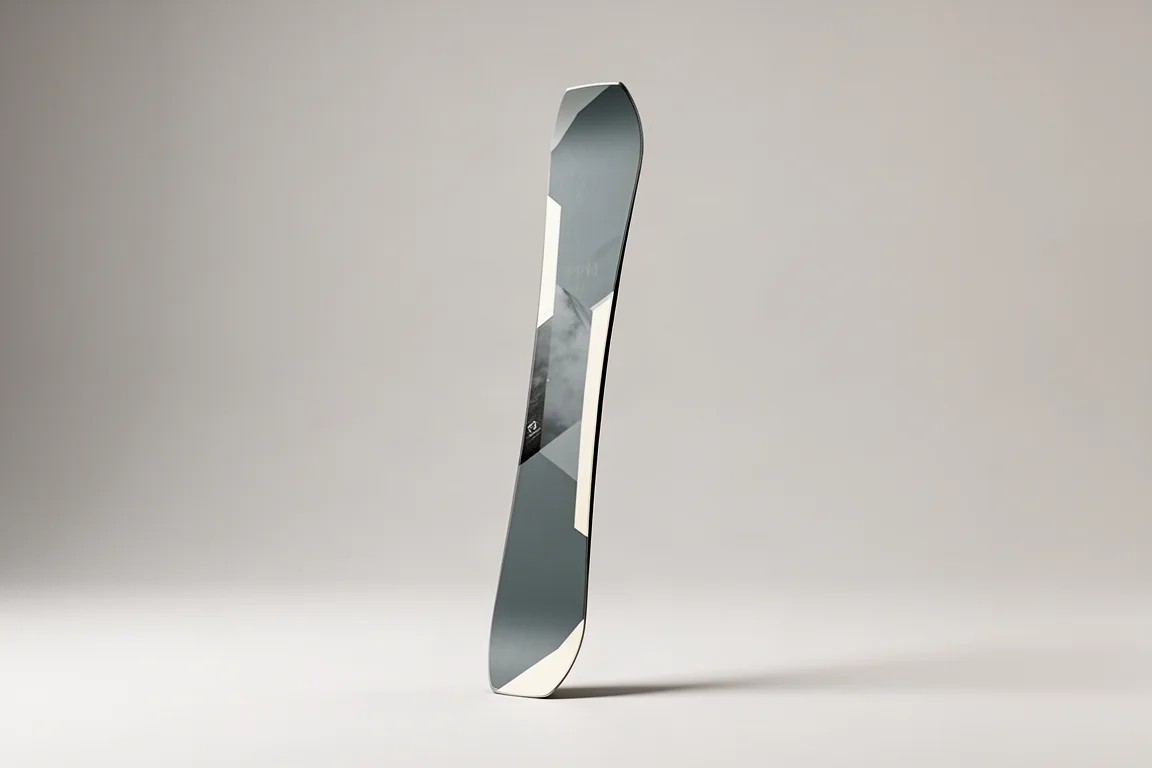
The Maverick 100 Ti is a well-built all-mountain ski that floats better than its width suggests, largely thanks to its Horizon Tech construction. It pairs that float with a stable platform for carving, which makes it an unusually flexible second ski.
It is also discontinued, which means deals have been available on remaining stock. The reason is not build quality. The ski struggled to find an audience because it overlapped heavily with both the Maverick 105 CTi and the Bent 100, so it never had much room of its own in the range.
If you already own a carving-focused frontside ski, the Maverick 100 Ti is a reasonable partner for softer days. Just be clear about what you want from the pairing. It covers a lot of ground, but it is not a dedicated powder ski.
Bent 110: A Dedicated Powder Ski
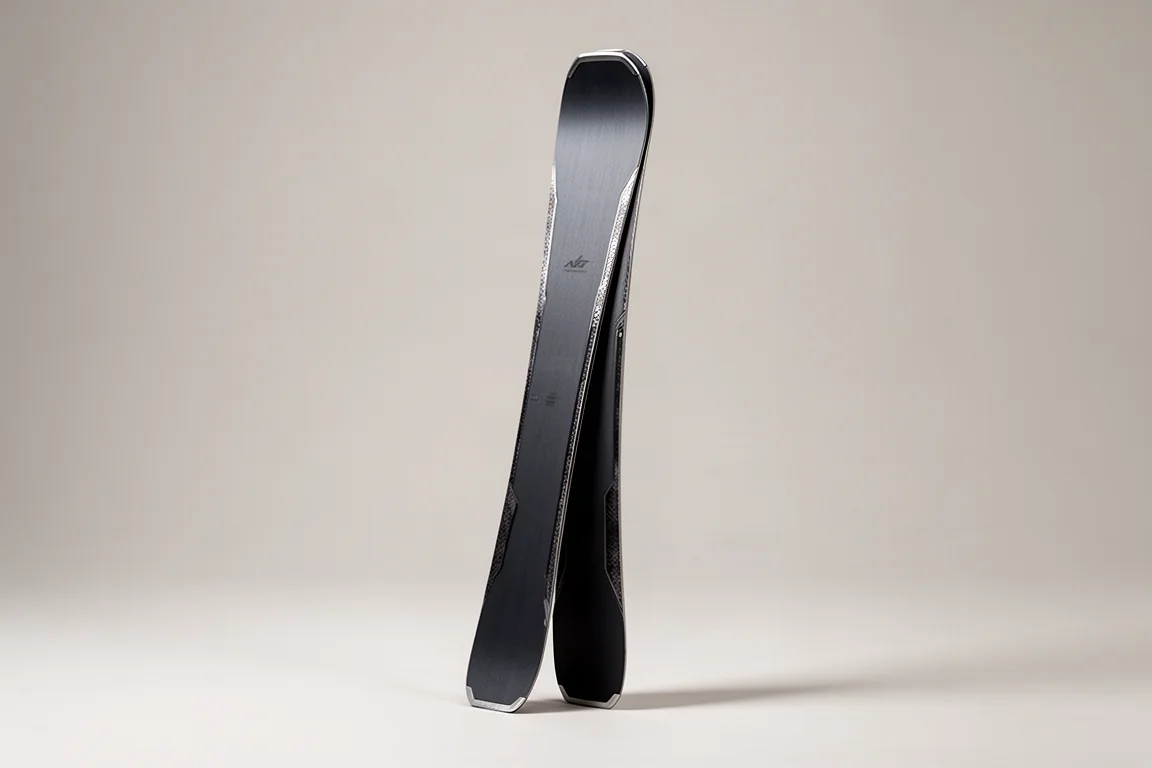
If the second ski in your quiver exists strictly for powder days, the Bent 110 makes more sense than an all-mountain ski pressed into that role. It is the stronger designated powder ski of the options here, and it tends to be available at low prices, which makes it an efficient way to cover deep-snow days.
It also handles tight terrain well. In places where you have to push through brush and bramble to reach the good snow, a ski like the Bent 110 keeps you moving, which matters more than on-piste numbers. Riders who would rather have one ski cover a wider range of conditions instead of specialising in deep snow can look at something in the broader-coverage category, such as the QST 106, and accept a little less float in return.
Peak 104: A Different Ride in the Same Class
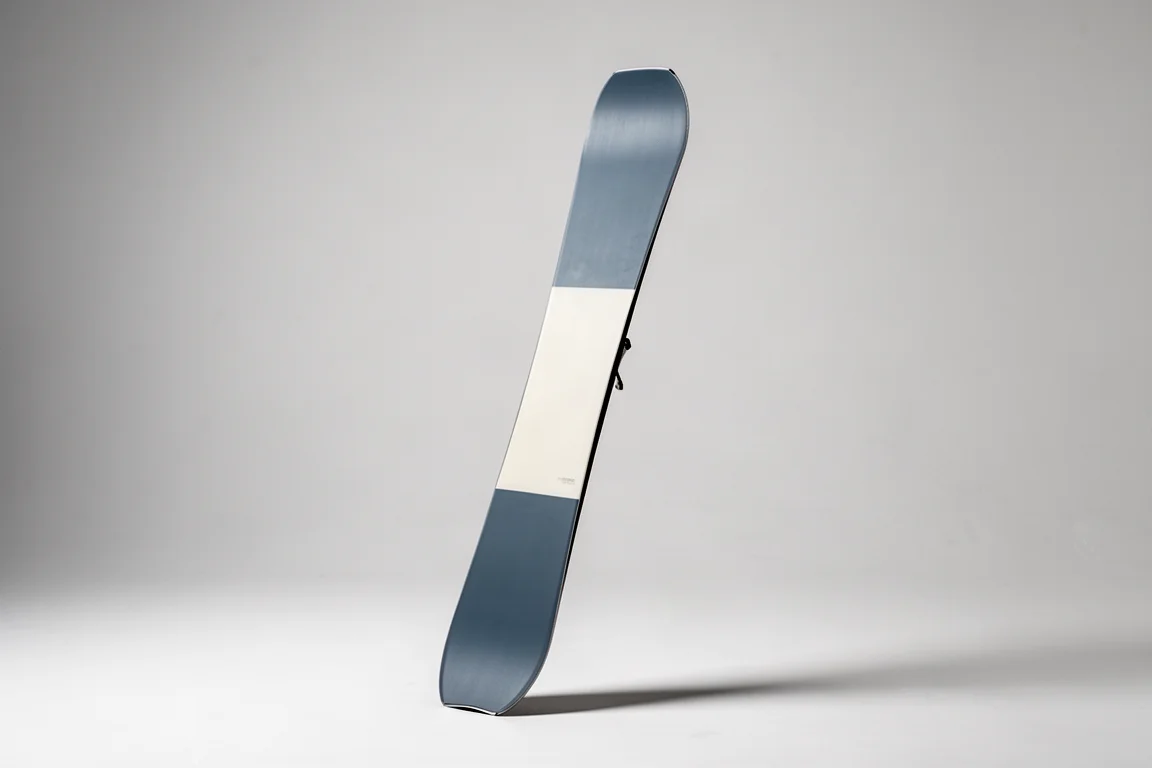
The Peak 104 sits in the same class as the Citadel 107 for value and build quality, but it does not feel like the same ski. Where the Citadel leans toward float and surface play, the Peak puts you more on the tail of the ski.
From there you can still turn it quickly when you need to, and it rewards a more measured approach. Rather than snapping edge to edge, it lets you massage into longer, open-radius turns. The material underfoot gives it a distinctly different feel from the Citadel as well, which is worth paying attention to if you have spent time on one and are considering the other.
Neither ski is better in the abstract. They are both excellent options that suit different turn shapes and different terrain.
Building a Two-Ski Quiver
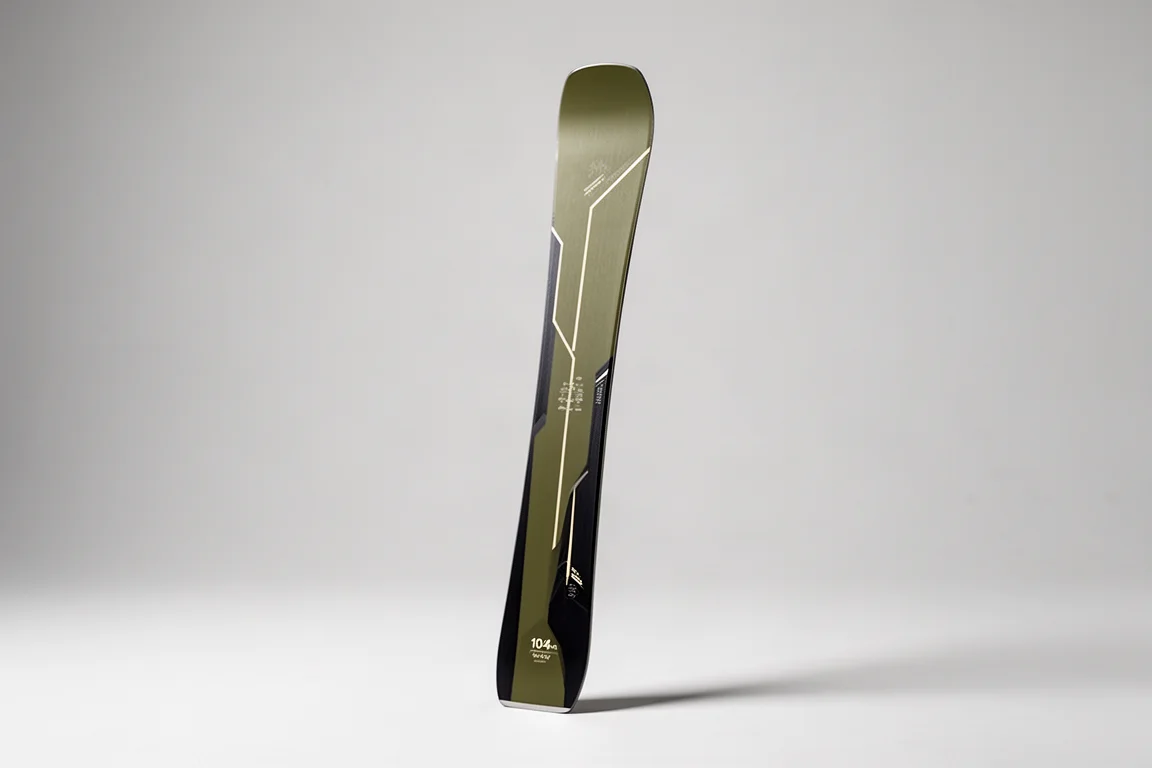
The most useful way to think about a quiver is by coverage rather than by brand or category label. Start with the ski you already own and ask which conditions it handles badly.
If your daily driver is a carving-focused frontside ski, your second ski should be the one that covers soft snow, and it should be different enough that you notice the change. Pairing a dedicated carver with a dedicated powder ski such as the Bent 110 gives you two ends of the spectrum and a very clear decision every morning.
If your daily driver is already a mid-width all-mountain ski, a second ski has to earn its place. The Blaze 104 is quick and playful, but it may overlap with what you already have. A wider option such as the Citadel 107, or a different character altogether like the Peak 104, tends to add more.
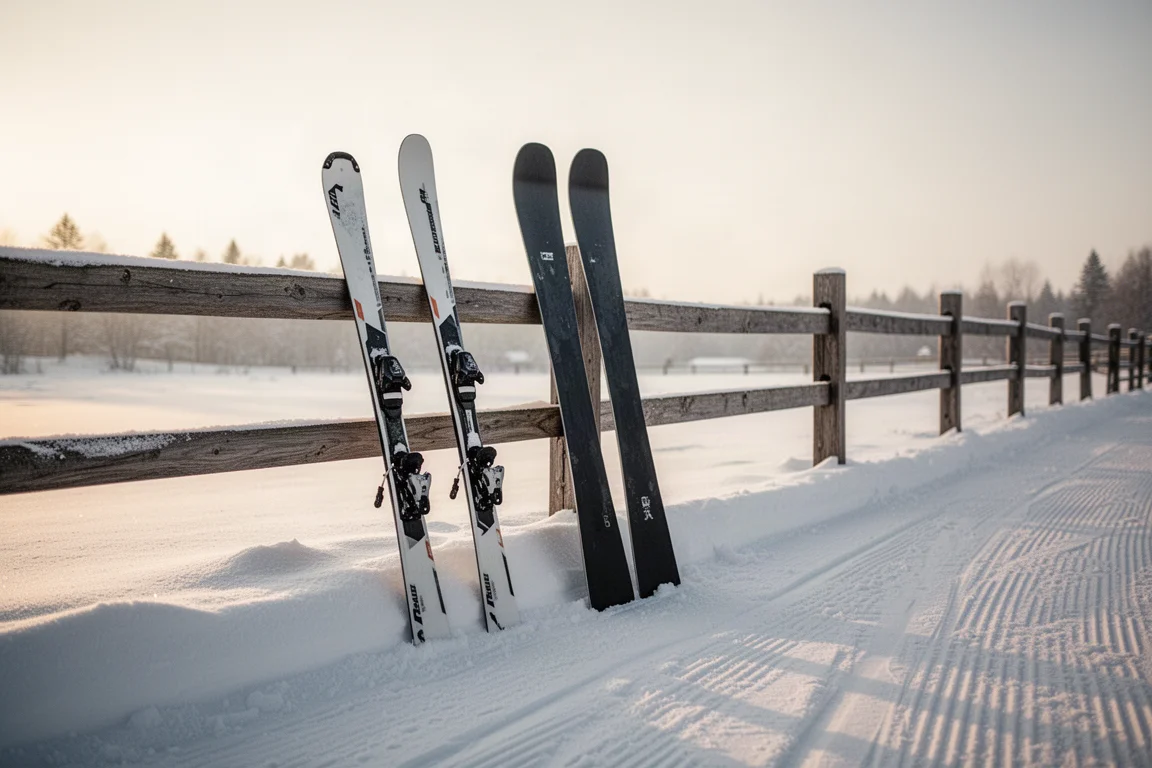
There is also a case for a three-ski approach: a carving ski, a mid-width ski for mixed days, and a wide powder ski. That costs more and takes up more storage, but it removes the compromises that come with asking one ski to cover everything. Decide how many days a season you actually ski deep snow before you commit to the extra pair.
Conclusion
Choosing between these skis comes down to the snow you actually ski and the turns you actually like. The Renoun Citadel 107 and the Bent 110 are the float-first picks, the Völkl Blaze 104 is the better choice for lighter powder and tight terrain, and the Black Crows Octo and Mirus Cor split cleanly between carving and freestyle priorities. The Head Maverick 100 Ti and the Peak 104 sit in between, with the Maverick offering more float than its width suggests and the Peak delivering a more tail-driven, open-radius feel.
Get the coverage right and the rest is preference. Buy the ski that fills the gap in your quiver rather than the ski that duplicates it, and every snow day gets a better answer.
Further reading
Related Reviews

Ski Gear
2023 Blizzard Hustle vs Rustler: Six Freeride Skis Compared
Blizzard's 2023 Hustle collection rebuilds the Rustler shape with a lighter core and no metal. Here is how all six skis differ, and which one suits your riding.

Ski Gear
2023 Skis of the Year: Atomic Maverick 88 TI, Salomon QST 106, and Look SPX 12 Pro
Three standout ski picks for all-mountain carving, powder days, and reliable binding performance, with practical buying notes for 2023 models.

Ski Gear
2025 Nordica Enforcer 104 Review: A Directional Charger Replaces the 104 Free
The 2025 Nordica Enforcer 104 drops the Free name and the twin-tip personality, gaining weight, stiffness and composure in rough snow. Here is what changed and who it suits.