Camping Gear
Pomoly Stovehut 70: Leak Reports, Refund Policy Changes, and What Buyers Should Know
The Pomoly Stovehut 70 has been pulled from the market after widespread leaking reports. Here is what the tent does well, what went wrong, and what the updated refund and warranty policies now cover.
Introduction
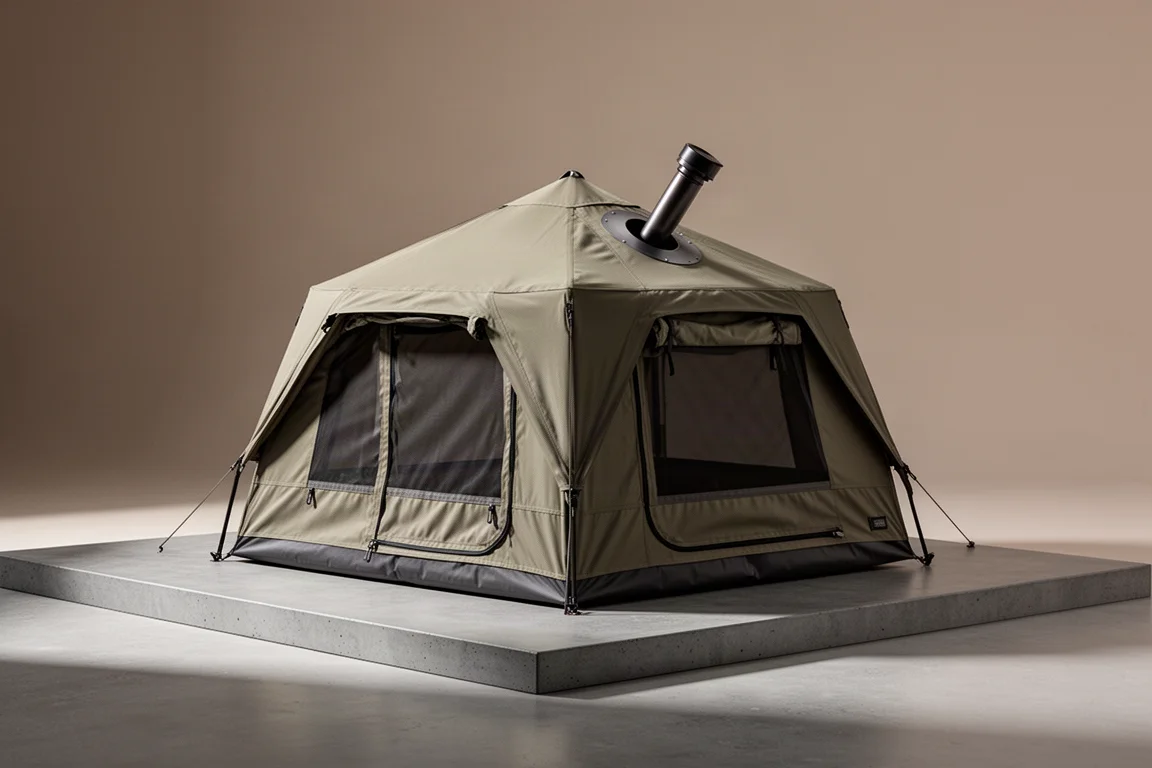
The Pomoly Stovehut 70 is a hot tent: a shelter built around a stove jack so a wood stove can be run inside, with a bug mesh layer that makes the same tent usable in warmer weather. The design is genuinely appealing. The problem is that it does not reliably keep water out, and that is not a small issue for a shelter intended for cold conditions.
Pomoly has now withdrawn the Stovehut 70 from the market following a wave of leaking reports that covered both the first and second generation versions. At the same time, the company has rewritten its refund and warranty policies. This article covers what the tent does well, what went wrong, what has changed, and how to think about the model if a revised version arrives.
Who This Tent Is For
A hot tent is a specific tool. It suits campers who want to run a wood stove inside a shelter for heat through cold nights, which means the tent has to do two jobs at once: hold warmth and keep moisture out. The Stovehut 70 was aimed at that audience, and it also carried a bug mesh so the same shelter could be used in summer without the stove.
That dual-purpose approach is what makes the design interesting. One shelter covering winter stove camping and warm-weather trips is an efficient purchase for anyone who camps year round.
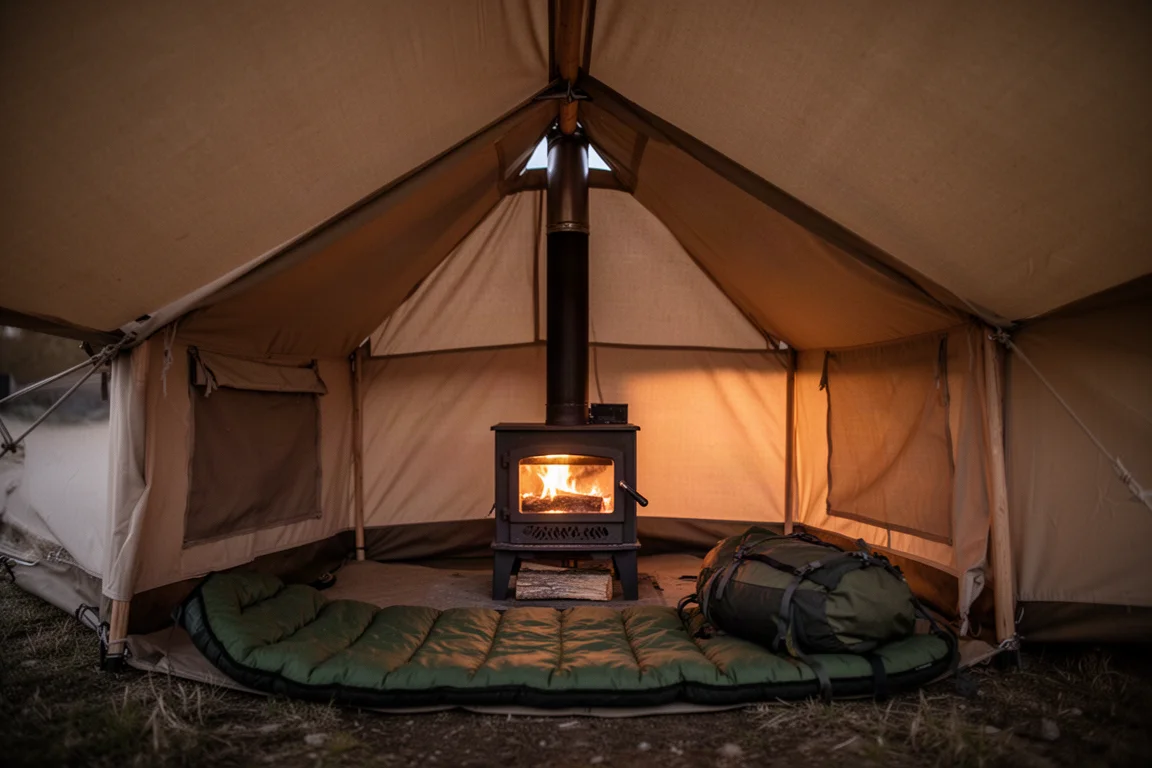
For that plan to work, the fabric and seams have to stay waterproof. A shelter that takes on water in cold conditions is not simply uncomfortable, it is a genuine safety concern, because the tent stops doing the one thing you are relying on it for.
Main Strengths
The Stovehut 70 has real design merits. The hot tent layout with a stove jack is well thought out, and the bug mesh adds genuine versatility rather than being a token extra. It is the kind of shelter that makes sense on paper for cold-weather campers who would rather own one tent than two.
Pomoly’s wider catalog also has a track record of working as intended. Other shelters from the brand have been used in wet conditions without the leaking problem seen here, which suggests the issue is specific to this model rather than a company-wide failure.
What to Consider Before Buying
The leaking reports are widespread and they are not limited to a single batch. Owners of both the first and second generation versions have reported water getting in, and the second generation unit tested here leaked in the same way as the first. When a defect shows up across multiple production runs, it points to a design or manufacturing problem rather than an isolated fault.
Before the policy changes, some owners reported being denied refunds or replacements, which made a bad situation worse for people who had already spent their money. The volume of complaints was significant enough that discussion around the model became difficult to manage.
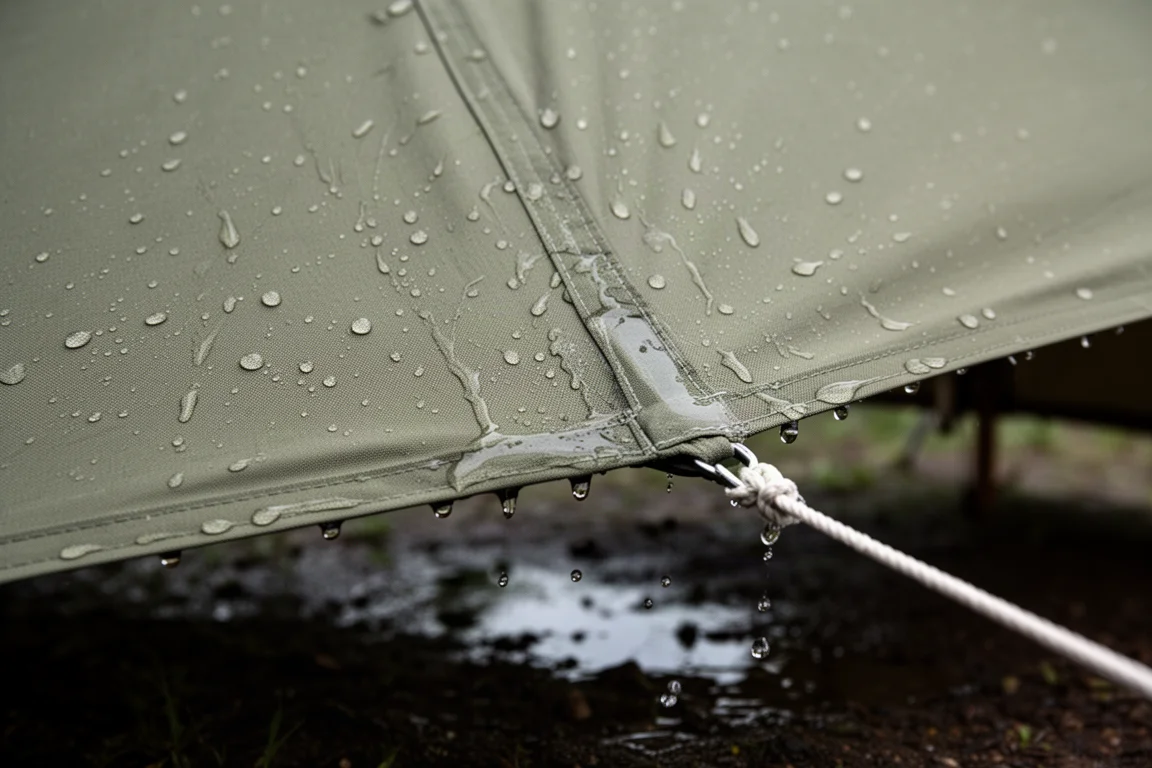
There is also a version question to keep in mind. Two generations of this tent exist, and the naming has not always made it obvious which one a buyer is looking at. Anyone considering the model, now or later, should confirm the version before committing.
The Refund and Warranty Changes
Pomoly’s previous return policy allowed a refund only if the product had not been used. That never made sense for a shelter, because a leak is not something you can identify without pitching the tent and spending a night in it. Testing a product is the only way to find out whether it works.
The updated policies, which are in effect now, allow refunds and exchanges, and the company covers the shipping charges when a product has to be sent back. Previously that cost fell on the customer. For anyone who already owns a Stovehut 70, or who buys a future version, the practical effect is a much clearer path to a resolution if something goes wrong.
Where the Stovehut 70 Goes From Here
Pomoly has pulled the model from the market so it can reassess the design, work out what is failing, and fix it. That is the right call for a product with a known defect, and it protects buyers from spending money on a shelter that may not hold up in the conditions it was built for.
The company has also been courteous in direct correspondence and appears to want to correct the situation rather than argue about it. Pulling a product from sale is not a small decision, and it is worth acknowledging that the response moved in a constructive direction.
What happens next is up to Pomoly. A redesigned version could still be a good tent, because the underlying concept is sound. Whether that version arrives, and whether it solves the leak, remains to be seen.
How to Judge a Revised Version
If a revised Stovehut 70 reaches the market, the priority is evidence that the leak has been fixed, not a new name or a new colorway. A shelter in this category should be pitched and exposed to sustained rain before it is treated as ready for cold-weather use.
Buyers should also check which generation they are being sold and confirm that the updated refund and warranty terms apply to the purchase. Those two details matter more than most spec sheet numbers for a tent whose main job is keeping weather out.
Buying Advice
Right now there is no purchase decision to make on the Stovehut 70, because the model has been withdrawn from sale. That is the honest position, and it is a better outcome than leaving a defective shelter on the shelf while buyers find out the hard way.
If a revised version is released, it is worth waiting for field testing before buying, and worth confirming the version and the return terms at the point of sale. A cold-weather shelter is safety equipment as much as camping gear, and it deserves that level of caution.
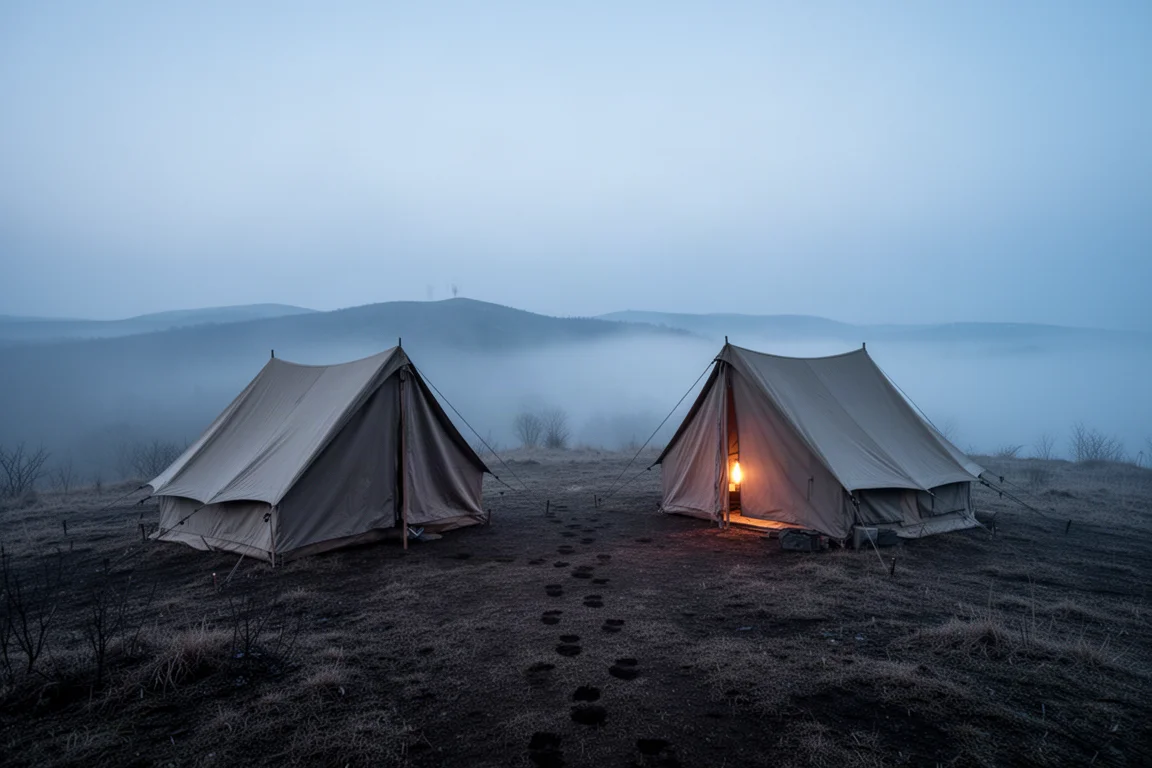
For campers who need a hot tent today, Pomoly’s other shelters have performed well in wet conditions and do not share this model’s reported leak. That is a reasonable place to start while this design is off the market.
Conclusion
The Stovehut 70 is a well-conceived hot tent with a real defect, and the response to that defect has improved considerably. The model is off the market, refunds and exchanges are now possible with shipping covered by the company, and a fix is the stated goal. Buyers should hold off on this specific model until a revised version proves itself in the field, and should feel comfortable asking direct questions about version and warranty terms before spending money on any cold-weather shelter.
Product link
View more details for Pomoly Stovehut 70
This product is mentioned in the review. Check the specifications, options, and compatibility before buying.
View more details for Pomoly Stovehut 70Further reading
Related Reviews
Camping Gear
3FUL Ultralight Ground Sheet Review: A Two-Person Footprint Worth Packing
A 6.7 oz two-person ground sheet in ripstop silnylon, priced around $30. Here is what it protects, what it does not do, and who should pack it.
Camping Gear
Backcountry Light Dual-Function Tarp and Floor Review: A Footprint First
A dual-purpose tent floor and tarp that keeps falling rain off you, but cannot block wind. Here is where it works and where it does not.
Camping Gear
Best 2-Person Camping Mattresses for Couples: 10 Options Compared
A practical comparison of ten two-person camping mattresses, covering self-inflating pads, air pads and air mattresses for couples.