Running Watches
Polar Vantage V3 vs Garmin Forerunner 965 vs Suunto Race: Which Flagship Running Watch Should You Buy?
Polar's new top-end sports watch takes on two of the strongest rivals in the category. Here is how the Vantage V3 stacks up on design, GPS, heart rate, maps and value.
Introduction
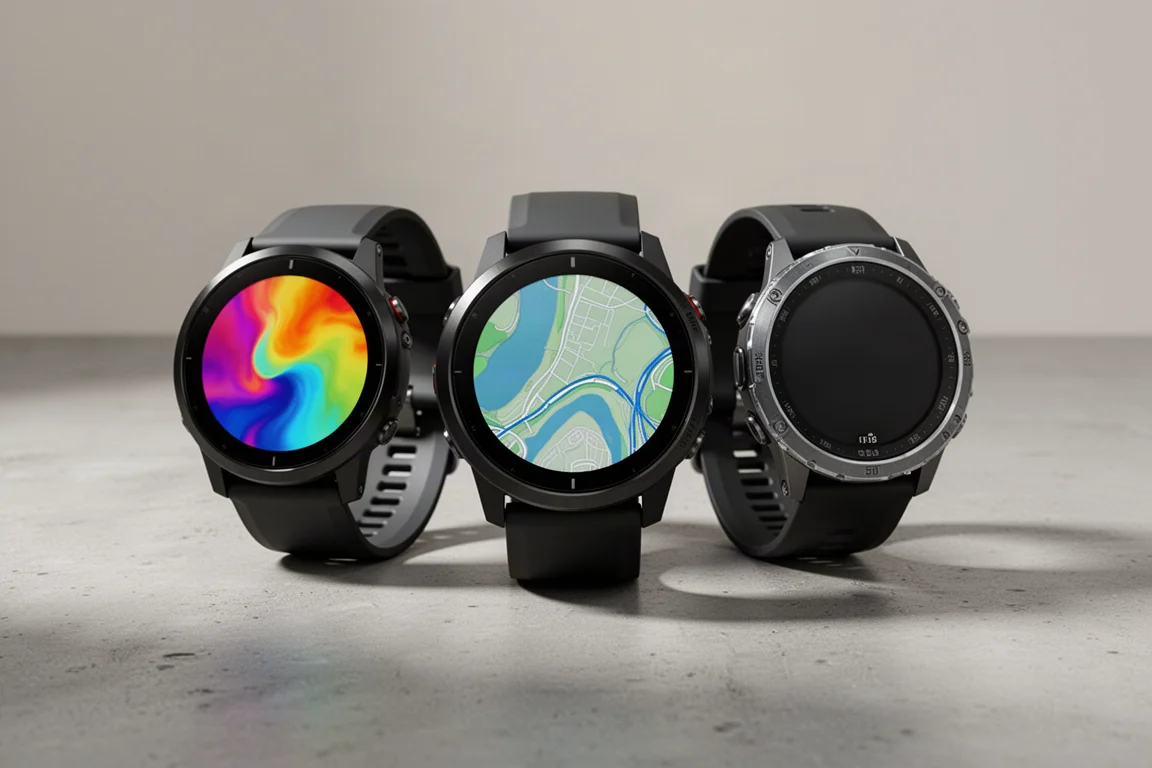
Polar’s Vantage V3 arrived as the brand’s new flagship, replacing the Vantage V2 with a long list of upgrades, and it is now sitting in the same price bracket as two of the most respected running watches on the market: the Garmin Forerunner 965 and the Suunto Race. After more than a month of daily use with all three on the wrist, the picture is clear. Polar has produced its best watch ever, but the question is whether it beats the competition or simply keeps up with it. This comparison breaks down where each watch shines and where each one falls short, so you can pick the one that fits your training.
How We Compared Them
All three watches were worn side by side through daily wear, sleep tracking, interval sessions, steady runs and longer outings. GPS traces were compared against each other in dual-band mode, optical heart rate was checked against chest straps including the Polar H10, and battery drain was logged across always-on display use, overnight tracking and full-accuracy GPS runs.
Polar Vantage V3: Polar’s Best Watch Yet
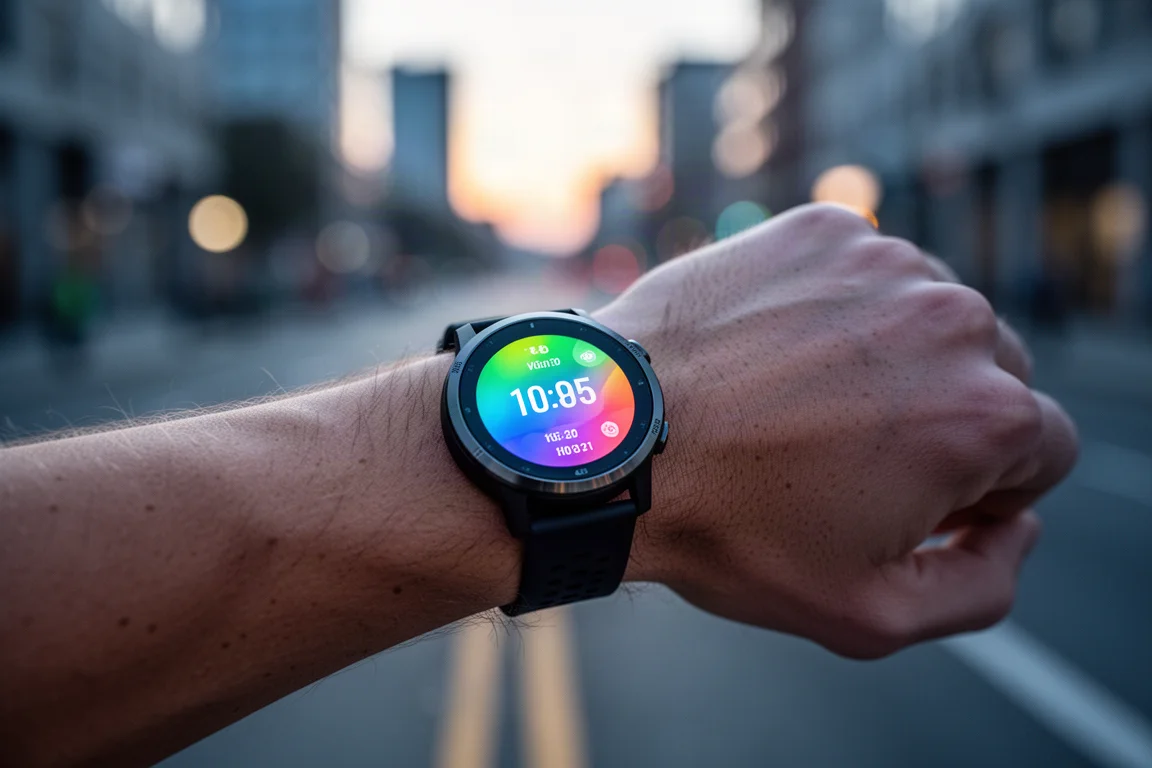
The Vantage V3 is unmistakably Polar by design, with a 47mm aluminium case that is 14.5mm thick and a light 57g total weight. The hero is the 1.39-inch AMOLED touchscreen, which is bright, sharp and responsive, and it can be set to always on. It uses Gorilla Glass rather than sapphire, which is less durable but helps the screen really pop. The software has also been transformed: previous Polar watches felt laggy, and the V3 now navigates menus as smoothly as the Forerunner 965. Battery life is listed at 8 days, dropping in always-on mode, with over 40 hours of training time in dual-band GPS and up to 140 hours in power-saving modes. Overnight drain is impressively low, averaging around 3% per night with all tracking enabled.
Garmin Forerunner 965: The Polished All-Rounder
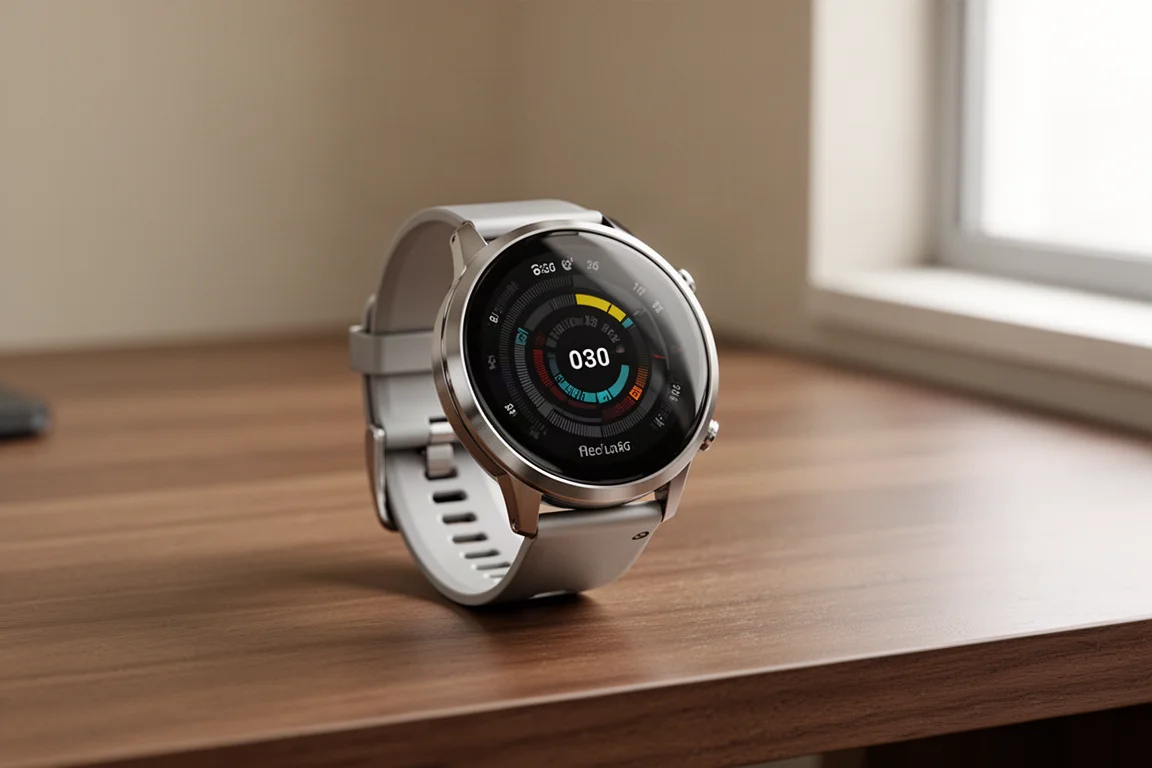
Garmin’s Forerunner 965 is the benchmark at this price, and it earns it. Its interface is slick and easy to live with, its training analysis is presented more clearly than what Polar offers, and it packs a richer smartwatch feature set on top: music storage, NFC payments, more advanced navigation tools and training readiness. It is not flawless, but it is the complete package, and it does most of what the Vantage V3 does just a little better while adding more on top.
Suunto Race: The Value Contender
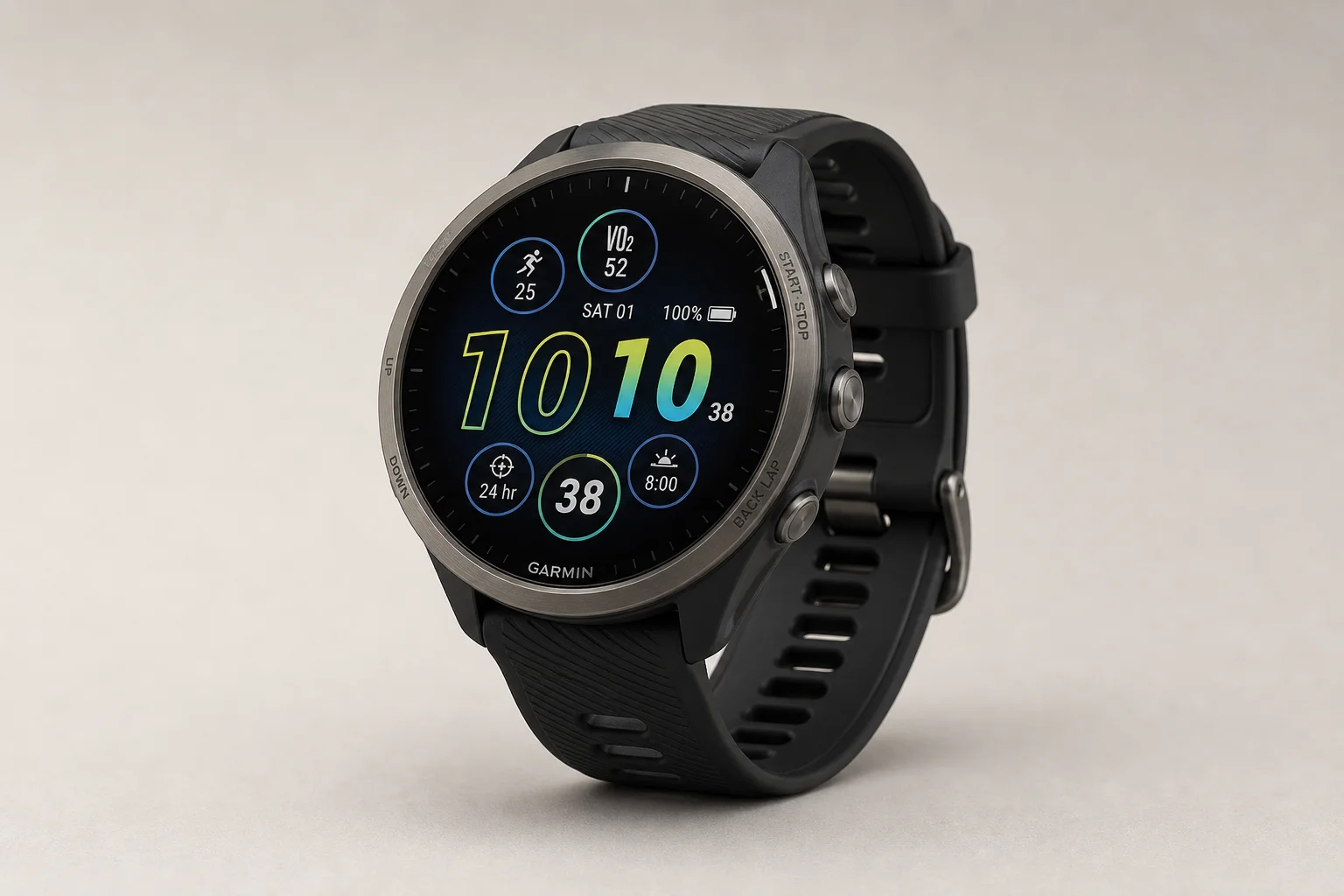
The Suunto Race offers much of the same feature set as the Polar at a significantly lower price, with a hardier build that includes a sapphire crystal screen and an optional titanium model. Its GPS is slightly better than the Vantage V3’s in testing. The trade-off is software: the Race felt noticeably laggy in everyday use, which holds it back from being the automatic pick even with its strong price advantage.
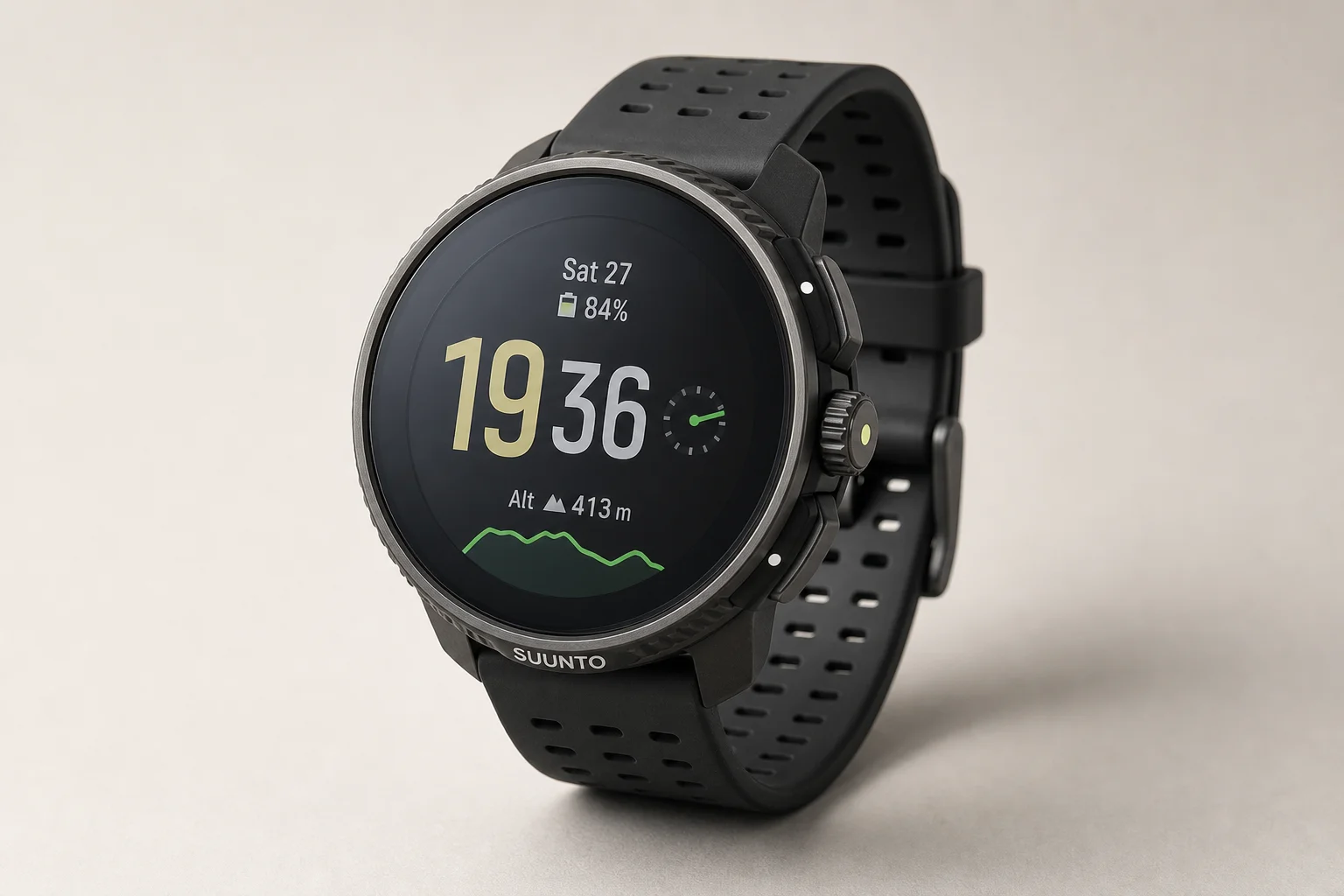
GPS Accuracy
Dual-band GPS on the Vantage V3 is a huge step forward for Polar. The multiband mode first introduced on the Ignite 3 was poor, but here it has been optimized and delivers very good results. Against the Forerunner 965 and Suunto Race, the V3 held its own in most conditions, and near tall buildings it even outperformed the 965 on some runs. It is not flawless: Polar smooths corners slightly more than the others, and one race produced odd track behavior despite the correct distance. The Race and Garmin are still marginally better overall, but the V3 is accurate enough to trust for important workouts. The one serious caveat is low-power GPS mode, where accuracy dropped so badly on long runs that traces went essentially meaningless, straight-line across the map.
Maps and Navigation
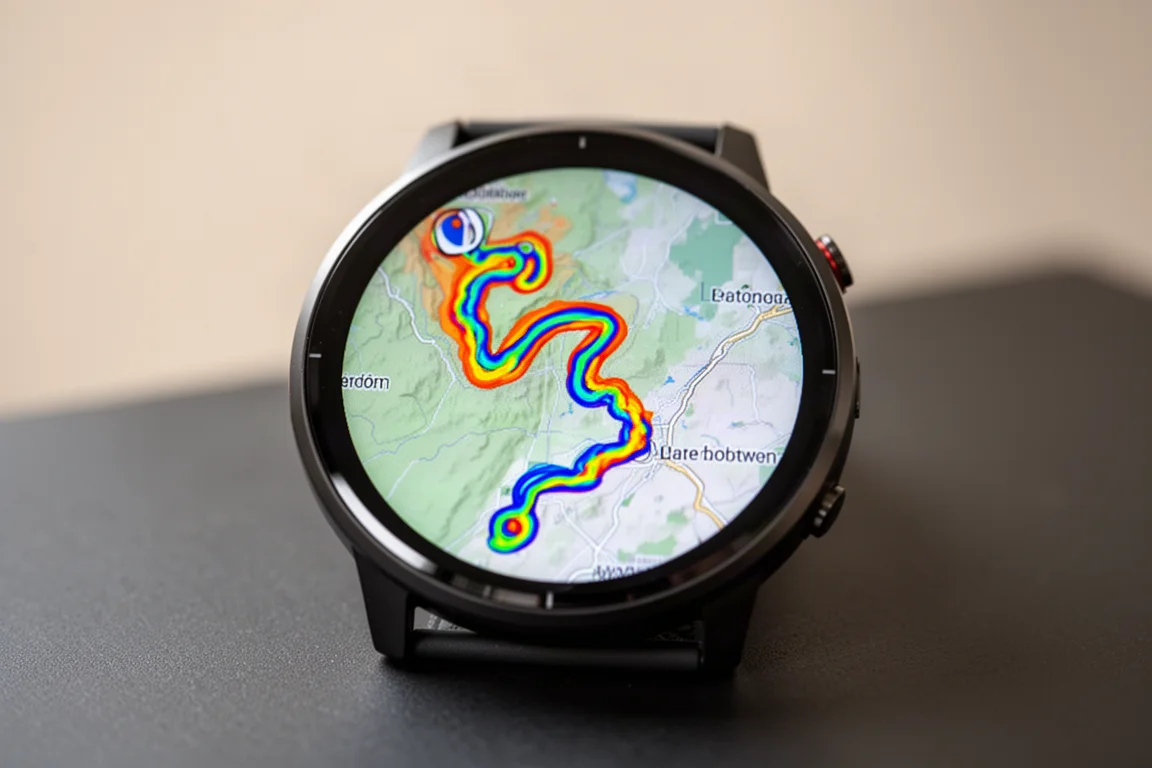
The Vantage V3 gains color maps that you download by plugging the watch into a computer. That sounds like a chore, but it is actually faster than Suunto’s wireless method. On the AMOLED screen the Polar maps are the brightest and most colorful of the three and genuinely easy to follow. Turn-by-turn directions require routes created in the Komoot app, which sync automatically through Polar Flow, and there is no in-app route builder on the watch itself, so there is room for Polar to improve.
Heart Rate Accuracy
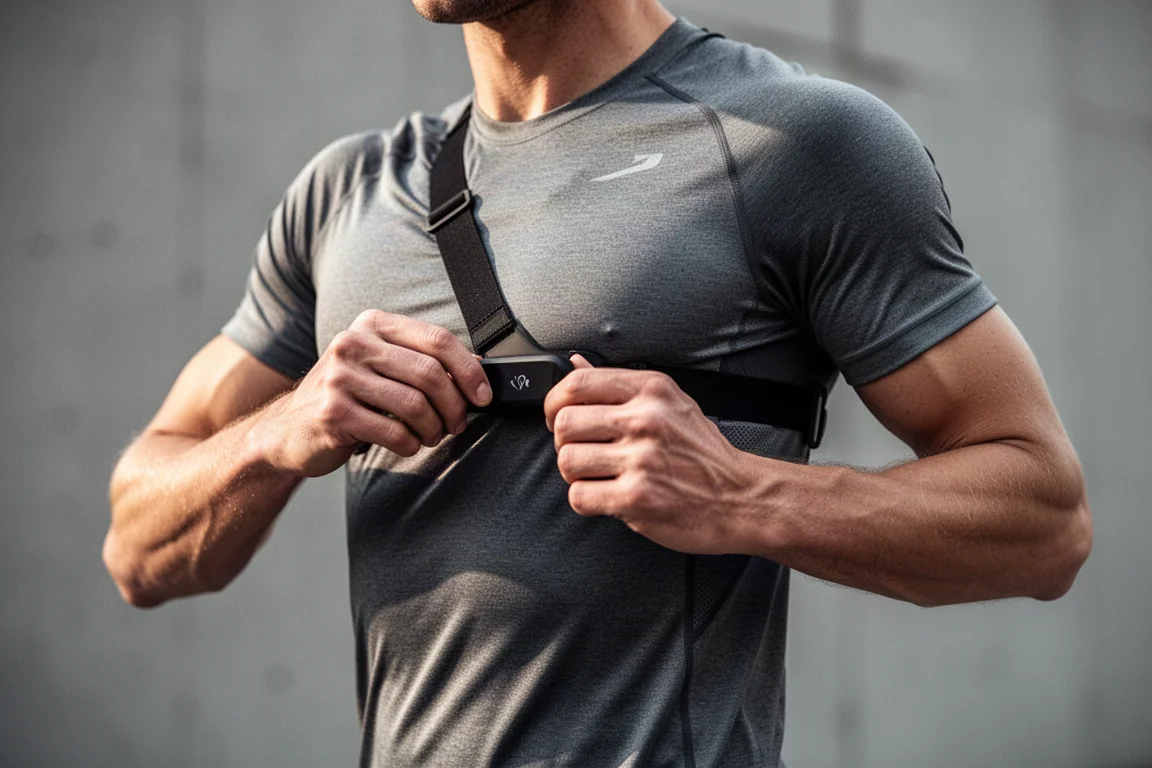
This is where the V3 disappoints. Despite the new Gen 4 optical sensor, real improvement over the Vantage V2 was hard to find. On steady runs, average and max heart rate readings sometimes failed to match a chest strap, sometimes reading low and sometimes high with no clear pattern. Interval runs matched the Polar H10 chest strap extremely well, and a race performed fine, but consistency is not there. The optical sensors on the Forerunner 965 and recent Garmin watches were more reliable in testing, while the Suunto Race’s optical readings lagged noticeably. The practical takeaway applies to all three: if heart rate data drives your training, wear a chest strap.
Sleep and Recovery
Sleep tracking is a quiet strength for Polar. Accuracy and reliability have long been among the best in the sports watch space, and the V3 fixes a nagging Vantage V2 problem: overnight battery drain is far less severe. Combined with Polar’s recovery analysis and tools like Fuelwise for fueling guidance, the sleep and recovery package delivers insights you can actually act on, even if the sheer depth of the analysis can feel overwhelming at first.
Battery Life
In everyday use with all tracking on, the V3 lost about 3% per night and 2-6% during the day outside training. A one-hour run in the highest-accuracy dual-band mode averaged around 3%, which is competitive with the 965 and Race. With the always-on display off, the V3 approaches 7 days; in always-on mode expect roughly 3-4 days with daily runs. That is decent, but the 965 and Race manage the same always-on runtime and stretch past a week with the display off, so Polar still feels a step behind in this area.
Everyday Experience
The V3 is a genuinely pleasant watch to wear around the clock, and the screen makes everyday interactions feel premium. It is not without friction, though: pairing and syncing to an iPhone proved buggy at times, sometimes requiring a full Bluetooth re-pair, and syncing must be triggered manually with a button press rather than happening automatically. There are also occasional odd connectivity quirks where the watch disconnects from the phone, affecting notifications and the weather app. The silicone strap also needs regular adjustment: tight enough for workouts, looser for all-day comfort, and uncomfortable if you forget.
Price and Value
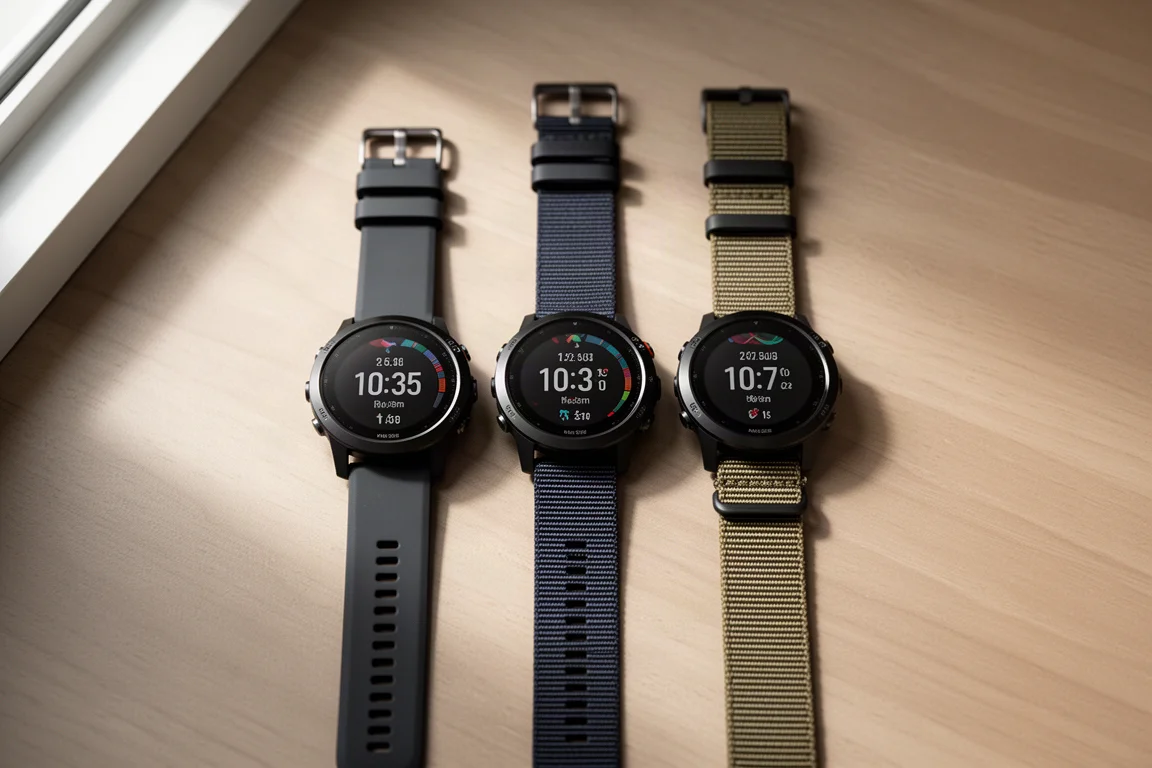
The Vantage V3 costs £519 in the UK and $599.99 in the US. The problem is what else that money buys. In the US, the Forerunner 965 costs the same and is simply a stronger watch: better navigation, better battery behavior, better training analysis and more features. In the UK, the V3 is actually cheaper than the 965, which makes it a more interesting alternative there. The Suunto Race undercuts both by a significant margin, and while its software lags, the hardware, GPS and build quality make it excellent value. If budget matters, the Race is the easy pick; if features and polish matter most, the 965 wins.
Conclusion
The Polar Vantage V3 is the best watch Polar has ever made, a huge improvement over the Vantage V2, and a watch its owners would be genuinely happy with. The AMOLED screen, slick software, very good dual-band GPS, best-in-class sleep tracking and rich recovery tools make it a serious contender. But it is not quite the best in its class: at the same US price the Forerunner 965 does nearly everything a little better, and the Suunto Race delivers most of the same experience for considerably less. If you are buying purely on performance and features, go Garmin. If you want to save money, go Suunto. If you love Polar’s training and recovery approach and live where the V3 undercuts the 965, it is a very good choice that will only get more competitive as its price drops.
Further reading
Related Reviews
Running Watches
Coros Pace 3 Running Watch Review: Why Software Matters More Than Specs
The Coros Pace 3 prioritizes runner-focused design and intelligent software over expensive hardware. Here's why it outperforms watches that cost twice as much.
Running Watches
GPS Running Watch Accuracy Test: Seven Watches Compared Across Urban, Trail, and Race Conditions
We tested seven popular running watches from major brands in three different environments to find out which delivers the most accurate GPS tracking for distance and pace.
Running Watches
Garmin Forerunner 70 Review: Garmin's Cheapest Forerunner Is More Capable Than You'd Expect
The new entry-level Forerunner 70 brings an AMOLED screen, a fresh interface, and real training analysis for £219/$249, with a few trade-offs to weigh before buying.