Running Watches
Polar Street X Review: A Rugged Budget Running Watch With Real Trade-offs
Polar's affordable Street X brings a built-in flashlight, strong battery life and solid basics, but dated software and mixed accuracy hold it back.
Introduction
The Polar Street X is a new watch at the more affordable end of Polar’s running watch range, aimed squarely at the urban athlete. It costs £219 or $249, which puts it up against the Coros Pace 4, the Suunto Run and the Garmin Forerunner 165, while its rugged design is more reminiscent of the slightly pricier Coros Nomad and Garmin Instinct 3.
It arrives with a fresh look for Polar and a handful of new features for the brand, most notably a built-in flashlight. After a couple of weeks of running, training and everyday use, the picture is mixed: the essentials are in place at an attractive price, but dated software and uneven accuracy keep it from being an easy recommendation.
Who the Polar Street X Is For
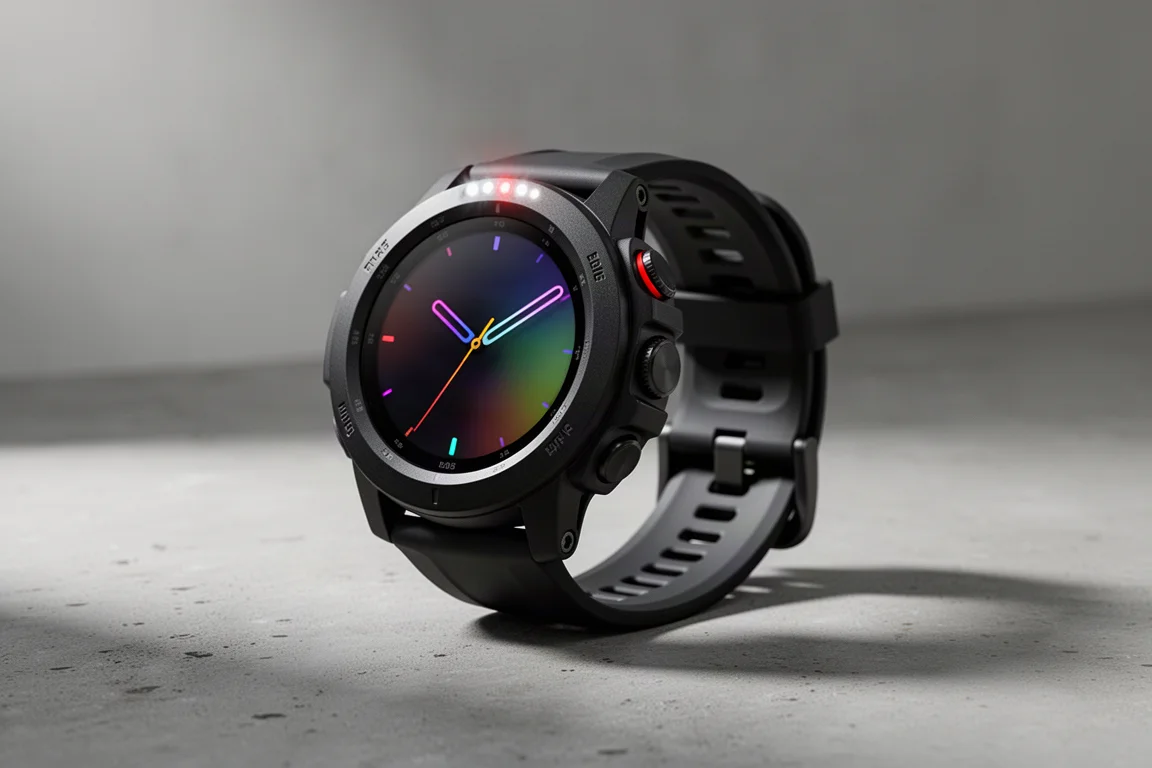
Polar has clearly built the Street X for a crossover audience: gym goers, hybrid athletes and runners who want one rugged, practical watch for training and everyday life rather than a hardcore pure-play running tool. It comes in white, black and green, with a 45mm plastic case, big easy-to-use buttons and a lightweight 48g build with the included silicone band. If you like that Casio G-Shock-esque, ruggedized feel, it pulls it off well.

Underneath, you get a 1.28-inch AMOLED touchscreen with Gorilla Glass 3 protection, a WR50 water rating, a barometer and Polar’s Precision Prime heart rate sensor. GPS is built in, though it is not dual-band; Polar reserves that for its more expensive models. Battery life is rated at up to 10 days smart use and 43 hours of GPS tracking.
Main Strengths
Comfort and simplicity are the headline virtues. At around 48g, it sits among the lighter watches available, only a shade heavier than the Polar Pacer Pro, and the display is bright and colourful enough to read easily in all conditions on the run. The screen is smaller than some rivals, so limiting yourself to three or four stats per screen keeps everything readable, and watch face customization now supports selected complications.
The training toolkit sticks to the basics, and that is largely a good thing. You get 170 sport modes, Training Load Pro, Nightly Recharge, FitSpark workout recommendations, and Polar’s full suite of fitness and recovery tests, something even the pricier Pacer Pro does not fully offer. Polar’s sleep and recovery analysis remains among the best available, and the weekly training view, with quick scanning back through previous weeks, is genuinely neat. On the move, a tap-and-slap gesture makes taking lap splits easy.
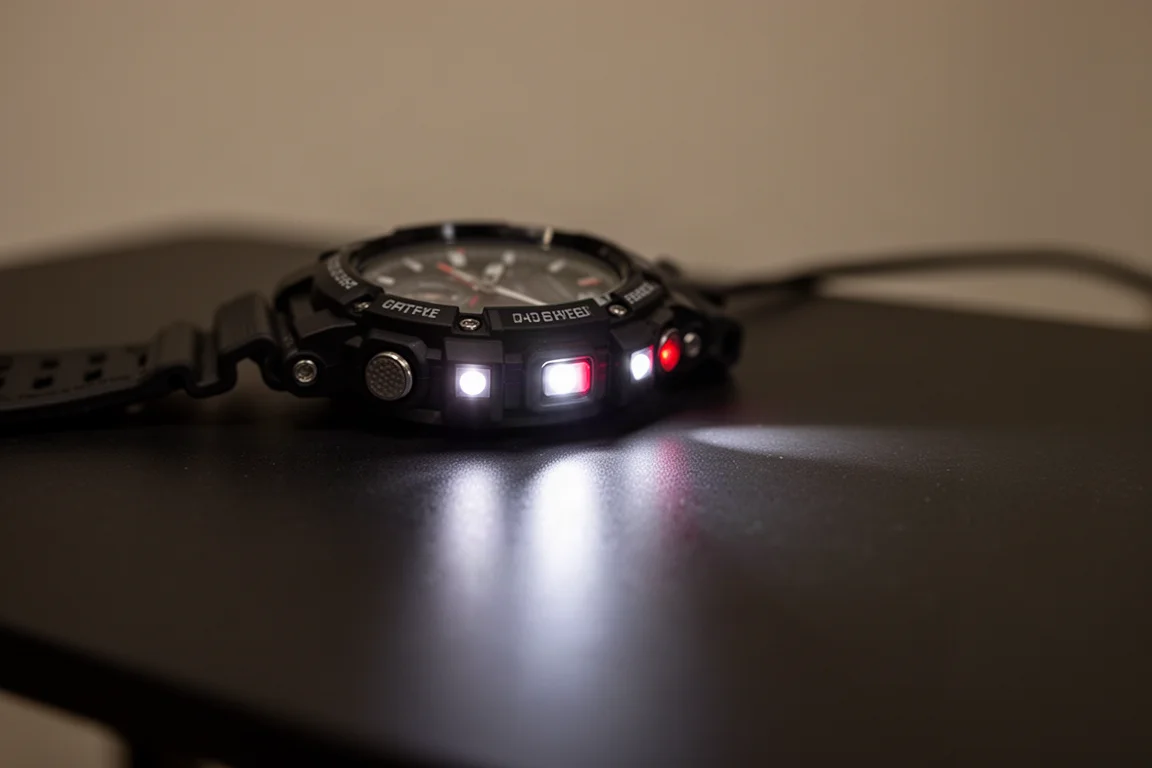
GPS performance in testing was solid on the headline numbers, matching far more expensive watches like the Fenix 8 and Forerunner 970 on total distance, with no more rogue tracks than any other device typically shows. Durability is another clear win: Gorilla Glass 3, a 50m water rating and a military-standard build make this a genuinely rugged watch. The front-facing LED torch, with white and red lights, is dead useful and far better than screen-based flashlight gimmicks.
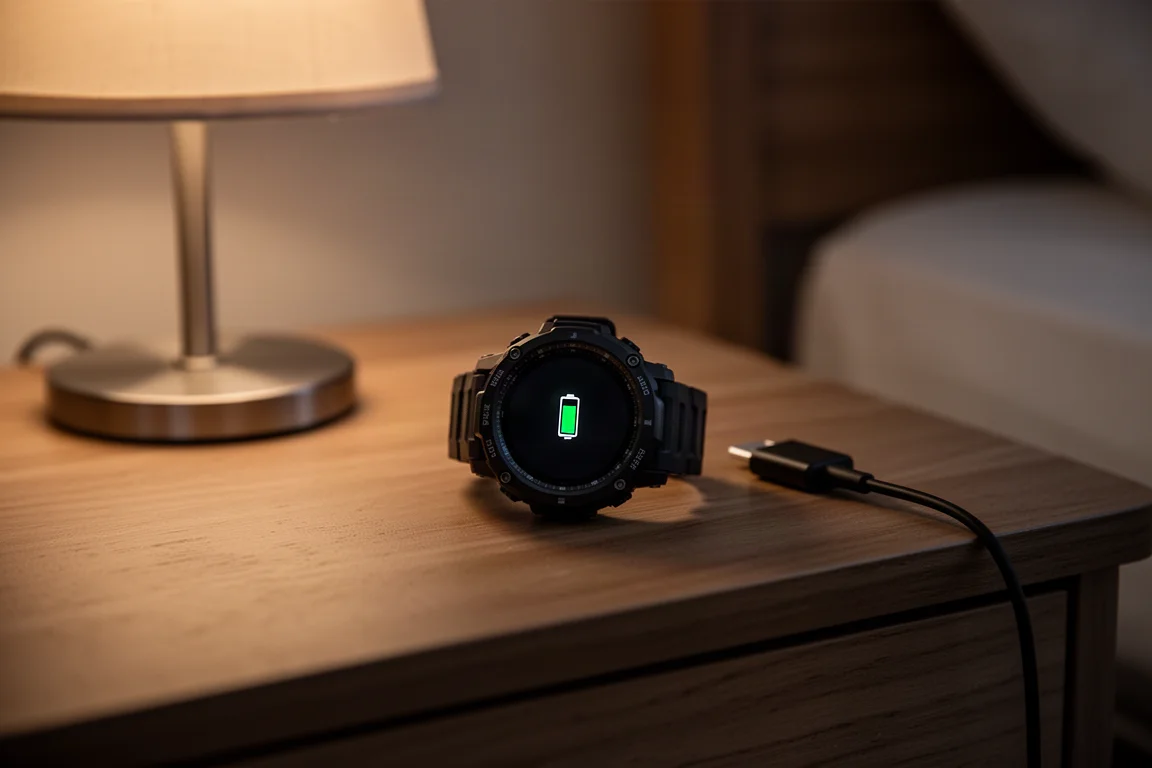
Battery life deserves real praise. In testing, a 90-minute run burned 4%, a three-hour run burned 9%, and 24 hours of ordinary use without GPS burned just 5%, roughly 3% overnight. That is more frugal than most Polar watches tested previously and close to Coros-level efficiency. In daily use, that translated to about four and a half to five days with the always-on display running every day.
Things to Consider Before Buying
The compromises start with the software. Polar’s user interface feels dated for a watch launching in 2026: it can be laggy, the touchscreen is sometimes unresponsive, there is no back swipe, and menu navigation can be awkward. During activities you are limited to four data fields, and much of the customization, like setting lap distances or tweaking sport mode metrics, has to be done in the Polar Flow app rather than on the watch itself.

Accuracy is the bigger concern. GPS tracks generally looked worse than those from the Forerunner 970 and Coros Pace 4, sometimes cutting corners or inflating distance. Rivals in the same affordable bracket, notably the Coros Pace 4 and Suunto Run, offer dual-band GPS and better results. Optical heart rate was also hit and miss: it struggled to lock on at the start of many runs, occasionally spiked to 188 BPM during an easy warm-up, well above the tester’s max heart rate, and sometimes stayed wrong for the whole session. A chest strap is a sensible companion.
Sleep tracking has an odd flaw too: the watch frequently cut off the first hours of the night, producing unfairly negative sleep reports for anyone who gets up briefly overnight. Smart features are equally limited, with no offline music storage, no contactless payments and no third-party app support. Routing is basic, syncing routes from Komoot and Strava but with no offline maps. There is also a curious battery restriction: below around 10% charge, the watch refuses to start a workout, so effectively only 90% of the battery is usable for training.
Buying Advice
At £219 or $249, the Street X delivers the essentials: run tracking, training and recovery analysis, suggested workouts, a good AMOLED screen, a rugged build, a built-in flashlight and genuinely strong battery life, all in a no-frills package that undercuts much of the market.
But if running is your priority, the alternatives are stronger for similar money. The Coros Pace 4 is a more capable running watch with a sleeker design, better battery, more accurate GPS and heart rate, richer run features and a better interface. The Suunto Run is also stronger across the board. If you like the rugged design specifically, it is worth paying extra for the Coros Nomad, which adds maps, or the Garmin Instinct 3 if you want an AMOLED screen and a torch. If offline music matters, the pricier Garmin Forerunner 165 Music is a better all-round running watch despite its shorter battery life.
Conclusion
The Polar Street X does what it promises: it tracks your runs, looks distinctive, includes a genuinely useful flashlight and costs less than most of its rivals. But it does not push Polar forward in the areas that matter most, and with Garmin dominant, Coros releasing excellent products at good prices, and Suunto improving rapidly, the Street X is not the watch that makes Polar competitive again. It gets the job done, but for the same money there are better running watches available.
Product link
View more details for Polar Street X
This product is mentioned in the review. Check the specifications, options, and compatibility before buying.
View more details for Polar Street XFurther reading
Related Reviews
Running Watches
Coros Pace 3 Running Watch Review: Why Software Matters More Than Specs
The Coros Pace 3 prioritizes runner-focused design and intelligent software over expensive hardware. Here's why it outperforms watches that cost twice as much.
Running Watches
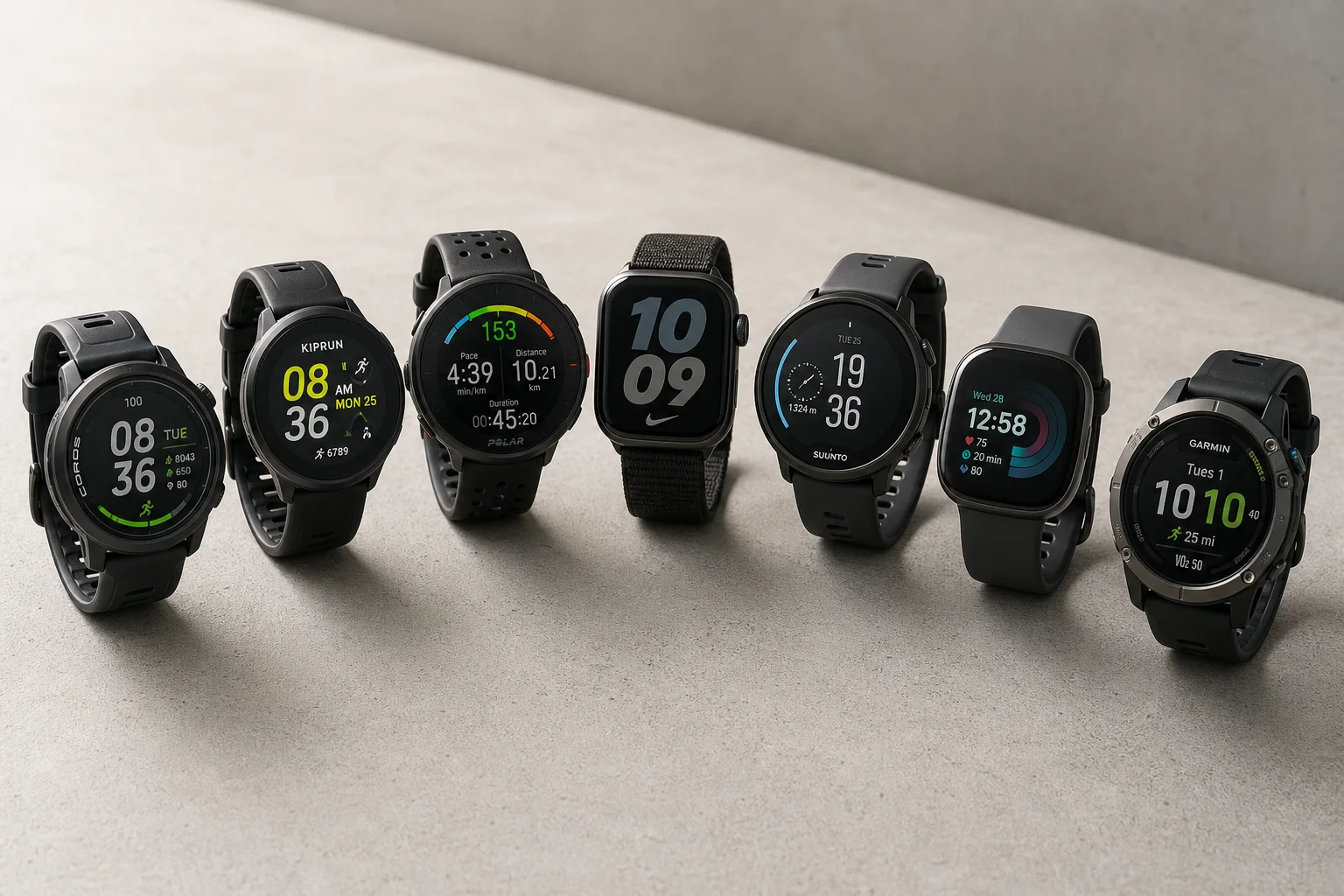
GPS Running Watch Accuracy Test: Seven Watches Compared Across Urban, Trail, and Race Conditions
We tested seven popular running watches from major brands in three different environments to find out which delivers the most accurate GPS tracking for distance and pace.
Running Watches
Garmin Forerunner 70 Review: Garmin's Cheapest Forerunner Is More Capable Than You'd Expect
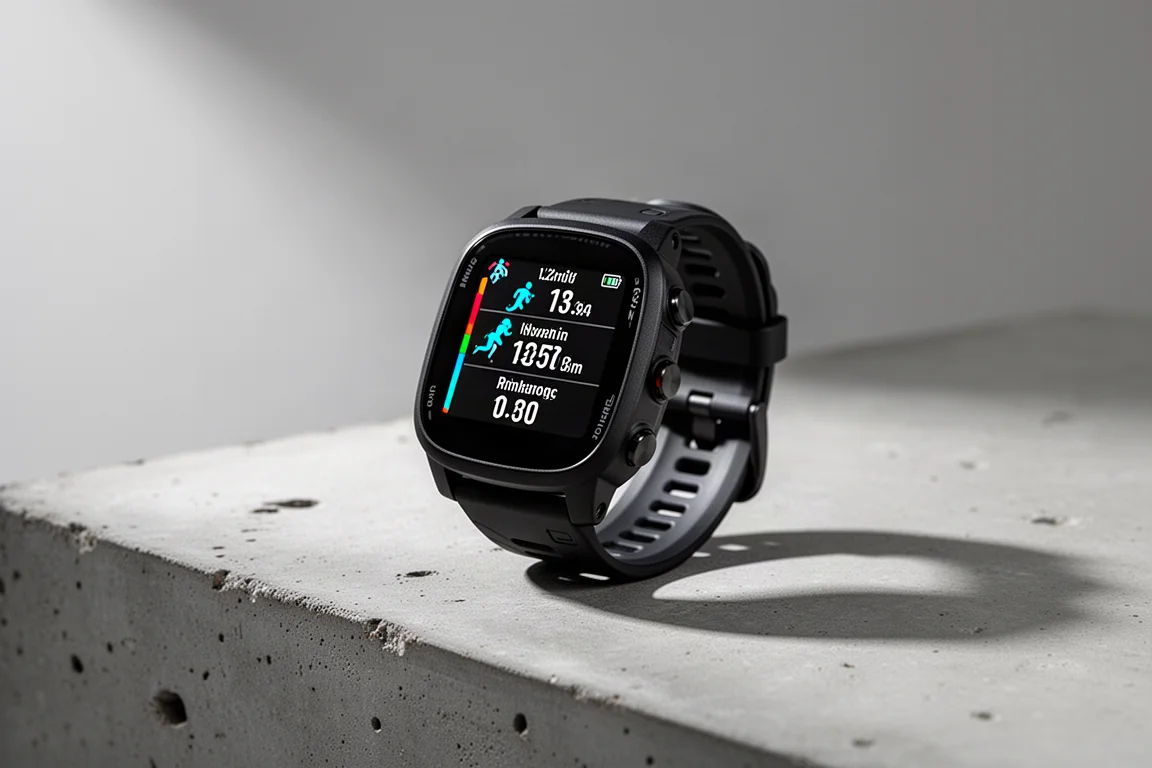
The new entry-level Forerunner 70 brings an AMOLED screen, a fresh interface, and real training analysis for £219/$249, with a few trade-offs to weigh before buying.