Running Watches
Polar Pacer Pro vs Polar Vantage V2: Everything You Need in a Lighter Package
The Pacer Pro appears to match the Vantage V2 on features for runners while costing considerably less. Here is how the two watches compare in daily training.
Introduction
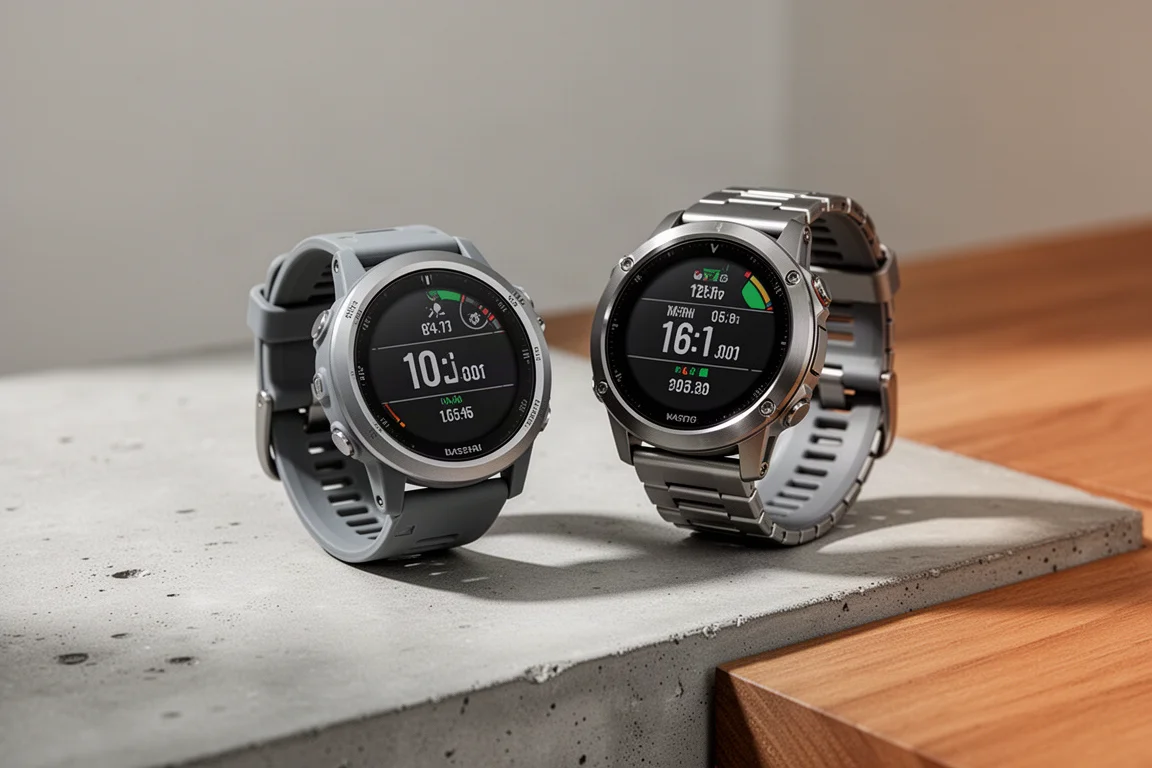
Polar’s Pacer Pro arrives with a simple promise: it seems to do everything the brand’s high-end watches do, at a fraction of the price. After more than a month of running with it, the headline finding is hard to argue with. Everything the Polar Vantage V2 does, the Pacer Pro also appears to do. The differences come down to build materials, feel on the wrist, and price: the Pacer Pro launched at $300, while the Vantage V2 was a $500 watch the year before.
What the Pacer Pro Gets Right
The Pacer Pro’s hardware refresh focuses on usability. The display sits under Corning glass 3.0, and the internals have been moved closer to the screen, which makes it easier to read in direct sunlight. A memory-in-pixel display helps with outdoor readability while saving battery, and Polar claims up to 35 hours of continuous GPS and heart rate tracking in a single activity. That is enough for most ultra runners to get through their longest races.
In real-world use, Polar says the watch can handle 7 days of activity per charge, but closer to four or five days felt more realistic before needing the charger. A short charge during a shower was generally enough to keep it topped up.
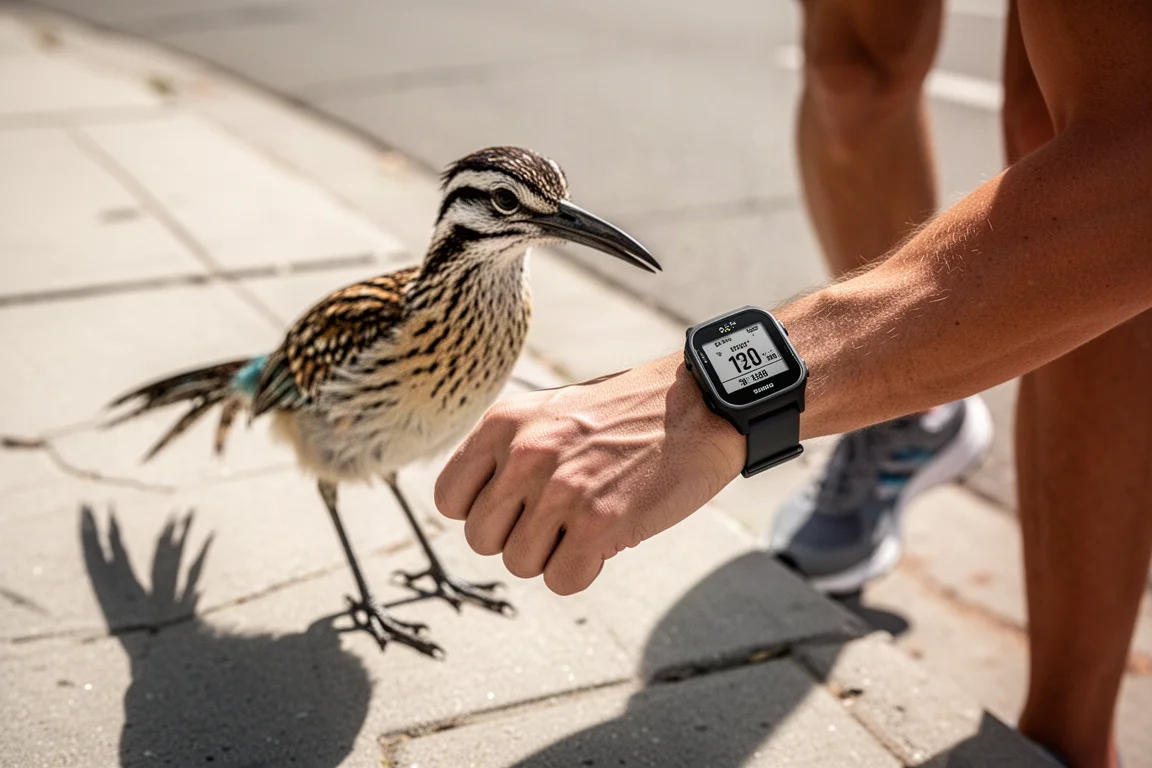
The watch is comfortable and light at 41 g in a plastic case with an aluminum bezel. The 1.2-inch display runs at 240 by 240 resolution. The comfortable included band is easy to swap thanks to a quick-change system and adapter, so any standard watch-sized band will work. Inside, you get multiple GPS radio types, a barometric altimeter, a magnetometer for compass directions, an accelerometer, and Bluetooth 5.1.
Notably, the large bump-out on the back that older Polar watches used for wrist-based heart rate contact is gone. The algorithm has also been tweaked for more accurate wrist readings, and the flatter back makes the watch easier to wear. The charging mechanism changed with it, which means new cables are required. Charging is faster, but the magnetic connector is easy to dislodge, so care is needed when setting the watch down.
Navigation and Heart Rate in Real Use
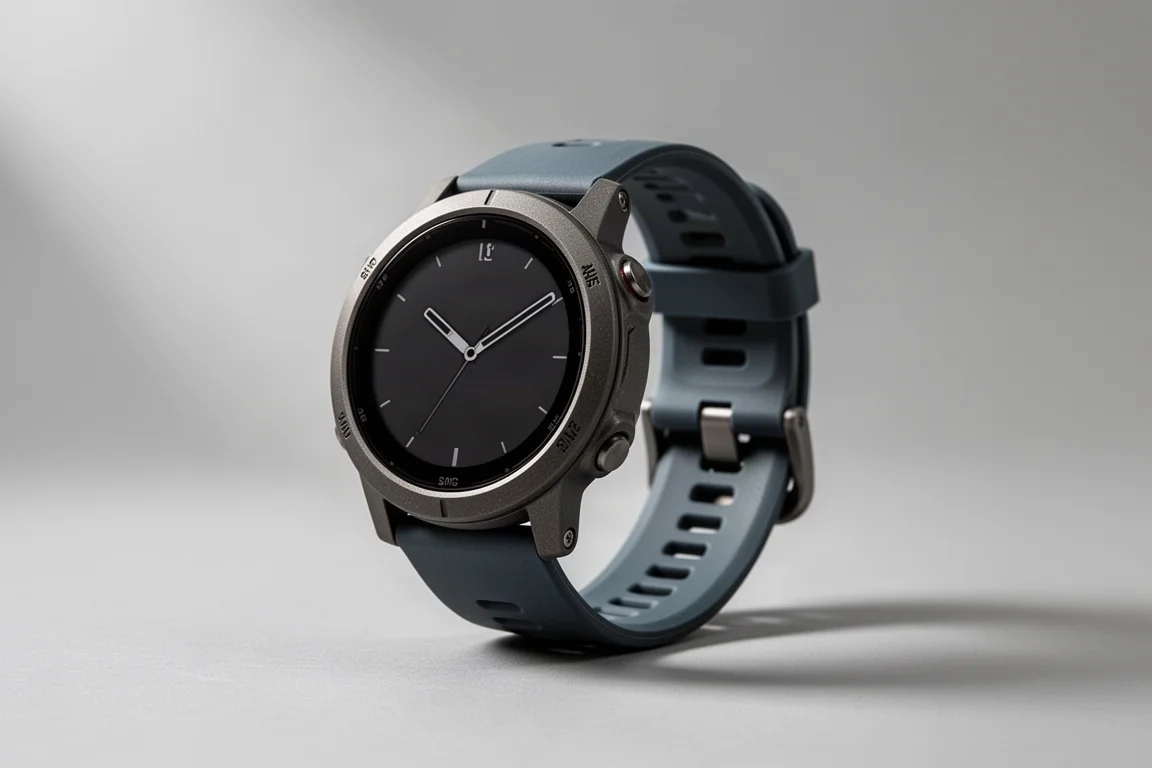
On an 11-mile run from Central Park to New Jersey, the route navigation worked as well as it has on previous Polar watches. You can load a course beforehand, sync it to the watch, and follow breadcrumb navigation with turn alerts, distance remaining, and off-course warnings. For most runners, that will be genuinely useful. The main quirk is that directions can feel a bit laggy around complex intersections: sometimes a turn seems to arrive earlier than the watch suggests, other times the turn has already been missed by the next glance at the wrist.
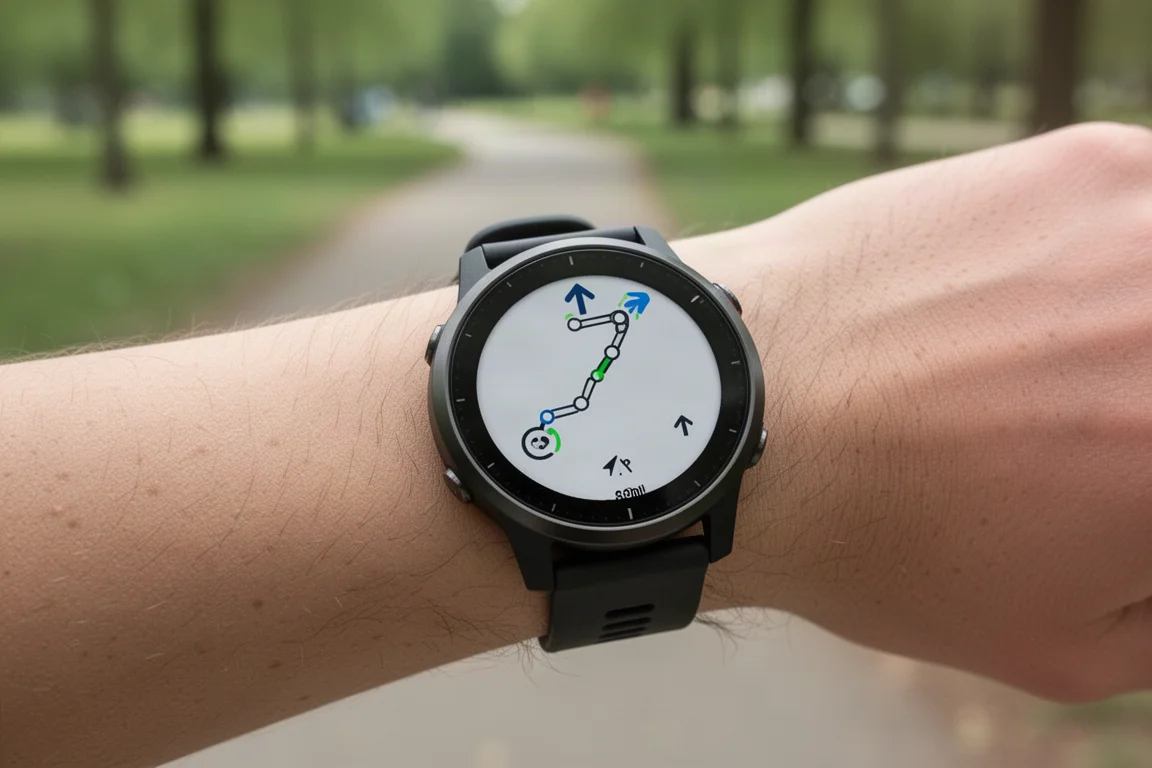
Heart rate is the ongoing caveat. On a very hot day with temperatures in the 90s, wrist-based readings climbed to levels that were clearly too high to be accurate at points. Wrist-based heart rate remains a personal weak point depending on skin tone and arm shape, so an external heart rate monitor is still part of the daily setup. The watch does support wrist-based running power without a foot pod, and it is fully compatible with the Stryd foot pod for those who already use one.
Training Features That Make a Difference
Data fields are fully customizable, so current pace, elapsed time, lap duration, power, and heart rate can all be arranged as needed. A zone lock feature is simple to toggle on and off, and it can be set for heart rate, pace, or power. That flexibility matters for structured training, such as keeping runs easy during low heart rate training blocks.

Structured workouts are handled well through the watch. A long warm-up followed by repeating work and rest phases can be set up in advance, and the watch buzzes and beeps when it is time to speed up or back off, so there is no need to keep checking whether the recovery has run too long. Widget-based watch faces round out the software, with the weather widget and sleep tracking standing out as the most useful. The sleep metrics include respiratory rate, beat-to-beat heart rate interval, heart rate variability, and average overnight heart rate, all compared against a 28-day baseline. That makes it easier to judge whether the body needs another easy day before the next hard session.
Beyond running, the watch supports cycling, lap swimming, and open water swimming, so multi-sport athletes can use it across run, bike, and swim sessions.
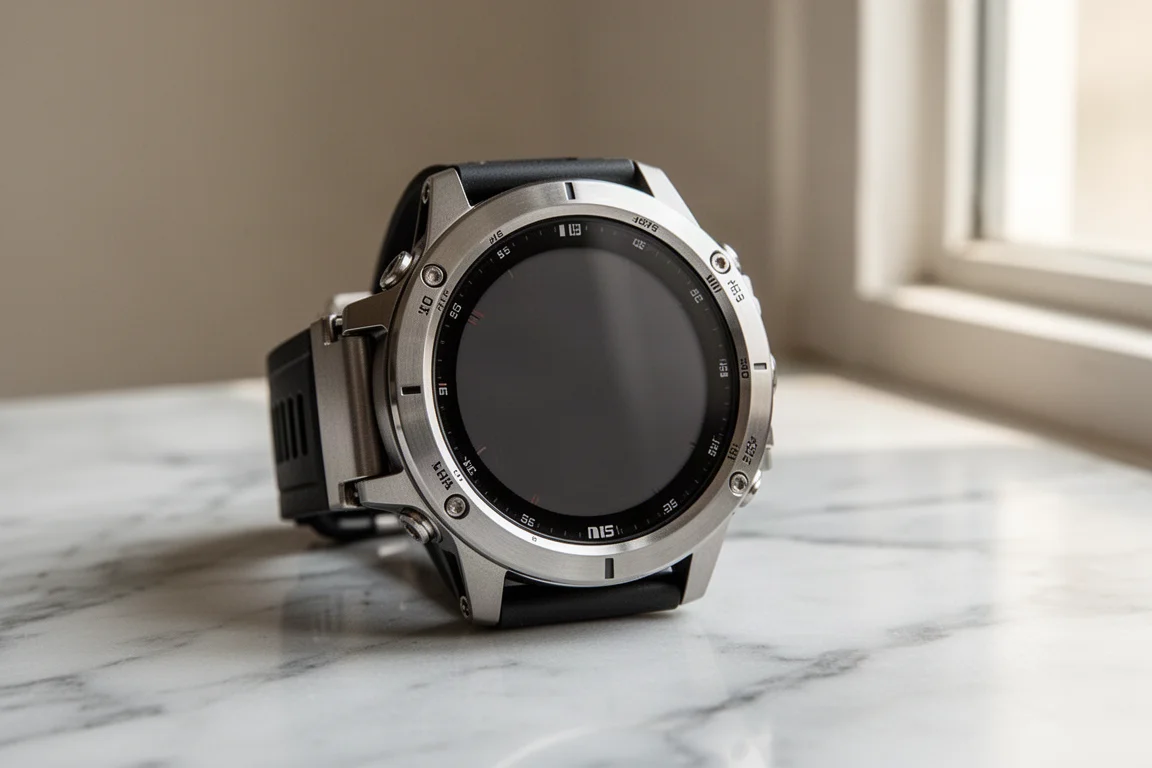
Pacer Pro or Vantage V2: Which Should You Buy?
In over a month of testing, there was not a single moment where a needed feature was missing from the Pacer Pro that the Vantage V2 offered. The only real difference is the premium feel: the Vantage V2 has better materials, feels nicer on the wrist outside of running, and carries a bit more weight, which is a slight performance negative.
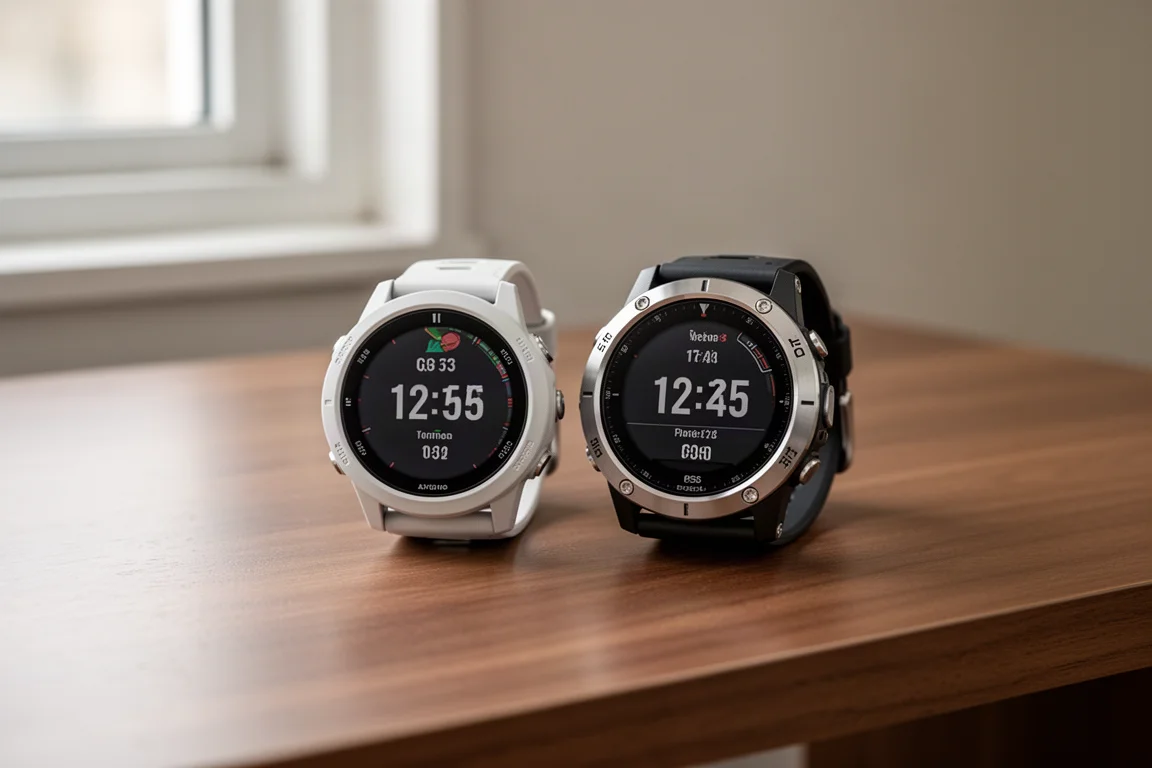
For pure functionality per dollar, the Pacer Pro at $300 is the stronger deal. The Vantage V2 still makes sense if the premium materials and heavier, more substantial build matter to you. If your priority is everything a running watch needs to do in the lightest, most affordable package, the Pacer Pro is the easy pick and a clear new daily driver.
Conclusion
The Pacer Pro delivers the full feature set Polar runners rely on, from breadcrumb navigation and wrist power to sleep recovery metrics and structured workouts, in a 41 g body at $300. The Vantage V2 remains the choice for those who value premium materials, but for base functionality, the Pacer Pro has it all.
Further reading
Related Reviews
Running Watches
Coros Pace 3 Running Watch Review: Why Software Matters More Than Specs
The Coros Pace 3 prioritizes runner-focused design and intelligent software over expensive hardware. Here's why it outperforms watches that cost twice as much.
Running Watches
GPS Running Watch Accuracy Test: Seven Watches Compared Across Urban, Trail, and Race Conditions
We tested seven popular running watches from major brands in three different environments to find out which delivers the most accurate GPS tracking for distance and pace.
Running Watches
Garmin Forerunner 70 Review: Garmin's Cheapest Forerunner Is More Capable Than You'd Expect
The new entry-level Forerunner 70 brings an AMOLED screen, a fresh interface, and real training analysis for £219/$249, with a few trade-offs to weigh before buying.