Sports Watches
Polar Pacer Pro Review: A Full-Featured Trainer Watch at $299
Polar's new Pacer Pro adds a barometric altimeter, wrist running power, route navigation and a raft of tests, making it the most complete Polar watch yet at this price.
Introduction
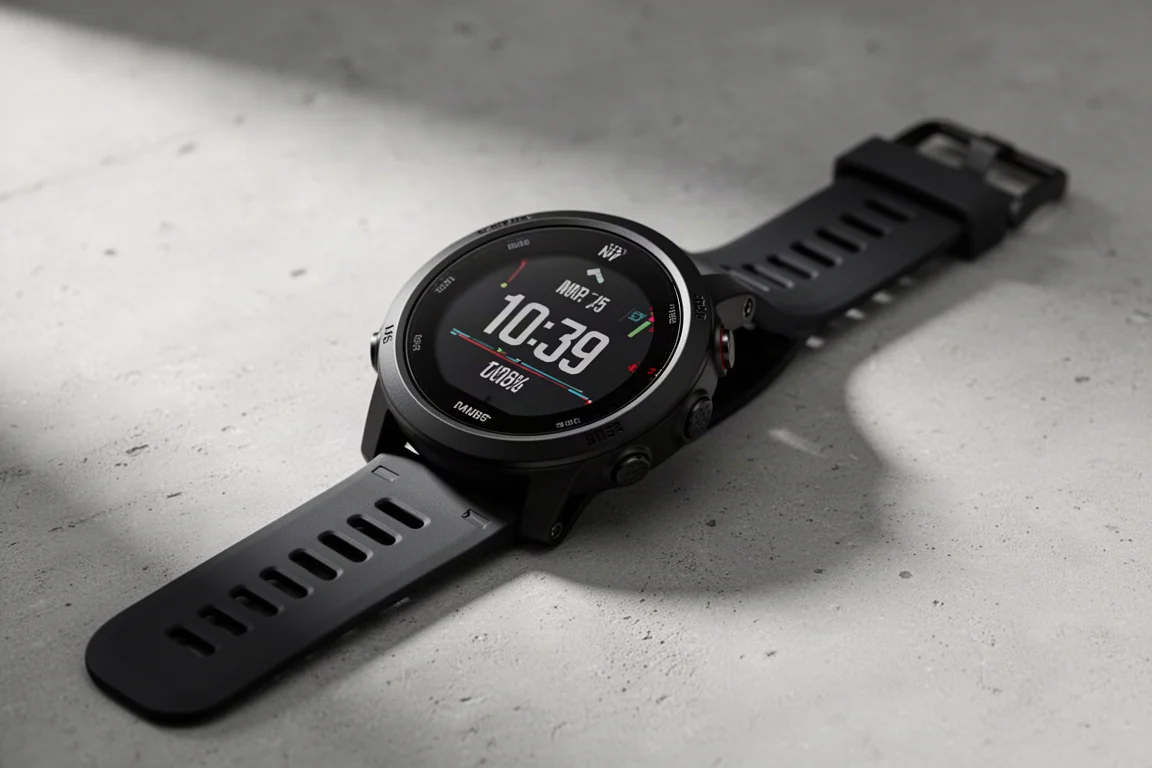
Polar has brought back the Pacer name for the first time in three decades, and the new Polar Pacer Pro is the more expensive of two watches announced together, priced at $299 alongside the $199 base Polar Pacer. The Pacer Pro arrives as the most full-featured watch Polar has ever offered at a sub-$300 price point, stacking a barometric altimeter, wrist-based running power, route navigation and a full suite of fitness tests into a button-only running-focused package.
This review walks through what is new, how the watch handles daily use and workouts, how the tests work in practice, and how the GPS and optical heart rate sensors held up in real training. It closes with buying advice, because the Pacer Pro sits in an interesting spot: strong within Polar’s lineup, and arguably best understood as a multi-sport watch rather than a pure running watch.
What’s New on the Pacer Pro
Measured against the Polar Vantage M2, which shares the same $299 price, the Pacer Pro brings a long list of upgrades. The headline addition is a barometric altimeter for more accurate elevation data than the GPS-based altitude of the Vantage M2. There is also a faster processor and more memory, though the speed improvement feels incremental rather than transformative across the board.
The screen is new too: a MIPS panel, not the AMOLED panel some rumors suggested. Compared side by side with the Vantage M2 and Grit X, the display is crisper with noticeably deeper blacks, an easy improvement to appreciate in daily use.

Beyond hardware, the feature list grows substantially. Running power from the wrist requires no accessories, matching how it works on the Vantage V2 and Grit X. Hill Splitter acts as an automated hill repeat counter, tracking how many repeats you have done and the elevation gained, a different approach from Garmin’s ClimbPro, which predicts upcoming climbs on a loaded route. Hill Splitter is better suited to weeknight hill repeats on a local neighborhood hill.
Route navigation is now included, something the Vantage M-series previously lacked. Courses load automatically from Komoot with turn-by-turn instructions, working the same way as on Polar’s higher-end watches, just at a lower price. Strava Live Segments are supported as well, showing segment distance before it starts and data while inside it. On the durability side, GPS battery time increased slightly from 30 to 35 hours, and water resistance improved from 30 to 50 meters. A redesigned strap attachment means the watch works with Polar’s shift straps, opening the door to third-party straps.
What is missing compared with the Vantage V2 and Grit X Pro? A short and fairly minor list, with recovery features the most notable omission. For most buyers, Polar has removed the main reasons to step up to those pricier watches.
Everyday Use and the Interface
There is no touchscreen here; everything runs through five buttons, three on one side and two on the other. The dashboard view shows the time and can be cycled through activity, heart rate, last training session, sleep stats and more, each one diveable for deeper detail. An 18,000-step day, for example, opens up into total active time and calories.
Sleep tracking is detailed, covering sleep charge, fall-asleep and wake times, actual sleep time, continuity, interruptions and sleep cycles. FitSpark serves up a workout of the day, pairing a strength or cardio session with a supportive workout afterward; after a hard run, it suggested 23 minutes of stretching with guided exercises. Weather and total training load get their own dashboard pages, and a music page controls playback on your phone, since no Polar watch in this lineup stores music.
The interface is occasionally a little slow and laggy when navigating back through menus, but on the whole the button-driven system is straightforward once you learn the layout.
Training and Running With It
Holding the right-hand button opens the workout modes. Starting a road running session engages the optical heart rate sensor and GPS; heart rate typically locks in within one to five seconds, and GPS took roughly 10 to 15 seconds to acquire in testing. Notably, this is the same optical sensor as the Ignite, a deliberate step back from the sensors used in the Vantage series and Grit X.
Up to 20 sport profiles can live on the watch at once, chosen from around 80 available, and every data page and field is customizable before syncing to the watch. During runs, wrist-based running power appears alongside your chosen fields with no stride sensor required. Afterward, a summary page covers the session, and everything syncs to Polar Flow on the app or website, then onward to services like TrainingPeaks and Strava.
Performance Tests: Worth the Effort?
The Pacer Pro carries four tests: the running test, cycling test, walking test and general fitness test. In the past, the Vantage M2 only offered the fitness test. The walking test is new to any Polar watch, and it sounded like the least painful option. It was not.
The walking test begins with a guided warm-up, then asks you to walk progressively faster without running. It continuously warns you not to run, no matter how fast you walk, and requires getting above a target heart rate, which turned out to be reasonably demanding. The result was a VO2 max score of 48, well below the expected range of roughly 56 to 61 established by lab testing and other watches, and off even from the running index of about 57 recorded the day before, which Polar positions as its VO2 max estimate.

The running test follows a similar structure: a 10-minute warm-up building from a walk through a trot, an easy run pace, a tempo pace, and finally as hard as you can go until the target pace can no longer be held. That effort produced a score of 56, far closer to expectations and a big gap from the walking test result. The takeaway: treat the walking test’s number with caution, and lean on the running test for a more realistic estimate.
Heart Rate and GPS Accuracy
Optical heart rate performance was strong across the board. An interval session of 800-meter repeats showed very good alignment with a chest strap, with only a couple of minor bobbles. A steady-state workout and an indoor ride on a smart trainer were both spot on, and a 40-minute outdoor run, including at peak output, tracked the chest strap closely.
GPS is a more mixed story. In open farmland it performed as well as most other watches at this price point. Under tree cover, and especially in tunnels and on bridges, it wavered. It is not bad GPS, just not standout, and with the bar rising across the industry as competing watches adopt newer positioning chipsets, this is the area most likely to feel dated over time.
Buying Advice: Running Watch or Multi-Sport Watch?
Within Polar’s own lineup, the Pacer Pro is a very good deal. Polar confirmed there is no feature the Vantage M2 has that the Pacer Pro lacks, which leaves the older watch without a compelling reason to exist. Against the Vantage V2 and Grit X Pro, the remaining advantages of those higher-end models are few enough that most buyers will be well served by the Pacer Pro.
The complication is the running watch framing. Polar markets the Pacer line squarely at runners, but against running-focused rivals such as the Garmin Forerunner 245 and the COROS Pace 2, both priced at $199, the Pacer Pro is either pricier or has fewer features than the competition at that comparison point.

Reframe it as a multi-sport or triathlon watch at $299, though, and the picture changes considerably. Little else competes in that range with this feature set, particularly around structured workouts, where Polar’s implementation outshines COROS, and the training load and physio-focused metrics are handled better here too. It is ultimately a branding tension more than a technology one: an okay running watch, but a great multi-sport and triathlon watch for the price.
Conclusion
The Polar Pacer Pro is easily the most complete watch Polar has made under $300, with meaningful upgrades in display, elevation, navigation and testing tools over the Vantage M2. Buyers should go in with clear eyes: as a pure running watch it faces tough, cheaper competition, but as a $299 multi-sport and triathlon watch it is genuinely compelling, with excellent heart rate accuracy and solid, if unremarkable, GPS.
Product link
View more details for Polar Pacer Pro
This product is mentioned in the review. Check the specifications, options, and compatibility before buying.
View more details for Polar Pacer ProFurther reading
Related Reviews
Sports Watches
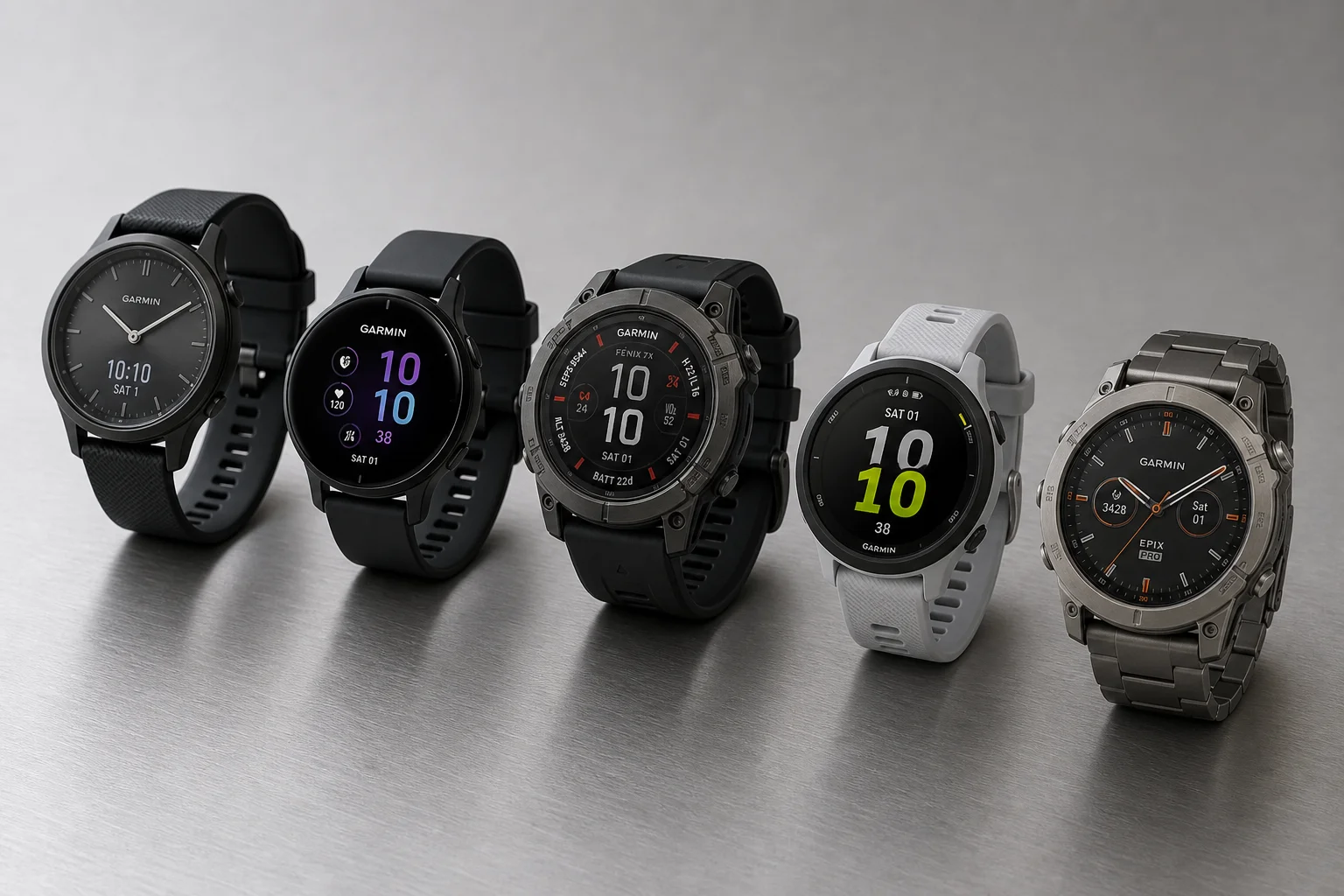
Garmin Sports Watch Guide: Finding the Right Model for Your Fitness Level
A comprehensive overview of Garmin's sports watch lineup, from casual fitness trackers to advanced multisport devices, helping you choose the right model for your needs and budget.
Sports Watches
Coros Pace Pro Review: A Complete Overhaul That Finally Feels Premium
Coros rebuilt the Pace Pro from the ground up with an AMOLED display, onboard maps, and a new heart rate sensor. Here is how it all holds up in real use.
Sports Watches
Polar Vantage M3 Review: The Sweet Spot in Polar's New Watch Lineup
A closer look at the Polar Vantage M3, which brings an AMOLED display, dual-frequency GPS, offline maps and the same software platform as Polar's flagship watches at a friendlier price.