Running Watches
Polar Pacer Pro First Run: Premium Features at a Mid-Range Price
The Polar Pacer Pro brings navigation, Hill Splitter and performance tests down from Polar's flagship watches, with a cheaper Pacer alongside it reshaping the range.
Introduction
Polar’s newest running watches are not packed with headline-grabbing new technology, and that is worth saying up front. What makes them interesting is the opposite approach: Polar is trickling a large chunk of its flagship feature set down into noticeably cheaper watches, and in doing so it is quietly reshaping its entire line-up.
The Polar Pacer Pro costs £259 and carries nearly all the key training and navigation features you would previously have needed the Vantage V2 or Grit X Pro for. Alongside it, the standard Polar Pacer lands at £169.50, and together the two look set to make the Vantage M2 a difficult watch to recommend, since it costs the same as the Pacer Pro while offering less.
What Makes the Pacer Pro Interesting
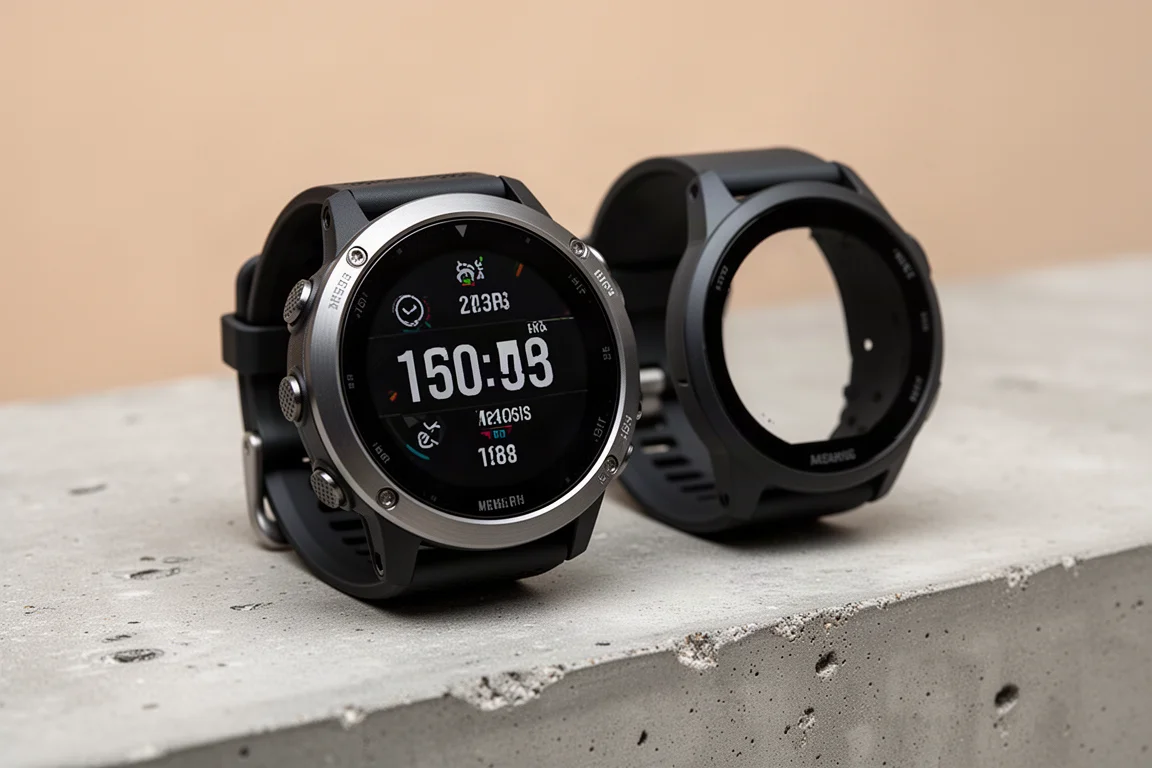
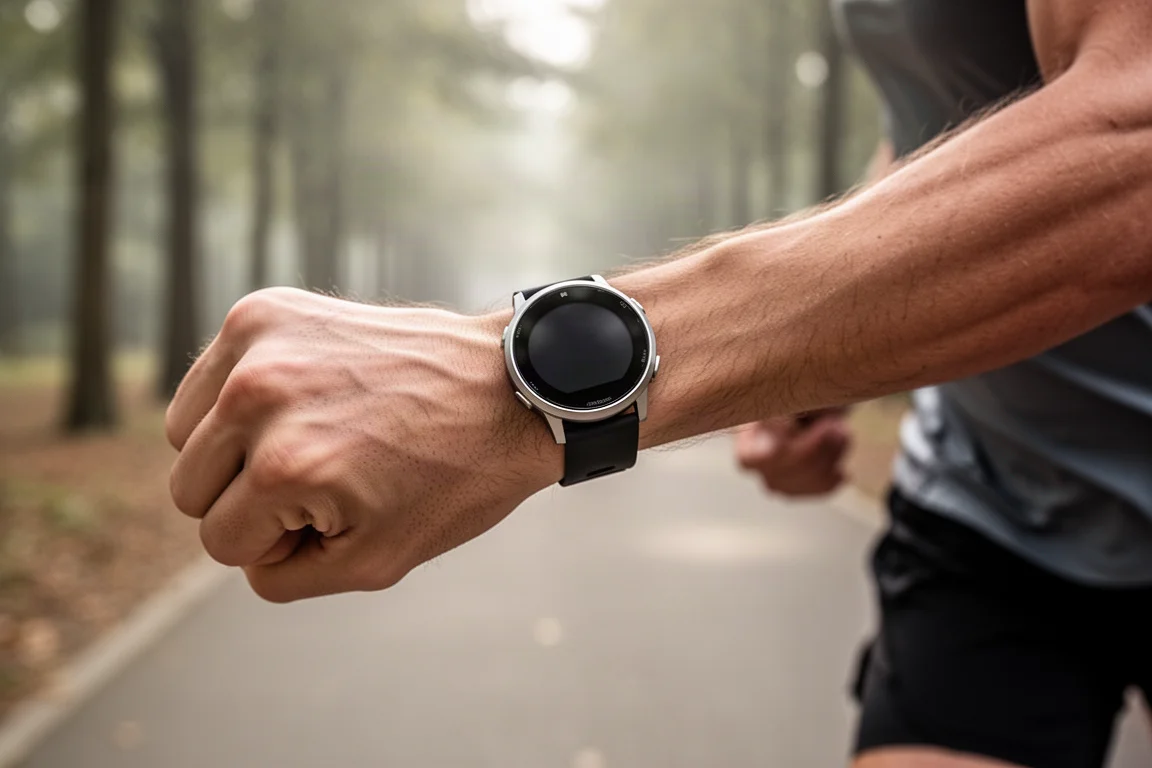
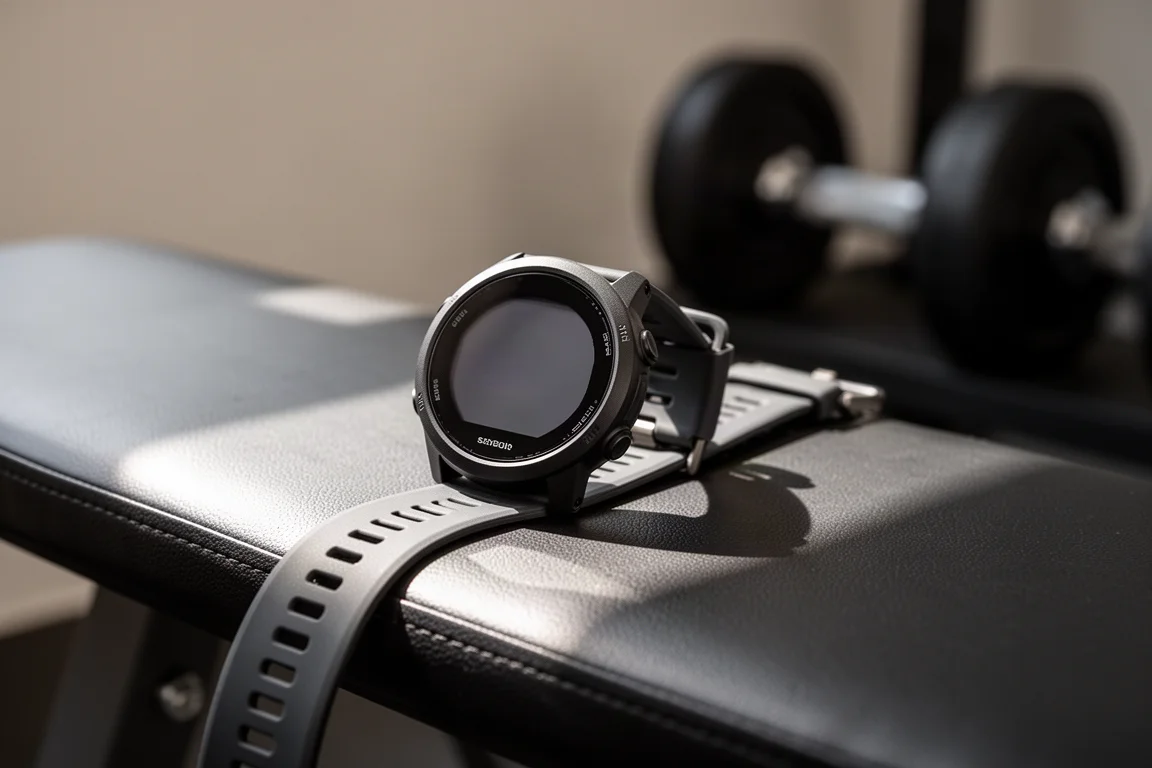
Although it is marketed at runners, the Pacer Pro is a full multi-sport watch, which Polar arguably does not shout about enough. It gets a sleeker, lighter design than the Vantage series at just 41 grams, an aluminium bezel, a faster processor with more memory, and a brighter memory-in-pixel colour display. There is a barometric altimeter, waterproofing to 50 metres, an improved Precision Prime optical heart rate sensor with extra LEDs, and a redesigned antenna that Polar says should improve GPS accuracy. There is no multi-band GNSS support, though, so this is not trying to match the very top of the market on positioning hardware.
The feature list that has dropped down from the Vantage V2 and Grit X Pro is the real story: route navigation with turn-by-turn directions, Hill Splitter, performance tests for running and cycling, a new walking fitness test that estimates your VO2 max from a brisk 15-minute walk, Strava Live Segments, quick-change bands, and Polar’s limited smart features such as notifications, weather forecasting and music controls. You also get Polar’s usual strengths: extensive training analysis, detailed sleep tracking with workout recommendations based on recovery, and FuelWise for fuelling longer sessions.
Battery life is rated at 35 hours of GPS or roughly a week of general use, extendable to around 100 hours in training mode through the power-saving options.
First Run Notes: Design and Display
On the wrist, the Pacer Pro is exactly what many runners want: light, thin and comfortable, with no protruding heart rate bump sitting flush against the wrist. The textured physical buttons are responsive and screen switching feels more snappy than on recent Polar watches, though the processing could still go up another notch. The strap adapter makes swapping bands easier, although a pin mechanism would still be preferable for some.
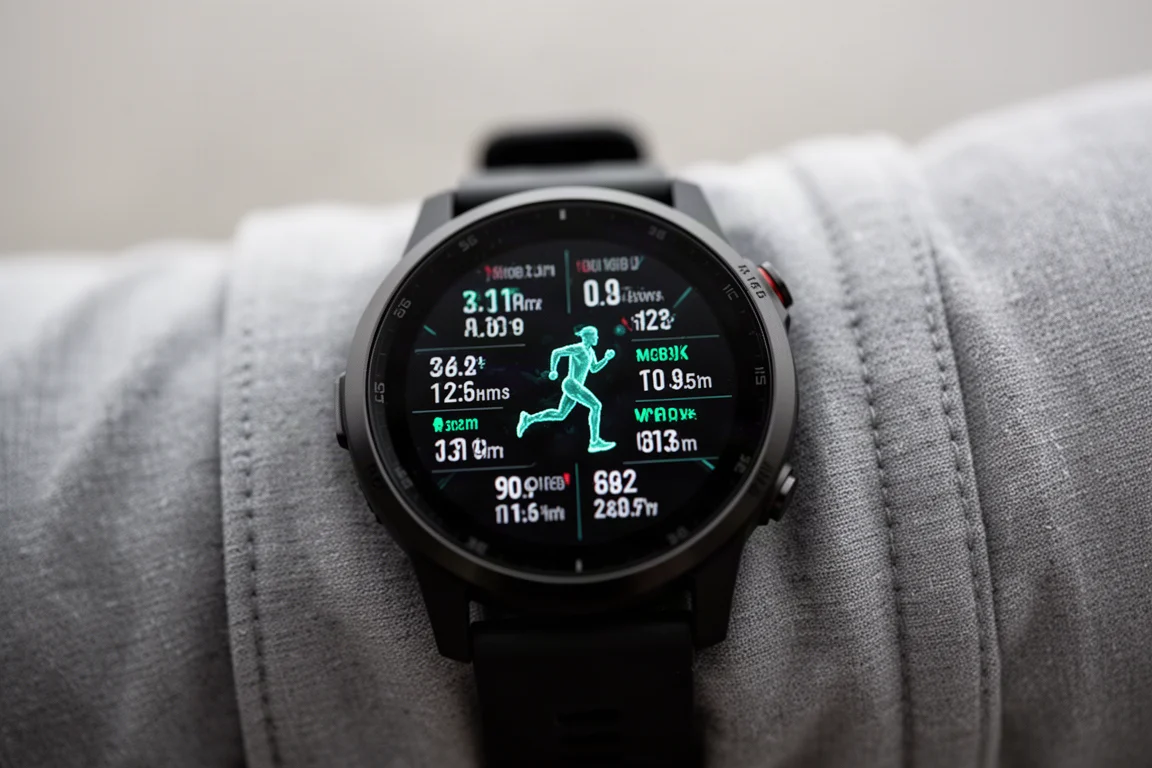
The display is the most visible change. It remains a memory-in-pixel panel rather than an AMOLED upgrade, but contrast is noticeably higher than on earlier Polar watches and brightness is improved, if not dramatically so. The large black bezel around the screen still eats into the face and feels a touch old-school next to more edge-to-edge designs.
First Run Notes: Tracking Accuracy
Early tracking results were solid without being spectacular. On a steady 10K, distance tracking ran close to a reference watch with a couple of small GPS wobbles, and heart rate matched a chest strap well at relaxed, steady paces. The usual caveat applies: during a hill effort the optical sensor was slow to catch a heart rate spike, so for high-intensity work a chest strap remains the recommendation, especially given how much Polar’s training analysis leans on accurate readings.
Battery drain over roughly an hour of running was around five percent, in line with expectations. General use drains faster than some other brands, likely due to more intensive overnight readings, but a five to seven day result with fairly heavy use looks realistic.
How It Sits Against the Competition
The obvious question is why anyone would still pay for a Vantage V2 or Grit X Pro, which can run up to around £180 more. Those watches offer full aluminium bodies, touchscreens, and richer recovery insights through Recovery Pro and the orthostatic tests. They are nicer watches in some respects, but the gap has narrowed considerably.
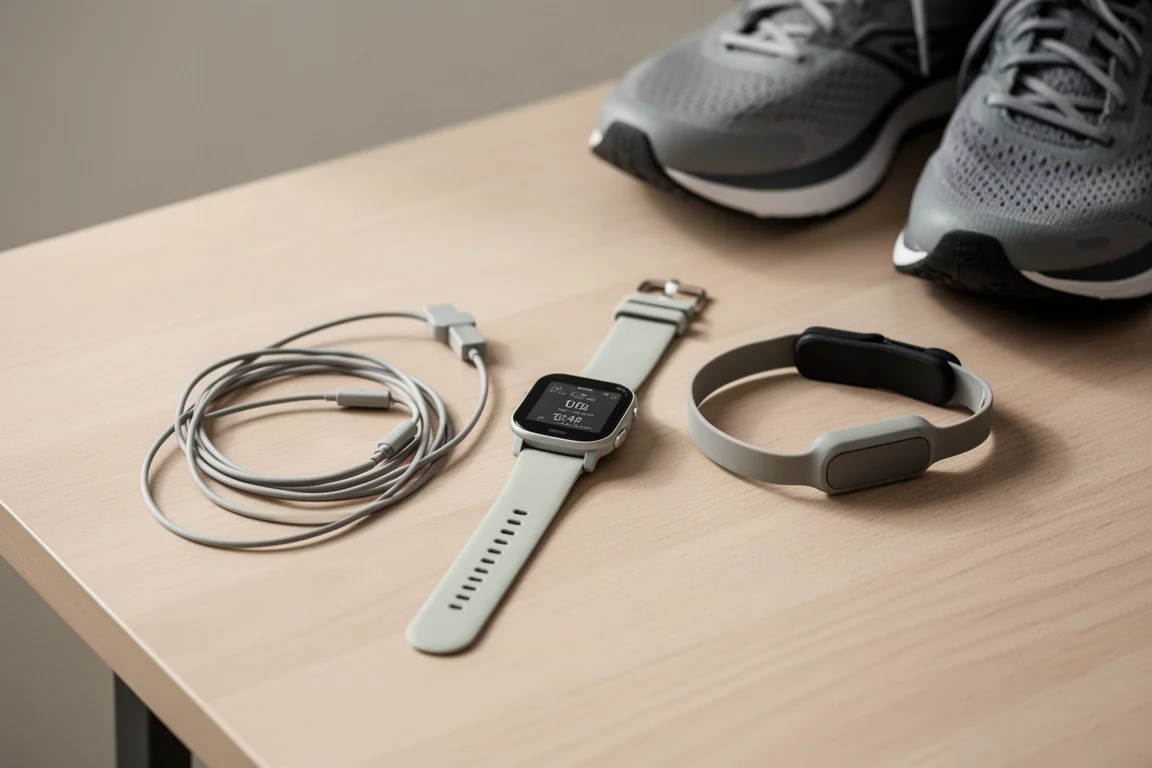
At £259, the Pacer Pro lines up against the Garmin Forerunner 245 and Coros Apex. Garmin probably still offers the stronger smartwatch experience, while the Coros Pace 2 undercuts it and adds slightly longer battery life. But for a 35-hour GPS runtime at this price, little else comes close, and the overall feature set gets you very close to the full Vantage V2 experience for less money.
Is the Cheaper Pacer the Real Story?
The standard Polar Pacer might actually be the more exciting launch. At £169.50 it loses running power from the wrist and all the navigation features, but it keeps a large share of the Pacer Pro’s feature set, including Polar’s detailed training load analysis, and it slots in around the Coros Pace 2 and Garmin Forerunner 45/245 territory. If tracking and battery hold up, it could be a very strong value option.
The Pacer Pro itself may not be groundbreaking, but it represents the best of Polar’s training and recovery ecosystem in a cheaper, lighter package. If you like a smaller, sleeker watch and do not want to pay flagship money for the features you will actually use, it is an easy one to shortlist.
Conclusion
The Pacer Pro is a solid first-run impression rather than a revelation: comfortable design, a brighter display, snappier processing, dependable steady-pace tracking and a genuinely strong feature set for the money. The bigger takeaway is Polar’s pricing shift, which makes its best training features accessible to far more runners. The Pacer Pro looks like a strong mid-range contender against the Forerunner 245 and Coros Apex, and the cheaper Pacer could prove to be the watch to watch.
Product link
View more details for Polar Pacer Pro
This product is mentioned in the review. Check the specifications, options, and compatibility before buying.
View more details for Polar Pacer ProFurther reading
Related Reviews
Running Watches
Coros Pace 3 Running Watch Review: Why Software Matters More Than Specs
The Coros Pace 3 prioritizes runner-focused design and intelligent software over expensive hardware. Here's why it outperforms watches that cost twice as much.
Running Watches
GPS Running Watch Accuracy Test: Seven Watches Compared Across Urban, Trail, and Race Conditions
We tested seven popular running watches from major brands in three different environments to find out which delivers the most accurate GPS tracking for distance and pace.
Running Watches
Garmin Forerunner 70 Review: Garmin's Cheapest Forerunner Is More Capable Than You'd Expect
The new entry-level Forerunner 70 brings an AMOLED screen, a fresh interface, and real training analysis for £219/$249, with a few trade-offs to weigh before buying.